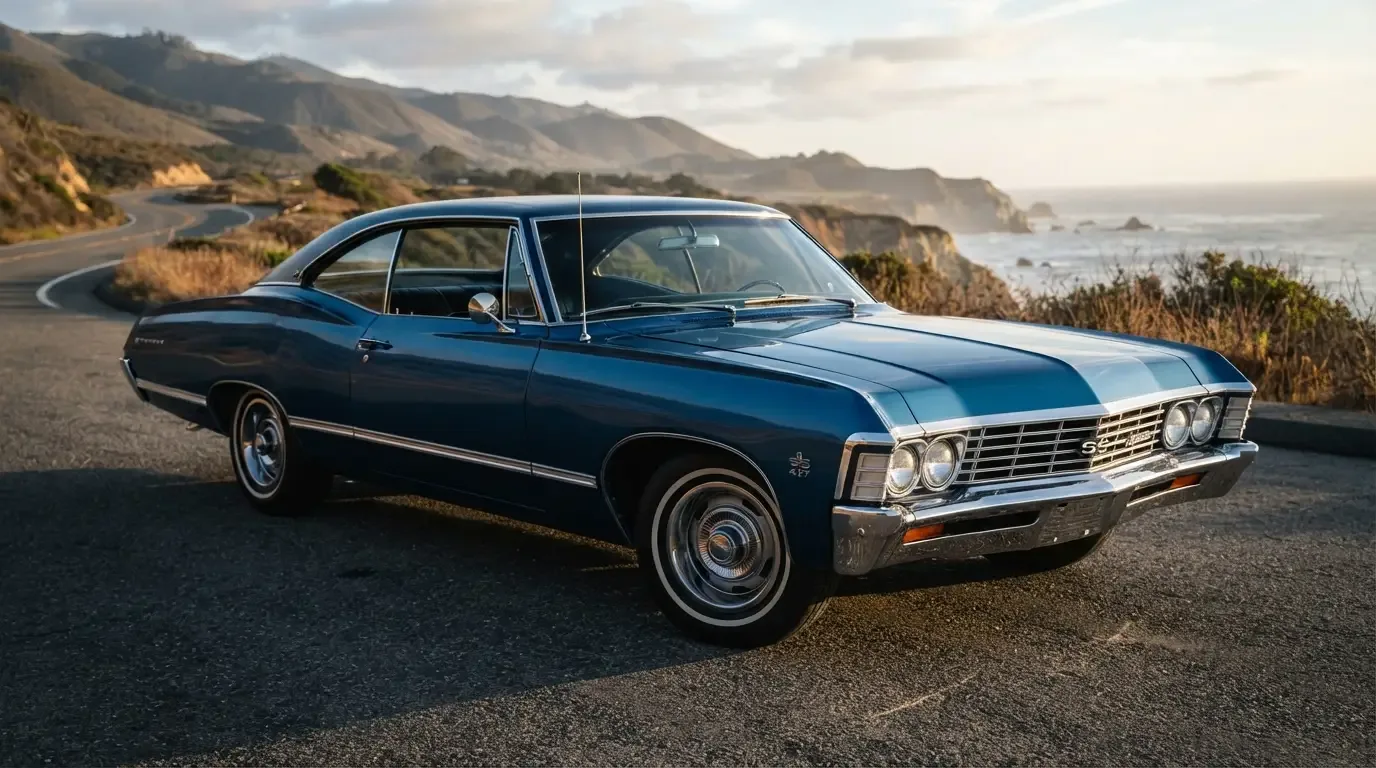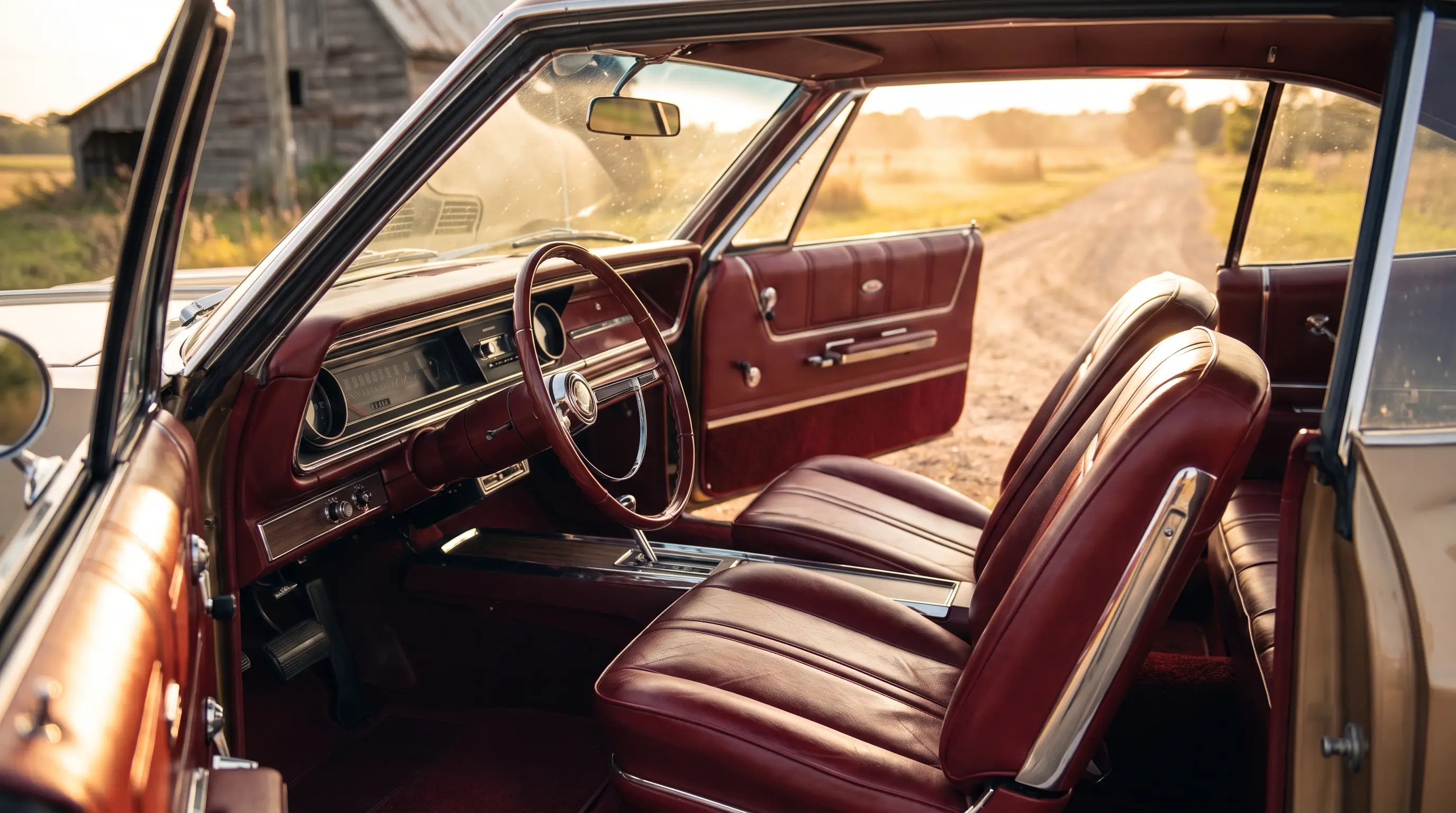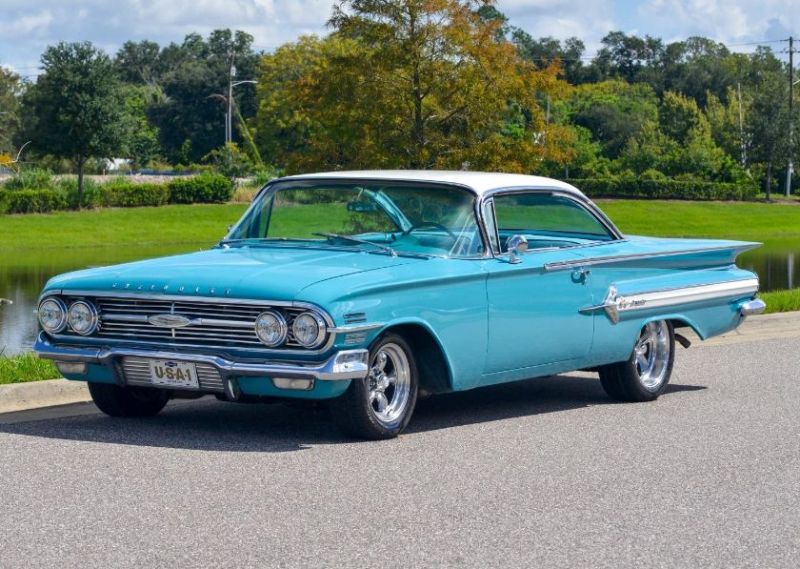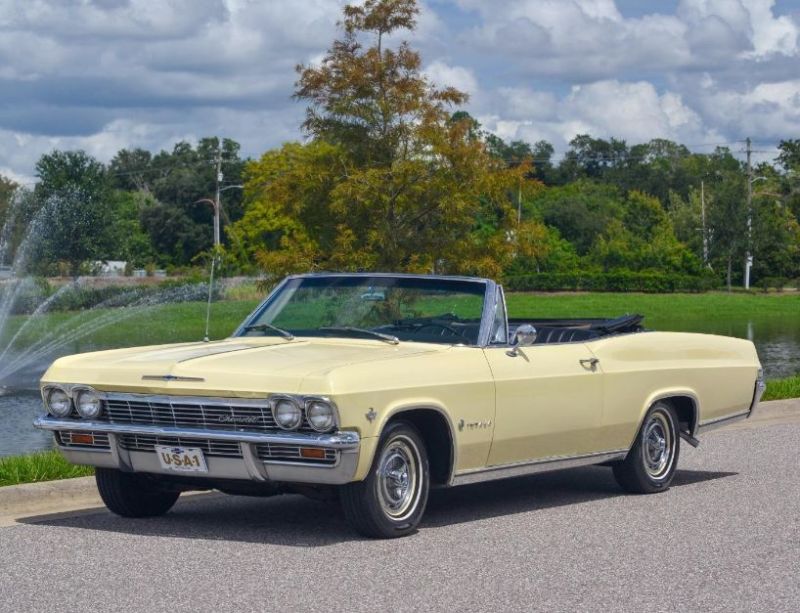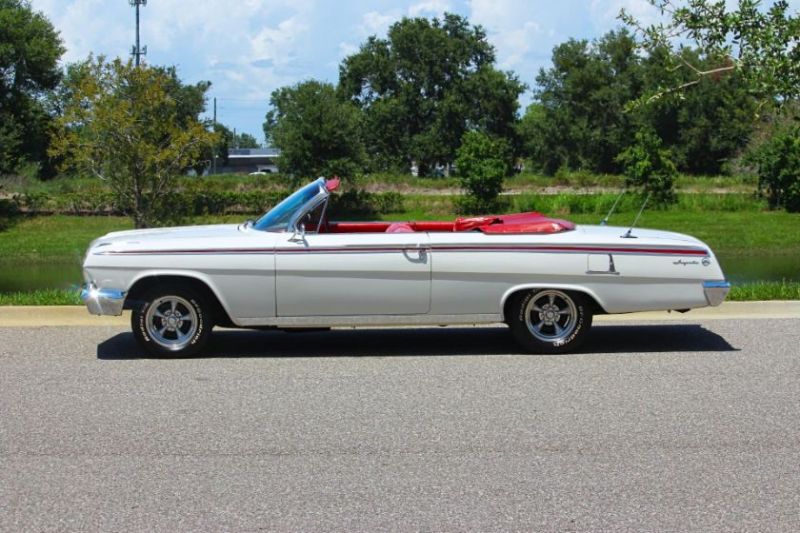
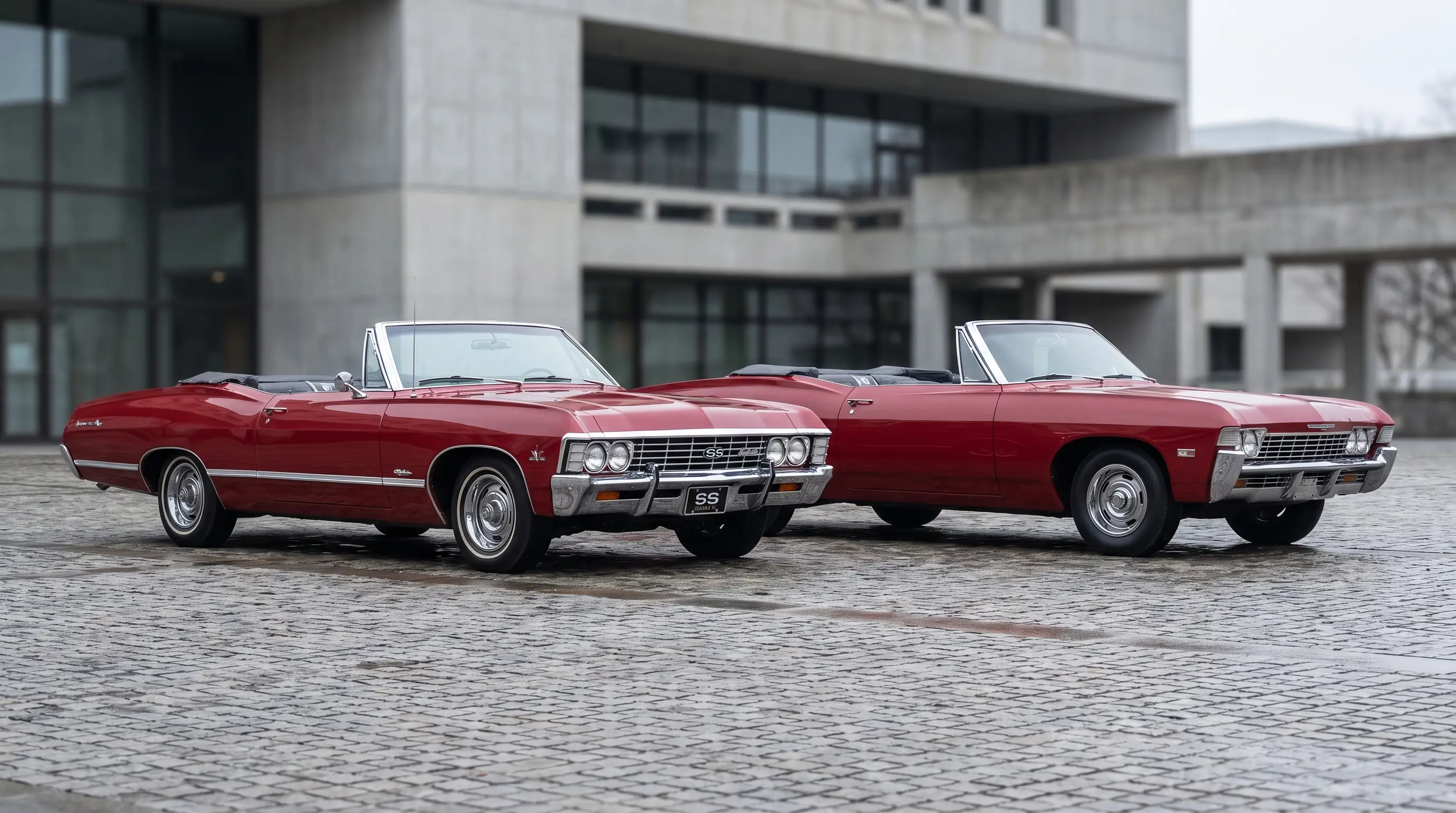
I have turned wrenches on more Impalas than I can count, and the question I get asked most at swap meets is not about horsepower or paint codes. It is real impala ss verification, plain and simple: how do you know the car in front of you is what the seller says it is, and not a good-looking Impala somebody dressed up after the fact.
Why the question even exists
The SS badge was never a separate car built on a separate line. For most of its run it was an option package bolted onto a regular Impala, which means the difference between a genuine SS and a base Impala wearing borrowed trim can come down to a handful of parts that are not particularly hard to source secondhand. Bucket seats, a console, SS badges, and the right wheel covers can all be bought individually and installed on a car that never left the factory with any of them. None of that requires special skill. It just requires somebody willing to do it and a buyer who does not know to look closely.
That gap between what is easy to fake and what is hard to fake is exactly where verification work lives. The visible stuff, seats, badges, trim, is the easy part to copy. The harder part, the factory paperwork and the codes stamped into the car itself, is what actually separates a real SS from a very convincing imitation.
What actually settles the argument
Every genuine factory-built car carries identifying information that a bolt-on clone cannot replicate without serious effort and expertise, tags and codes tied to the specific vehicle that describe how it left the factory floor. When those details line up with what the car is presenting as, badge, engine, and trim all matching what the factory documentation says should be there, you are looking at a genuine example. When they do not line up, somebody has either made an honest mistake somewhere along the car's history or made a deliberate choice to dress up a lesser car.
I want to be clear that mismatches are not always dishonest. Plenty of cars have had engines swapped decades ago for reasons that had nothing to do with fraud, a blown motor replaced with whatever was available at the time, long before anyone cared about matching numbers. The issue is not that every mismatch means somebody lied to you. The issue is that a mismatch changes what the car actually is, and it should change what you are willing to pay for it.
Where sellers get away with it
The clones that fool people are rarely the sloppy ones. It is the well-executed cars, correct-looking badges, period-appropriate parts, a story that sounds plausible, that catch buyers off guard, because a buyer who is excited about a car tends to look for reasons to believe rather than reasons to doubt. That is human nature, not stupidity, but it is exactly the moment where a second, more skeptical set of eyes earns its keep.
I have seen sellers who genuinely believed their own car's story, having bought it themselves from someone who told them it was a real SS without ever checking. The lie, if there is one, sometimes happened generations before the current owner ever got involved. That does not make the car any more genuine. It just means the person selling it to you might be telling you the truth as they understand it, while still being wrong.
"Nobody clones a car to fool a mechanic. They clone it to fool a buyer standing in a driveway who wants to believe what they are looking at. Slow down, ask for the documentation, and let the paperwork do the talking instead of the paint job."
- Mike Sullivan
What honest verification looks like
Doing this right is not glamorous. It means asking a seller for whatever factory documentation exists, comparing the car's identifying details against records and reference material for that specific model year, and being willing to walk away if the answers do not add up or the seller gets defensive about basic questions. A seller with a genuine car generally welcomes that kind of scrutiny, because it only helps their asking price. A seller with something less than advertised tends to get vague fast.
It also helps to bring in somebody who has looked at a lot of these cars before, whether that is a marque club member, an experienced appraiser, or simply a friend who has been burned once already and learned the hard way what to check. Verification is not a solo skill you develop reading a forum post the night before you look at a car. It is something built from seeing enough real ones and enough fakes side by side that the differences start to jump out without much effort.
For the broader history behind why this badge is worth verifying carefully in the first place, the whole picture covers how the SS package came to exist and how it changed across the years, which helps explain why certain details matter more in certain model years than others. And for buyers ready to start looking at real cars rather than reading about clones, shop classic Impala listings to see a range of documented and undocumented examples currently on the market.
The bottom line for buyers
A clone is not automatically a bad car. Plenty of well-built tribute SS Impalas are honest about what they are and priced accordingly, and there is nothing wrong with owning one as long as everyone involved knows what it actually is. The problem only shows up when a clone is sold, knowingly or not, as something it is not. Verification protects you from that gap, and it costs nothing but a little patience and a willingness to ask questions a seller might not love answering.
I tell people the same thing every time this comes up in the shop. Buy the car you can afford to be wrong about, or do the verification work before you write the check. There is no third option that ends well. A cheap clone bought honestly, with eyes open, can be a genuinely satisfying project and a fun car to drive on a Saturday. A clone bought as a genuine article, at a genuine article's price, is just an expensive lesson dressed up as a bargain.
None of this should scare anyone off the SS badge entirely. Most sellers are honest, most cars are what they say they are, and the verification steps that catch the exceptions are not complicated once you know to look for them. It just takes a little more patience than admiring the paint and the badge and calling it done.