
The jeep cj cj7 collector market has been one of the steadier corners of the classic truck world for the past decade, and the data behind that steadiness tells a more useful story than the anecdotes usually do. This isn't a truck riding a speculative bubble. It's a platform with deep production numbers, broad parts support, and a buyer base wide enough to absorb supply without wild swings in either direction.
Car Features
7 min read
Collecting the CJ-7: The Blue-Chip Classic Jeep
Deep production numbers and steady, broad-based demand have made the Jeep CJ-7 one of the most stable corners of the classic 4x4 market.
Reading the production numbers correctly
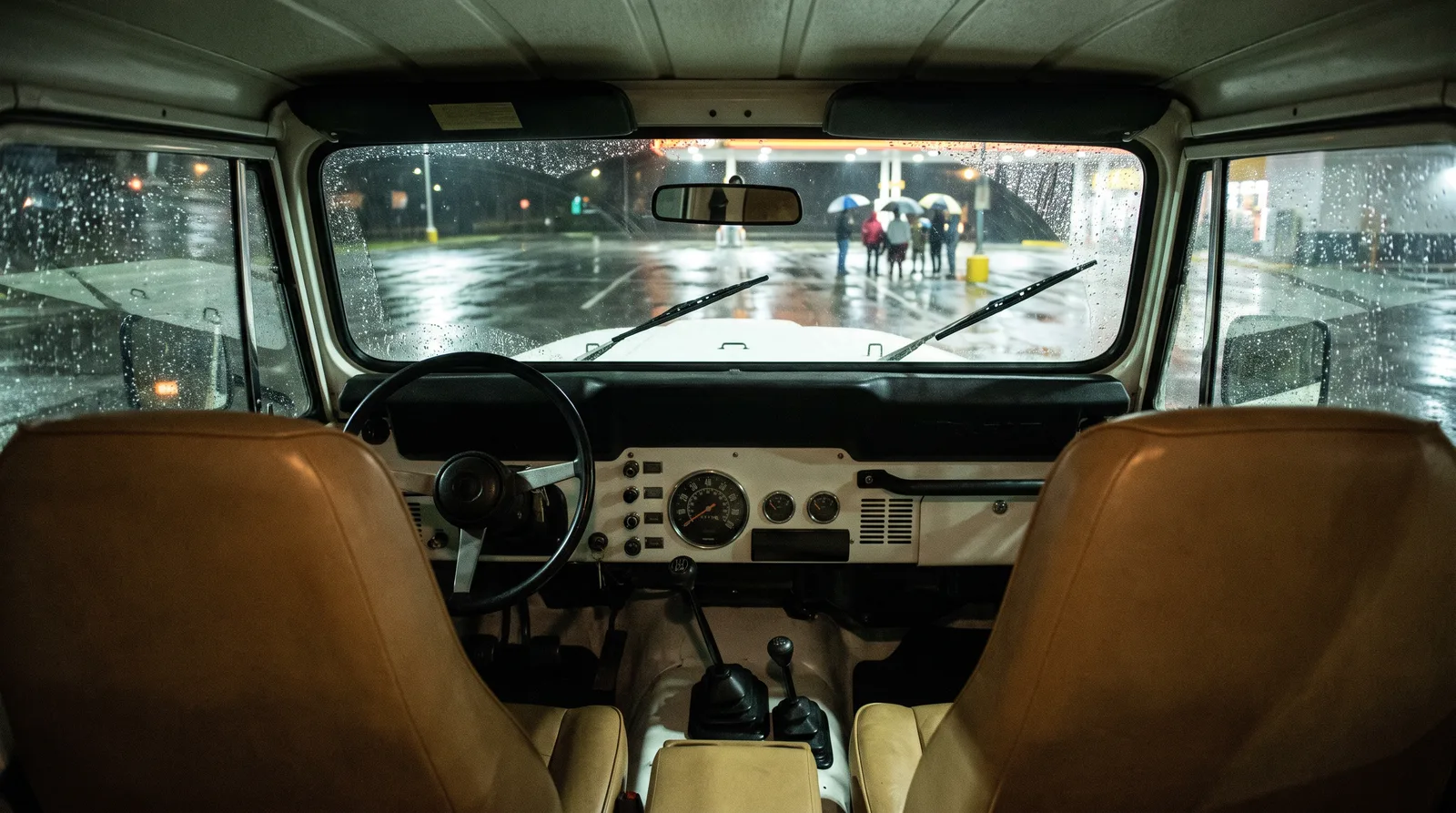
Jeep built the CJ-7 in substantial volume across its 1976 to 1986 run, which is exactly the kind of production history that tends to produce a healthy, liquid collector market rather than a thin, volatile one. High production numbers usually depress rarity premiums, and for base-spec CJ-7s that's true here as well. But volume also means an established network of parts suppliers, specialty mechanics, and knowledgeable buyers, and that infrastructure keeps values supported even for less exceptional examples, because there's always a next buyer who knows exactly what they're looking at.
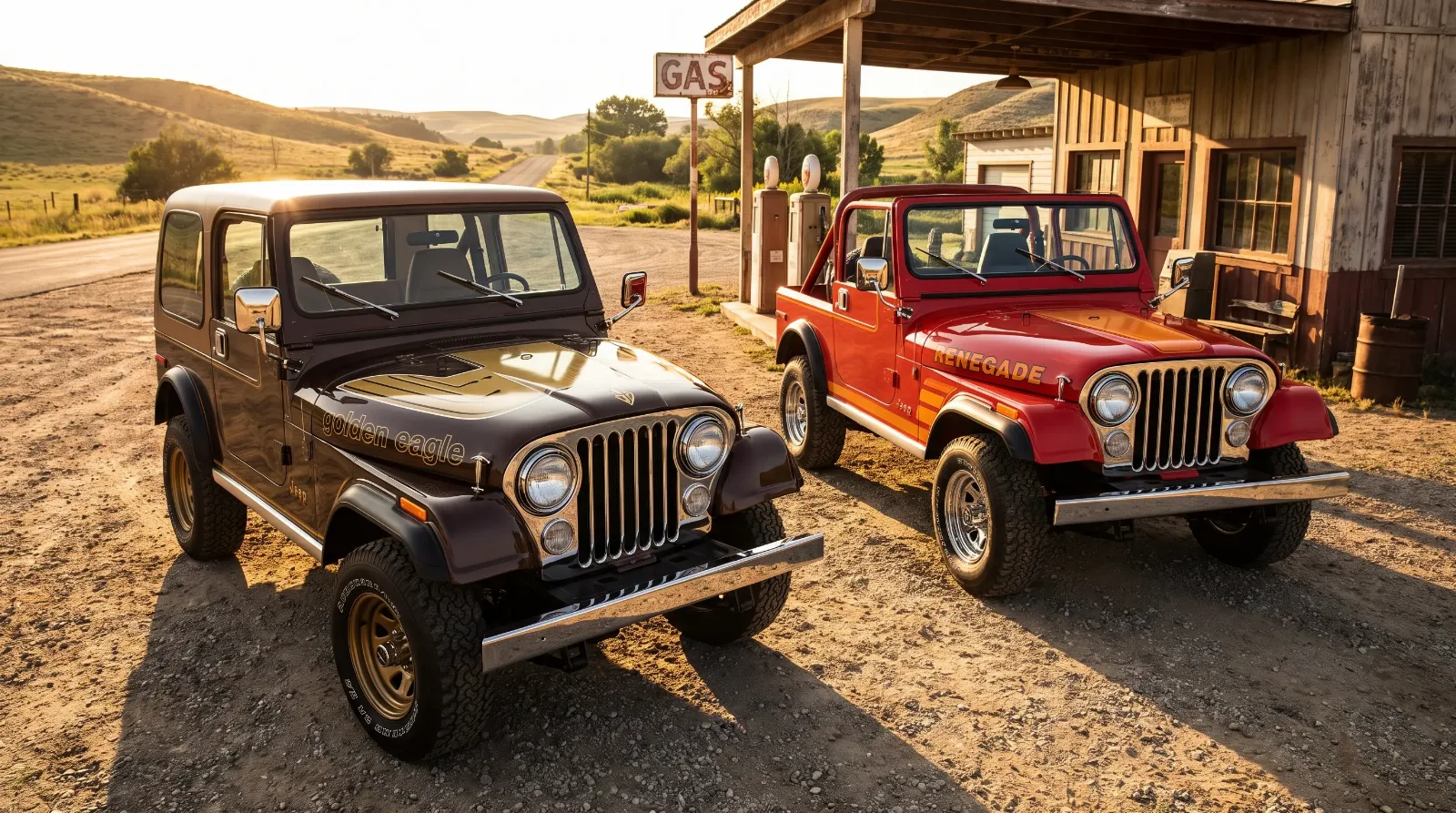
Where the real appreciation shows up is in the variables that separate an ordinary example from an exceptional one: documented originality, low miles, factory options like the AMC V8 or Quadra-Trac, and desirable special editions built in smaller numbers. A generic six-cylinder soft top CJ-7 in driver condition and a numbers-matching, low-mile Golden Eagle or Renegade edition are not competing in the same price bracket, even though they share a badge and a factory.
What auction results actually show
Auction results for CJ-7s have trended upward steadily rather than spiking, which is generally the healthiest pattern a collector market can show. Sharp price spikes tend to correct. Steady multi-year climbs, driven by a widening pool of buyers rather than a narrow speculative frenzy, tend to hold. The CJ-7 has benefited from a broader classic 4x4 market that has grown alongside interest in vintage Broncos, Scouts, and Land Cruisers, with buyers who might once have chased only one of those nameplates now shopping across the category and discovering the CJ-7's combination of affordability and parts support.
As a rough guide, honest driver-condition CJ-7s tend to trade in the low five figures, while documented restorations and desirable special editions in top condition have reached well into the $35,000 to $65,000-plus range at auction. That spread is worth checking against recent results before setting expectations, since regional demand and condition variance make broad averages less useful than a look at comparable recent sales in your area.
| Condition tier | General market position |
|---|---|
| Rough project / parts truck | Bottom of the market, valued mainly for drivetrain and body parts |
| Honest driver, mechanically sound | Steady demand, most liquid segment of the market |
| Restored to original spec | Meaningful premium, especially with documentation |
| Rare option or special edition, low miles | Top of the market, strongest long-term hold |
What documentation is actually worth
Paper trail matters enormously in this market, arguably more than it does for some other classic trucks, because the CJ-7 was such a common daily driver and off-road tool for decades. A huge share of the surviving population has been modified, swapped, or repaired with non-original parts at some point in its life, which makes a clean, documented history genuinely scarce even among trucks that otherwise look similar. Original window sticker, matching VIN and engine numbers, service records, and clear ownership history all add real, measurable value, not just sentimental value.
Buyers who skip this diligence tend to overpay for cosmetic condition while underweighting mechanical and documentation risk, which is backwards from how the smartest money in this market actually operates. A rough-looking but well-documented, mechanically sound CJ-7 is frequently a better long-term hold than a glossy repaint with an unclear history.
"This isn't a hype market. It's a broad, well-supported market where documentation and originality separate the winners from the also-rans. Buy the paperwork as much as you buy the truck."
- David Mercer
Regional variation matters more than national averages
National auction averages tell an incomplete story for a truck like the CJ-7, because regional demand differs sharply based on climate history and local culture. A CJ-7 that spent its life in a dry southwestern state without road salt is typically worth meaningfully more than an identical trim level that spent decades in a rust belt state, regardless of what a national auction average might suggest for that model year. Buyers who anchor their expectations purely to headline auction results, rather than comparable sales from a similar climate and region, frequently end up either overpaying for a rust-belt truck or underbidding on a genuinely clean southwestern example because they didn't adjust for where the truck actually spent its life.
Shipping and transport costs also factor into this regional calculus more than buyers often expect. A well-documented, rust-free CJ-7 found a thousand miles away can still be the better financial decision once transport costs are weighed against the repair bills a rust-compromised local example would demand, and savvy buyers increasingly shop nationally rather than limiting themselves to whatever happens to be listed nearby.
How the broader 4x4 market has shaped demand
The classic 4x4 category as a whole has drawn in a wider range of buyers over the past decade, including younger collectors entering the market who grew up seeing these trucks used rather than displayed, and that shift in buyer demographics has changed what the market rewards. Originality still commands the strongest premiums among traditional collectors, but a growing segment of buyers values a tastefully upgraded, trail-ready CJ-7 nearly as highly as a numbers-matching restoration, provided the upgrades are done well and documented honestly. That's a meaningful shift from a decade ago, when originality was close to the only variable that mattered to serious buyers, and it has broadened the pool of trucks that can command strong prices beyond just the pristine, unmodified examples.
The outlook for buyers and sellers
Insurance and financing for a CJ-7 also work differently than they do for a daily driver, and buyers new to the classic truck world sometimes overlook this until they're already deep into a purchase. Agreed-value collector policies typically require documented appraisals and, often, evidence that the vehicle is stored and used as a collector piece rather than a primary vehicle. Building that paperwork trail early, right after purchase rather than years later, makes both future insurance claims and eventual resale considerably smoother.
For sellers, the takeaway is straightforward: originality and documentation sell trucks faster and for more money than cosmetic restoration alone. For buyers, the takeaway is patience. The CJ-7 market has enough supply that there is rarely pressure to jump on the first listing, and a buyer who takes the time to compare several examples against real comparables tends to end up with a better truck at a fairer price. For background on how the model built the reputation that underpins today's demand, read the background on the CJ-7's full production history.
If you're ready to start comparing what's actually on the market, you can browse classic CJ listings and see current asking prices across the full range of condition and originality this platform offers.
Sources and notes
Related Reading
Have a
Jeep CJ
for Sale?
Reach thousands of serious classic car collectors across the US.
Sell It Here →
Selling a classic? Here's how: the best sites to sell a classic car
Are You a Classic Car Dealer?
List your full inventory and connect with targeted classic car buyers.
Join as a Dealer →
#jeep cj-7
#AMC Jeep
#classic Jeep values
#Jeep collector market
#Golden Eagle CJ-7
#classic 4x4 investing

About the author
David Mercer
Classic car market analyst with two decades of experience tracking collector car valuations, auction results, and investment trends.
Related Listings - Jeep CJ

Comments
Be the first to comment on this article.