
Walk a swap meet field long enough and you will hear the same complaint about the 1972 K5 Blazer: it is either too far gone to save as-is or too clean to touch. That gap is exactly why the last year of the first-generation Blazer has become one of the most requested platforms for a K5 blazer 1972 restomod. The removable top, the short wheelbase, and a body that predates the heavier squarebody sheet metal give builders a starting point that looks right whether the finished truck runs a period-correct 350 or something that never came from a GM parts book.
Car Features
7 min read
The 1972 K5 Blazer as a Restomod Canvas
The last year of the first-generation K5 Blazer has become a favorite restomod starting point, and the reasons go well beyond nostalgia.
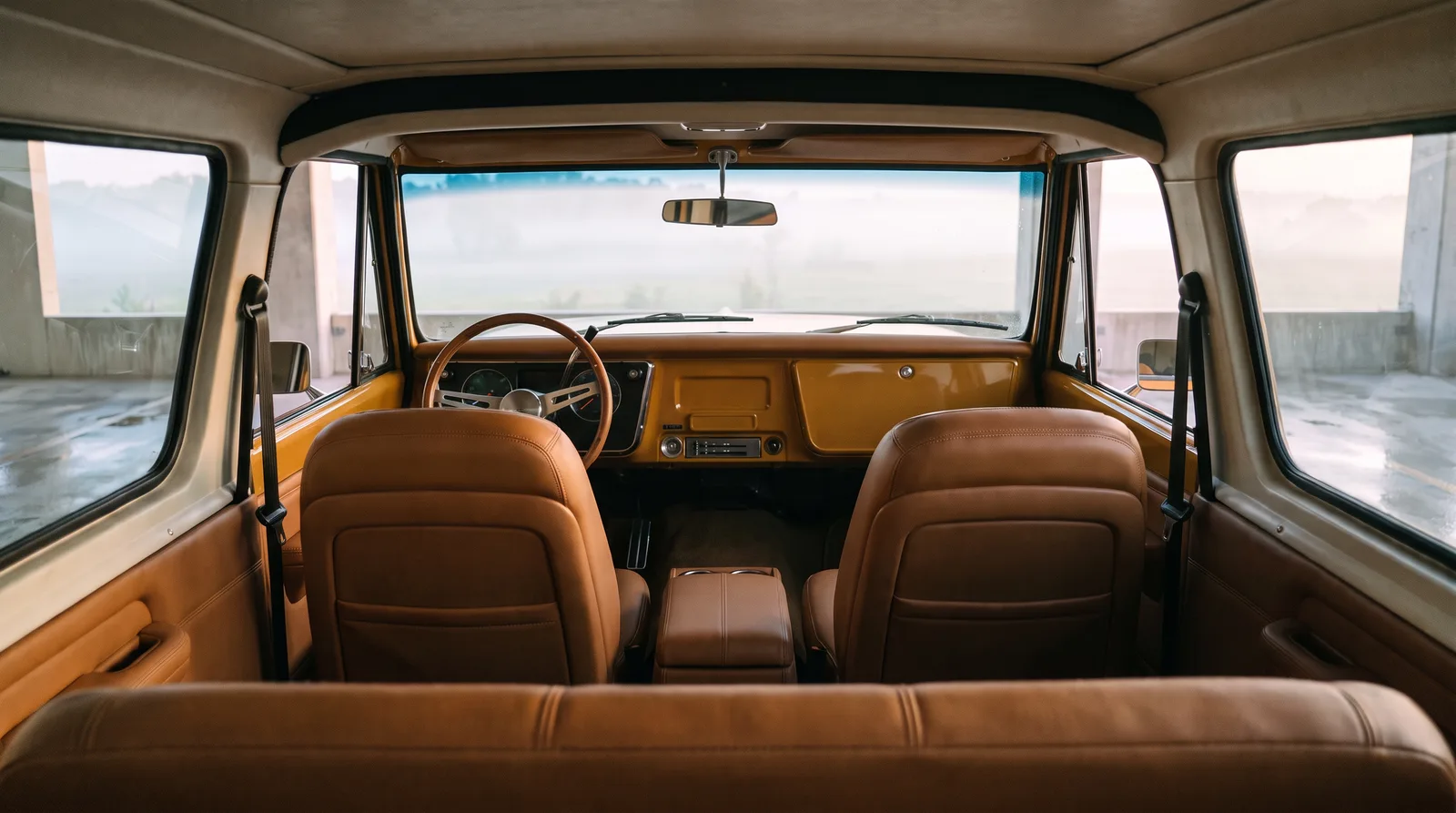
Why 1972 specifically
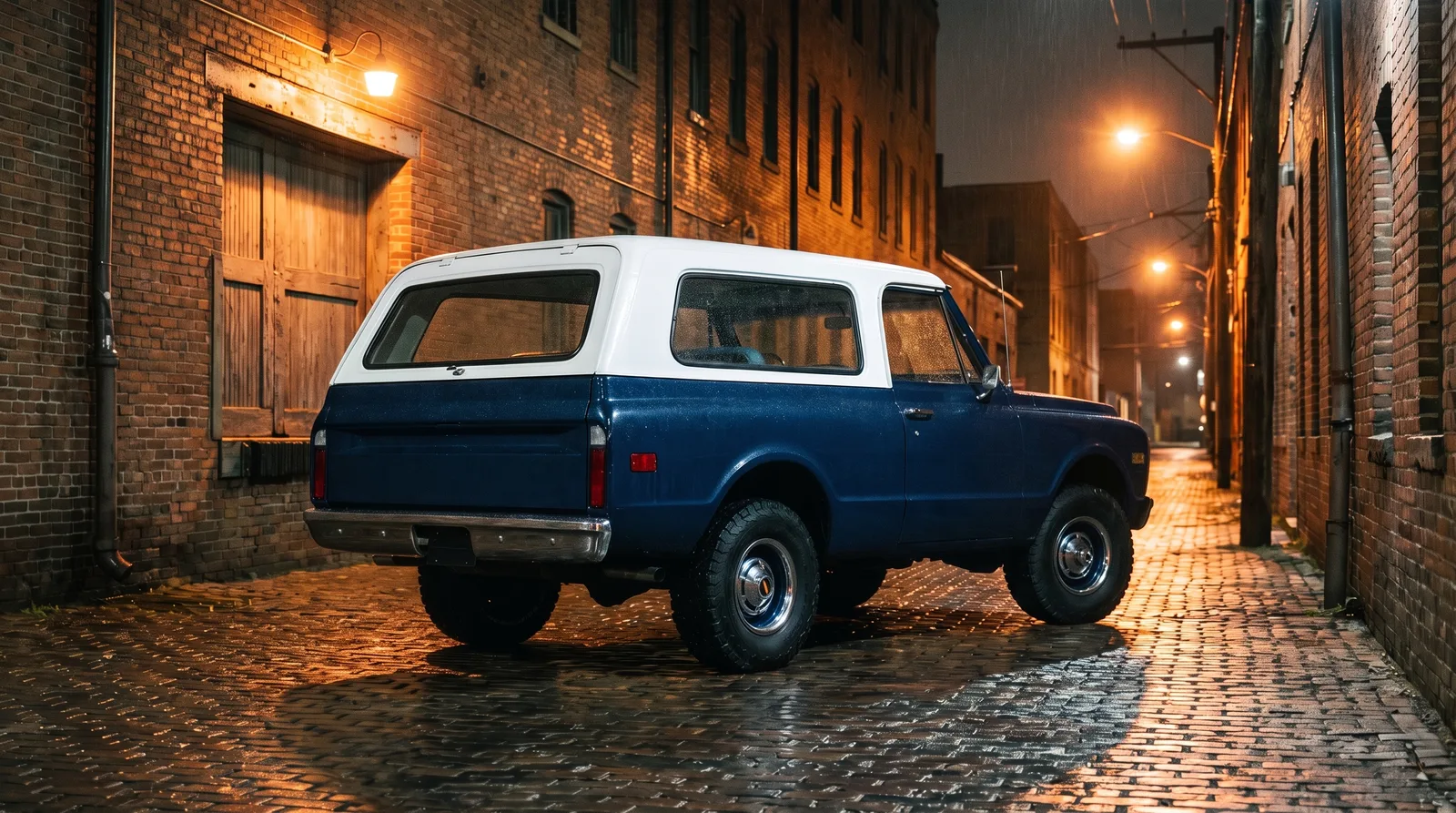
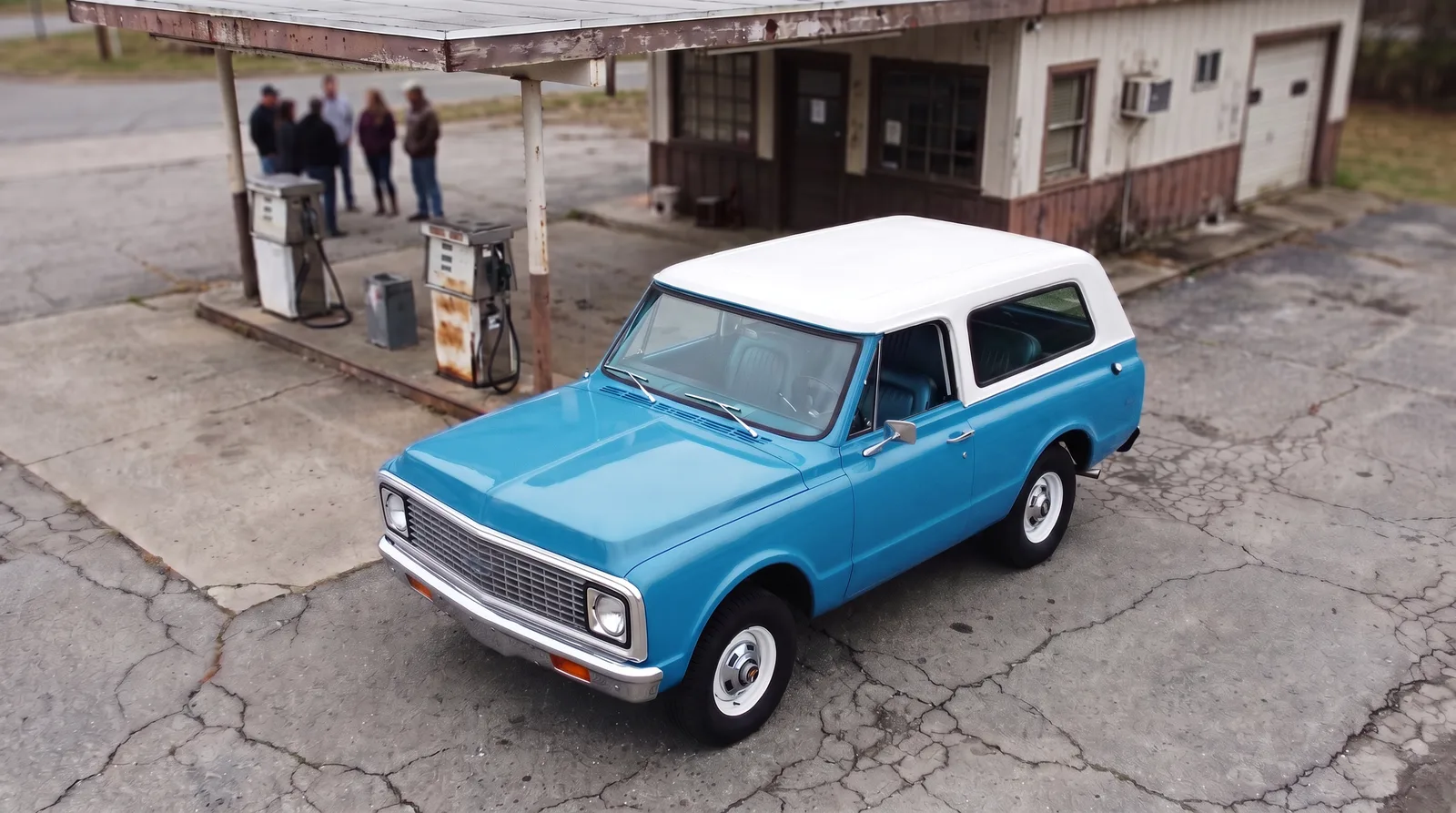
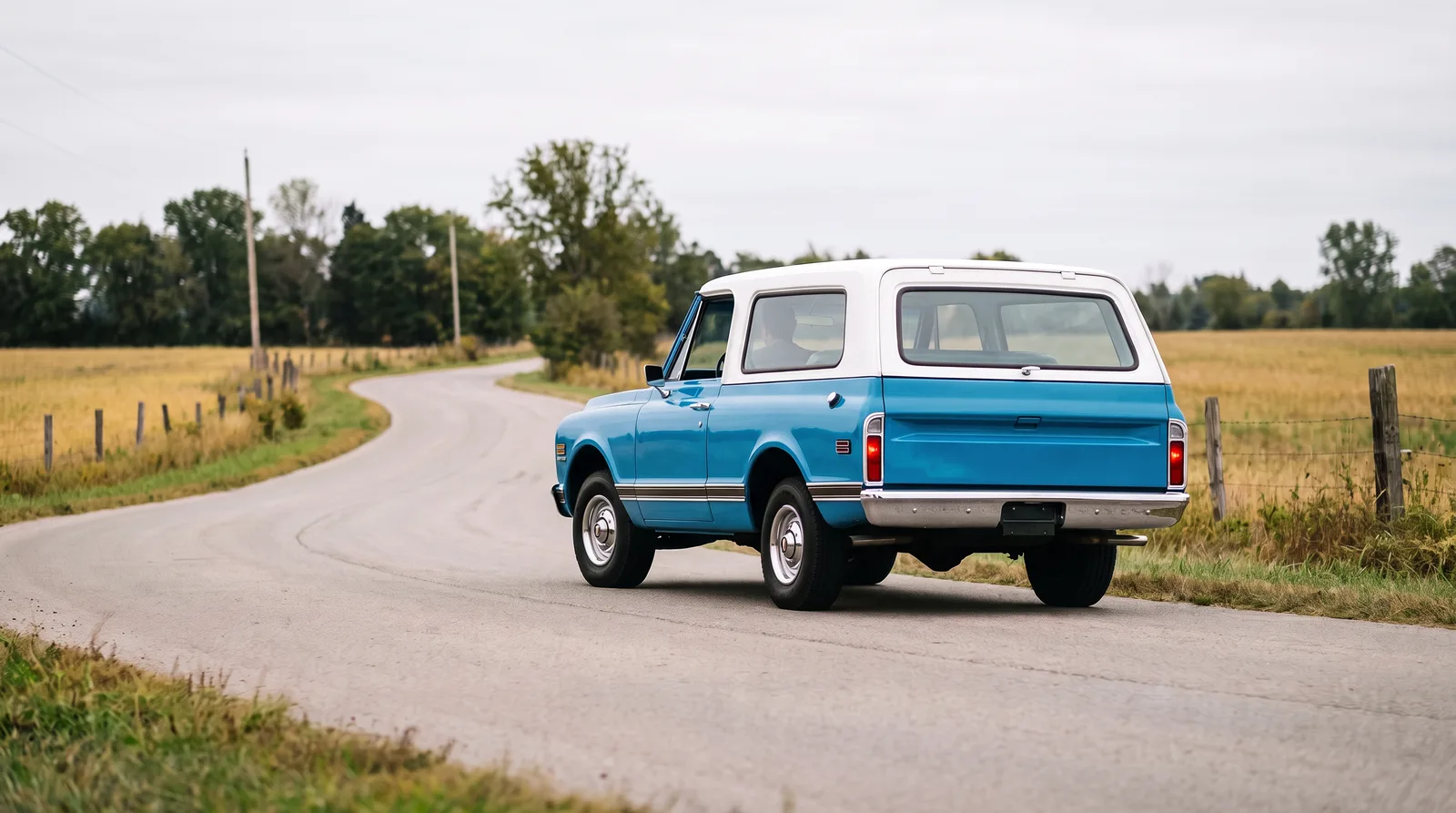
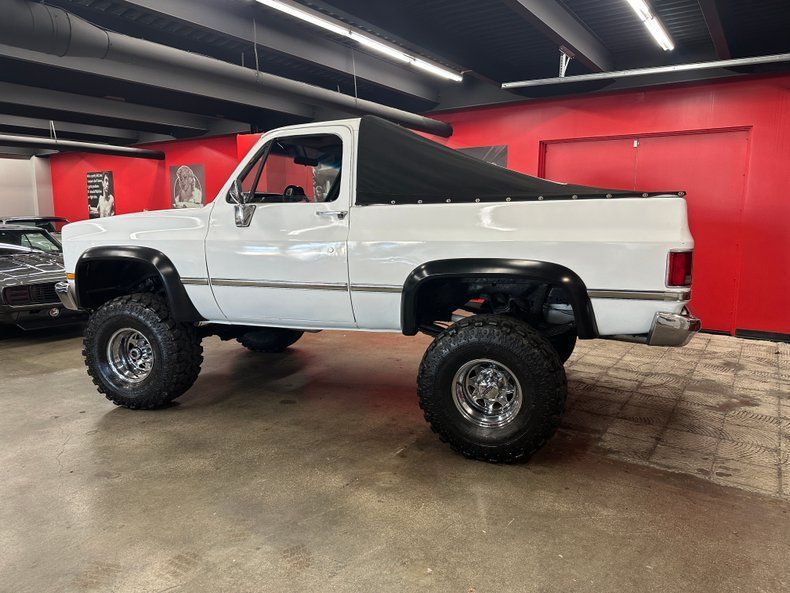
The 1972 model year is the last of the original K5, before Chevrolet moved to the second-generation squarebody body style in 1973. The squarebody trucks kept a removable top through 1975 before Chevrolet switched to a fixed half-cab roof for 1976, but the earlier, lighter first-generation body is what most restomod builders are after. That matters to a restomod builder for reasons that have nothing to do with nostalgia. The 1969-72 body is lighter, the cab is shorter, and the removable fiberglass hardtop can come off entirely, which changes what a shop can do with the chassis underneath. A builder starting a project on a 1973-or-later truck is working with a fixed roof and a heavier structure. A 1972 gives them a blank canvas with the top off and a wide-open engine bay once the original inline six or small block is pulled.
There is also the matter of scarcity. Chevrolet did not build these in Bronco or Scout numbers, and rust, salt, and decades of ranch and farm duty have thinned the surviving pool further. A clean, solid 1972 cab and frame combination is not something a builder finds twice, which is part of why the ones that do turn up get treated less like a rusty truck and more like a foundation worth investing in.
What actually changes in a restomod build
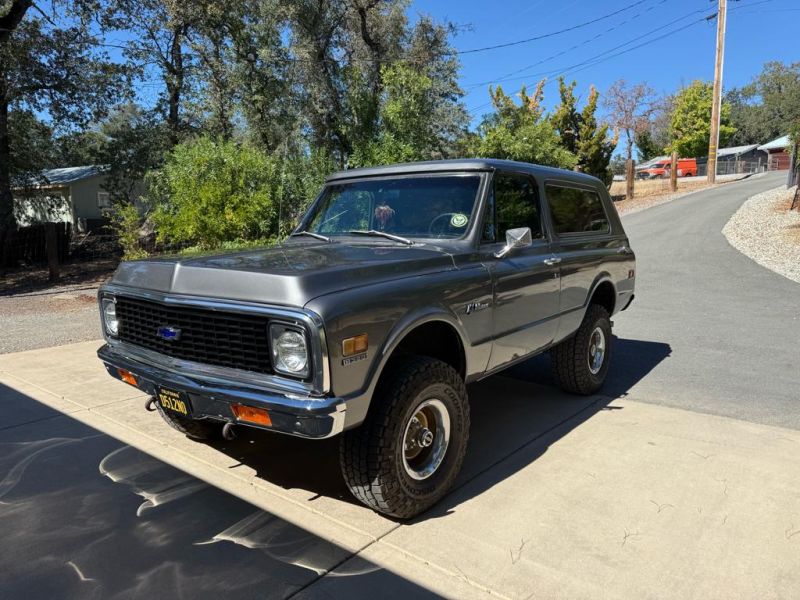
Most 1972 K5 Blazer restomods keep the exterior proportions close to stock. The grille, the fender flares, the stance, all of that tends to stay recognizably Chevrolet. What changes is everything a driver actually touches. Modern disc brakes replace the factory drums at all four corners on many builds. Power steering racks or upgraded box-style steering replace the original setup. Seats, gauges, air conditioning, and sound deadening get added in ways the factory never offered on a 1972 truck. None of that shows up on the outside, but it is the difference between a truck that looks period-correct and one that a builder can drive on a modern highway without wrestling it the entire way.
Drivetrains vary more than anything else on these builds. Some owners keep a numbers-matching small block for value reasons and simply modernize the fuel delivery and ignition. Others pull the factory engine entirely and drop in a fuel-injected LS-series V8, sometimes paired with an overdrive automatic that turns a truck built for low gearing and a two-lane highway into something comfortable at interstate speed. There is no single right answer here. It depends on whether the owner wants to preserve originality, chase drivability, or split the difference, which most builds end up doing anyway.
The market has noticed
A decade ago, a rough K5 Blazer restomod was a curiosity at a regional show. That is no longer true. Builders and shops that specialize in first-generation Blazers have watched buyer interest in these trucks climb steadily, and the 1972 model year sits near the top of the list because it combines the removable-top body with the last year before the platform changed. Auction results for well-documented restomod K5 Blazers, particularly 1972 examples with quality fabrication work and clean paperwork, have pushed well past what an unrestored driver-quality truck brings.
That has a side effect worth knowing about before starting a project: donor trucks are getting harder to find at a price that makes a build pencil out. A rough 1972 cab that once sold for parts money now often sells as a restomod starting point, priced accordingly. Builders who move early tend to have more selection and pay less than those who wait until a particular truck is already recognized as desirable.
"People assume a restomod erases the history of the truck, but on a good 1972 build it does the opposite. You keep the shape everyone recognizes and just make it livable. The trucks that get it wrong are the ones that try to hide what year it is instead of building around it."
- Sarah Whitfield
What to look for before committing to a build
A 1972 K5 Blazer bought as a restomod starting point lives or dies on the frame and the cab corners, not the engine. Rust in the frame rails, the rear crossmember, and the lower cab corners is common on trucks that spent decades outside, and repairing structural rust costs more than most builders expect once they are into it. A solid frame with a rough drivetrain is a far better starting point than a pretty paint job over a compromised frame, because the drivetrain is the easy part to replace.
Original documentation matters too, even on a build that is going to change dramatically. A build sheet, a clear title history, or original invoice paperwork does not just help with future resale value. It also helps a builder confirm what the truck actually left the factory with, which matters when deciding how far to deviate from stock. Reading the whole picture on what made the 1972 model year distinct is worth doing before spending real money on a build, since it explains exactly which features are worth preserving and which were already compromises Chevrolet made late in that body style's run.
For anyone hunting a donor truck or a finished build, the used market moves fast on clean examples. Buyers ready to find a classic K5 Blazer should expect to move quickly once a solid 1972 comes up, whether the goal is a full restomod, a light refresh, or a truck kept close to how it left the factory.
Chassis and suspension choices shape the whole build
Underneath the sheet metal, the biggest fork in the road for a 1972 K5 Blazer restomod is whether to keep the factory leaf-spring solid axle setup or move to a more modern suspension geometry. Builders who prioritize a period-correct look and a genuinely simple maintenance profile tend to stick with a well-rebuilt version of the factory suspension, upgraded with better shocks and bushings but recognizably the same architecture Chevrolet used in 1972. Builders chasing highway manners closer to a modern truck often move toward upgraded leaf packs, air bag assist, or in more extensive builds, a coil-sprung front clip adapted to fit the original frame rails.
Neither approach is wrong, and the choice usually comes down to how the finished truck will actually be used. A Blazer built mainly for weekend drives and shows can justify a more aggressive suspension overhaul, since ride quality and handling weigh more heavily than absolute originality. A truck intended for occasional trail use alongside street duty often does better staying closer to the factory setup, since the original geometry was designed around real off-road articulation that some modernized setups trade away for on-road comfort.
The bottom line for builders
A 1972 K5 Blazer restomod works because the platform gives a builder room to modernize without erasing what made the truck distinctive in the first place. The removable top, the shorter first-generation body, and the last-year status ahead of the squarebody switch all combine to make this one of the more forgiving trucks to build around. The catch is finding one with a sound frame before the rust catches up with it, because everything else on a restomod can be replaced. The frame cannot be faked.
Sources and notes
Related Reading
Have a
Chevrolet Blazer
for Sale?
Reach thousands of serious classic car collectors across the US.
Sell It Here →
Selling a classic? Here's how: sell my classic car
Are You a Classic Car Dealer?
List your full inventory and connect with targeted classic car buyers.
Join as a Dealer →

About the author
Sarah Whitfield
Third-generation classic car collector specializing in pre-war American and European coachbuilt automobiles. Researcher and concours enthusiast.
Related Listings - Chevrolet Blazer




Comments
Be the first to comment on this article.