
The 1973 Chevrolet K5 Blazer sits at an odd fork in the record book. It is the first year of the squarebody generation, the truck that traded the rounded 1969-72 body for the flatter panels and larger cab that would carry Chevrolet's full-size trucks into the 1990s, and it is also, right now, one of the most requested platforms in the restomod shops that specialize in classic four-wheel-drive Chevrolets. A k5 blazer 1973 restomod build has become almost its own category at truck shows, distinct from a numbers-matching restoration and distinct from a rock-crawling off-road rig. Understanding why takes some digging into what 1973 actually changed, and why builders keep coming back to that specific year rather than the ones around it.
Car Features
7 min read
The 1973 K5 Blazer in the Restomod World
Why the first-year squarebody keeps winning over restomod builders, and what they keep versus change under the skin.
Why 1973 became the restomod starting point
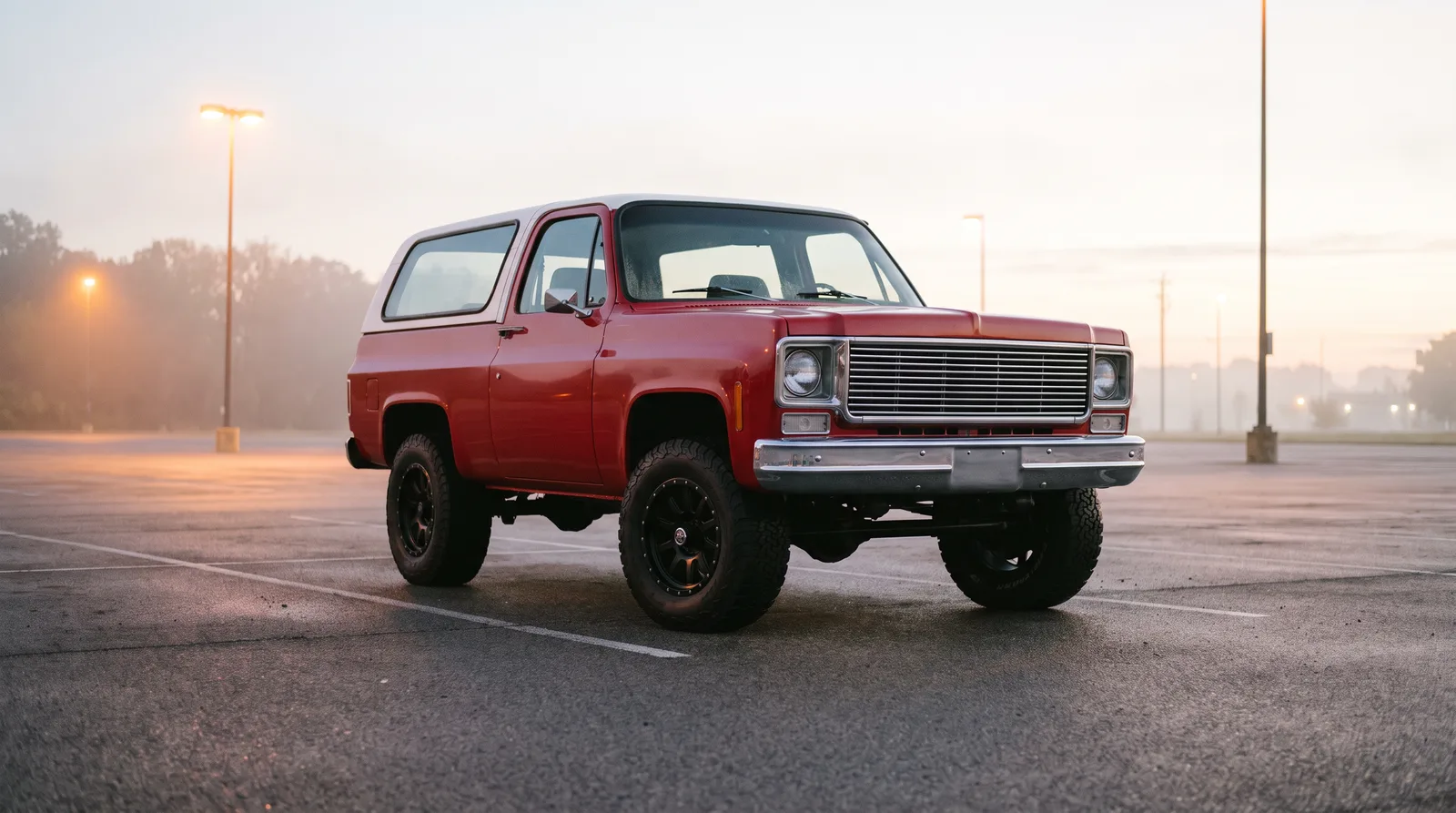
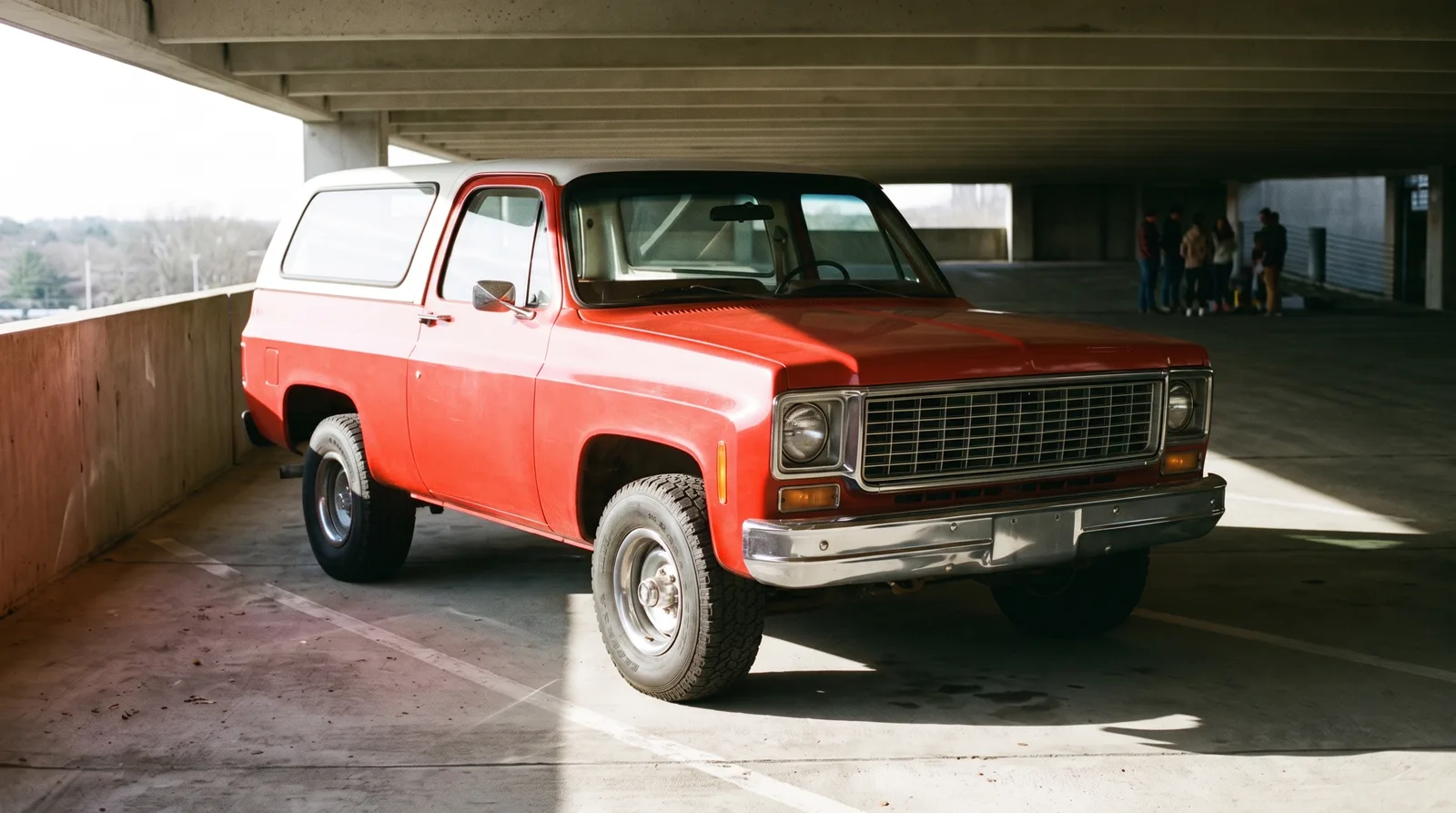
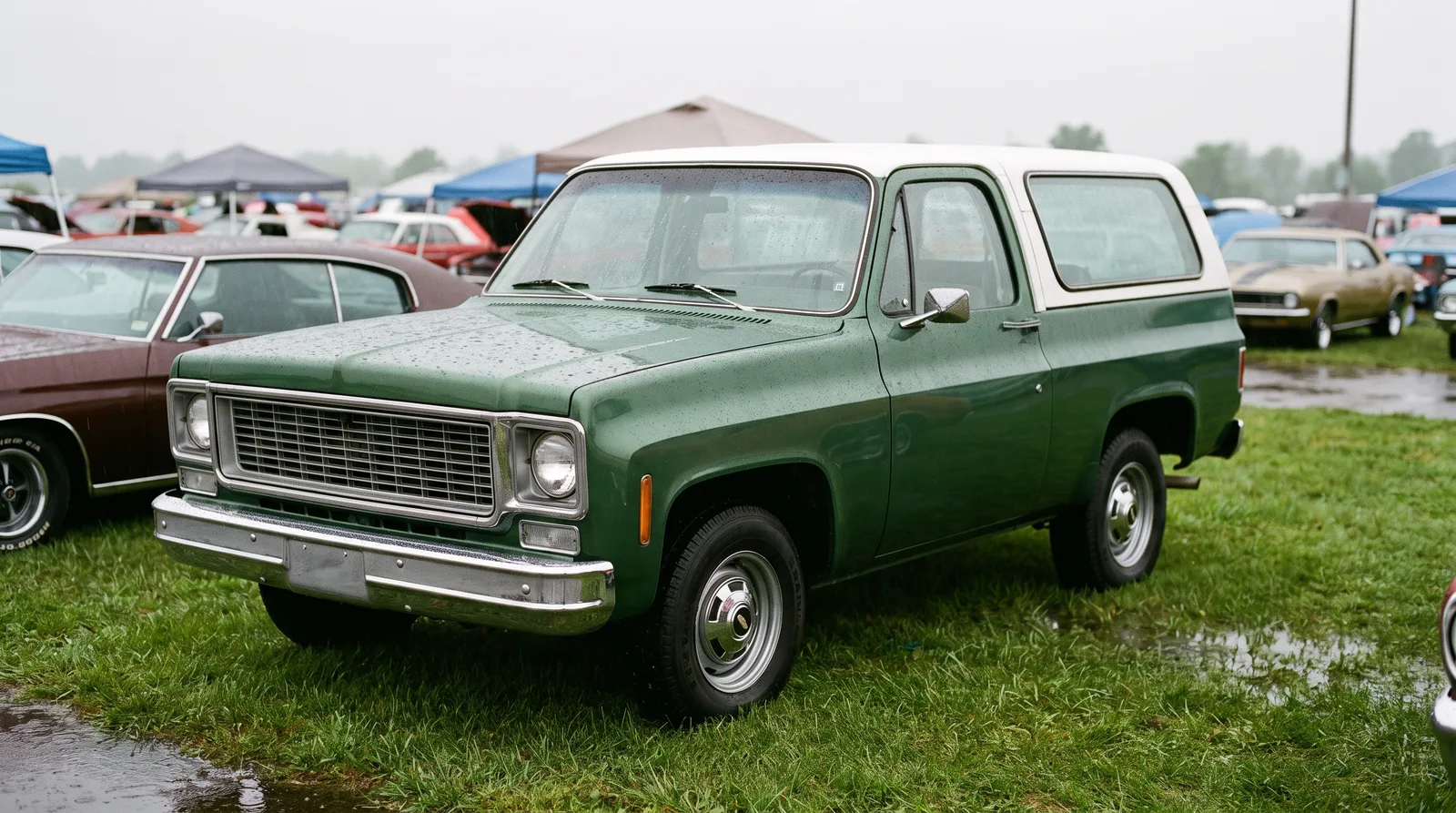
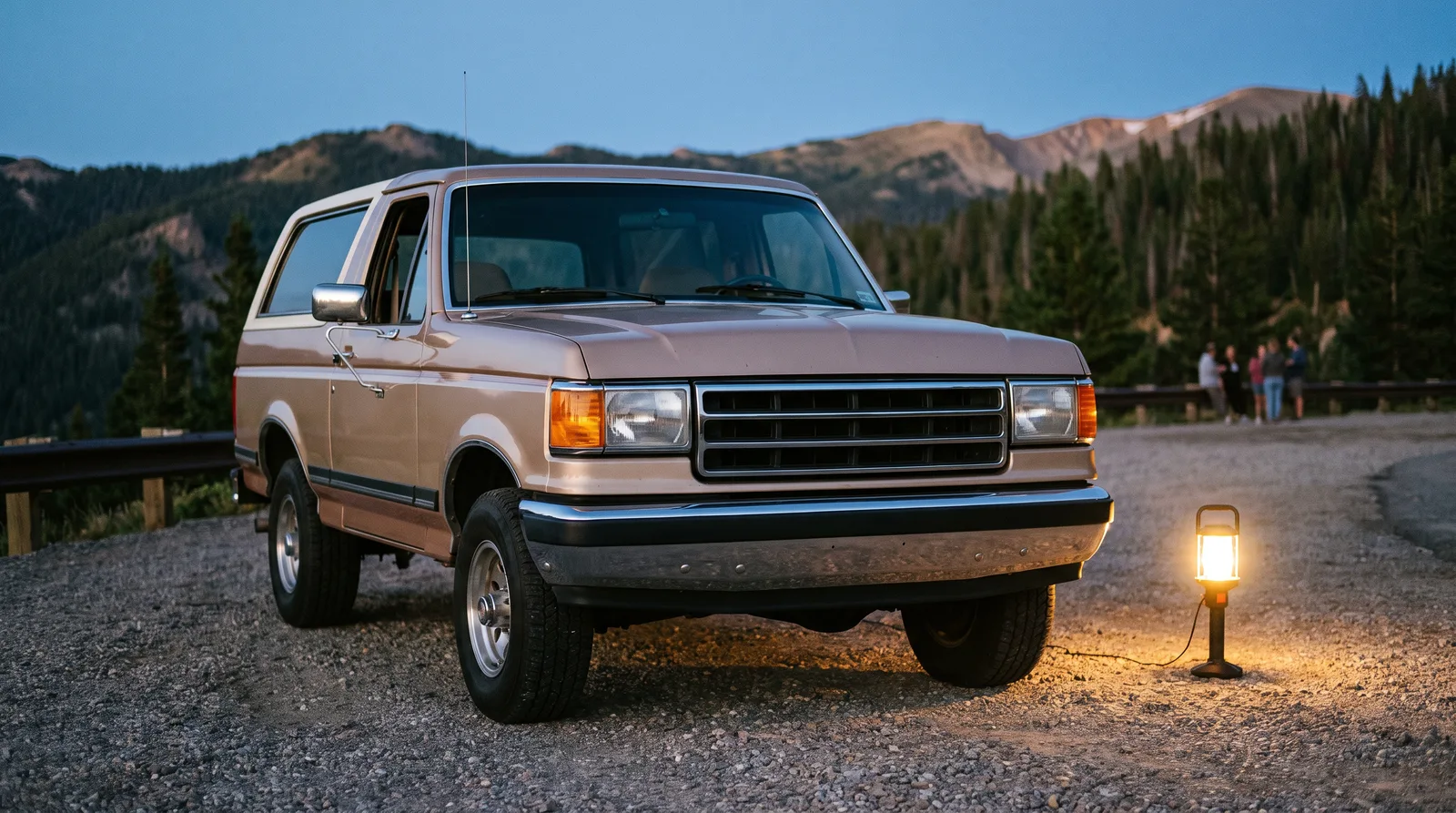
Chevrolet's full-size truck line was redesigned for 1973, and the K5 Blazer inherited the new sheet metal, the wider track, and a cab structure with more interior volume than the first generation offered. For a builder, that extra room matters. Modern seats, a larger console, updated wiring, and a swapped drivetrain all need space the 1969-72 cab did not have in the same proportions. The 1973 truck also carries the earliest version of the squarebody's simpler, flatter door and fender lines, which restomod builders tend to prefer over the busier trim and bumper treatments that arrived later in the run. A clean 1973 grille and single round headlights read as period-correct without looking dated the way some mid-1980s trim packages can to modern eyes.
There is also a practical parts argument. Because 1973 opened a body style that ran with relatively modest changes through 1980, before the 1981 facelift brought a new grille and squared-off fenders, a 1973 truck can borrow sheet metal, glass, and trim from seven model years without hunting for a single-year part. That interchangeability keeps restoration costs down even before the restomod work starts, and it is a big reason shops steer first-time clients toward a 1973 or 1974 core truck rather than a rarer, harder-to-source early build.
What builders keep and what they change
Most 1973 K5 Blazer restomods keep the factory body lines, the round headlights, and usually the original grille shape, because that silhouette is the whole reason people want a squarebody in the first place. What changes is almost everything under the skin. A stock small-block gets pulled for a modern crate engine, the three-speed manual or early automatic gets replaced with an overdrive transmission, and the frame often gets a coilover or air-ride suspension conversion that has nothing in common with the leaf-spring setup Chevrolet shipped in 1973. Interiors follow the same pattern: the dash face stays familiar, but air conditioning, a modern sound system, and upgraded gauges hide behind it.
The removable hardtop, a holdover feature from the first-generation Blazer that Chevrolet kept on the early squarebody trucks before switching to a fixed steel roof, is a point of disagreement among builders. Some restomod shops keep it because it is a genuine identity marker for the model. Others weld in reinforcement and treat the roof as fixed, arguing that a truck built for daily driving and highway speed does not need a feature designed for open-air use. Neither approach is wrong, but it does mean two 1973 restomods can look nearly identical from the curb and be built on completely different philosophies underneath.
The market behind the trend
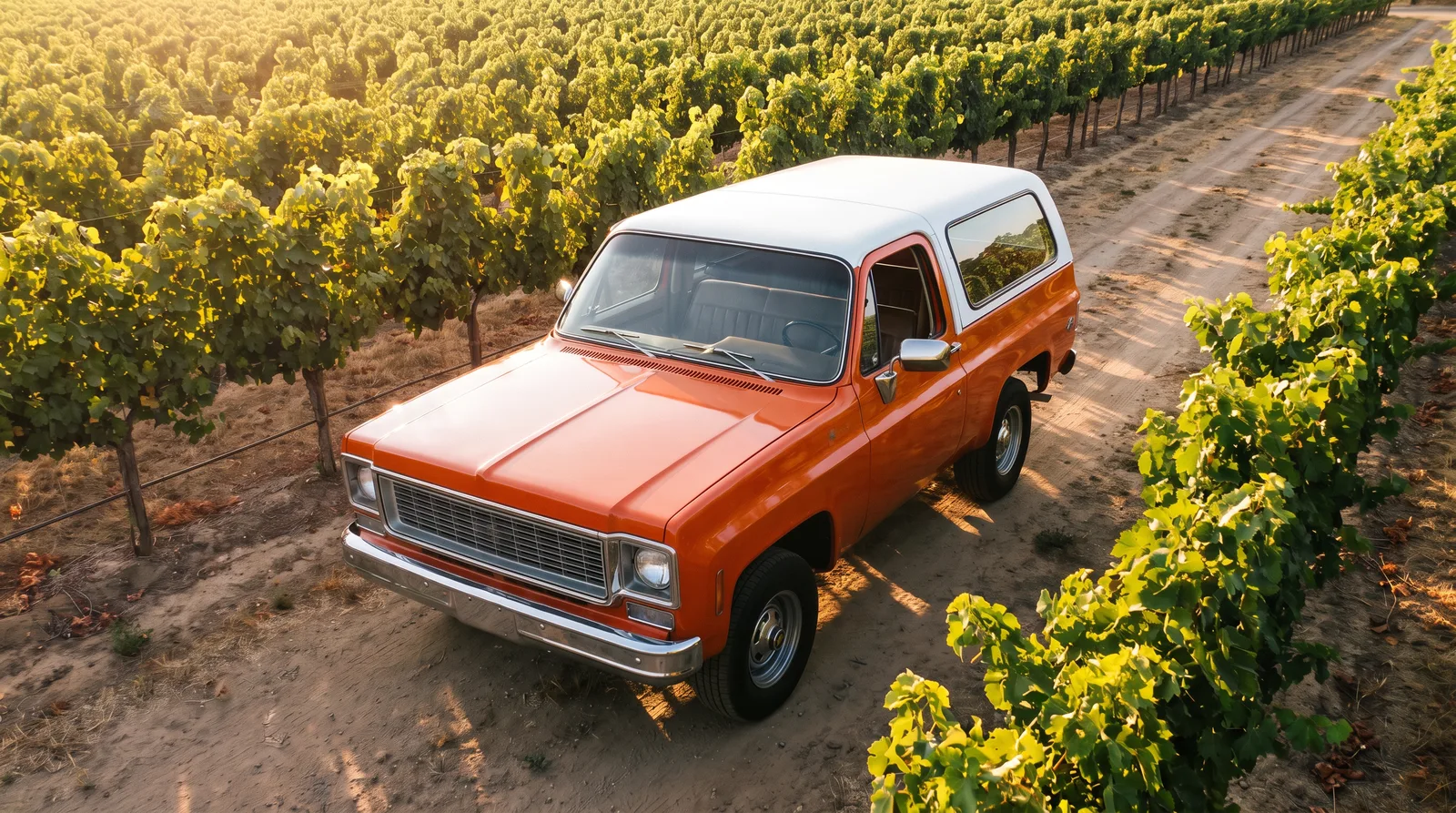
Restomod interest has pushed 1973 K5 Blazer values well past where the model sat a decade ago, and that shift has changed who is buying. A rough project truck that once went to a first-time restorer now often gets bought by a shop or an experienced builder who has already priced out the engine swap and suspension work before the truck is even on the trailer. That has made clean, rust-free 1973 cores harder to find at a reasonable price, especially in states where road salt was never a factor. Builders increasingly source trucks from the Southwest specifically because a dry-climate 1973 K5 Blazer needs less structural repair before the restomod budget can go toward the parts that actually show.
Auction results for finished restomod builds on this generation have also climbed, which reinforces the cycle. When a well-executed 1973 K5 Blazer restomod sells for a strong price at a major auction, it validates the next builder's decision to invest in a similar truck, and the parts and labor market responds by expanding what is available for this specific model year.
Common drivetrain and chassis choices
Engine choice on a 1973 K5 Blazer restomod tends to fall into a few well-worn paths. Some builders stay loyal to Chevrolet's small-block family and simply update it with modern fuel injection and a mild cam, keeping the sound and character familiar while gaining reliability a 1973 carburetor never offered. Others go further and drop in a late-model LS-series engine, chasing power figures and fuel economy the original truck could never have touched. Both approaches show up regularly at truck shows, and neither one draws much criticism anymore, a sign of how normalized engine swaps have become within this specific corner of the hobby.
Chassis work follows a similar split. A budget-conscious restomod might keep the stock leaf-spring suspension and focus spending on the engine and interior, while a higher-end build often goes to a full custom chassis with coilovers, disc brakes at all four corners, and a wider track than the truck left the factory with in 1973. The second approach changes the driving experience dramatically, trading some of the original truck's character for handling and stopping power that a stock 1973 K5 Blazer simply cannot match. Builders working within a tighter budget usually find a middle path, upgrading brakes and shocks without a full frame-off suspension conversion, which still delivers most of the daily-driving benefit at a fraction of the cost.
Where the restomod K5 Blazer sits today
The 1973 K5 Blazer restomod is no longer a fringe build. It has settled into its own lane between the numbers-matching original truck, which lives at concours shows and in climate-controlled garages, and the trail rig, which is built to take hits and never worry about paint. The restomod version is meant to be driven, shown, and enjoyed without the mechanical compromises of a fifty-year-old truck, and 1973 remains the year most builders point to as the sweet spot of squarebody styling and parts availability. For anyone tracing how the model got here, where this started is worth reading before diving into a build of your own.
"The 1973 truck gets picked first because it looks right and it parts out right. Builders are not sentimental about that, they are just being efficient."
- Tom Ramirez
Whether the goal is a period-correct restoration or a full restomod with modern power underneath, the 1973 K5 Blazer's combination of first-year squarebody styling and multi-year parts interchangeability keeps it near the top of the list for shops and enthusiasts alike. Anyone shopping for a project truck to start down this road can shop classic K5 Blazer listings to compare available cores before committing to a build plan.
Sources and notes
Related Reading
Have a
Chevrolet Blazer
for Sale?
Reach thousands of serious classic car collectors across the US.
Sell It Here →
Selling a classic? Here's how: the best sites to sell a classic car
Are You a Classic Car Dealer?
List your full inventory and connect with targeted classic car buyers.
Join as a Dealer →

About the author
Tom Ramirez
Corvette researcher and historian based in Bowling Green, Kentucky. Two decades documenting Corvette production history from original factory records.
Related Listings - Chevrolet Blazer
Comments
Be the first to comment on this article.