
Ask somebody who camped out of a 1970s rig which was better, a K5 Blazer Chalet or a full-size van conversion, and you will get a strong opinion fast. I have worked on both kinds of trucks, and the honest answer is they were not really competing for the same buyer, even though they got cross-shopped constantly at the time. The Blazer Chalet took a four-wheel-drive truck and gave it just enough camper function to be interesting. The van conversions of the same era took a big empty box and turned it into an actual small home. Neither one wins outright, they just solved different problems.
Car Features
7 min read
The Chalet Against the Camper Vans of Its Day
A hands-on comparison of the K5 Blazer Chalet against the full-size camper van conversions it competed with, and why neither one was the outright winner.
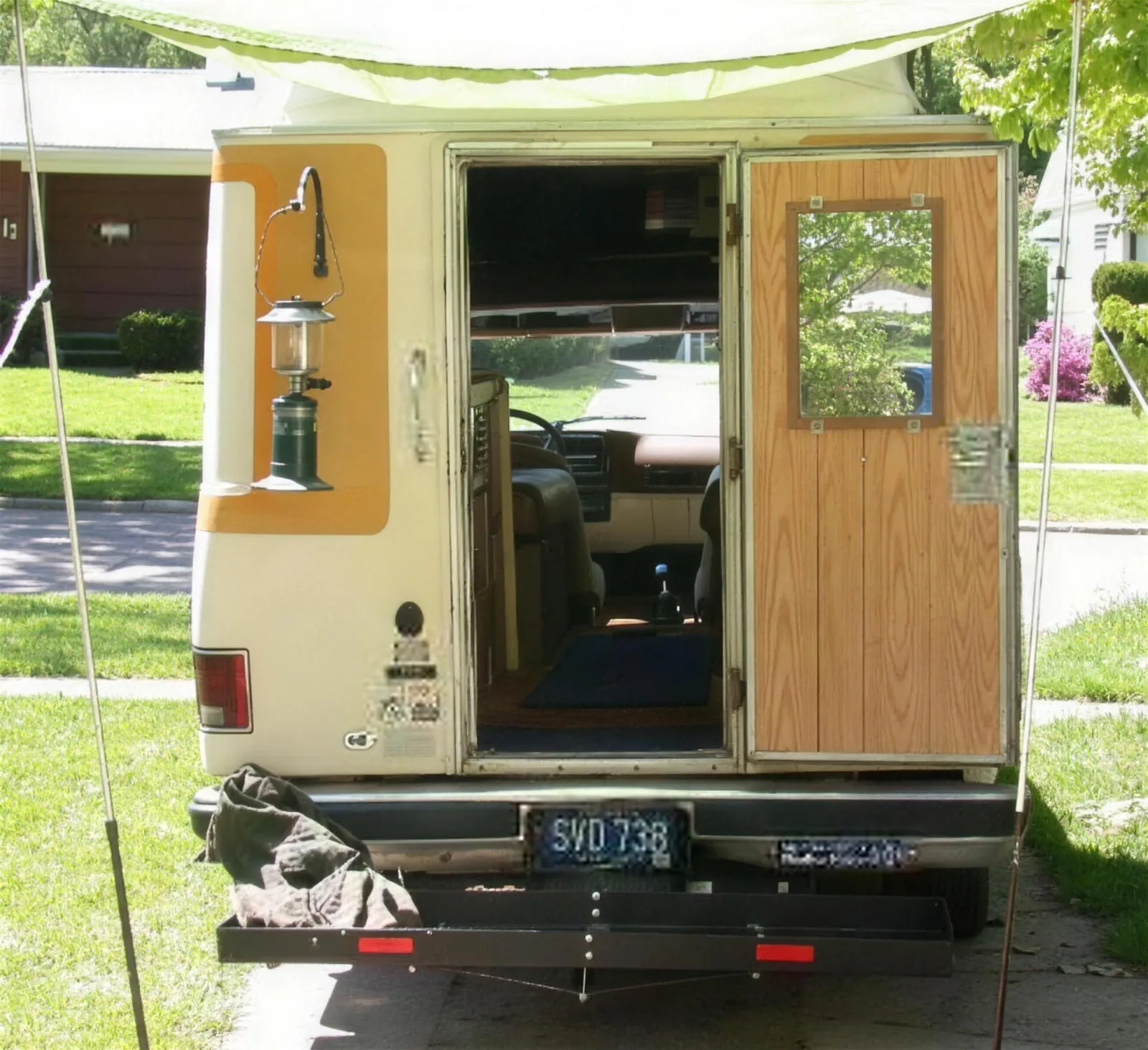
Photo courtesy of blazerchalet.com
What the Chalet actually gave up to be a Blazer
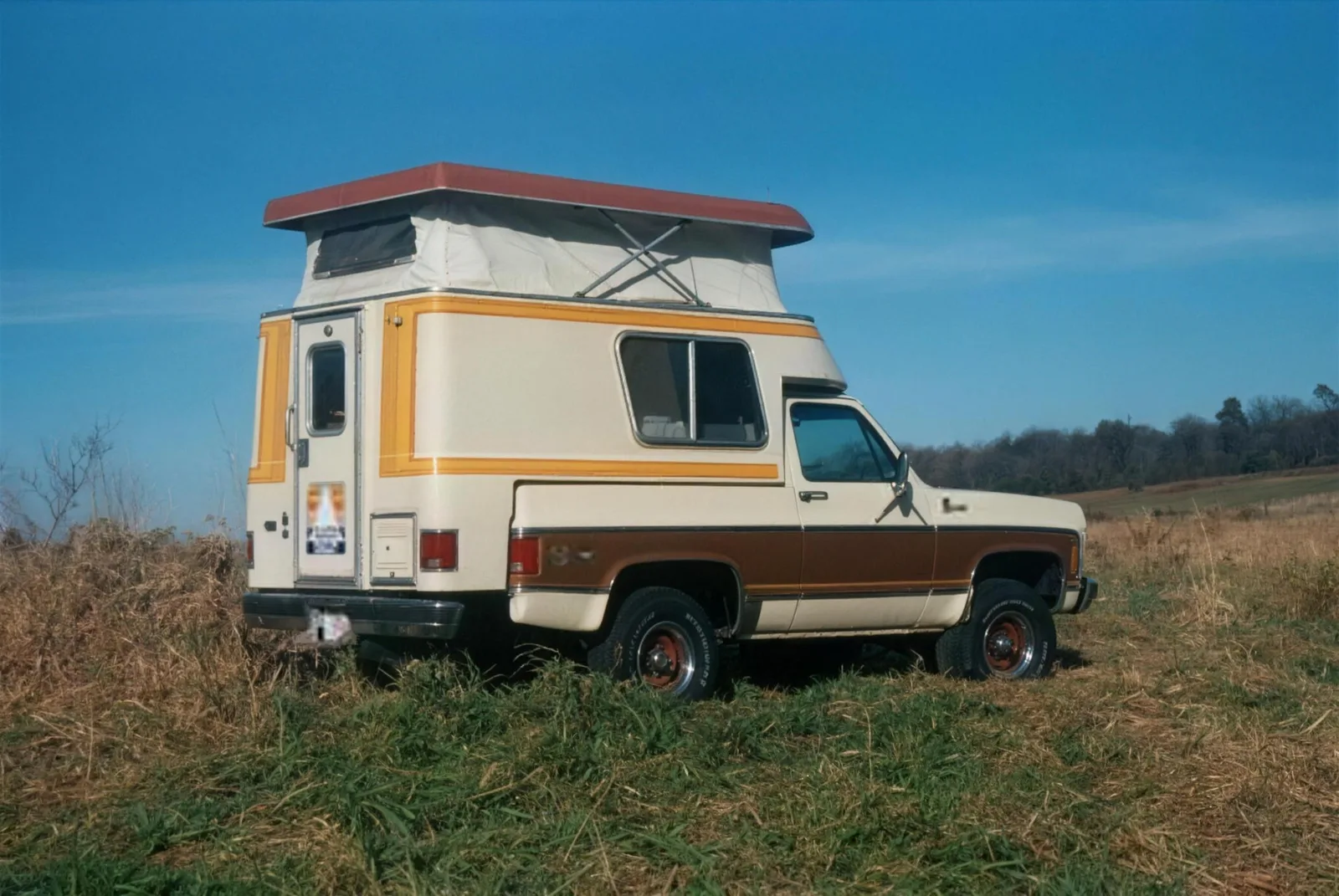
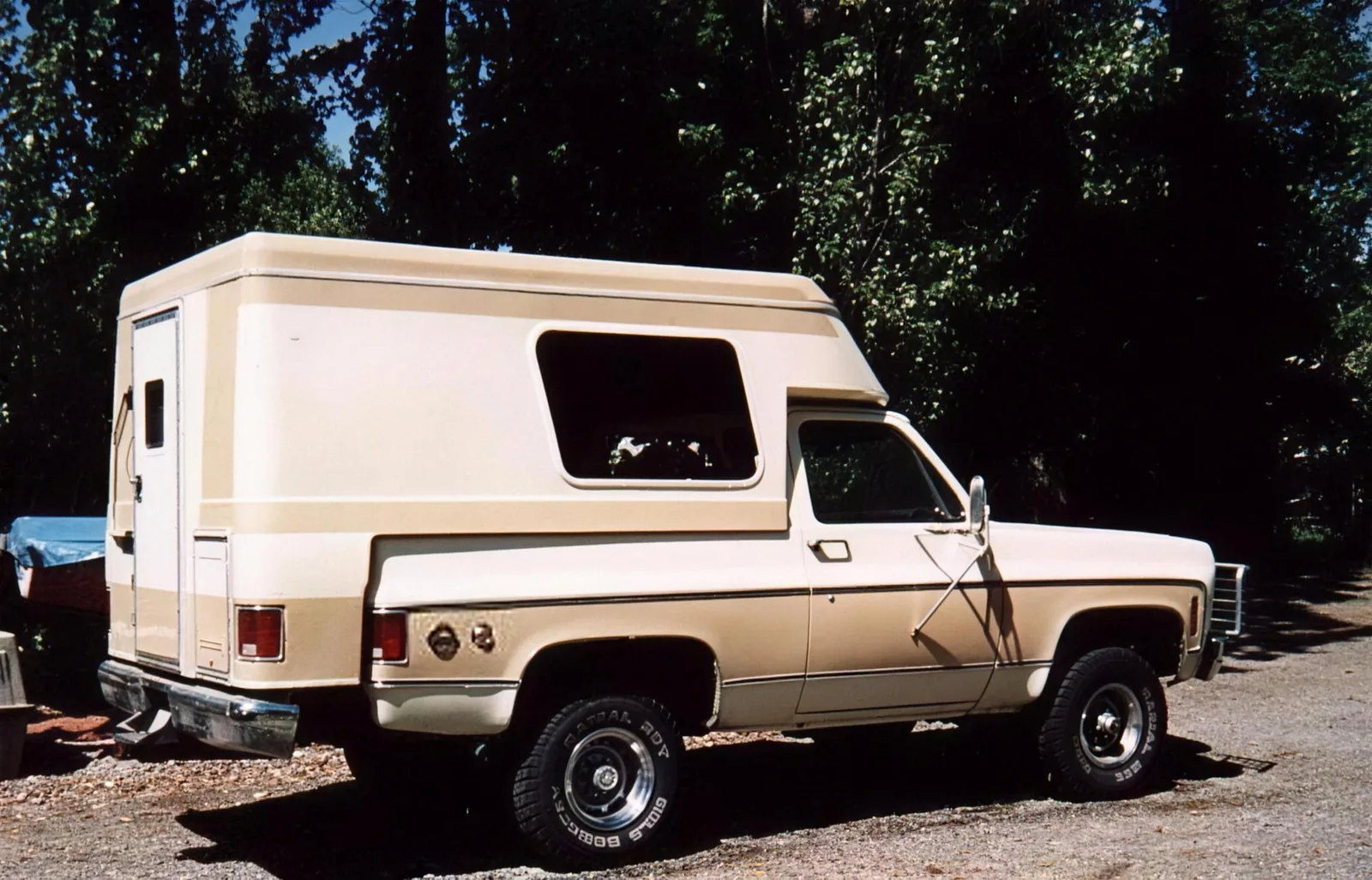
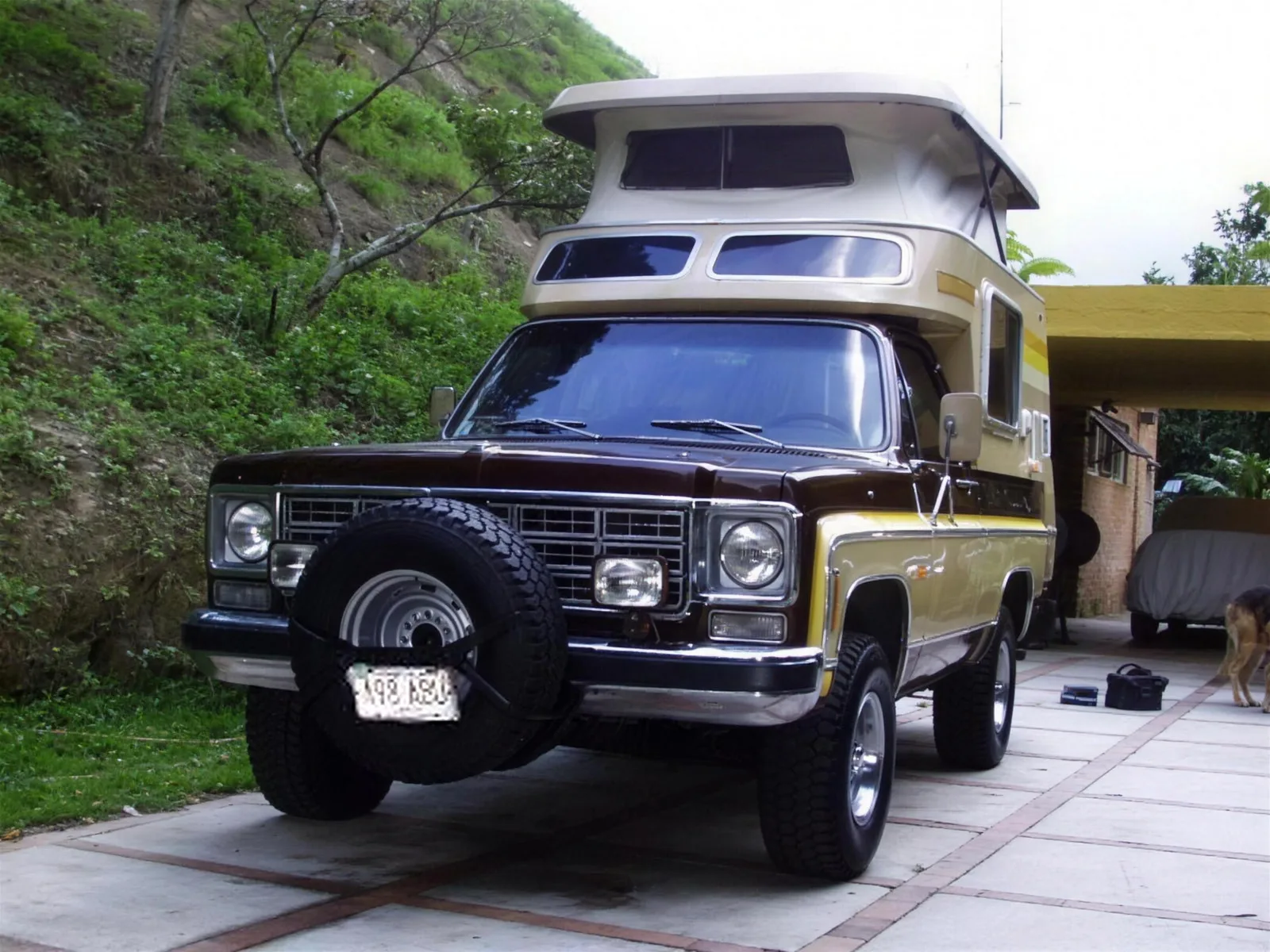
A K5 Blazer, camper roof or not, is still built on a short wheelbase truck platform. That means the Chalet's interior was never going to compete with a van's floor space, and it did not try to. What it offered instead was four-wheel drive and a shorter, more maneuverable rig that could get somewhere a two-wheel-drive van simply could not follow. If your idea of camping involved a forest service road, a creek crossing, or a stretch of sand, the Blazer's drivetrain mattered more than an extra few feet of counter space ever would. The tradeoff was real, though. Standing headroom in the Chalet's raised section was there, but the galley and sleeping area were tight by any measure, and two adults living out of one for more than a weekend would know it.
What the vans of the era actually did better
Full-size van conversions built around the same period, whether factory-adjacent packages or aftermarket outfits, had room the Blazer Chalet simply could not match. A real dinette, more counter space, sometimes a separate sleeping area, and enough headroom to stand up without hunching under a fiberglass cap. For a family that wanted to actually live in the vehicle for a week at a time, the van made more sense on comfort alone. Vans also tended to ride better on pavement, since they were not carrying a truck frame and solid front axle setup into every highway mile between camping spots.
Where the vans lost was anywhere the pavement ended. A two-wheel-drive van conversion, loaded down with camper hardware, water, and gear, is not a vehicle you want to test on a muddy trail or a steep grade. That is the tradeoff in one sentence: vans won on comfort and space, the Chalet won on capability once the road got rough.
Why the Chalet was the compromise buyer's answer
The Chalet package existed because Chevrolet dealers had customers who wanted both things and could not get them from either the standard van or the standard Blazer alone. A buyer who wanted to camp but also wanted a truck they could use the rest of the year for towing, plowing, or just daily driving in bad weather was not well served by a purpose-built van conversion sitting idle most of the time. The Blazer Chalet let that buyer have a camper on the weekends and a working four-wheel-drive truck the rest of the time, even if neither role got the full, dedicated treatment a purpose-built rig would provide. The whole picture on how that package came together and who Chevrolet was actually building it for fills in a lot of the context that a straight comparison like this one cannot cover on its own.
Working on one versus the other today
From a hands-on standpoint, the Blazer Chalet is the easier vehicle to keep running as a daily-capable truck, since the underlying platform is a common K5 Blazer with parts availability to match. A van conversion from the same era, especially one with custom cabinetry and plumbing baked into the interior, can be a bigger project to keep functional as an actual camper, even if the base van mechanicals are simple enough on their own. What you gain with the Blazer is a truck that still works as a truck when the camper part of the equation is not in use. What you give up is room, and there is no getting around that with a shorter wheelbase and a truck frame underneath.
"A van gives you a room on wheels. The Chalet gives you a truck that can also camp. Which one you want depends on whether the destination or the vehicle is doing more of the work."
- Mike Sullivan
Which one actually made more sense
Neither vehicle was objectively better, they were built for different trips. If the plan was a paved campground with hookups, the van conversion made more sense every time, more room, better ride, less compromise. If the plan involved leaving the pavement behind, the Blazer Chalet was doing something the vans of its era simply could not do without a lot of extra work and risk. That split is still true today for anyone weighing a period-correct Chalet against a van conversion as a project. If the Chalet's mix of capability and camper function sounds right for what you actually want to do with a truck, shop classic K5 Blazer listings and go in knowing exactly which tradeoff you are choosing and why.
What buying either one looks like today
Shopping the used market now, the practical differences between chasing a Chalet and chasing a period van conversion show up fast. Parts support for the Blazer side of a Chalet, the frame, the axles, the drivetrain, is as good as parts support for any K5 Blazer, because the truck underneath the camper roof is not exotic. What is harder to source is anything camper-specific, the roof itself, the interior hardware, the small trim pieces that make a Chalet look right rather than just look similar. Van conversions from the same era have their own version of this problem, since aftermarket cabinetry and period-correct interior finishes for a specific conversion company are not exactly sitting on a shelf either. Both projects reward patience over impulse buying.
A shop-floor read on long-term ownership costs
Owning a Blazer Chalet day to day means owning a K5 Blazer with an extra maintenance category bolted on top, the roof seal, the camper plumbing if it is still functional, the extra weight on wear items like brakes and suspension bushings. None of that is dramatic, but it adds up over years of ownership in a way a stock truck simply does not deal with. A van conversion carries its own extra maintenance load, generally larger, since there is more camper infrastructure to maintain relative to the size of the vehicle. Neither one is a low-maintenance choice compared to their non-camper counterparts, and buyers going in expecting a stock K5 Blazer's maintenance bill on a Chalet are underestimating what the roof and interior actually cost to keep functional over time.
My honest take after working on both types of vehicles is that the Chalet asks less of an owner in daily use, since it reverts easily to a normal truck when the camper function is not needed, while a dedicated van conversion is always a camper first and a vehicle second. That distinction alone settles the decision for a lot of buyers once they actually think through how often they would use the camper function versus how often they would just want a working truck.
Sources and notes
Related Reading
Have a
Chevrolet Blazer
for Sale?
Reach thousands of serious classic car collectors across the US.
Sell It Here →
Selling a classic? Here's how: the best sites to sell a classic car
Are You a Classic Car Dealer?
List your full inventory and connect with targeted classic car buyers.
Join as a Dealer →
#chevrolet k5 blazer
#k5 blazer chalet
#squarebody Blazer
#camper van comparison
#four wheel drive camping
#classic camper conversion

About the author
Mike Sullivan
Detroit-area muscle car enthusiast and restoration specialist with three decades of hands-on experience working on American iron.
Related Listings - Chevrolet Blazer




Comments
Be the first to comment on this article.