
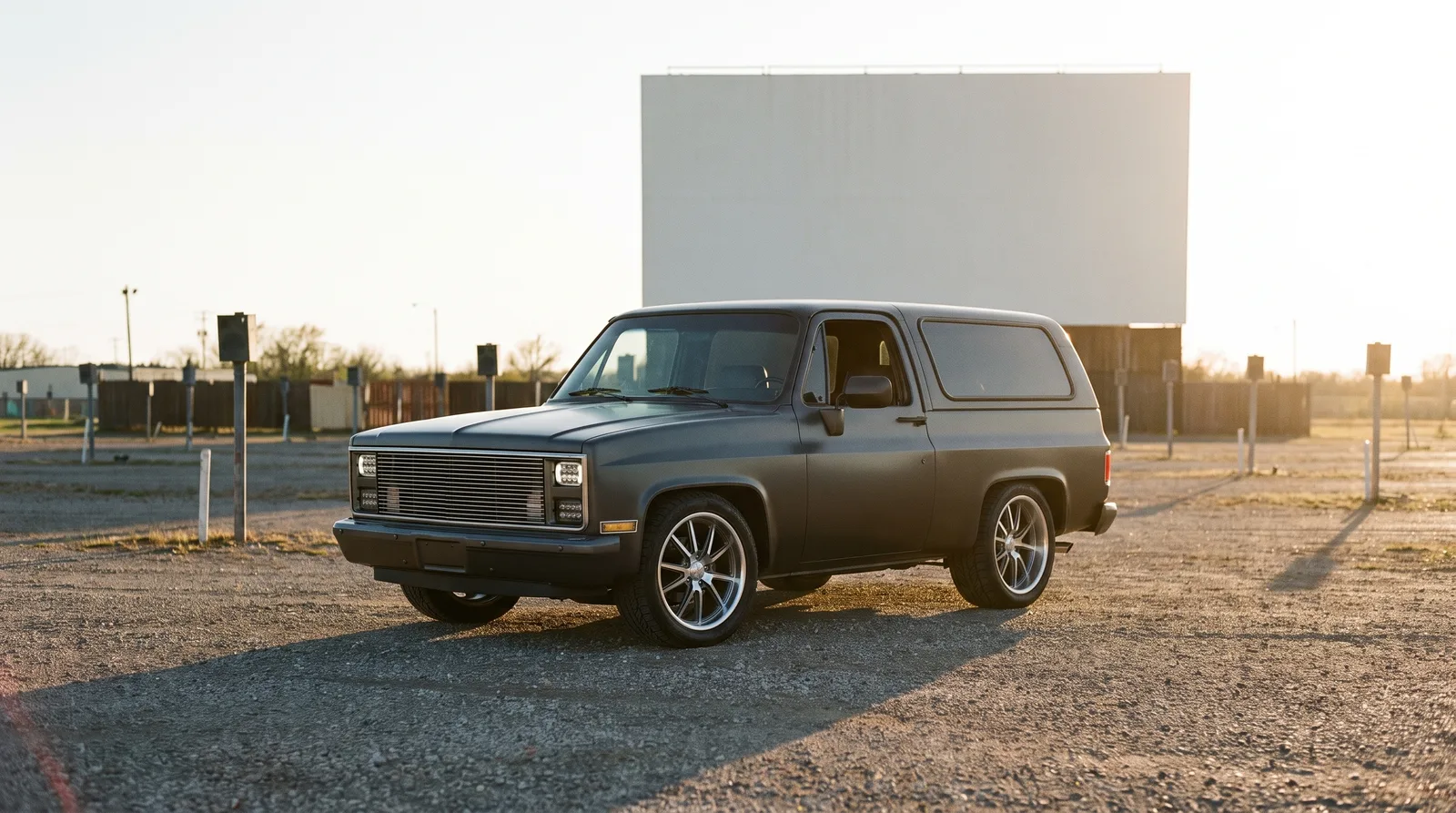
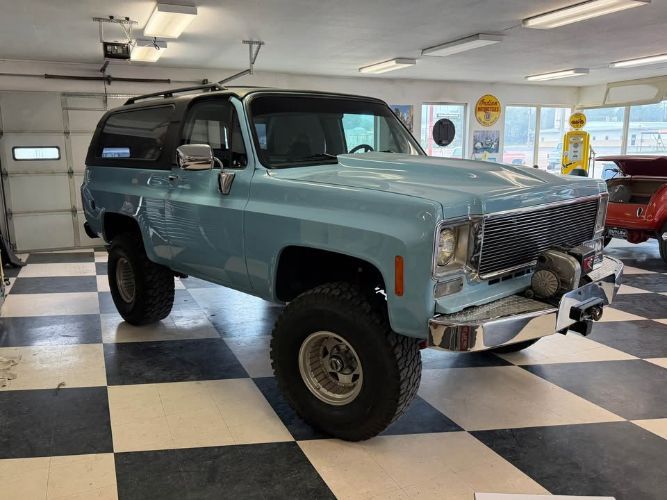
Ask around at any full-size truck show these days and you will find at least one GMC Jimmy with an LS engine tucked under the hood, sitting on a set of wheels the original engineers never dreamed of. The K5 blazer jimmy restomod scene has grown into one of the more active corners of the truck hobby, and it did not happen by accident. The Jimmy's boxy shape, solid frame, and simple factory electronics turned out to be an almost perfect starting point for a modern drivetrain swap, and word got around.
Car Features
7 min read
The GMC Jimmy Restomod and LS-Swap Scene
The full-size GMC Jimmy has become a favorite LS-swap platform, and the trucks that earn respect are the ones built on a sound frame, not a flashy paint job.
Why builders keep reaching for the LS
The LS engine family took over the truck restomod world for practical reasons, not fashion. These engines are compact, they weigh less than a lot of the factory small blocks they replace, and salvage yards are full of them thanks to two decades of GM production across half a dozen model lines. A builder can source a running LS with a matching transmission for reasonable money, and the aftermarket support for mounting one into an older frame is mature enough that most of the hard engineering questions have already been answered by someone else.
In a Jimmy specifically, the swap solves a real-world problem rather than just chasing horsepower numbers. Original engines in these trucks were adequate for their era but leave a lot to be desired on a modern highway, especially loaded down or climbing a grade. An LS swap turns a truck that struggled to keep up with traffic into one that can cruise comfortably at highway speed with power in reserve, all while often improving fuel economy over the tired factory engine it replaced.
What separates a good build from a poser
Not every modified Jimmy earns respect from the people who actually turn wrenches on these trucks. A build done right starts with a sound frame and body, because no amount of drivetrain work fixes rust hiding under fresh paint. It uses quality mounts, proper wiring rather than a rat's nest of splices, and cooling and fuel systems sized correctly for the new engine's demands. It also respects the truck's original character instead of erasing it entirely, keeping the interior and exterior looking like a Jimmy rather than a generic custom shell.
A poser build looks impressive in photos and falls apart under real use. Underbuilt engine mounts that crack within a year, transmission coolers as an afterthought, wiring held together with electrical tape instead of proper connectors, these shortcuts show up fast once a truck actually gets driven instead of just trailered to shows. Builders who have been at this a while can usually spot a rushed swap within minutes of looking underneath.
"A good LS swap should disappear. It should feel like the truck always had that motor. If you can hear the compromises every time you drive it, somebody cut a corner they shouldn't have."
- Mike Sullivan
Beyond the engine bay
The restomod scene around the Jimmy extends past drivetrain swaps into suspension and braking upgrades that make these trucks genuinely pleasant to drive at modern speeds. Factory braking systems from this era were not designed with today's traffic in mind, and a lot of serious builds pair the extra power of an LS swap with upgraded brakes to match, because more horsepower without better stopping power is a mismatch nobody should accept. Suspension work ranges from modest leaf spring upgrades to full coilover conversions, depending on how much of a compromise the owner wants to make between trail capability and highway manners.
Interior work tends to split builders into two camps. Some keep things close to factory, cleaning up and restoring original components rather than replacing them. Others go further, adding modern sound deadening, updated seats, and simplified gauge clusters that read more accurately than the factory units ever did. Neither approach is wrong, but the best builds are honest about which camp they belong to rather than trying to be both at once and satisfying neither.
The transmission and transfer case question
Pairing a new engine with the right transmission matters just as much as the engine choice itself, and this is where a lot of builds either come together or start showing weaknesses. Overdrive automatics have become the default pairing for LS swaps in these trucks because they cut highway RPM significantly compared to the factory three-speed units, which does more for comfort and fuel economy on a long drive than almost any other single change a builder can make. Manual transmission swaps exist too, and they have their own dedicated following among builders who want the truck to feel more connected and less like a modern appliance wearing an old body.
Keeping the factory transfer case is common, and for good reason. The New Process units GM used in these trucks were built for hard service and generally hold up well behind a modern engine as long as the driveline angles and yokes are matched correctly during the swap. Builders who skip that step and just bolt things together without checking alignment are the ones who end up with vibration problems and premature U-joint failure a few thousand miles later, which is exactly the kind of shortcut that separates a respected build from a cautionary tale at the next show.
Where this scene is headed
Parts availability keeps improving as more shops specialize in full-size GM truck restomods, and that has lowered the barrier to entry for builders who want a reliable, well-sorted result without engineering every bracket from scratch. At the same time, a growing segment of the hobby has started pushing back toward preservation, arguing that unmolested original Jimmys deserve protection as the restomod trend thins their numbers further. Both camps are right in their own way, and the healthiest version of this hobby probably needs both the builders pushing the platform forward and the purists keeping a few honest originals around as a reference point.
For readers who want our complete history of the Jimmy before deciding which camp they fall into, that background explains a lot about why these trucks make such good donor platforms in the first place. And for anyone ready to find a starting point for a build of their own, it is worth taking time to browse classic K5 Blazer listings and looking specifically for a truck with a sound frame rather than the flashiest paint, since a good restomod starts with good bones, not a good first impression. The trucks that make the best foundation rarely look flashy in a listing photo. They just have the frame, floors, and title paperwork to survive years of real driving once the build is finished, and that unglamorous groundwork is what every respected build in this scene actually has in common.
Sources and notes
Related Reading

About the author
Mike Sullivan
Detroit-area muscle car enthusiast and restoration specialist with three decades of hands-on experience working on American iron.
Related Listings - Chevrolet Blazer





Comments
Be the first to comment on this article.