
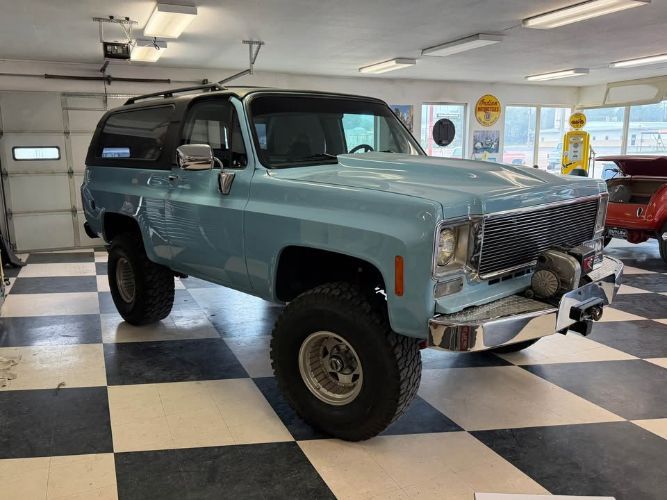
Appraising a full-size GMC Jimmy today means confronting a market that has moved faster than most owners realize. The K5 blazer jimmy values conversation used to be a footnote to the Chevrolet Blazer market, priced as an afterthought, valued as whatever a Blazer was worth minus a small discount for the less familiar badge. That is no longer an accurate way to price one. Condition, documentation, and liquidity now drive Jimmy values as their own distinct category, and treating them as a Blazer clone is a good way to either overpay or undersell.
Car Features
7 min read
The Rising Collector Value of the Full-Size Jimmy
Full-size GMC Jimmy values now stand on their own condition, documentation, and liquidity, no longer priced as a simple discount off comparable Blazers.
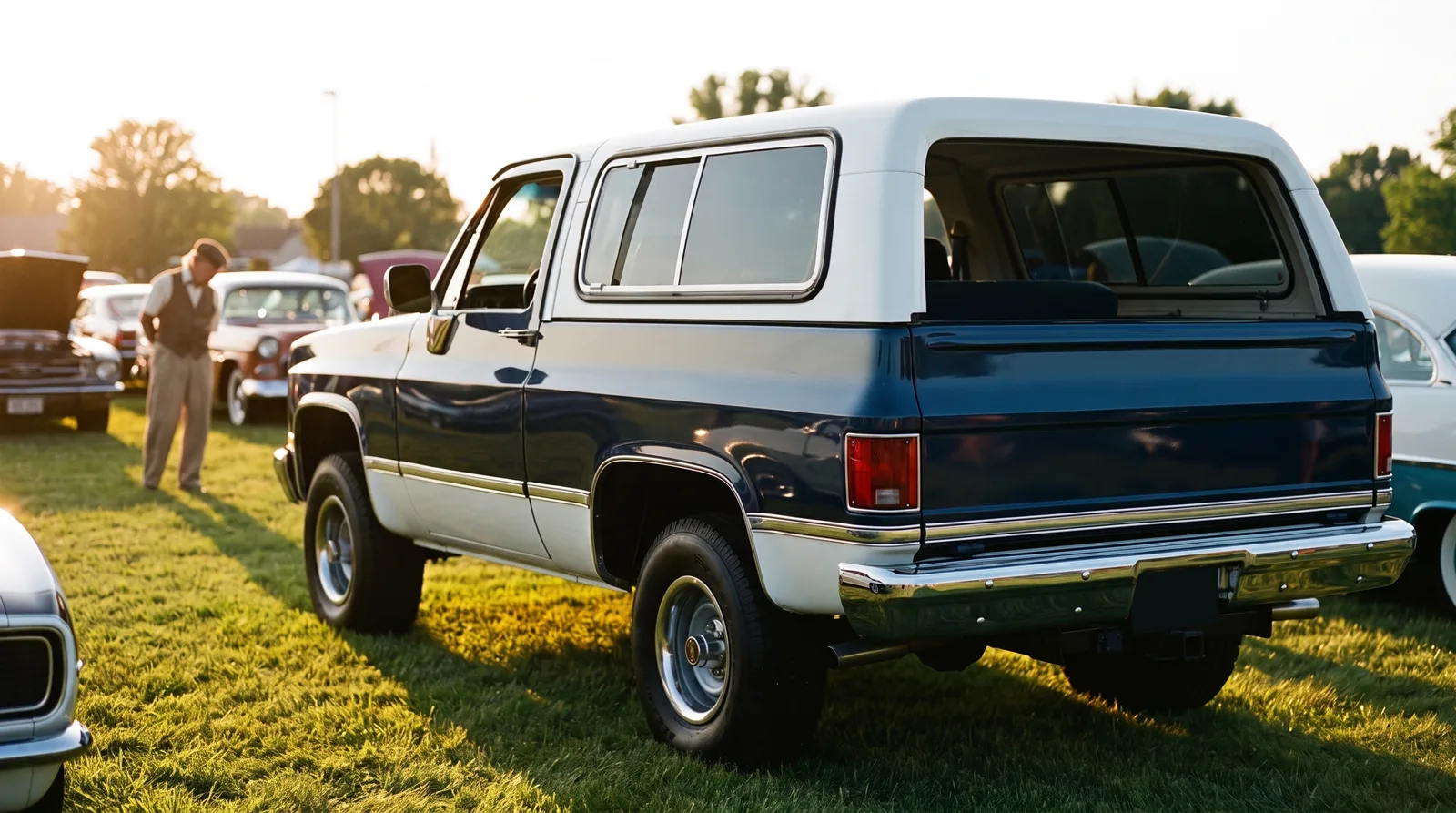
The three-legged stool of a real appraisal
Value in this market rests on three things, and none of them is optional. Condition covers the obvious, sheet metal, frame integrity, drivetrain originality, and interior wear. Documentation covers what can be proven, build sheets, prior title history, service records, and photographic history of any restoration work. Liquidity covers something owners tend to ignore until they try to sell, which is how quickly and at what discount a given truck can actually be converted back into cash.
A Jimmy can score well on condition and still be a weak investment if documentation is thin, because a buyer paying a premium price wants proof, not just a good-looking truck and a seller's word. Equally, a well-documented truck in mediocre condition will not command top dollar no matter how thick the paperwork folder is. All three factors have to line up for a Jimmy to command genuine top-of-market money, and appraisals that skip any one of them are guesswork dressed up as analysis.
Where downside risk actually hides
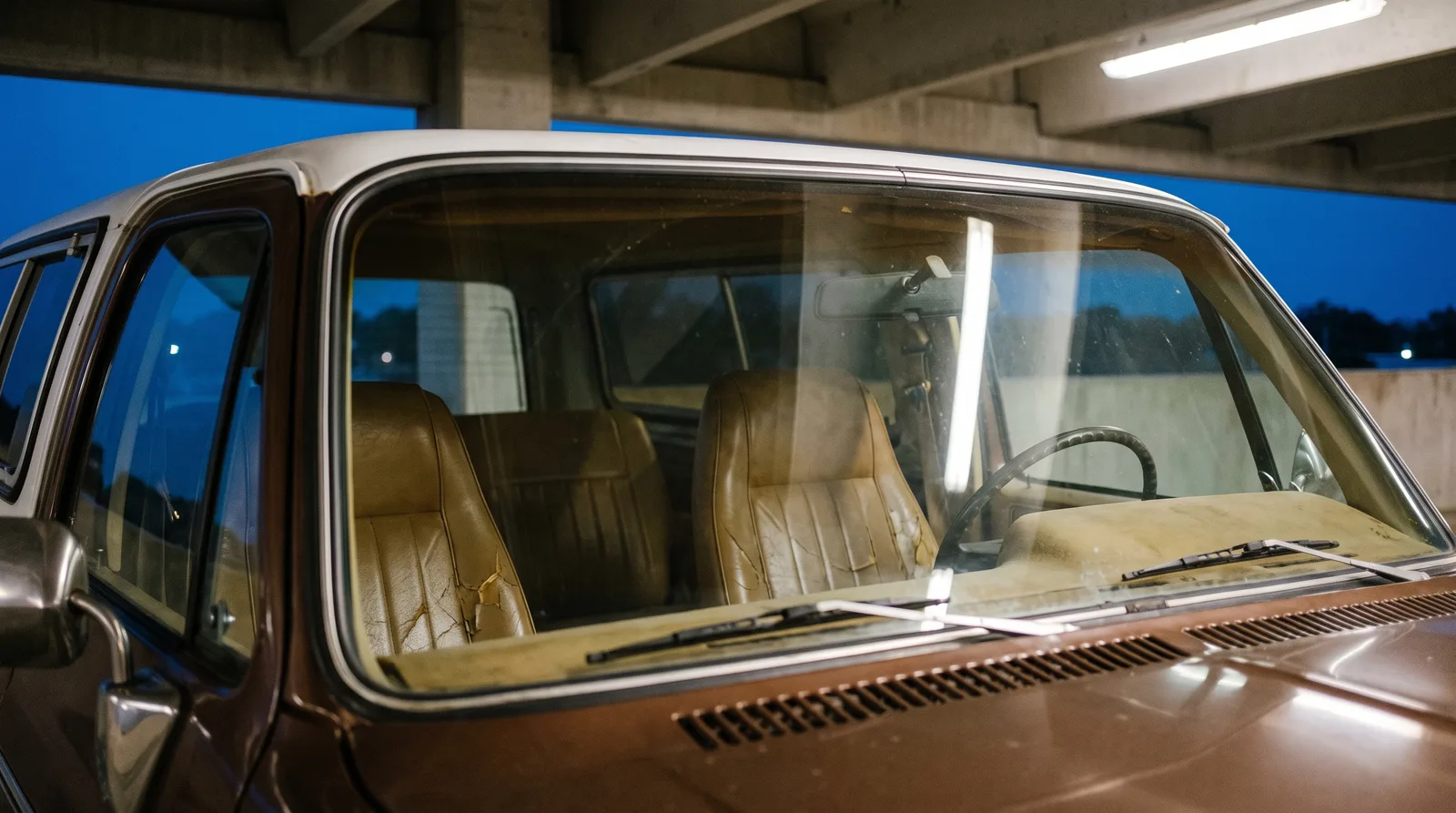
The biggest risk in this market is not paying too much for a genuinely excellent truck. It is paying excellent-truck money for a truck that only looks excellent in photographs. Frame rot hidden under fresh undercoating, a replacement engine represented as original, bodywork that used excessive filler instead of proper metal repair, these are the value killers that a quick look does not catch and that a careful appraisal has to specifically hunt for.
Liquidity risk compounds the problem. A truck bought at a premium price because it seemed rare or special can sit unsold for months if the buyer pool for that specific configuration turns out to be smaller than expected. Diesel Jimmys, for instance, carry real appeal to a narrow slice of buyers and real indifference from everyone else, which makes them harder to move quickly even when the price is fair. Anyone appraising a Jimmy for purchase should be asking not just what it is worth, but who else would want to buy it at that price if a quick resale became necessary.
"A high appraisal number means nothing if you cannot find a second buyer willing to pay it. I do not just price the truck. I price the exit."
- Marcus Feld
How Jimmy values compare to the wider full-size market
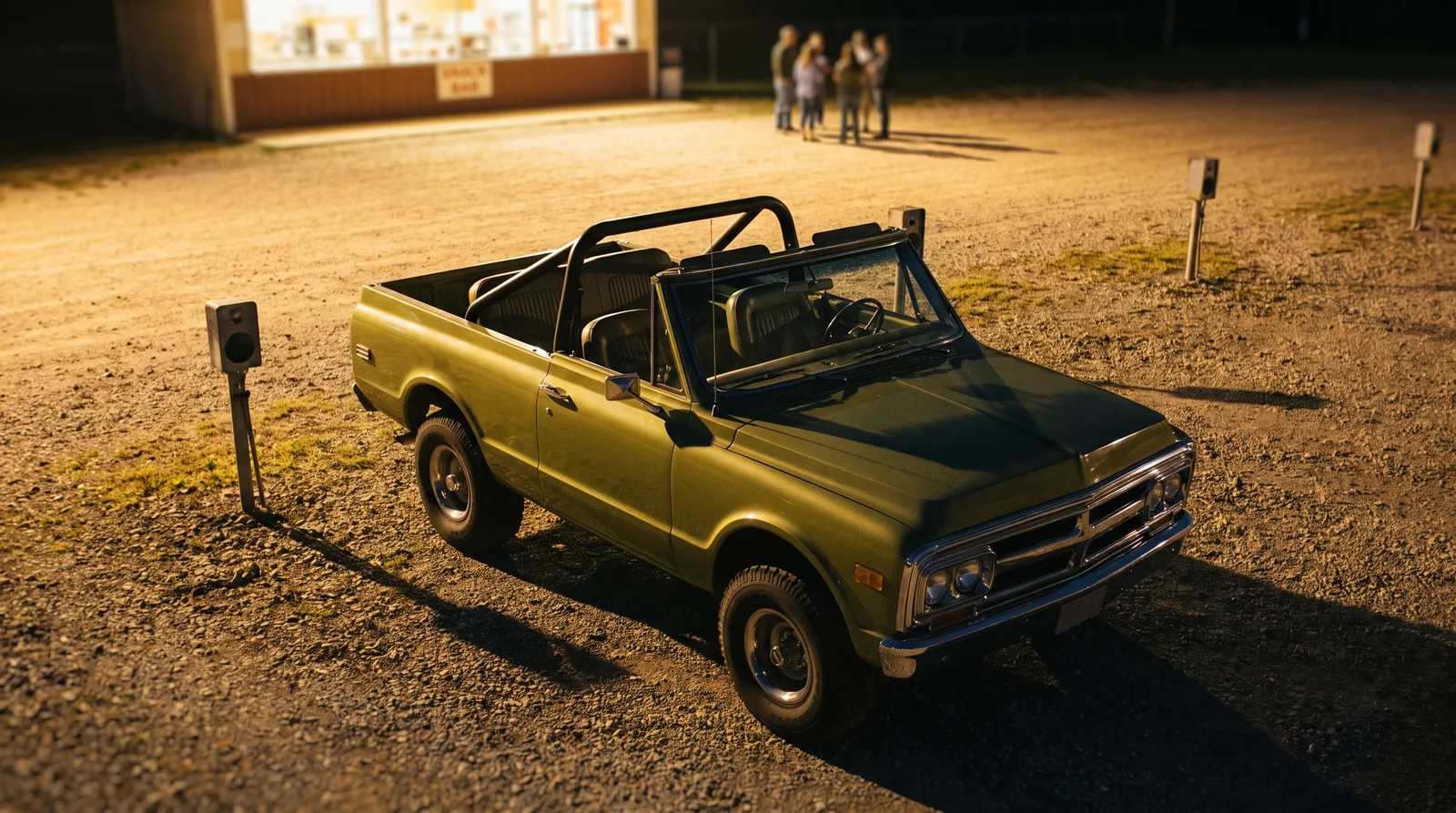
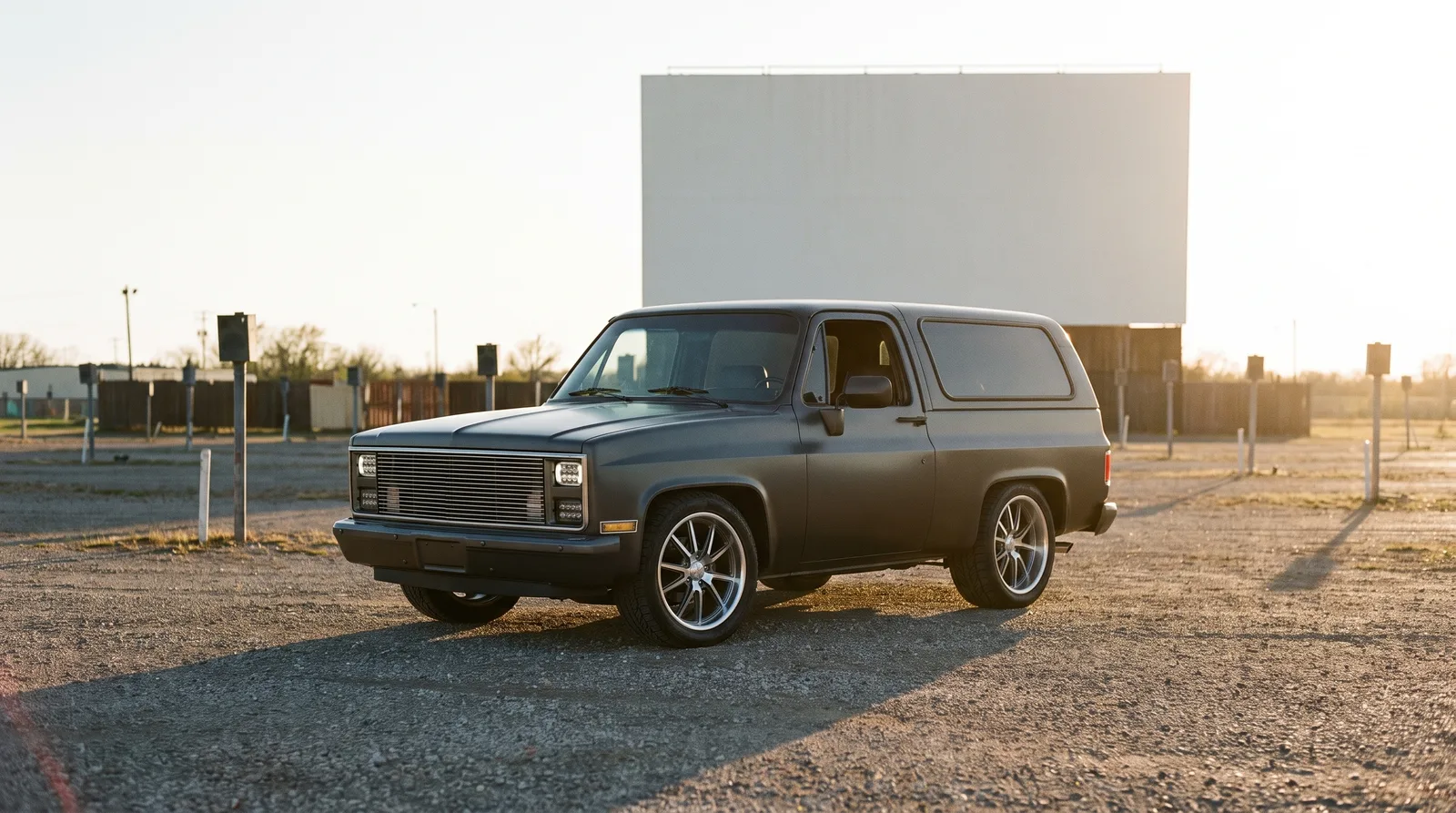
Over the past several seasons, well-documented Jimmys have started closing the gap with comparable Blazers rather than trailing them by a wide margin. That shift reflects growing buyer awareness of genuine Jimmy scarcity rather than any change in the truck itself. Early removable-top trucks from the first generation and clean, unmolested squarebody examples with original drivetrains have both seen steady appreciation, while rough project trucks and heavily modified examples have stayed largely flat, which is exactly what a healthy, maturing collector market looks like.
That divergence matters for anyone thinking about the Jimmy as an investment rather than purely a driver. The trucks appreciating fastest are not the loudest or the most modified. They are the ones with the cleanest paper trail and the most honest, unrestored condition, which is a pattern seen across most mature collector vehicle categories once speculative buying settles into a more disciplined market.
For background on how the Jimmy fits into GMC's broader model history, readers can find the full story useful context before making any purchase decision, since understanding why certain years and configurations were built in smaller numbers explains a lot of the pricing behavior seen at auction today.
What separates a good deal from a trap
Price alone tells a buyer almost nothing about whether a Jimmy is actually a good deal. A truck listed below the going rate for its year and configuration should raise a question, not excitement, because sellers rarely leave real money on the table without a reason. Sometimes the reason is simple, an owner who needs to sell quickly or does not follow the market closely. Just as often, the reason is a problem the listing photos do not show, a frame issue disclosed only if asked about directly, or a title that is not as clean as implied.
On the other end, a Jimmy priced well above comparable sales is not automatically overpriced if the documentation and condition genuinely justify it. A truck with a complete, verifiable ownership chain back to its first buyer, an original drivetrain confirmed by matching numbers, and honest, unrepainted panels can fairly command a premium that a similar-looking truck without that history cannot. The skill in this market is not finding the cheapest Jimmy. It is correctly separating the trucks where a premium price is earned from the trucks where it is just optimism.
A working appraisal checklist
Before assigning real value to any Jimmy, a serious buyer should confirm the frame with a physical inspection rather than a listing photo, verify the engine and transmission against any available build documentation, request full ownership history going back as far as records allow, and get an honest sense of how many comparable trucks have sold in the past twelve months at what actual prices, not asking prices. Skipping any one of those steps turns an appraisal into a guess.
Buyers ready to put that checklist into practice can start by browsing classic K5 Blazer for sale listings with these criteria in mind rather than shopping on price alone. The K5 blazer jimmy values story is still being written, and the trucks that will hold value best over the next decade are the ones being bought carefully today, with documentation and condition treated as equally non-negotiable.
None of this requires a professional appraiser's credentials to apply, only patience and a willingness to walk away from a truck that does not check every box. The buyers who consistently come out ahead in this market are rarely the ones who moved fastest on a listing. They are the ones who asked the uncomfortable questions before writing a check, and who treated a good-looking photograph as the start of an evaluation rather than the end of one. That discipline is unglamorous, but it is exactly what separates a collector building real, defensible value over time from someone who simply got lucky once.
Sources and notes
Related Reading

About the author
Marcus Feld
Accredited collector-car appraiser who reads the market through hammer prices, condition tiers and risk.
Related Listings - Chevrolet Blazer





Comments
Be the first to comment on this article.