
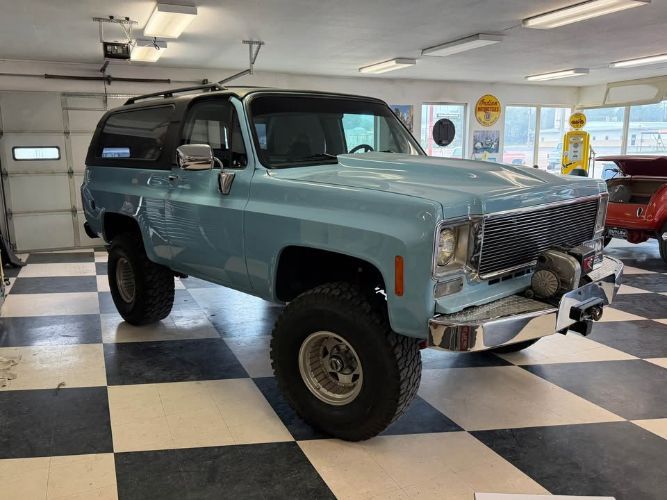
Survivor GMC Jimmys are harder to find than survivor Chevrolet Blazers, and the gap is not close. Anyone who has spent a season combing auction listings and classified sites for a clean, unmodified full-size Jimmy already knows this in their gut. The numbers back it up. GMC simply built and sold fewer of these trucks than Chevrolet did, dealer by dealer, year by year, and that production gap has compounded into a real scarcity problem for buyers chasing the K5 blazer jimmy rarity question today.
Car Features
7 min read
Why Survivor GMC Jimmys Are Harder to Find
GMC built and sold fewer Jimmys than Chevrolet built Blazers, and decades of fleet use and rust have thinned the survivor pool even further.
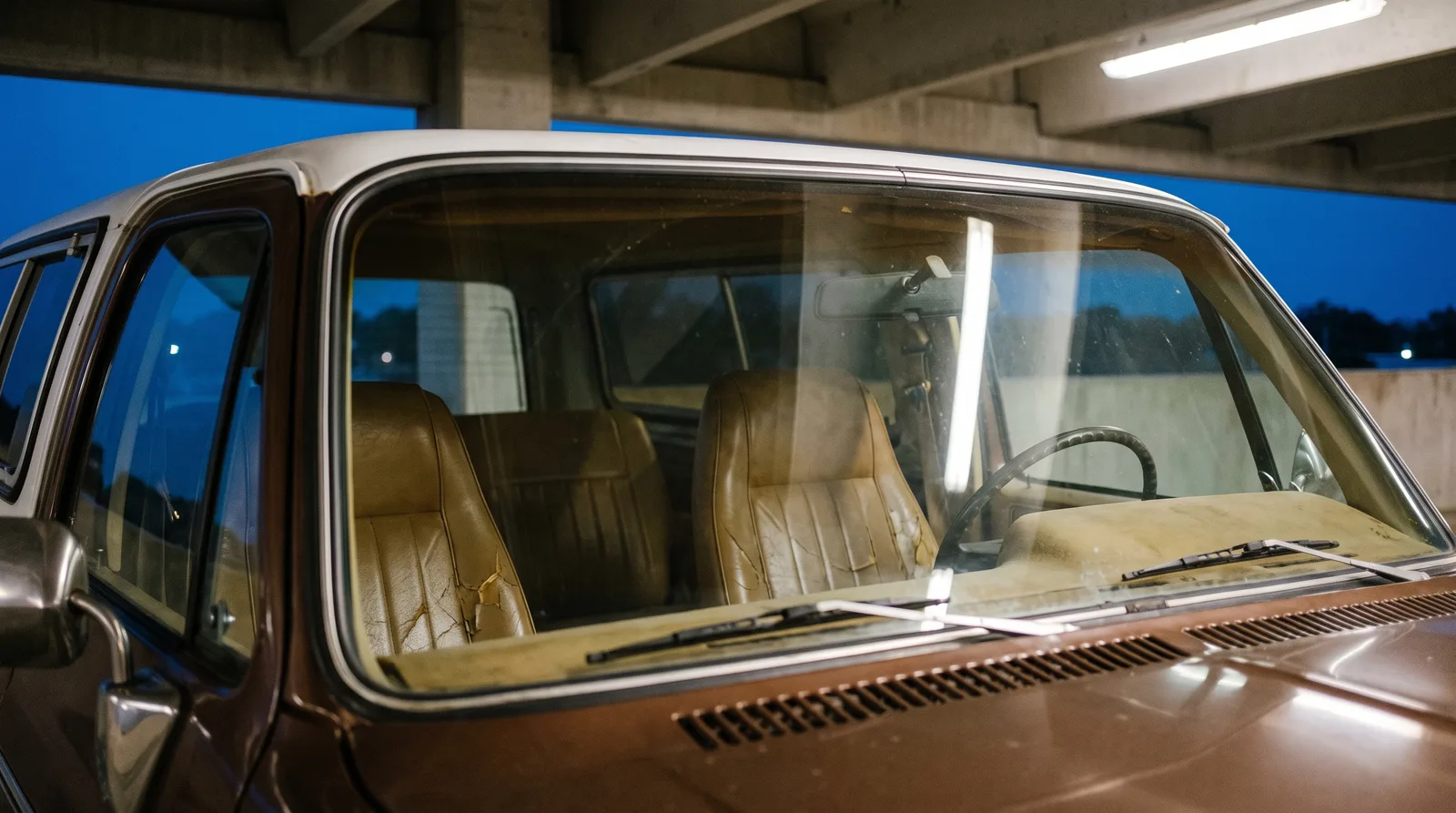
The production math nobody advertises
GM built the Jimmy and the Blazer on the same platform, shared the same drivetrains, and marketed them to overlapping buyers, but GMC dealerships were fewer in number and skewed more heavily toward commercial and fleet customers than Chevrolet's much larger retail network. That structural difference meant Jimmy production trailed Blazer production every single year of the run, sometimes by a wide margin. A buyer chasing a specific year and configuration in Jimmy trim is fishing in a smaller pond than a buyer doing the same search for a Blazer, full stop.
That gap gets worse the further back you go. Early removable-top Jimmys from 1970 through 1972 already started from a lower production base than their Chevrolet counterparts, and four and five decades of road salt, trade-ins, and neglect have thinned an already small herd. The survivors that remain unmodified, with matching drivetrains and honest sheet metal, represent a fraction of a fraction.
Why fleet use cut deeper into the survivor pool
A significant share of Jimmy production went to buyers who needed a truck, not a badge. Utility companies, road departments, and ranch operations bought Jimmys because they were available and capable, then ran them until the frames gave out. Trucks used that hard rarely survive to become someone's weekend project forty years later. They get scrapped, parted out, or crushed once the repair bill exceeds the truck's value, and that attrition rate hit Jimmys harder than it hit privately owned, more gently used Blazers.
The result is a survivor curve that skews toward extremes. You find genuinely low-mile, carefully kept examples that some family held onto for decades, and you find rough, incomplete parts trucks. The broad middle ground of a solid, honest daily driver in original condition, the kind of truck a normal collector actually wants to buy, is thin on the ground for Jimmys in a way it is not quite as thin for Blazers.
Regional survival patterns worth knowing
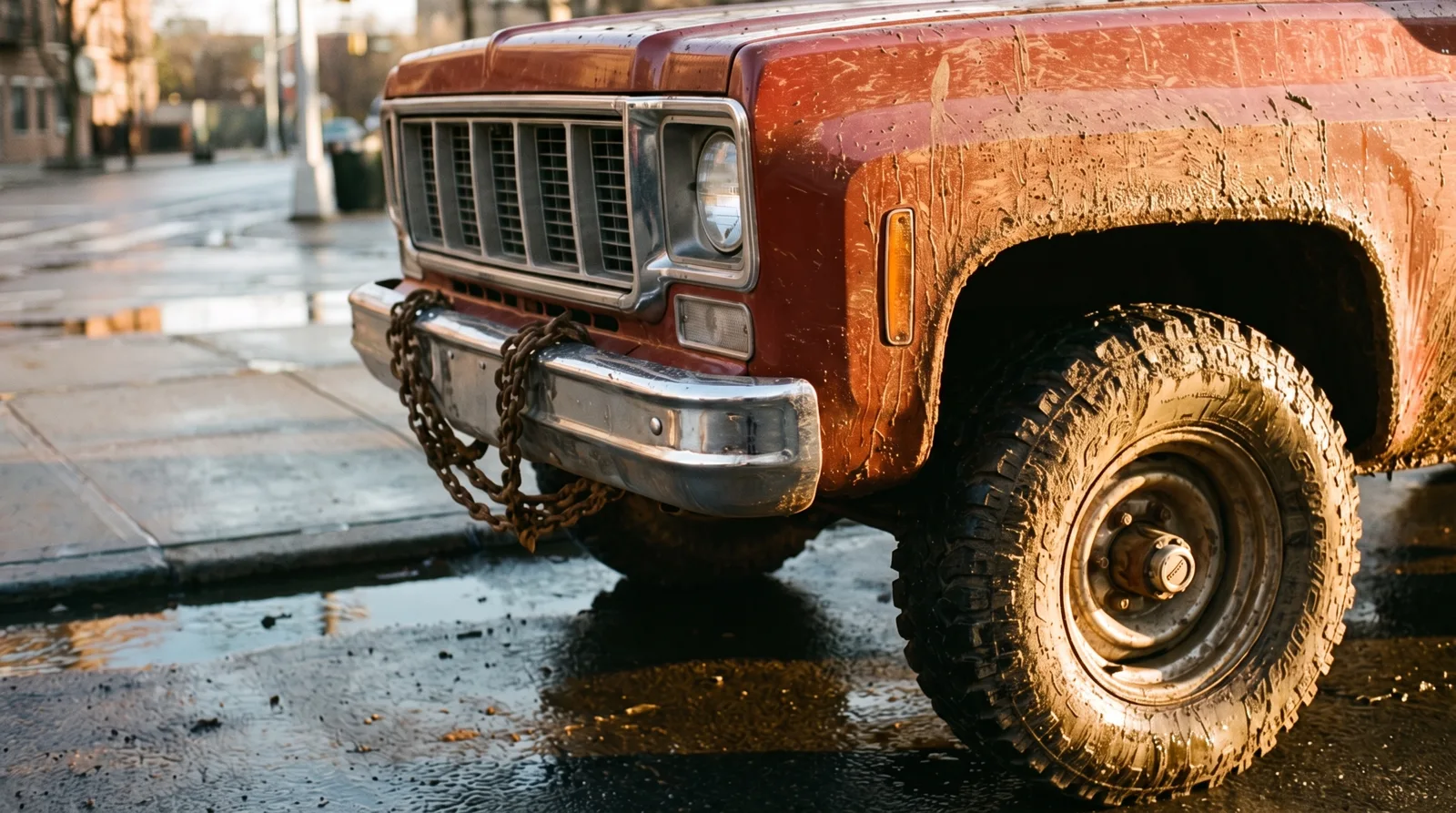
Rust belt Jimmys have a brutal survival rate. Road salt and full-size GM frames from this era do not coexist well over multiple decades, and a truck that spent its life in Michigan or Ohio has a real chance of frame rot no matter how good the paint looks. Southwest and mountain-state trucks fare far better, and that geographic reality shapes where serious buyers actually go looking. A Jimmy pulled out of rural Colorado or New Mexico, even one that looks cosmetically rough, is statistically more likely to have a sound frame than a shinier truck with a Midwest title history.
This matters for anyone serious about ownership. Cosmetic condition photographs well and sells fast online, but frame integrity is the actual rarity that counts, and it rarely shows up in a listing photo. Buyers chasing a truly rare, structurally sound Jimmy need to ask about title history and regional origin before they ask about paint.
"Scarcity without documentation is just a rumor. A Jimmy with a thin production number and a clean title history is worth chasing. A Jimmy with a thin production number and no paper trail is a bet, not an investment."
- David Mercer
The trim and configuration puzzle
Rarity within the Jimmy lineup is not evenly distributed. Certain configurations are far scarcer than a simple production total suggests. Diesel-equipped trucks make up a small slice of overall Jimmy output, and within that slice, examples that still have their original engine rather than a later gas swap are scarcer still. High trim packages with factory two-tone paint and full gauge clusters also thin out fast, because those were the more expensive orders that fewer commercial buyers checked the box for. A buyer searching for a base-trim, six-cylinder Jimmy has an easier hunt than a buyer chasing a loaded, diesel-powered, two-tone example from a single specific model year.
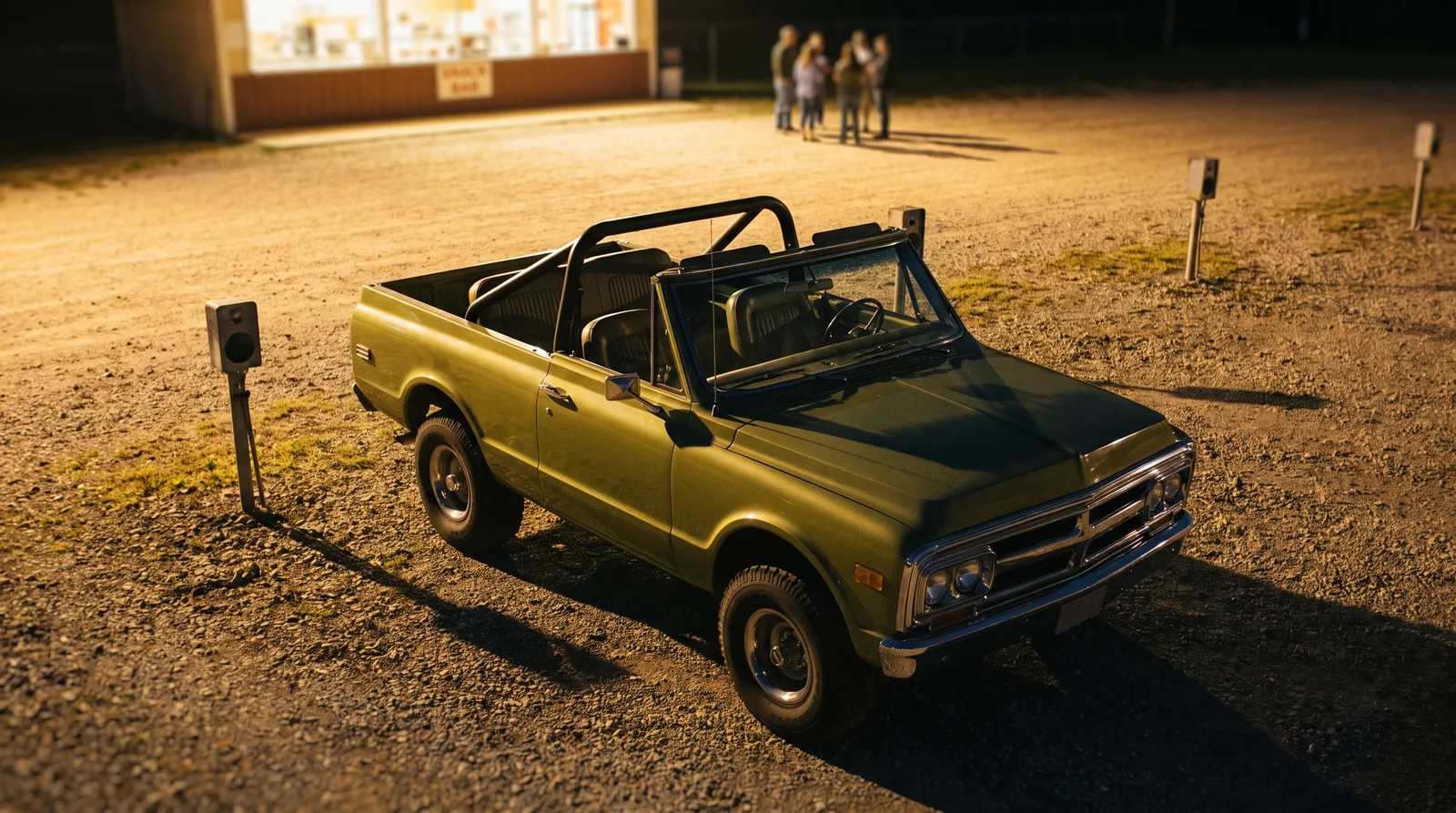
Body style adds another layer. The 1970 through 1972 removable-top Jimmys are rarer across the board than the later enclosed squarebody generation simply because fewer were built before GM redesigned the platform, and fewer still have survived with an intact, non-leaking top mechanism. Collectors chasing that first generation are competing over a genuinely small pool, and prices for well-documented early trucks have reflected that scarcity for years even before the broader Jimmy market started catching up.
What the rarity actually means for value
Rarity alone does not set a price. A scarce truck in poor condition still sells for scrap-adjacent money, and a common truck in exceptional condition can outsell a rare one that needs work. But when two comparable trucks come up, one Jimmy and one Blazer, similar year, similar condition, similar drivetrain, the Jimmy's lower production numbers have started to show up as a modest but real premium at auction over the past several years. That premium reflects genuine scarcity finally getting priced in after decades where the market treated the two badges as interchangeable.
Anyone weighing this decision should start with the background material. GMC's own model history is worth understanding in full through the gmc jimmy story, and readers who want the platform's shared origins with the Chevrolet side can find the full story of how both trucks came out of the same GM program. That context makes it much easier to judge whether a specific listing represents genuine scarcity or just a seller's asking-price optimism.
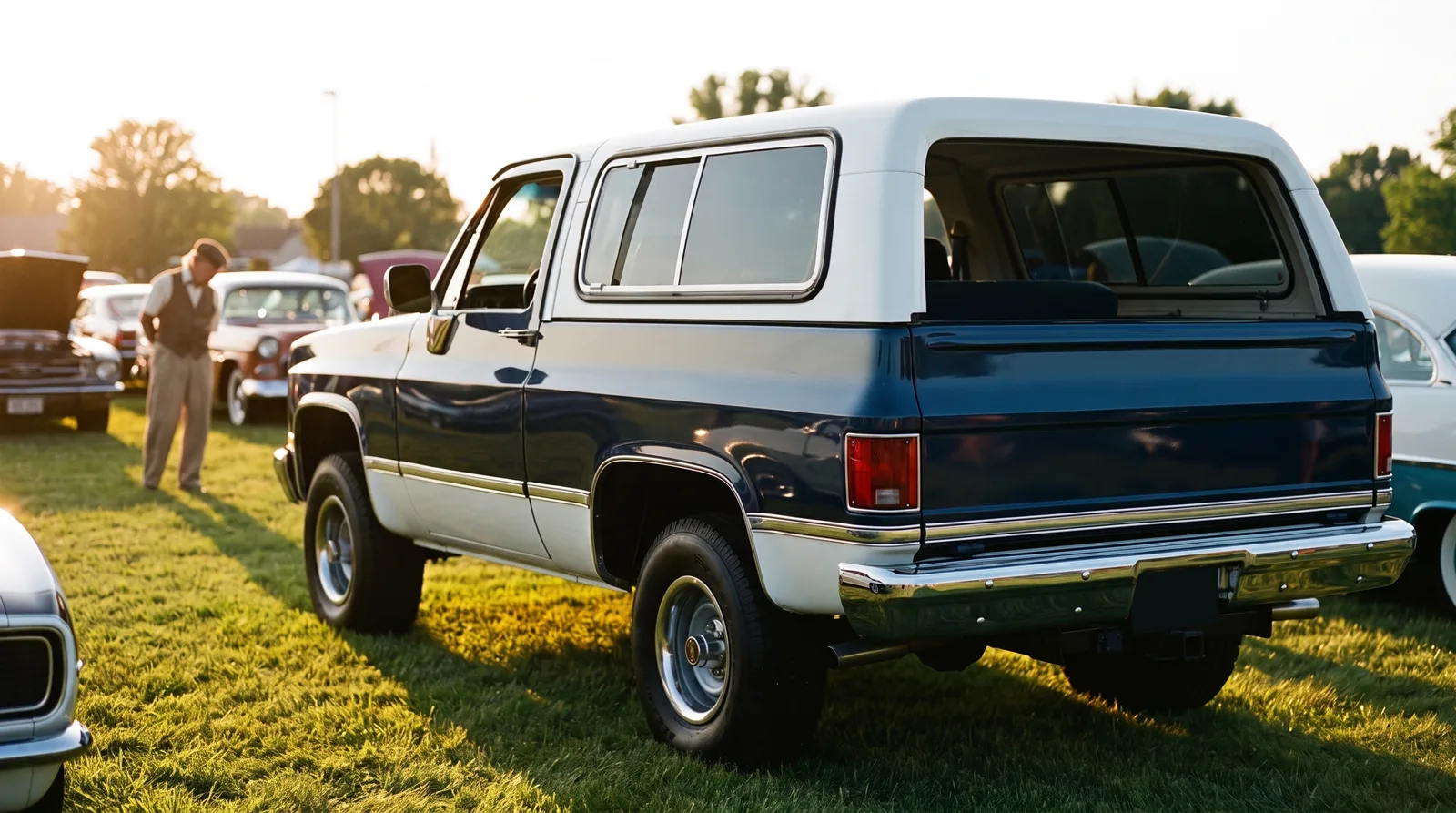
For buyers ready to act rather than just research, it is worth tracking classic K5 Blazers on the market over several weeks rather than jumping at the first Jimmy that appears. Because the supply is thin, good examples do not sit long, but patience still beats panic buying a truck with a compromised frame just because the badge is rare. Rarity is a real factor in this market. It is not a substitute for due diligence.
The long-term outlook only tightens the equation further. Every year that passes takes a few more original Jimmys off the road permanently, whether through accident, rust, or a botched modification that erases matching-numbers status. The pool of clean survivors is not going to grow. It only shrinks, and buyers who understand that the GMC badge specifically, not just the full-size platform generally, carries a scarcity premium are the ones best positioned to make a smart purchase before that premium becomes common knowledge across the wider collector market.
Sources and notes
Related Reading

About the author
David Mercer
Classic car market analyst with two decades of experience tracking collector car valuations, auction results, and investment trends.
Related Listings - Chevrolet Blazer





Comments
Be the first to comment on this article.