
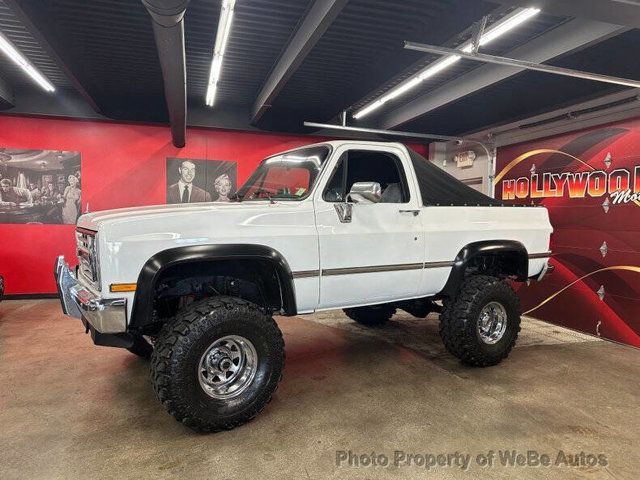
The k5 blazer squarebody diesel is the option nobody remembers until they see one for sale, and then they cannot stop asking about it. Chevrolet put a 6.2 liter diesel V8 in the K5 Blazer starting in 1982, and it stayed on the order sheet through the end of squarebody production in 1991. Fewer buyers picked it than picked gas. That is exactly why it matters now.
Car Features
7 min read
The 6.2 Diesel Squarebody K5 Blazer
The 6.2 diesel was a rare option in the squarebody K5 Blazer, and that rarity is exactly why collectors chase them today.
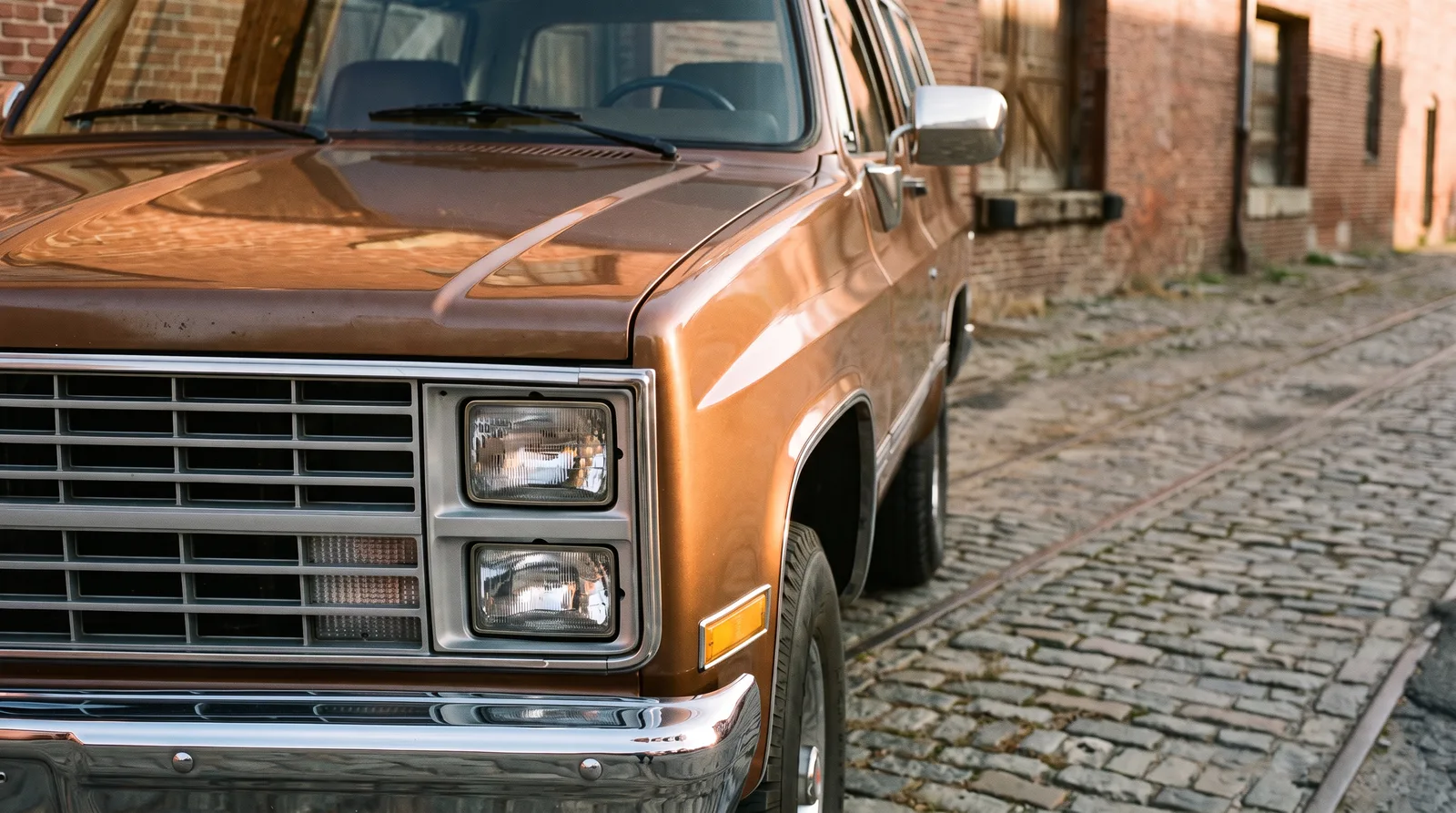
The number: how rare the diesel actually is
Diesel take rates in full-size GM trucks and Blazers of this era were a small fraction of total production, generally described as a low single-digit share of most model years. Fuel prices, the oil shocks of the late 1970s, and a genuine interest in better range under load drove the buyers who did pick it, but the mainstream K5 customer stuck with gasoline small-blocks because they were cheaper to buy, cheaper to service, and did not require finding diesel pumps in an era when they were far less common at the corner station. The result is a surviving population of diesel squarebody Blazers that is small relative to gas trucks from the same years, and shrinking faster, because diesel drivetrains that fail hard tend to get parted rather than repaired.
What the 6.2 diesel actually was
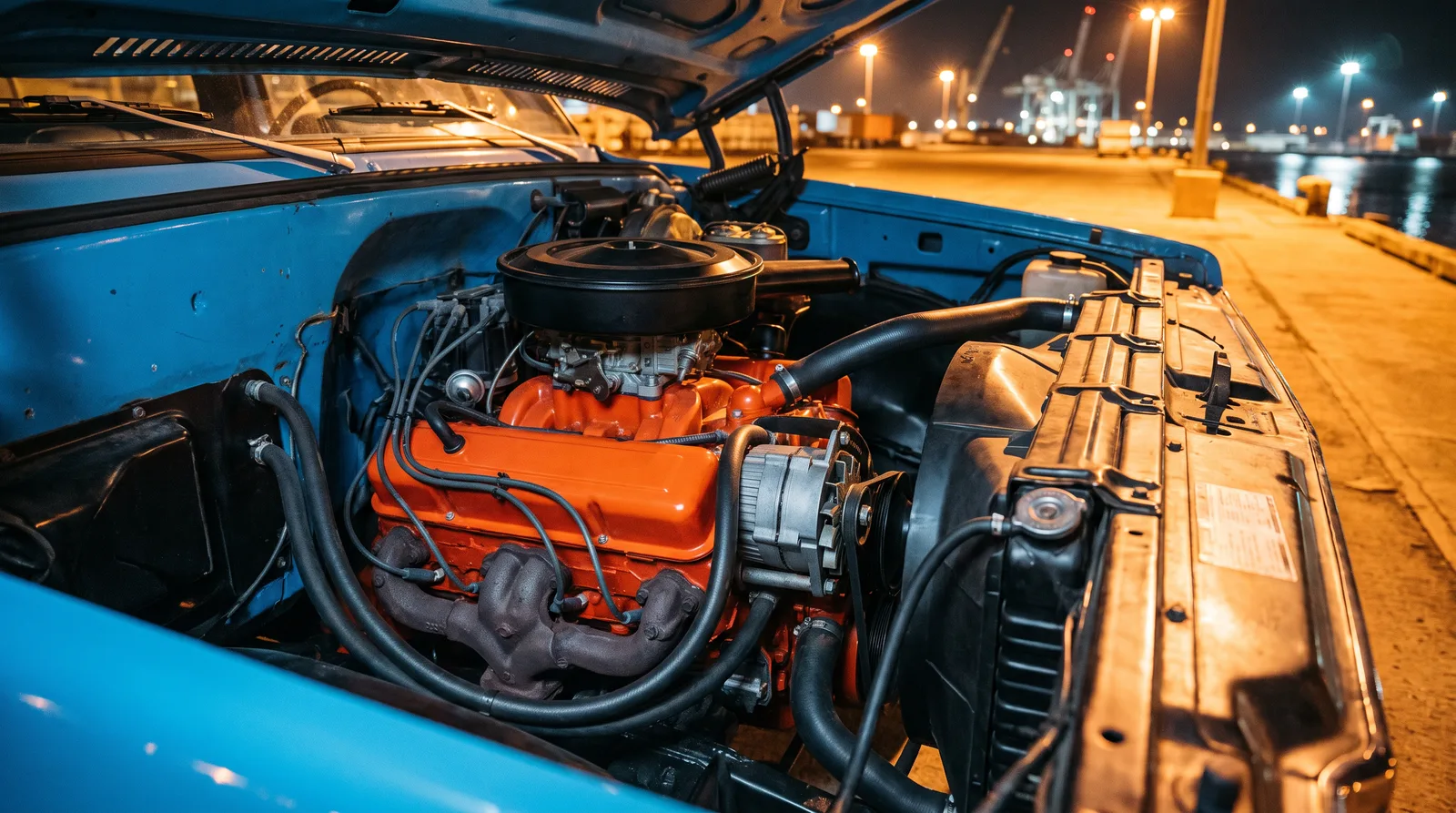
GM's 6.2 liter diesel V8 was a purpose-built diesel design, not a converted gas engine, developed with help from Detroit Diesel. It used a naturally aspirated, indirect-injection layout, which traded outright power for durability and simplicity relative to more aggressive turbo diesel designs that came later in the decade. Horsepower was modest by gas-engine standards, rated at 130 horsepower at launch in 1982, but torque and fuel economy were the actual selling points, not peak output. A K5 Blazer with the 6.2 pulled a trailer at a steadier, lower-revving pace than its gas-engine siblings and did it while burning noticeably less fuel per mile, a real advantage for owners who put serious distance on their trucks.
Why the reputation is mixed
The 6.2 diesel earns real credit for durability when properly maintained, and real criticism for a handful of well-known weak points. Cracked glow plug ports, exhaust manifold issues, and the general fragility of injection pump components when neglected are recurring themes in long-term ownership reports. None of these are exotic problems requiring exotic parts. They are the kind of wear items that show up in any diesel driven hard and maintained lightly, and the K5's diesel is no exception. Owners who kept up with basic service, particularly around fuel filtration and glow plug function, report engines running well past 150,000 to 200,000 miles, which is a genuinely strong result for a factory diesel from this period.
The bigger obstacle for used-market buyers today is parts and expertise, not the engine's inherent design. A 350 mechanic is easy to find in any town. A shop comfortable diagnosing a decades-old indirect-injection diesel is a shorter list, and that scarcity, more than any flaw in the engine itself, is what makes ownership harder than it needs to be.
How the diesel compared to gas at the pump and on the highway
The economic case for the 6.2 diesel was real, not just theoretical. Diesel fuel economy in these trucks ran meaningfully better than the gas small-blocks under equivalent load, a difference that mattered to owners covering serious annual mileage or towing regularly. Over a period of high fuel prices, that gap between diesel and gas operating cost could offset a real portion of the diesel option's higher purchase price within a few years of ownership, which is exactly the calculation the buyers who chose it were making at the dealership.
What the 6.2 gave up to get that economy was acceleration and noise character. Naturally aspirated indirect-injection diesels of this era were not quick, and buyers cross-shopping a gas 350 against the diesel option knew they were trading some responsiveness for range and lower running costs. For a truck used primarily for towing, plowing, or long-distance driving rather than quick starts from a stoplight, that trade made sense, and it is part of why the diesel found a loyal, if small, ownership base rather than broad popularity.
Sourcing parts for a diesel squarebody today
Parts availability for the 6.2 diesel sits in an unusual middle ground. Because the engine saw extended use in GM trucks and vans well into the 1990s, and because later 6.5 liter variants share meaningful architecture with it, a surprising number of wear items, injectors, glow plugs, gaskets, remain available through diesel specialty suppliers even though the specific squarebody application ended production decades ago. The harder part is not finding parts, it is finding a shop with hands-on experience diagnosing this specific engine family, since general mechanics who grew up on gas engines sometimes misdiagnose diesel-specific symptoms as something else entirely.
Owners who invest the time to find a diesel-literate mechanic, or who learn the platform's quirks themselves, tend to report far fewer expensive surprises than owners who treat the 6.2 like any other engine and take it to whichever shop is closest.
What a diesel squarebody is worth today
Scarcity alone does not automatically create value, but it does create attention, and diesel squarebody Blazers get disproportionate interest relative to their production numbers whenever one comes up for sale. Buyers drawn to them tend to fall into two camps: people who specifically want a period-correct diesel for the novelty and the fuel economy, and people restoring a truck who happen to find one with the drivetrain already in good order. Either way, a diesel-equipped example with documented maintenance and a clean injection system commands more attention from serious shoppers than an equivalent-condition gas truck, simply because there are fewer of them to choose from.
"Most people who buy a diesel K5 didn't need a diesel K5. They wanted the one that's actually hard to find. That's a fine reason to buy a truck."
- Dan Reeves
What to check before buying one
Anyone shopping a diesel squarebody should treat the drivetrain inspection as the priority, ahead of the usual body and frame checks that apply to every K5. Verify the glow plug system functions correctly, check for any history of injection pump work and who performed it, and confirm cold-start behavior firsthand rather than trusting a description. A diesel that starts easily cold and runs clean at idle has usually been cared for. One that struggles to start or smokes heavily is signaling deferred maintenance that costs real money to correct.
For readers who want the fuller platform context, from the gas engine lineup to the production years that surround the diesel option, the whole picture is covered in this site's main squarebody retrospective. And for anyone ready to see what diesel and gas squarebody Blazers are actually listed for sale right now, shop classic K5 Blazer listings is the place to look. The diesel was never the popular choice in 1985. Today, that unpopularity is most of its appeal.
Sources and notes
Related Reading

Have a
Chevrolet Blazer
for Sale?
Reach thousands of serious classic car collectors across the US.
Sell It Here →
Selling a classic? Here's how: where to sell your classic car online
Are You a Classic Car Dealer?
List your full inventory and connect with targeted classic car buyers.
Join as a Dealer →

About the author
Dan Reeves
Performance engine builder from North Carolina's motorsports corridor, focused on swaps, forced induction and making real, repeatable power.
Related Listings - Chevrolet Blazer



Comments
Be the first to comment on this article.