
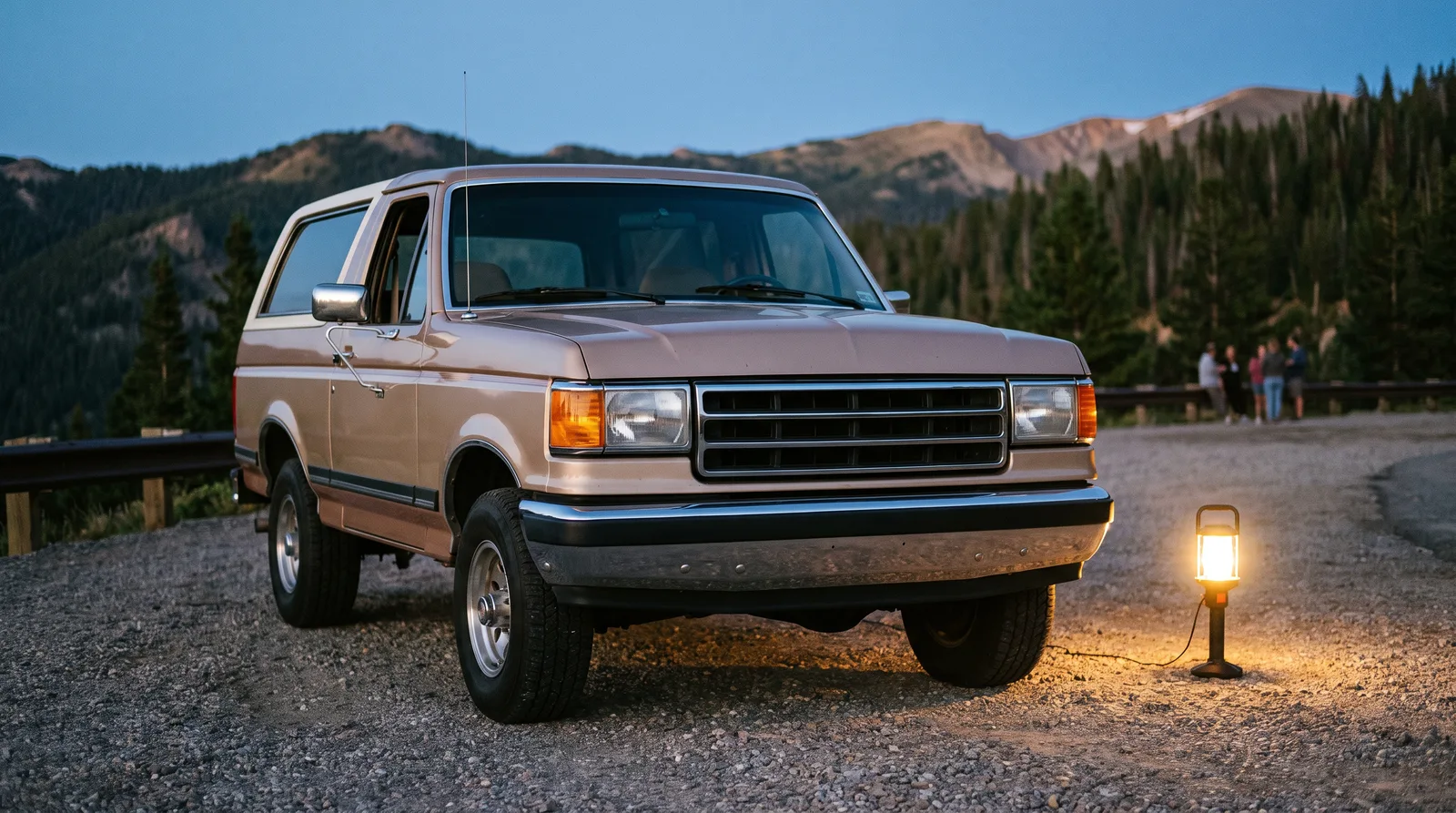
Some trucks earn their reputation on a showroom floor, others earn it on screen, parked behind an actor who never once has to explain why they are driving it. The k5 blazer squarebody in media story is less about a single iconic role and more about steady, background presence, a truck that filmmakers and set dressers reached for again and again because it read instantly as authentic without needing a single line of dialogue to explain itself. That kind of quiet ubiquity built a different sort of fame than a hero car gets, but it stuck just as hard.
Car Features
7 min read
The Squarebody K5 Blazer On Screen
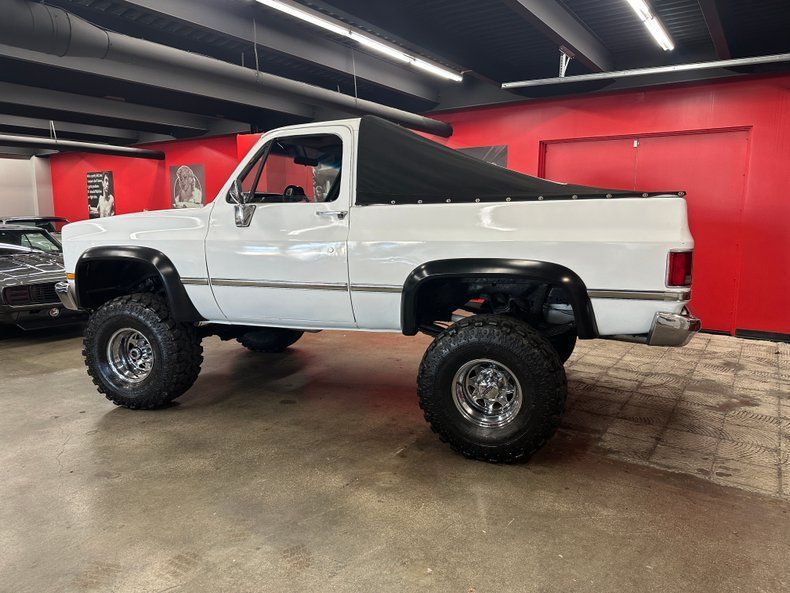
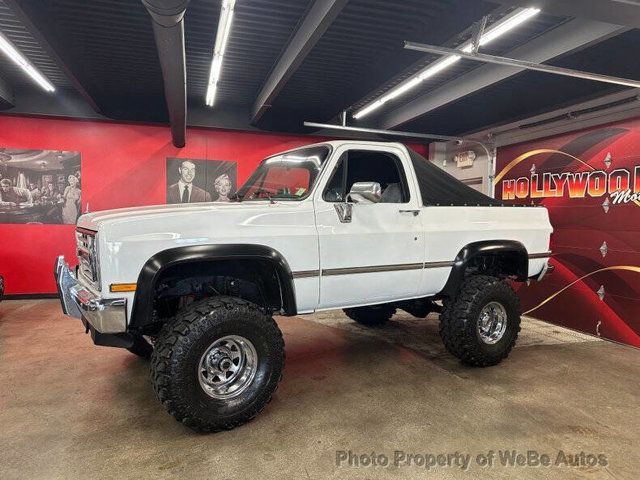
The squarebody K5 Blazer built its pop culture reputation quietly, as background familiarity in film and television rather than a single famous role.
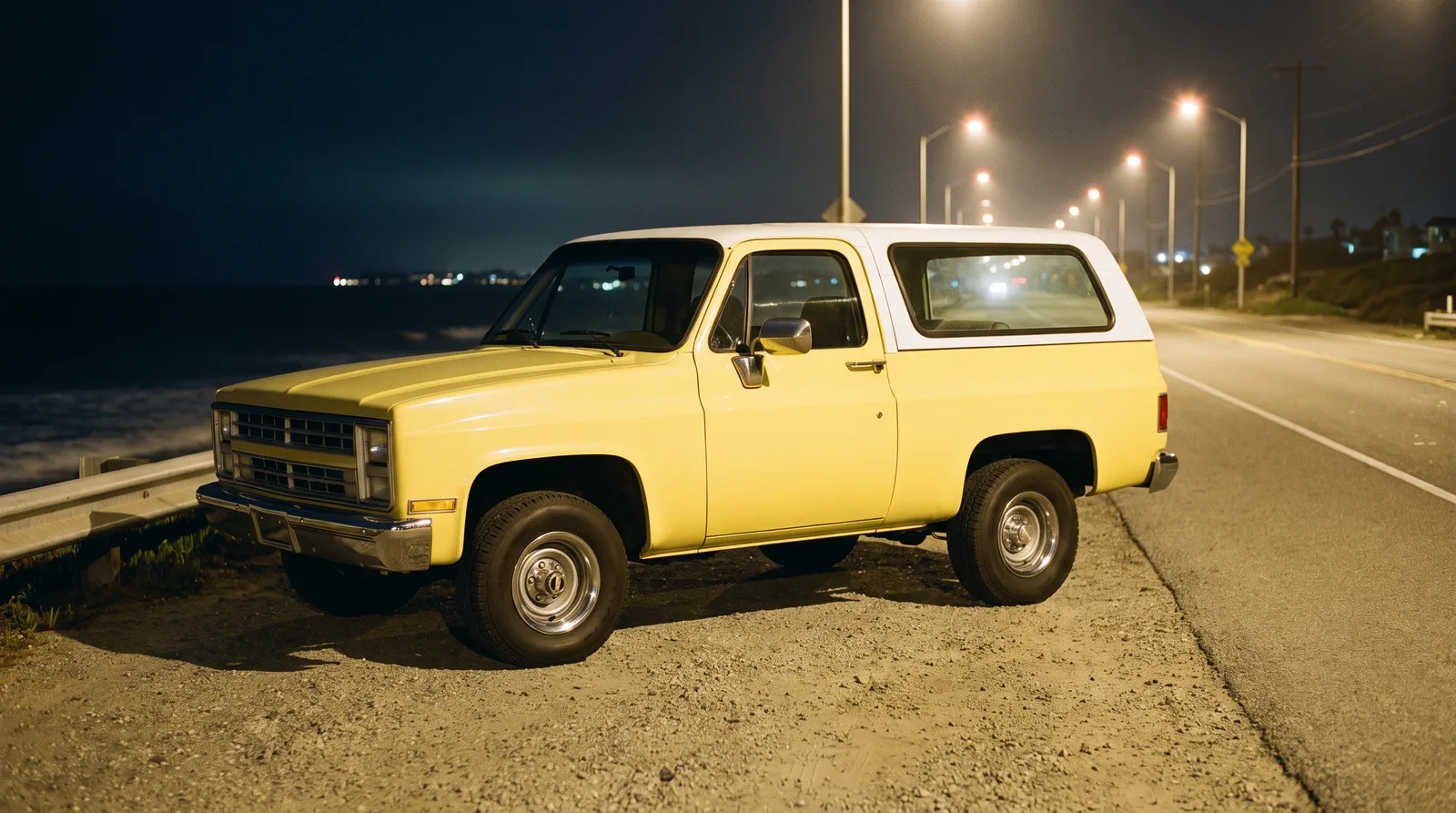
Why set dressers reached for this truck
Production designers choosing background and supporting vehicles for a period or contemporary shoot through the late 1970s, 1980s, and into the 1990s needed vehicles that read as normal, lived-in, and regionally plausible without drawing attention away from the story. A squarebody K5 Blazer did exactly that. It photographed as rural or working-class without tipping into caricature, it was genuinely common on American roads during its production years, and its boxy, upright shape reads clearly in wide shots even at a distance, which matters more to a cinematographer than most viewers realize.
That practicality extended to television as much as film. Series set in small towns, on ranches, or in law enforcement and rescue contexts frequently populated their vehicle rosters with full-size GM trucks and SUVs of this era, because rental fleets and studio backlots had plenty of them available and because the look matched the setting without requiring custom vehicle work. Naming a specific credited production is a narrower claim than this broader pattern, and it is worth confirming against a vehicle registry before repeating it as fact.
The military connection and its own cultural footprint
Separate from any specific film or television credit, the squarebody Blazer picked up genuine cultural weight through its military service. The Commercial Utility Cargo Vehicle program adapted the platform for the United States military in the 1980s, producing the M1009 variant with a diesel engine and blackout lighting among other changes. Surplus examples eventually made their way into civilian hands, and that military pedigree gives certain squarebody Blazers a documented, almost artifact-like status that goes beyond ordinary used truck history. Owners of confirmed CUCV examples treat the paperwork trail as seriously as any other collector treats a numbers-matching engine, because it is verifiable history in a hobby where a lot of claims are not.
"You do not need a truck to be the star of a film to matter culturally. Sometimes the truck that shows up in twenty different backgrounds over twenty years does more to shape how people picture an era than any single hero vehicle ever could."
- Nora Beckett
How screen presence shaped public memory
Repetition is its own kind of fame. A shape that appears often enough in the visual background of American media, parked outside a diner in one show, driven down a dirt road in another, eventually becomes shorthand. Viewers do not need to consciously register the truck to absorb its association with a particular kind of setting, rural, working, unpretentious, dependable. That accumulated association is part of why the squarebody Blazer carries such strong nostalgic pull today among people who never personally owned one, they simply grew up seeing the shape enough times that it became part of their visual memory of the era.
This is a different mechanism than the one that drives interest in a genuinely famous screen vehicle with a name and a specific credited appearance. It is cumulative rather than singular, built from dozens of small, mostly uncredited moments rather than one defining scene, and that makes it harder to pin down with a tidy list of titles, but no less real as a cultural force.
What background presence means for today's collectors
There is a practical side to this discussion too. Collectors and buyers frequently ask about a specific truck's screen history when a seller mentions it, and the honest answer is that verifying a genuine credited screen appearance is much harder than verifying military service or ownership documentation. Production vehicle logs are not always public, and rental fleet records from decades ago rarely survive in any organized form. Buyers should treat an unverified screen-use claim with real skepticism, the same way they would treat any other unverifiable story attached to a used vehicle, interesting if true, but not something to pay a premium for without paperwork.
That skepticism does not diminish the truck's genuine cultural footprint, it just separates two different kinds of claim. The broad, cumulative background presence this generation of Blazer built up over two decades of film and television production is a real and well-supported cultural fact. A specific individual truck's claimed screen credit is a much narrower claim that needs its own evidence before anyone should treat it as established history.
Why this matters for how the truck is remembered today
Understanding the squarebody Blazer's media presence this way, as steady background familiarity rather than a single blockbuster credit, actually explains something about how the current collector and enthusiast market talks about the truck. People describe these Blazers in terms of feeling, a sense of a certain kind of American landscape and era, rather than pointing to one specific pop culture touchstone the way owners of some other collector vehicles do. That feeling is exactly what decades of background screen time built, one mostly unremarked appearance at a time.
How this compares to other trucks of the era
The Blazer was not alone in this kind of quiet, cumulative screen presence. Contemporaries like the Ford Bronco and the Dodge Ramcharger picked up similar background familiarity across the same decades, and viewers who grew up watching film and television from this era often carry a blurred, composite memory of full-size American 4x4s in general rather than sharply distinguishing one nameplate from another in every scene. What separates the squarebody Blazer within that group is partly its sheer production volume, more of them existed to populate backgrounds in the first place, and partly its distinctive boxy proportions, which read clearly even in a viewer's peripheral attention in a way a more conventionally styled competitor might not.
That combination, wide availability to production designers and a shape that registers even without focus, is a reasonable explanation for why the squarebody Blazer in particular seems to anchor so much of the visual nostalgia around this category of vehicle, even among people who could not necessarily name the specific trucks they remember seeing.
The bigger picture of how this generation of Blazer earned its place in American culture goes well beyond anything that happened on a film set, and where this started lays out that fuller history. If the truck's presence in your own memory has you thinking about owning one, you can find a classic K5 Blazer and start comparing what is actually available against the version you remember from the background of a show or a photograph.
Sources and notes
Related Reading
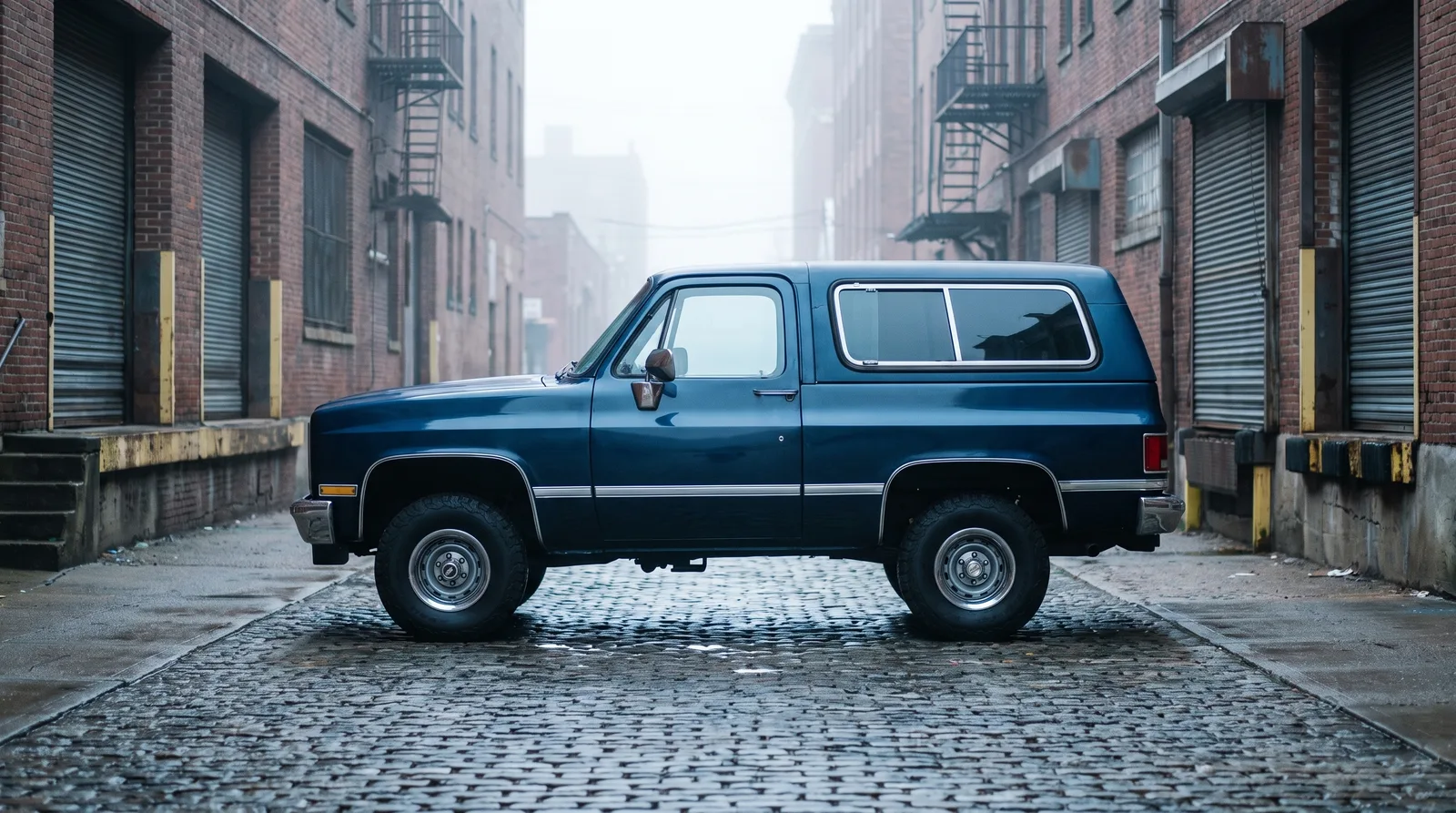
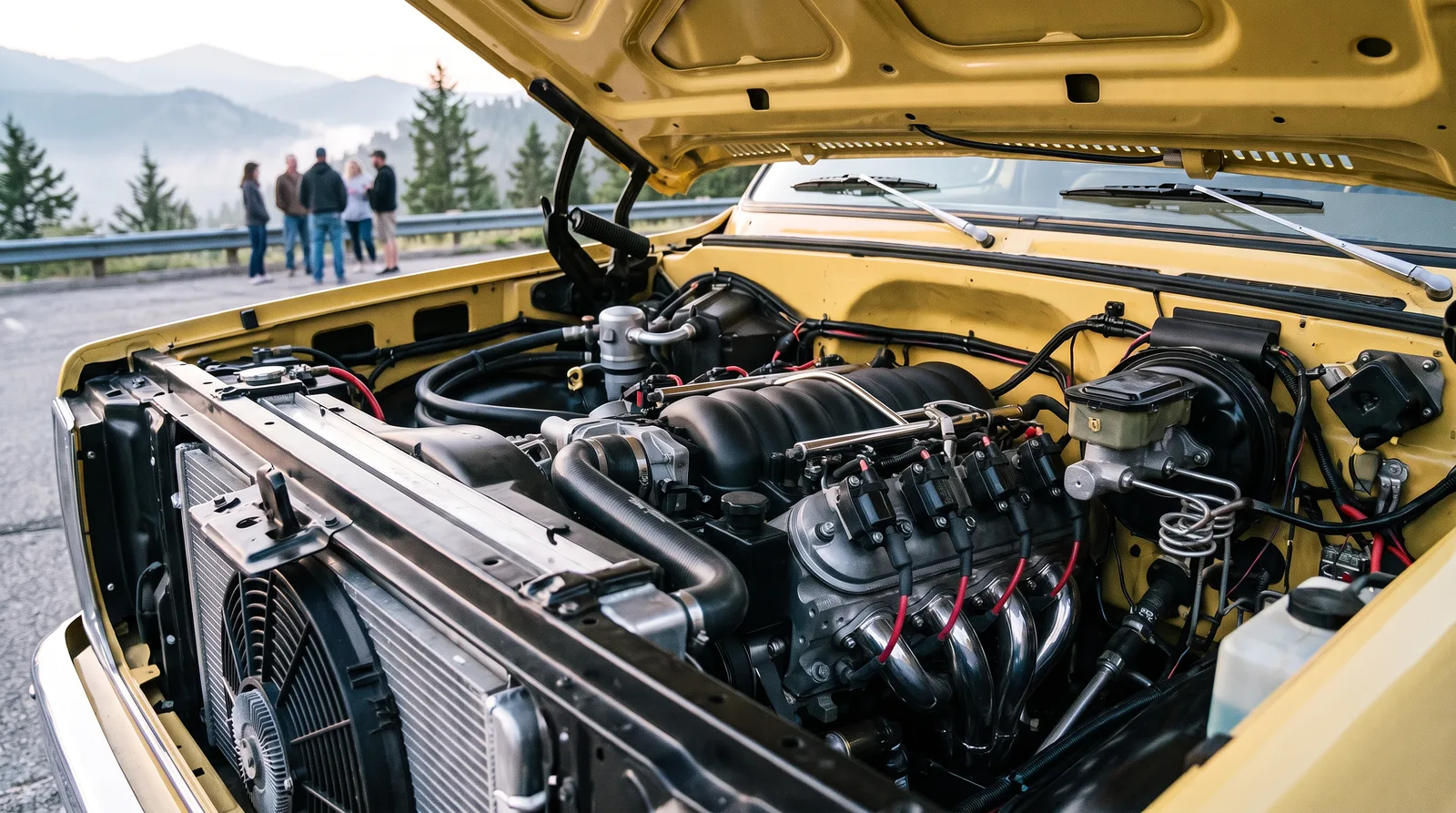
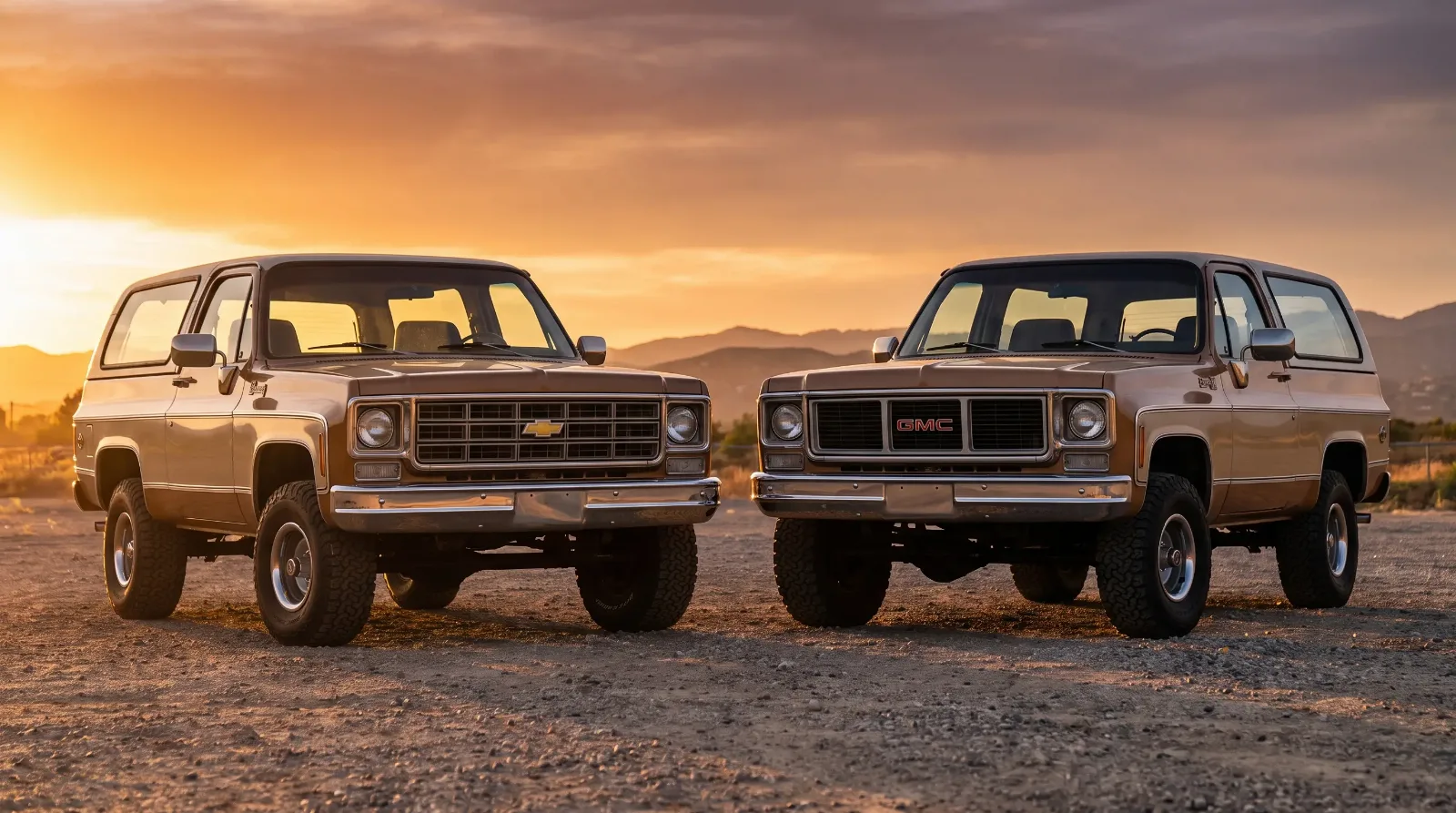
Have a
Chevrolet Blazer
for Sale?
Reach thousands of serious classic car collectors across the US.
Sell It Here →
Selling a classic? Here's how: compare the places to sell classic cars
Are You a Classic Car Dealer?
List your full inventory and connect with targeted classic car buyers.
Join as a Dealer →

About the author
Nora Beckett
Automotive features writer and photographer who tells the human stories behind the cars, from show fields to cross-country road trips.
Related Listings - Chevrolet Blazer
Comments
Be the first to comment on this article.