
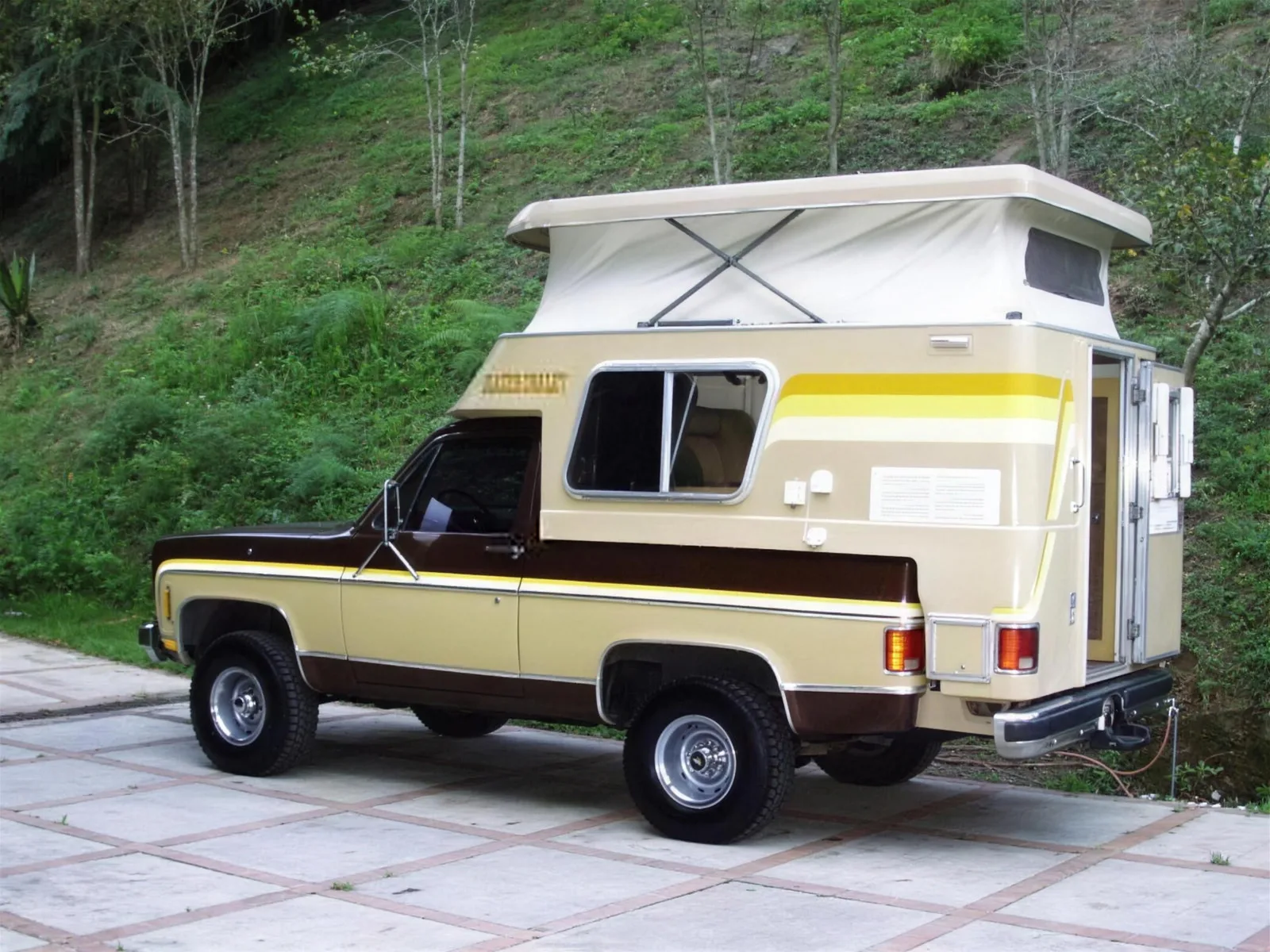
A teenager in 1978 could stand in a Chevrolet showroom, look at a black-and-gold Cheyenne-trim K5 Blazer with a big-block under the hood, and understand instantly why the k5 blazer squarebody muscle truck reputation exists. This was not a work truck apologizing for its size. It was a full-size 4x4 that looked and sounded like it belonged in the same conversation as the muscle cars fading out of showrooms around it.
Car Features
7 min read
The Squarebody K5 as a Muscle-Truck Icon
As muscle cars faded through the 1970s, the squarebody K5 Blazer picked up their swagger with big-block power and Cheyenne-trim attitude of its own.
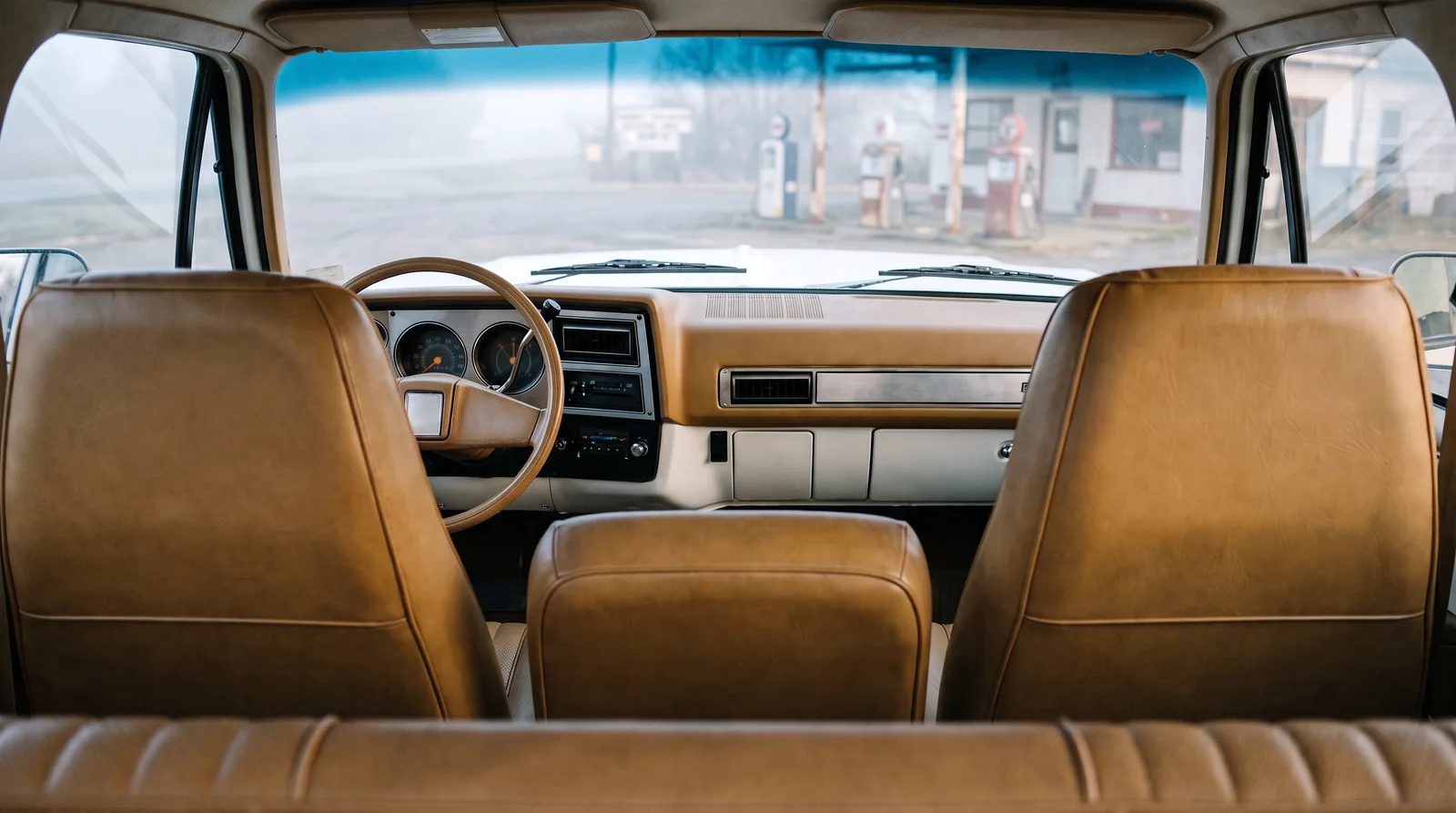
How the K5 landed in the muscle truck conversation
Muscle cars were losing ground through the 1970s, squeezed by insurance rates, fuel prices, and tightening emissions rules that hit high-compression engines hardest. Buyers who still wanted power, noise, and presence started looking elsewhere, and the full-size 4x4 truck market, with the K5 Blazer near the front of it, absorbed some of that appetite. A Blazer with a big-block under the hood and aggressive trim options offered a different kind of muscle, one built around torque and stance rather than quarter-mile times, but it scratched the same itch for buyers who wanted a vehicle with real presence.
Chevrolet leaned into that appeal with trim packages like the Cheyenne and later performance-flavored option groups that dressed the truck up with striping, wheels, and interior touches that echoed the muscle car era even as that era wound down around them. The Blazer did not need to out-drag a Chevelle to earn muscle truck status. It needed to look and sound like it could, and for a lot of buyers, that was enough.
The engines that carried the image
Big-block availability in the K5 Blazer was strongest in the earliest years of squarebody production, before tightening emissions regulations pushed GM to trim big-block options from its light truck lineup as the 1970s wore on. A big-block K5 from those early years carries real weight in muscle truck conversations specifically because the window for buying one factory-equipped was relatively short, which adds scarcity to a reputation already built on presence and sound. Later squarebody years leaned more heavily on the 350 and 400 small-blocks for their higher-output trims, engines covered in more detail elsewhere on this site, but the muscle truck image the early big-block trucks established stuck with the platform for its entire run.
Why the image mattered beyond the spec sheet
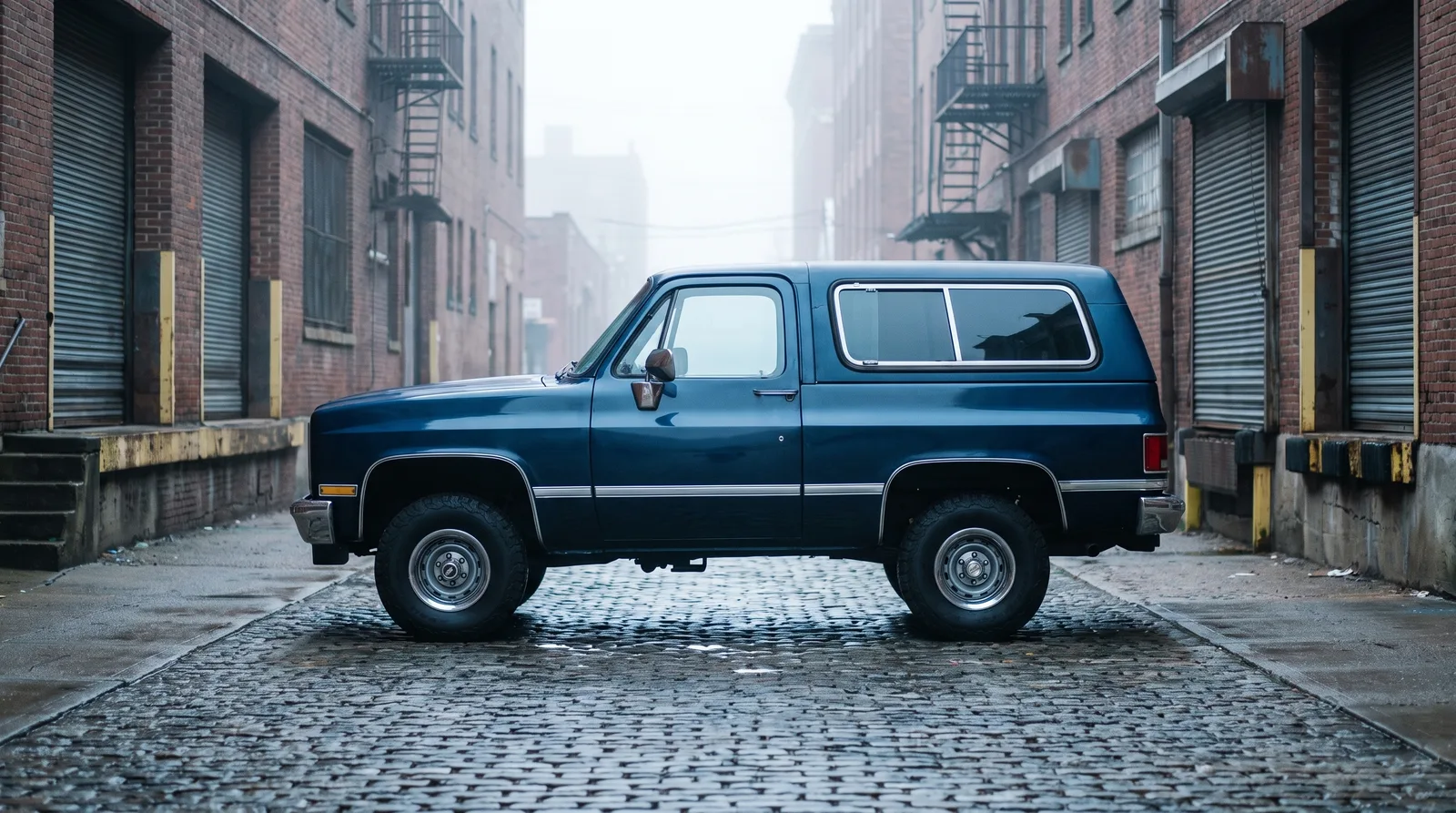
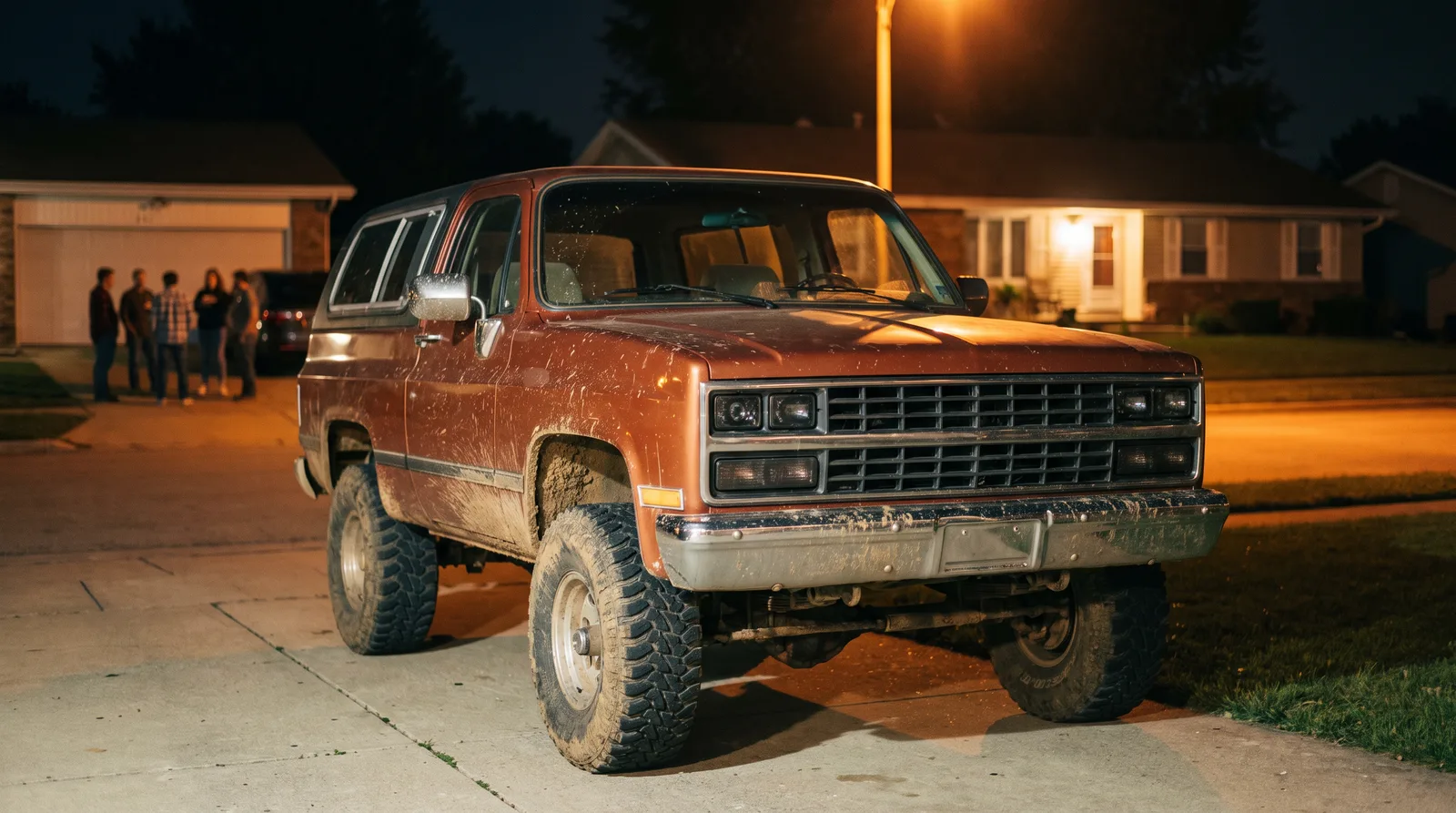
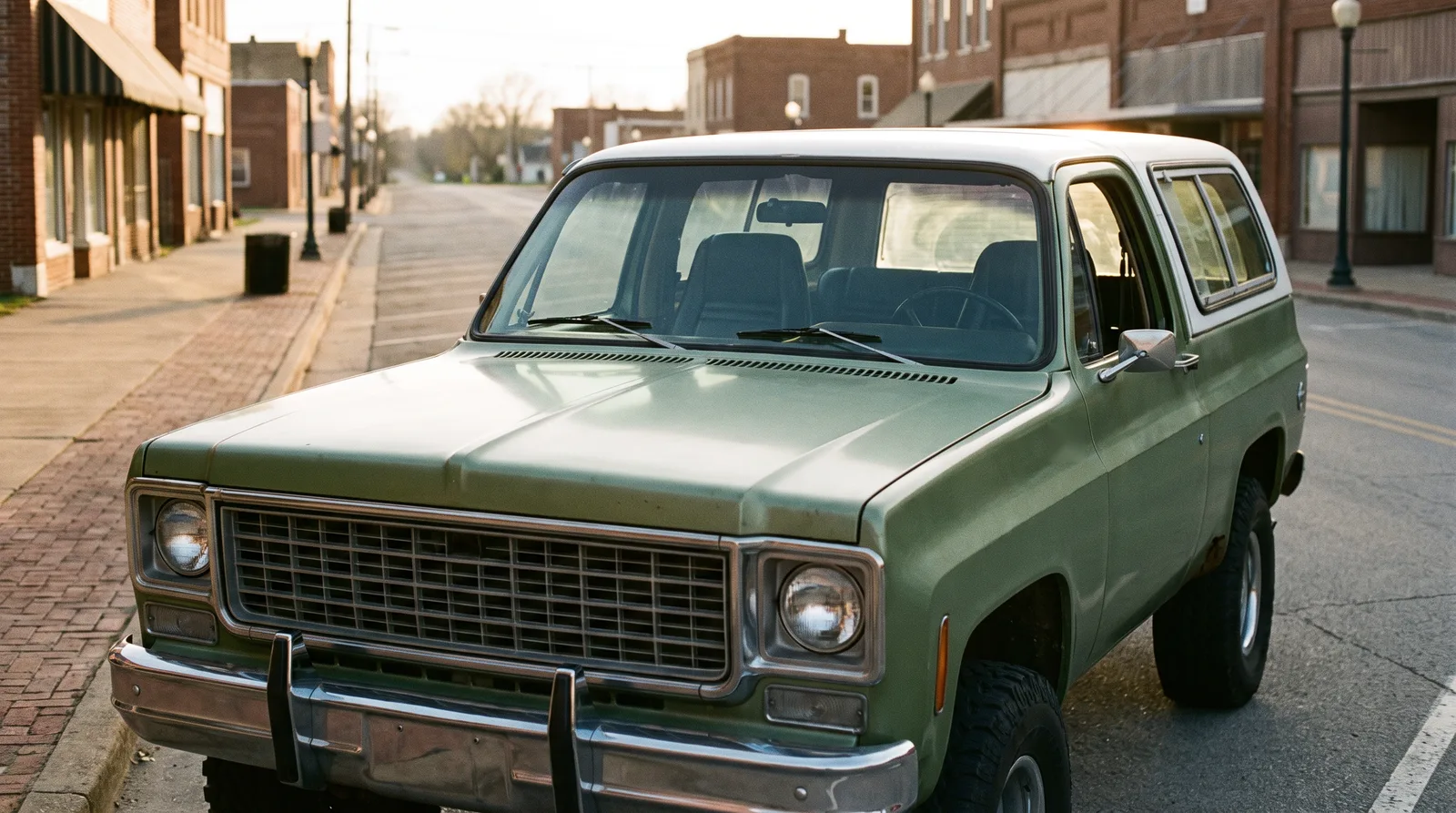
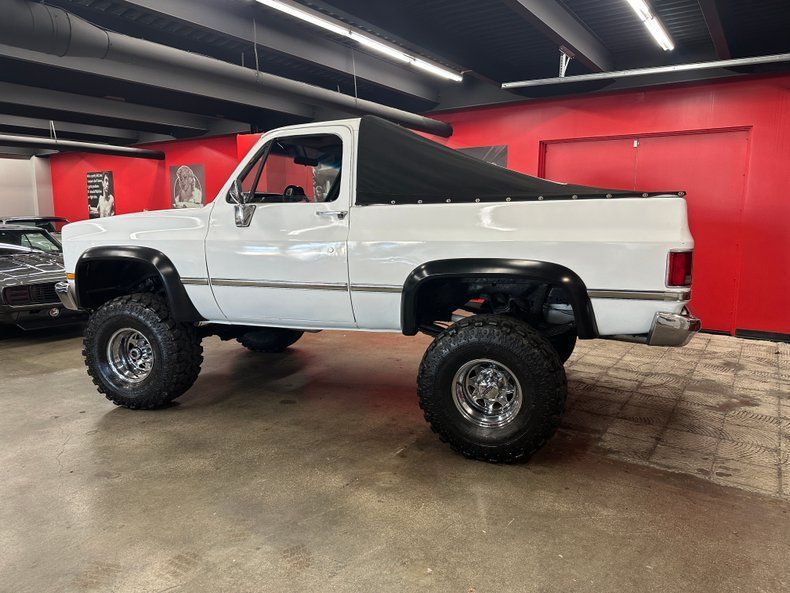
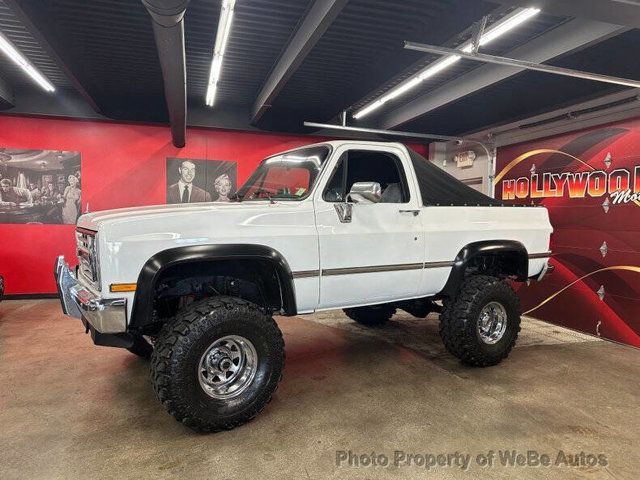
Muscle truck status was never purely about horsepower numbers. It was about a truck that photographed well parked at a drive-in, sounded right pulling away from a stoplight, and carried enough visual attitude to hold its own next to the cars it was quietly replacing in a lot of driveways. The K5's proportions, upright grille, and available two-tone paint and striping packages did real work here, giving the truck a road presence that a plain work-spec pickup from the same era simply did not have.
That image outlived the era that created it. Decades later, the squarebody K5's muscle truck reputation is a significant part of what draws builders and collectors to the platform, informing everything from paint choices to engine swaps in trucks being restored or customized today.
How trim packages reinforced the image year after year
Chevrolet did not rely on engine choice alone to build the K5's muscle truck identity. Trim packages layered on the visual language buyers associated with performance, bold two-tone paint splits, pinstriping, sport wheels, and interior upgrades that mirrored what was happening in the passenger car lineup at the same dealerships. A Cheyenne or Silverado-trim Blazer sitting next to a base-model work truck told two completely different stories despite sharing the same basic frame and body, and that visual distinction did as much for the truck's reputation as any horsepower figure ever could.
These trim decisions were not accidental. GM's product planners understood that buyers cross-shopping trucks against the fading muscle car segment wanted more than raw capability, they wanted a vehicle that looked the part sitting still in a driveway. The K5 Blazer's willingness to lean into that expectation, rather than staying purely utilitarian, is a big part of why it built a following among buyers who never once took it off pavement.
The stereo, the stance, and the details enthusiasts still chase
Beyond paint and wheels, period-correct details like aftermarket stereo upgrades, chrome trim packages, and specific wheel and tire combinations became part of the broader muscle truck identity that owners cultivated on their own, independent of anything the factory offered. A well-preserved or accurately restored K5 from this era often carries these owner-added details as part of its story, and collectors specifically hunting for muscle truck character pay close attention to whether those details are period-correct or later additions that do not match the truck's original era.
The muscle truck legacy in today's market
Squarebody K5 Blazers carrying genuine muscle truck styling and drivetrain history, particularly early big-block trucks with documented trim packages, command real attention from buyers who grew up watching muscle cars disappear from showrooms and found their replacement sitting a little taller on a truck frame. That attention translates directly into stronger demand for well-documented examples, and it is a large part of why certain trim and engine combinations from the platform's early years carry a premium over otherwise comparable trucks.
"The muscle cars got smaller and quieter through the seventies. The K5 didn't. It just kept sounding like trouble, and people who missed that sound went and bought one."
- Nora Beckett
How the image compares to the pickup lineup beside it
The K5 Blazer shared its muscle truck identity with Chevrolet's full-size pickups of the same era, but the Blazer's shorter wheelbase and taller stance gave it a distinct visual character even when wearing identical trim packages to its pickup siblings. That distinction mattered to buyers cross-shopping the two body styles, since a lifted, big-block Blazer read as more aggressive and more purpose-built than a pickup carrying the same mechanical specification, simply because of how the proportions came together. Enthusiasts who track this era closely often note that the Blazer, more than the pickup, became the platform most associated with the muscle truck label specifically because of that visual difference, even though the underlying hardware was frequently shared across both body styles.
Where the image came from, and why it stuck
The squarebody K5's muscle truck reputation was never manufactured by a single ad campaign. It grew out of real engine options, real trim packages, and a real cultural moment when buyers who loved muscle cars needed somewhere else to put that loyalty. The truck simply happened to be standing there, tall and loud, at exactly the right time. Readers interested in the full platform history behind that moment can find the whole picture covered in this site's broader squarebody retrospective.
And for anyone who has read this far and wants a piece of that muscle truck legacy in their own driveway, there are find a classic K5 Blazer listings available right now, still carrying that same loud, unapologetic presence decades later.
Sources and notes
Related Reading
Have a
Chevrolet Blazer
for Sale?
Reach thousands of serious classic car collectors across the US.
Sell It Here →
Selling a classic? Here's how: the best sites to sell a classic car
Are You a Classic Car Dealer?
List your full inventory and connect with targeted classic car buyers.
Join as a Dealer →

About the author
Nora Beckett
Automotive features writer and photographer who tells the human stories behind the cars, from show fields to cross-country road trips.
Related Listings - Chevrolet Blazer
Comments
Be the first to comment on this article.