
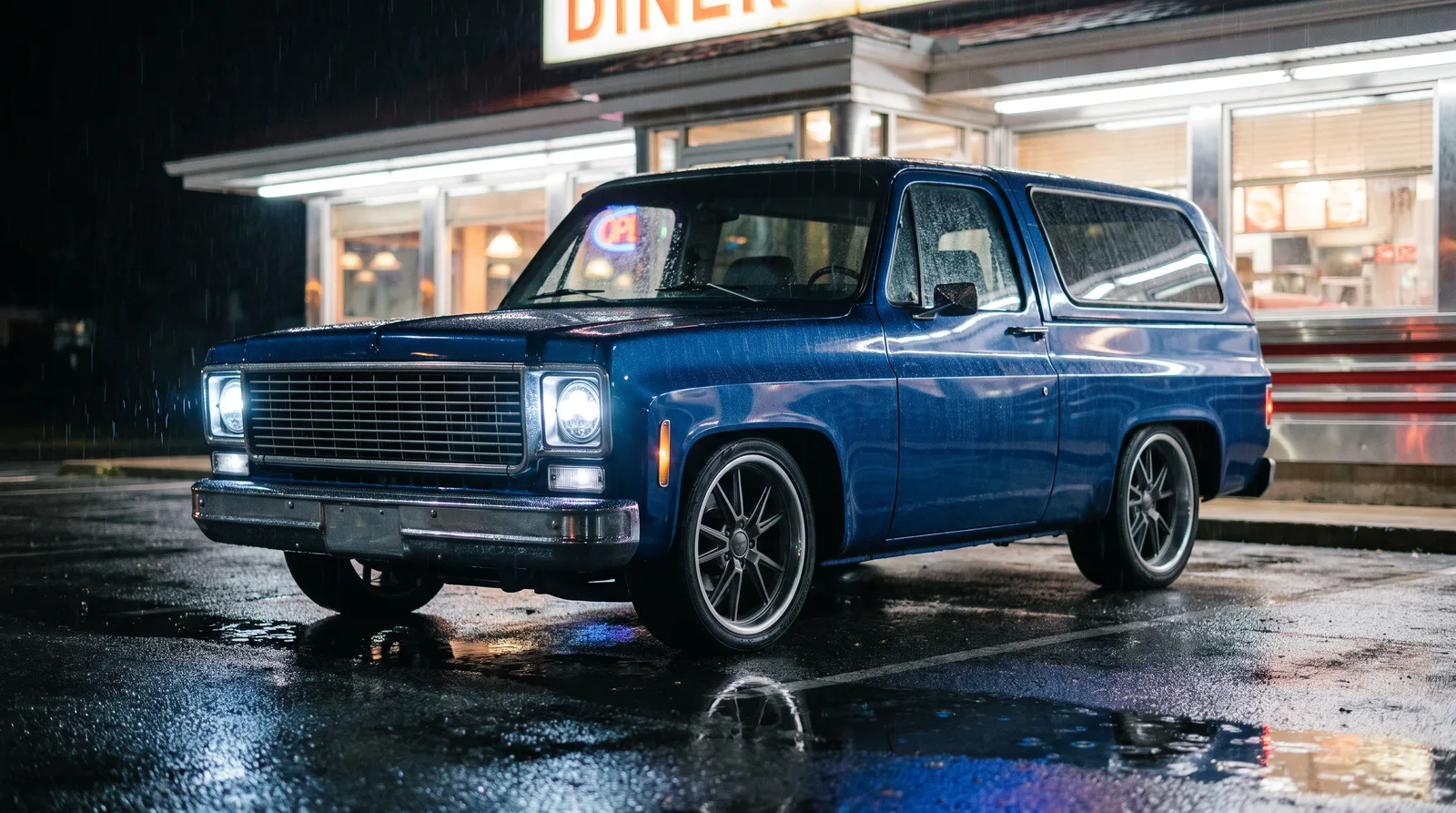
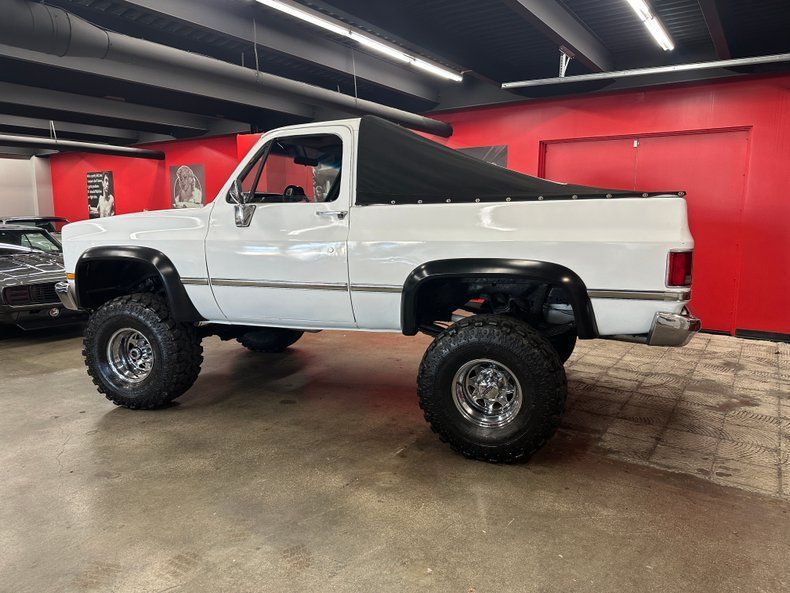
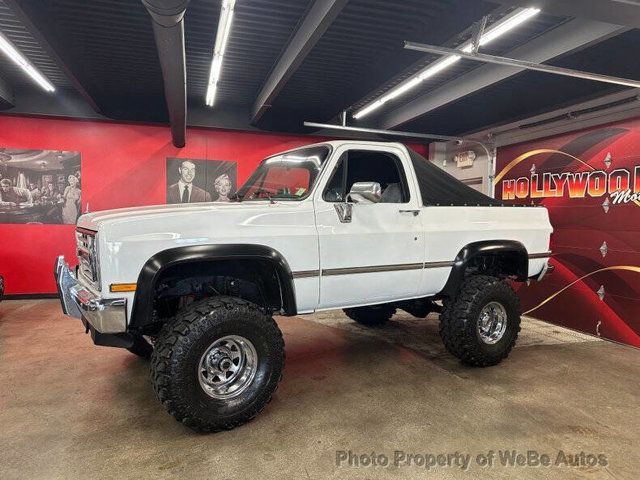
Walk any modern truck show and you will see them before you see anything else, a squarebody K5 Blazer riding on a modern suspension, wearing a paint color GM never offered, with an engine bay that looks nothing like it did in 1979. The squarebody K5 restomod movement is not a fringe hobby anymore, it is one of the dominant ways this generation of Blazer is being kept alive, and understanding how it got here says something about what people actually want from a fifty-year-old truck.
Car Features
7 min read
The Squarebody K5 Restomod Movement
Cheap, plentiful, and boxy enough to forgive a wild stance, the squarebody K5 Blazer became a favorite canvas for restomod builders, and the movement is only growing.
Where the movement started
Restomodding is not new to the collector car world, but its arrival on the squarebody K5 tracks a specific set of circumstances. These trucks were cheap for decades, which meant a huge population of them ended up in the hands of hobbyists and small shops willing to experiment rather than preserve. When a truck costs a few thousand dollars, cutting into a fender for a modern brake system or swapping the whole front clip for coil-over suspension does not feel like desecration, it feels like practical improvement. That low barrier to entry created a generation of builders who learned the platform inside out long before the trucks were considered valuable in original form.
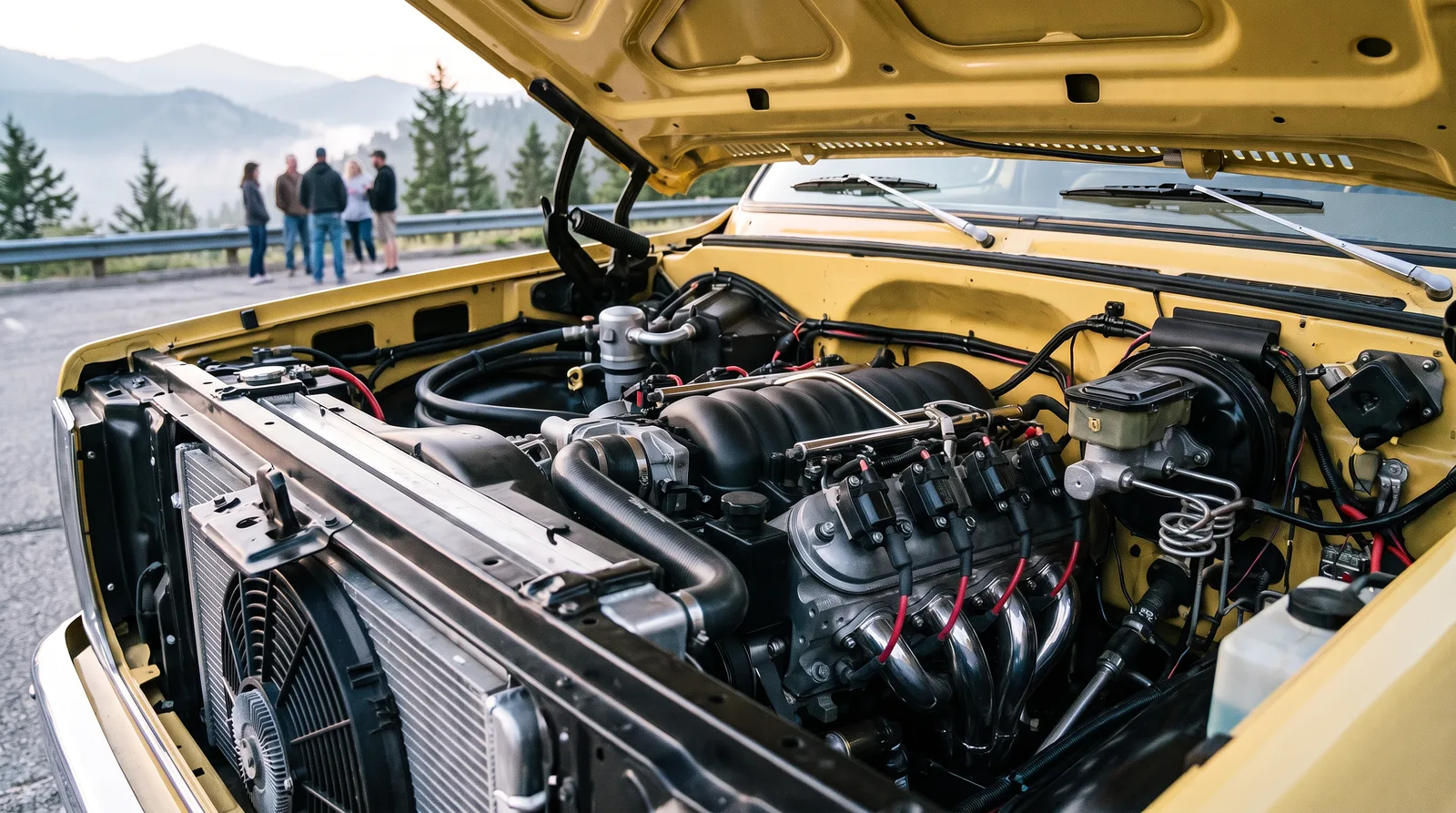
As those early builds started appearing at shows and, later, across social media, the aesthetic crystallized. A restomod squarebody K5 today tends to share a recognizable formula, a lowered or leveled stance, larger wheels tucked tight to the body, a modern fuel-injected engine, and an interior that keeps the original dash shape but updates the materials and often the gauges underneath.
What builders actually change, and what they keep
The best restomod builds are surprisingly conservative about which parts of the truck they touch. Body shape, dash architecture, and the basic proportions of the cab and cargo area almost always stay recognizably original, because that silhouette is the entire reason people want a squarebody in the first place. What changes is underneath and inside, brakes, suspension, wiring, climate control, sound insulation, and often the drivetrain entirely. The goal for most serious builders is a truck that looks period-correct from fifteen feet away and drives like a modern vehicle from behind the wheel.
That balance is harder to hit than it looks. I have talked to builders who spent more time deciding how much of the original dash to keep than they spent on the engine swap itself, because getting the exterior wrong, chasing a look that reads as too modern, alienates the exact audience the build is trying to reach. The trucks that get remembered are the ones that resist over-modification, not the ones that push furthest from stock.
"The trucks people fall in love with are not the most radical builds, they are the ones that still look like a K5 Blazer from across a parking lot and only reveal how much work went into them once you get close."
- Nora Beckett
Why this generation specifically became the canvas
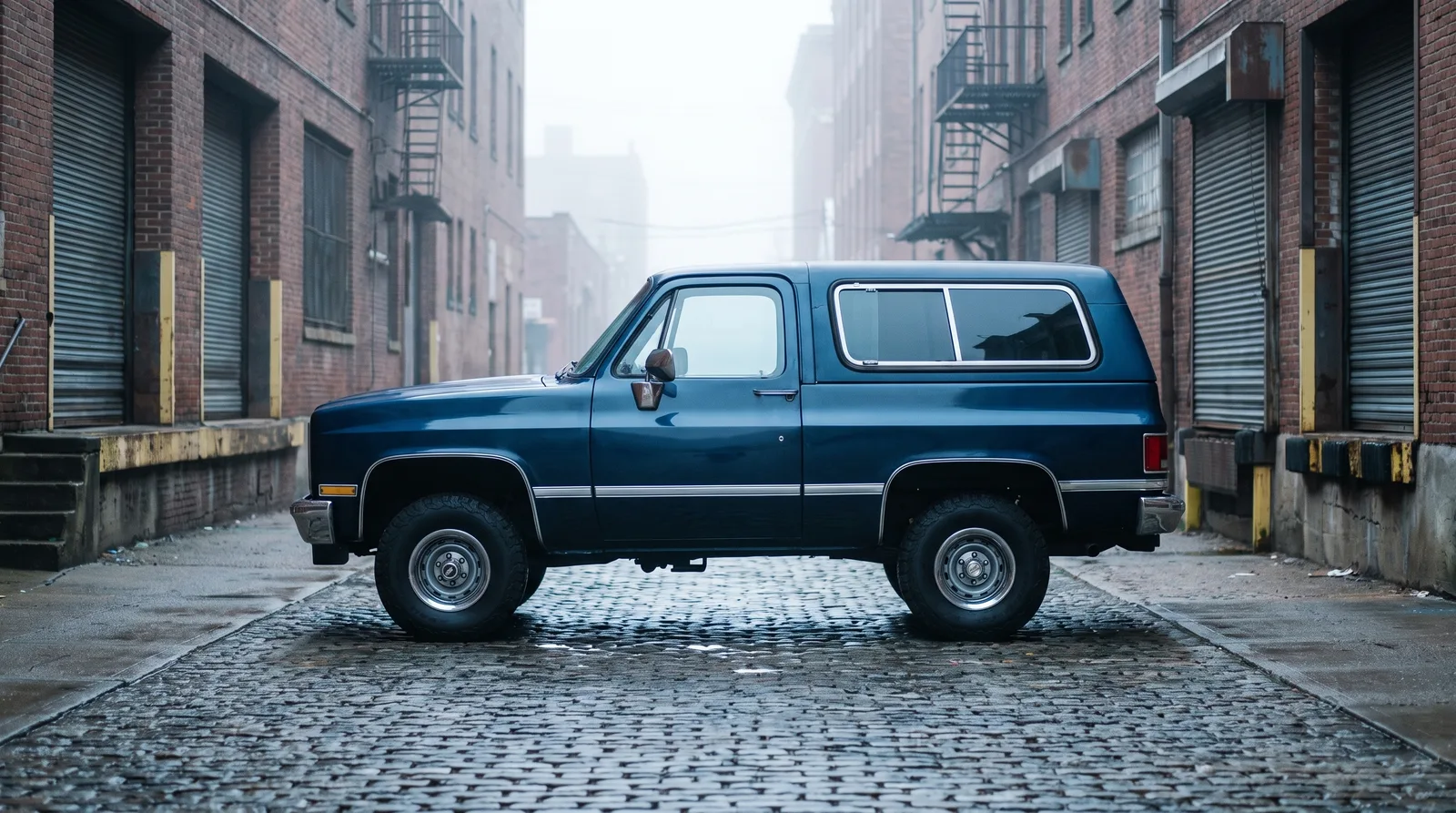
Plenty of classic trucks get restomodded, but the squarebody K5 has a few specific advantages that pushed it to the front of the movement. The body is simple and boxy, which makes it forgiving of stance changes, a lift or a lowering job reads cleanly on a shape this straightforward in a way it would not on a curvier design. Parts support from the shared full-size pickup platform is enormous, decades of GM truck production means suspension components, brake upgrades, and drivetrain mounts are widely available and well understood. And the removable, boxy top gives the Blazer a distinct silhouette among restomods, most builders working on this platform are doing pickups, so a well-executed Blazer restomod stands out from the crowd almost automatically.
There is also a cultural piece. The squarebody's association with ranch and outdoor life gives restomod builders a story to tell that goes beyond horsepower, a truck that looks like it could still do real work even after six figures of custom fabrication has gone into it. That narrative resonates in a way a purely show-focused build does not.
The tension with originality-focused collectors
Not everyone in the K5 community welcomes the restomod trend, and the friction is worth naming honestly. Collectors chasing numbers-matching originality see heavily modified trucks as lost history, cars that can never be returned to factory spec once the cutting and welding is done. Restomod builders counter that the alternative for most of these trucks was not preservation, it was the scrapyard, and that a well-built modified truck on the road doing something is better than a rough original sitting untouched. Both positions have real merit, and the market has essentially settled the argument by supporting both lanes at once, with strong prices for genuine originals and strong prices for well-executed restomods, and comparatively weak demand for anything caught awkwardly in between.
The shops that turned individual builds into a movement
A handful of small custom shops and independent fabricators did more to define the squarebody restomod look than any single show truck did. Word of a particularly clean chassis swap or a well-sorted air suspension setup travels fast in this community, and a shop that gets one build right often ends up with a waiting list built entirely from people who saw photos online. That word-of-mouth economy has kept the movement grounded in genuine craftsmanship rather than mass production, most restomod squarebodies are still one-off builds rather than kit conversions, even as certain techniques and part combinations have become close to standardized across the scene.
That standardization has an upside for newer builders entering the hobby. A first-time builder today can lean on a decade or more of documented trial and error, which pairing of suspension components rides best, which wiring approach causes the fewest headaches, without having to rediscover any of it themselves. The movement has effectively built its own body of institutional knowledge, passed shop to shop and forum thread to forum thread, in a way that did not exist for this platform twenty years ago.
Where the movement is headed
The restomod K5 Blazer scene shows no sign of slowing, if anything the supply of donor trucks is the limiting factor now rather than demand. As clean originals get scarcer and more expensive, expect more builders to work with rougher starting points and lean harder on fabrication skill to bring them back. For the fuller picture of how this generation earned its reputation before restomod culture reshaped it, read the background on the squarebody era as a whole.
If a restomod project is on your mind, or you simply want to see what condition of donor truck is realistic to start from, you can browse classic K5 Blazer listings and get a sense of what is actually available before committing to a build plan.
Sources and notes
Related Reading
Have a
Chevrolet Blazer
for Sale?
Reach thousands of serious classic car collectors across the US.
Sell It Here →
Selling a classic? Here's how: compare the places to sell classic cars
Are You a Classic Car Dealer?
List your full inventory and connect with targeted classic car buyers.
Join as a Dealer →

About the author
Nora Beckett
Automotive features writer and photographer who tells the human stories behind the cars, from show fields to cross-country road trips.
Related Listings - Chevrolet Blazer

Comments
Be the first to comment on this article.