
Every appraisal I write on a squarebody K5 Blazer starts with the same question from the owner: is it actually worth what people are saying online. The k5 blazer squarebody values story is a real one, prices have moved substantially over the last decade, but the movement has not been uniform, and treating every squarebody as an appreciating asset is a mistake I see buyers make constantly. Condition, drivetrain, and documentation separate the trucks that hold value from the ones that quietly lose it.
Car Features
7 min read
The Squarebody K5 Blazer Value Surge
Squarebody K5 Blazer prices have climbed for real reasons, but condition, documentation, and drivetrain originality decide which trucks actually hold that value.
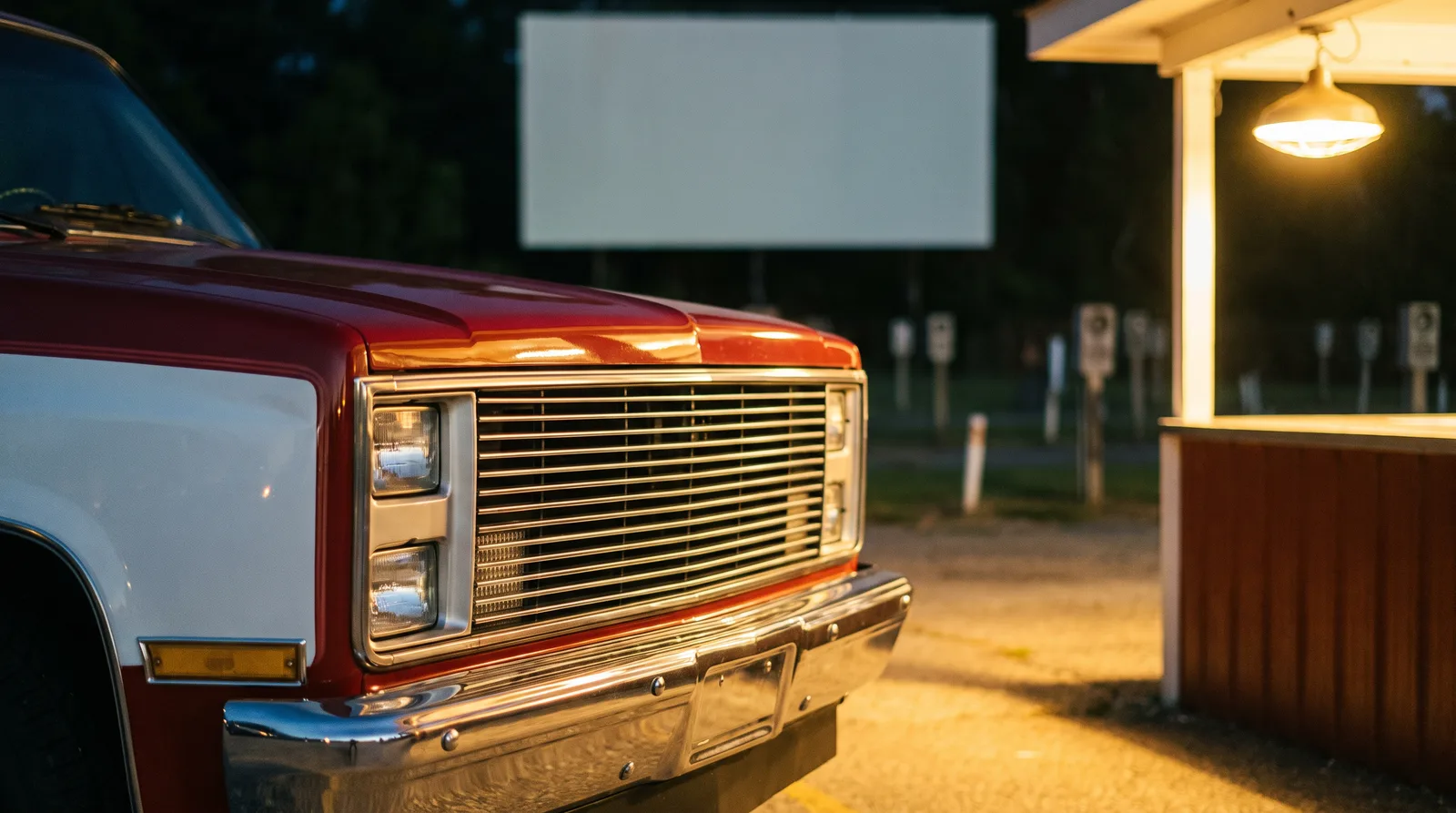
What actually moved the market
The squarebody Blazer spent decades as a cheap used truck, the kind of vehicle that got driven hard, modified without much thought, and eventually parted out or scrapped when the sheet metal rusted through. That supply attrition is the single biggest driver of today's values. There are simply fewer clean, unmolested examples left than there are buyers who want one, and that imbalance shows up in every auction result worth paying attention to.
The second driver is generational nostalgia crossing into real purchasing power. Buyers who grew up around these trucks in the 1980s and 1990s are now the demographic with the disposable income to chase them, and that cohort has pushed demand for clean examples well past where it sat even ten years ago. Add in the broader restomod and truck-culture boom, LS-swapped and lifted squarebodies showing up constantly on social media, and you get a market that rewards visibility as much as originality.
What separates a strong truck from a weak one
Condition is not a single number, it is a stack of factors, and I weigh them in roughly this order when I am putting a figure on a truck. Structural rust is the first filter, and it is binary in a way buyers often do not want to hear, a truck with serious frame or floor rust is a project regardless of how good the paint looks, while a solid, rust-free example starts from a fundamentally different baseline no matter what condition the interior is in. Drivetrain originality matters next, a numbers-matching or at least period-correct engine and transmission commands a real premium over a truck that has had an unknown replacement dropped in at some point in its life.
Documentation is the factor buyers underweight the most. A build sheet, an original title chain, service records, even period photographs, all of it moves a truck up in my estimation because it removes uncertainty. Uncertainty is what I am pricing against as much as anything mechanical. A truck with a clean, provable history will outsell an equivalent unknown-history truck by a meaningful margin every time I have watched the two compete.
"I do not price nostalgia, I price condition, documentation, and how easy the truck will be to sell again in five years. Those three things together tell you what a squarebody is actually worth, not what a seller wishes it was worth."
- Marcus Feld
Original versus modified, and why both can work
There is a persistent argument in this hobby about whether restomod and LS-swapped trucks are worth more or less than factory-original examples, and the honest answer is that it depends entirely on execution and buyer pool. A tastefully built restomod with quality work and good documentation of the build can command strong money from a buyer who wants a truck they can actually drive daily without babying a fifty-year-old drivetrain. A numbers-matching, unmolested original appeals to a narrower but often deeper-pocketed buyer who wants history over convenience. Neither approach is automatically the safer bet, what sinks value is a truck caught in between, a modified example that was not built well, or an original that has been partially and sloppily updated so it satisfies neither camp.
My advice to sellers is to commit to one lane and execute it properly rather than hedging. A half-restored, half-modified truck is the hardest thing in this category to sell for real money, because it asks a buyer to finish someone else's decision instead of buying a finished vision.
Liquidity, and why it matters more than headline numbers
A high sale price at a single auction does not tell you much about the depth of the market underneath it. What matters for an owner thinking about resale is liquidity, how many genuine buyers exist for a truck at a given price point and condition level. The middle of the market, solid, driver-quality squarebodies with decent but not perfect condition, has the deepest buyer pool and the most predictable resale outcome. The very top end, concours-level or heavily documented originals, sells for the biggest numbers but to a much smaller pool of buyers, which means those trucks can sit longer even at a fair price. Buyers chasing headline auction results should understand they are looking at the exception, not the median transaction, since private-sale prices for driver-quality trucks run well below the publicized top-end auction hammer prices.
Regional differences that swing price
Geography matters more with these trucks than buyers expect. A rust-free squarebody out of a dry Southwest or Mountain West state starts an appraisal from a much stronger position than an otherwise comparable truck that spent its life in a road-salt climate, even before either truck has turned a wheel for a buyer. I routinely see sellers in dry states price on national comparables without accounting for the fact that their truck's structural condition alone puts it ahead of most of what is actually available closer to the buyer. The reverse is true too, a truck from a harsh winter climate needs a real premium justification, fresh floor pans, a documented frame repair, before I would value it near a Southwest example in similar cosmetic shape.
Shipping and inspection costs also factor into how buyers should think about a distant purchase. A truck that looks like a bargain on price alone can lose that advantage once transport and a pre-purchase inspection are added in, which is part of why local, in-person comparables still carry more weight in my appraisals than a single low online asking price from across the country.
Where this leaves buyers today
The squarebody K5 Blazer market has matured past the point where any clean example is automatically a good buy just because the body style is popular. Prices reflect real scarcity for the best trucks and real risk for the worst ones, and the gap between a well-documented, rust-free original and a rough project wearing the same badge has never been wider. For the broader context on how this generation of Blazer came together, our complete history is worth reading before you shop, and if you want to see where the restomod side of the market is headed, keep exploring that side of the story too.
If you are ready to put these condition and documentation questions to real trucks, you can browse classic K5 Blazer for sale listings and start asking sellers the specific questions that actually move an appraisal number, not just the ones that make a listing photo look good.
Sources and notes
Related Reading
Have a
Chevrolet Blazer
for Sale?
Reach thousands of serious classic car collectors across the US.
Sell It Here →
Selling a classic? Here's how: compare the places to sell classic cars
Are You a Classic Car Dealer?
List your full inventory and connect with targeted classic car buyers.
Join as a Dealer →

About the author
Marcus Feld
Accredited collector-car appraiser who reads the market through hammer prices, condition tiers and risk.
Related Listings - Chevrolet Blazer


Comments
Be the first to comment on this article.