
I was at a swap meet in Tulsa a few years back when an older fella pulled a photo album out of his truck bed, actual paper photos in plastic sleeves, and started walking me through every K5 Blazer and Bronco he'd owned since 1974. Eleven trucks. He remembered the color, the engine, and who he sold each one to. That kind of living memory is the best way I know to talk about k5 blazer vs bronco notable examples, because the real notable examples were never the ones in glossy auction catalogs. They were the ones somebody like him kept for thirty years and could still describe with his eyes closed.
Car Features
7 min read
Iconic K5 Blazers and Broncos Side by Side
From documented big block squarebodies to a fire department K5 that never left its small Nebraska town, the most notable K5 and Bronco examples are not always the ones with trophies.
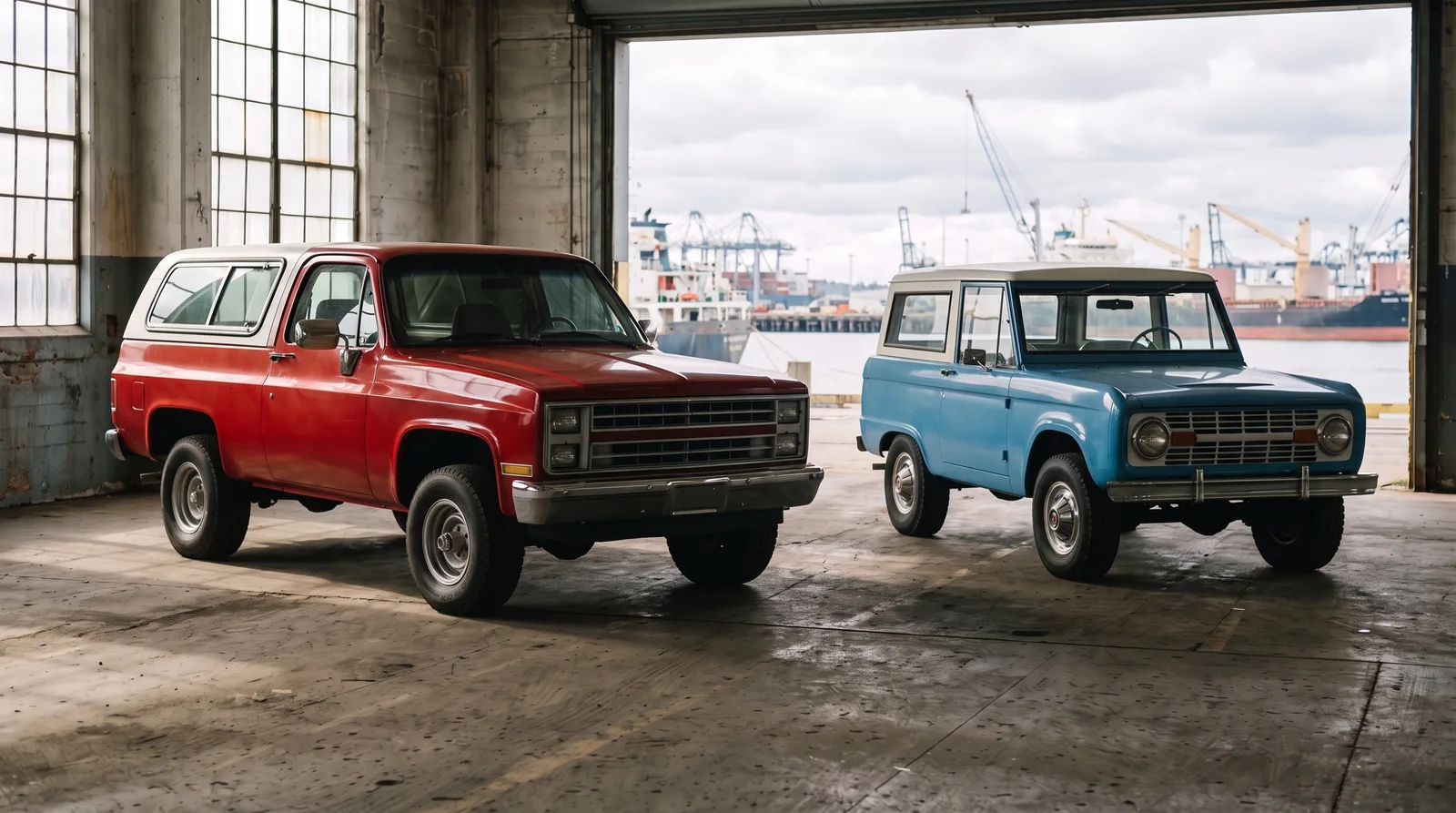
Still, the catalog trucks matter too, and they set the ceiling everyone else measures against. So let's walk through a handful of examples from both camps, the famous ones and the quietly important ones, and see what they tell us about each nameplate.
The K5s that raised the bar
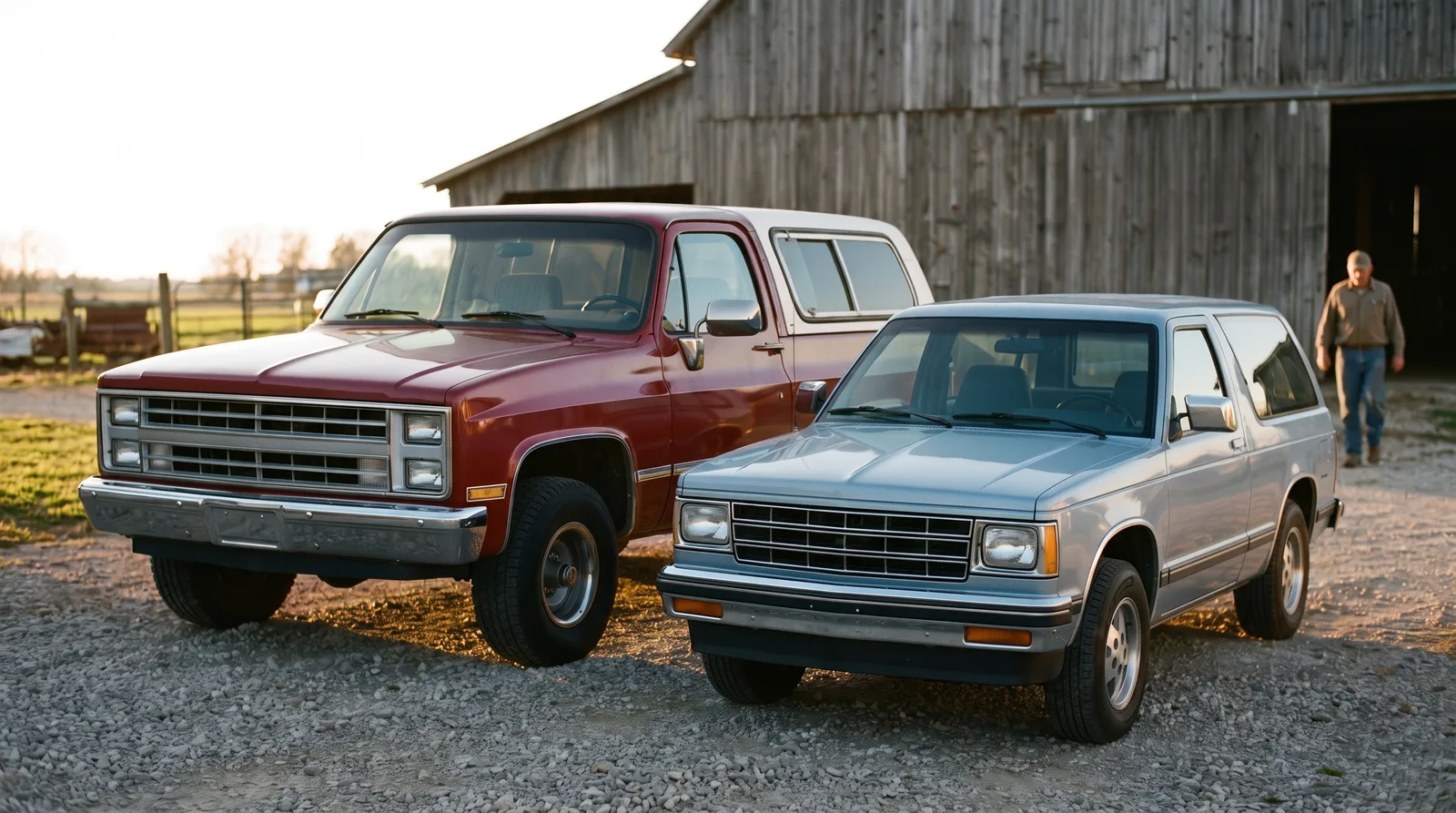
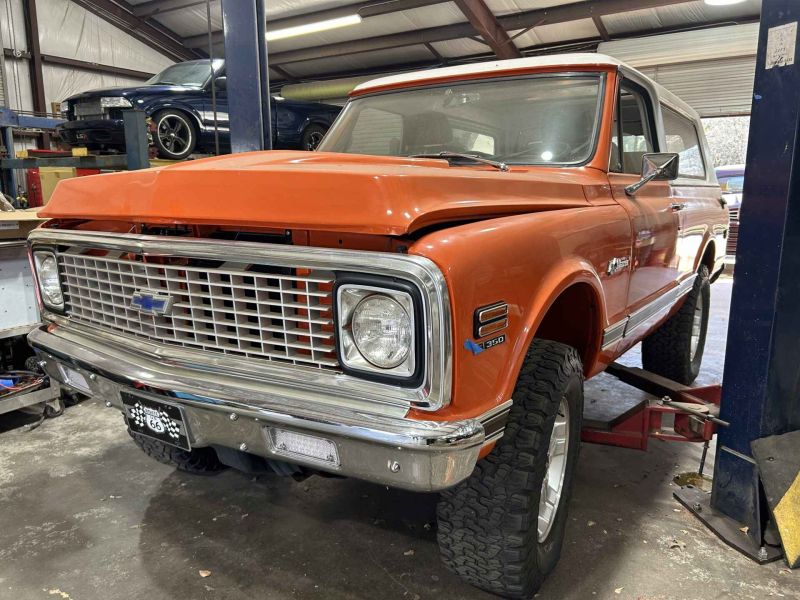
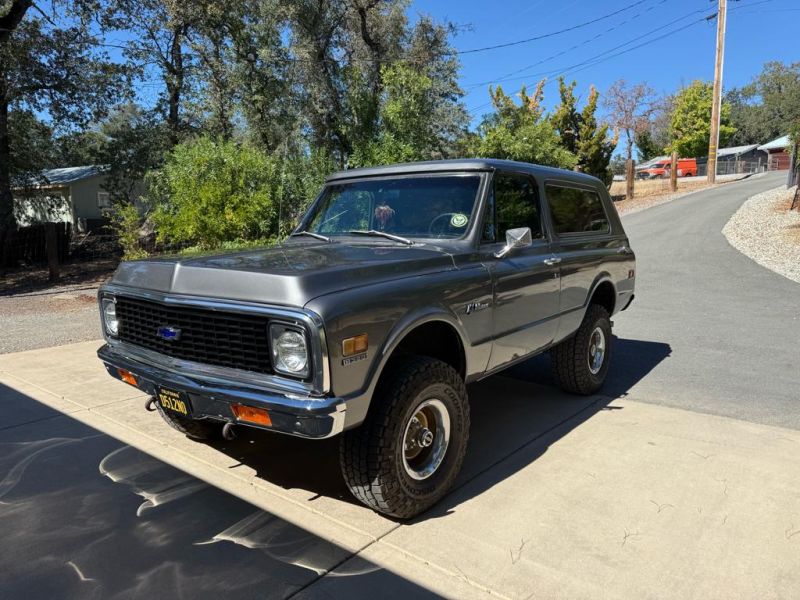
Restored first-generation K5s with the removable fiberglass top, especially early 1969 and 1970 examples with documented originality, have become the trucks that serious collectors chase hardest. What makes them notable is not flash, it's completeness. A first-gen K5 with its original drivetrain, unmolested sheet metal, and a clean chain of ownership can bring numbers that would have seemed absurd to the people who bought these trucks new for farm work. On the squarebody side, the trucks that get talked about at shows tend to be the ones built with the factory 400 cubic inch big block and a heavy-duty suspension option, trucks that were genuinely rare combinations even when new. Most K5 buyers in the late seventies and early eighties went with the small block 350 for cost and simplicity, so a documented big block squarebody stands out immediately to anyone who knows what they're looking at.
The Broncos that earned their reputation
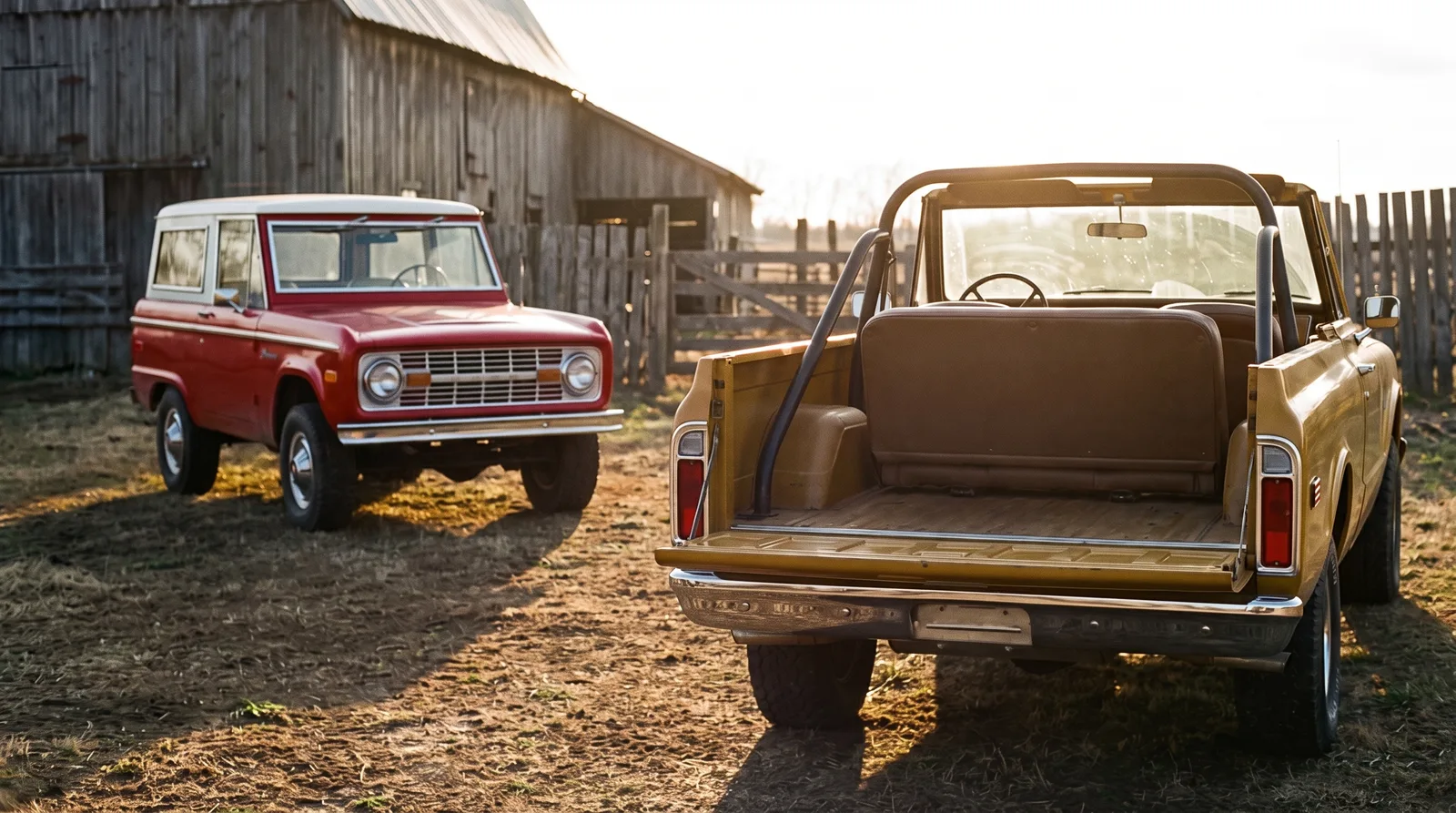
On the Ford side, restored first-generation Broncos from 1966 through 1977, the small ones before the platform grew up, hold a mystique all their own, partly because so few survived in unmolested condition. A first-gen Bronco with its original 289 or 302 and no rust repair is a genuinely rare find, and the market has responded accordingly for well over a decade now. Among the squarebody-era second-generation Broncos, the ones built with the factory Eddie Bauer trim package or the earlier XLT Ranger option tend to draw the most attention, both for their more complete equipment lists and for being a little scarcer than the base trucks that made up most production. To see how these two platforms first squared off against each other before either one reached collector status, where this started lays out the early rivalry between the two companies.
The unglamorous trucks that matter just as much
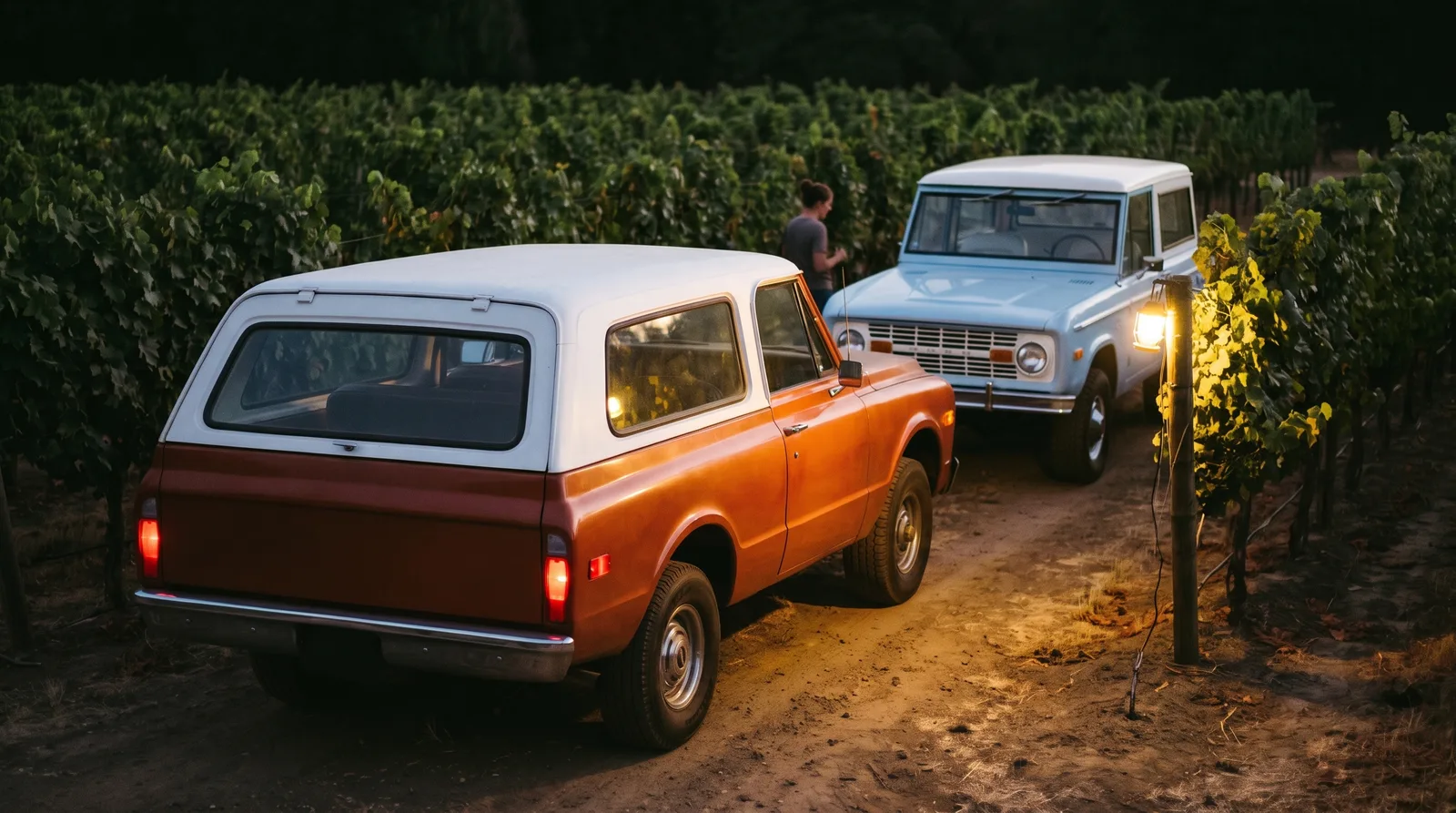
Every notable example list skews toward the trucks that survived in the best condition, but the honest truth is that most of the K5s and Broncos worth knowing about were never show trucks at all. They were ranch trucks, ski trucks, deer camp trucks, the kind that got a dent in year two and never got it fixed because there was always something more useful to spend money on. Those trucks rarely show up in auction catalogs, but they show up constantly in the stories people tell at shows and swap meets, which is its own kind of notability. I think about a K5 I saw at a small county fairgrounds show a while back, no trailer queen paint, a genuine work truck with a cracked dash and a tailgate that didn't quite latch right. The owner had the original title from his grandfather and a stack of fuel receipts going back to 1986. That truck will never win a concours trophy, but it told a more complete story than half the polished trucks parked next to it.
"The trucks people remember best usually aren't the ones that won trophies. They're the ones that were still running when everybody else's had already been scrapped."
- Wayne Coburn
The oddballs worth knowing about
Every long-running truck line has a handful of weird factory combinations that never sold in big numbers and become genuinely interesting decades later precisely because so few people wanted them at the time. On the K5 side, the diesel-powered squarebodies fitted with the Detroit Diesel option in the early 1980s are a good example. They were slow, they were loud in a very different way than a gas truck, and dealers had a hard time moving them. Today a documented factory diesel K5 is a conversation piece at any show, mostly because almost nobody remembers they existed in the first place. Ford had its own oddballs too. Certain dealer-installed option packages on second-generation Broncos, things like factory-correct roof racks paired with specific two-tone paint combinations, were regional dealer add-ons rather than nationwide options, which means finding two identical examples from different parts of the country is unusual. Collectors who specialize in these regional variants will tell you the paperwork is half the hunt. Without a build sheet or a dealer invoice, proving a truck is what someone claims it is becomes a matter of trust rather than documentation, and trust is worth a lot less at auction than paper. I've also seen a few examples over the years that were notable for reasons that had nothing to do with rarity codes or option sheets. A K5 that spent twenty years as a volunteer fire department support vehicle in a small Nebraska town, still wearing its original decals when the department finally retired it. A Bronco that hauled a rural mail route for over a decade before the owner's son took it over. These trucks are not going to command auction house numbers, but ask anyone who actually collects this stuff and they'll tell you those are the ones worth stopping to talk about.
Where to look if you want to find your own
If any of this has you thinking about finding a notable example of your own, patience matters more than budget. The best trucks, the ones with real documented history, rarely announce themselves loudly, and they tend to sell through word of mouth in club circles before they ever hit a public listing. That said, a good starting point is worth checking regularly rather than waiting for the perfect truck to fall in your lap. You can find a classic K5 Blazer and get a sense of what's actually moving through the market right now, documentation and all. Every truck club I have ever been part of has at least one member with a photo album like the one from that Tulsa swap meet. Ask around long enough, and you will find yours too.
Sources and notes
Related Reading
Have a
Chevrolet Blazer
for Sale?
Reach thousands of serious classic car collectors across the US.
Sell It Here →
Selling a classic? Here's how: sell my classic car
Are You a Classic Car Dealer?
List your full inventory and connect with targeted classic car buyers.
Join as a Dealer →

About the author
Wayne Coburn
Longtime Corvette owner, judge and club figure who knows the cars, the records and the people behind them.
Related Listings - Chevrolet Blazer
More in Car Features
Comments
Be the first to comment on this article.