
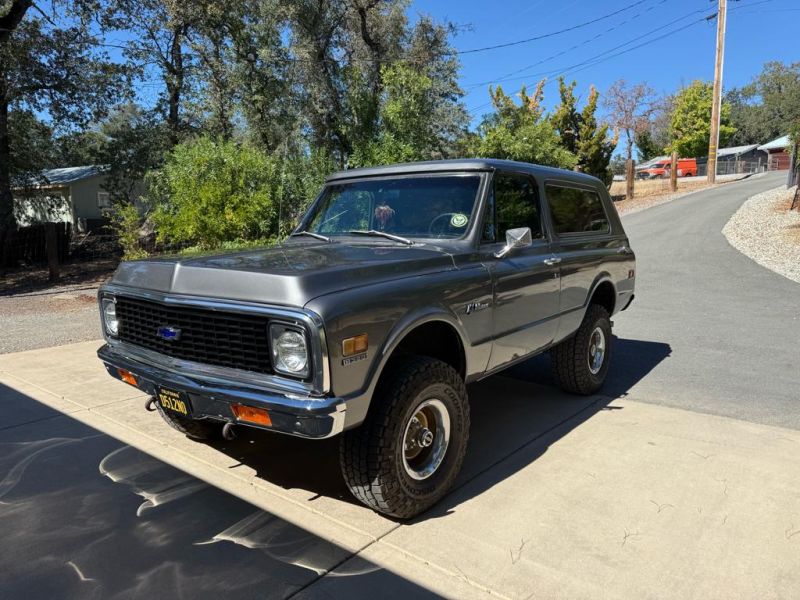
Somebody at every truck show eventually brings up the k5 blazer vs bronco sales question like it's still up for debate, and honestly, it isn't much of one. Chevrolet outsold Ford in this segment across most of the years the two trucks competed directly, and the reasons behind that gap say more about dealer networks and product timing than about which truck was actually better built.
Car Features
7 min read
Who Won the Sales Race, K5 or Bronco
Chevrolet outsold Ford in the full-size open-top 4x4 segment for most of the years the K5 Blazer and Bronco competed head to head. Here is why.
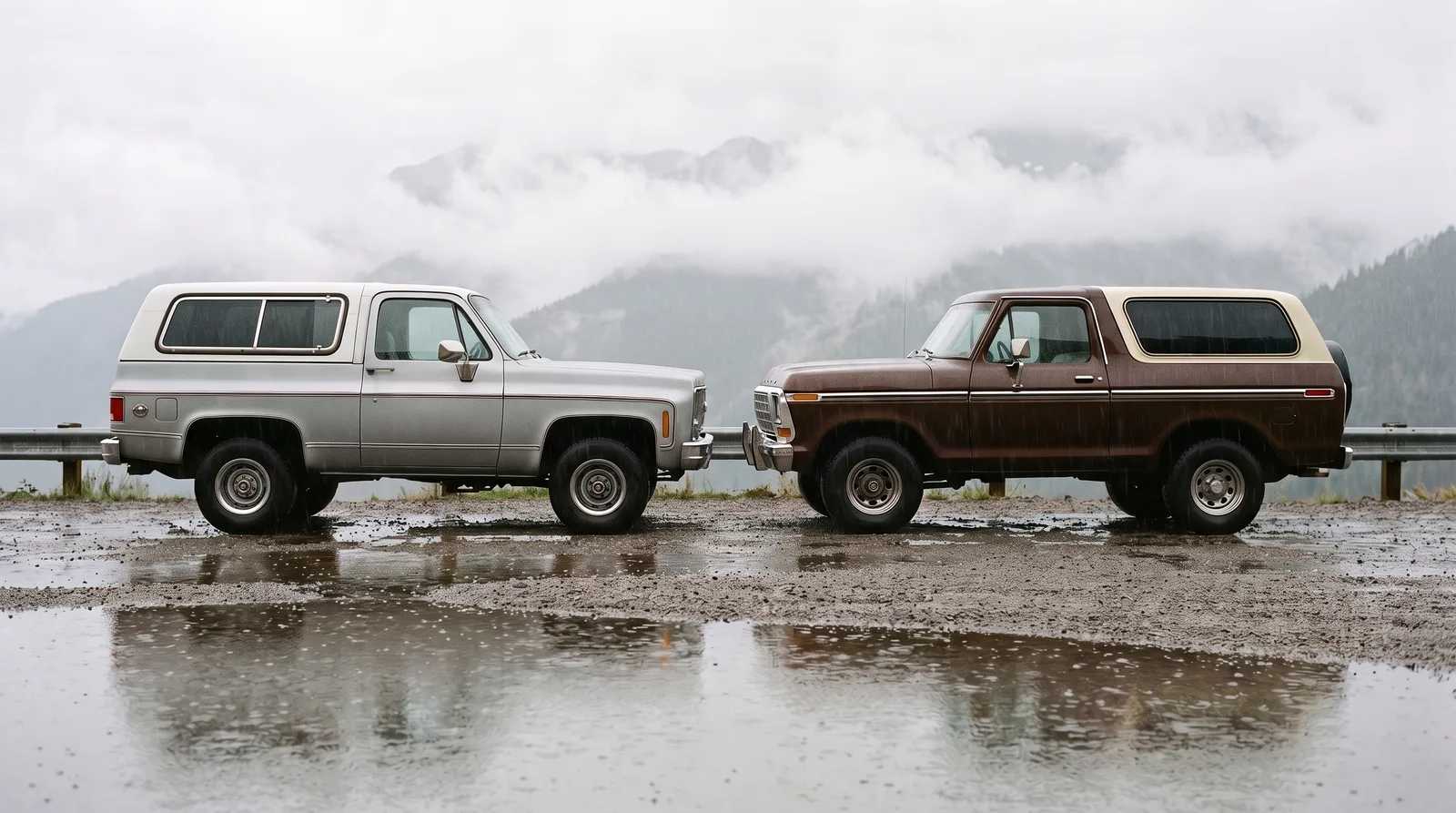
Chevrolet had the truck store advantage from day one
When the K5 Blazer launched in 1969, it went into Chevrolet dealerships that were already moving full-size pickups in serious volume. A buyer walking in for a work truck could look right past the C10 pickups and see a Blazer sitting on the same lot, marketed by the same salespeople who already knew how to talk towing capacity and payload. Ford's Bronco, which had actually launched three years earlier in 1966, sold through a dealer network that split its floor space and attention between cars and trucks less consistently depending on the region. That difference in how each brand's dealers actually treated the vehicle on the lot shaped sales numbers before a single ad ever ran. A salesperson who spent all week moving pickup trucks could pivot naturally into talking about the K5 Blazer's towing capacity or bed-adjacent utility, while a Ford salesperson splitting time between Mustangs and Broncos did not always have that same truck-focused instinct ready to deploy.
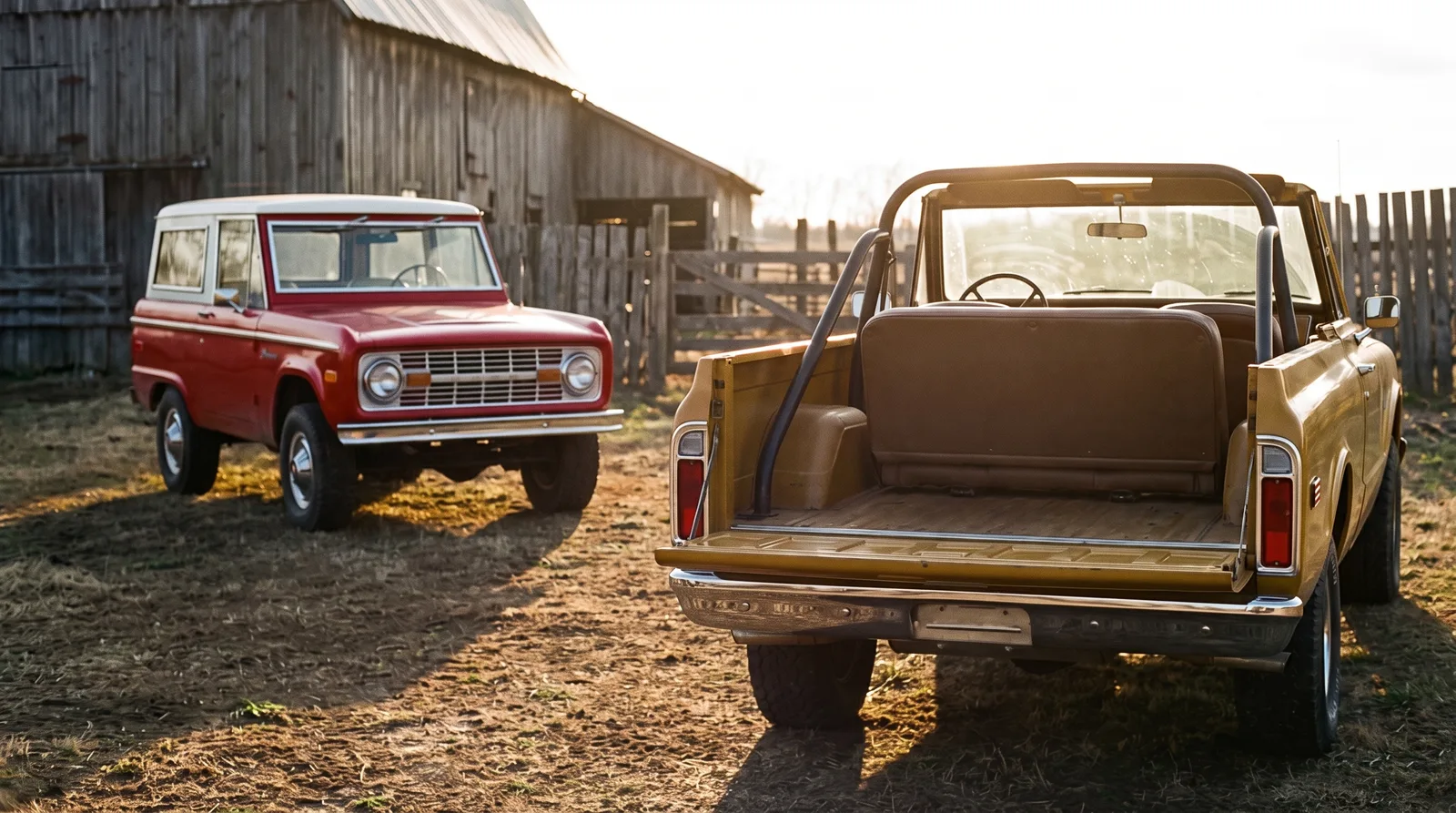
Size mattered too. The compact first-generation Bronco, built through 1977, appealed to a narrower slice of buyers who prioritized trail agility over interior room. The K5 Blazer's bigger, pickup-based frame gave it broader appeal to family buyers and work crews who needed more cabin space and more towing muscle, and that broader appeal translated directly into higher volume year after year. A young family cross-shopping a station wagon against a 4x4 was far more likely to land on a K5 Blazer than an early Bronco simply because the Blazer could actually replace a family car without feeling cramped on a road trip.
1978 was supposed to close the gap
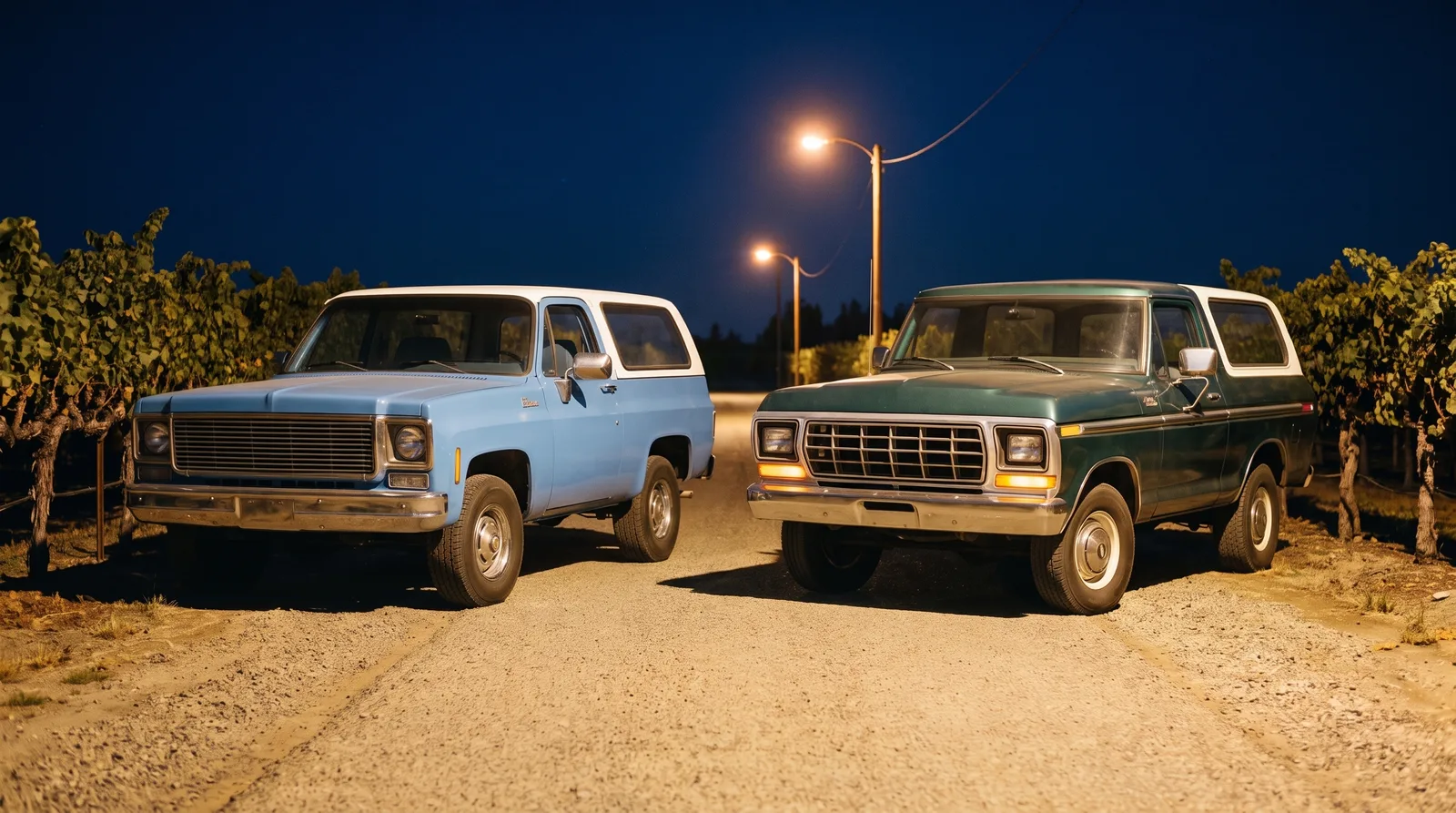
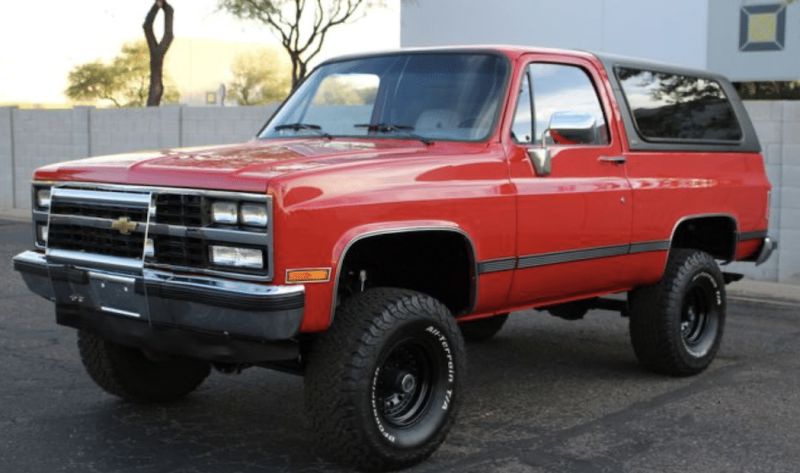
Ford's answer was the full-size Bronco, launched for the 1978 model year on the F-150 platform, finally giving Ford a truck that matched the K5 Blazer's size and capability. Sales did improve for Ford in the years that followed, and the full-size Bronco became a genuinely strong seller through the late 1970s and into the 1980s. But Chevrolet had a decade's worth of dealer loyalty, brand trust, and refined manufacturing already built up by the time Ford's full-size Bronco hit showrooms, and that lead was never fully erased. Even buyers who preferred the new full-size Bronco's capability sometimes ended up on a Chevrolet lot anyway, simply because the local dealer network made comparison shopping easier and financing more familiar for households that already owned a Chevrolet pickup or sedan. Repeat buyers mattered enormously in this segment, and a household that had already owned one K5 Blazer through the 1970s was a strong bet to trade it in for another one rather than switch brands entirely once the newly enlarged Bronco arrived.
Longevity did more work than any single sales year
The real story isn't one blowout year, it's endurance. Chevrolet kept the K5 Blazer in production essentially unchanged in concept for over two decades, refining the squarebody generation gradually rather than replacing it outright. Ford, by contrast, went through more dramatic changes, from the compact first Bronco to the full-size 1978 model to an eventual downsized third generation in the mid-1980s. Every platform change costs a manufacturer some momentum while buyers and dealers adjust, and Chevrolet's steadier approach protected its sales lead through years when Ford was busy retooling.
For readers who want the fuller mechanical and cultural history behind this numbers game, our complete history covers exactly how Chevrolet built and protected that advantage across three decades of competition.
What the sales gap means for collectors now
Higher original production numbers cut both ways for today's buyers. On one hand, more K5 Blazers built means more surviving trucks to choose from and a deeper well of parts, since suppliers had a bigger customer base to serve for decades after production ended. On the other hand, the Bronco's smaller production run, especially for the compact first generation, has pushed clean survivors into genuinely rare territory, and rarity has become its own kind of value driver at auction regardless of which truck originally sold in higher numbers.
"Winning the sales race back then and winning the auction block now turn out to be two different contests. Chevrolet won the first one. The second one is still being decided."
- Wayne Coburn
Fleet and commercial sales padded Chevrolet's numbers too
Consumer sales only tell part of the story. Chevrolet's existing relationships with commercial fleet buyers, utility companies, and government agencies gave the K5 Blazer an additional sales channel Ford's Bronco struggled to match in equal volume, at least until the full-size Bronco arrived in 1978 and could credibly compete for the same fleet contracts. A truck bought in bulk by a utility company or a park service does not carry the same romantic story as one bought by a family for weekend trips, but it counts the same in production totals, and Chevrolet's head start in commercial trust built up over decades of pickup truck sales carried over directly into K5 Blazer fleet orders.
That commercial sales advantage also explains part of why so many K5 Blazers survive today in working condition rather than as garage-kept show trucks. Fleet vehicles were maintained on a schedule, driven hard, and often sold off to second and third private owners once their service life ended, feeding a steady stream of used Blazers into the private market throughout the 1970s and 1980s. Bronco fleet sales existed too, but never at quite the same scale, which is part of why used Broncos from this era show up less often outside enthusiast circles.
The takeaway for anyone shopping either truck
Chevrolet's sales advantage over the Bronco was real, consistent, and rooted in dealer network strength and product timing more than any single engineering breakthrough. That advantage shows up today mainly in parts availability and the sheer number of K5 Blazers available to inspect and buy. Buyers who want the fullest picture of how the squarebody years fit into that sales story should keep exploring the era that cemented Chevrolet's lead, and anyone ready to compare real trucks against this history can look at classic K5 Blazer for sale listings to see how that decades-old sales advantage still shapes what's on the market today.
None of this settles which truck is better to own, only which one Chevrolet's dealers, fleet contracts, and product timing sold more of at the time. Fifty years on, that original sales gap is mostly a footnote for historians and a practical convenience for buyers who want an easier search. The trucks themselves, worn, restored, or somewhere in between, are the part that still matters at a show.
Sources and notes
Related Reading

Have a
Chevrolet Blazer
for Sale?
Reach thousands of serious classic car collectors across the US.
Sell It Here →
Selling a classic? Here's how: the best sites to sell a classic car
Are You a Classic Car Dealer?
List your full inventory and connect with targeted classic car buyers.
Join as a Dealer →
#collector trucks
#Ford Bronco
#K5 Blazer
#full-size SUV comparison
#classic truck sales history
#Chevrolet dealer network

About the author
Wayne Coburn
Longtime Corvette owner, judge and club figure who knows the cars, the records and the people behind them.
Related Listings - Chevrolet Blazer
More in Car Features
Comments
Be the first to comment on this article.