
I get asked some version of the same question at nearly every appraisal involving one of these trucks: does the badge on the grille actually move the number on the check. The honest answer for the K5 Blazer vs Bronco values comparison is more complicated than either fan base wants to hear, and it depends heavily on generation, condition, and which market cycle you happen to be selling into. Value is not a fixed fact about either nameplate. It is a moving target shaped by documentation, rarity, and how much risk a buyer is willing to absorb.
Car Features
6 min read
K5 Blazer Versus Bronco at Auction Today
An appraiser's take on K5 Blazer vs Bronco values, why documentation and structure matter more than badge loyalty, and how rarity shapes each generation's market ceiling.
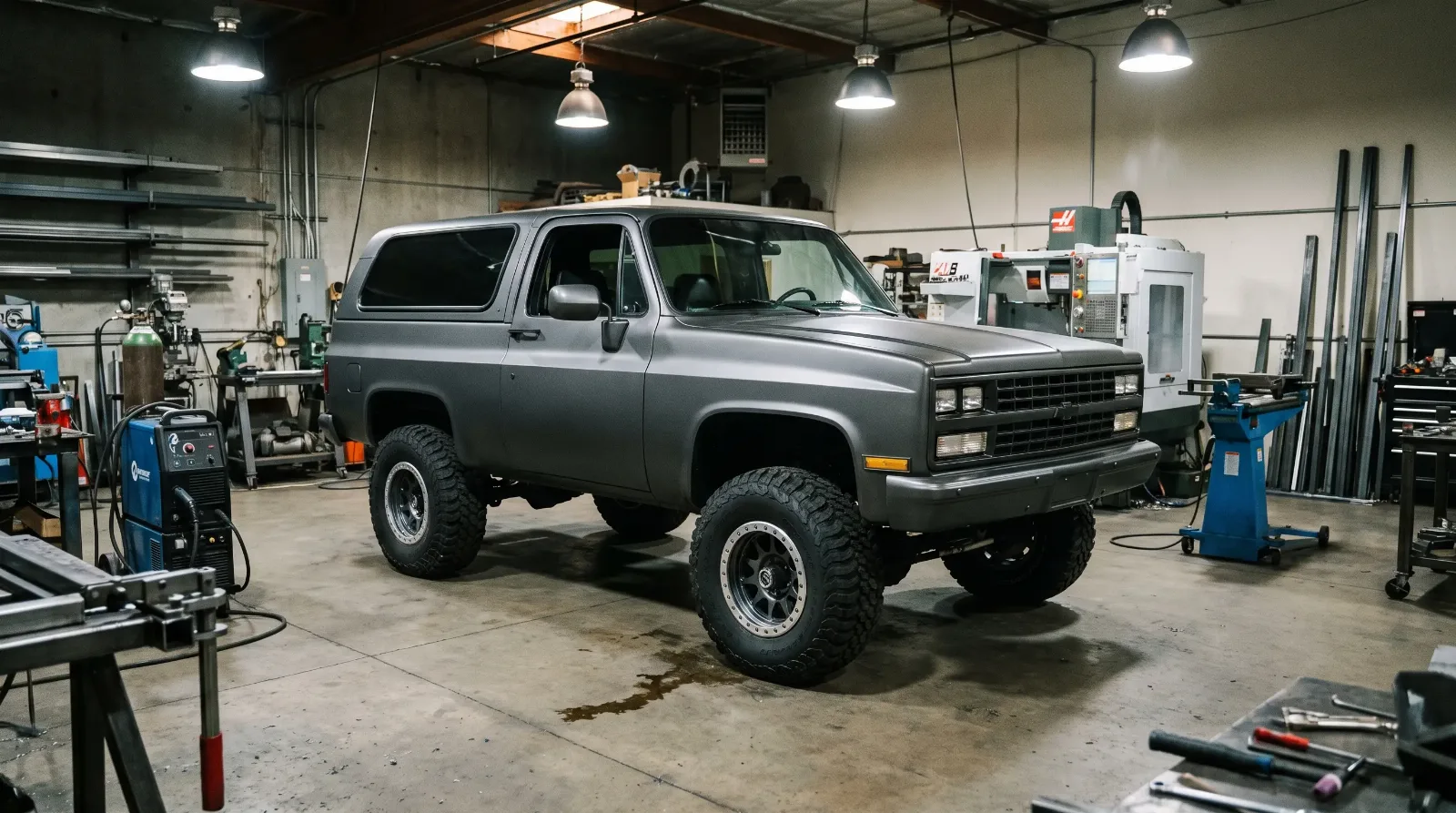
What actually separates the two at auction
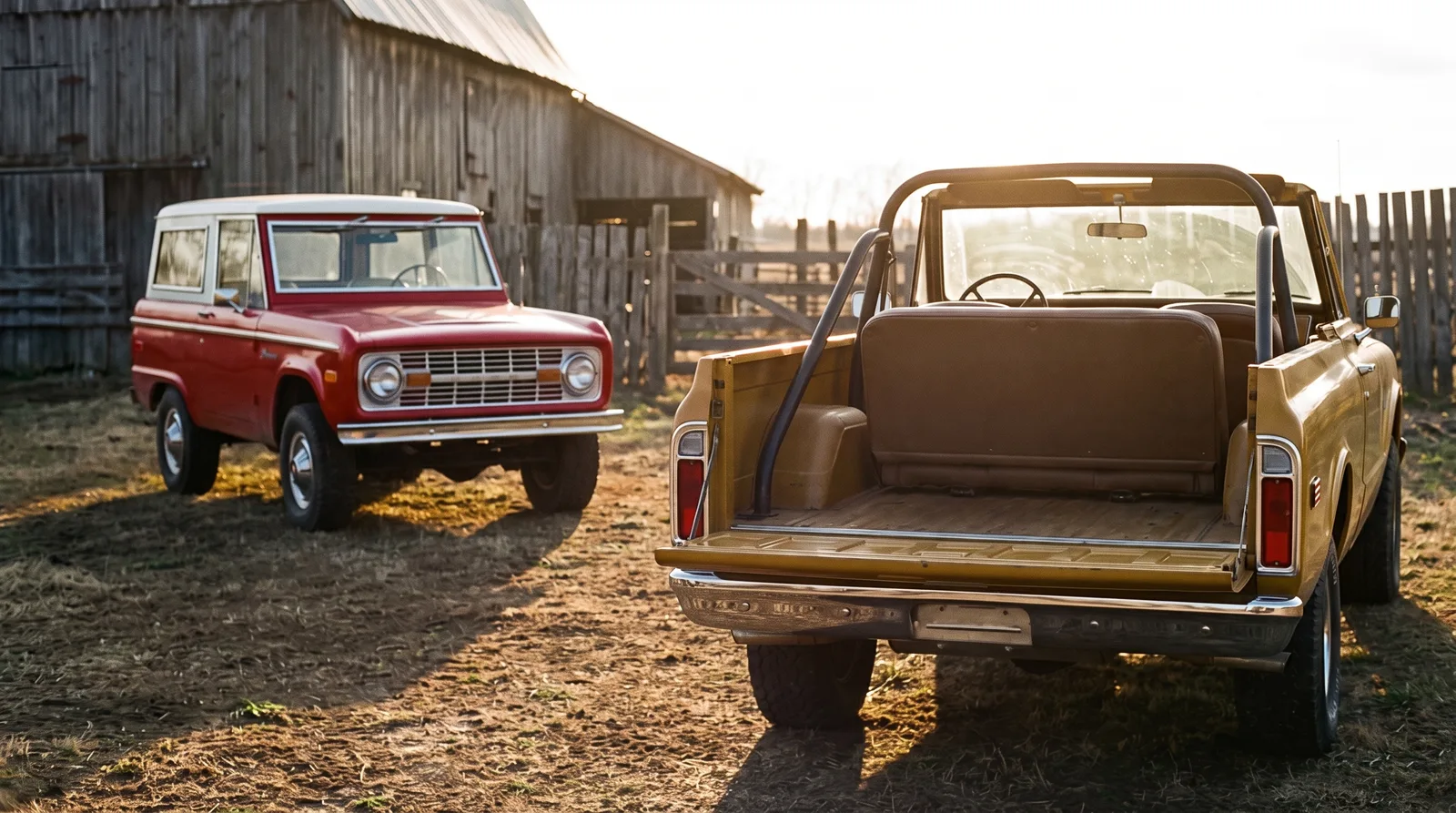
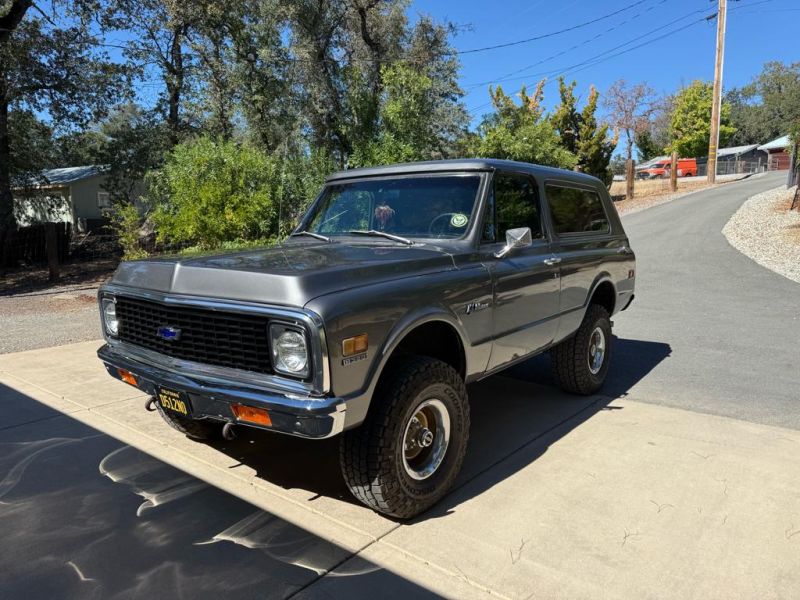
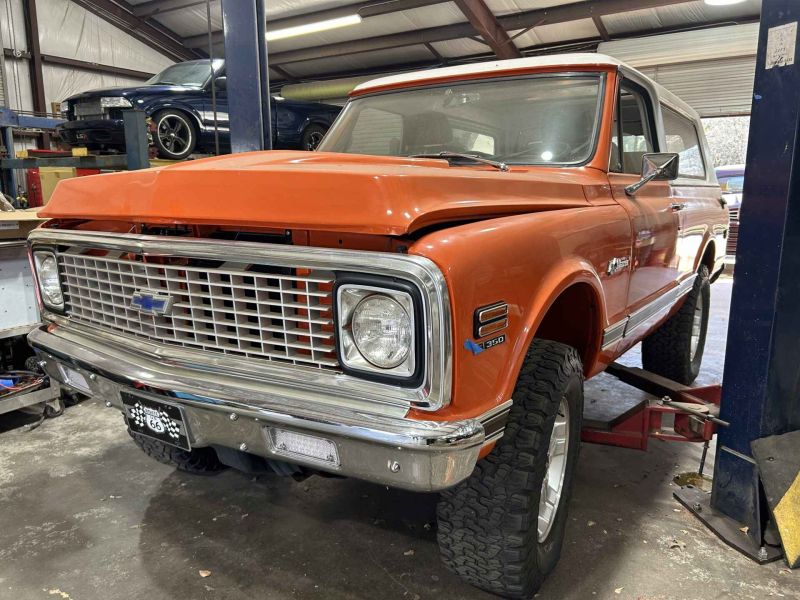
Early Bronco values, particularly for the 1966-77 first generation, have climbed hard over the past decade, driven by a smaller surviving population and a compact, trail-ready reputation that appeals to a buyer pool willing to pay a premium for that specific character. First-generation K5 Blazers, 1969-72, have followed a similar upward trajectory but generally trail the top-tier early Bronco results at public auction, largely because Chevrolet built and sold more of them in period, which keeps supply somewhat less scarce even after decades of attrition.
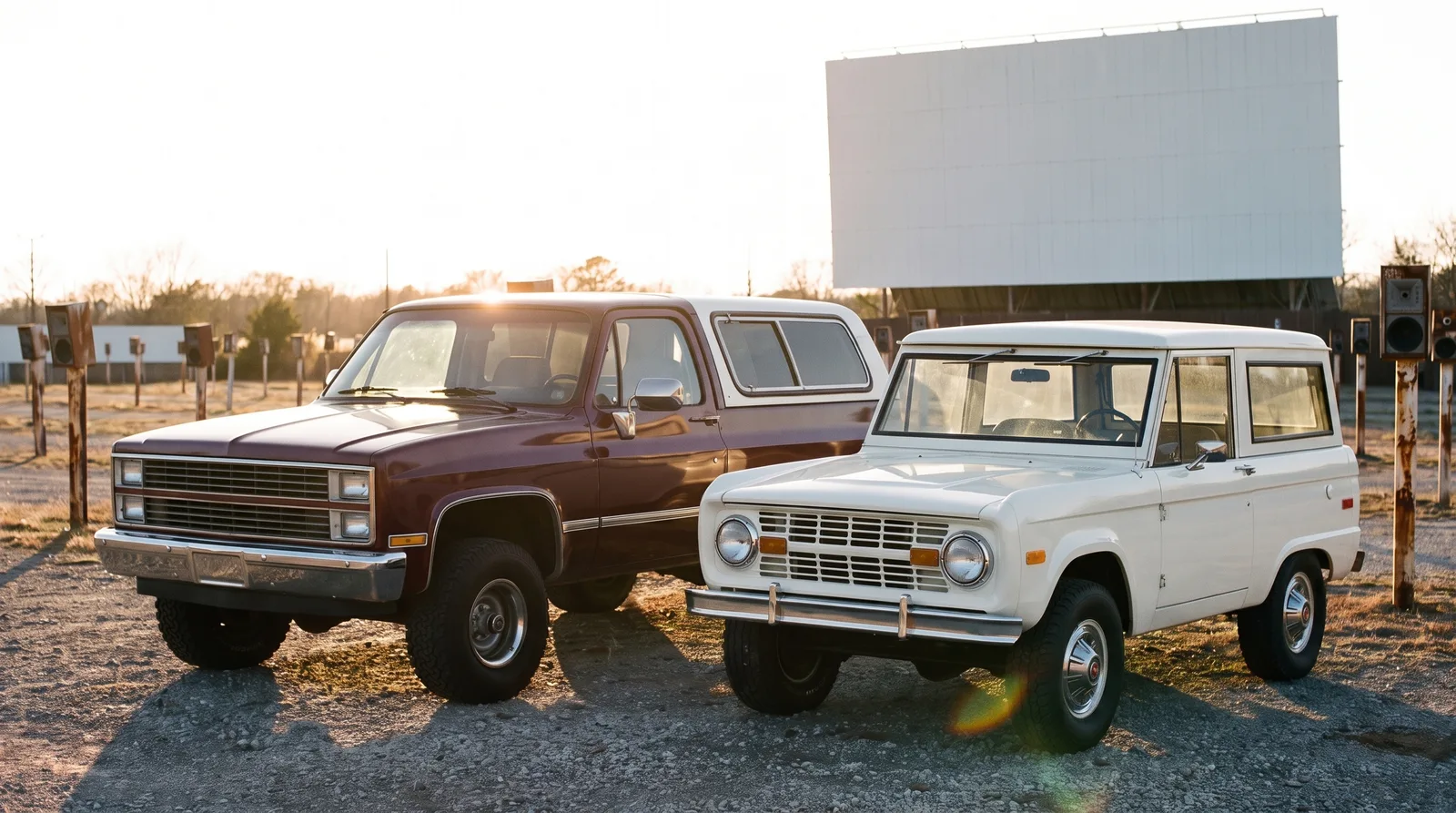
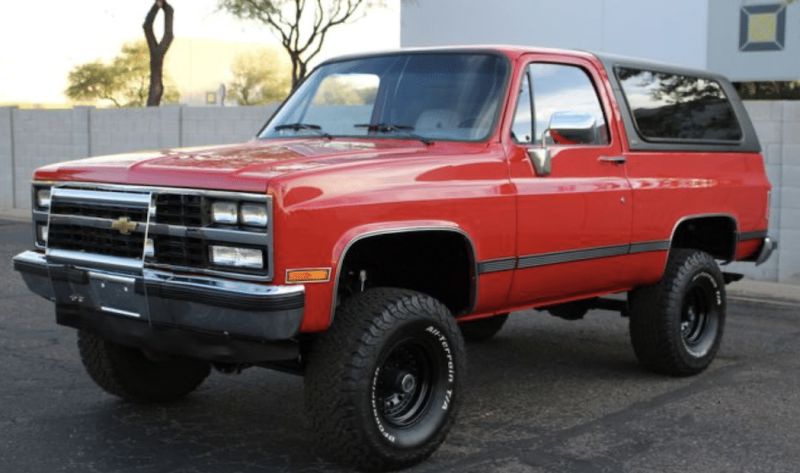
Squarebody K5s, 1973-91, occupy a different tier of the market entirely. They were produced in far larger numbers than either early truck, which caps their upside compared to first-generation examples but also means a buyer has more selection and less desperation-driven bidding to contend with. A clean, honest squarebody K5 remains one of the more accessible ways into full-size classic 4x4 ownership, precisely because the market has not scarcity-priced it the way it has the earliest trucks from both brands.
| Segment | Relative rarity | Typical buyer priority |
|---|---|---|
| Early Bronco (1966-77) | Lower surviving numbers | Originality, trail pedigree |
| First-gen K5 (1969-72) | Moderate, convertible top desirable | Documented top, drivetrain matching |
| Squarebody K5 (1973-91) | Higher, more survivors | Condition, rust-free structure |
Documentation is where the real risk lives
In my line of work, the single biggest swing factor in either truck's value is not the badge, it is the paper trail. A K5 or Bronco with clean, verifiable build records, matching numbers where applicable, and an honest ownership history commands a real premium over an equally clean-looking truck with gaps in its documentation. Buyers are increasingly aware that a well-detailed truck with no paperwork carries hidden risk, because there is no way to confirm what has been replaced, repaired, or quietly swapped over five decades. That risk gets priced in, and it should.
Rust history is the other quiet variable that moves both trucks' values more than most buyers expect going in. Full-size body-on-frame SUVs from this era, K5 or Bronco, are vulnerable to frame and floor rust depending on where they spent their working life. A truck from a dry climate with a documented history carries meaningfully less downside risk than a truck of unknown origin, even if the two look identical in photos. This applies equally to both nameplates and it is a bigger driver of final sale price than most casual buyers realize until they are the ones holding the bill for frame repair.
"Badge loyalty does not show up on a bill of sale. Documentation, condition, and how much risk a buyer has to absorb do, and that is true whether the grille says Chevrolet or Ford."
- Marcus Feld
How I frame a buy decision on either truck
My advice to a client weighing a K5 against a Bronco of comparable condition and asking price is the same advice regardless of which badge they are leaning toward: value the documentation and the structure first, the badge and the styling second. A well-documented, rust-free squarebody K5 is frequently a smarter buy than an undocumented early Bronco selling at a premium purely on reputation, because the K5 carries less unknown risk even though its market ceiling is generally lower. Conversely, a first-generation Bronco or K5 with genuinely complete records and a known history can justify its premium precisely because that documentation removes most of the guesswork a buyer would otherwise be absorbing.
Liquidity is worth a mention too. Squarebody K5s, with their larger surviving population, tend to move faster in a private sale because the buyer pool is wider. First-generation examples of either truck can take longer to sell at the top of the market simply because fewer buyers are shopping in that price bracket at any given moment. That is not a strike against either truck, it is just a fact worth knowing before you commit capital to one over the other.
Generation also drives insurance and financing considerations that quietly affect real-world value. Lenders and specialty insurers tend to treat first-generation examples of either truck, along with well-documented squarebody K5s, more favorably than trucks with incomplete history, because agreed-value coverage depends on the same paperwork that drives resale price. A buyer financing or insuring a K5 or Bronco should expect the appraisal process to lean heavily on exactly the same documentation factors that determine what the truck is actually worth at sale, which makes gathering that paperwork before a purchase, not after, the smarter sequence for anyone serious about either nameplate.
Reading the market correctly
For the fuller history behind why these two trucks get compared so often in the first place, our k5 blazer vs bronco retrospective covers the whole rivalry in detail. Buyers specifically weighing a modified build against an original one should also look at a related story we put together on how restomod work affects both trucks' resale math. And if the squarebody's accessible pricing has you leaning toward buying rather than just reading, there are K5 Blazers for sale now worth comparing against whatever a Bronco of similar money is offering.
Seasonal timing plays a smaller but real role too. Convertible-configuration K5s and Roadster-style early Broncos both tend to see stronger bidding activity in spring and early summer auctions, when a buyer can picture the truck with the top off immediately rather than waiting out a winter to enjoy it. Sellers who understand that rhythm often time a listing to catch that window rather than list in the fall, when the same truck can sit longer and, in some cases, close at a softer number simply because the seasonal enthusiasm has cooled along with the weather.
The bottom line on value
Neither truck has a permanent claim on being the smarter investment. The K5 Blazer vs Bronco values question resolves, every time I have worked through it with a real buyer, into a question about documentation, condition, and risk tolerance rather than badge preference. Buy the paperwork and the structure, not the reputation, and either nameplate can be a sound decision. The badge on the grille tells you almost nothing about what you are actually buying until the documentation and the metal underneath both back it up.
Sources and notes
Related Reading
Have a
Chevrolet Blazer
for Sale?
Reach thousands of serious classic car collectors across the US.
Sell It Here →
Selling a classic? Here's how: compare the places to sell classic cars
Are You a Classic Car Dealer?
List your full inventory and connect with targeted classic car buyers.
Join as a Dealer →

About the author
Marcus Feld
Accredited collector-car appraiser who reads the market through hammer prices, condition tiers and risk.
Related Listings - Chevrolet Blazer
Comments
Be the first to comment on this article.