
A director casting a car to say "this person has arrived" reaches for the same thing again and again: a big American luxury sedan. The land yacht became visual shorthand on screen because it did the work of a line of dialogue. Park a black Cadillac at the curb and the audience already knows something about who is getting out. That association was built over decades of film and television, and it still shows up in the collector market today, where a car with a strong screen pedigree tends to command a premium over an identical example without one.
Car Features
6 min read
Land Yachts on Screen: How Movies and TV Made Big Cars a Status Symbol
How films and TV made the American land yacht a status symbol, from Green Book to Goodfellas, and whether screen fame moves values.
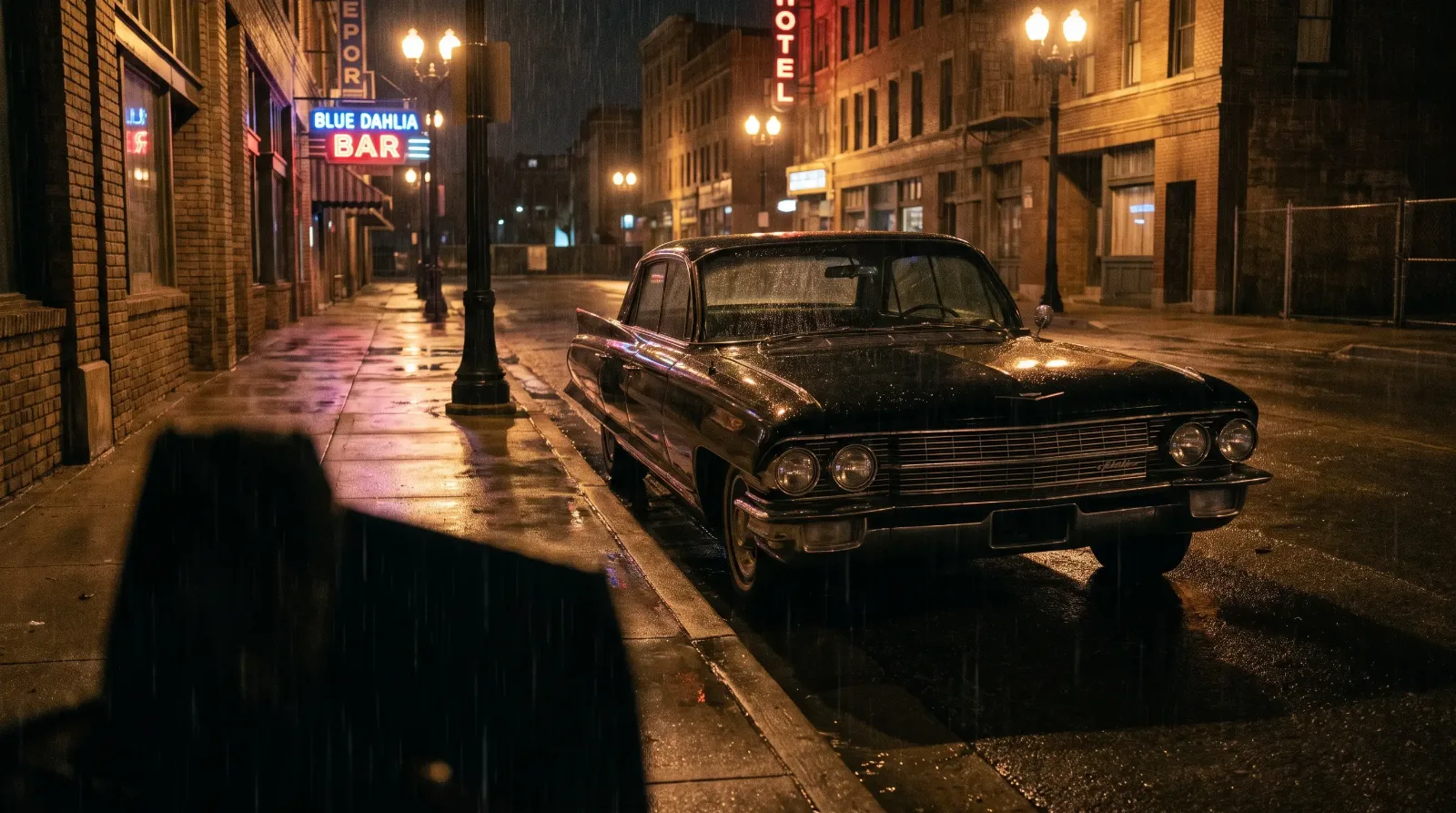
I track values for a living, so my interest here is not nostalgia for its own sake. Screen presence is a demand driver, and the land yacht got more of it than almost any other body style. To understand why the association is so durable, it helps to look at how these cars were actually used on film, and that connects straight back to the land yacht story and what the cars meant when they were new.
Shorthand for power in the crime and money films
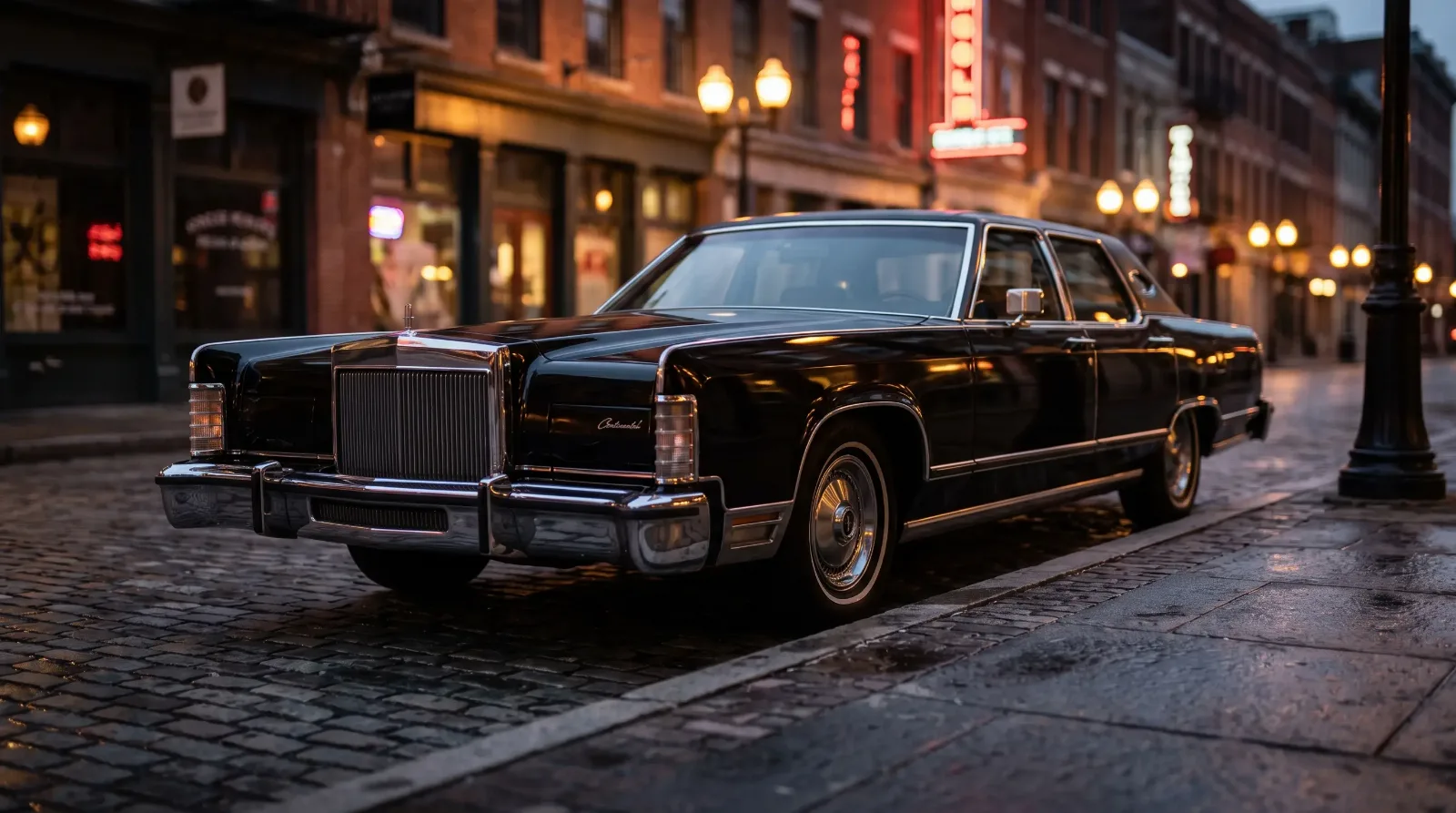
The clearest use of the land yacht on screen is as the vehicle of power, usually the criminal or the newly wealthy kind. The Godfather leaned on period 1940s Cadillacs and Lincolns to establish the Corleone world, and the association between the big black domestic sedan and organized crime became so fixed that later films could invoke it in a single shot. Goodfellas did the same with its parade of 1970s Cadillacs, using the cars to mark exactly where each character sat in the hierarchy.
Green Book gave the land yacht a leading role rather than a background one. The 1962 Cadillac Sedan de Ville that carries the two main characters across the country is effectively a third character, and its size and formality are central to the film's meaning. That car did real work at the box office and at car shows afterward, a reminder that a well-cast land yacht can outlast the movie it appeared in.
Excess as a character in counterculture and comedy
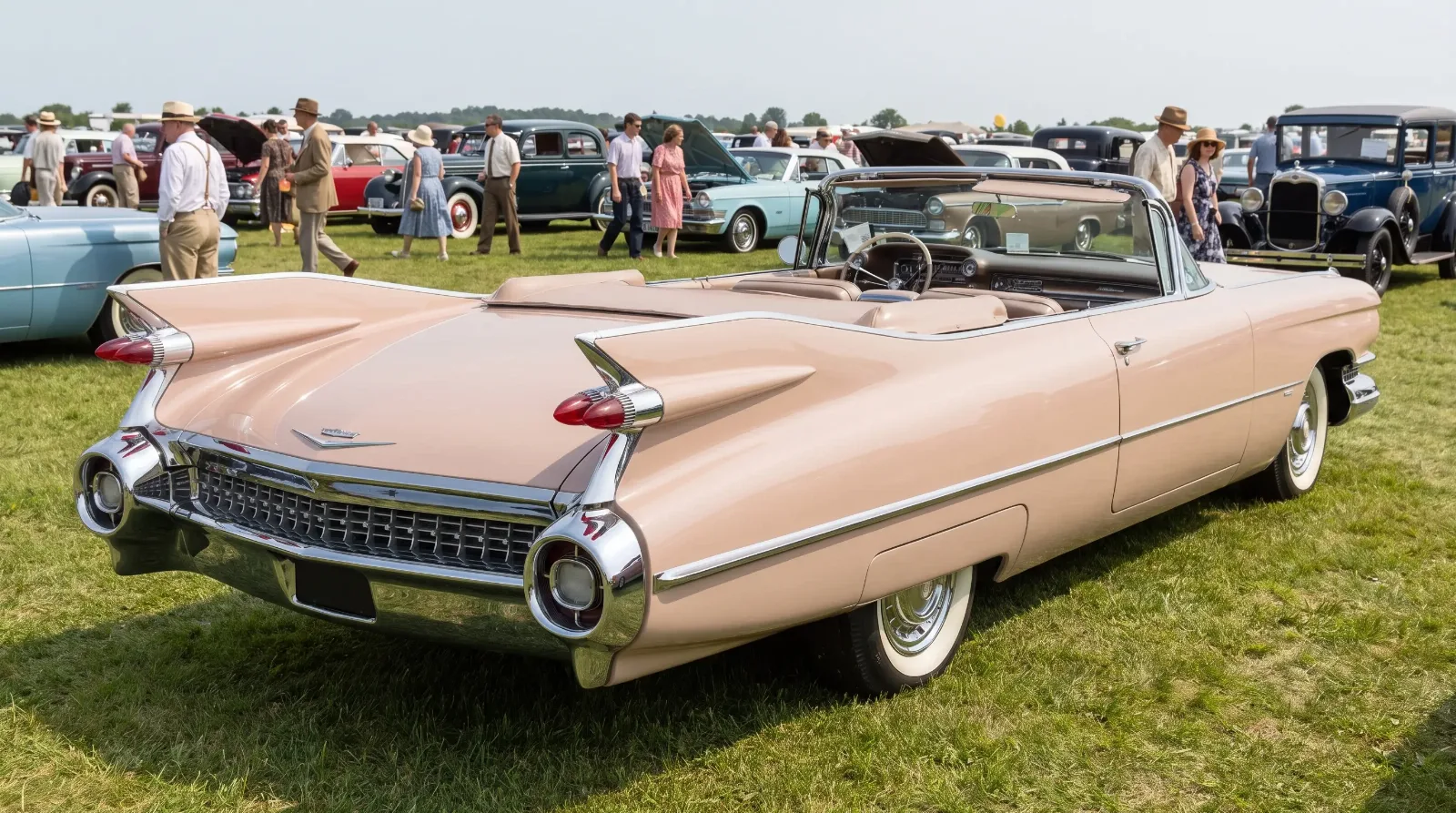
The other way film used the land yacht was to make the size itself the joke or the statement. Fear and Loathing in Las Vegas turned a white Cadillac convertible, the "White Whale," into a rolling symbol of American excess, played against a red Chevrolet convertible earlier in the story. The film uses the sheer bulk of these cars deliberately, as a visual argument about the era they came from.
Comedies and road movies used the same trick. A land yacht is inherently a little absurd to a modern eye, all length and float and chrome, and directors have mined that for decades. The car does not need dialogue. Its proportions carry the point, which is exactly why the body style keeps getting cast when a filmmaker wants to say something about America, money, or the 1970s without spelling it out.
Television and the status sedan
Television did as much as film to cement the land yacht as a status object, because it had the runway to do it week after week. The prime-time soap operas of the late 1970s and 1980s, built around oil money and family empires, filled their driveways with full-size Cadillacs and Lincolns. The recurring image of the wealthy family sedan, glossy and enormous, taught a mass audience to read the big domestic luxury car as the default vehicle of success.
The effect was cumulative. A single film appearance creates a memory. A television series that features the same class of car across dozens of episodes builds an association so deep that it becomes invisible, simply the way a certain kind of powerful character is expected to travel. By the time these cars became collectible, two generations had already been trained to see them as symbols.
| Title | Car (as cast) | Role on screen |
|---|---|---|
| Green Book (2018) | 1962 Cadillac Sedan de Ville | Central to the story, effectively a character |
| The Godfather (1972) | 1940s Cadillacs and Lincolns | Power and menace of the crime family |
| Goodfellas (1990) | 1970s Cadillacs | Status markers within the hierarchy |
| Fear and Loathing in Las Vegas (1998) | White Cadillac convertible ("White Whale") | Symbol of American excess |
"Provenance moves money, and screen history is a form of provenance. A documented movie or television car will out-sell an identical example that spent its life in a garage, sometimes by a wide margin. The catch is documentation. A believable story is not a paper trail, and buyers pay for proof, not folklore."
David Mercer
Does screen fame actually move the market?
It does, but unevenly, and the premium depends entirely on how well the connection is documented. A specific, verifiable screen car, the actual vehicle used in production with a chain of ownership to prove it, can bring a real premium at auction over a standard example. The problem is that "the actual car" is a high bar. Productions often used several identical cars, sold them off quietly, and kept poor records, so the market is full of examples with a good story and thin paperwork.
For most buyers the more useful effect is broader and softer. The decades of screen exposure lifted the desirability of the whole category, not just the individual hero cars. A 1962 Cadillac de Ville is more wanted today partly because films like Green Book keep the type in front of new audiences. That cultural tailwind supports values across the segment even when a given car never saw a camera. Screen fame is real demand, but treat a specific movie-car claim the way you would any provenance claim, with proof required before you pay for it.
The land yacht earned its screen career honestly. It was designed from the start to communicate status at a glance, and film and television simply used the tool that Detroit had already built. That design brief, size and presence as the whole point, is worth understanding on its own terms, which is next: What Actually Makes a "Land Yacht"? Size, Weight, and Ride Philosophy Explained.
Related Reading
Have a
Classic Car
for Sale?
Reach thousands of serious classic car collectors across the US.
Sell It Here →
Are You a Classic Car Dealer?
List your full inventory and connect with targeted classic car buyers.
Join as a Dealer →

About the author
David Mercer
Classic car market analyst with two decades of experience tracking collector car valuations, auction results, and investment trends.
Comments
Be the first to comment on this article.