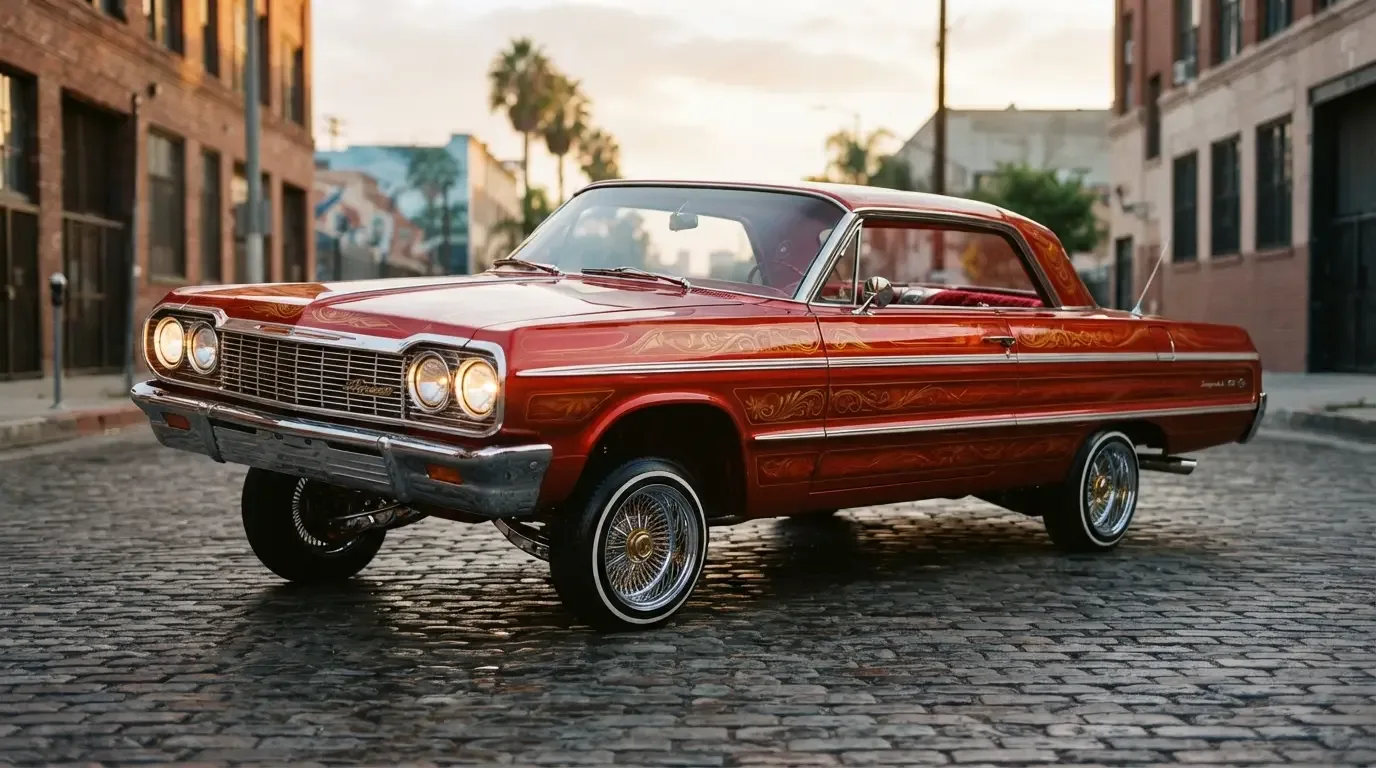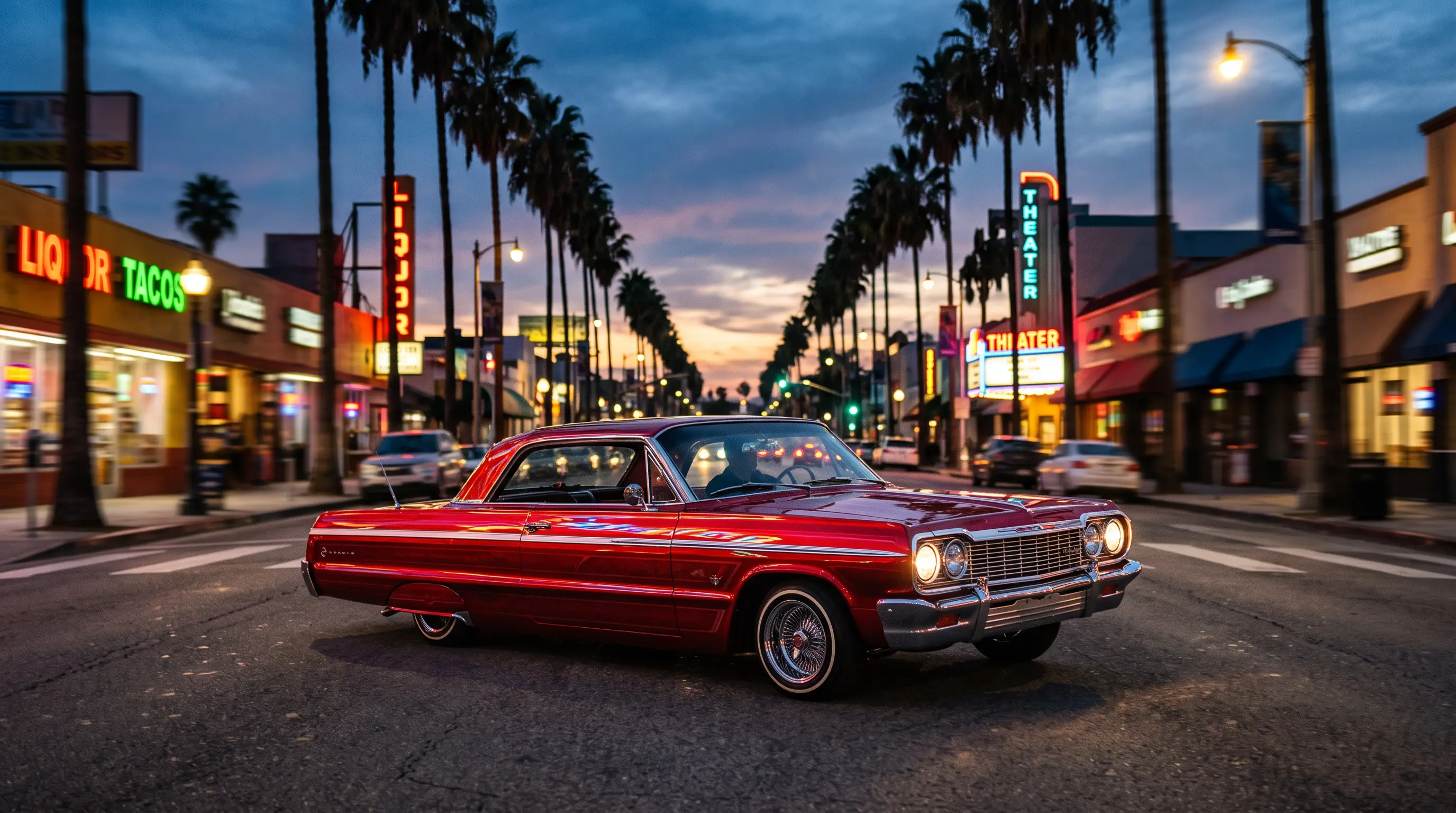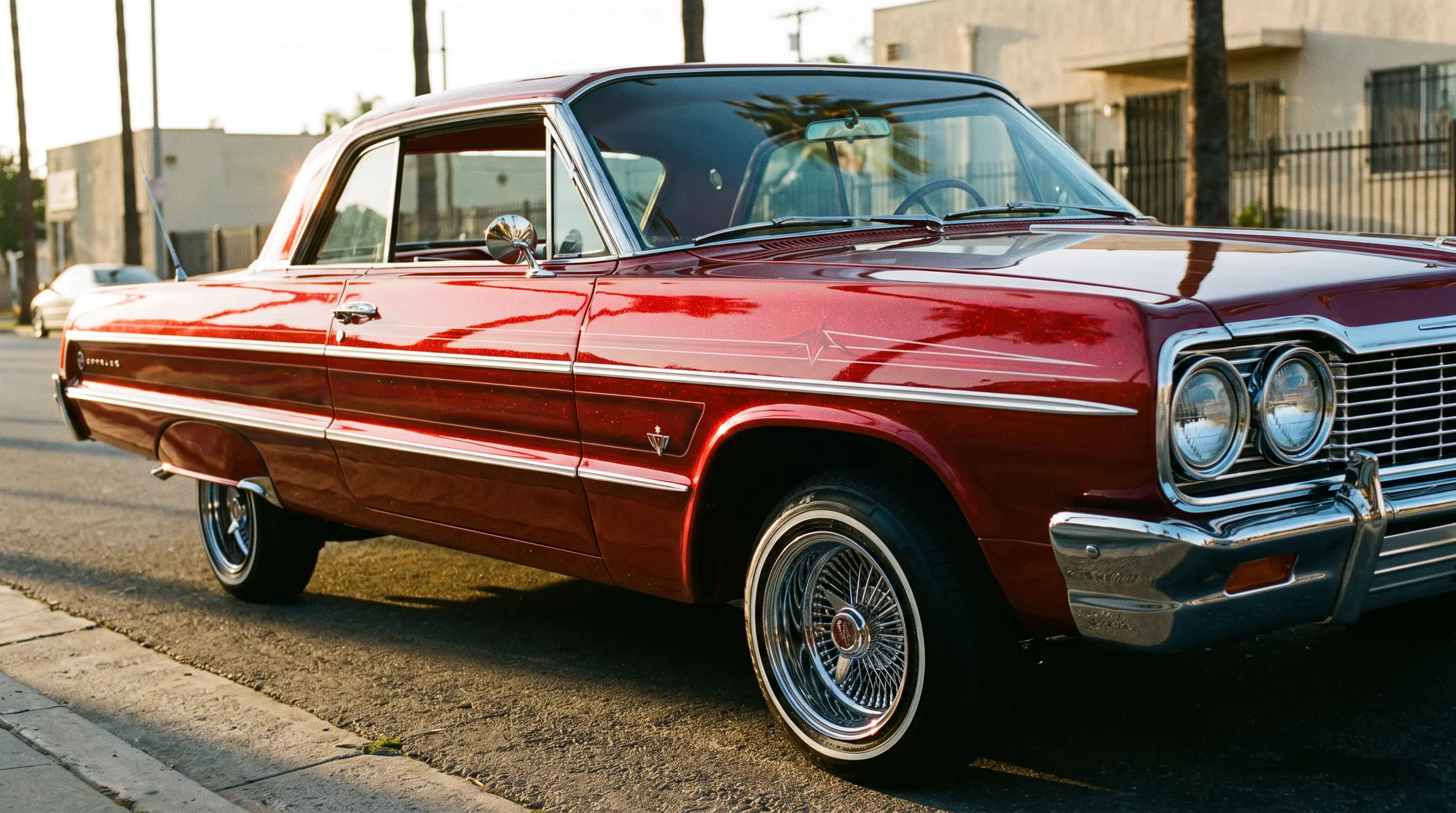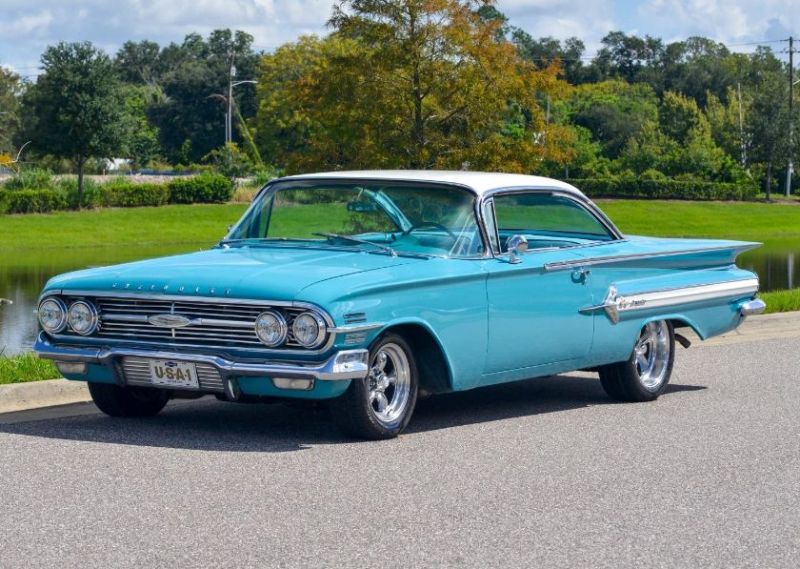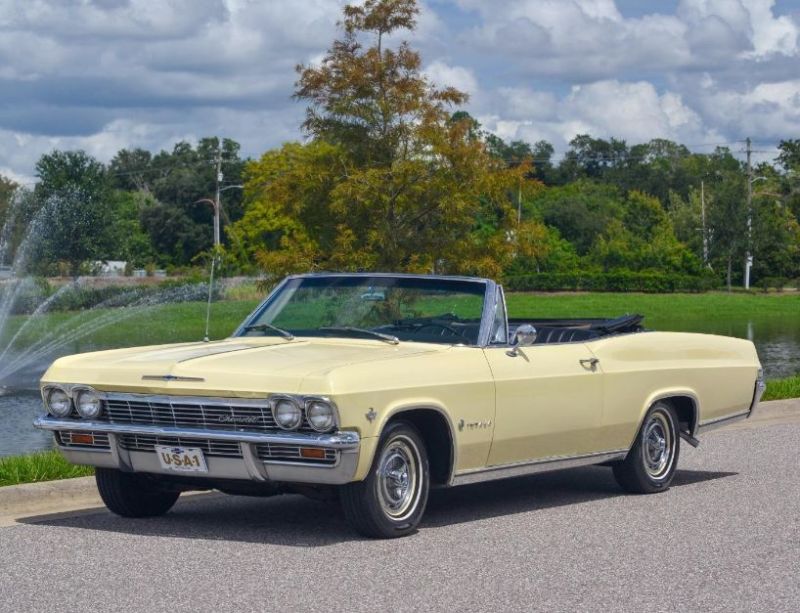
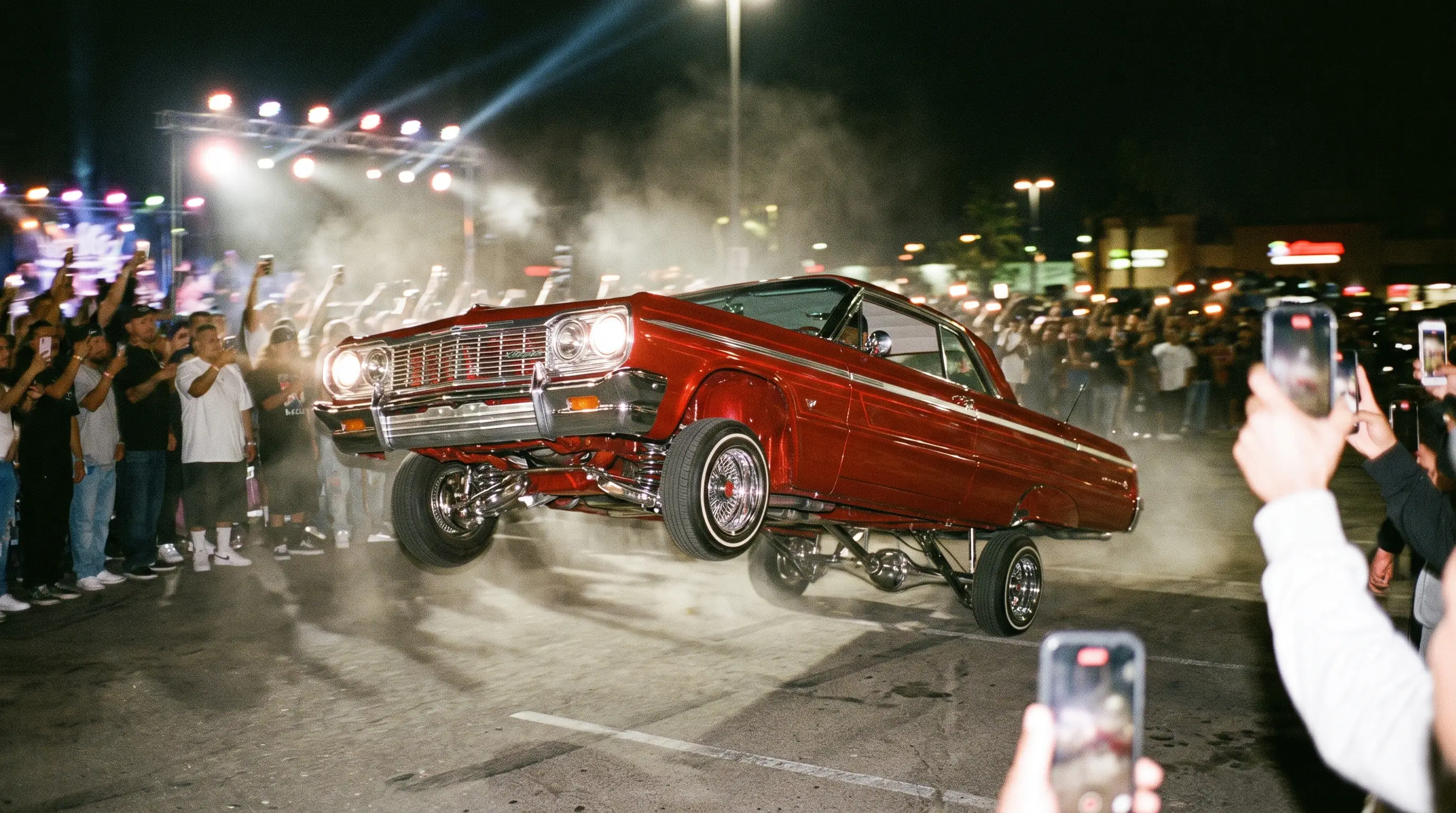
The first time you watch a hop contest up close, the sound gets you before the sight does. A hiss of hydraulic fluid, a metallic clunk as the switches get worked in rapid sequence, and then a full size Chevrolet Impala jumps its own front end a foot and a half off the pavement like the car weighs nothing at all. Then it slams back down, springs and shocks groaning, and the crowd starts measuring in inches whether that hit beat the last one. This is competitive hopping, and it turned lowrider suspension work into a genuine motorsport.
From cruising trick to judged event
Hydraulic suspension started as a practical answer to a legal problem. California passed laws in the 1950s and 1960s against cars sitting too low to the ground, and hydraulics let a driver raise the car with a flip of a switch to pass a police check, then drop it back down once clear. That up and down capability, meant originally as a workaround, quickly became a party trick, and party tricks among competitive people become contests almost by instinct. By the 1970s, car clubs were staging organized hop contests at shows and picnics, measuring exactly how high a car's front end or back end could jump off the ground on a single hit.
The Impala's size and weight distribution made it a natural fit for this new competition. A heavier, longer body gave hydraulic setups more leverage to work with once builders started stacking multiple pumps and batteries into the trunk, and the car's proven strength as a full size platform meant it could take the repeated stress of hopping better than lighter cars could.
Chasing inches
Competitive hopping split into categories over the years, single pump, double pump, and eventually setups running far more batteries and pumps than any factory engineer ever imagined a suspension system needing. Serious competitors reinforced frames, added extra cross bracing, and built battery racks that could hold a dozen or more batteries just to generate enough hydraulic pressure for a single spectacular hit. Heights that once measured in single digit inches eventually climbed past the five foot mark at the top levels of the sport, with builders in Los Angeles and later across the country pushing the engineering further each year.
None of this happened without cost to the car. Frames cracked, control arms bent, and a badly timed hit could send a bumper into the pavement hard enough to need real bodywork afterward. Builders who competed seriously treated their hop car almost like a separate project from their cruiser, accepting that a car built to jump that high was not going to be the same car you wanted to drive comfortably to a Sunday picnic.
Community, judged by inches
What kept hop contests from becoming just a technical arms race was the setting they happened inside. These were club events, picnics, and organized shows where families showed up together, and the hopping competition sat alongside the paint judging and the trophy presentations as one more category where a builder's work got measured in public. A big hit from a well built Impala earned the same kind of respect a flawless mural did, just measured in a different unit.
"A lowrider hop contest isn't about who has the most batteries. It's about whether the car can take the hit it's asking for, over and over, without folding. That's the real test."
- Hector Morales
The switch box became its own art
Watching a good hop driver work the switch box is watching someone read a car in real time. Timing a hit right means understanding exactly how the frame is loaded at the top of a bounce, when to feed the pump another charge, and when to let momentum carry the rest of the motion on its own. Get the timing wrong and a big battery bank produces a disappointing little bounce instead of the full extension a crowd came to see. Drivers who could consistently time hits at the top level became known by name at shows the same way a good painter was, and some of the best switch work in the sport came from people who had spent years just watching before they ever got behind the wheel of a competition car themselves.
Magazines dedicated to the lowrider scene, and later video coverage at shows, made hop contest results a form of bragging rights that traveled well beyond whichever parking lot the competition happened in. A club whose Impala set a new height record at a regional show carried that reputation into every cruise and every picnic afterward, and rival clubs took note, often showing up to the next event with a rebuilt setup aimed squarely at beating the number.
Categories that kept expanding
As hop contests grew more organized through the 1980s and beyond, judges started splitting competitors into weight classes and pump classes rather than letting a heavily modified twelve battery setup compete straight against a simpler single pump car. This mattered because it kept the sport accessible. A builder without the budget for a full competition rig could still enter a single pump category and win something real, rather than getting buried every time by a car with ten times the hydraulic hardware. That structure is part of why the sport kept growing new competitors generation after generation instead of narrowing down to only the wealthiest builders.
Still measuring inches
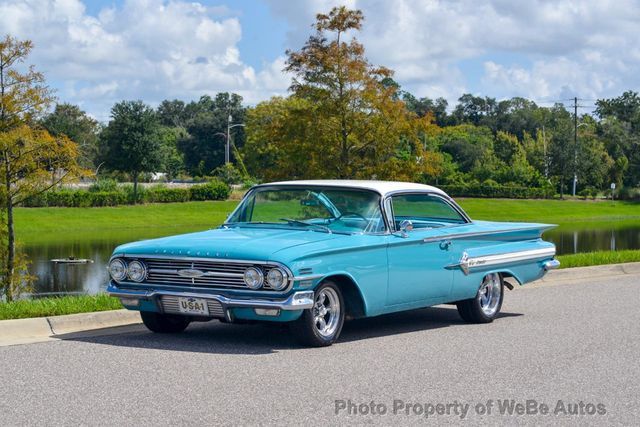
Hop competitions remain a fixture at lowrider shows today, and the Impala still shows up in the field more often than most other models, a nod to its role as the original platform this whole discipline grew up around. Builders continue refining frame reinforcement and pump setups, chasing height records the same way earlier generations did, just with better hydraulic components and more data on what a chassis can survive. Anyone wanting the full story of how the Impala became the default canvas for this entire culture will find the hop contest sitting near the center of it, proof that lowrider building was never just about looking good parked. And for readers who want a car with that kind of heritage behind it, there is a steady supply of classic Impala for sale right now, some already built for the show, some waiting on a builder to decide which direction to take them.