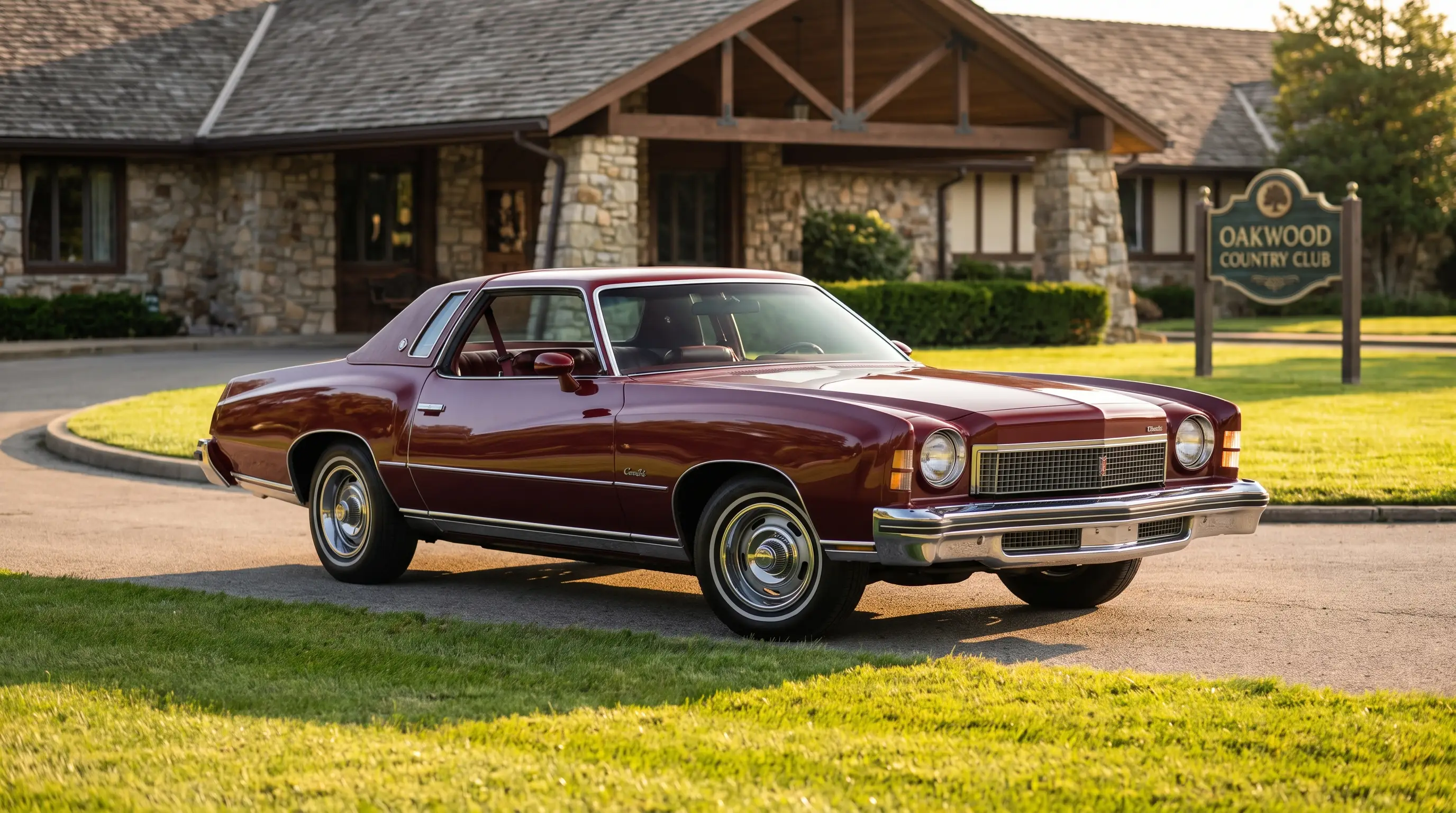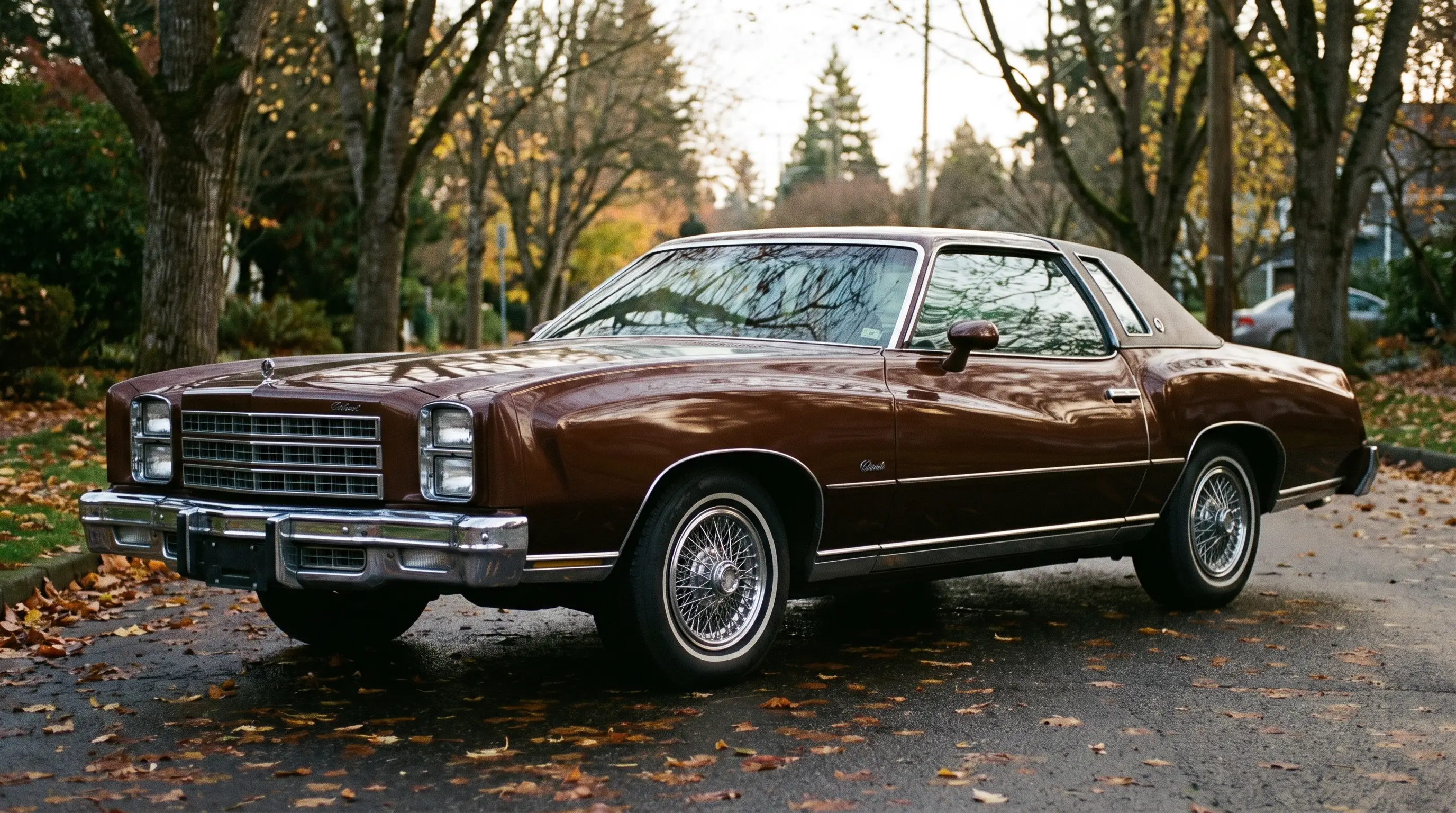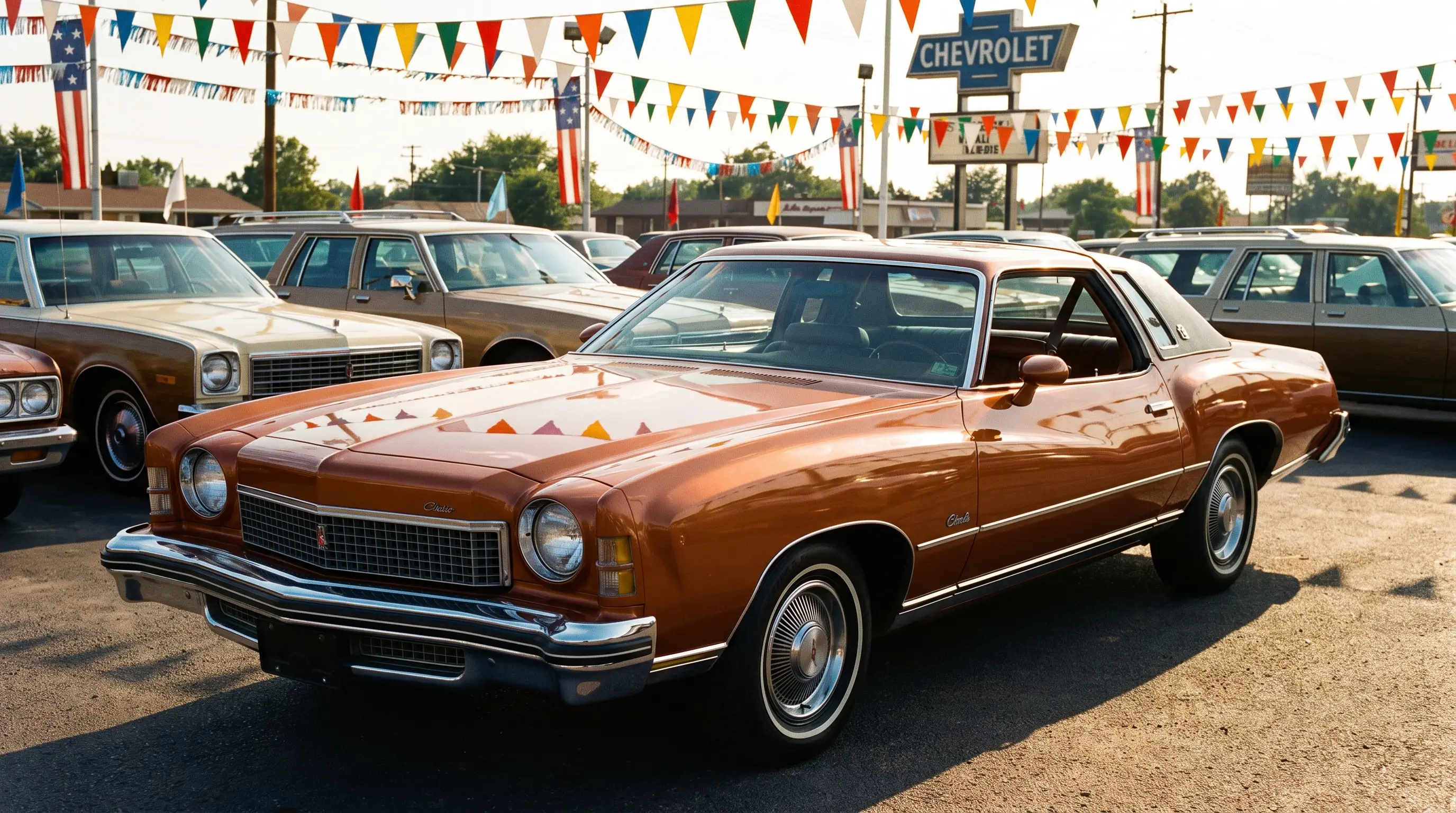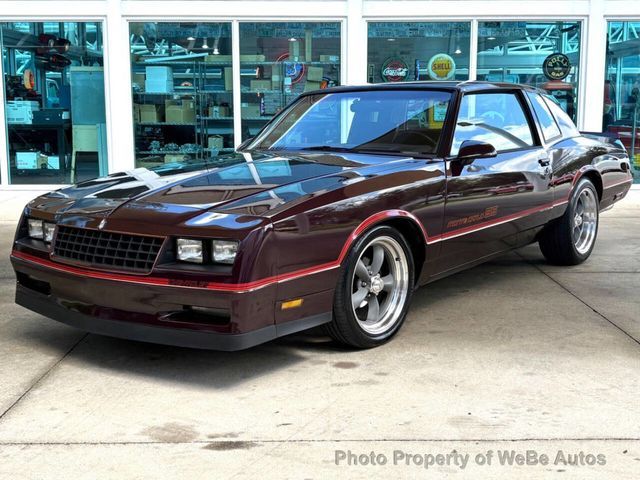
I have stripped enough vinyl roofs off Colonnade cars to know exactly what is hiding underneath before I even pull the trim clips, and every one of those jobs starts the same way, with somebody asking me what color and vinyl combo their 1973 Monte Carlo originally wore. Half the time the paint code on the door tag does not match what is on the car anymore, and figuring out the truth is half detective work and half knowing what Chevrolet actually offered that year.
What Chevrolet actually put on the order sheet
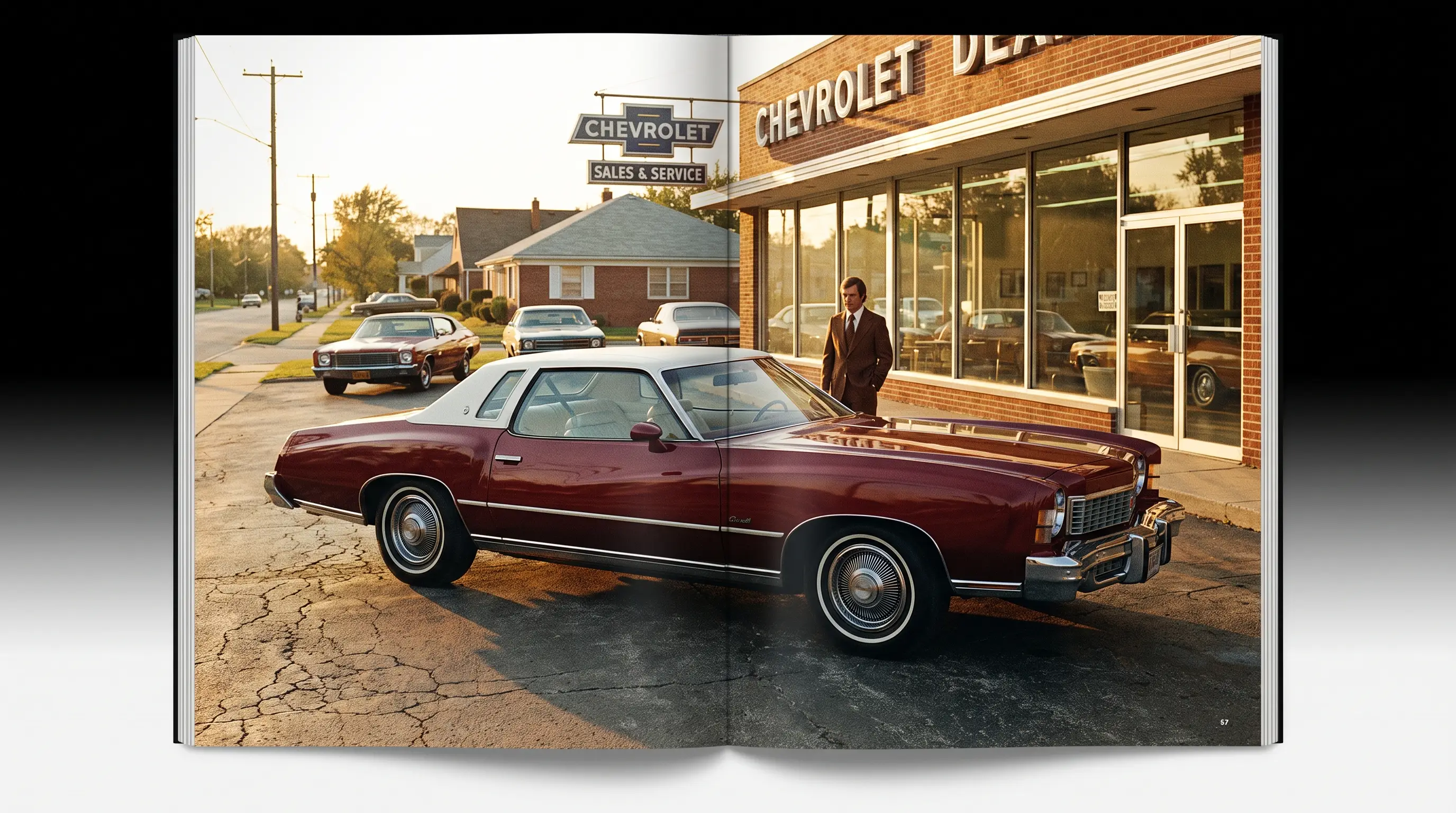
The Colonnade Monte Carlo that launched for 1973 came with a real spread of exterior colors, everything from a subdued white and a couple of grays down to some genuinely loud metallic golds, greens, and oranges that only make sense once you remember what decade this car was born into. Popular shades included a medium gold metallic, a deep green metallic, a couple of blues, and a few browns that Chevrolet marketed as warm, earthy tones to match the wood-look interior trim. None of these colors were subtle by modern standards, and that is exactly the point. A 1973 Monte Carlo in its original color, with the correct vinyl roof shade to match, looks like nothing built today, and that is worth protecting rather than painting over.
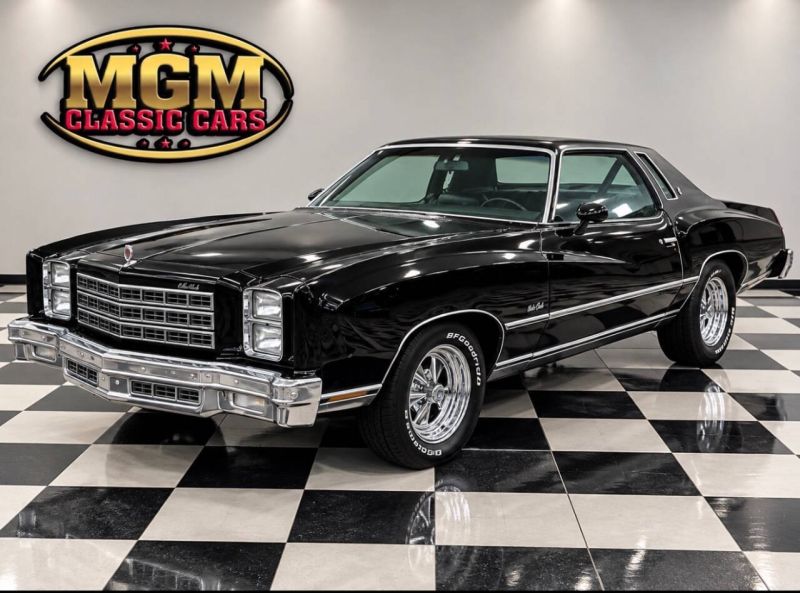
The vinyl roof itself was not just black on every car. Chevrolet offered the Landau half-vinyl roof, and later the full vinyl roof option, in colors that were meant to coordinate with, or in some cases deliberately contrast against, the body paint. A white car might wear a black vinyl top for contrast, or a body-color-adjacent vinyl for a monochrome look. Buyers picking a gold or green car often matched the vinyl to a complementary tan or white rather than going straight black. Getting that pairing wrong on a restoration is the single fastest way to make a correct car look wrong to anyone who actually knows the model.
Reading a door tag like it matters, because it does
Every Colonnade Monte Carlo left the factory with a body tag carrying a paint code and, where applicable, a trim and roof code. If you are looking at a car for a restoration or trying to verify what somebody is telling you about a "matching numbers, all-original" example, that tag is where the truth lives, not the seller's memory of what color he thinks it used to be. I have seen more repainted cars claiming factory-original color than actual factory-original cars, and the only way to sort fact from wishful thinking is to check the tag against Chevrolet's paint code charts for that model year, cross-referenced through resources like PaintRef.com's Chevrolet color code listings.
This matters more than cosmetic pride. A car with a documented, correct color and vinyl combination, verified against its tag, is worth real money more than an identical car in a color nobody can confirm. Buyers who know what they are looking at will ask for that verification before they ask about the engine.
Why a repaint kills more value than rust does
I will take a solid, honest, original-paint Monte Carlo with a few stone chips over a fresh repaint in the wrong shade every single time, and any serious buyer should think the same way. A repaint in a color that was never offered, or a vinyl roof swapped to whatever the upholstery shop had on the shelf that week, tells me the previous owner cared more about a quick flip than the car's actual history. That is the poseur move. The real builder move is matching the tag, sourcing the correct vinyl grain and color, and doing the boring, unglamorous work of getting it right rather than picking whatever looks good in a driveway photo.
Bodywork underneath a vinyl roof deserves its own warning here. Vinyl trapped moisture against the steel for decades on plenty of these cars, and I have pulled roofs off Colonnade Monte Carlos that looked flawless from the outside and found rust bubbling through from the inside out. Any color and vinyl combo story you hear about a car is worthless if the metal underneath that roof has already rotted away. Check the roof edges, the drip rails, and the rear window channel before you get excited about matching paint codes.
"A correct color and vinyl combo on a Colonnade Monte Carlo is not decoration, it is the fingerprint of the car, and I have never once regretted spending the extra week getting it right instead of just slapping on whatever paint was already mixed."
- Jim Vasquez
What this means for buyers today
Anyone who wants the whole picture on how this generation of Monte Carlo came together, from the body style down to the trim decisions, should understand where all of it started before chasing a specific color combo. For anyone shopping, verified color and vinyl authenticity is a genuine differentiator among 1973 Colonnade cars, most of which have been repainted at least once by now. A seller who can produce a tag, a paint code that checks out, and photos showing the vinyl roof material intact underneath is offering something increasingly rare. Anyone ready to look seriously should shop classic Monte Carlo listings with that checklist in hand rather than trusting a shiny photo alone.
Aftermarket vinyl roof kits today come close to period-correct grain and color, but close is not the same as correct, and a builder who has done a few of these jobs can usually spot a modern reproduction from ten feet away. If originality matters to you, or to a future buyer, spend the time finding the right supplier rather than the cheapest one. The difference shows up in resale, and it shows up every time somebody who actually knows this car walks around it at a show.
The interior colors nobody talks about enough
Everybody focuses on exterior paint and vinyl roof color, but the interior trim color mattered just as much to how a 1973 Monte Carlo actually presented, and it is the part of the combo most often lost during a lazy restoration. Chevrolet coordinated seat fabric, door panel color, and dash trim with the exterior palette, so a gold car typically wore a saddle or white interior rather than whatever seat covers happened to be lying around a shop when somebody redid it years later. When I see a car with an exterior and vinyl roof combo that checks out but an interior color that has no business being in that car, that is usually the tell that somebody swapped a wrecked donor's seats in at some point without caring about correctness.
Fabric wear patterns tell their own story too. Original vinyl and cloth from this era ages in specific, recognizable ways, cracking and fading along consistent lines that a modern reproduction rarely replicates exactly. A builder who has handled enough of these interiors can usually tell an original seat cover from a well-made reproduction just by how the material has settled over fifty years, and that kind of read matters when you are deciding whether a car's interior is worth preserving as-is or worth a full retrim.