By 1976, the Chevrolet Monte Carlo had been on the Colonnade platform for three model years, and the changes for its last two seasons on that body were small enough that most buyers never noticed them. That is precisely the point of the 1976 1977 final Colonnade Monte Carlo. It is not a redesign story. It is a story about a car that had already found its shape and was coasting, profitably, toward the downsized generation waiting for 1978.
I have spent years cataloguing the paper trail on mid-1970s General Motors intermediates, and the Monte Carlo's last Colonnade seasons are some of the thinnest files in the drawer. There was no dramatic facelift, no new engine family, no marketing campaign built around a big number. What there was, instead, was a car settling into being exactly what Chevrolet needed it to be: a personal luxury coupe that sold in huge volume without asking the engineering department for much.
What actually changed for 1976 and 1977
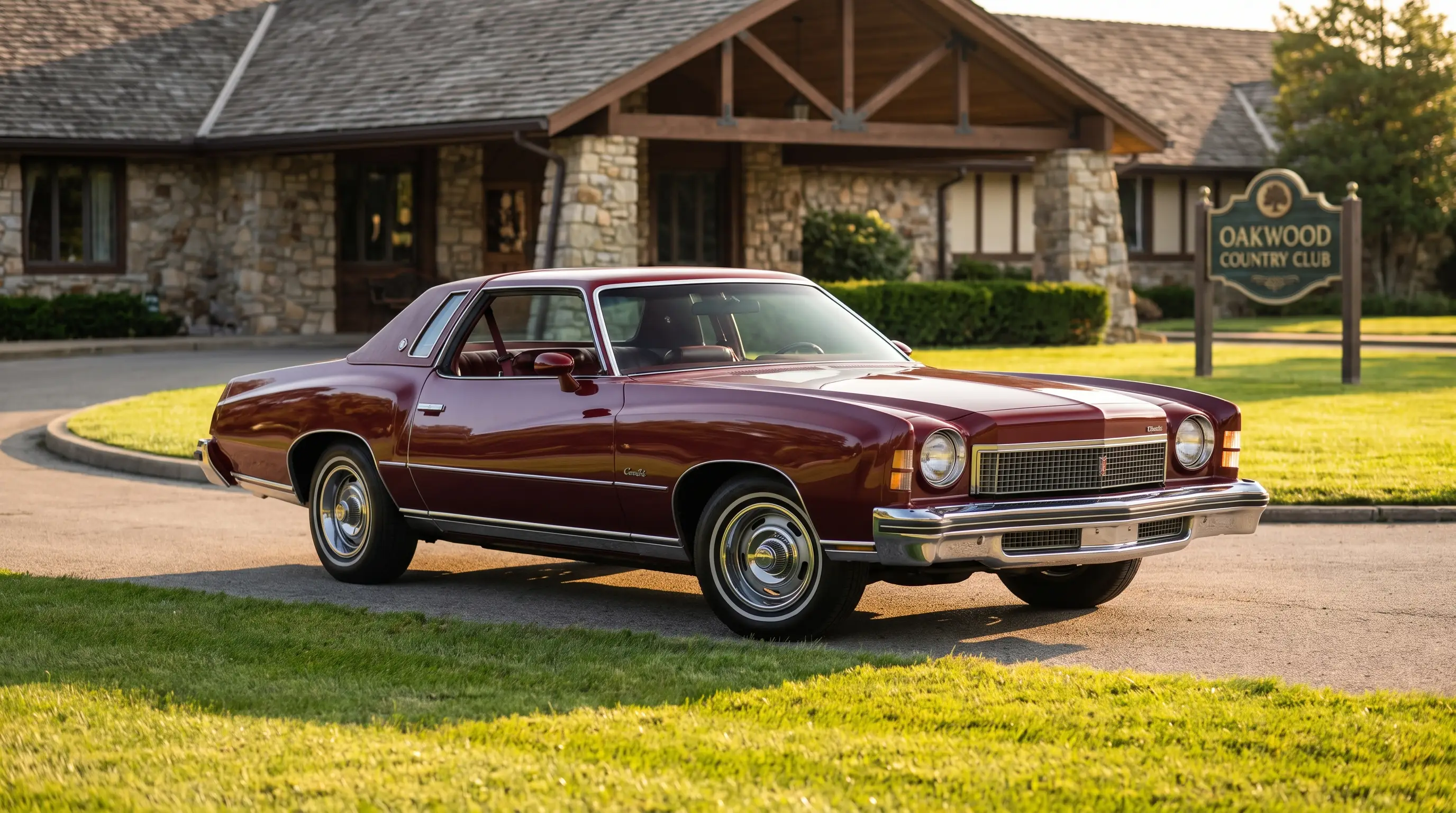
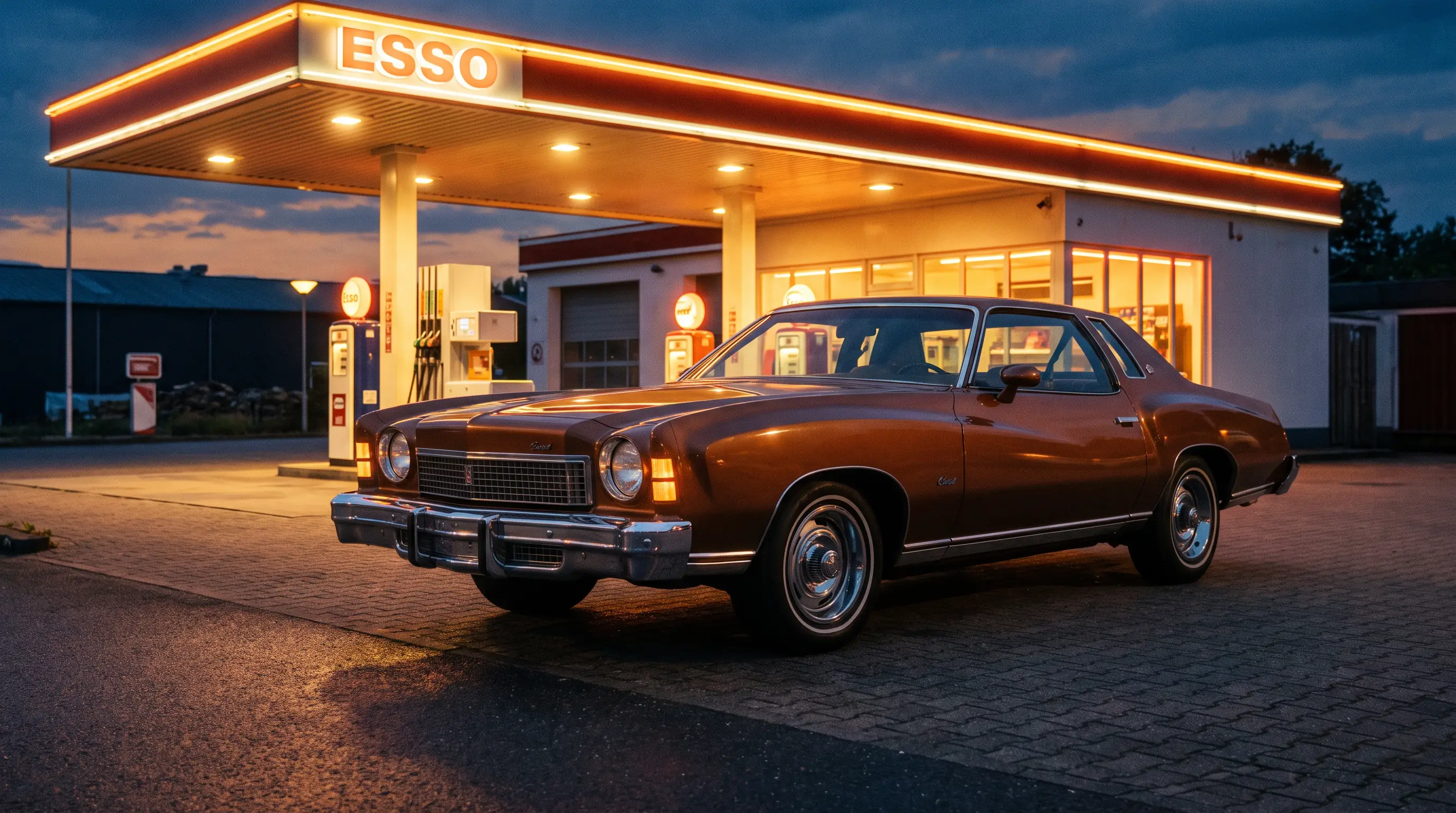
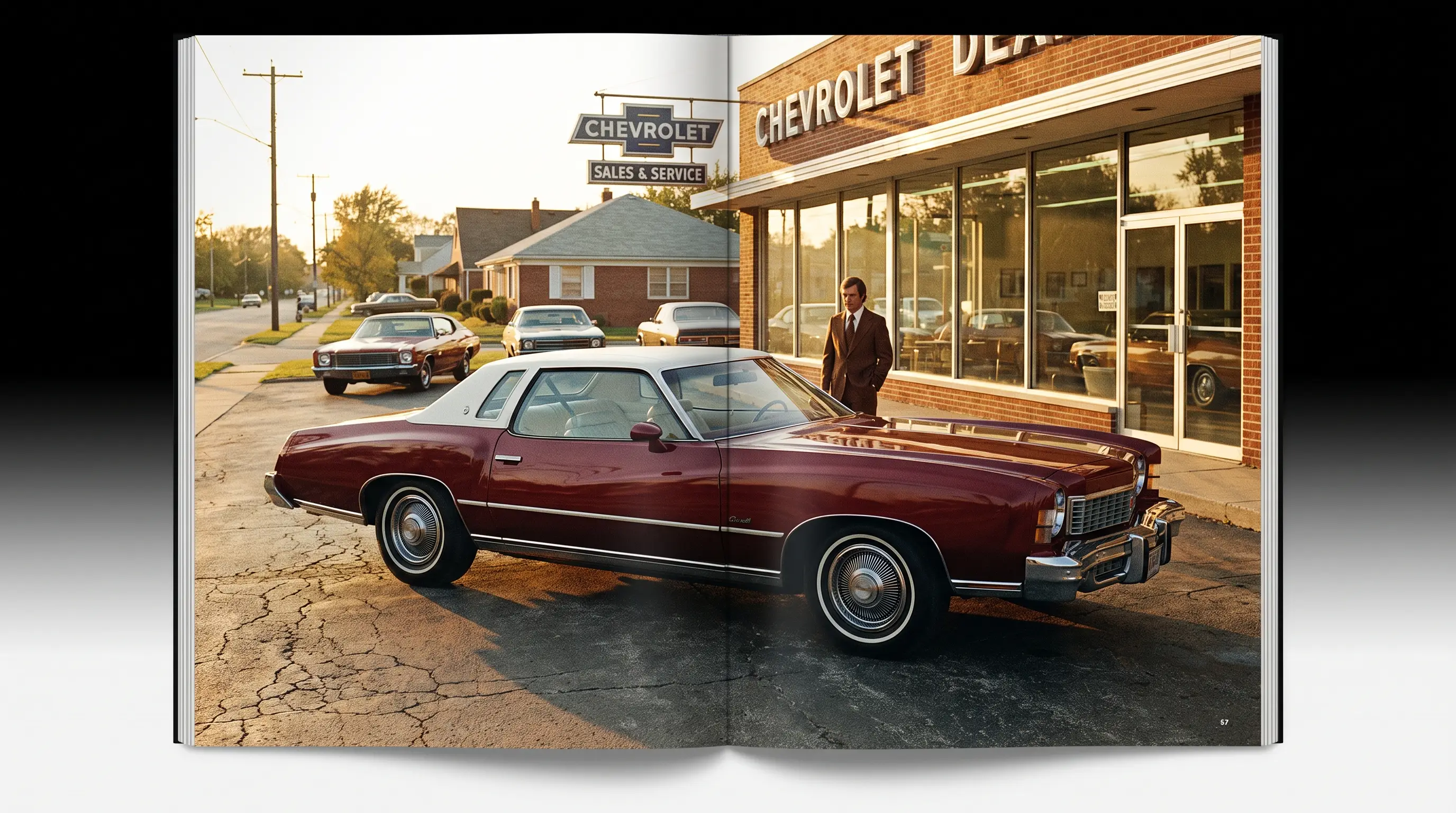
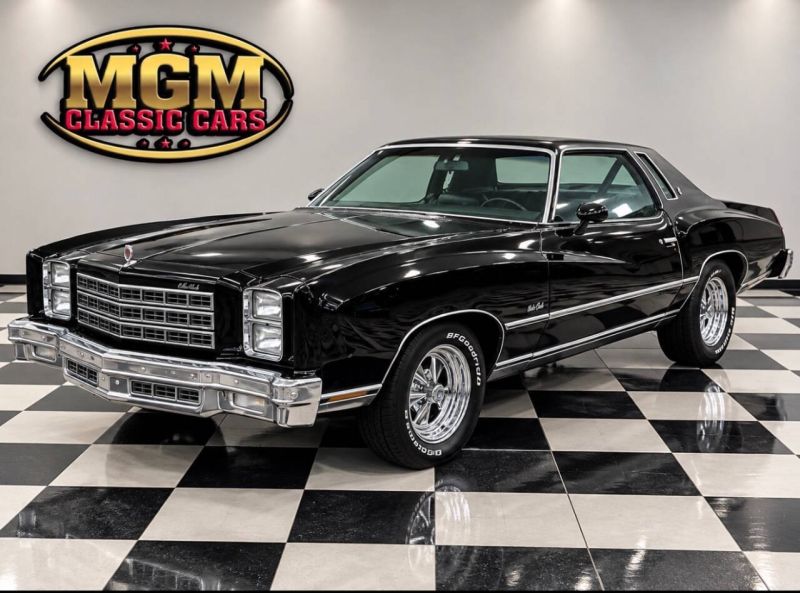
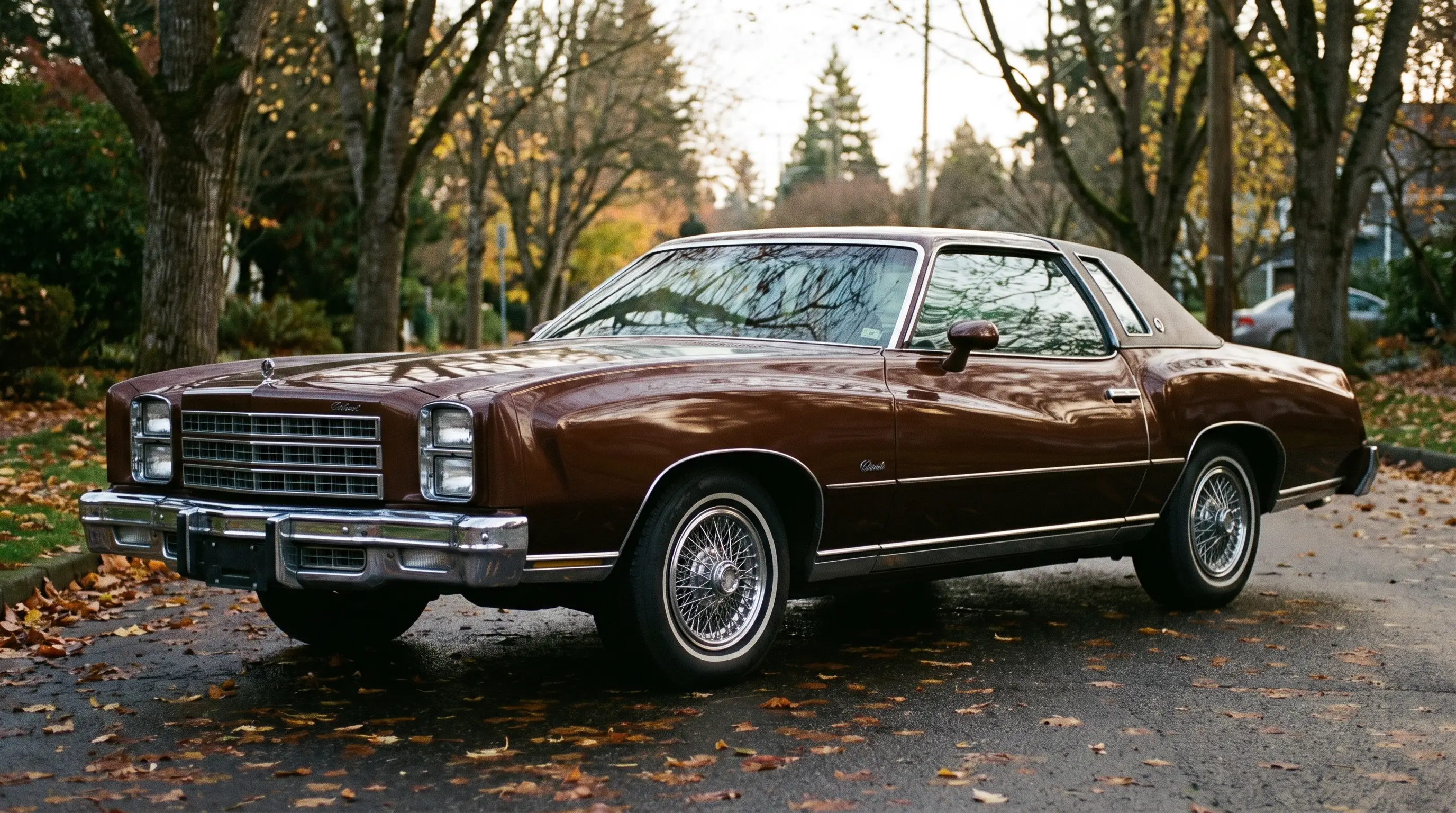
The 1976 Monte Carlo carried over the same basic Colonnade structure introduced for 1973, with a formal roofline, a long hood, and grille and lamp treatments that shifted year to year to keep showroom traffic interested. For 1976, the grille texture changed again and the taillamp graphics were revised, small trim moves that let Chevrolet advertise the car as new for the year without touching sheet metal underneath. The Landau vinyl-roof treatment, already a strong seller, stayed front and center in the brochures.
1977 brought another round of the same medicine: a new grille pattern, revised lamp lenses, and interior trim shuffles rather than structural change. Engine offerings by this point had narrowed under emissions pressure. A 305 cubic inch two-barrel V8 rated around 140 horsepower was the standard engine for most states, with a 350 cubic inch four-barrel V8 (roughly 165 to 170 horsepower) optional, and in California the 350 four-barrel was the required base engine rather than an option. By 1977 the 400 cubic inch V8 had been dropped from the lineup entirely, and California cars ran different emissions calibrations than 49-state cars, a detail that trips up buyers cross-shopping cars from different states today.
None of this reads as thrilling on paper, and it was not meant to. Chevrolet's product planners had already committed engineering resources to the downsized 1978 Monte Carlo, and the outgoing Colonnade car's job was simply to keep selling well while that new platform came together. It did exactly that.
Why sales did not slow down
What is easy to miss, looking back from a restoration hobby that prizes rarity and first-year cachet, is that the 1976 and 1977 Monte Carlo sold in numbers that would embarrass most modern personal luxury cars. Buyers were not cross-shopping this car against sports coupes. They were cross-shopping it against Ford's Elite, Pontiac's Grand Prix, and Oldsmobile's Cutlass Supreme coupe, and the Monte Carlo held its own by offering a formal roofline, a soft ride, and a price that undercut some of that competition while looking just as expensive.
Dealers leaned hard on the vinyl roof and velour interior combinations, and buyers responded. This was the era when a personal luxury coupe did not need a big engine to be a hit. It needed a plush cabin, a quiet ride, and a roofline that photographed well in a driveway. The final Colonnade Monte Carlo delivered all three without asking Chevrolet to spend much on new tooling.
The quiet middle child of the lineup
Collectors today tend to sort Colonnade Monte Carlos into two camps: the 1973 through 1975 cars, prized for being first and for still carrying a bit more chrome, and the later 1976 and 1977 cars, which get treated as an afterthought. That reputation is not entirely fair. The 1976 and 1977 cars are, if anything, slightly more refined in small ways, with better sealing around some trim pieces, though this varied by assembly plant and is not something a buyer should take as gospel without inspecting an individual car.
What the final Colonnade years lack in first-year novelty they make up for in value relative to the earlier cars. A clean 1976 or 1977 Monte Carlo, particularly a Landau coupe with the right color and interior combination, tends to trade for less than an equivalent 1973 car despite being mechanically almost identical under the skin. For buyers who want the Colonnade look and driving experience without paying a first-year premium, that gap is worth knowing about.
Living with one today
Parts support for the final Colonnade years benefits from shared components with the earlier Monte Carlo and with Chevelle and Malibu siblings built on the same architecture, so mechanical rebuilds are not the obstacle some buyers expect. Trim pieces specific to the 1976 and 1977 grille and lamp treatments are the harder finds, since they were only used for one or two model years before the platform changed entirely for 1978.
Anyone tracing the Monte Carlo's story from the beginning should read the background on how the Colonnade generation started, since the 1976 and 1977 cars only make sense as the quiet final chapter of a story that begins three years earlier. Buyers ready to look at what is actually on the market can find a classic Monte Carlo and compare Colonnade-era coupes side by side before deciding which model year fits their budget.
"The 1976 and 1977 cars get treated like leftovers, but they are the Colonnade Monte Carlo with three more years of small fixes baked in. That is not nothing."
- Sarah Whitfield
What to look for before buying
Because so little changed mechanically between 1973 and 1977, the buying advice for a final Colonnade Monte Carlo is really buying advice for the whole generation, with one caveat: verify the model year against the VIN and trim tags rather than trusting a seller's description, since grille and lamp swaps between model years are common in the restoration world and not every car wearing 1977 trim started life that way. Rust in the trunk floor, rear window channel, and lower quarter panels remains the biggest structural concern across every Colonnade year, and the final two seasons are no exception simply because they came later.
Buyers should also check for the correct engine and transmission pairing for the specific model year and state of original sale, since emissions requirements shifted enough between 1976 and 1977 that a swapped drivetrain can be a red flag for a car modified beyond factory specification. A well-documented, numbers-correct final Colonnade Monte Carlo remains one of the more approachable entry points into 1970s Chevrolet personal luxury cars, and its relative obscurity compared to the 1973 debut year is, if anything, an opportunity for a patient buyer.
Interior condition is the other thing worth weighing carefully, since the cloth and vinyl combinations Chevrolet offered in 1976 and 1977 have not always aged gracefully, and reproduction upholstery for these two specific years is thinner on the ground than for the earlier Colonnade cars that sold in even larger numbers. A buyer who finds a car with an intact original interior in a desirable color combination is looking at a genuinely uncommon survivor, whatever the production totals for the model year suggest, and that originality is worth more to most serious collectors than a repaint or a re-trim ever will be.