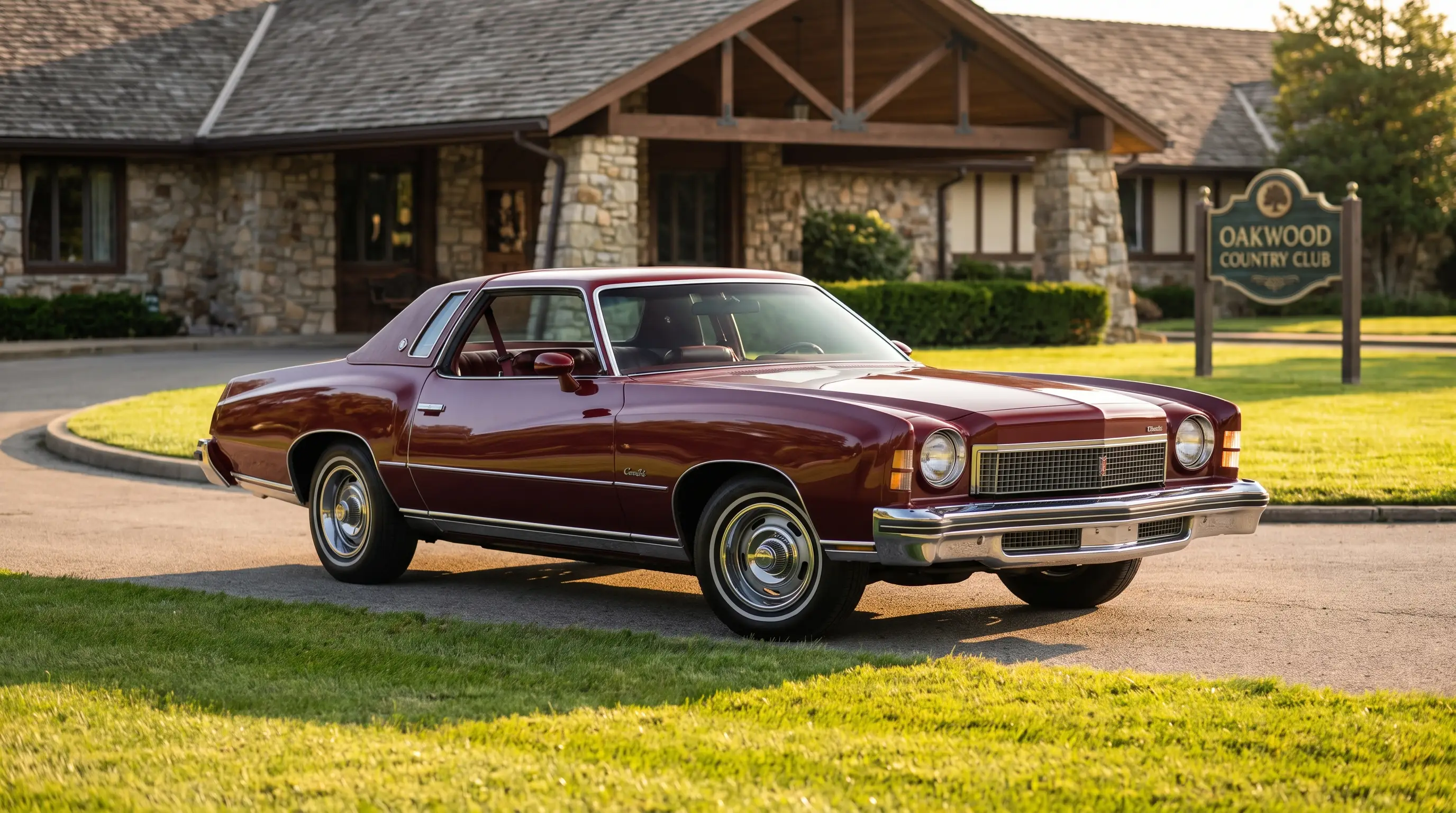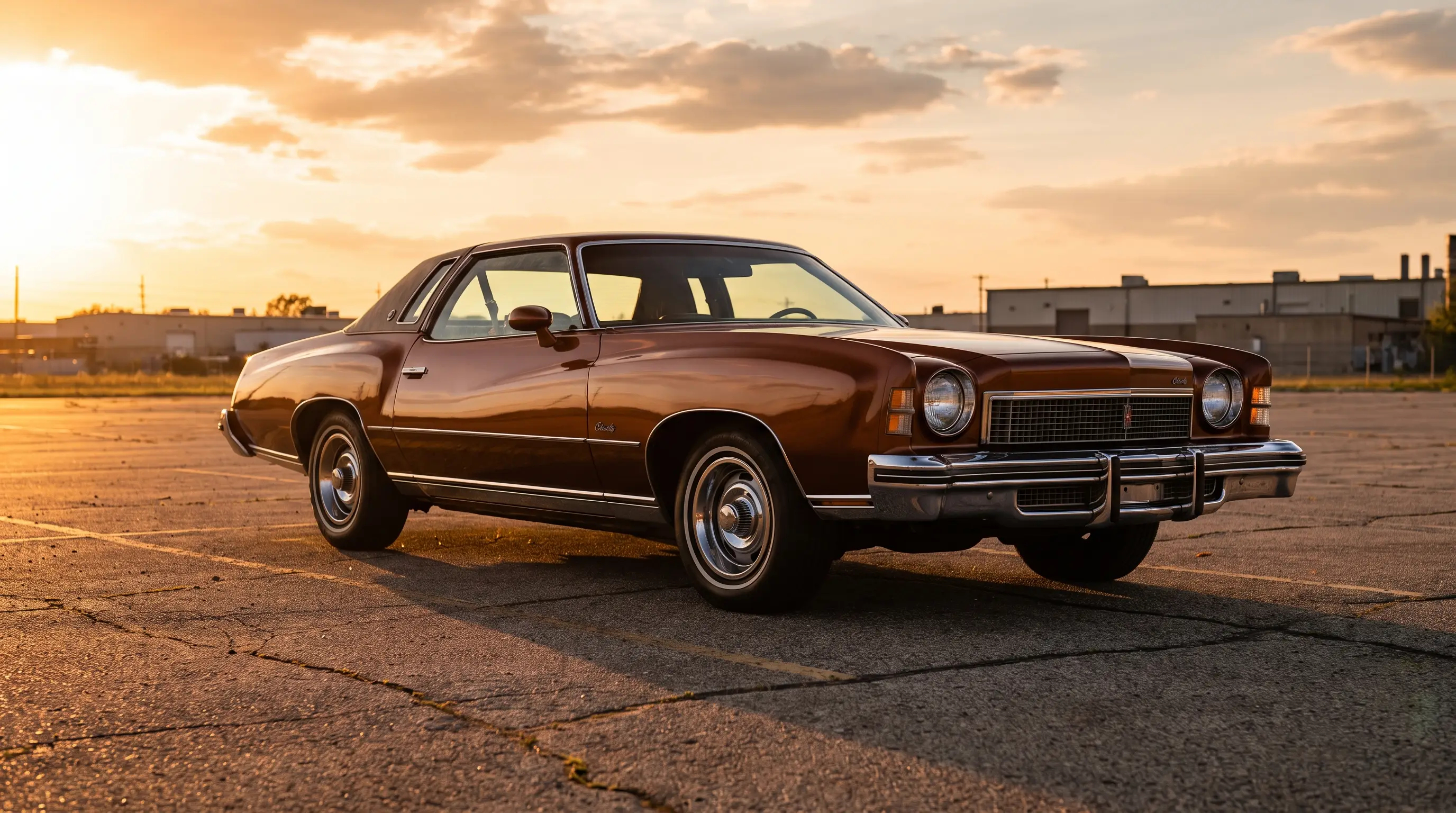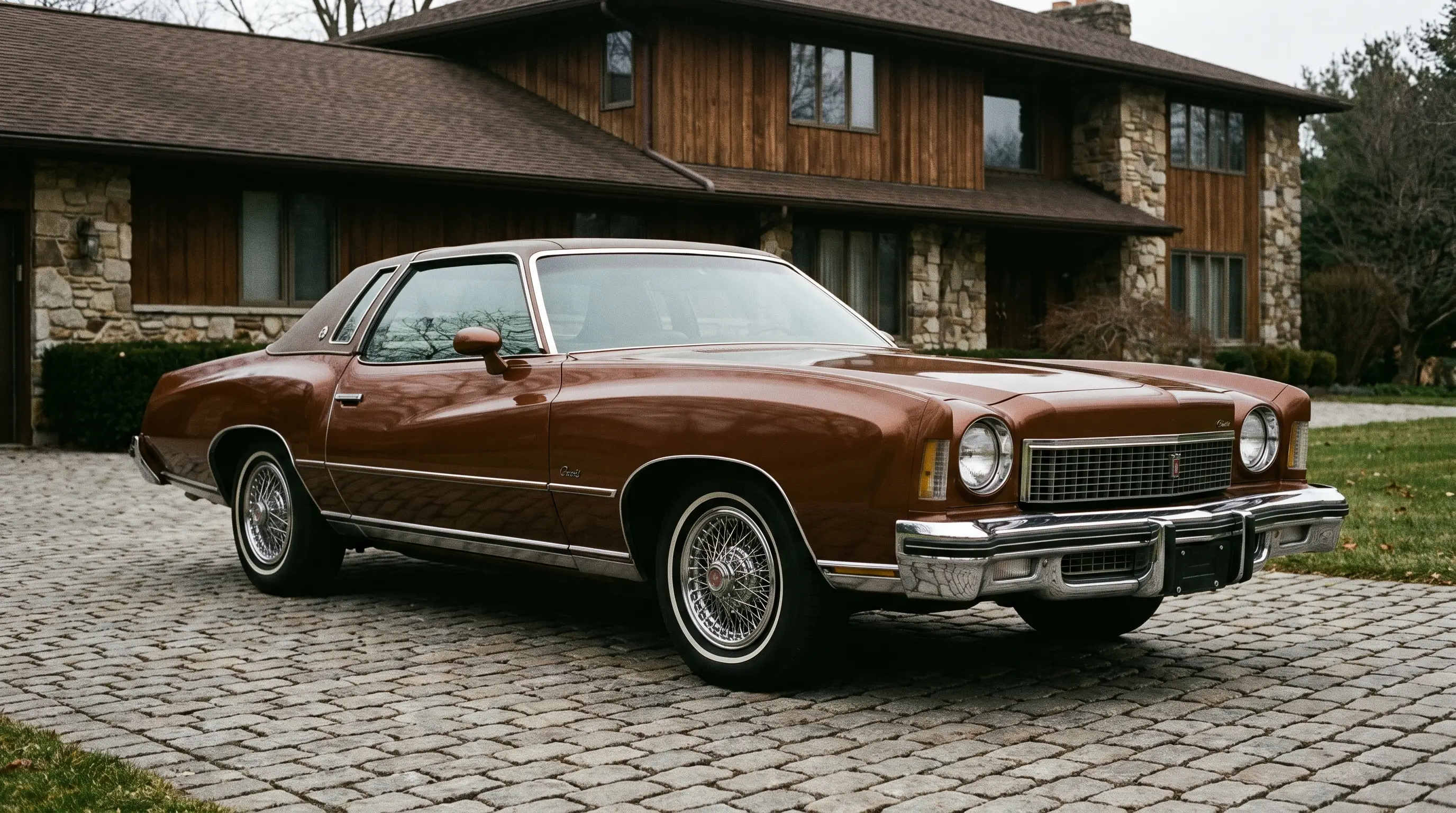
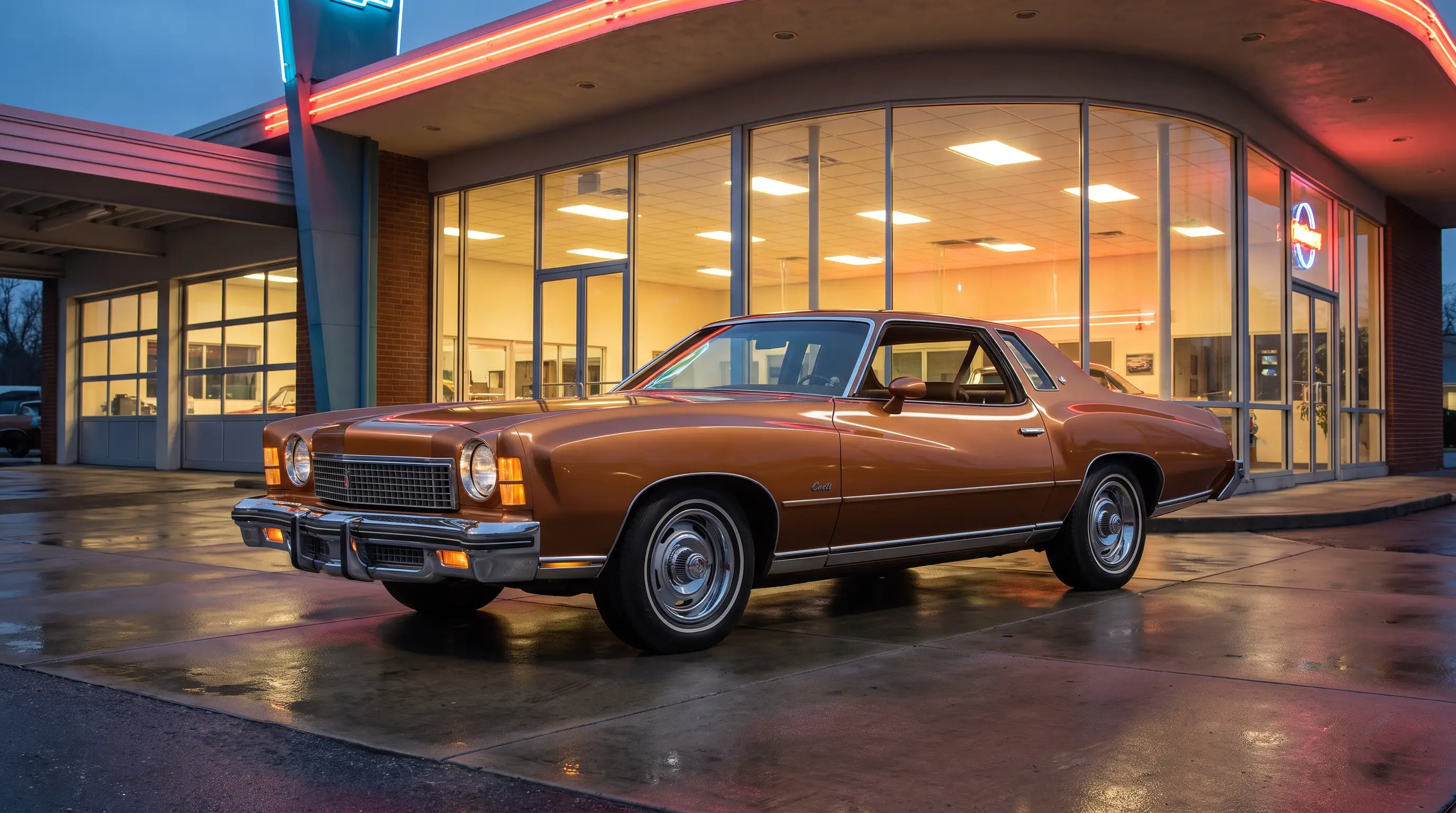
An award from a car magazine can be a marketing footnote or it can be a genuine turning point in how a model is remembered. For the 1973 Monte Carlo, Motor Trend's Car of the Year recognition was the latter. It arrived at the precise moment Chevrolet needed independent validation that its expensive, ground-up Colonnade redesign had actually worked, and the industry took notice.
What the award was actually judging
Motor Trend's Car of the Year selection in the early 1970s was not a popularity contest decided by circulation numbers. Staff editors drove and evaluated the full field of new or significantly redesigned models each year against engineering merit, value, and how well a car executed its stated mission. For 1973, the Monte Carlo was competing in a year full of new Colonnade-body General Motors intermediates, meaning it was being judged against very close corporate siblings as well as outside competition. Winning under those conditions said something specific: this was not simply a facelift dressed up as news. Editors recognized a genuinely coherent piece of engineering and design work.
The redesign had replaced the pillarless hardtop structure of the 1970-72 first-generation Monte Carlo with a new body built around fixed door frames and reinforced pillars, a response to anticipated federal rollover regulation. Plenty of manufacturers handled similar mandates with compromised, awkward results. Chevrolet did not, and the trade press evaluation reflected that.
Why 1973 needed the validation
Personal luxury coupes were a genuinely lucrative and closely watched segment by 1973, with the Pontiac Grand Prix, Oldsmobile Cutlass Supreme, and Ford's own entries all fighting for the same buyer. Chevrolet had invested heavily in re-engineering the Monte Carlo rather than simply carrying the first generation forward with trim updates, and that kind of investment carries real risk. An industry award functioning as third-party confirmation that the money had been well spent mattered to dealers making stocking decisions and to buyers weighing a purchase against established competitors.
That validation shows up in the sales figures that followed. Buyers who might have been undecided between the Monte Carlo and a Cutlass Supreme or Grand Prix had one more reason to choose Chevrolet, and dealers had a concrete selling point beyond styling opinion.
How the win aged
Industry awards from any single year can look questionable in hindsight once a car's flaws surface over decades of ownership. The 1973 Monte Carlo has held up better than most. Its structural rigidity improvements over the first-generation car were real and measurable, its interior packaging was genuinely more usable, and the styling that earned praise at launch has aged into a design enthusiasts still rate highly. That combination, an award that reflected substance rather than a passing trend, is part of why collectors researching the car today treat the recognition as more than trivia.
For our complete history of the 1973 redesign, the award is one data point among many, but it is a useful one because it comes from a source with no financial stake in the outcome. Independent recognition from the period carries weight that retrospective enthusiast opinion, however well informed, cannot fully replicate.
"Trade press awards from the 1970s get dismissed too easily by people who never actually read what the judges said. The 1973 Monte Carlo win was about engineering discipline, not styling flattery."
- Sarah Whitfield
What editors were actually driving that year
The 1973 Motor Trend judging field was unusually competitive precisely because General Motors had multiple divisions launching new Colonnade-body intermediates in the same calendar year. That meant the Monte Carlo was not simply the newest thing on the lot; it was one of several credible entries from the same corporate parent, each engineered on closely related underpinnings but finished with distinct styling and market positioning. Editors driving the Monte Carlo alongside the Grand Prix and other GM intermediates that year would have felt the shared platform DNA immediately, which makes the Monte Carlo's individual win more notable rather than less. It stood out from siblings built on the same bones, not just from unrelated competitors.
Road test notes from the period consistently praised the car's ride quality and structural rigidity relative to the outgoing first-generation model, attributing much of the improvement to the new Colonnade body's reinforced pillar structure. That structural gain was not just a rollover-compliance checkbox. It genuinely reduced cowl shake and body flex that testers had noted as weaknesses in the 1970-72 cars, and the difference was apparent enough in back-to-back testing to factor directly into the award decision.
Chevrolet dealers leaned on the Car of the Year designation in print advertising and showroom materials well into the following model year, a common practice for any manufacturer lucky enough to win, but one that mattered more here given how crowded the personal luxury segment had become. A prospective buyer weighing a Monte Carlo against a Grand Prix or Cutlass Supreme in a showroom in early 1974 would very likely have seen that award referenced directly in sales literature, and salespeople of the era were trained to bring it up unprompted during a walkaround.
That kind of sustained marketing use extended the award's practical value well past the initial announcement, embedding it in the car's reputation in a way that a lot of period accolades, forgotten within a single sales season, never achieved.
What this means for today's buyers
A period award does not change what a specific surviving car is worth on its own condition and documentation, but it does inform how seriously a buyer should take the design as a whole. This was not a car that simply looked good in a showroom for one season. It was recognized by an outside authority as a genuinely well-executed redesign, and that assessment has largely been vindicated by how the model has held its reputation over fifty years.
Anyone weighing whether to find a classic Monte Carlo from this specific model year should know they are looking at a car that earned its reputation from people whose job was to be skeptical, not just from nostalgia that accumulated afterward.
It is worth remembering, too, that the automotive press of the early 1970s was not shy about criticizing General Motors products when they deserved it. Body integrity complaints, quality control issues, and awkward ergonomic decisions on other GM models from the same period were called out plainly in the same publications that praised the Monte Carlo. That willingness to criticize elsewhere in the same lineup is exactly what makes the Car of the Year win credible rather than a foregone conclusion handed to a favored manufacturer. Editors were not simply rewarding Chevrolet by default. They were rewarding a specific car that happened to execute its redesign better than its own corporate siblings that same year.