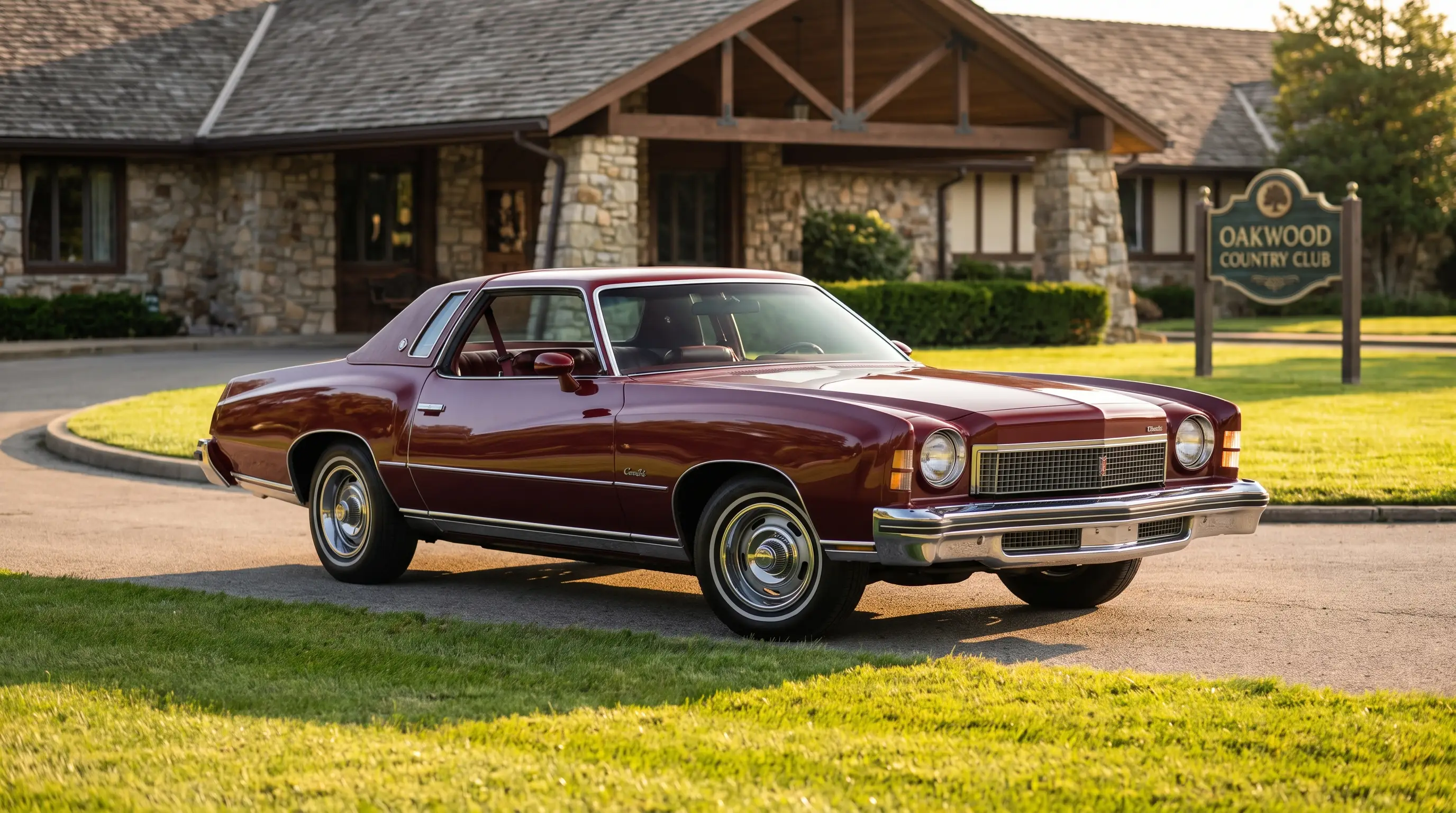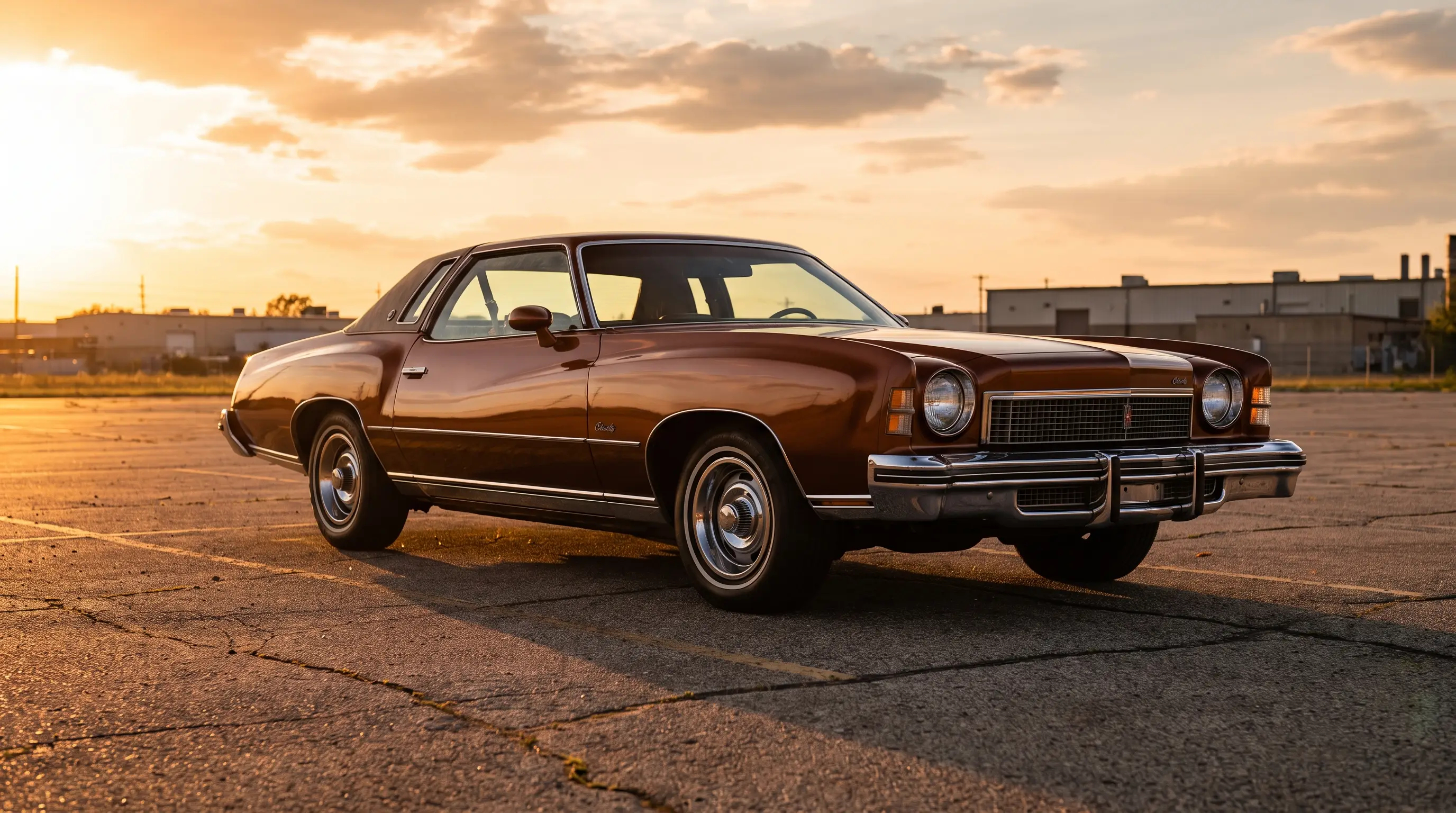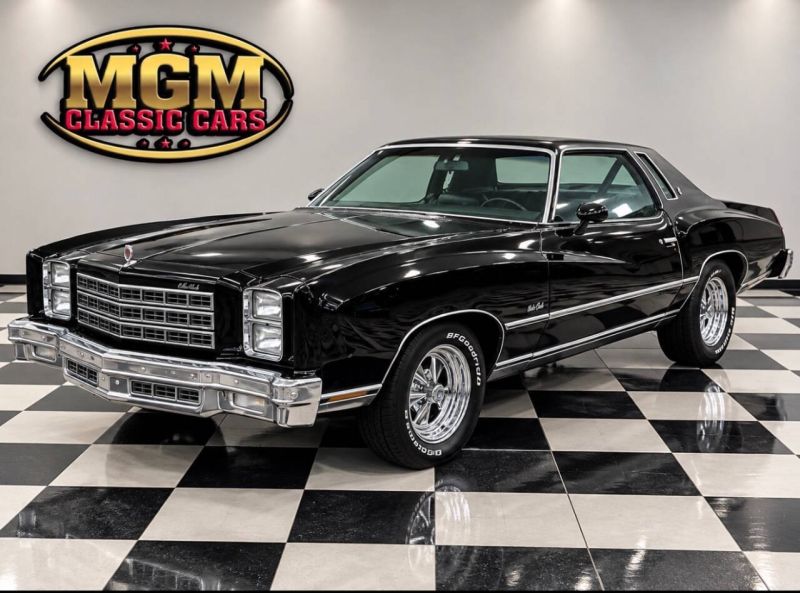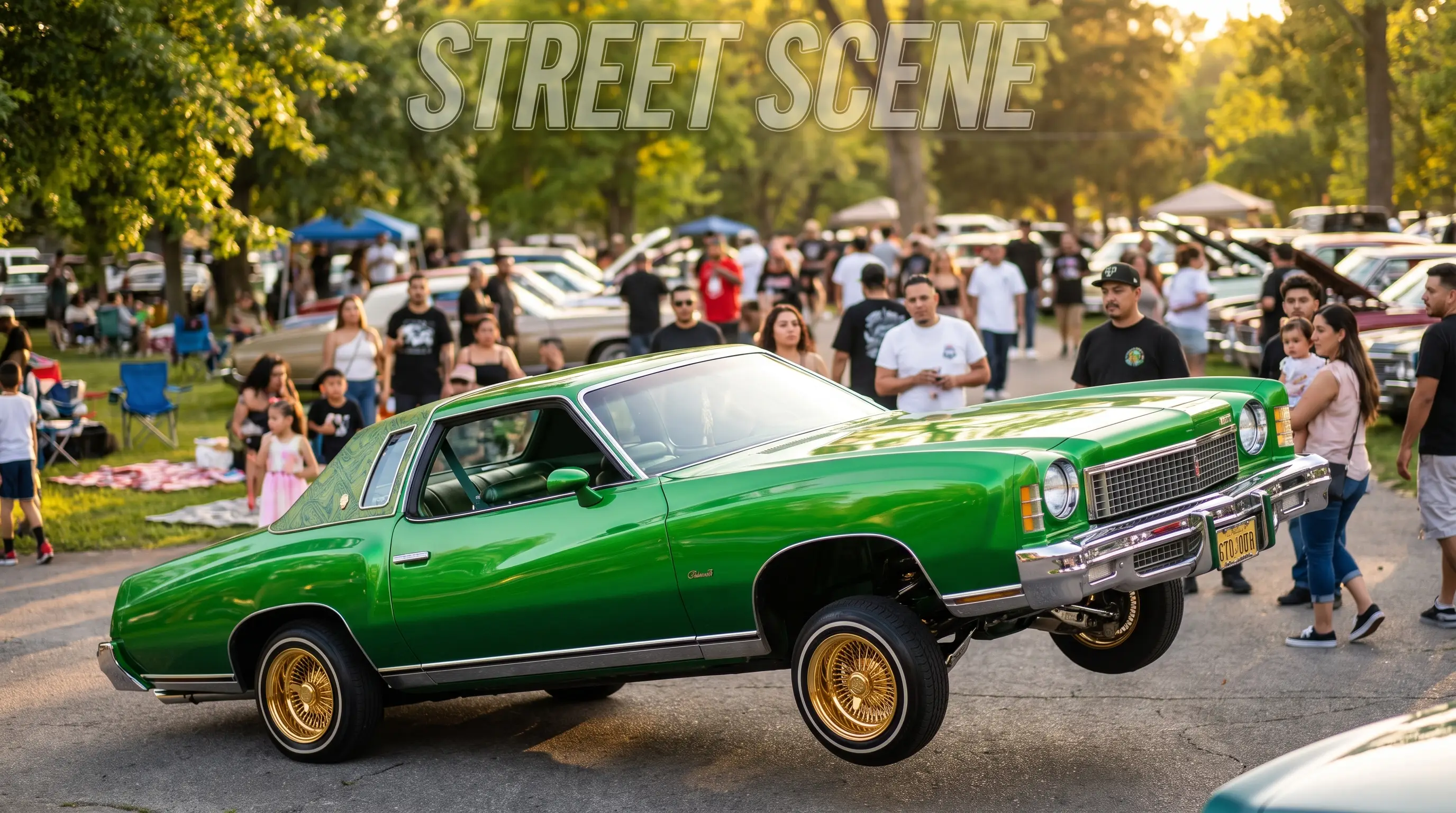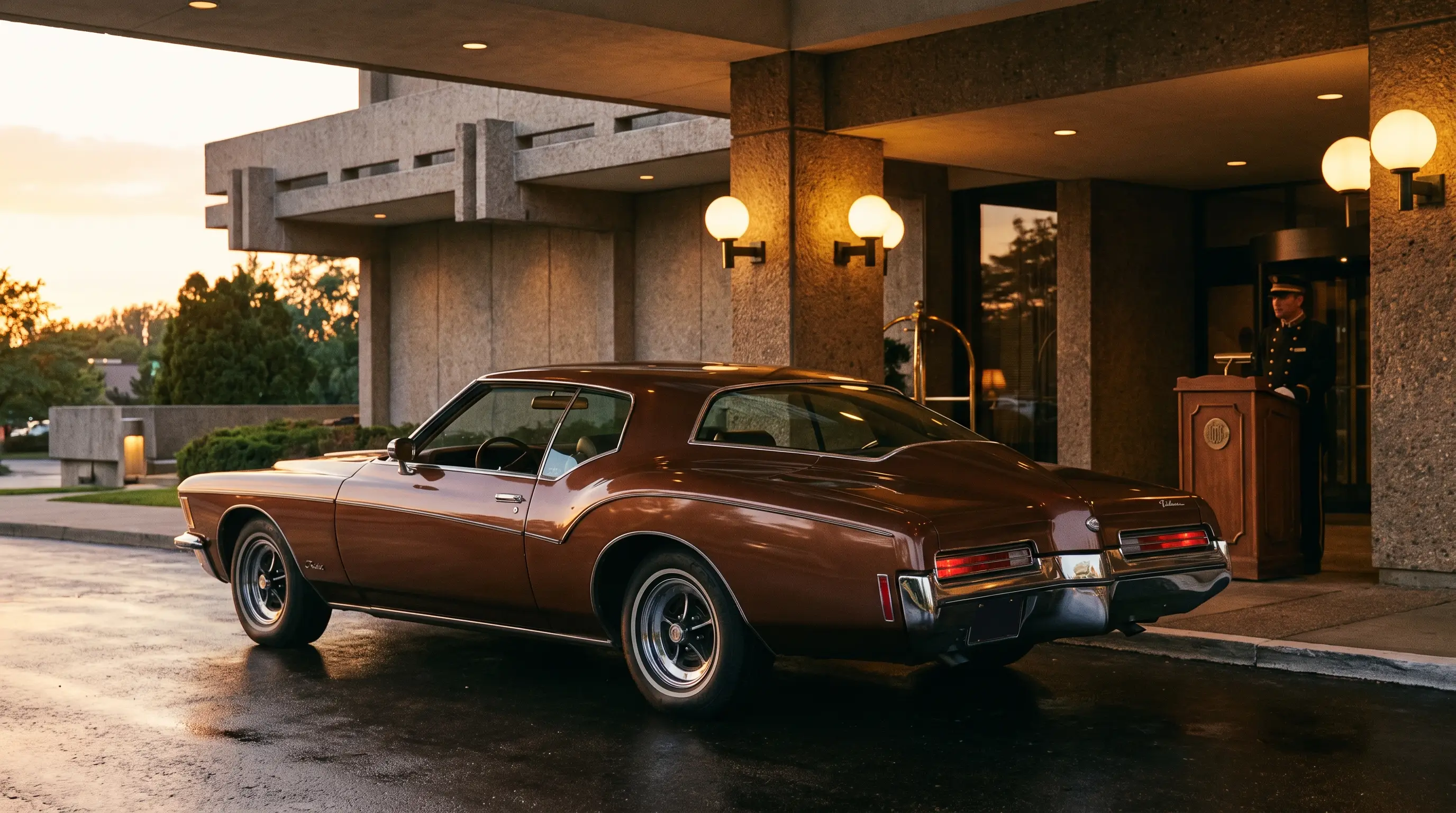
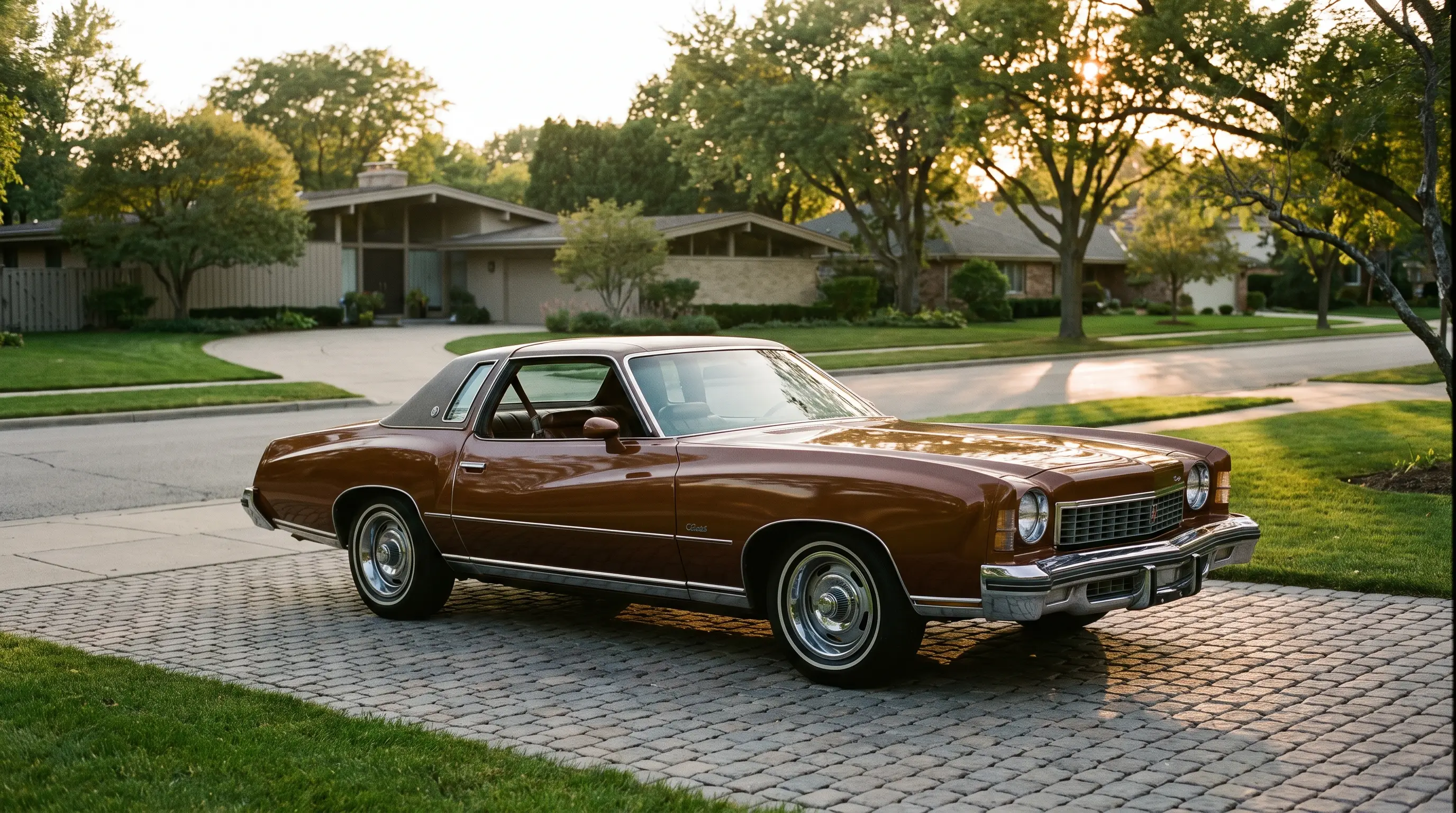
The 1973 Chevrolet Monte Carlo sits at an odd spot in market data. It is not the rarest year, not the fastest, and not the one collectors chase first. Yet when you pull auction results and classified pricing across the Colonnade generation, 1973 keeps showing up as the year buyers point to when they talk about the Monte Carlo legacy and personal luxury peak the nameplate reached before the fuel crisis reshaped the segment. The numbers back up the sentiment, and the case for the monte carlo 1973 legacy personal luxury peak is worth unpacking.
What the sales figures actually say
Chevrolet moved 233,689 Monte Carlos in the 1973 model year, up sharply from 180,819 in 1972 and 112,599 in 1971, a new sales record for the nameplate. That volume matters to a market analyst because it tells you two things at once. First, General Motors had found real demand for a mid-size coupe dressed as a small luxury car. Second, it means 1973 cars are not scarce today, which keeps entry prices reasonable even as the best examples climb.
Compare that to 1970 and 1971, when the Monte Carlo was still finding its footing, and the difference is stark. The 1973 redesign, heavier, plusher, riding on a new Colonnade body with fixed rear glass and thick pillars, is the version that convinced buyers this was a legitimate alternative to a Thunderbird or a Grand Prix. Production numbers do not lie about market acceptance, and 1973 is where the acceptance became mainstream.
Pricing across the condition spectrum
Today a rough driver 1973 Monte Carlo trades in the low five figures. A solid, unmolested Landau with the vinyl half roof and clock package moves into the mid teens. Concours-level cars with documented history and the 454 big block option can clear $25,000, though that ceiling is soft and depends heavily on originality paperwork. What is notable is how tight the spread is compared to muscle-era Chevelles from the same showroom floor. The Monte Carlo was never built to be raced, so nobody is paying a premium for a matching numbers drivetrain the way they would for an SS 454. Buyers here are paying for condition and presentation, full stop.
That changes the math for anyone shopping the model. A rough 1973 is not a project car with huge upside potential. It is a car whose value ceiling is fairly well established, so the discipline is buying condition rather than buying potential.
| Metric | 1973 Monte Carlo detail |
|---|---|
| Model year production | 233,689 units |
| Base engine | 350 cubic inch V8 |
| Optional engine | 454 cubic inch Turbo-Jet V8, 245 hp |
| Body style | Colonnade hardtop coupe, fixed rear glass |
| Rough driver value | Low five figures |
| Concours ceiling | Around $25,000, condition dependent |
Why the personal luxury label sticks to this year
The personal luxury car segment was crowded by 1973. Ford had the Thunderbird and the Elite waiting in the wings, Pontiac had the Grand Prix, and Oldsmobile was leaning hard into the Cutlass Supreme. What separated the Monte Carlo that year was the way Chevrolet priced it against its own lineup. It cost meaningfully more than a Chevelle coupe but delivered a genuinely different ownership experience, isolated ride, a quieter cabin, more brightwork, and options that pushed it toward Cadillac territory without the Cadillac invoice.
That positioning is why the 1973 car reads as the peak of the idea rather than just another model year. It is the point where the formula clicked with buyers at scale, before the 1974 fuel shock started nudging shoppers toward smaller, cheaper coupes and before insurance costs began eating into the big block options that made the car feel special.
The buy or pass call
For a buyer asking whether a 1973 Monte Carlo belongs in a collection built around returns, the honest answer is that it is a hold, not a flip. Values have been steady rather than spiking, and that steadiness is actually the appeal. You are not chasing a speculative bubble. You are buying a well documented slice of early 1970s Detroit luxury thinking at a price that has not run away from regular buyers the way muscle car pricing has. If the goal is driving enjoyment and a manageable entry cost, this is a green light. If the goal is a quick flip for profit, look elsewhere.
Readers who want the fuller story of this specific model year, including the trim breakdown and the Landau package details, should check more on the 1973 monte carlo, and anyone tracing the nameplate from its 1970 debut through the G-body years will want our complete history for the full arc.
"Every market has a year where the idea and the buyer finally line up. For the Monte Carlo, that year is 1973, and the pricing data has stayed remarkably consistent about it for two decades."
- David Mercer
Where the demand sits right now
Current listing activity shows the biggest clusters of interest around Landau trim cars in original colors, particularly the darker greens and browns that read as period correct rather than a later repaint. Buyers are also paying attention to option sheets now more than they did a decade ago, tilt wheel, power windows, and the console shifter all add a few hundred dollars to asking prices when documented. None of that is dramatic, but it is measurable, and it points to a market that has matured past casual nostalgia buying into something closer to informed collecting.
For shoppers ready to act, classic Monte Carlos on the market right now include a mix of driver quality and restored examples, which is exactly the range this generation rewards. There is no need to overpay for a rare option combination here. The car's value case rests on condition, honest history, and the simple fact that 1973 remains the year the Monte Carlo proved personal luxury could sell at Chevrolet volume.
Reading the paper trail before you pay
Documentation is where a lot of 1973 deals fall apart, and it is the single biggest lever a buyer has over final price. A build sheet, original window sticker, or dealer invoice can move a car up a full pricing tier because it settles arguments about engine originality and option authenticity before they start. Sellers who cannot produce anything beyond a title tend to get discounted accordingly, even when the car in front of you looks identical to the documented one parked next to it.
This is where the Colonnade generation differs from earlier muscle era Chevrolets. Nobody is verifying a cowl tag against a casting number to chase six figures. The stakes are lower, which means a careful buyer with patience can often talk a seller down simply by asking for paperwork the seller does not have. It is a quiet advantage, but it is a real one, and it is the kind of leverage that data driven buyers use routinely in this corner of the market.
The takeaway for anyone entering this segment is straightforward. Treat the 1973 Monte Carlo as a documentation play first and a mechanical inspection second. The engine bays on these cars are simple and well understood by any competent shop. What is harder to verify after the fact is whether the car in front of you actually wore the options it claims, and that is exactly the gap a clean paper trail closes.