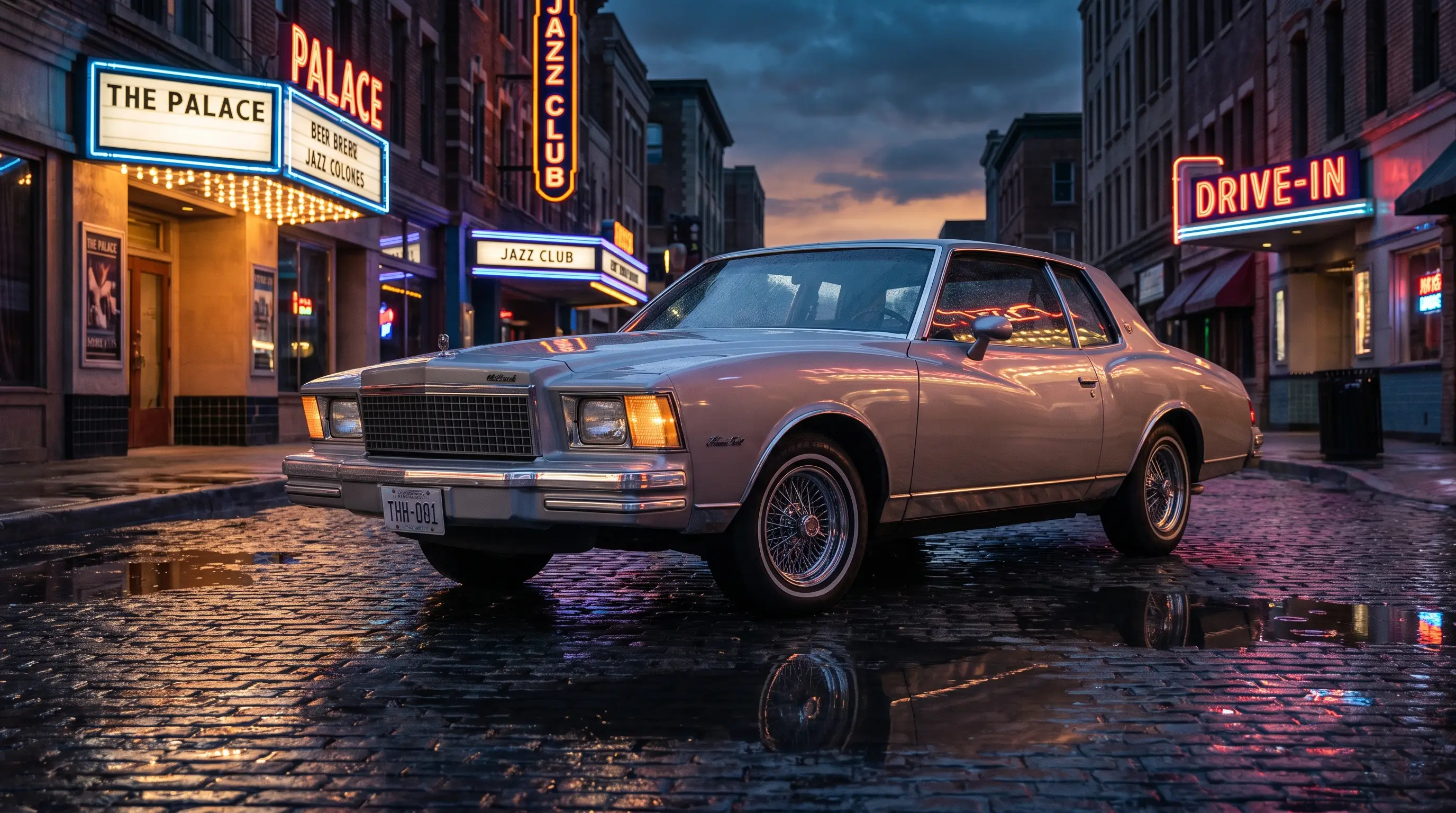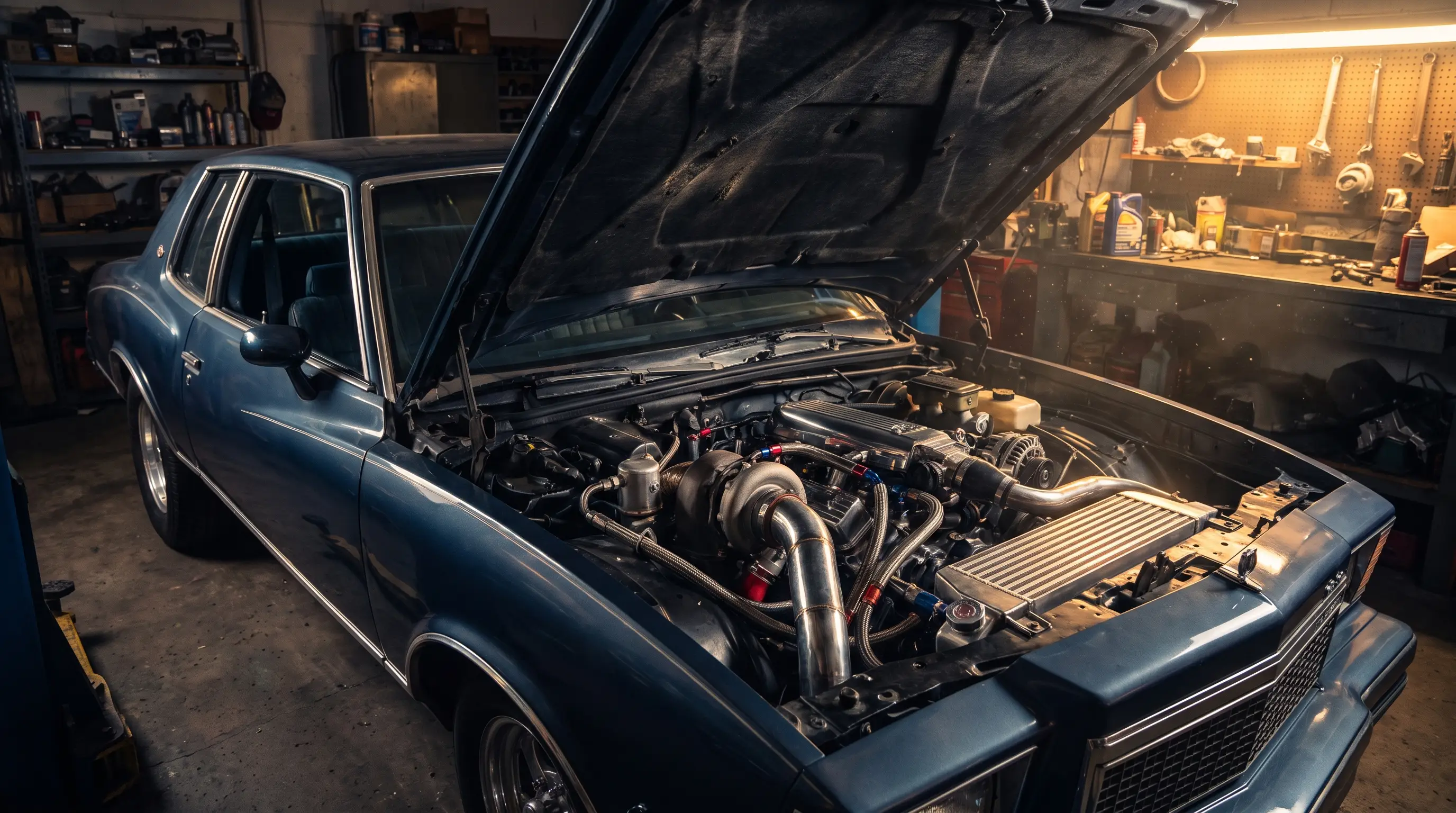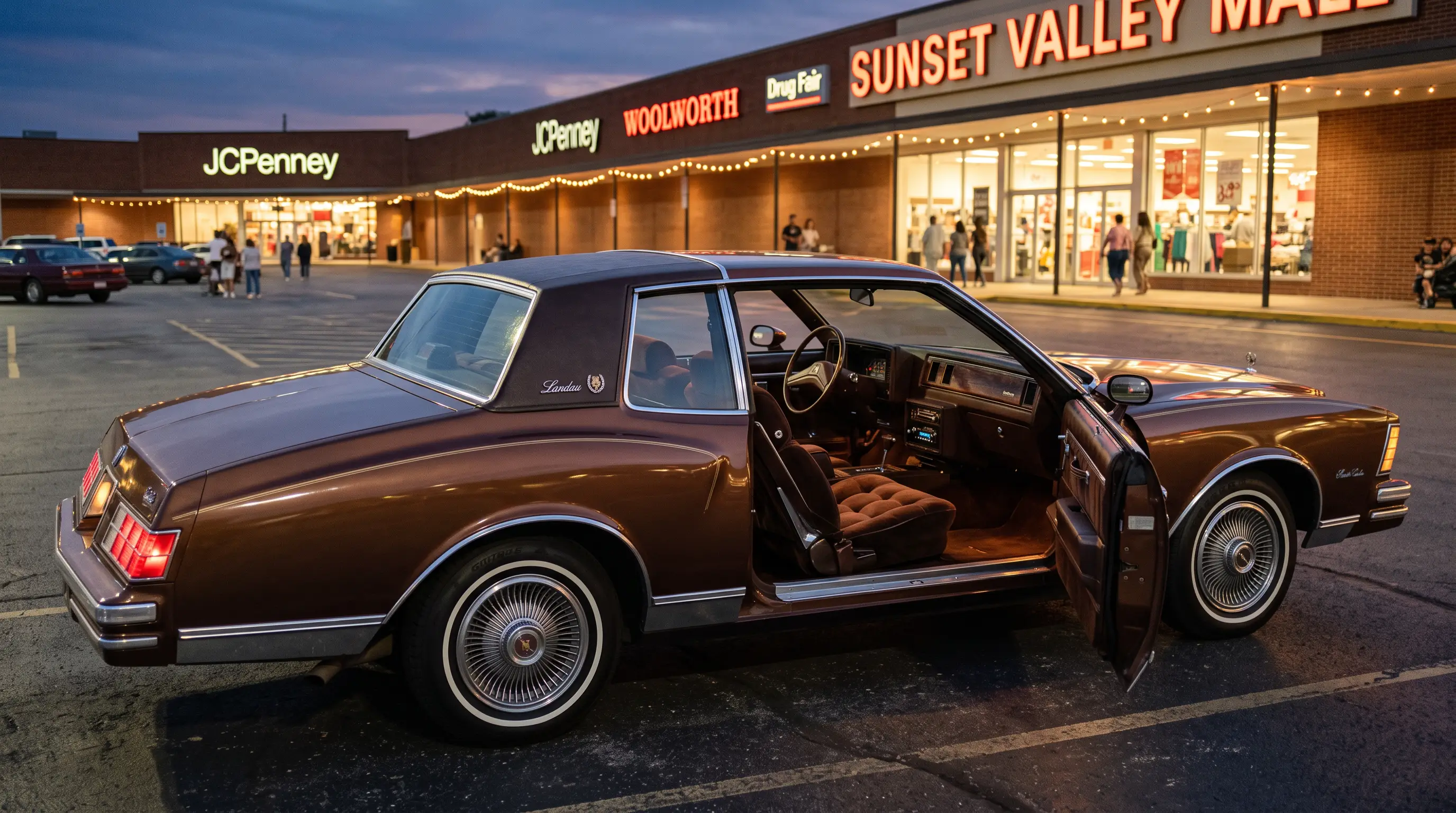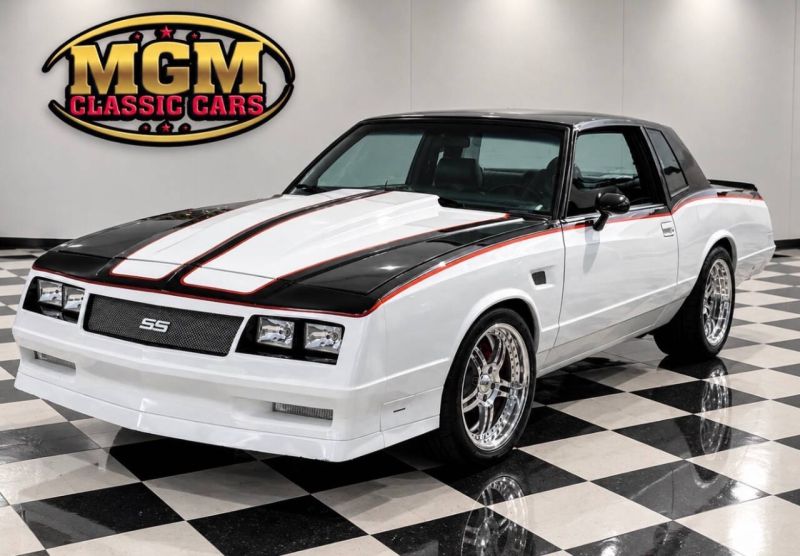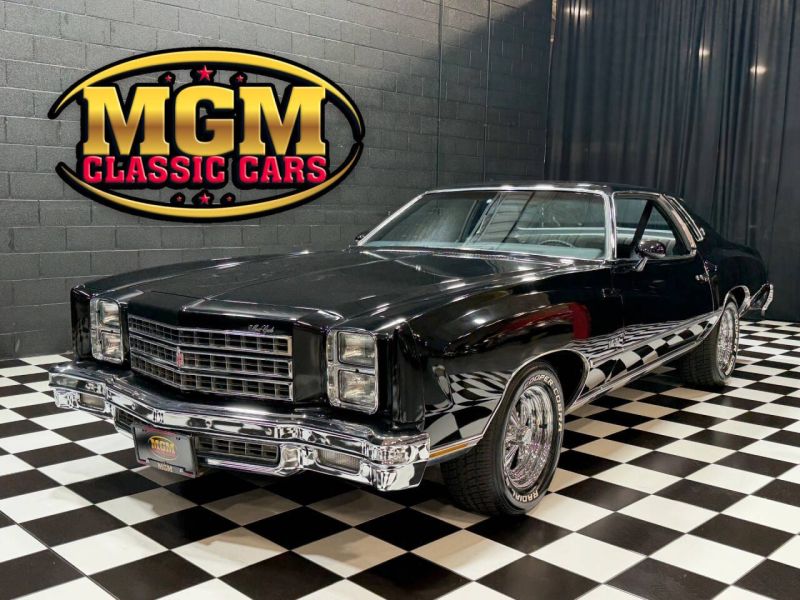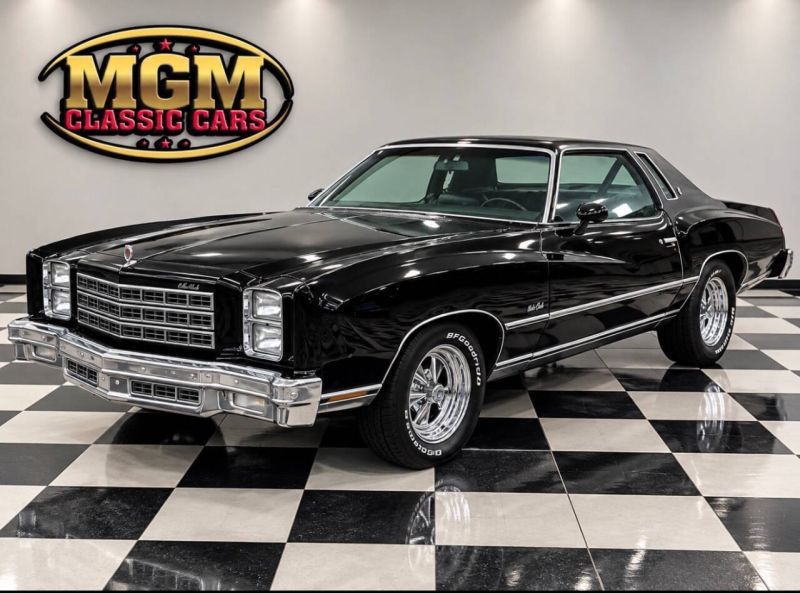
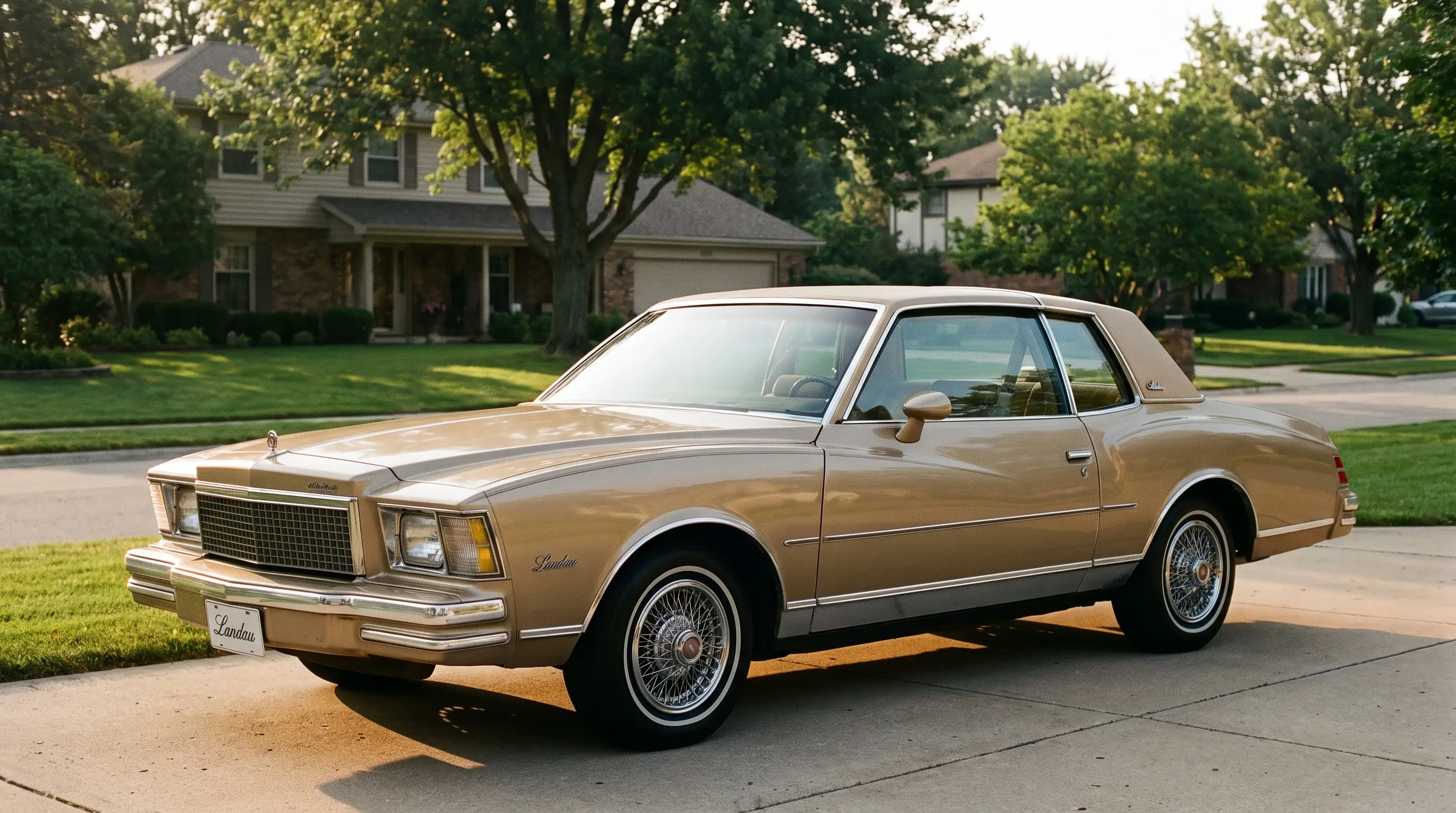
You can tell a lot about a car from its C-pillar, and the 1978 Monte Carlo's formal roofline is where the whole downsizing gamble either paid off or fell apart. Chevrolet shrank the car's length and weight for 1978, and the easiest way to lose a sale on a smaller coupe is to make it look smaller too. The monte carlo 1978 styling formal roof solved that problem, and after thirty-plus years of pulling these bodies apart in the shop, I can tell you it is the single smartest design decision Chevrolet made on this generation.
What "formal roof" actually means on the body
A formal roofline is upright, close to vertical glass at the rear window, a defined trunk line, and a greenhouse that reads as separate volume from the hood and deck rather than one continuous swoop. Compare that to the fastback or semi-fastback profiles Chevrolet had used on earlier Monte Carlos, where the roof tapered down toward the trunk in one long line. The 1978 car ditched that entirely. The rear window sits nearly upright, the C-pillar is wide and heavily padded on most trim levels, and the deck lid is short and flat. On the shop floor, you notice this in the sheet metal itself: the quarter panels and roof skin meet at sharper, more deliberate angles than the softer transitions on a 1970 to 1977 car.
That upright glass and wide pillar were not accidents of an engineer running out of budget. They were the whole point. A shorter, lighter car risks looking cheap next to its predecessor, and Chevrolet's stylists countered that by making the greenhouse look substantial even as the overall footprint shrank. It worked. Park a 1977 Monte Carlo next to a 1978, and the newer car reads as the more formal, more expensive-looking machine despite being smaller in every dimension that matters.
Why this mattered more than horsepower
Chevrolet was selling a personal luxury coupe into a market that had just watched fuel prices spike and full-size cars fall out of favor. Buyers in this segment were not cross-shopping on quarter-mile times. They wanted a car that looked like it belonged in a driveway next to a nice house, and the formal roof did that job better than any spec sheet number could. The vinyl-clad landau roof option, sold heavily alongside this bodystyle, doubled down on the same idea: make the coupe look substantial, formal, and a step above the ordinary sedan sitting next to it on the lot.
From a builder's perspective, this is a body style that photographs better than it drives, and there is no shame in that. The Monte Carlo was never engineered to be a canyon carver. It was engineered to look right parked outside a country club or a church on a Sunday, and the roofline is doing most of that visual work.
What to check if you are restoring or buying one
The formal roof's flat panels and sharp creases are unforgiving of rust and bad bodywork in a way a curvier design is not. A wavy quarter panel or a poorly aligned C-pillar stands out immediately on this body style because there is so little curvature to hide a mistake. When I look at a prospective purchase, I run my hand along the roof skin where it meets the pillar, checking for filler that has been laid on thick to smooth an uneven repair. Sunlight raking across the roof at a low angle will show waviness that fluorescent shop lighting hides completely, so always inspect these cars outdoors if you can.
The vinyl roof option, common on this generation, is its own inspection item entirely. Trapped moisture under vinyl rots the roof skin from the inside, and by the time you see bubbling on the surface, the metal underneath is often already compromised. Pull back an edge of the vinyl at the base of the C-pillar if the seller allows it. If they will not allow it, treat that refusal as information.
Trim details worth checking against factory photos include the wide brushed or painted C-pillar appliques used on certain trim levels, the shape and depth of the opera windows where equipped, and the rear window reveal moldings, all of which are commonly incorrect on cars that have had panels replaced without matching trim carried over.
Weatherstripping around that upright rear glass is another item that gets ignored until it fails. The nearly vertical window angle on this roofline puts more direct load on the seal than a sloped fastback design would, and a hardened or shrunken rubber gasket here shows up as water intrusion into the trunk and eventually rust in the package tray. It is a cheap part and an easy fix, but only if someone catches it before the trunk floor starts to go. I check this on every car that comes through the shop with this bodystyle, because it is exactly the kind of small thing an eager buyer overlooks while admiring the overall shape.
Door fit is worth a look too. The formal roof's proportions put a lot of visual weight on straight, consistent panel gaps along the beltline, and any car that has been in a collision severe enough to need quarter panel or door skin replacement tends to show it here first, well before you find evidence anywhere else on the body. Sight down the beltline from the front fender to the rear bumper in good light. A wave or an inconsistent gap width is a body that has been touched, and that is worth knowing before you negotiate a price.
"Anybody can slap a vinyl top on a roof and call it period-correct. The real tell is whether the C-pillar proportions and the trim underneath match what left the factory, because that is the part nobody bothers faking properly."
- Jim Vasquez
The roofline's legacy on the platform
The formal roof treatment introduced on the 1978 Monte Carlo did not stay isolated to this one model. It set the visual language for GM's shared G-body coupes through the early 1980s, and you can trace the same upright glass and defined C-pillar across the Buick Regal, Oldsmobile Cutlass Supreme, and Pontiac Grand Prix of the same era, each with its own trim details layered on top of a similar basic proportion. Understanding why Chevrolet committed to this look on the Monte Carlo specifically helps explain a design decision that shaped an entire generation of GM's mid-size coupes, not just one nameplate.
If you want where this started, the full downsizing story covers the platform and engineering decisions that made this roofline the right call for the car's size and mission. For anyone shopping this generation now, body condition on a formal-roof car is worth more scrutiny than most sellers volunteer, so take your time and look closely before you commit to classic Monte Carlo for sale listings in this era.
Sources and notes
- Hagerty: 1978 Chevrolet Monte Carlo Landau, Downsized Decadence
- Mac's Motor City Garage: A New Dimension in Luxury, The 1978 Chevrolet Monte Carlo
- Wikipedia: Chevrolet Monte Carlo
- Motogallery: 1978-1980 Chevrolet Monte Carlo Base, 3rd Gen Buyer's Guide
- Ate Up With Motor: Disco-Era Darling, The Chevrolet Monte Carlo