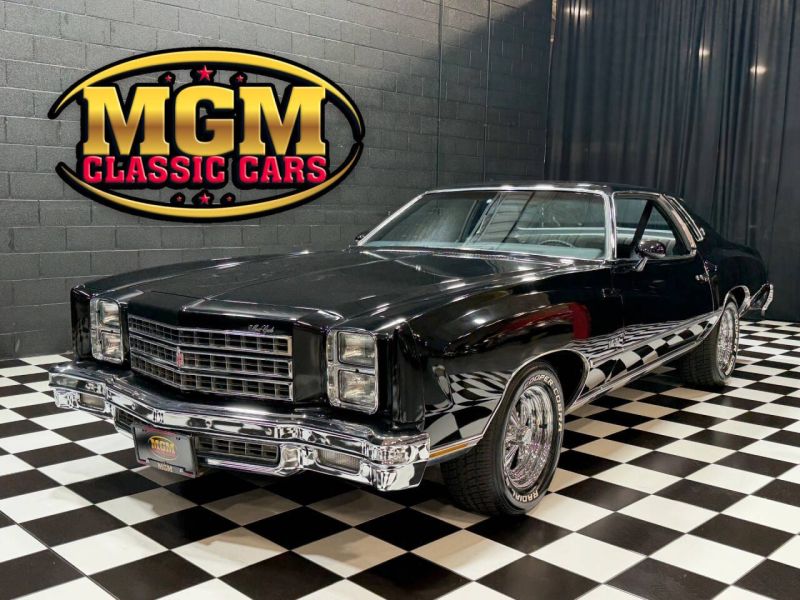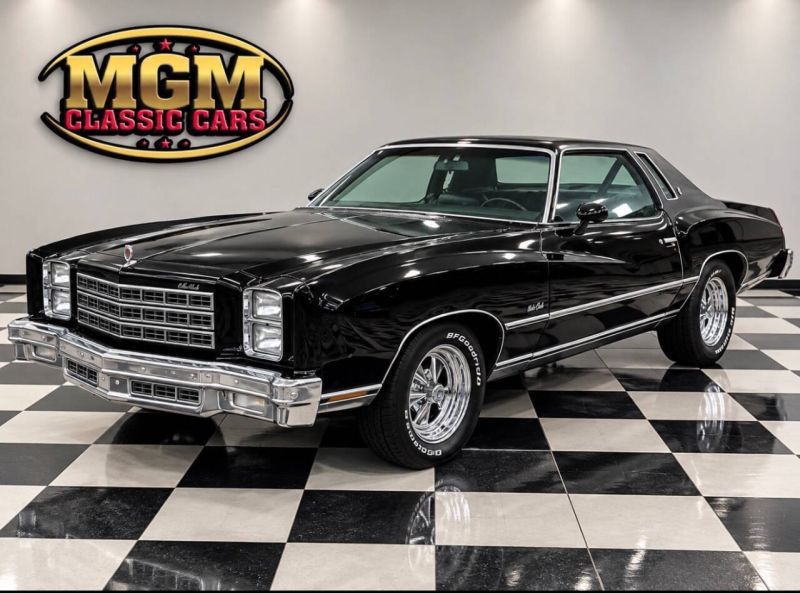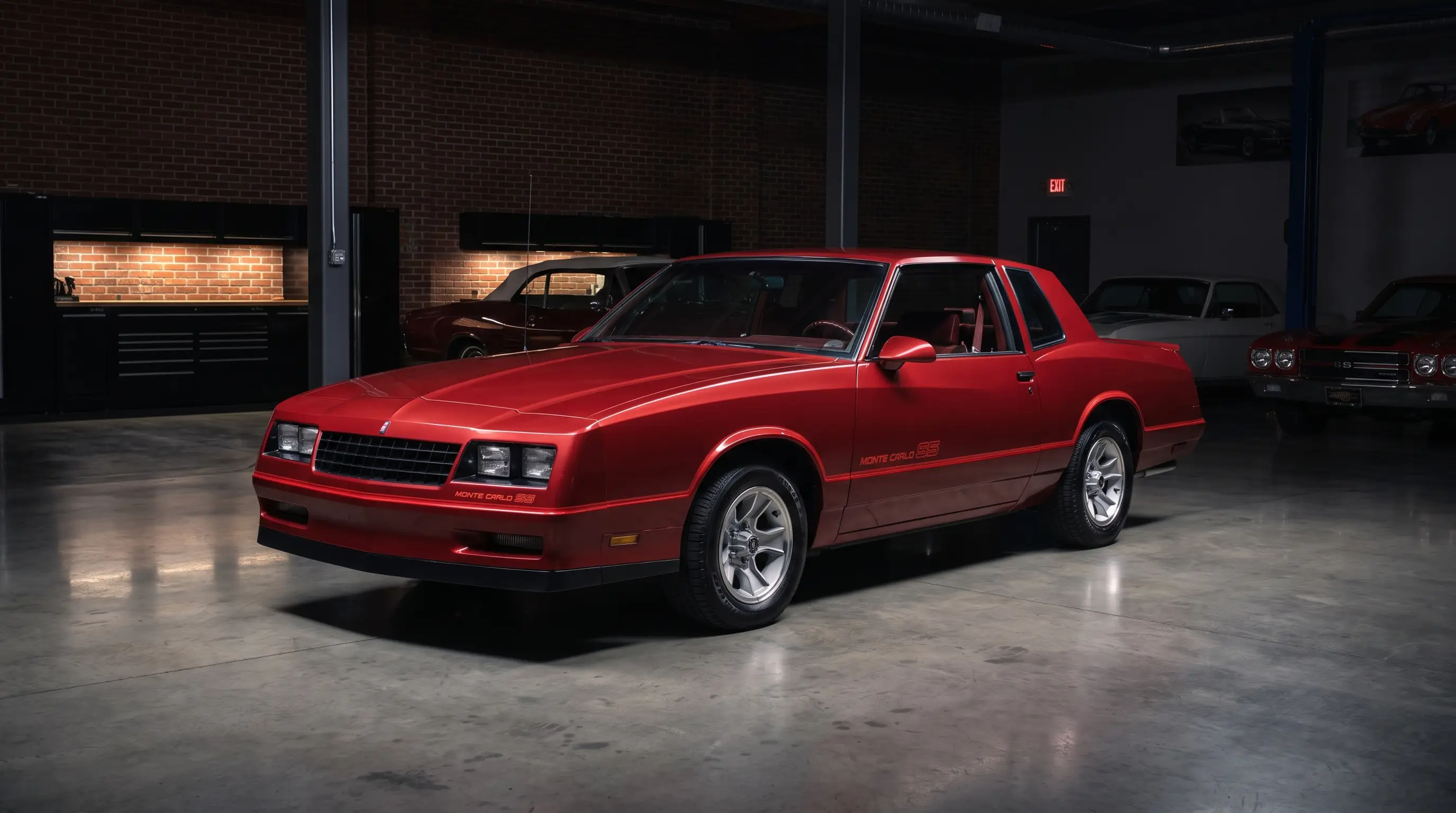
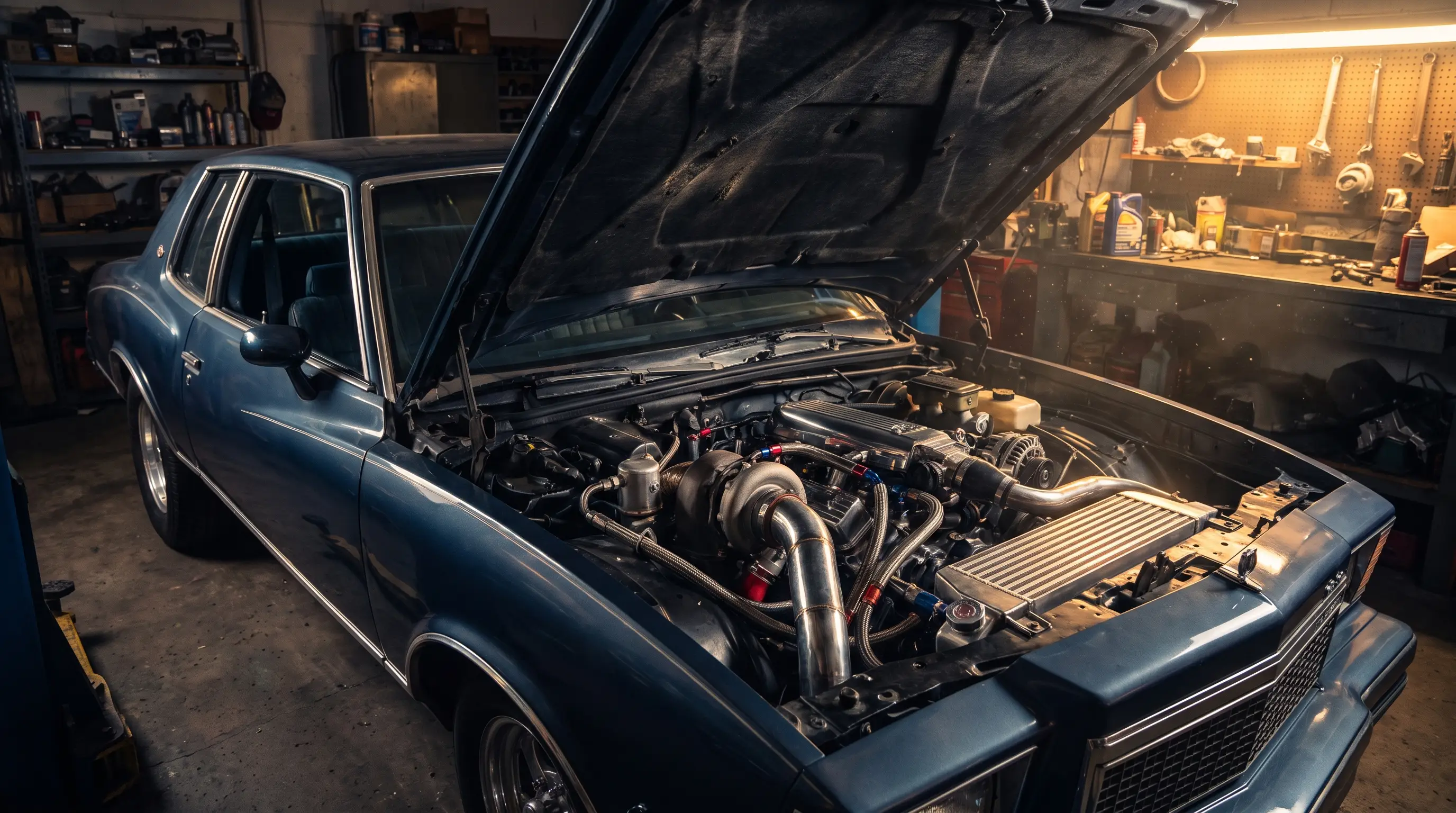
Ask a Monte Carlo owner what powered the 1978 model and you will hear about the 305, maybe the 200 V6 that came standard, occasionally the 267. Almost nobody mentions a turbocharged six, and that is understandable, because General Motors treated the option as barely worth documenting at the time. The monte carlo 1978 turbo v6 oddity is a genuine footnote rather than a headline chapter, but it belongs in the record, and it says something honest about how nervous the corporation was during the downsizing years.
What General Motors actually had on the shelf
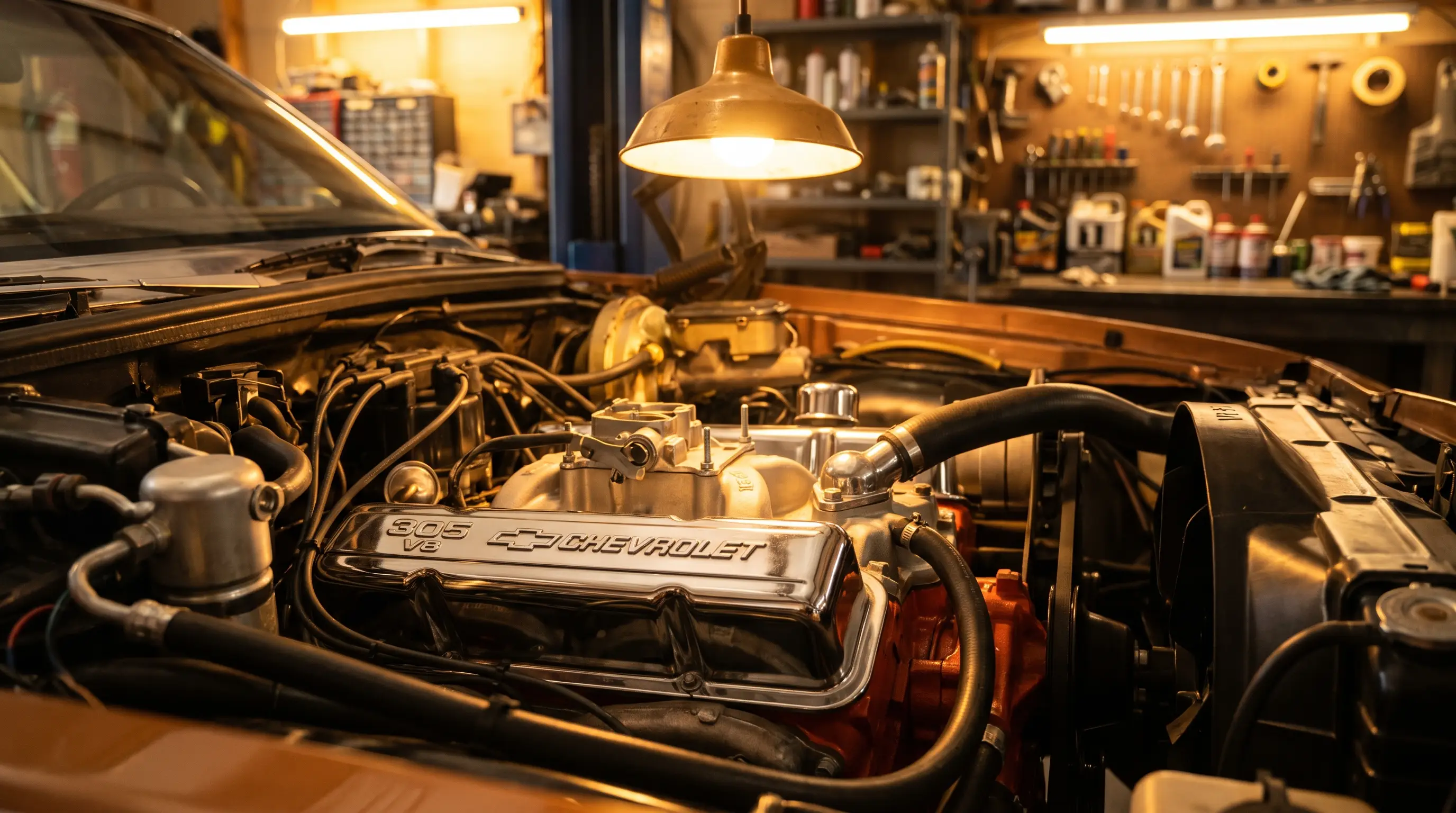
By the late 1970s, Buick had already put real engineering hours into a turbocharged 3.8 liter (231 cubic inch) V6, chasing the same problem every GM division faced after the 1973 and 1979 fuel shocks: how to deliver acceptable performance without the displacement that regulators and buyers alike were turning against. Buick's turbo six reached production in 1978, debuting in the Regal and LeSabre Sport Coupes before expanding to the Century and Riviera for 1979, and it was refined through several running changes to carburetor tuning and boost control that gave it a reputation for being finicky in early form. Because GM's G-body platform shared architecture and engine bays across Chevrolet, Buick, Oldsmobile, and Pontiac, the turbocharged six was mechanically compatible with the Monte Carlo's engine compartment well before Chevrolet ever offered it on an order sheet.
That compatibility is the root of the oddity. Engineering documentation and period parts catalogs show the turbo six was engineered with cross-platform fitment in mind, and prototype or limited-run Monte Carlos are reported to have carried it during evaluation, even though it never became a catalog option for Chevrolet buyers in any documented meaningful volume. The distinction matters to a researcher: an engine being mechanically possible in a chassis is not the same as an engine being sold to the public in that chassis, and the historical record on Chevrolet's own turbo six offering, if one existed at retail scale, remains thin enough that I treat specific take-rate figures as unconfirmed rather than settled fact.
Why Chevrolet did not simply adopt it
Divisional politics inside General Motors in this period were not casual. Buick had invested in the turbo six as its own performance and efficiency story, most visibly through the Regal and later the Grand National lineage, and there was internal reluctance to hand a sister division a shortcut to the same technology before Buick had fully capitalized on it. Chevrolet, for its part, already had the small-block V8 infrastructure in place and a customer base that trusted V8 badges over an unfamiliar turbocharged six. Introducing a Buick-sourced turbo engine into a Chevrolet-badged personal luxury coupe risked diluting both divisions' identities at a moment when GM was trying to differentiate its downsized lineup, not blur it.
There is also a simpler, less political explanation worth taking seriously: turbocharging in the late 1970s was not yet a mature, warranty-friendly technology. Boost control was primitive by modern standards, detonation under load was a real concern with the fuel available at the pump, and dealer technicians were not broadly trained to diagnose turbo-specific failures. Rolling that risk into a high-volume Monte Carlo, rather than a lower-volume Buick performance model where enthusiast buyers expected some rough edges, was a harder sell internally.
What survives in the historical record
Documentation from this exact corner of GM's history is genuinely uneven. Factory service literature for the Monte Carlo's engine options in 1978 through the early 1980s focuses almost entirely on the six-cylinder and V8 combinations that actually reached dealer lots, and turbo six references, where they exist at all, tend to appear in parts interchange guides and engineering bulletins rather than consumer-facing brochures. That is precisely the kind of gap a careful researcher should flag rather than paper over with a confident number pulled from an unverified forum post. I would rather tell you plainly that the take rate is unknown than invent a figure that sounds authoritative.
What is well documented is the platform-sharing itself. The G-body's engineering was explicitly built for flexibility across divisions, and the Monte Carlo, El Camino, Malibu, Regal, Century, Cutlass Supreme, and Grand Prix all drew from a common parts bin to a degree that was unusual even by GM's own standards of the era. The turbo six's presence in that shared bin is the real story here, more than any specific number of Monte Carlos that might have carried it off a factory line.
"The interesting history is rarely the engine that made it to every showroom. It is the engine that almost did, and understanding why it did not tells you more about a company's priorities than the one that succeeded."
- Sarah Whitfield
Why this matters for a 1978 Monte Carlo buyer today
Practically speaking, a shopper looking at classic Monte Carlos from this generation is not going to stumble across a factory turbo six car, and treating that possibility as a realistic find would be a mistake. The value of understanding this oddity is context, not acquisition strategy. It explains why Chevrolet's engine lineup felt conservative next to what Buick was doing with the same basic hardware, and it is a useful corrective to the assumption that GM's divisions in this period were simply badge-engineering identical cars. They were making genuinely different bets with shared parts, and the Monte Carlo's bet was on the small-block V8, not the turbocharged six.
If you want more on the 1978 monte carlo and the platform decisions behind it, that is the fuller account of why the car looked and drove the way it did. And if you want to trace the model back further, where this started covers the Monte Carlo's full run from its 1970 debut forward.
For anyone assembling a collection or simply looking for a clean example from this period, the sensible approach is to evaluate the cars that actually exist rather than chase a rumor. You can look through classic Monte Carlos on the market and judge each one on its documented engine, condition, and history rather than a footnote from a shared parts bin.
Sources and notes
- DrivingLine: History of the Turbocharged Buick 3.8L V6
- Wikipedia: Buick V6 engine
- Wikipedia: Chevrolet Monte Carlo
- Ate Up With Motor: Disco-Era Darling, The Chevrolet Monte Carlo
- Motogallery: 1978-1980 Chevrolet Monte Carlo Base, 3rd Gen Buyer's Guide
A note on how to weigh unverified claims
I bring this up because the Monte Carlo hobby, like most classic car communities, has a habit of repeating specific numbers until they harden into accepted fact, whether or not anyone can point to a primary source. A production count, a horsepower figure, a claimed take rate on an option nobody documented well, these things travel through forums and swap meets and eventually show up in for-sale listings stated with total confidence. The honest position on the turbo six and the Monte Carlo is that the mechanical compatibility is well established, the divisional reluctance to bring it to market at scale is well established, and the exact scope of any limited or prototype fitment is not. Treat any specific number you encounter on this particular question with appropriate skepticism until it can be traced to a factory document, a build sheet, or a period service bulletin, rather than a confident retelling.