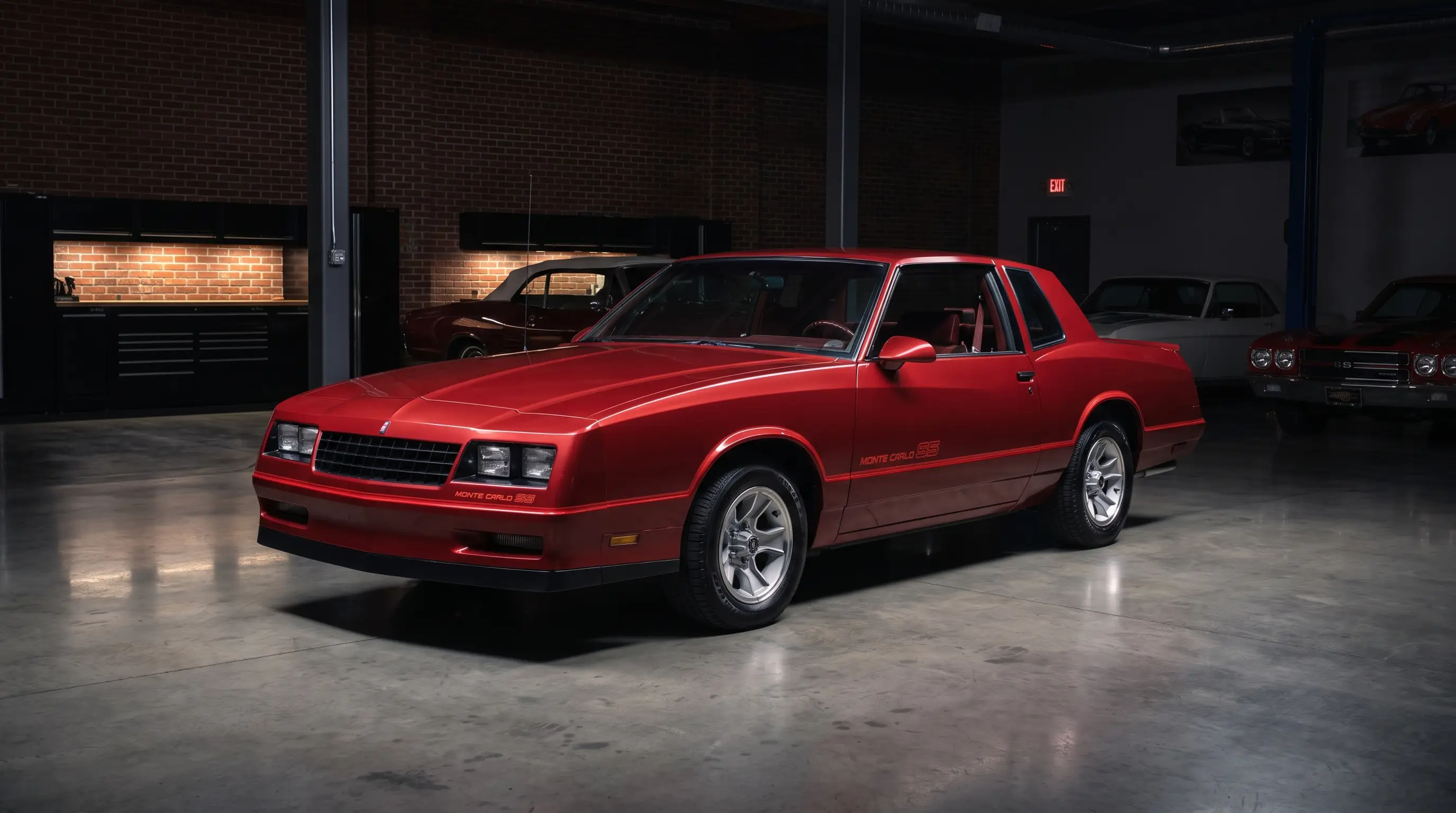
Ask a room full of Monte Carlo SS owners what their car is worth and you will get five different answers, three of them wrong. The eighties SS occupies an odd position in the collector market. It is old enough to qualify as a classic in most people's eyes, common enough that survivors are not scarce in the way a 1969 muscle car might be, and specific enough in its variants that condition and documentation swing value far more than most buyers expect walking in. That gap between expectation and reality is where an appraiser earns their keep.
What actually moves the number
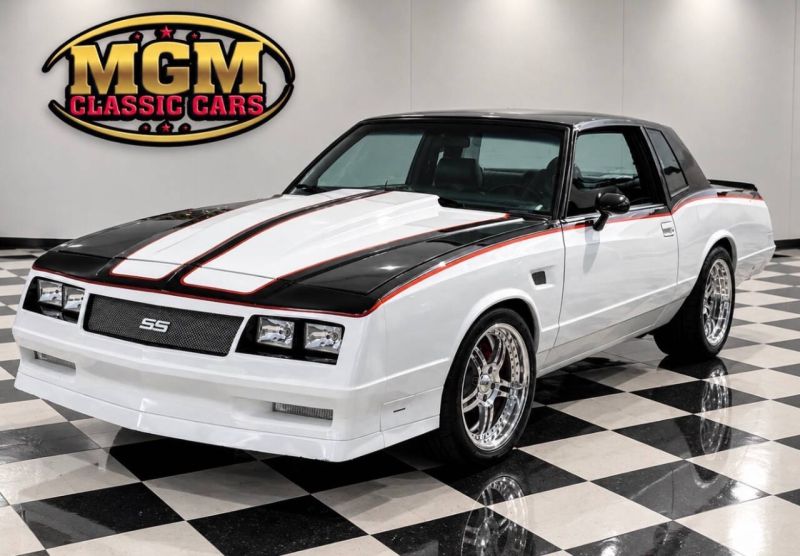
Start with the basics. A rough-running notchback SS with a repainted hood and a torn bench seat is a driver, and it prices like one. Parts are available, the drivetrain is simple, and there is no shortage of them coming up at regional auctions. That is not a criticism. It is a market fact, and it means a buyer should not expect a notchback in average condition to behave like a rare piece just because it wears an SS badge.
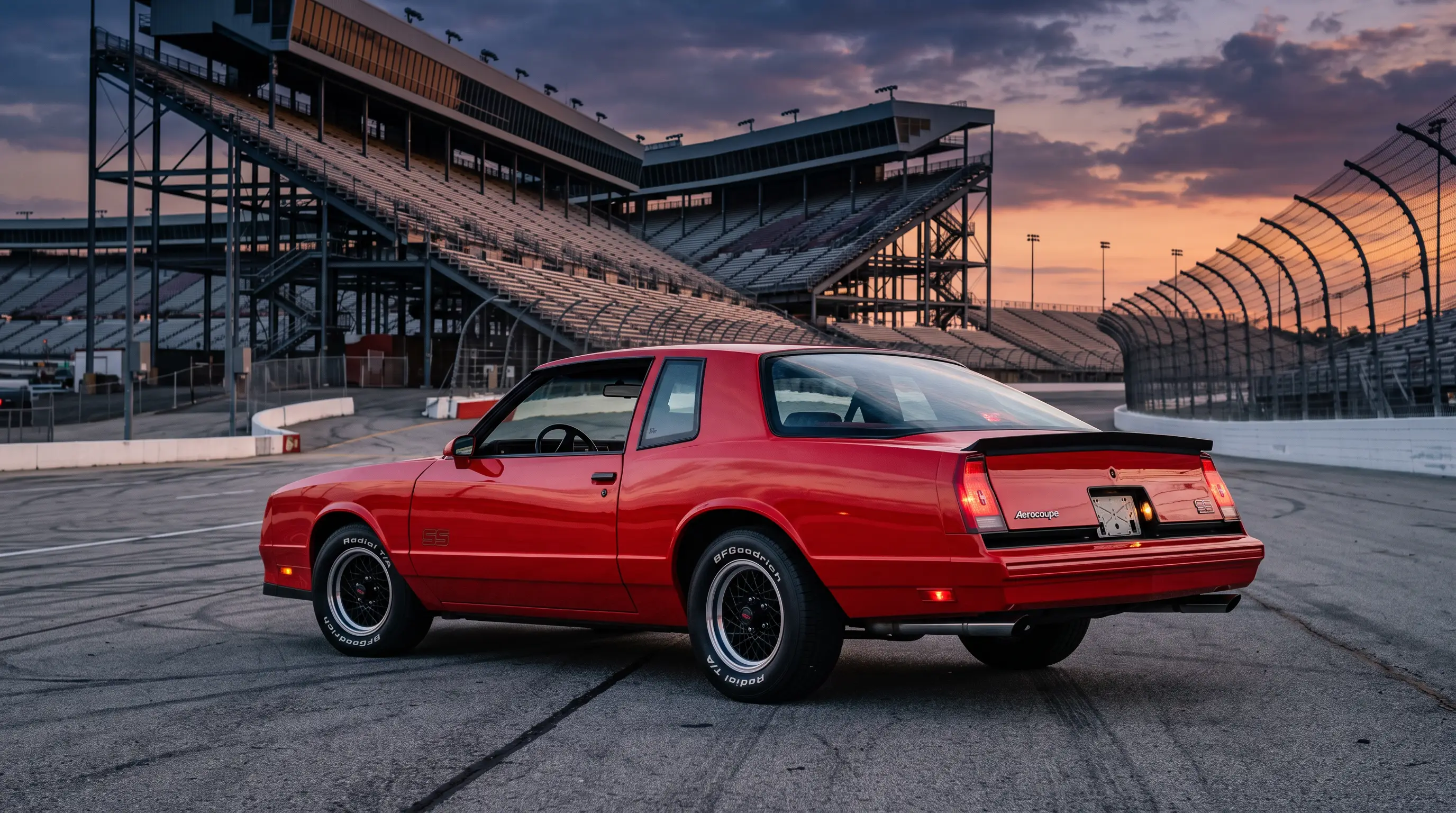
The Aerocoupe changes the math, and it changes it because of scarcity and story, not because the car is dramatically quicker in a straight line. The sloped rear glass ties directly to the NASCAR homologation requirement of the period, and buyers who understand that history will pay for the connection even when the mechanical specification underneath is close to a standard SS. That premium is real, but it is not unconditional. A rough Aerocoupe with mismatched paint and no supporting paperwork will still sell for driver money, because the story only carries weight when the car can back it up.
Documentation is the whole game
If there is one lesson worth repeating to anyone shopping this segment, it is that a build sheet, a window sticker, or a period dealer invoice changes the conversation entirely. Without it, you are trusting a seller's word about engine originality, options, and history. With it, you are pricing a documented artifact. The difference between those two cars, sitting side by side and looking nearly identical, can be a five figure gap once serious bidders start comparing notes.
This is not unique to the Monte Carlo, but the G-body cars in general suffer more than most from casual "matching numbers" claims that do not hold up under scrutiny. Engine swaps were common and easy on these platforms, and a lot of SS badges have been reattached to cars that started life with a lesser engine under the hood. A buyer who skips the paperwork step is gambling, whether they realize it or not.
Condition tiers, plainly stated
| Condition tier | What you are actually buying | Risk profile |
|---|---|---|
| Driver quality | Runs and drives, some cosmetic wear, unverified history | Low entry cost, low resale ceiling |
| Documented original | Verified build sheet or invoice, mostly original paint and interior | Higher entry cost, steadier resale |
| Aerocoupe, documented | Confirmed production year, original rear glass and decklid | Premium entry, strongest long-term hold |
| Restomod or modified | Upgraded drivetrain, non-original components | Value tied to build quality, not originality |
"I have watched two nearly identical Aerocoupes sell six months apart for wildly different money. The only real difference was a folder of paperwork. That is the market being rational, even when it does not feel rational to the seller who lost the auction."
- Marcus Feld
Liquidity matters more than people admit
A car can be worth a certain number on paper and still take eighteen months to sell at that number if the buyer pool for that specific configuration is thin. The eighties Monte Carlo SS is popular enough that liquidity is not usually the problem for standard notchbacks. But push into rarer combinations, a specific factory color paired with a specific interior and documented low mileage, and the buyer pool narrows fast. Narrow buyer pools mean longer time on market even when the asking price is fair, and sellers who do not plan for that timeline often end up chasing the market downward out of impatience.
This is the part casual buyers underestimate the most. It is easy to focus on the top sale price a similar car achieved and assume that number is achievable on any timeline. It rarely is. The car that hits the headline number usually sat with the right buyer for a while, sometimes through more than one attempt, before that buyer appeared with cash in hand and a genuine appreciation for what they were purchasing.
For the full account of how the SS and Aerocoupe fit into the broader Monte Carlo story, including the racing background that drives so much of this documentation premium, the full story covers the ground this piece only touches on. Understanding that history is not optional if you plan to buy seriously in this segment, because the story is exactly what a documented car is being priced against.
Regional variation in pricing
Geography plays a bigger role in Monte Carlo SS pricing than most first-time buyers expect. Cars that spent their working lives in dry southwestern climates tend to command a premium over otherwise comparable examples from salt-belt states, simply because underbody condition holds up so much better without decades of road salt exposure. A buyer shopping nationally, rather than only within driving distance of home, can often find a meaningfully better car for the same money just by widening the search radius and accounting for shipping costs in the budget.
This regional gap shows up consistently enough in sale records that a careful buyer should treat it as a planning factor rather than a surprise. A seller in a rust-prone region asking southwestern-market prices for a car with underbody issues is not being dishonest, necessarily, but they may simply be anchored to national auction results without accounting for how much condition varies by climate. A knowledgeable buyer uses that gap to their advantage rather than paying a premium price for a car that will need rust repair within a few years of purchase.
The role of color and options in resale
Beyond documentation and body style, specific factory colors and option combinations do move the number, though less dramatically than scarcity and paperwork. T-top equipped cars in period-correct two-tone paint schemes tend to attract more attention at auction than a comparable car in a less distinctive single color, and that attention translates into modestly stronger bidding even when the underlying mechanical condition is identical. This is not a large effect compared to documentation status, but it is real enough that sellers preparing a car for sale should present period-correct details clearly rather than assuming a buyer will simply take their word for what the car originally had.
A working buyer's checklist
Before any money changes hands, verify the VIN against any paperwork offered, confirm whether the rear glass and decklid are original to the car if an Aerocoupe is in question, and get a written accounting of any repaint or bodywork history. None of that is glamorous advice, and none of it will surprise anyone who has bought a collector car before. But it is the difference between paying a fair premium for a documented piece of history and paying a fair premium for a good story that does not survive a second inspection.
If your search is active right now, there is a rotating supply of classic Monte Carlo for sale across both notchback and Aerocoupe configurations, and the spread in asking prices within that supply tells you almost everything you need to know about how the market actually values documentation versus badge alone.