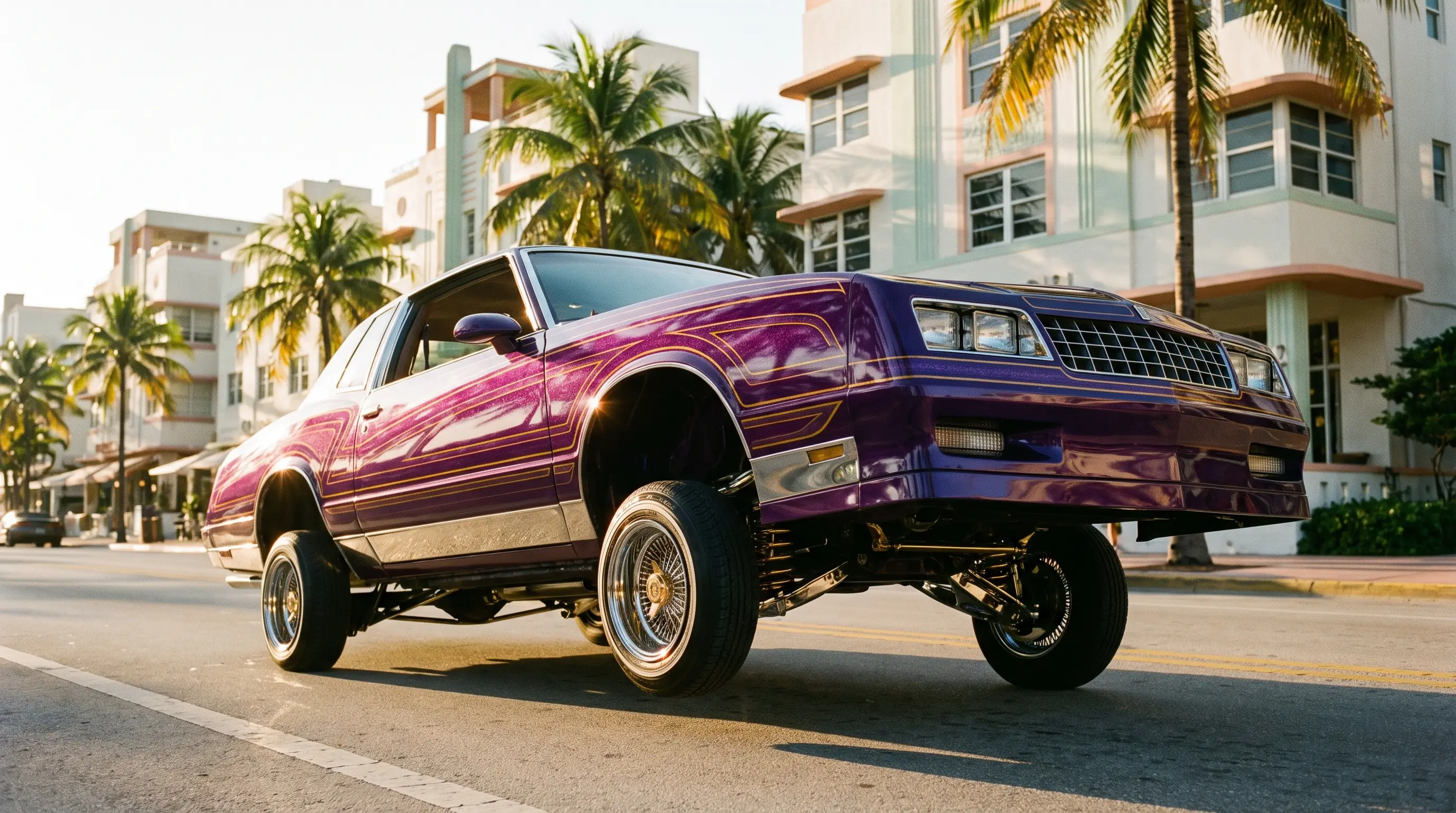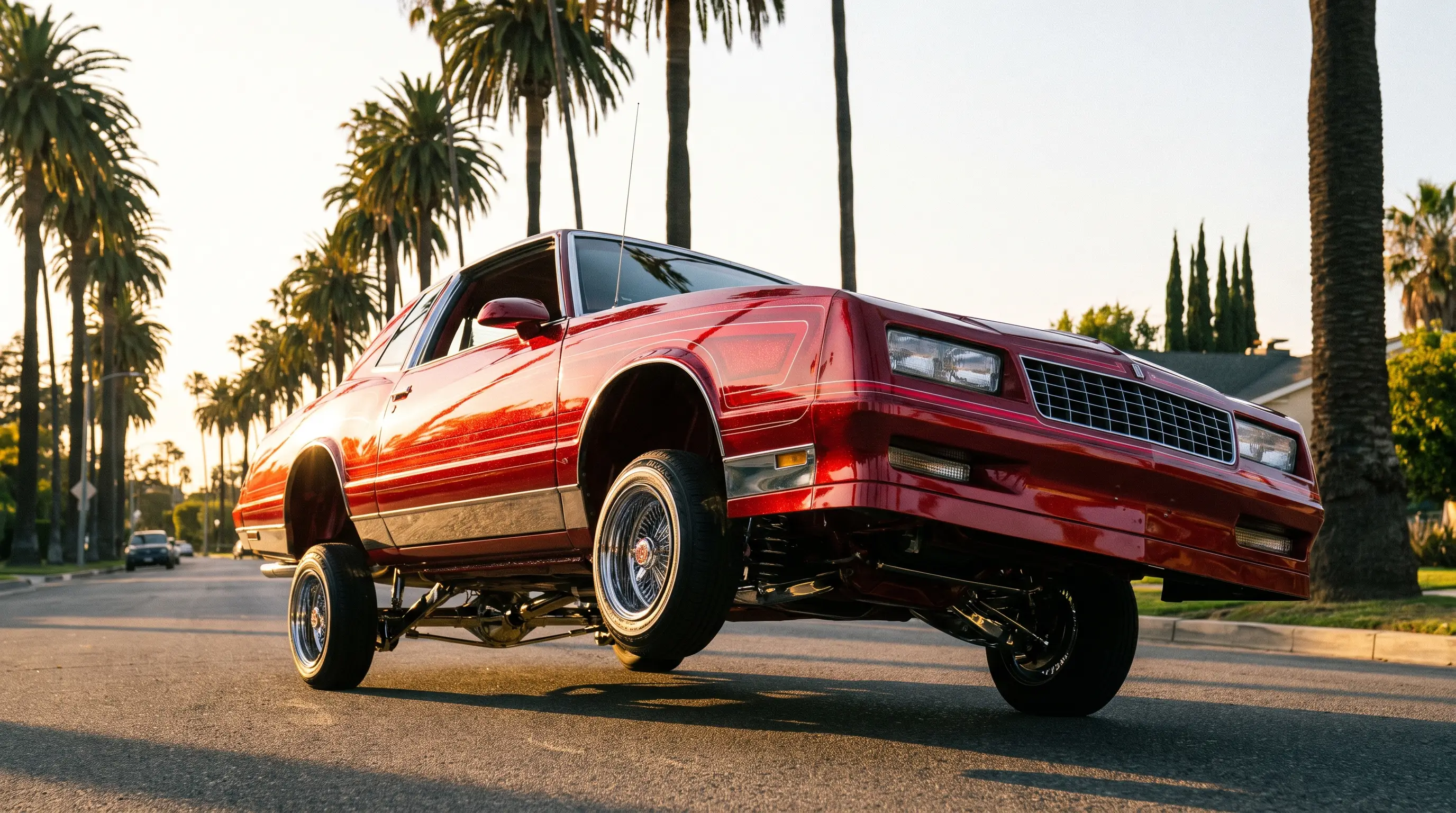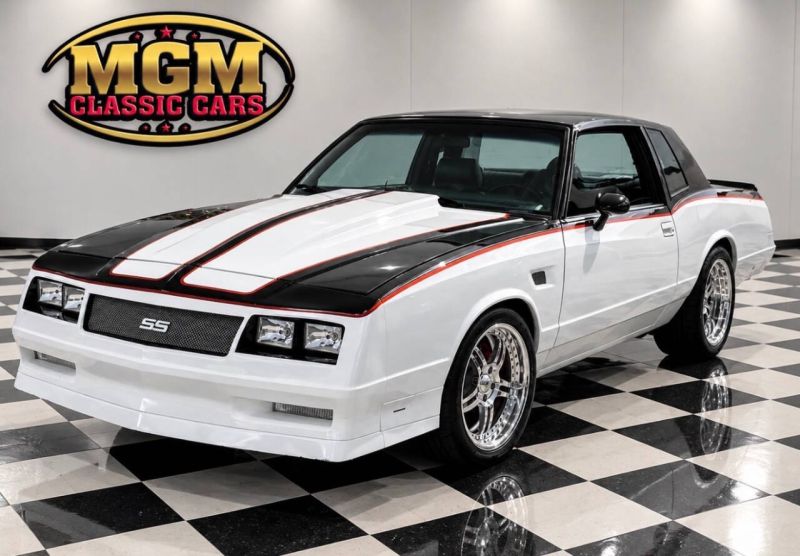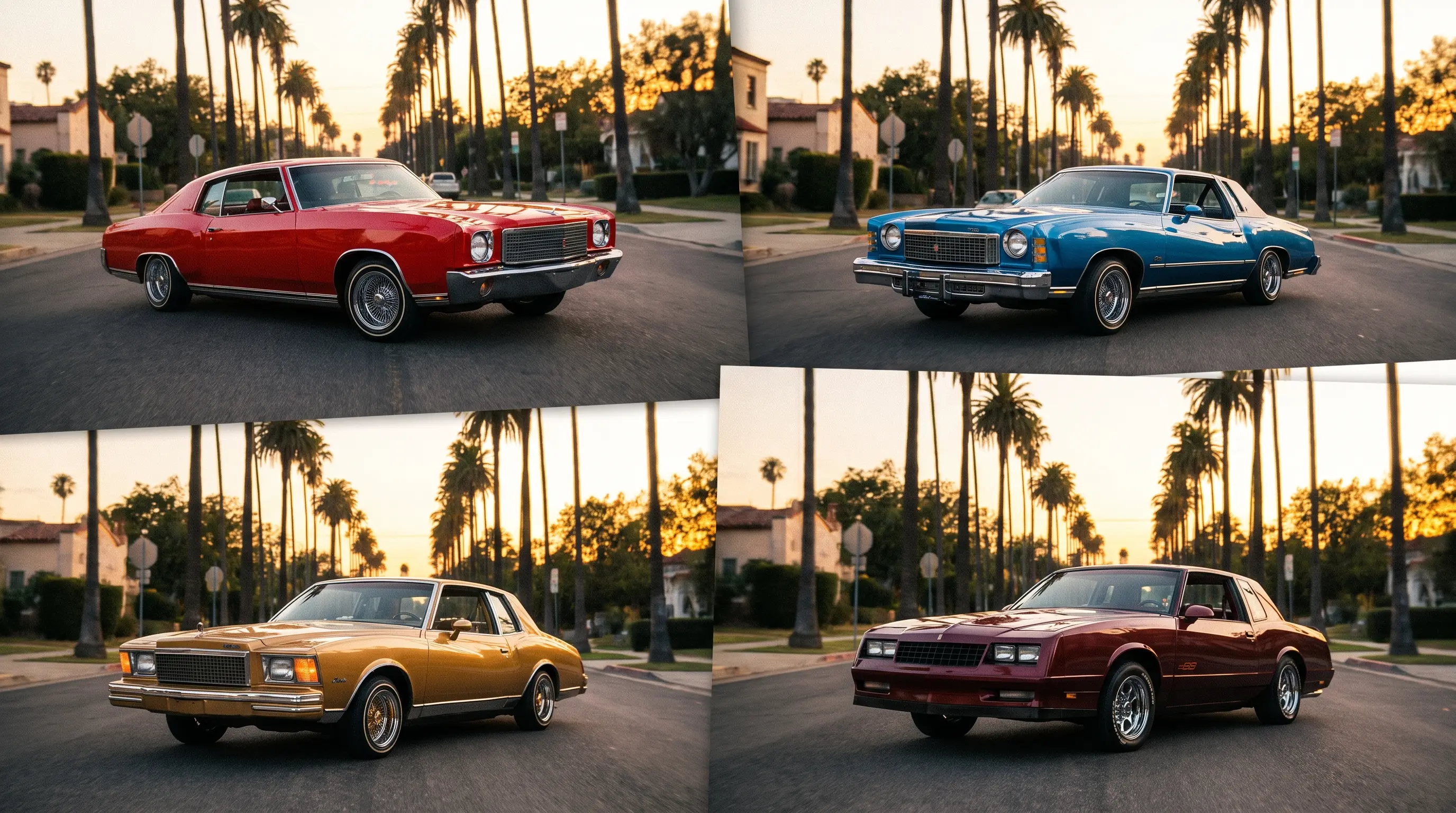
Ask a longtime lowrider builder which Monte Carlo they would chase first, and a lot of them will point to the Colonnade generation, the cars Chevrolet built from 1973 through 1977. Not the later G-body that shows up more often in music videos and magazine covers, but the earlier, heavier coupe with the long hood and the formal, almost baroque roofline. We understand why. That body has proportions the later car never quite matched, and for a certain generation of builders, it is the platform that feels like the real starting point of the whole Monte Carlo lowrider tradition.
The proportions that made it a canvas
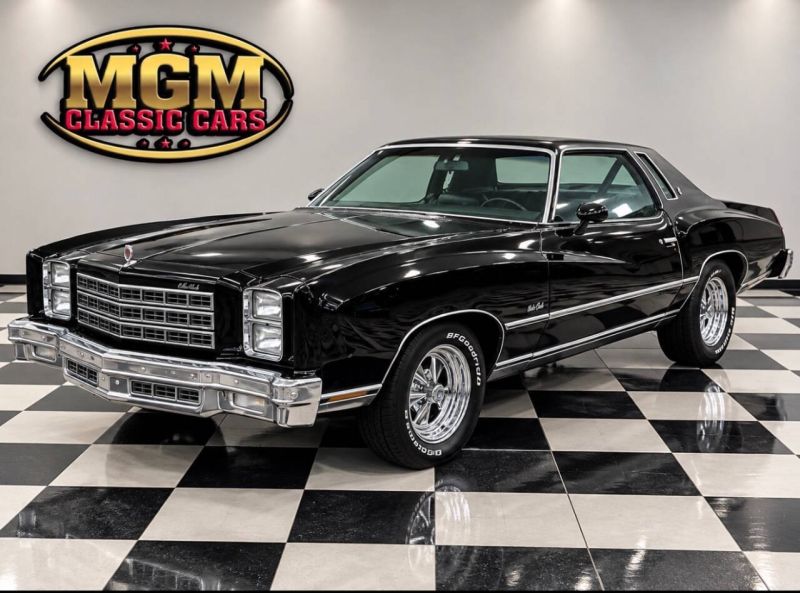
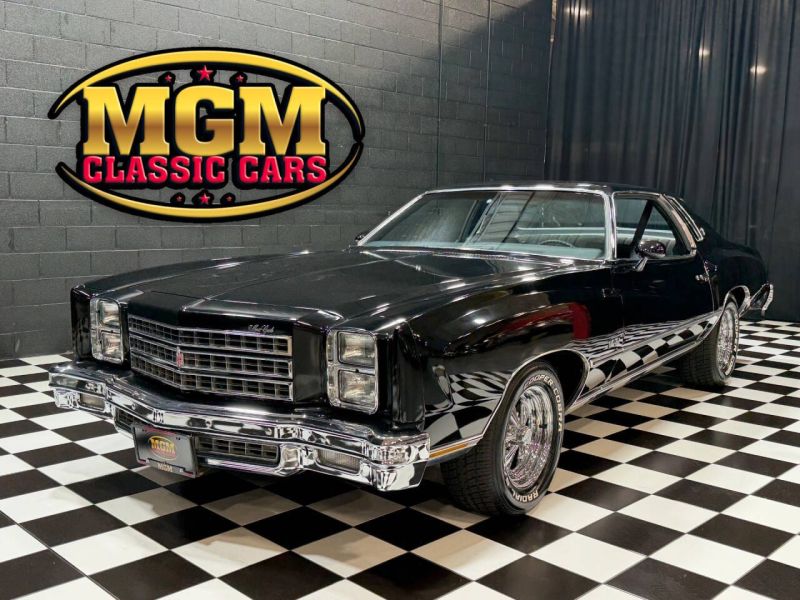
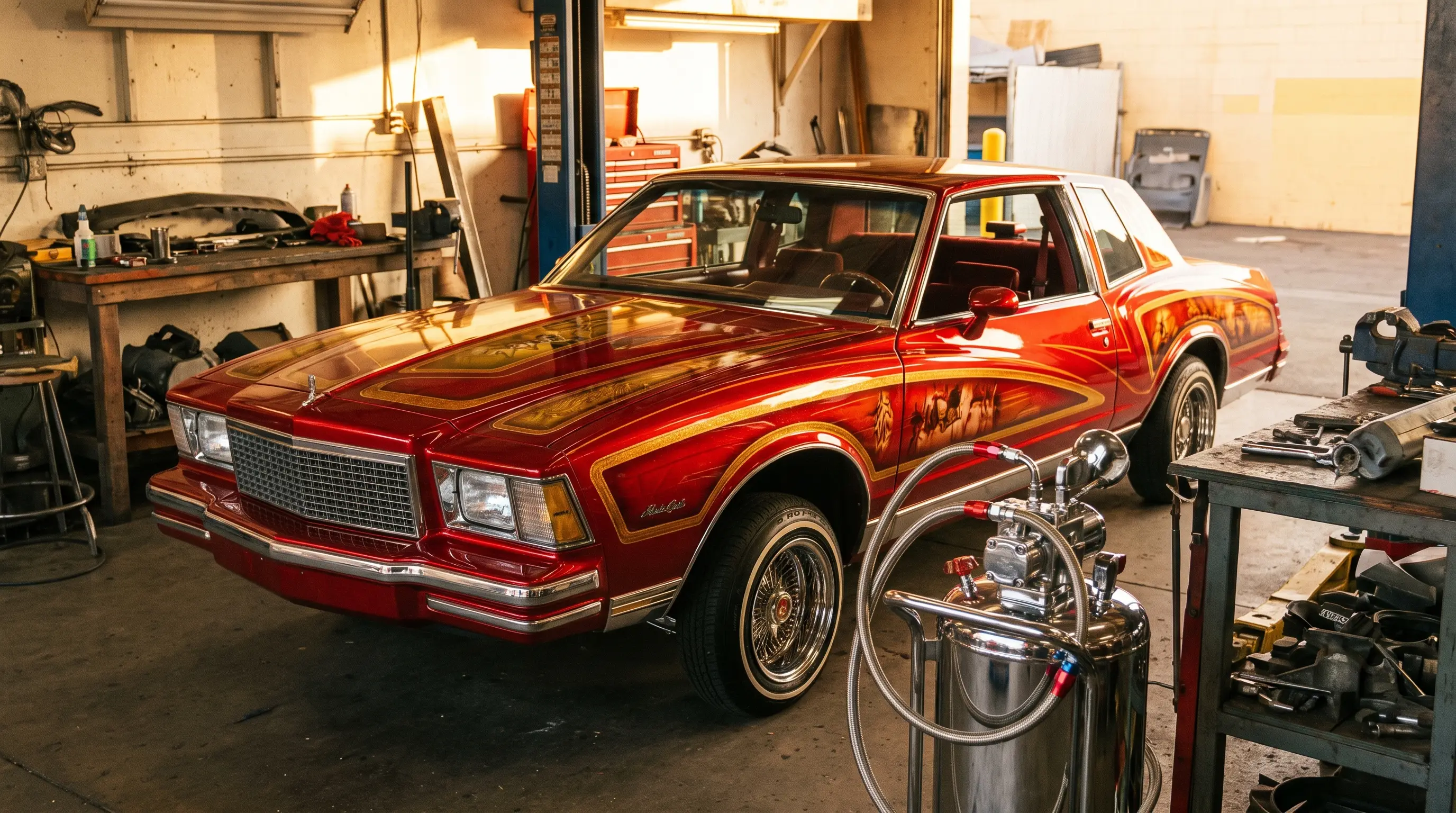
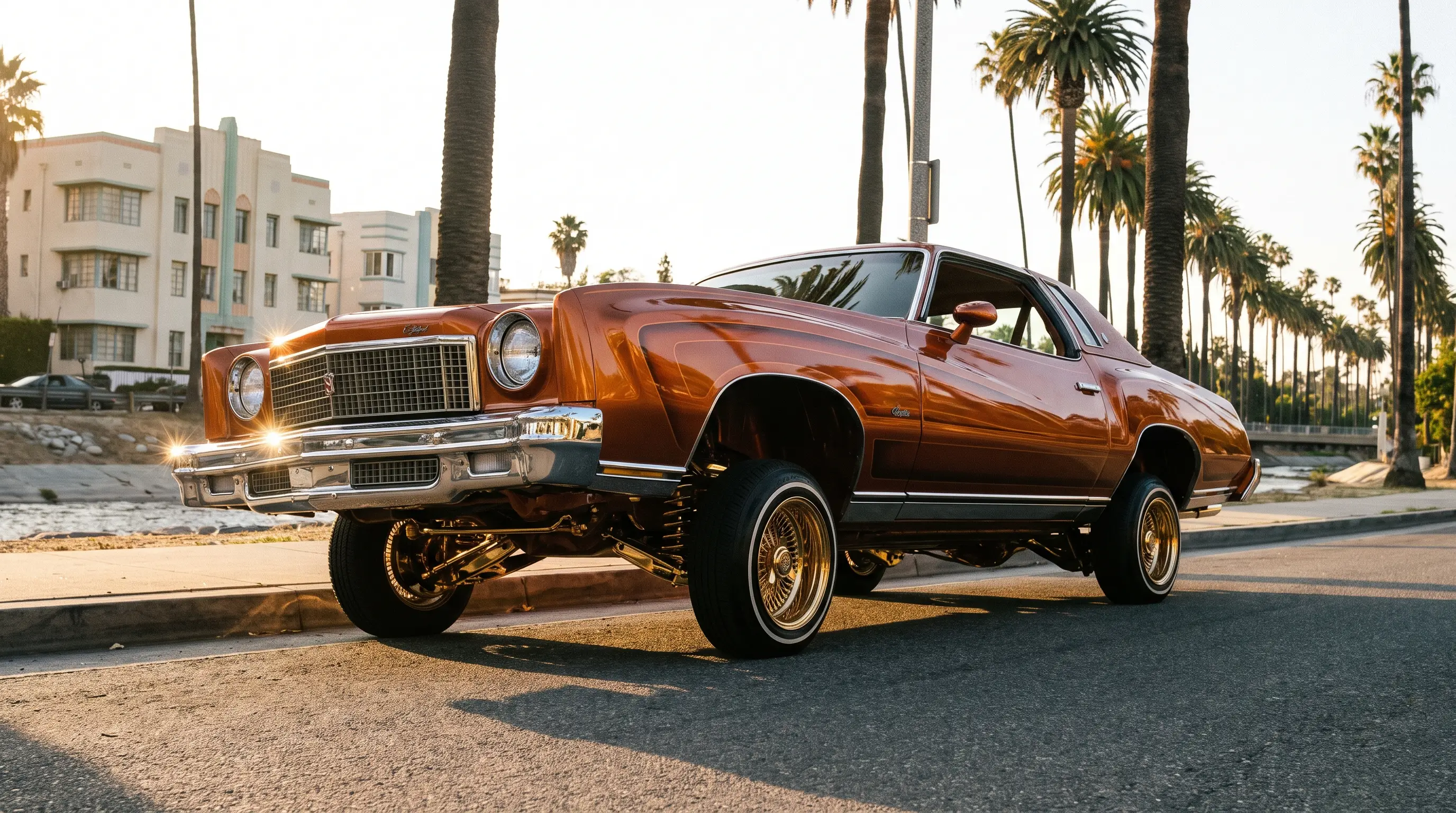
The 1973 through 1977 Monte Carlo rides on GM's Colonnade midsize platform, shared underneath with the Chevelle but wrapped in unique sheet metal that gave the Monte Carlo its own identity. The hood stretches long and low, the beltline sits high, and the rear quarters carry a heavy, sculpted shoulder that catches light in a way flatter later bodies do not. For a painter laying down a mural or a deep candy finish, that sculpted surface gives shadow and highlight for free, before a single coat goes on.
The formal opera window roofline, standard on many trim levels through these years, also became a signature feature for builders who wanted their car to read as unmistakably a Monte Carlo from any angle, not just another midsize GM coupe wearing a lowrider stance. That distinctiveness matters more than people expect. In a show lineup full of Impalas, Cutlasses, and Regals, a Colonnade Monte Carlo announces itself immediately.
"You put a Colonnade Monte next to almost anything else from that era and it just looks like it was already halfway to being a show car before anybody touched it."
- Hector Morales
Weight, ride height, and the hop conversation
Underneath the sheet metal, the Colonnade Monte Carlo is a heavy car by midsize standards, built on a full perimeter frame with a solid rear axle setup that lends itself well to hydraulic modification. That weight, which worked against fuel economy and straight-line speed when the car was new, became an advantage in lowrider building. A heavier chassis with the right frame reinforcement can support an aggressive multi-pump hydraulic system without the kind of stress cracking that plagues lighter, unibody-adjacent platforms.
Builders who prioritize hop competition performance over static show presentation often gravitate toward this generation for exactly that reason. The combination of a strong frame, generous wheelbase, and that heavy rear structure gives an experienced hydraulic installer more to work with when chasing serious hop height, and the car's classic status by the 2020s only adds to its cachet in a scene that increasingly values period-correct builds over anything-goes customization.
Scarcity and what it means for today's builders
Here is the practical reality anybody chasing a Colonnade Monte Carlo for a build runs into fast: these cars are older, rarer, and in worse average condition than the 1981 through 1988 G-body that followed them. Chevrolet built the Colonnade generation in large numbers when new, but decades of daily use, rust in Rust Belt states, and the simple math of survivorship have thinned the herd considerably. A straight, rust-free 1973 through 1977 Monte Carlo with a solid floor and clean quarters is a genuinely harder find today than a comparable G-body.
That scarcity has turned the Colonnade Monte Carlo into something close to a grail car for builders who specifically want that early-generation look rather than settling for whatever is easiest to source. Finding a good base car often means casting a wider geographic net, being patient through a longer search, and budgeting more for rust repair and structural work before the custom fabrication even starts. Getting the full story on how this generation fits into the broader Monte Carlo lowrider timeline helps explain why so many builders consider the wait worthwhile.
Trim levels and how they shaped a build's starting point
Chevrolet offered the Colonnade Monte Carlo across a range of trims through these years, from the base coupe up through the Landau package, which added a padded vinyl roof section, upgraded upholstery, and additional brightwork. Builders picking a starting car for a lowrider project had different opinions about which trim made the better base. Some preferred a loaded Landau, reasoning that the extra factory brightwork and upgraded interior gave them more to work with before their own custom additions. Others preferred a stripped base coupe specifically because it left a cleaner slate, with less factory chrome and trim competing visually with whatever custom theme they had planned.
Engine choice mattered less to most builders than it might to a straight restoration audience, since a lowrider build's priorities center on body, paint, hydraulics, and interior rather than outright power. Still, a numbers-matching V8 in decent running condition made a build car easier to drive to shows under its own power rather than requiring a trailer, a practical consideration that shaped plenty of purchase decisions even among builders who had no intention of ever modifying the engine itself.
What a build on this platform actually demands
Anyone taking on a Colonnade Monte Carlo lowrider build should go in understanding this is not a weekend project car. Between the age of the platform, the scarcity of clean examples, and the specialized nature of the body panels, a serious build here tends to run longer timelines and higher budgets than a comparable G-body project. That said, builders who have finished one consistently describe the result as worth the extra difficulty, precisely because so few other builders are willing to put in that same effort, which makes a finished Colonnade lowrider stand out at any show it attends.
If that kind of project appeals to you, patience and a wide search radius are your best tools. You can look for a classic Monte Carlo for sale across a range of years and conditions, and decide whether the earlier Colonnade body or the more commonly available G-body better fits your budget, your timeline, and your vision for the finished car.
A generation that still commands respect
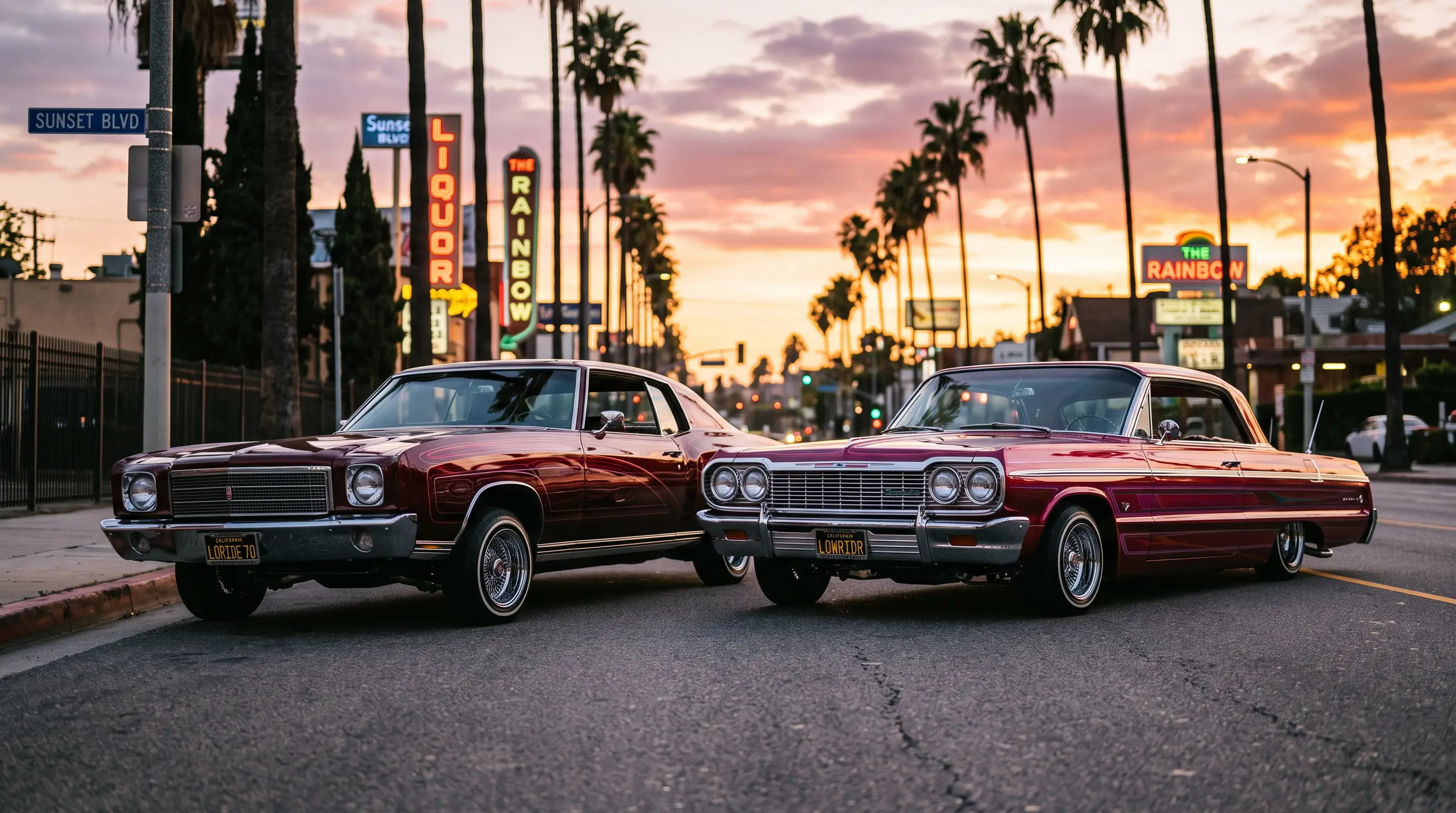
The Colonnade Monte Carlo will likely never be as visible in mainstream lowrider imagery as the G-body that followed it, simply because there are fewer of them left and fewer builders willing to take on the harder search. But among people who have actually studied this history, the 1973 through 1977 generation holds a specific kind of respect. It is the car that proved the Monte Carlo could be more than a personal luxury commuter, that its body lines could carry a mural, a candy paint job, and a set of wire wheels as naturally as any dedicated show car platform ever could.
Sources and notes
- Chevrolet Monte Carlo, Wikipedia
- The History of Lowrider Cars, Gauge Magazine
- Carros y Cultura: Lowriding Legacies in Texas, Texas Standard / Bullock Texas State History Museum
- Amigos Car Club Collection, University of San Diego Lowrider Archival Project
- 1972 Monte Carlo Becomes a Nationwide Lowrider Showstopper, Motorious via Yahoo Autos