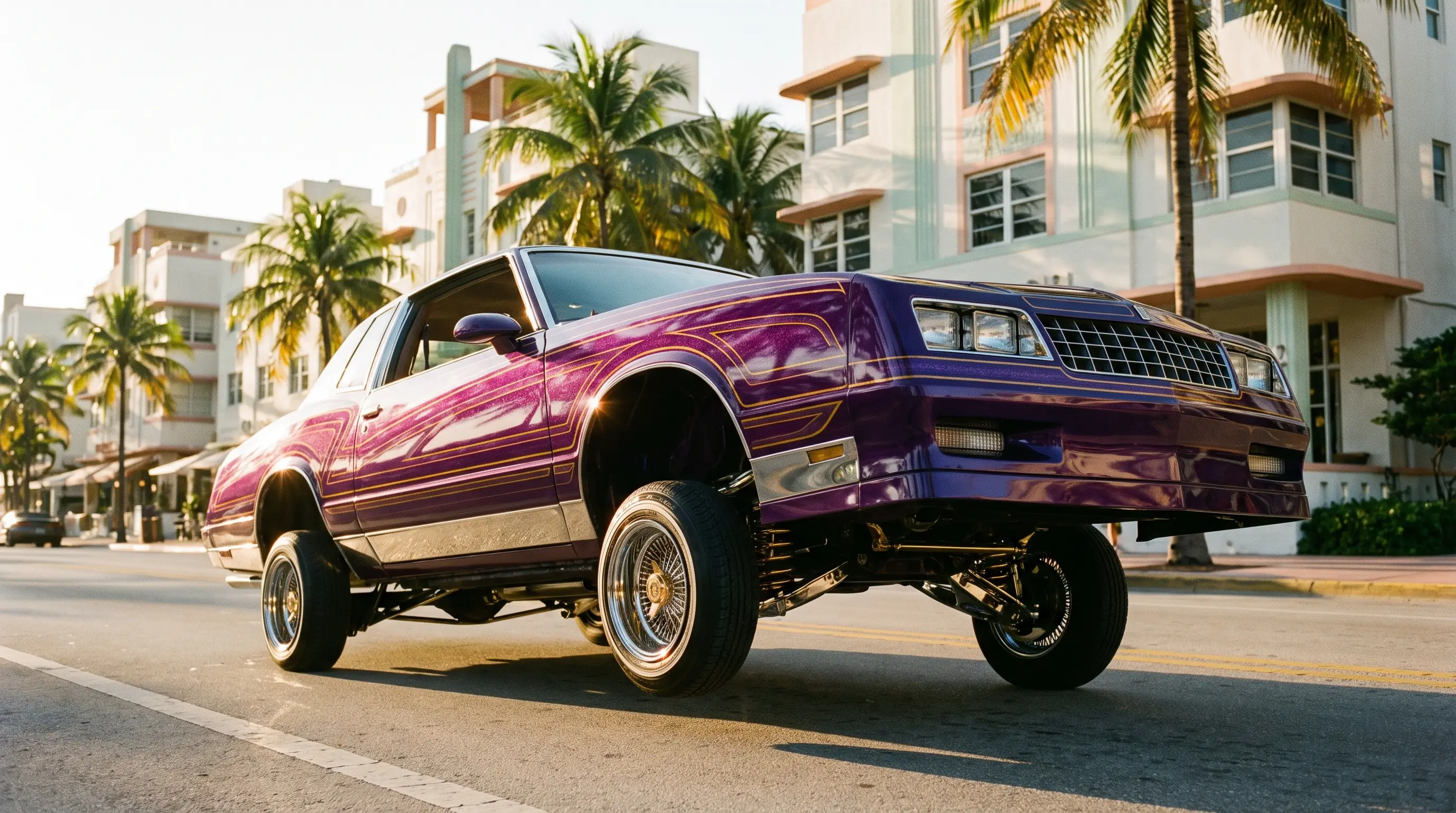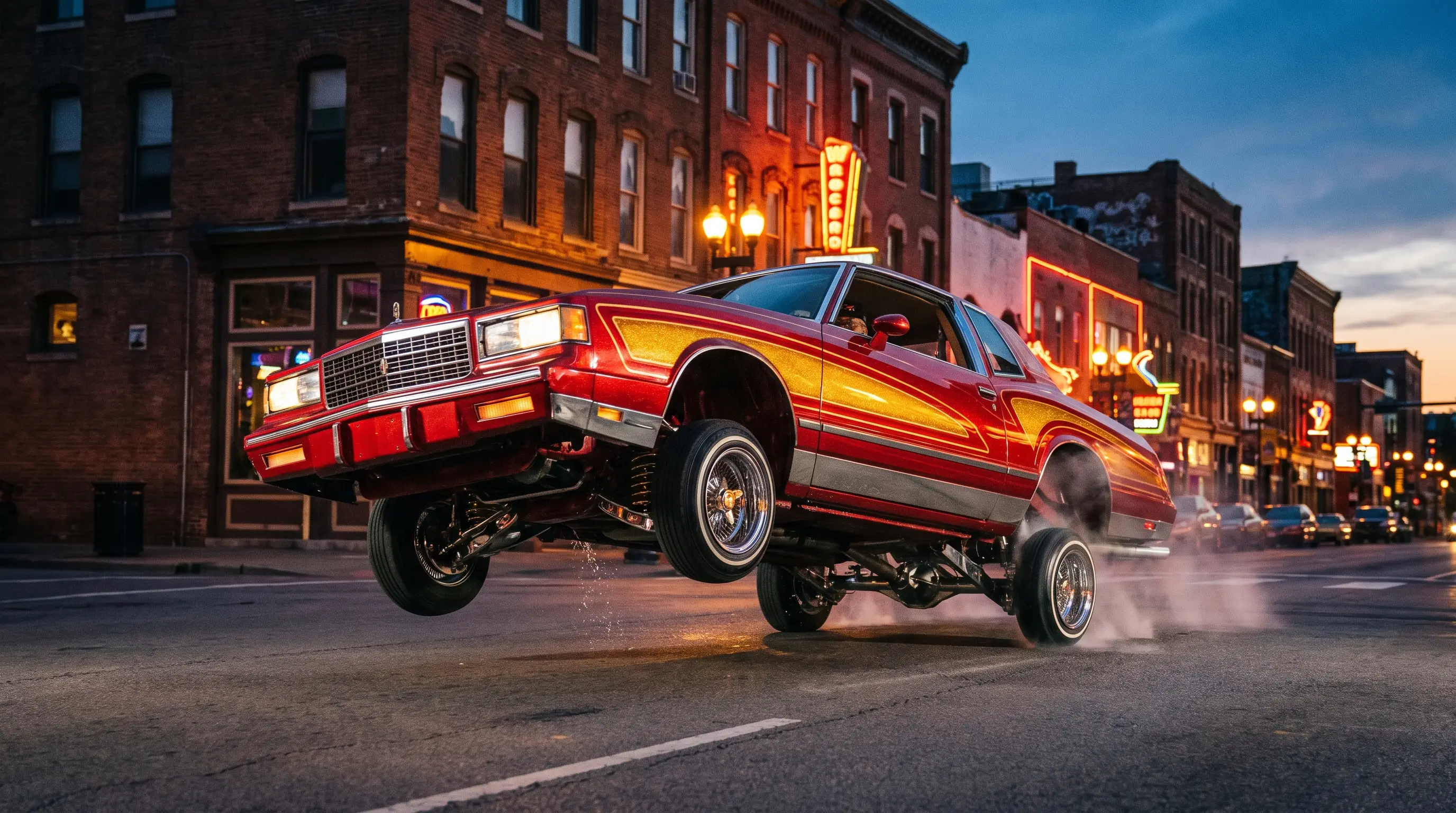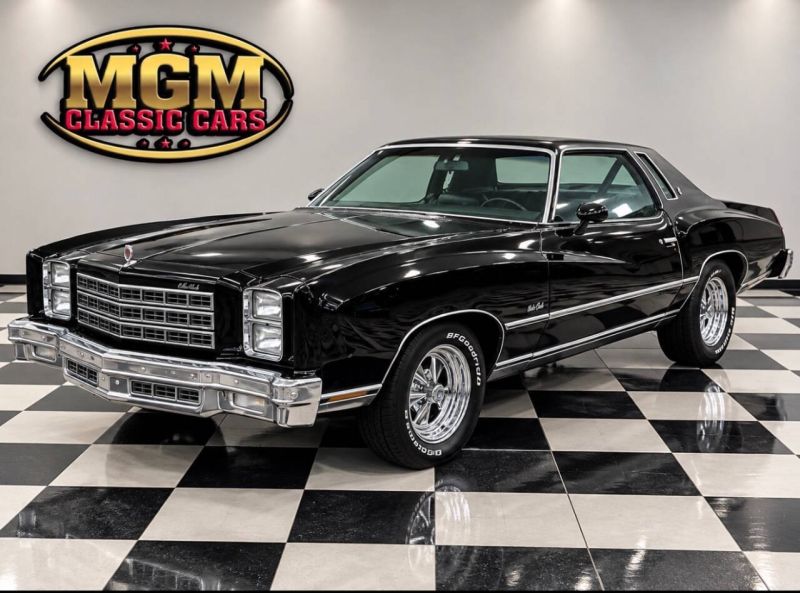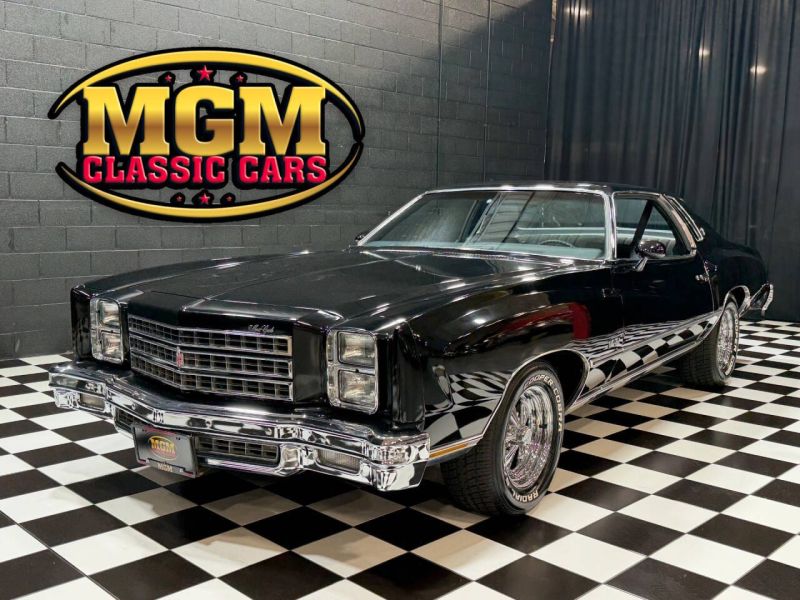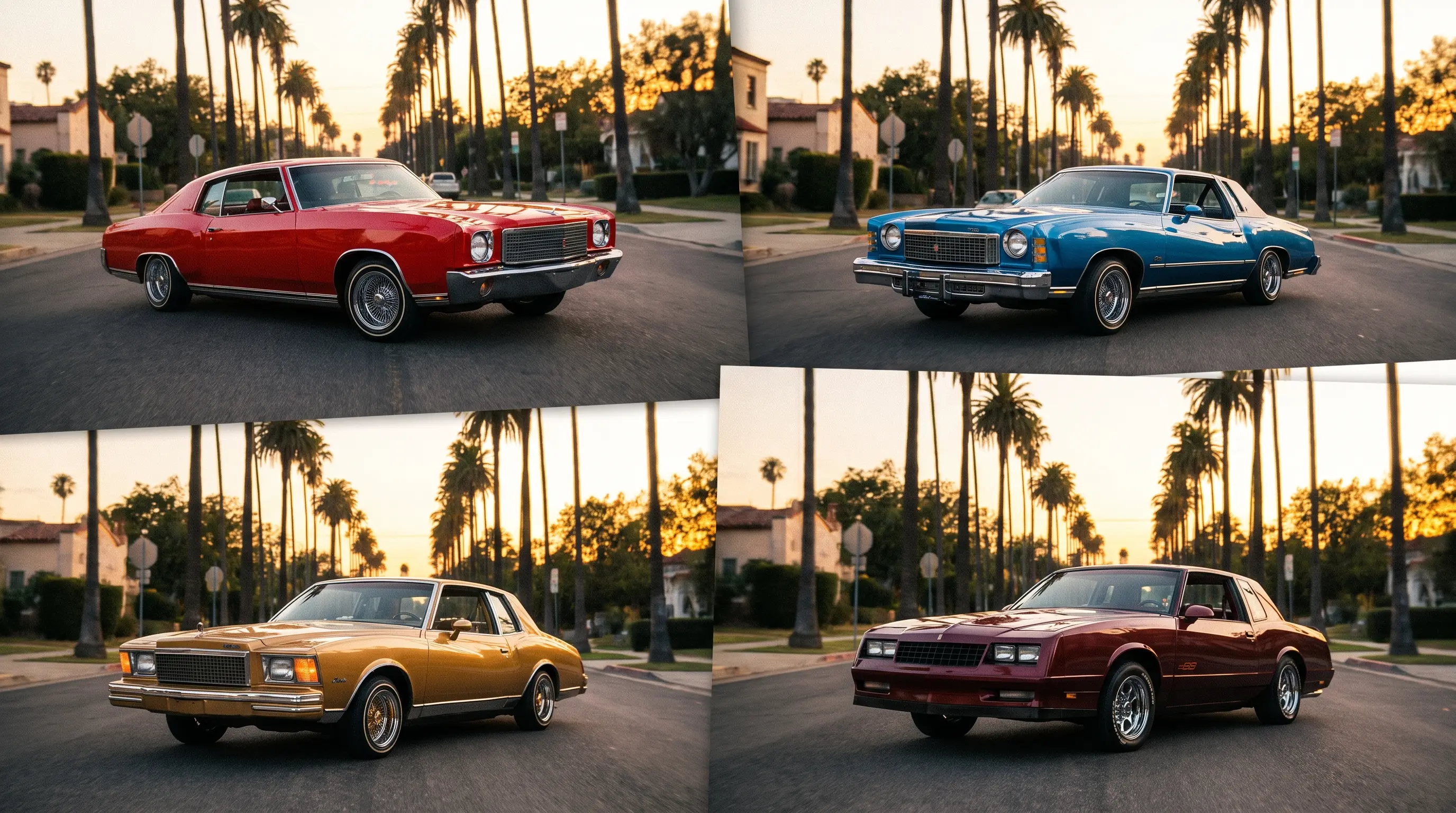
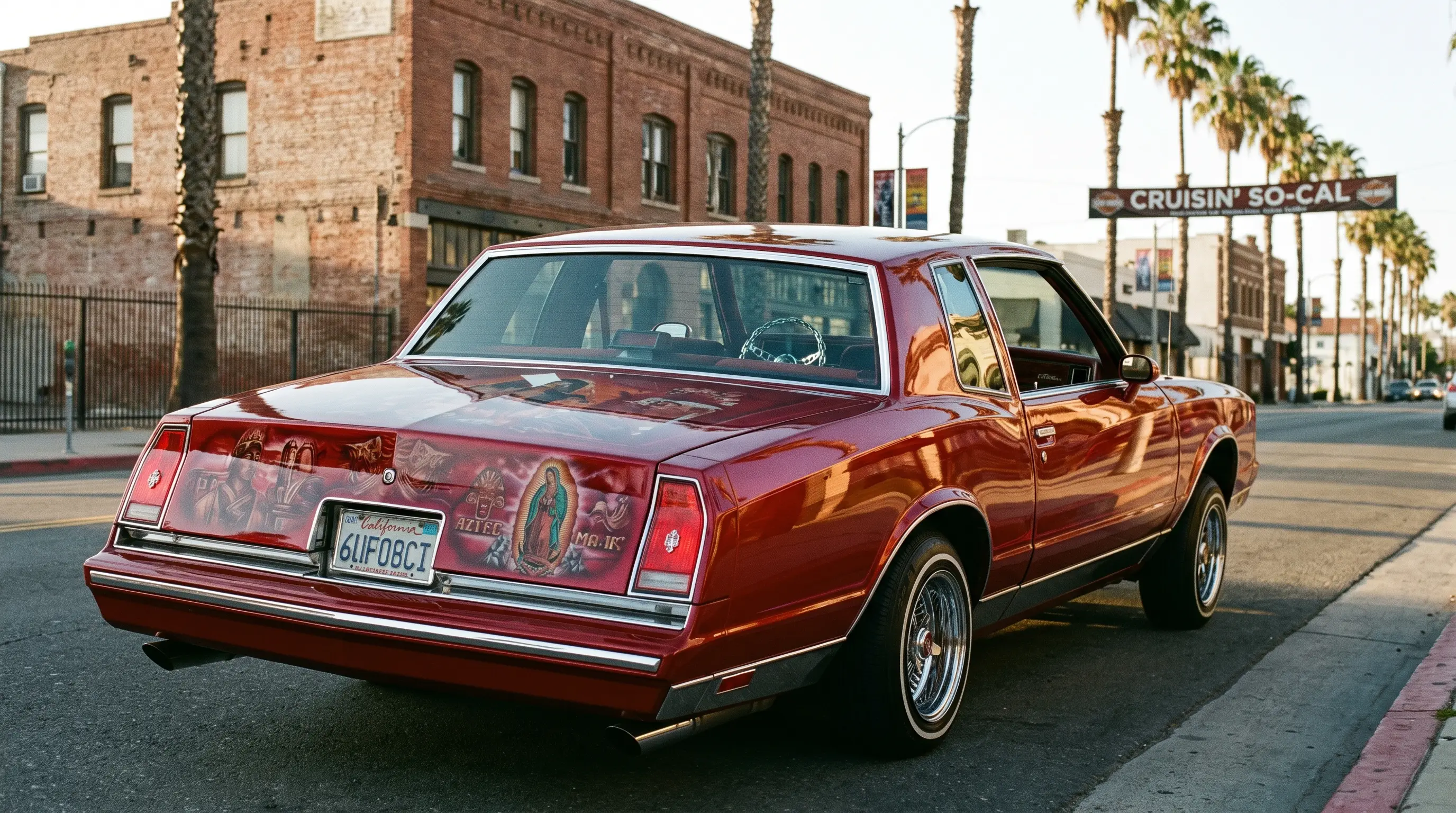
We have watched grown men cry over a paint job. Not because something went wrong, but because a painter took a Monte Carlo's hood and turned it into a portrait of someone's late grandmother, done in a technique that took weeks and cannot be photographed properly in daylight. That is what monte carlo lowrider candy paint murals mean in our world. The car is the canvas, and the Monte Carlo, with its long flat hood and wide quarter panels, has always been one of the best canvases Chevrolet ever built.
What candy paint actually is
Candy paint is not a single color out of a can. It is a translucent tinted layer sprayed over a metallic or gold base coat, then buried under clear coat, so light passes through the tint, bounces off the metallic base, and comes back out with a depth that a solid color simply cannot produce. Painters build these in stages, base coat, multiple thin candy layers, clear, wet sand, more clear, and the process can take a professional shop several weeks working only on the paint. On a Monte Carlo, the long uninterrupted door panels and that big flat hood give the candy layers room to show off in a way a car with more body creases never could.
Getting the color to read the same in shade and in direct sun is the real skill test, and it is why certain painters built reputations that lasted decades just on their candy work alone. A builder bringing a car to one of these shops was not paying for paint. They were paying for a signature.
Murals as memory and message
Murals took candy paint a step further, turning the trunk lid or the hood into a scene, a portrait, a religious image, a neighborhood skyline, sometimes a tribute to someone who had passed. This was never decoration for its own sake. A mural on a Monte Carlo said something specific about the owner, their family, their block, or their beliefs, and the car became a rolling statement that the owner carried to every show and every cruise.
The flat rear deck and quarter panels that made the G-body Monte Carlo a favorite for hydraulic builds turned out to be just as valuable to muralists. A wraparound scene across the trunk and rear quarters needs continuous surface area, and few coupes from this era offered as much clean canvas as this one did.
| Paint element | Typical role on a Monte Carlo build |
|---|---|
| Base coat | Usually silver or gold metallic, sets the candy's glow |
| Candy layers | Multiple translucent coats, sanded and cleared between passes |
| Mural panel | Hood, trunk lid, or full quarter panel wraparound |
| Clear coat depth | Built up thick enough to allow wet sanding and buffing |
| Pinstriping | Finishing detail framing murals and panel breaks |
Why this craft stayed tied to the Monte Carlo specifically
Plenty of GM coupes from the same era had decent sheet metal, but the Monte Carlo's proportions kept it near the top of the request list at shops that specialized in this work. Painters we have talked to over the years point to the same thing every time, the hood is long enough to carry a full scene without interruption, and the roofline is low enough that a finished car photographs like a piece framed for a gallery rather than just another parked coupe. That combination made it the preferred subject for builders chasing a show trophy rather than just a clean daily driver.
The community around this craft is tight. Painters trained under other painters, sometimes for years before taking on a mural of their own, and that apprenticeship model kept quality high even as the scene grew from a handful of shops into a recognized art form covered by magazines and eventually documentaries.
"A candy paint job is not decoration. It is a signature the painter puts on your car, and the Monte Carlo gave our best painters the biggest, cleanest signature they ever got to sign."
- Hector Morales
What it takes to keep one of these finishes alive
Candy paint and murals are not maintenance free. UV exposure fades translucent layers over years, and a car shown outdoors regularly needs periodic buffing and occasional clear coat renewal to keep the depth from flattening out. Owners who take this seriously store their cars indoors between shows and treat every scratch as an emergency, because a repair to a candy panel means matching a color built in layers rather than out of a single can, and that is a job for the same caliber of painter who built it in the first place.
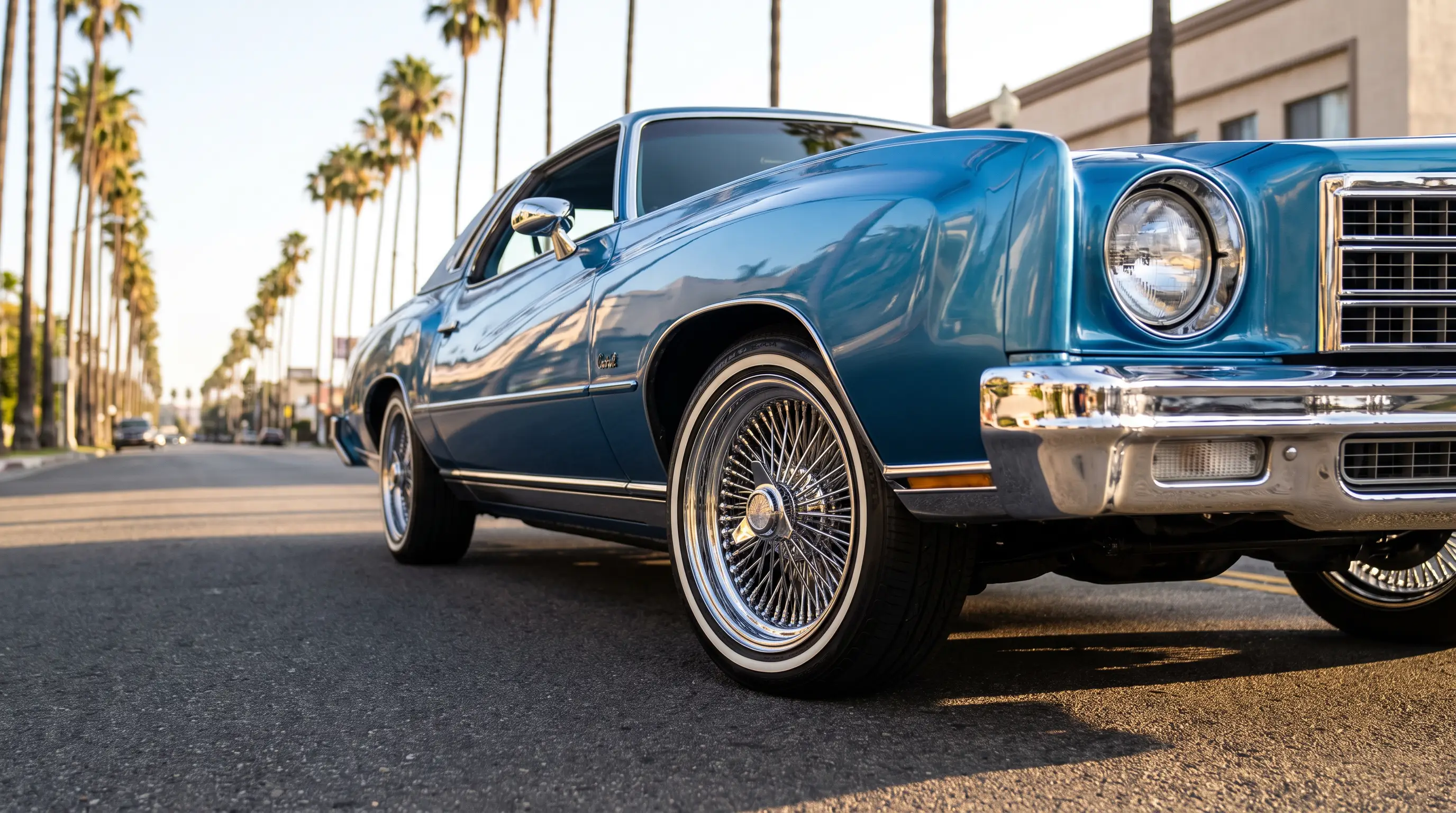
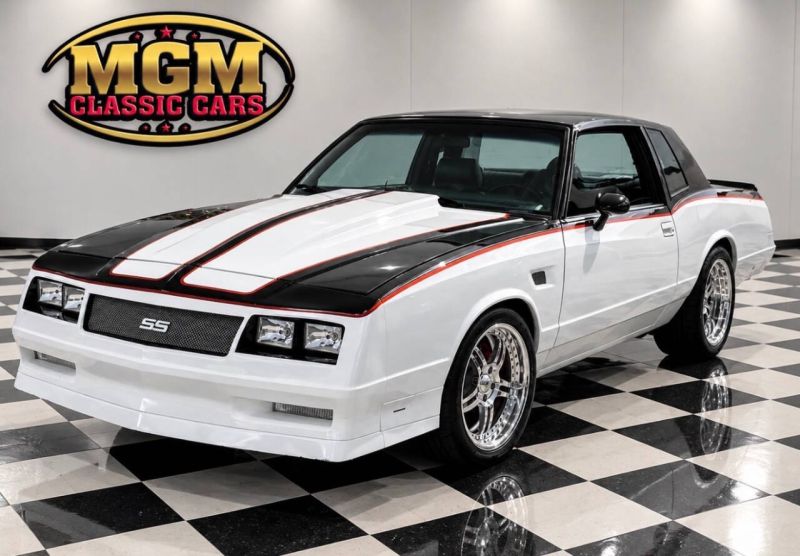
If you want the full story behind why our community gravitated to this specific Chevrolet in the first place, read the background on the culture that built around it. And for builders thinking about the rolling stance that usually pairs with a paint job like this, our piece on wire wheels is worth a look too. When you are ready to find your own canvas, shop classic Monte Carlo listings and look for straight sheet metal above everything else.
How the trends shifted across the decades
The candy paint and mural style did not stay frozen. Builds from the eighties leaned toward simpler pinstriped panels and single color candy over chrome trim that shops kept factory bright. By the nineties, full mural coverage across hoods and trunks became the standard for anyone chasing a top show trophy, often paired with airbrushed portraits that took specialized skill separate from the base candy work. More recent builds have folded in modern basecoat clearcoat technology that holds color longer than the lacquer systems painters relied on decades ago, though plenty of purists still chase the exact look and feel of an original lacquer candy job, fade and all, because that imperfection reads as authentic to people who know what they are looking at.
Through all of that change, the Monte Carlo kept its place. Newer platforms came and went as builders experimented, but the combination of flat panels, low roofline, and a community that never stopped requesting this specific Chevrolet by name kept it at the center of the paint and mural tradition long after Chevrolet stopped building it.
We think that staying power says something about the car itself, not just about nostalgia. A platform that photographs well, holds a mural cleanly, and keeps drawing painters back generation after generation earns its reputation the hard way, one finished build at a time. Every show season brings a new Monte Carlo wearing a fresh candy job that somehow still looks like it belongs in the same tradition as builds from thirty years earlier, and that continuity is exactly what keeps this scene alive instead of turning into a museum piece nobody actually drives anymore.