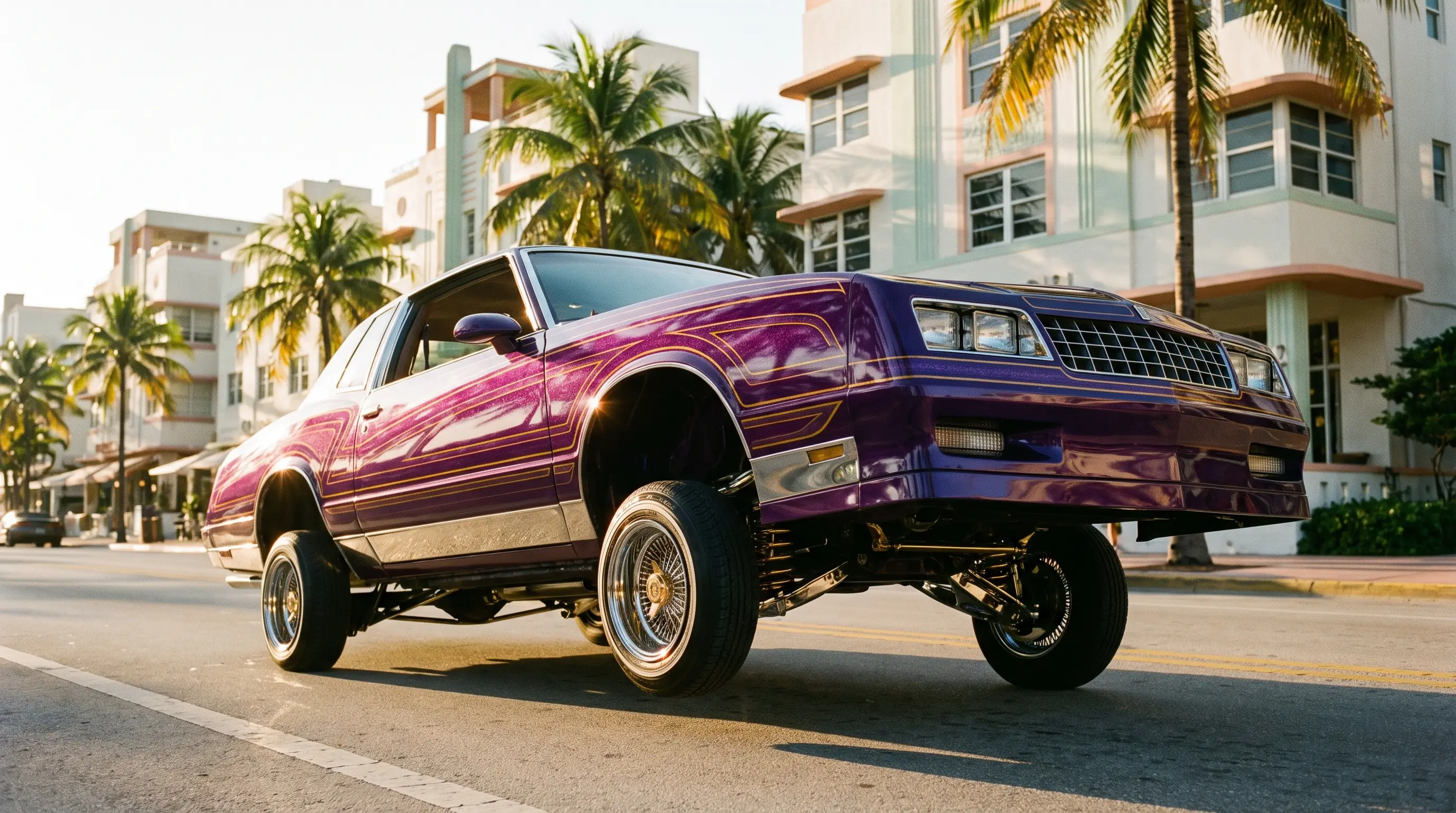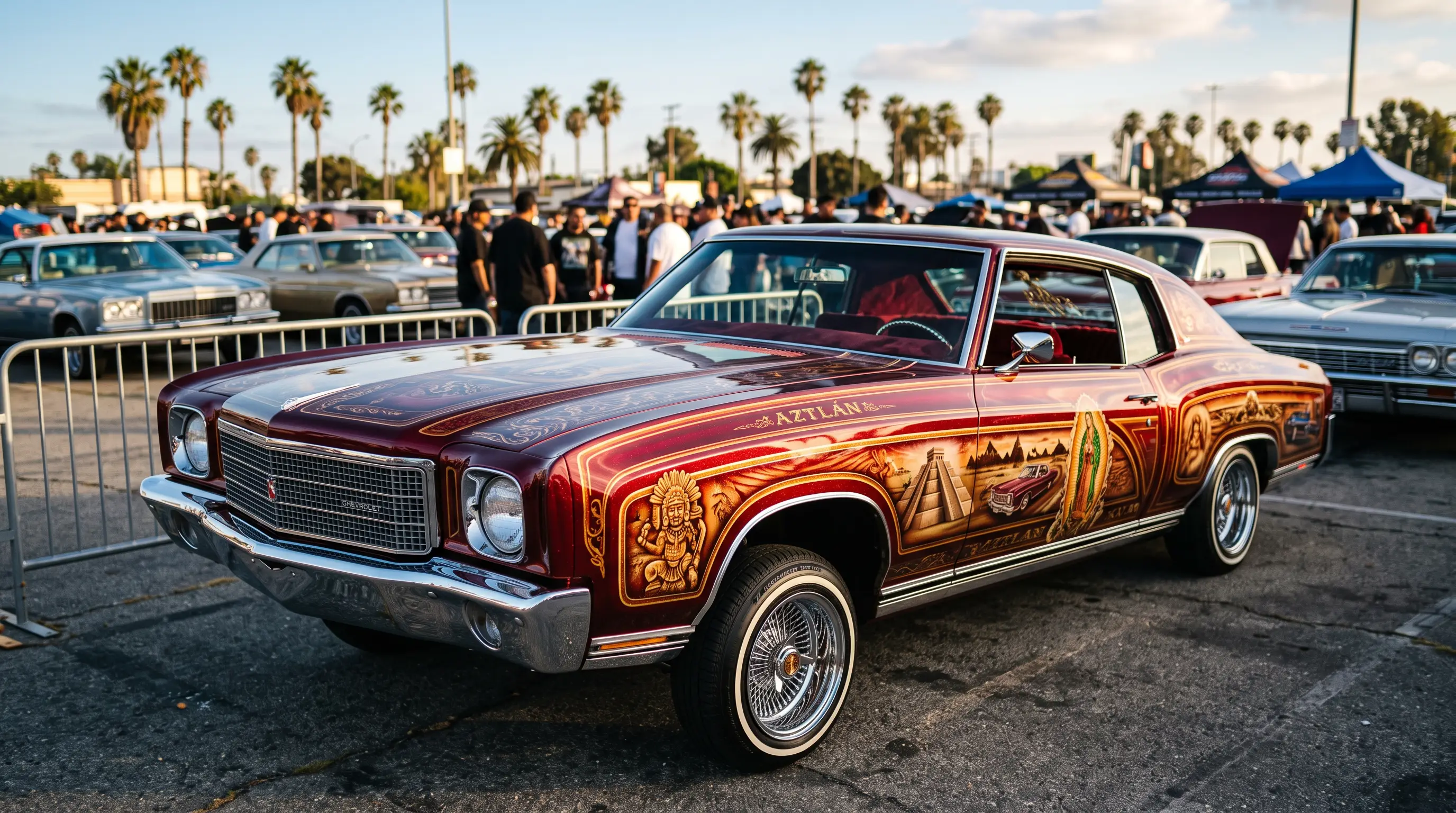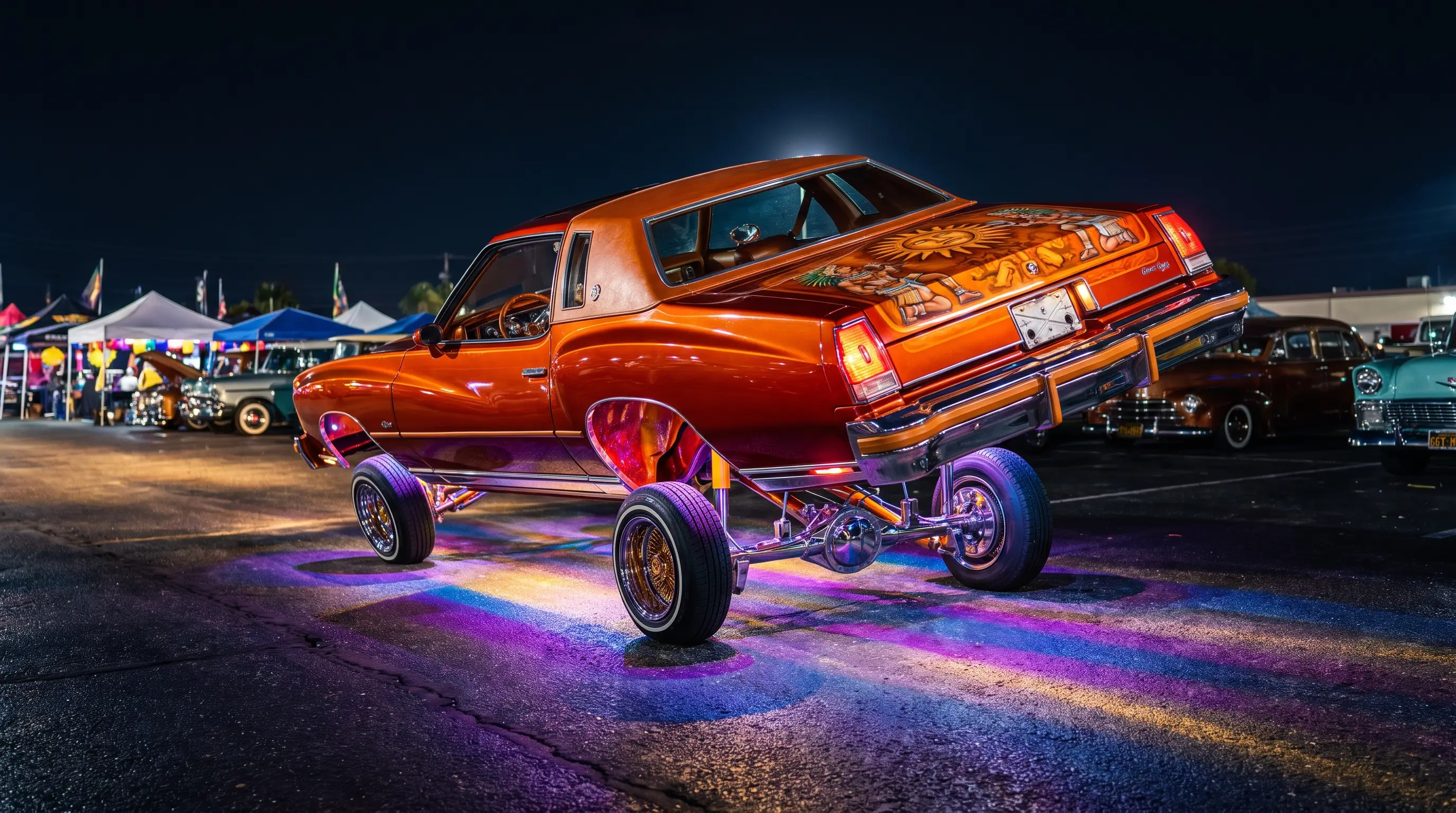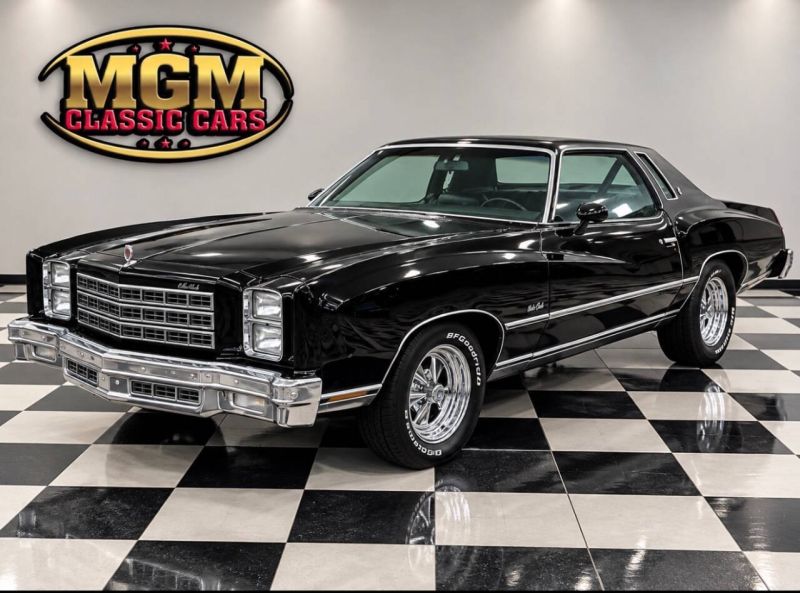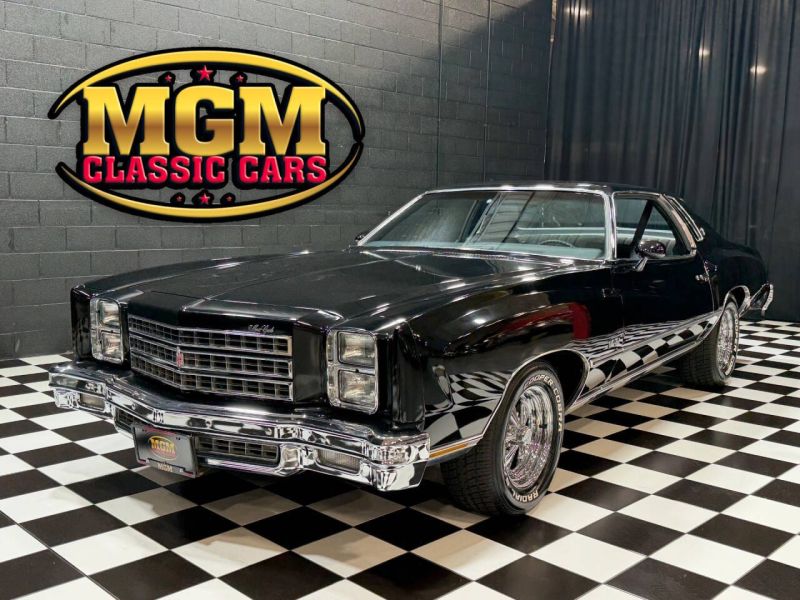
We did not build our best Monte Carlos alone in a garage with the door shut. We built them inside a club, surrounded by people who showed up to help finish a paint job before a show deadline, who lent a spare pump when a hydraulic setup failed, and who held every member to a standard the club itself had decided on years before any of us joined. That structure, the car club, is the part of this culture outsiders understand the least, and the monte carlo lowrider car clubs behind it are the part that actually made the scene work.
What a car club actually is
A car club is not a loose group of friends who happen to like the same model. It is an organized association, usually built around a neighborhood, a family, or a shared set of values, with membership requirements, meeting schedules, and often a formal charter naming officers and rules. Clubs built around the Monte Carlo in the 1980s frequently required members to maintain their cars to a documented standard, correct wire wheels, proper paint depth, functioning hydraulics, before a car could represent the club at a show under the club's plaque.
That plaque, mounted in the rear window, is the club's signature on every car that carries it. Showing up at an event with a plaque you have not earned, or letting your car fall below club standard, was treated seriously within the community, sometimes seriously enough to cost a member their membership.
How clubs organized around the Monte Carlo specifically
Once the G-body Monte Carlo became the platform builders trusted for hydraulics and paint, existing clubs that had built on earlier Chevrolets simply migrated their standards onto the new car, while new clubs formed specifically around Monte Carlo ownership as the model's popularity grew through the mid 1980s. Some clubs mixed platforms and welcomed any lowrider build regardless of make, while others built a specific identity around this one Chevrolet, competing directly with rival clubs at shows for best in class recognition.
That rivalry, friendly most of the time but genuinely competitive, pushed build quality forward across the entire scene. A club that let its members show up with mediocre paint or sloppy hydraulics work lost standing relative to clubs whose members consistently brought show-winning cars, and that pressure kept craftsmanship climbing year after year.
The mentorship that kept the craft alive
Clubs functioned as informal trade schools as much as social organizations. Experienced members taught newer ones how to lay hydraulic plumbing correctly, how to prep a panel for candy paint, how to true a wire wheel so it would not wobble at speed. That knowledge rarely appeared in a written manual. It passed from person to person, often across family lines within the same club over multiple generations, which is exactly why so many clubs built around the Monte Carlo in the 1980s are still active today, run now by the children and grandchildren of founding members.
This mentorship model is also why quality stayed remarkably consistent across decades. A builder trained inside a serious club inherited standards that had already been refined by people who built cars before hydraulics were even reliable, and that inherited discipline shows in the work.
"A club plaque in your back window is not decoration. It means people vouched for you, and you better not embarrass them."
- Hector Morales
Shows, competition, and the calendar that organized the year
Club life revolved around a calendar of shows and cruises that gave every member's build season a rhythm. Spring often meant preparation, finishing paint and mechanical work started over winter. Summer brought the bulk of the show and cruise circuit, weekends packed with events across regions where clubs would travel to compete outside their home territory. Fall and winter slowed down, giving builders time to plan next season's improvements or start an entirely new project.
Competition categories at these shows typically separated cars by build depth, mild custom, full custom, and radical, with Monte Carlos frequently dominating the higher categories once the platform's reputation for handling serious hydraulics and elaborate paint became established through the mid 1980s. Winning a major show in a top category carried real weight within the club structure, often elevating a member's standing and giving their techniques informal authority that other builders in the club would study and adopt.
What the club structure means for the culture today
Car clubs remain the backbone of the Monte Carlo lowrider scene decades after the platform's factory production ended. New members still join through the same mentorship structure, still earn the right to display a plaque, and still compete for reputation at shows the same way builders did in the 1980s. That continuity is the real reason this culture has outlasted so many passing automotive trends, it was never built around a single car model alone, it was built around a community structure that simply found the Monte Carlo to be an especially good vehicle for its values, in every sense of the word.
For the fuller picture of how this all fits together, our monte carlo lowrider retrospective covers the paint traditions and the history behind the scene, and our coverage of how this culture reached a mainstream audience is a related story worth reading next. Anyone ready to join a club or start a build of their own should start by looking at Monte Carlos for sale now and finding a solid, rust-free example to bring to that first meeting.
We also think it is worth saying that club culture gave this scene something a purely individual hobby never could, accountability. A builder working alone can cut corners without consequence. A builder representing a club plaque cannot, because every car wearing that plaque reflects on every other member who has earned the right to wear it too. That accountability is a big part of why Monte Carlo builds tied to serious clubs tend to hold their reputation and their value better than similar cars built outside any club structure. The plaque is a promise, and clubs enforced that promise long before anyone thought to write it down as a rule.
New clubs still form around the Monte Carlo today, often started by younger builders who grew up attending shows with parents or older relatives already active in the scene. They inherit not just techniques but an entire social structure, officers, dues, meeting nights, probationary periods for prospects, that has proven durable enough to survive the platform's original production run by nearly forty years and counting. Few automotive subcultures can claim that kind of institutional staying power, and the Monte Carlo sits right at the center of it.