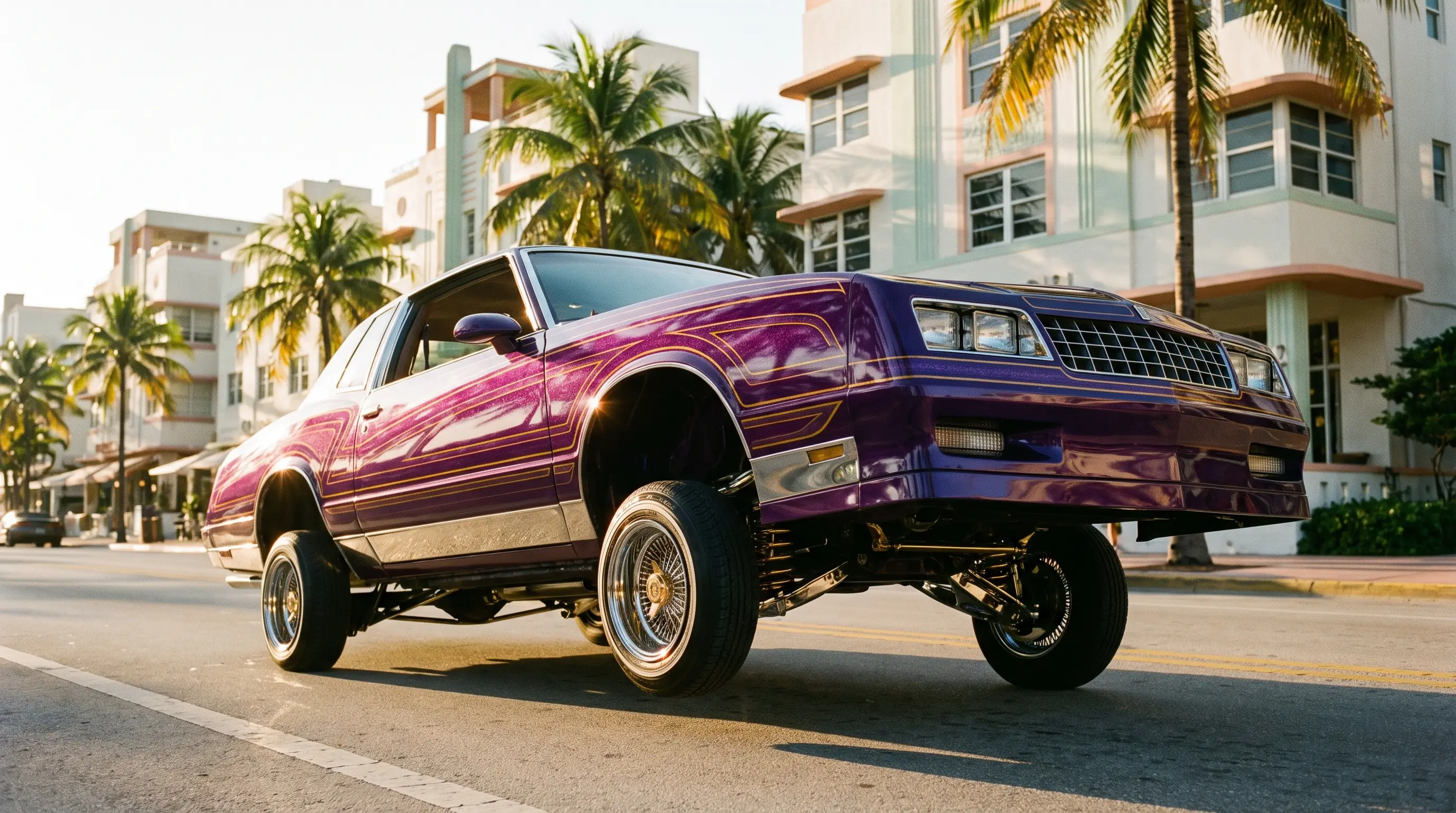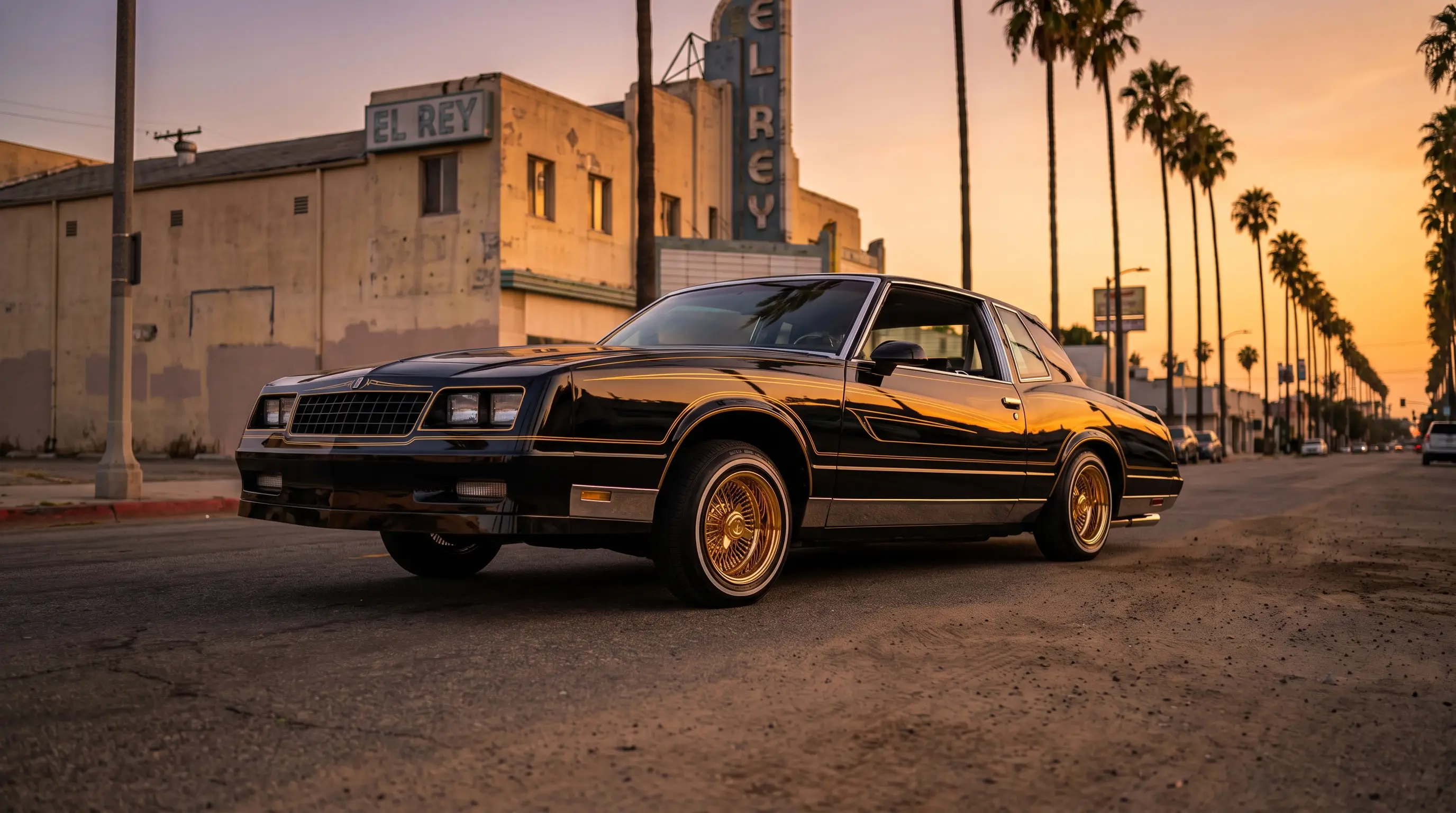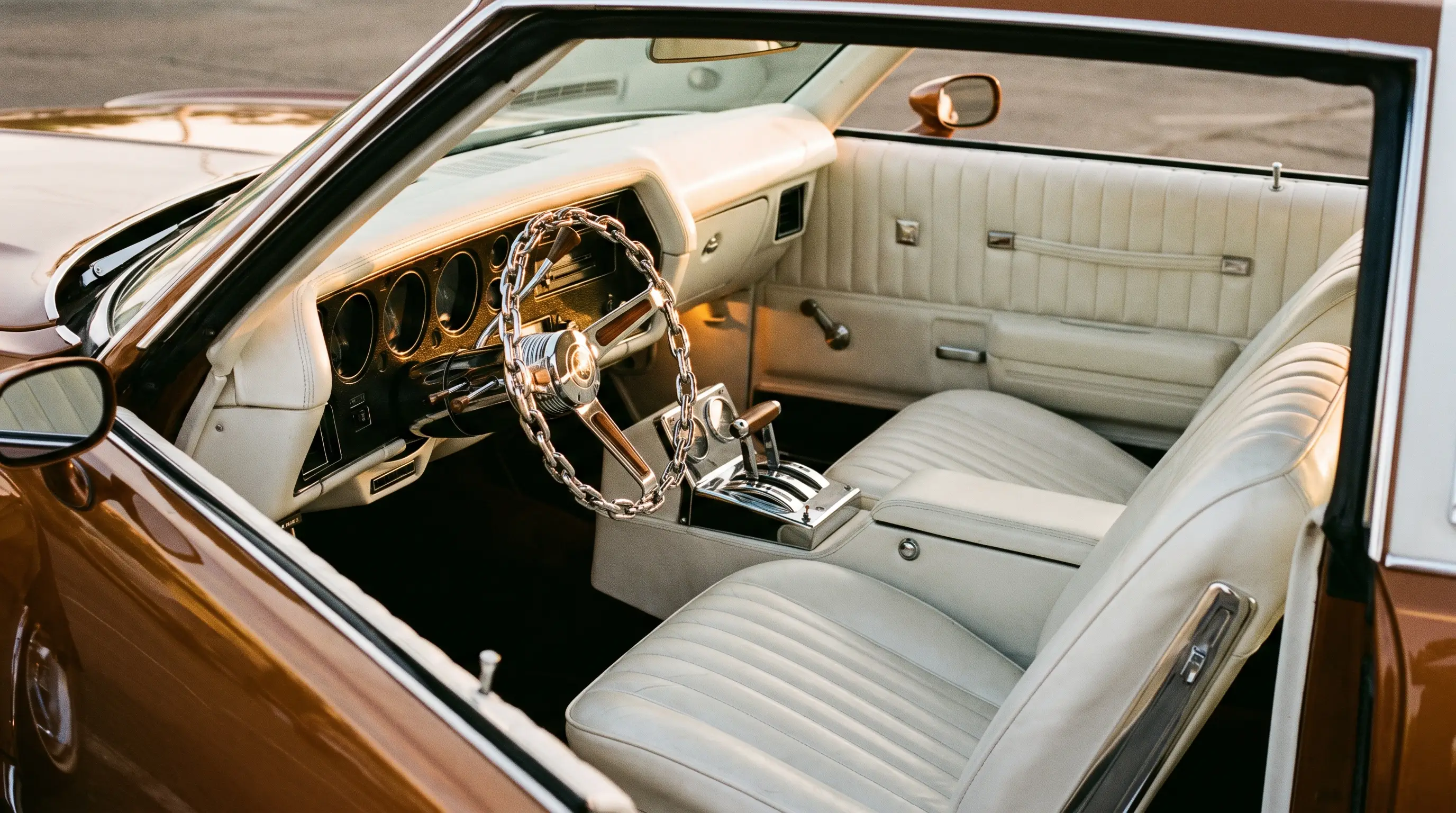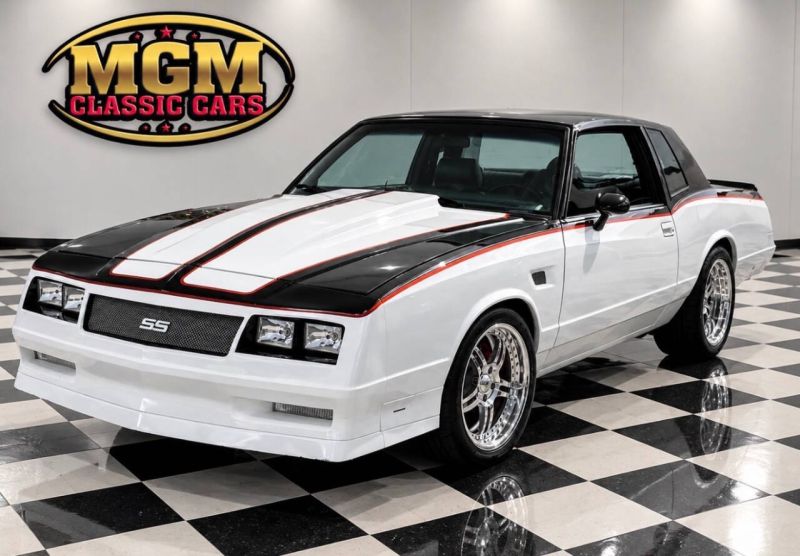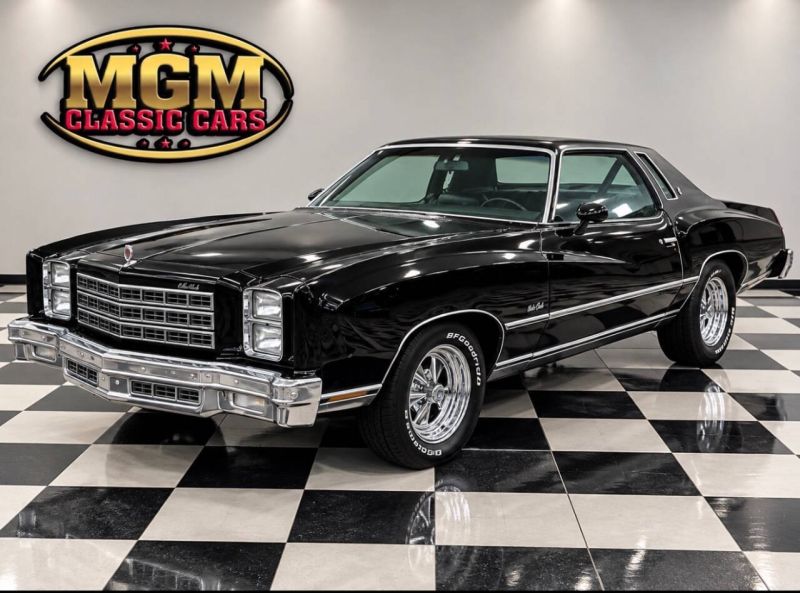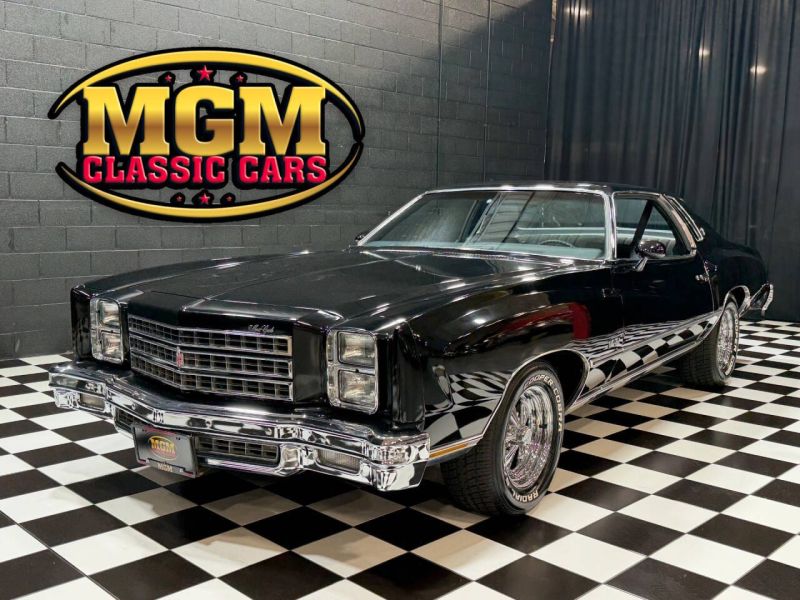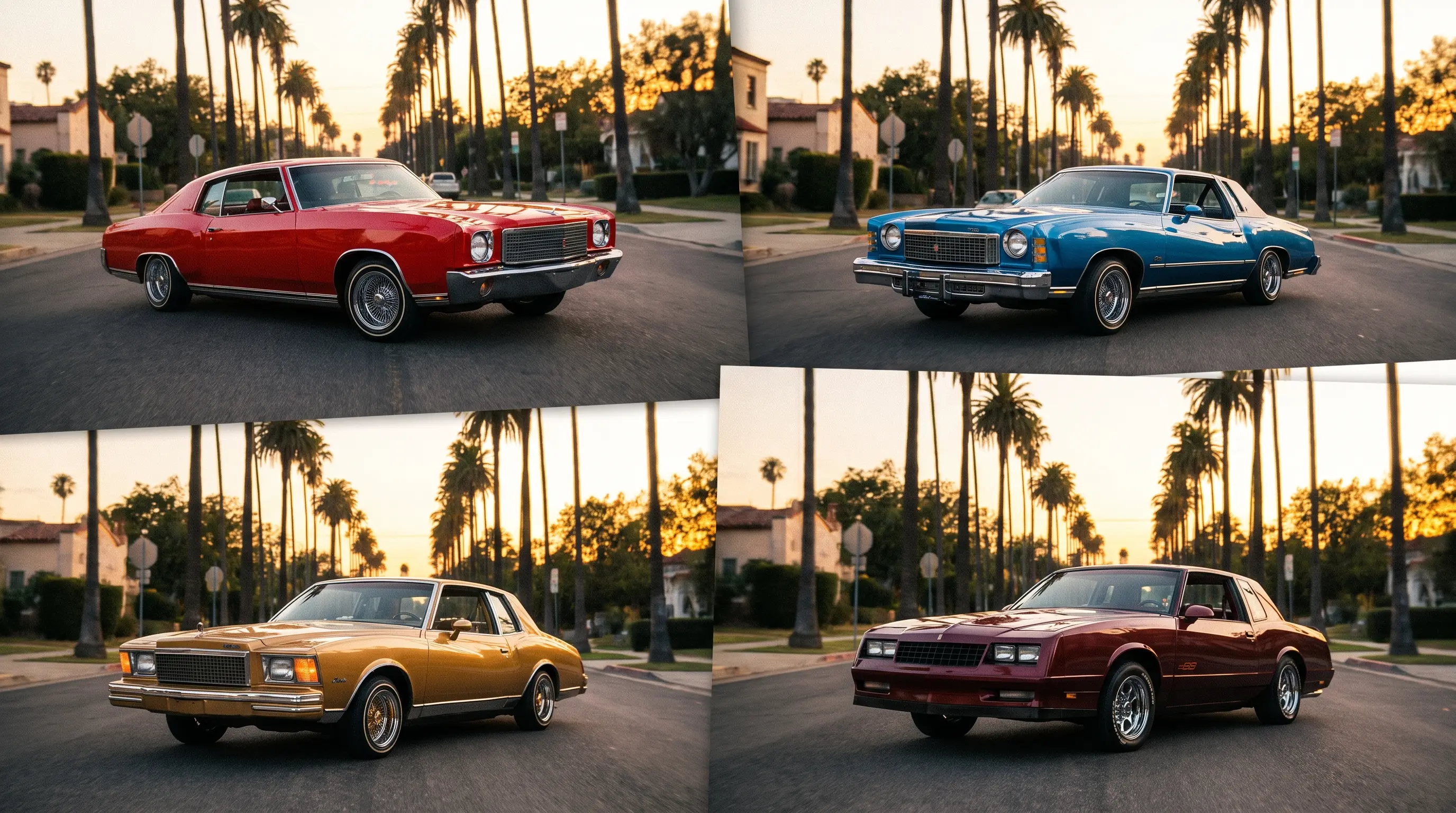
We were taught that a lowrider is never just a car. It is a statement of identity, built by hand inside a community that turned a Chevrolet into something that spoke for people who were often overlooked everywhere else. The Monte Carlo became part of that language in the 1980s, and understanding the monte carlo lowrider chicano culture behind it means understanding the community that shaped lowriding decades before this particular Chevrolet ever entered the picture.
Where the cultural roots run deep
Mexican American communities in Los Angeles and across the Southwest built the lowrider tradition out of postwar car culture, taking the same low, slow, and deliberate cruising style that defined the scene and infusing it with symbols, colors, and imagery specific to Chicano identity. This was never separate from the broader civil rights and cultural pride movements of the 1960s and 1970s. A lowered, detailed car became a way to claim space and visibility in a country that did not always grant either easily, and that meaning attached itself to every platform the community adopted, including the Monte Carlo when its turn came.
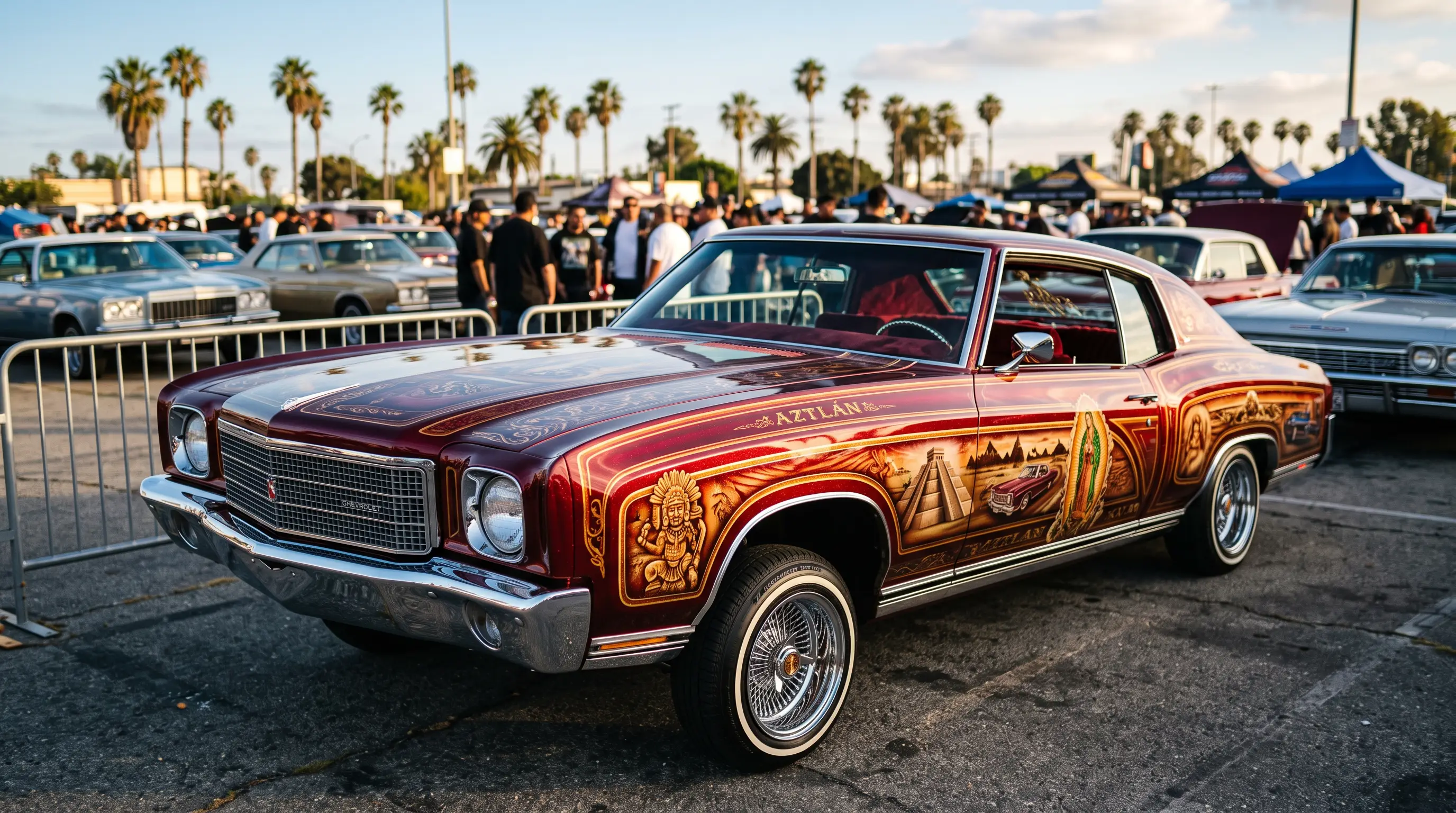
Religious imagery, family portraits, and neighborhood pride showed up in the murals and paint schemes builders chose, and those choices were never accidental. A car built this way carried its owner's history on its body panels for anyone at a show or a cruise to see and understand.
Why the Monte Carlo became a chosen vessel for that expression
By the time the G-body Monte Carlo arrived, the Chicano lowrider tradition already had established visual language, low stance, wire wheels, candy paint, and murals carrying personal and cultural meaning. The Monte Carlo's clean panels and body-on-frame strength gave that established language a fresh, capable canvas, and builders in the community moved onto the new Chevrolet quickly once it proved it could handle the hydraulics and hold the paint the way older platforms had.
Car clubs organized around specific neighborhoods and families adopted the Monte Carlo as a shared project, often with fathers teaching sons the mechanical and painting skills passed down through the club itself. That mentorship structure kept craft knowledge inside the community even as outside attention and media coverage grew through the 1980s and 1990s.
The tension between mainstream attention and cultural respect
As lowrider culture gained mainstream visibility through music videos, magazines, and eventually film in the 1990s, the community faced a real tension between welcoming wider appreciation and protecting the cultural meaning behind the craft. Some builders embraced the spotlight as validation of decades of overlooked work. Others were more guarded, wary that mainstream attention would flatten a deeply personal tradition into a surface level aesthetic trend divorced from the history and struggle that produced it.
That tension has not fully resolved even now, and it is worth naming honestly rather than glossing over. The Monte Carlo builds that carry the most respect within the culture today are still the ones with documented family and club history behind them, not simply the ones that look correct on the outside.
"This car carries our history whether people outside the culture recognize it or not. We built it that way on purpose, and that is not something we are willing to let get flattened into just a look."
- Hector Morales
The imagery and symbols that carried real weight
Specific visual choices in these builds were never random. Religious figures painted across a trunk lid connected a build to family faith traditions carried over generations. Portraits of parents or grandparents turned a car into a rolling memorial and a way of keeping someone present at every show the family attended. Neighborhood names and club insignias declared where a builder was from and who stood behind them, a kind of visible loyalty that mattered as much inside the community as any trophy the car might win.
Color choices carried meaning too, though outsiders often miss this layer entirely. Certain combinations referenced specific clubs or regions, and a builder choosing those colors on a Monte Carlo was making a deliberate statement of affiliation and respect, not simply picking a shade that looked good under the lights. Reading a build correctly meant understanding this visual vocabulary, which is part of why cultural insiders could tell so much about a car's story just from studying its paint before ever speaking to the owner.
How the tradition continues today
Car clubs across the Southwest still build Monte Carlos following the same values that shaped the earliest Chicano lowrider culture, family involvement, neighborhood representation, and craft passed down rather than bought outright. Younger builders entering the scene today are often taught by relatives or club elders who built cars in the 1980s themselves, keeping a direct line of transmission alive between generations rather than letting the knowledge scatter into disconnected individual projects.
That continuity is the real story behind every Monte Carlo you see rolling low at a show with a mural on the trunk and a family name stitched somewhere into the build. It is a Chevrolet, but it is also a document of who built it, who taught them, and what that meant to a community that turned a factory coupe into something entirely its own.
For the fuller history of the clubs, the shows, and the builders who shaped this scene, the full story covers the details in depth. And if this history moves you to start your own build, browse classic Monte Carlo listings to find a starting point worth the work.
We want to be clear about one more thing before closing this out. Writing about this history from outside the culture risks reducing it to aesthetics, low stance, chrome spokes, glossy paint, and missing the point entirely. The point was never the surface. It was the community underneath it, the fathers and mothers who taught their kids to weld and paint, the clubs that organized around mutual respect rather than competition alone, and the decades of people insisting on being seen on their own terms in a country that did not always make that easy. The Monte Carlo happened to be the canvas for one chapter of that much larger story, and it deserves to be treated with the same seriousness as any other chapter in this car's history.
We tell this history the way our elders told it to us, without softening it into a marketing angle and without pretending the culture exists only to make a factory car look interesting to outsiders. The Monte Carlo earned its place in this story because a community with a much longer history chose it, worked on it, and passed the knowledge forward. That order of events matters, and it is the reason this particular chapter of the car's story deserves to be told on its own terms rather than as a footnote to the factory record.
Sources and notes
- The History of Lowrider Culture and Its Multigenerational Reach - NPR
- The Cultural Significance of Lowriders in Mexican-American Identity - Texas State Historical Association
- The Vibrant History of Lowrider Car Culture in L.A. - Smithsonian Magazine
- Lowrider - Wikipedia
- Chevrolet Monte Carlo - Wikipedia