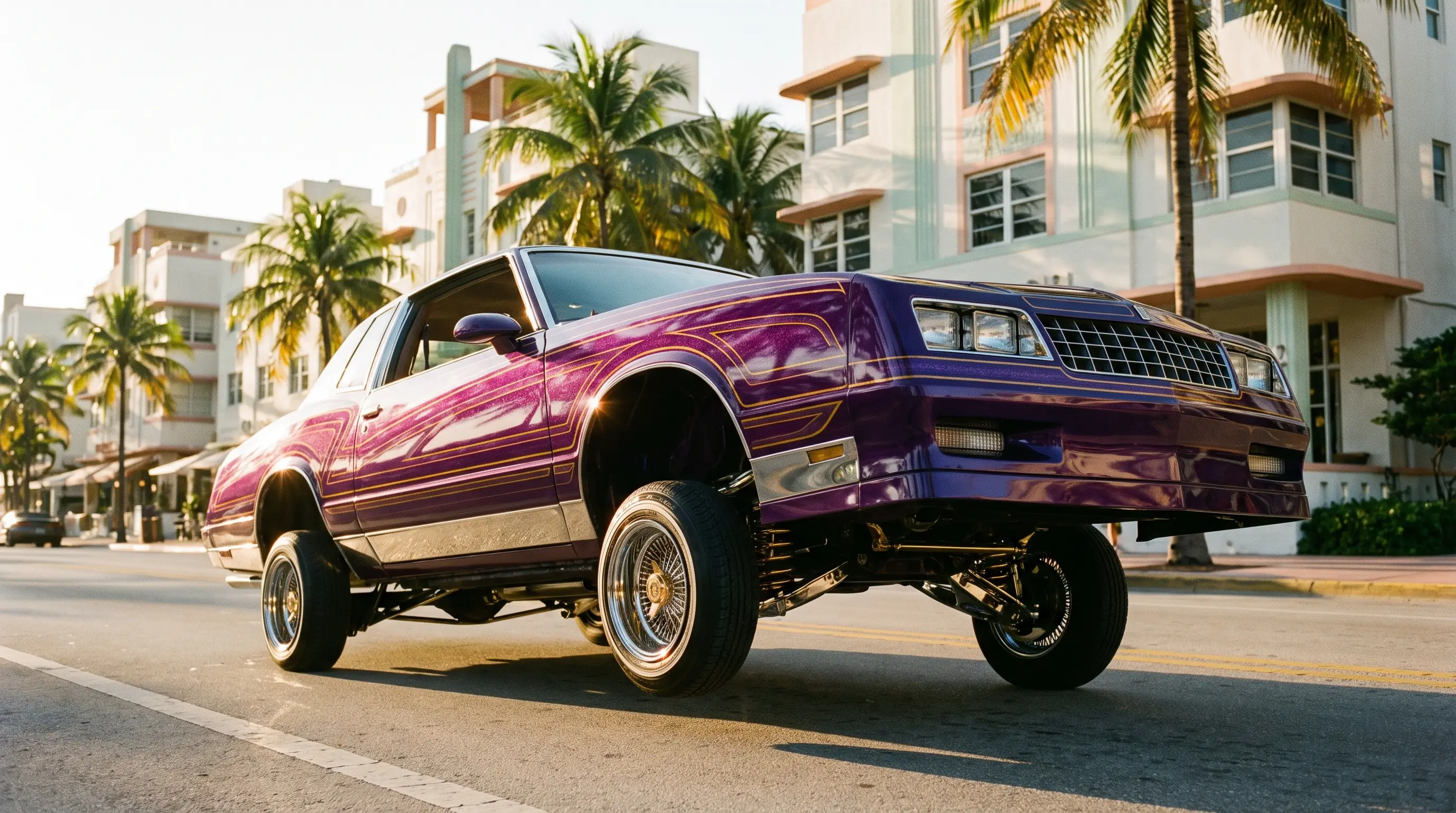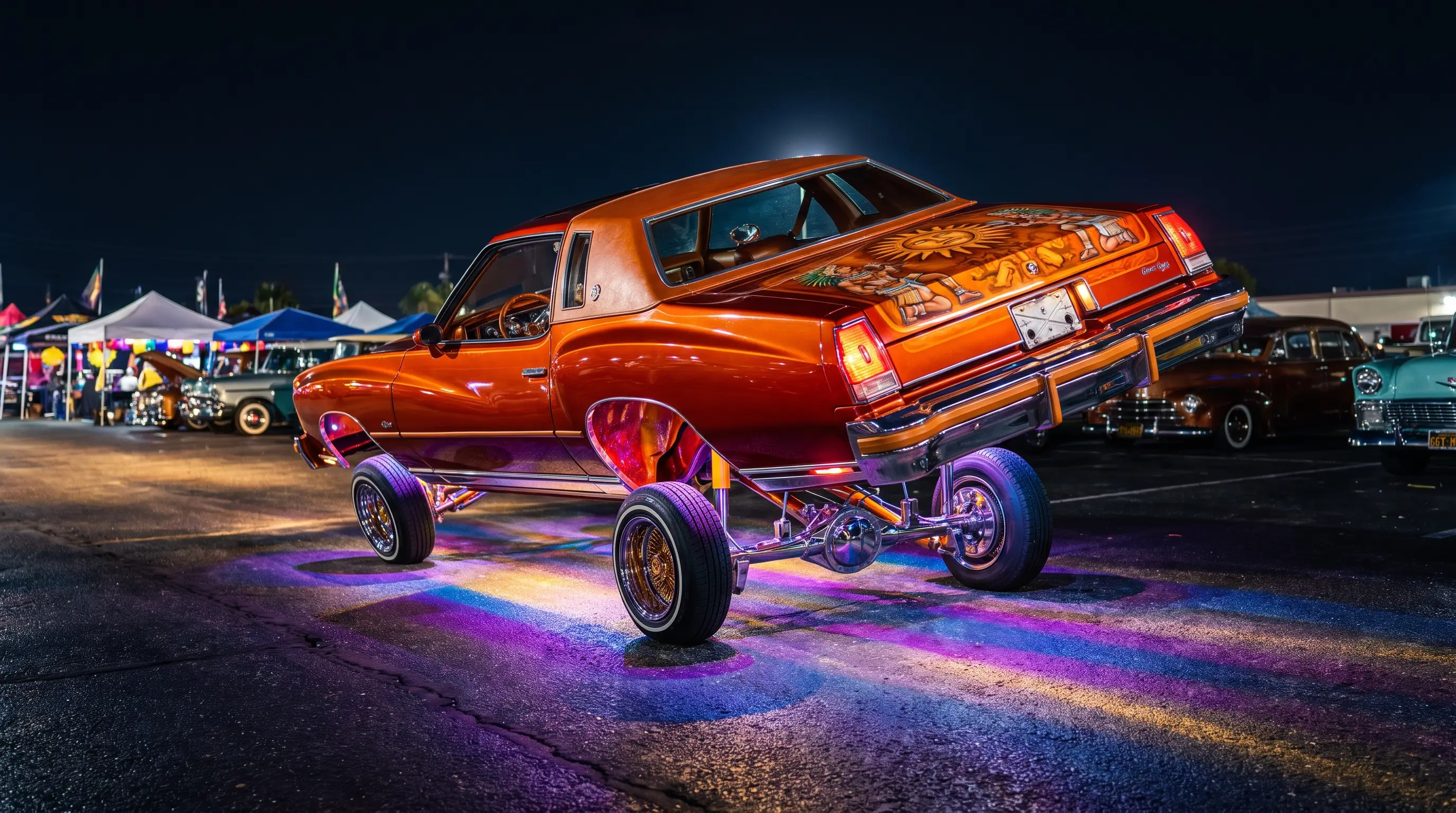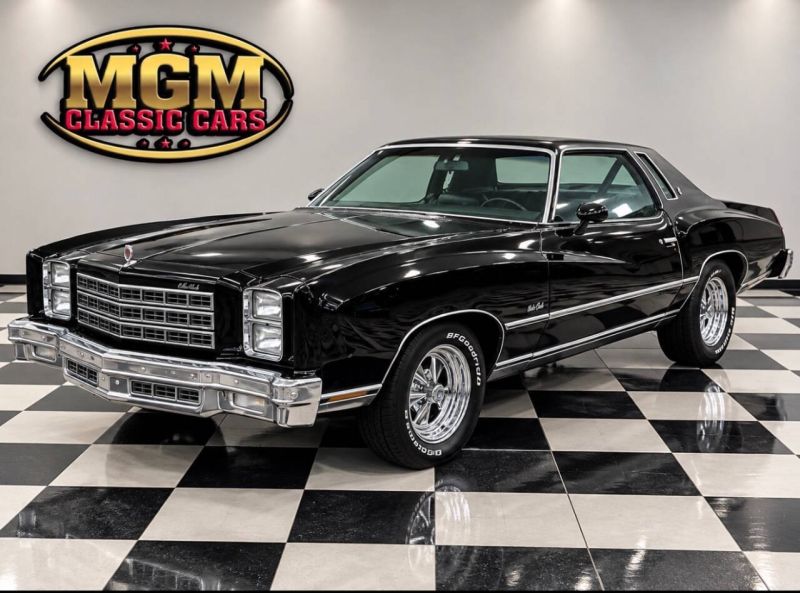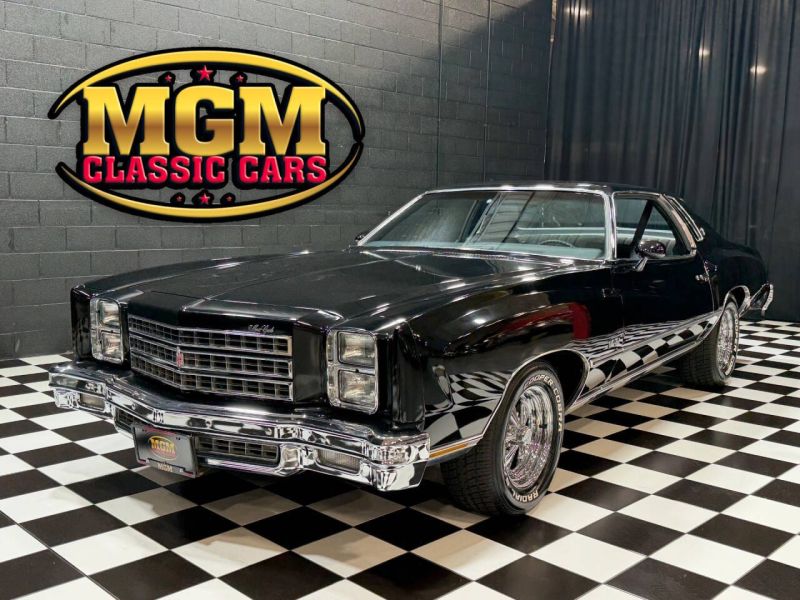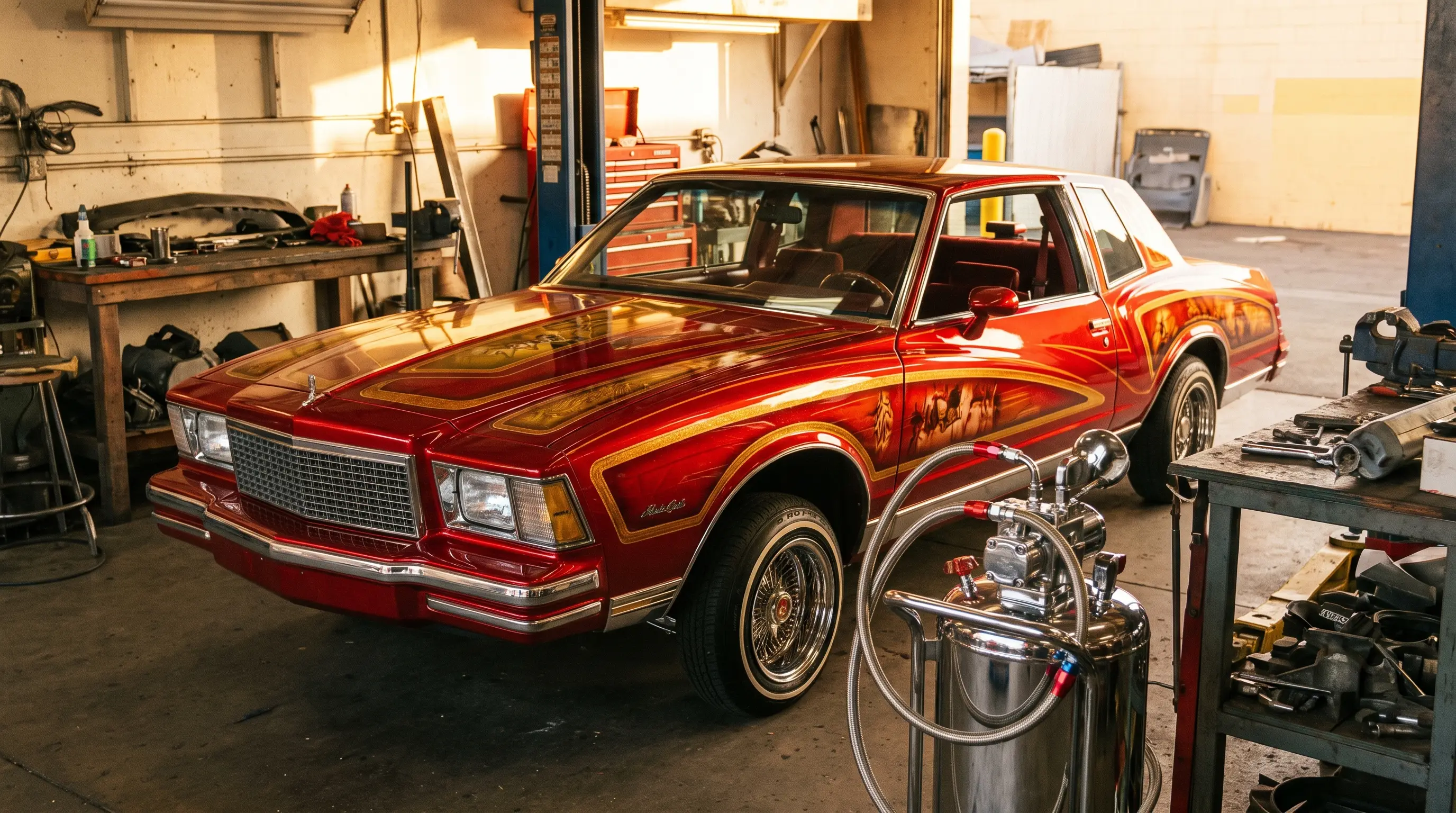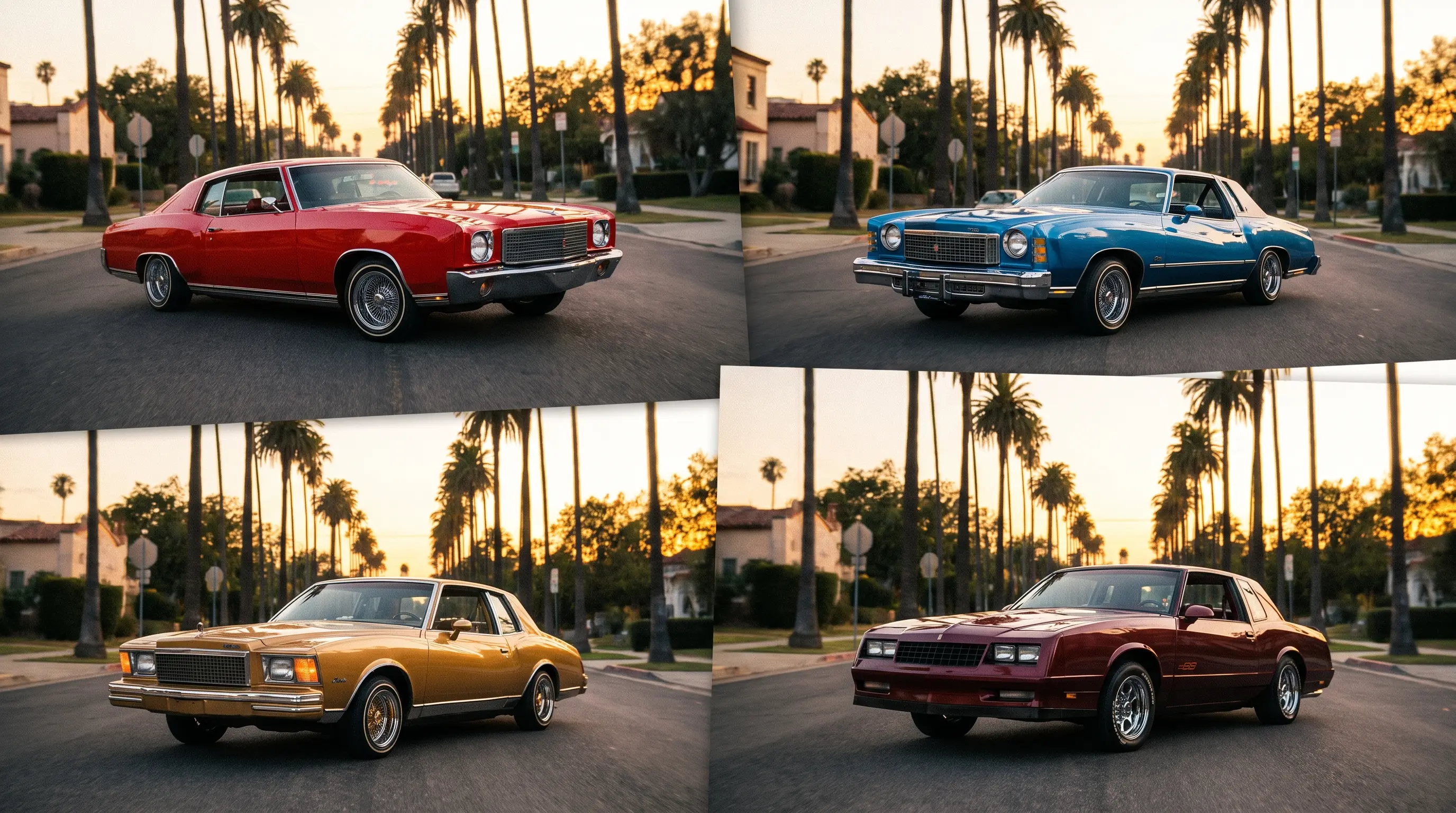
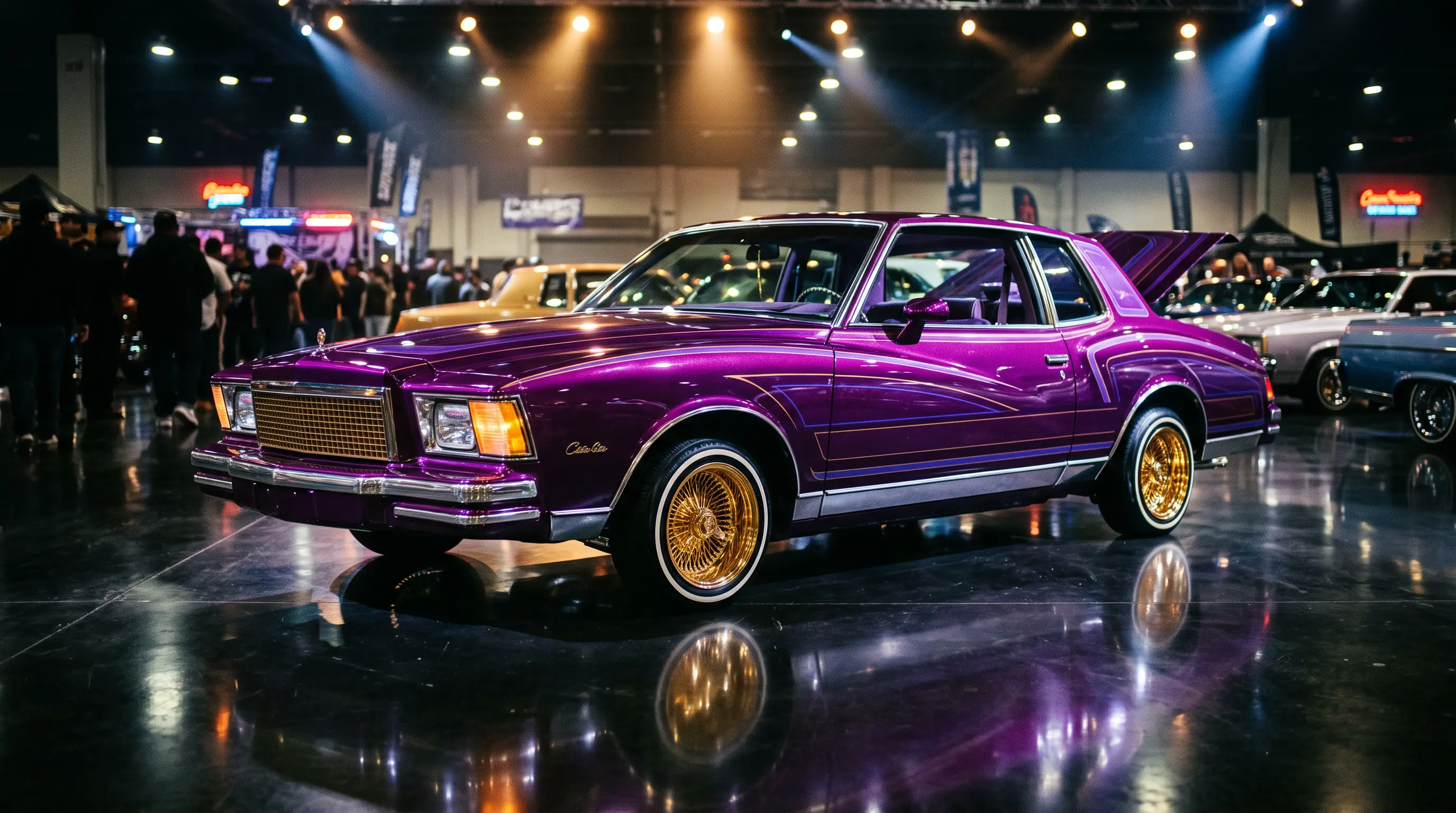
Walk into a Lowrider Super Show and the Monte Carlo does not need an introduction. Anybody who has stood in front of a full custom G-body under the show lights knows the car earned its spot on that floor the hard way, one build cycle at a time. The Super Show circuit, which grew out of magazine-sponsored events starting in the 1980s, became the proving ground where a backyard project either got validated as a real contender or got sent home to keep working. The Monte Carlo has been part of that conversation since the format found its footing.
We say legendary carefully, because the word gets thrown around too easily in car culture. A car earns legendary status at a Super Show by winning consistently across multiple years, by pushing a technique nobody else had figured out yet, or by becoming the reference point other builders measure their own work against. A handful of Monte Carlos have done exactly that, and their names still come up in conversation among people who were there decades later.
What made a Monte Carlo a show floor contender
Judging at a Super Show is not casual. Cars get scored on paint depth and consistency, engraving and plating quality, upholstery execution, hydraulic setup complexity, and overall presentation down to the undercarriage. A Monte Carlo competing at the top level in the 1980s or 1990s typically had a full undercarriage chrome or show-plate treatment, a multi-pump hydraulic system capable of serious hopping height, murals or patterns laid down by a recognized painter, and an interior that matched the exterior theme rather than just being comfortable.
The G-body's proportions helped here. Its trunk had enough room to build out an elaborate hydraulic display, sometimes with mirrored panels and chrome plumbing arranged almost like jewelry, and the flat rear deck and formal roofline gave muralists a clean surface for detailed scene work. Builders who wanted their car to read as a complete statement, not just a lowered coupe, found the Monte Carlo's shape cooperated with that ambition.
"You do not build a Super Show car to drive it to the corner store. You build it so somebody stands in front of it for ten minutes and cannot find a flaw."
- Hector Morales
The hop competition and the Monte Carlo's reputation
Beyond the static judging, hop competitions became one of the most spectator-friendly parts of the Super Show weekend, and Monte Carlos built a strong reputation there. A well-engineered multi-pump setup in a G-body, with the right battery weight distribution and frame reinforcement, could put on a serious show, and crowds gathered specifically to watch certain builders' cars compete. Winning a hop competition did not require the flashiest paint. It required an engineer's discipline applied to a hobbyist's passion, which is exactly the combination that separates a car people remember from a car that just looked nice in the parking lot.
Some of the most respected names on the circuit built their reputation on Monte Carlos specifically because the platform rewarded that kind of precision. A hopper that snapped a frame or blew a hose in front of a crowd became a cautionary tale fast. A hopper that performed reliably, show after show, built the kind of word-of-mouth respect that turned a car club into a recognized name across state lines.
Regional styles and the Monte Carlo's spread
The Super Show circuit toured through Los Angeles, Phoenix, Houston, and other cities over the years, and regional taste showed up clearly in how different builders approached the same platform. Los Angeles builds tended toward intricate murals and deep candy paint. Some Southwest and Texas builds leaned into cleaner, more restrained patterns with heavier chrome emphasis. A Monte Carlo from one region could look meaningfully different from one built two states over, even when both were competing at the same event level.
That regional variation is part of why the Monte Carlo's Super Show history is worth studying rather than just admiring. It is not one story. It is dozens of parallel stories from builders who never met but were all pushing the same body style toward the highest standard their local scene demanded. Getting the whole picture means understanding how those regional threads fed into and borrowed from each other over the decades.
Why these cars still matter to today's market
A genuine Super Show-level Monte Carlo, documented with period photos or magazine features, carries real weight in today's collector conversation, separate from the general classic car market. Buyers who understand this history are not just looking at a lowered G-body with nice paint. They are looking for provenance, for a build that can be traced back to a specific era of the circuit, ideally with photographic proof it once stood under those show lights.
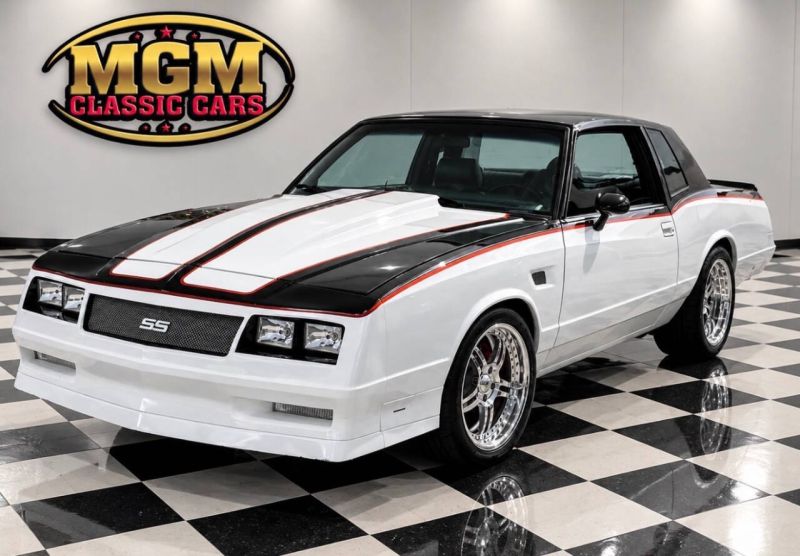
That kind of documented history is rare, which makes it valuable, and it also means most buyers looking for their own entry point into this world are not hunting a legend. They are hunting a solid, honest Monte Carlo they can build into their own story. If that is where you are starting, you can shop classic Monte Carlo listings and begin the same way every legendary Super Show build once did, with a stock car and a plan.
The role of documentation in preserving these builds
One challenge specific to Super Show legends is that many of the cars themselves did not survive intact. Show cars got sold, parted out, repainted for a new owner's different vision, or simply worn down through years of continued use after their competition days ended. What survives in most cases is the documentation, magazine spreads, event photography, and word-of-mouth accounts passed between people who were actually there. That makes photographic and print evidence disproportionately valuable to anyone trying to verify a car's history today.
This is also why some of the most passionate corners of Monte Carlo lowrider culture today are not builders at all, but archivists and historians who collect old event photos, track down former owners, and try to piece together which cars are still out there under new paint and new hands. Their work matters because without it, a genuinely important car could pass through a swap meet and back into anonymity, its history lost simply because nobody thought to write it down at the time.
Carrying the tradition forward
The Super Show circuit continues today, and Monte Carlos still roll onto the floor at events across the country, built by a new generation that grew up hearing about the cars that came before them. Some of those builders are grandchildren of the original club members who competed in the 1980s, carrying forward not just a car but a family relationship to the culture. That continuity, more than any single trophy, is what makes the phrase legendary Monte Carlo mean something real instead of just marketing language.
Sources and notes
- Chevrolet Monte Carlo, Wikipedia
- The History of Lowrider Cars, Gauge Magazine
- Carros y Cultura: Lowriding Legacies in Texas, Texas Standard / Bullock Texas State History Museum
- Amigos Car Club Collection, University of San Diego Lowrider Archival Project
- 1972 Monte Carlo Becomes a Nationwide Lowrider Showstopper, Motorious via Yahoo Autos