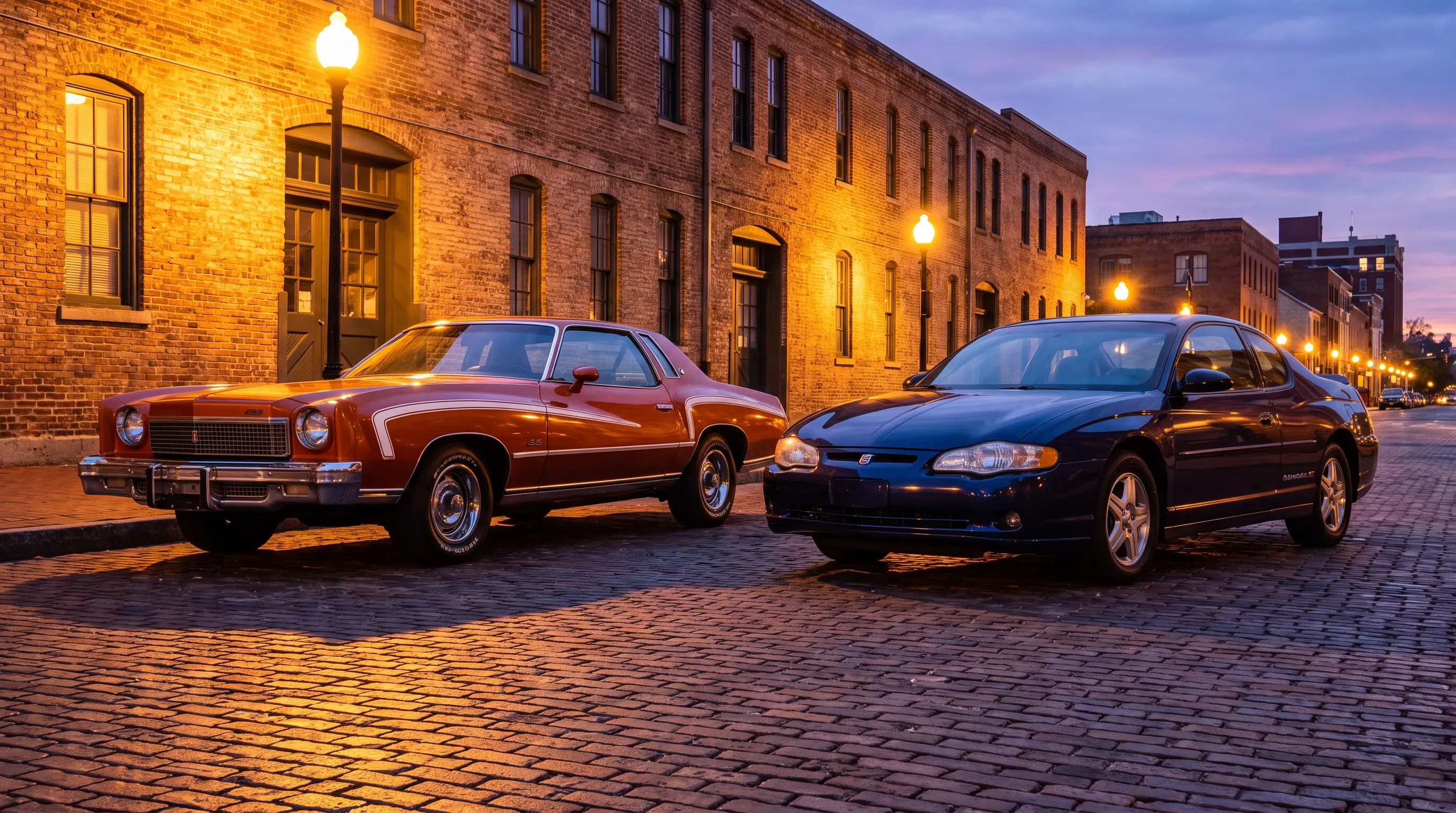
Ranking the monte carlo ss generations evolution requires accepting an uncomfortable fact first: there is no continuous SS lineage to rank. Chevrolet built the badge in 1970 and 1971, retired it, and did not bring it back until 1983. Twelve years is a long gap for a nameplate, and it means the SS story splits cleanly into two distinct eras with almost nothing connecting them except the word Monte Carlo on the trunk lid. Judged on its own terms, each era earns a different kind of respect.
1970 to 1971: the original, and the one everything else measures against
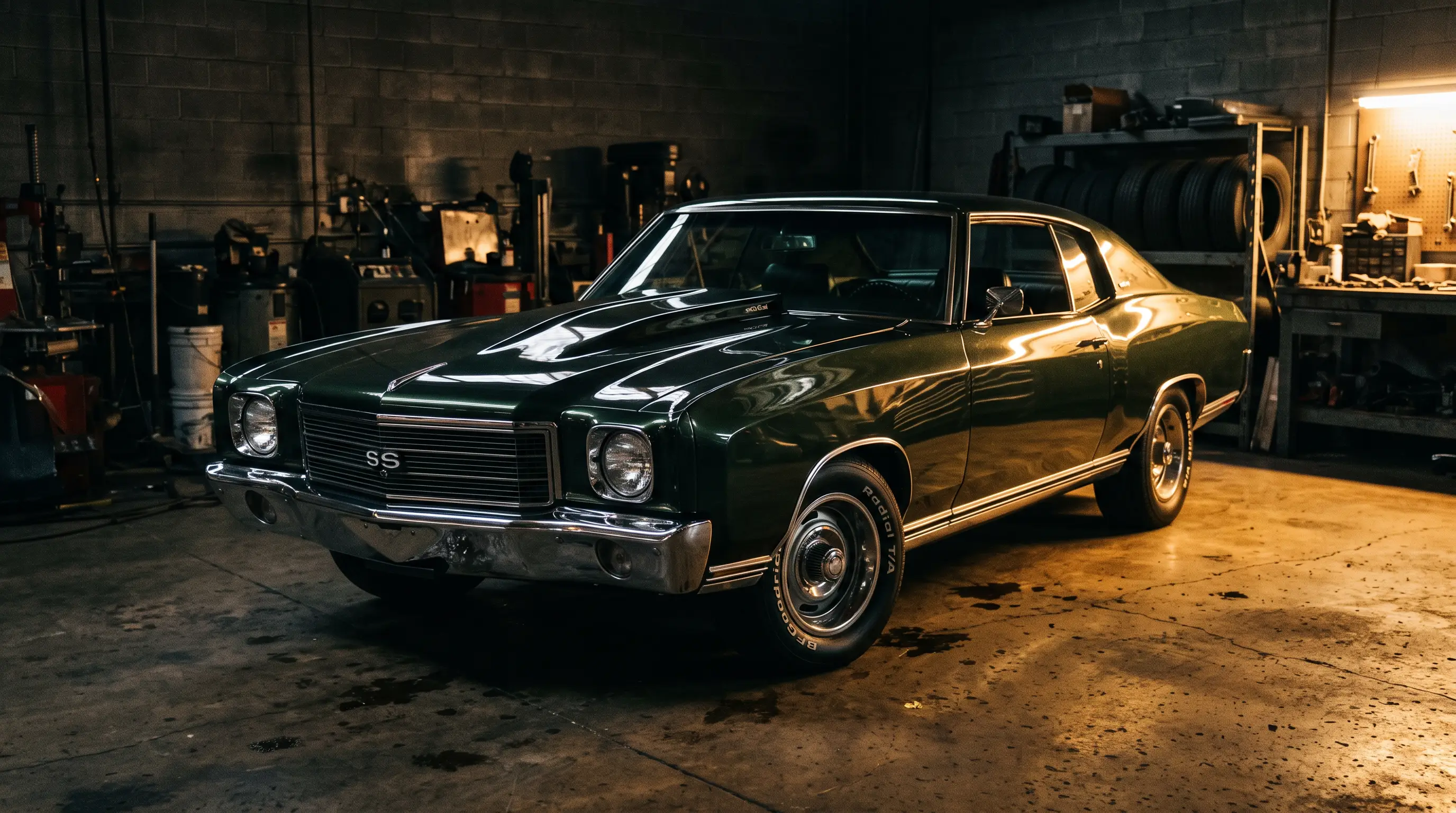
The first Monte Carlo SS arrived with the LS5 454, rated at 360 horsepower and 500 lb-ft of torque, dropped into a Chevelle-based chassis dressed as a personal luxury coupe. It was the boldest version of the idea Chevrolet ever built, a big block under a formal roof, and it never fully repeated after this. The 1971 car carried the same basic recipe with the LS5 now built to a lower 8.5:1 compression ratio, down from 10.25:1 in 1970, the result of compression ratios coming down across the whole GM lineup as unleaded fuel and emissions rules started tightening. Oddly, the SAE gross rating on the 1971 LS5 actually ticked up to 365 horsepower even as torque slipped to around 465 lb-ft, so the "detune" shows up in the driving feel and the torque curve more than in the advertised horsepower number.
What makes this era the benchmark is not just the horsepower, it is the honesty of the concept. Chevrolet was not pretending the SS454 was a track car. It was a comfortable coupe that happened to carry serious torque, and buyers who wanted a quieter, more mature take on muscle car performance found exactly that. Nothing built after it captured that particular combination in quite the same way.
1972 to 1982: the decade with no SS at all
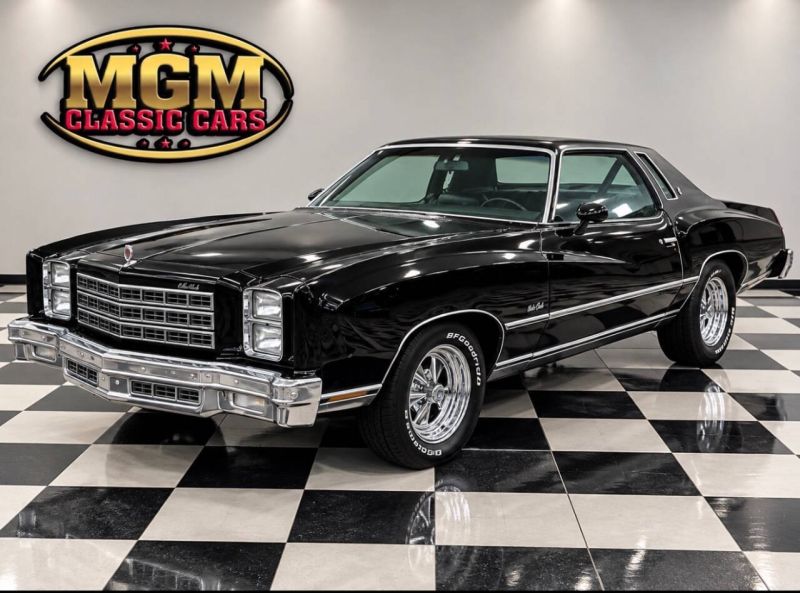
This is the part of the story most casual fans skip past, and it deserves more attention than it gets. For the entire Colonnade era (1973-1977) and the first downsized generation (1978-1980), Chevrolet sold the Monte Carlo purely as a personal luxury coupe with no performance model whatsoever. The nameplate sold extremely well during these years, at times outselling every other Chevrolet, but it did so as a comfort-and-styling proposition, not a performance one.
Ranking this stretch against the SS generations feels almost unfair since it was never trying to compete on the same terms. But it matters historically because it explains why the SS name felt like such a genuine event when it returned in 1983. An entire decade had passed with Chevrolet showing no interest in a performance Monte Carlo, which meant the badge had to earn its way back rather than simply continuing a tradition.
1983 to 1988: the G-body SS and the NASCAR connection
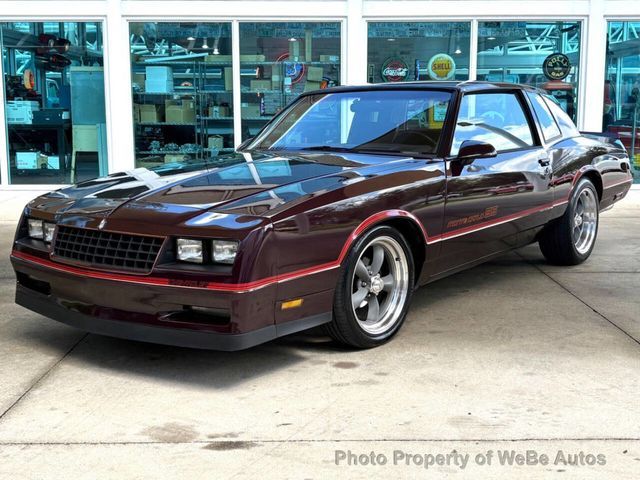
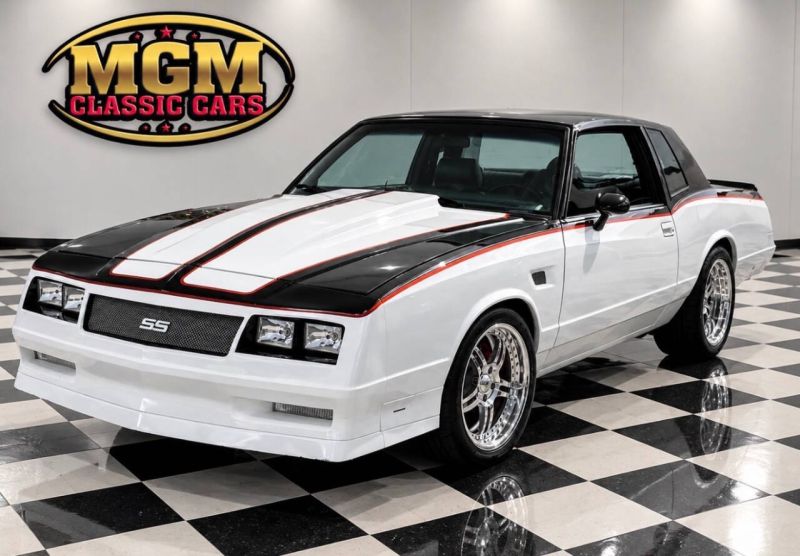
When the SS returned for 1983, it came back on the smaller, boxier G-body platform with a 305 cubic inch V8 under the hood instead of a 454. On paper that sounds like a step down, and in raw horsepower it was, but the context was completely different. This was a NASCAR era. Chevrolet built the G-body SS with genuine attention to aerodynamics and handling, features that mattered more to that decade's buyers than a big block ever could have in the emissions-choked 1980s.
The high point of this generation, at least visually and in terms of rarity, was the Aerocoupe, built for the 1986 and 1987 seasons in small numbers specifically to homologate the sloped rear window for NASCAR competition. It is the rarest and most collectible G-body SS by a wide margin, and it represents a completely different value proposition than the 1970 original: not raw torque, but aerodynamic purpose built for a specific racing rule.
"You cannot rank the 1970 SS454 against the 1986 Aerocoupe on the same scale. One is about torque and comfort, the other is about aerodynamics and homologation. They are both correct answers to completely different questions."
- Sarah Whitfield
How the eras actually compare on character
Character, not horsepower, is the fair way to judge these against each other. The 1970 to 1971 cars win on sheer physical presence, the sense that a genuinely large engine is doing genuinely large amounts of work under a formal roofline. The 1983 to 1988 cars win on relevance to their moment, translating stock car racing success into a production model that ordinary buyers could park in a driveway. Neither approach is objectively better. They simply reflect what Chevrolet, and the market, valued in each decade.
For anyone building a full picture of how the badge moved from big block muscle to aero racer, our complete history lays out the details generation by generation with production figures and option codes. And for buyers who have decided which era speaks to them, whether that is the original big block or the NASCAR-flavored G-body, the practical next step is comparing what is actually on the market. Find a classic Monte Carlo and weigh the asking prices against what each generation genuinely represents, rather than against a single blended idea of what an SS is supposed to be.
The twelve-year gap between the two eras is not a flaw in the story, it is the story. Few nameplates get to reinvent themselves so completely and still feel coherent decades later, and the Monte Carlo SS managed it by being honest about what each version was actually for.
Values reflect the split more than the badge does
Anyone shopping this model quickly learns that the badge alone does not price the car, the generation does, and within the generation the specific documentation does. A confirmed LS5 car from 1970 with the correct build sheet sits in a different price bracket entirely from a garden-variety 1985 SS with the standard 305, even though both wear the same three letters on the fender. The scarcity math runs in opposite directions too. Original-era SS454 cars are rare because Chevrolet built comparatively few, while G-body SS cars from the mid-1980s are common enough that condition and options do most of the work in separating a good buy from an overpriced one.
The Aerocoupe breaks that pattern by being both a G-body car and genuinely scarce, which is why it draws bids closer to the original era's numbers than a standard notchback SS from the same model years ever will. That single variant proves the two eras are not as far apart in collector appeal as the horsepower figures alone would suggest. Rarity and racing purpose can matter just as much as displacement when the market decides what a car is worth.
None of this means one generation is the correct answer for every buyer. Someone chasing torque and formal-era presence should be looking at 1970 and 1971 cars exclusively. Someone drawn to the aerodynamic story and the NASCAR tie-in has a much wider, more affordable field to choose from in the G-body years, with the Aerocoupe sitting at the top as the one variant worth paying a real premium for.