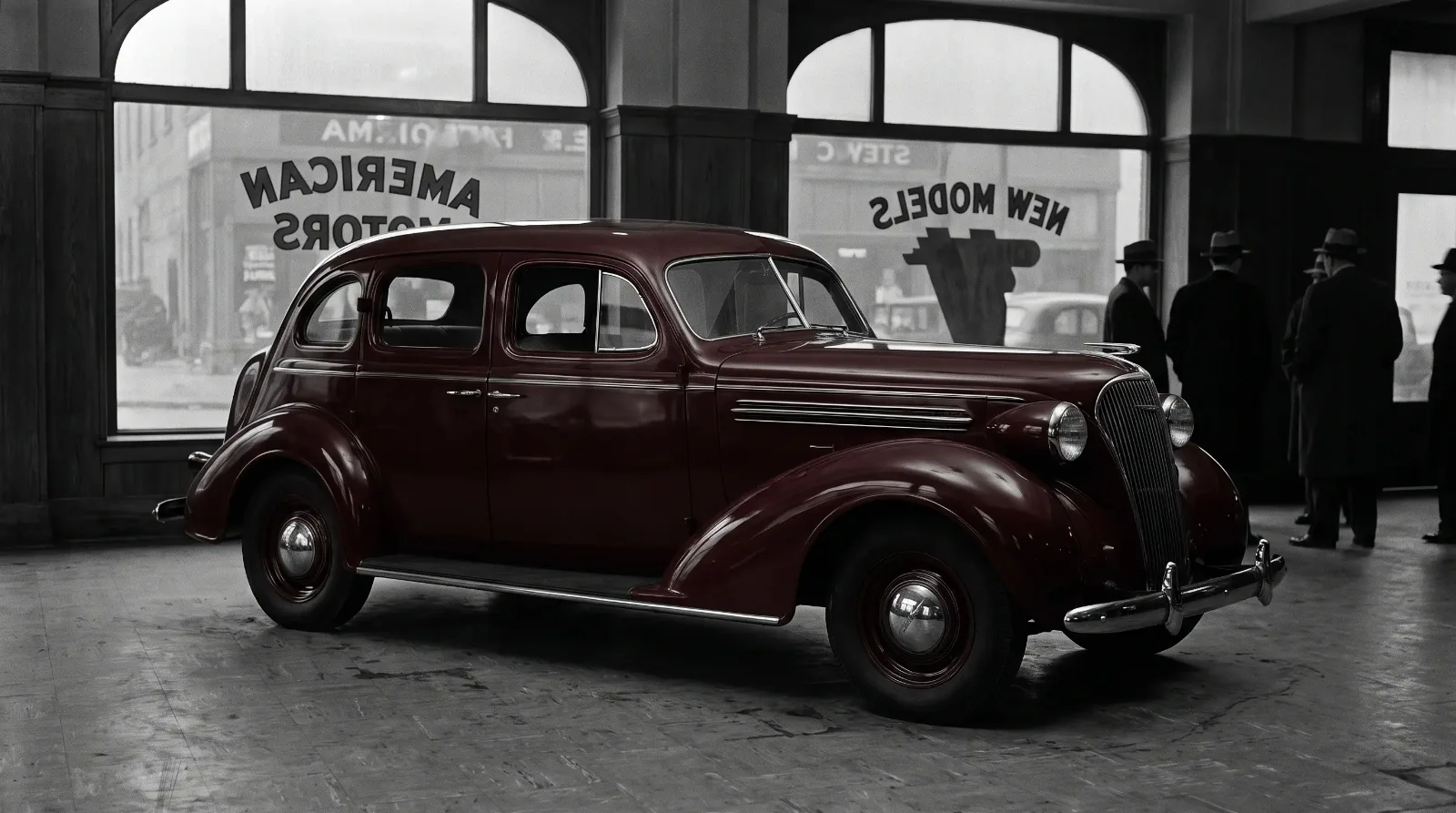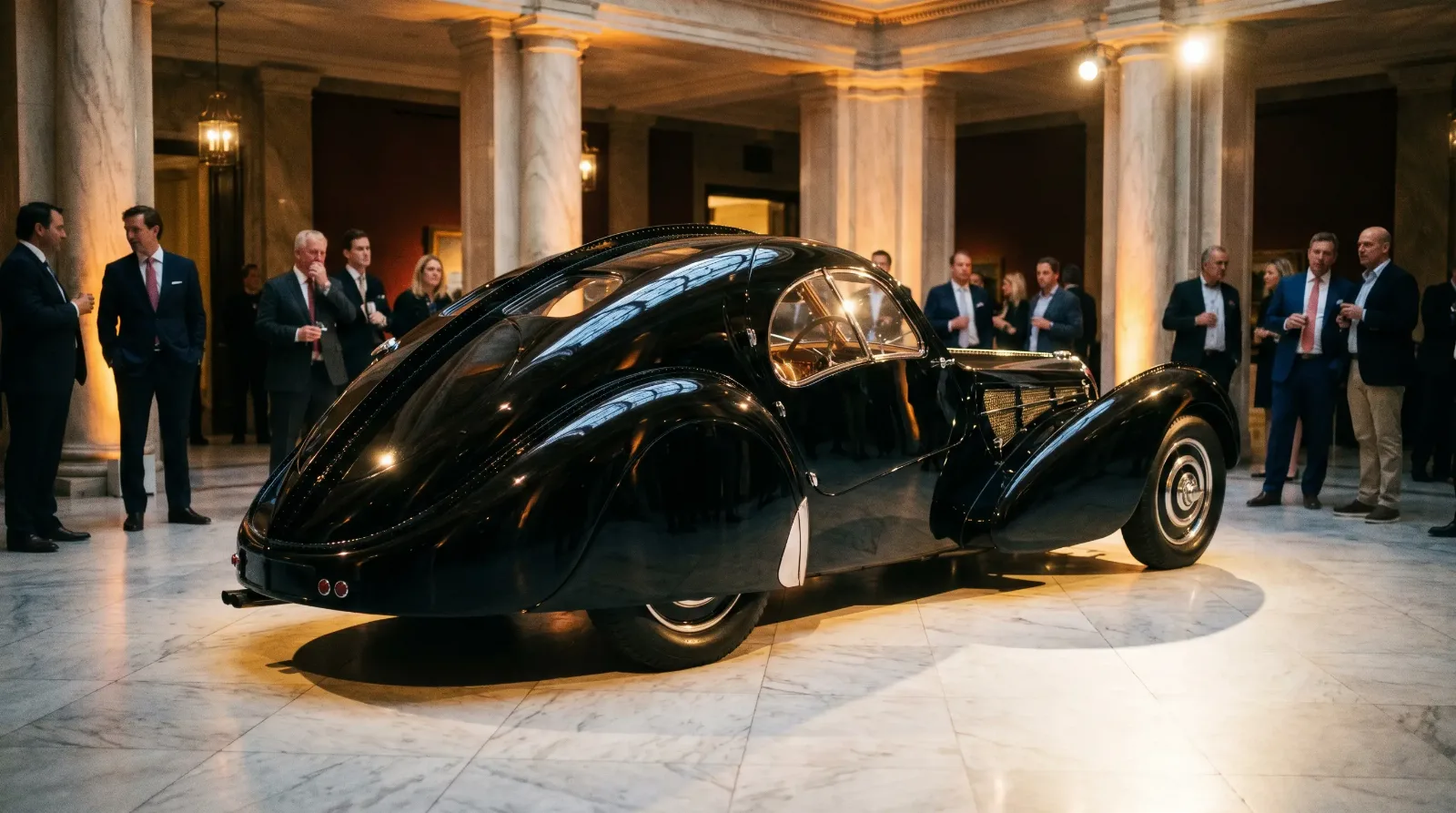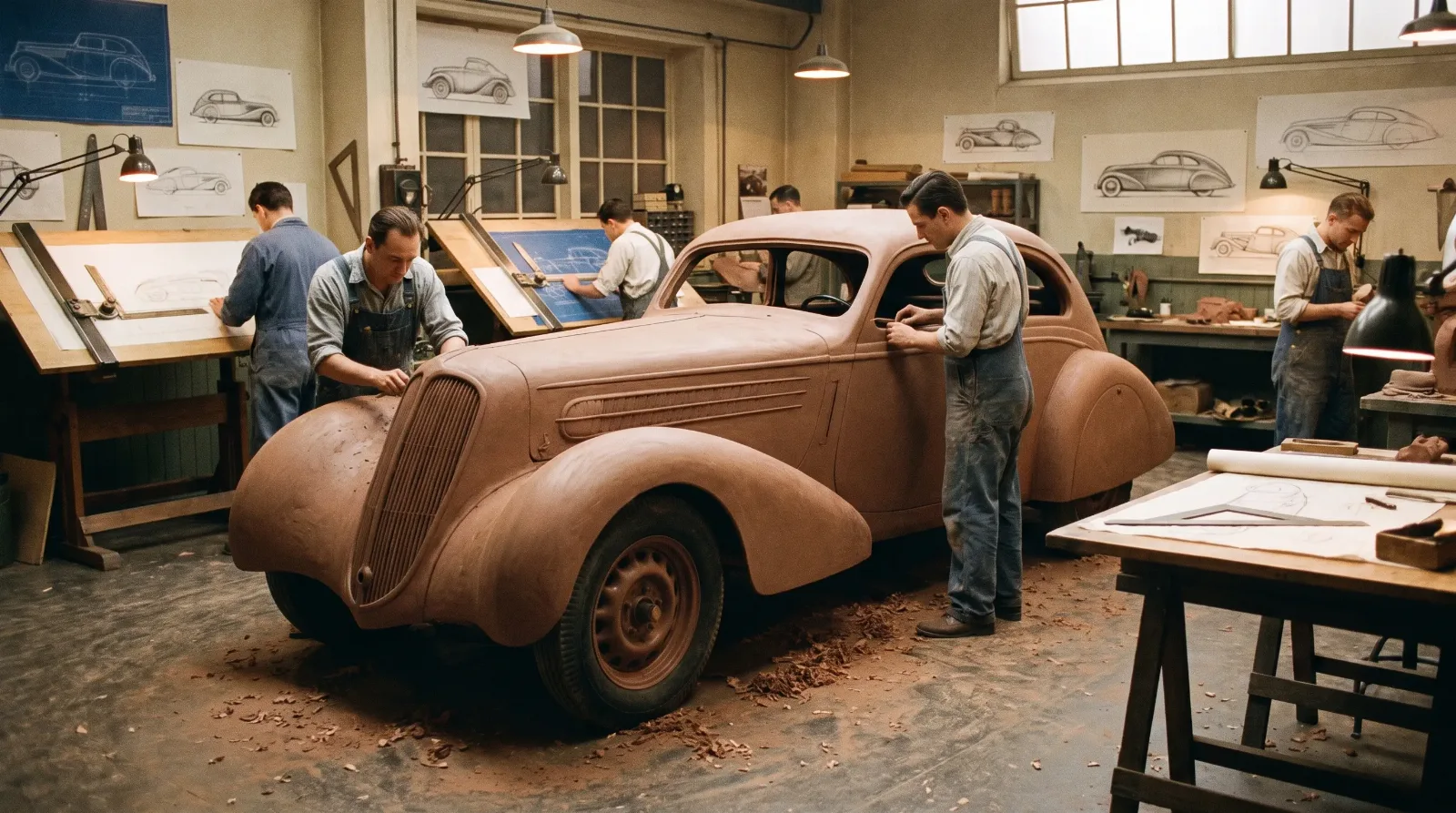
The Depression should have killed the luxury car market outright. Instead, the 1930s produced some of the finest luxury automobiles ever built, cars so far beyond ordinary transportation that they belonged in a different category altogether. That contradiction is not really a contradiction once you understand who was still buying and why. When the middle of the market collapsed, the very top of it kept spending, and the manufacturers chasing that thin slice of remaining wealth had every incentive to build something extraordinary to earn it.
Why the top of the market held up
Ordinary car buyers pulled back hard during the Depression, and plenty of manufacturers building mainstream cars folded or merged trying to survive the drop in demand. But the wealthiest buyers, the ones who had weathered the crash with their fortunes largely intact, kept buying, and they wanted their cars to say so clearly. A big, beautifully bodied luxury car became a visible marker of standing at a time when that kind of display carried real social weight.
This created an unusual dynamic. Luxury manufacturers were fighting over a smaller pool of buyers than in the twenties, but those buyers had money to spend and wanted the best. The result was an arms race in engineering and craftsmanship among the surviving luxury makes, each one trying to out-engineer and out-style the others for a shrinking but still lucrative clientele.
The names that defined the decade
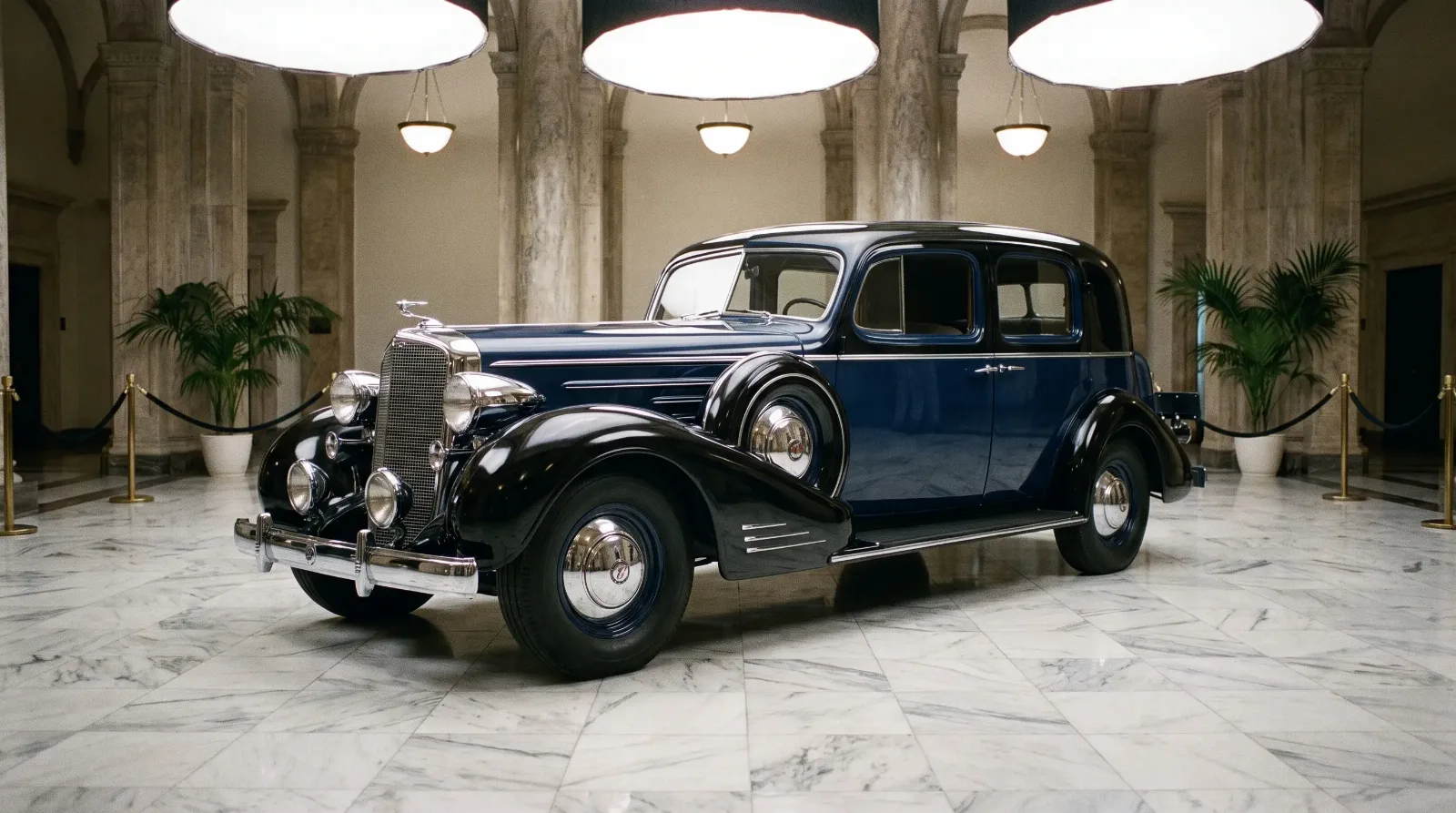
Cadillac's V16, introduced at the very start of the decade, remains one of the great engineering flexes of the era, a sixteen-cylinder engine built for smoothness as much as raw power, offered in a range of coachbuilt bodies for buyers who wanted the ultimate expression of American luxury engineering. Packard held its position as the aspirational American marque throughout the decade, building cars whose quality and refinement made "Ask the man who owns one" a genuinely earned slogan rather than empty advertising copy.
Duesenberg, backstopped by Auburn Cord Duesenberg ownership and Harold Ames's push for the ultimate American car, built the Model J and supercharged SJ as answers to European luxury and performance in one package. Pierce-Arrow, one of the oldest American luxury names, kept building beautifully engineered cars through most of the decade before finally succumbing to the economics of the era near its end. Overseas, Rolls-Royce and Mercedes-Benz continued serving the same tier of buyer with their own engineering and coachbuilding traditions.
What set these cars apart mechanically
Beyond styling, the 1930s luxury cars pushed real engineering advances. Larger, smoother multi-cylinder engines, better independent suspension systems on some models, and increasingly sophisticated transmissions all found their earliest widespread use on these flagship cars before trickling down to mainstream models years later. A luxury buyer in this decade was, in effect, funding the research and development that would eventually improve ordinary cars.
Coachbuilding remained central to the luxury experience too. Buyers of a Duesenberg or a Packard senior chassis often chose their body separately from a coachbuilder, meaning two cars sharing the same mechanical platform could look nothing alike. This custom-body tradition is part of why so many surviving 1930s luxury cars today are genuinely one of a kind.
| Make | Flagship model | Signature strength |
|---|---|---|
| Cadillac | V16 | Sixteen-cylinder smoothness |
| Duesenberg | Model J / SJ | Performance plus coachbuilt exclusivity |
| Packard | Twelve / Senior line | Reputation for engineering quality |
| Pierce-Arrow | Twelve | Old-guard American craftsmanship |
Collecting the survivors
Because so many 1930s luxury cars carried custom coachwork, condition assessment for a buyer today has to account for both the mechanical platform and the body's own history and originality. A Packard chassis rebodied decades later, or a car with mismatched coachbuilder records, tells a very different story than one with its original body and documentation intact, even if the two look similar from across a show field.
These cars reward patience from a buyer. The good ones do not come up for sale constantly, and the difference between a solid example and a truly exceptional one, in terms of both enjoyment and long-term value, is usually worth waiting for.
"There is something almost defiant about these cars when you think about when they were built. The country was struggling and these manufacturers were still chasing perfection. That tension is part of what makes the 1930s luxury cars feel different from luxury cars of any other decade."
— Sarah Whitfield
For the full arc of how these flagship models fit into the wider decade, the 1930s luxury cars guide connects the engineering and market story together, and the next story goes deeper into the coachbuilding tradition that defined so many of these cars' bodies.
The dealer network's role in the story
Selling a car that cost more than most houses required a completely different retail approach than selling a mainstream sedan. Luxury dealers in this era functioned closer to a private bank than a car lot, extending relationships and sometimes financing terms tailored to individual wealthy clients rather than posting a sticker price for the public. A Duesenberg or senior Packard buyer often worked directly with a factory representative to spec engine tune, coachwork, and trim before a car was ever built, a process closer to bespoke tailoring than anything resembling modern car buying.
That relationship-driven sales model is part of why so many surviving cars from this segment come with rich documentation today. The factory representative, the coachbuilder, and the client all generated paperwork as a matter of course, correspondence about spec choices, invoices for custom features, delivery records, and a lot of that material survived in family collections or dealer archives simply because nobody at the time expected it to matter decades later as proof of authenticity.
A decade that raised the ceiling
The 1930s did not just produce luxury cars, it produced a handful of the finest automobiles ever built, full stop, under conditions that should have made that impossible. That combination of adversity and ambition is part of why this decade still pulls in serious collectors decades later, and why the design thinking behind these cars still deserves close study. Keep reading for a closer look at what made the styling of this decade so influential.