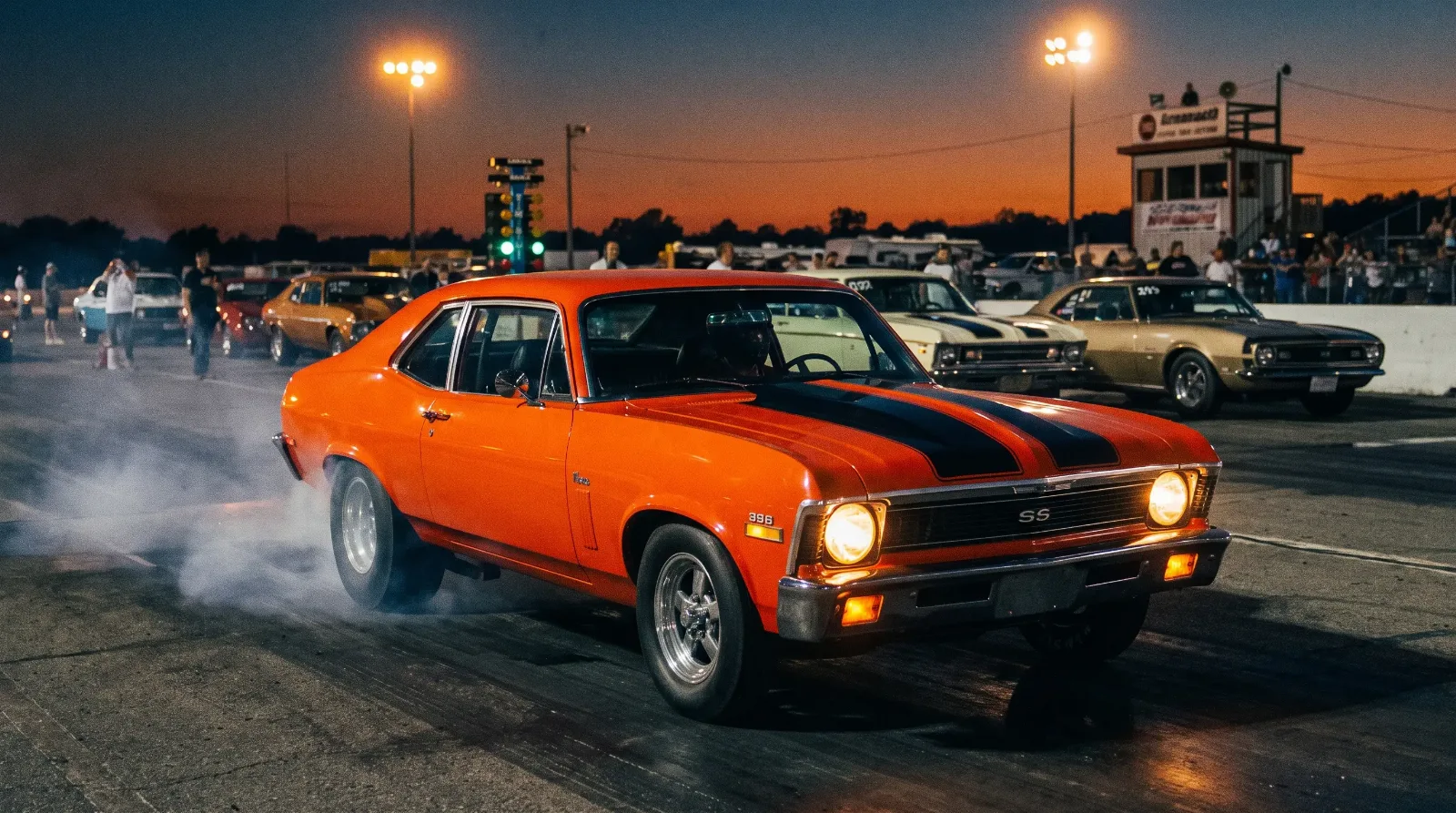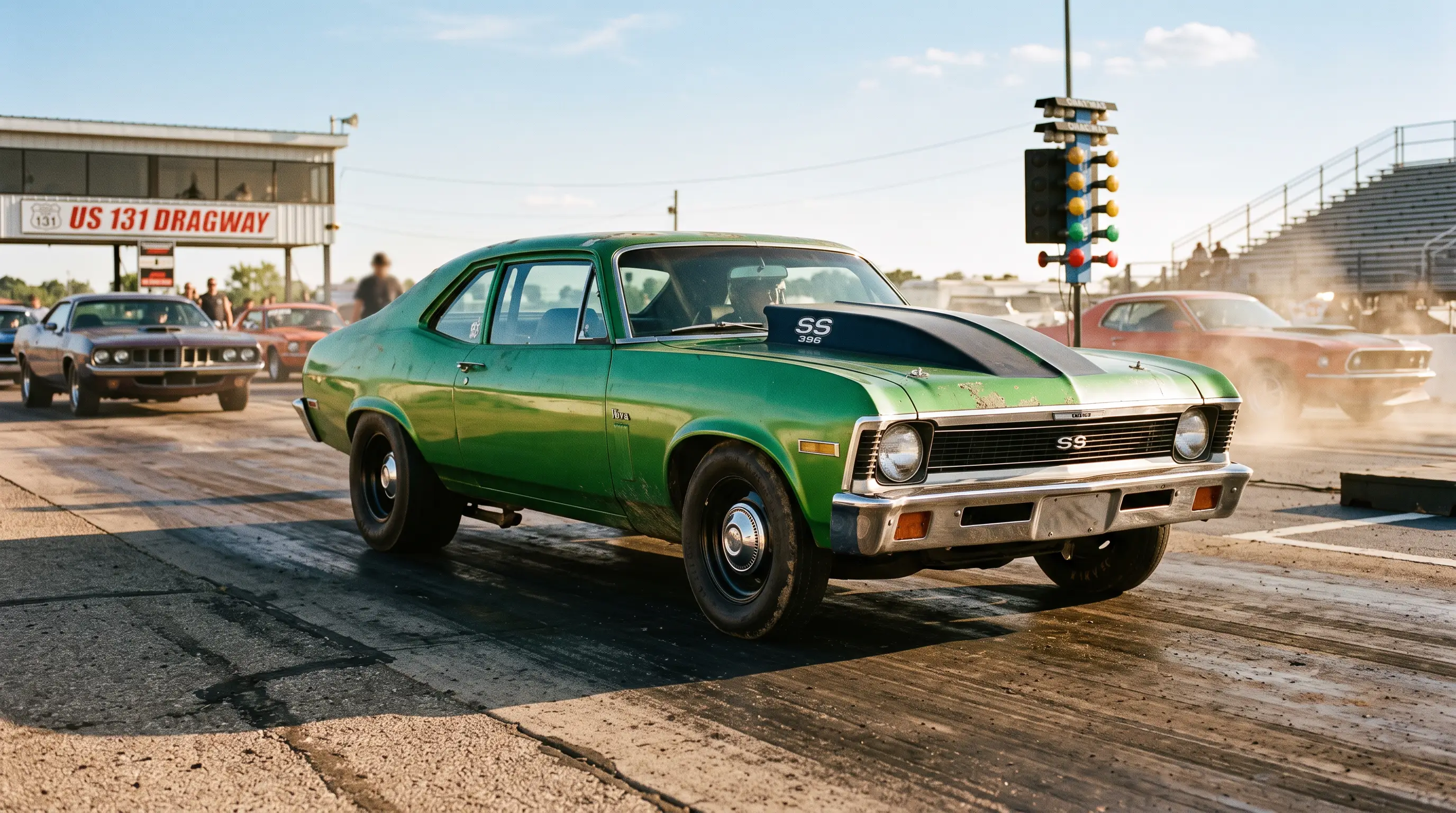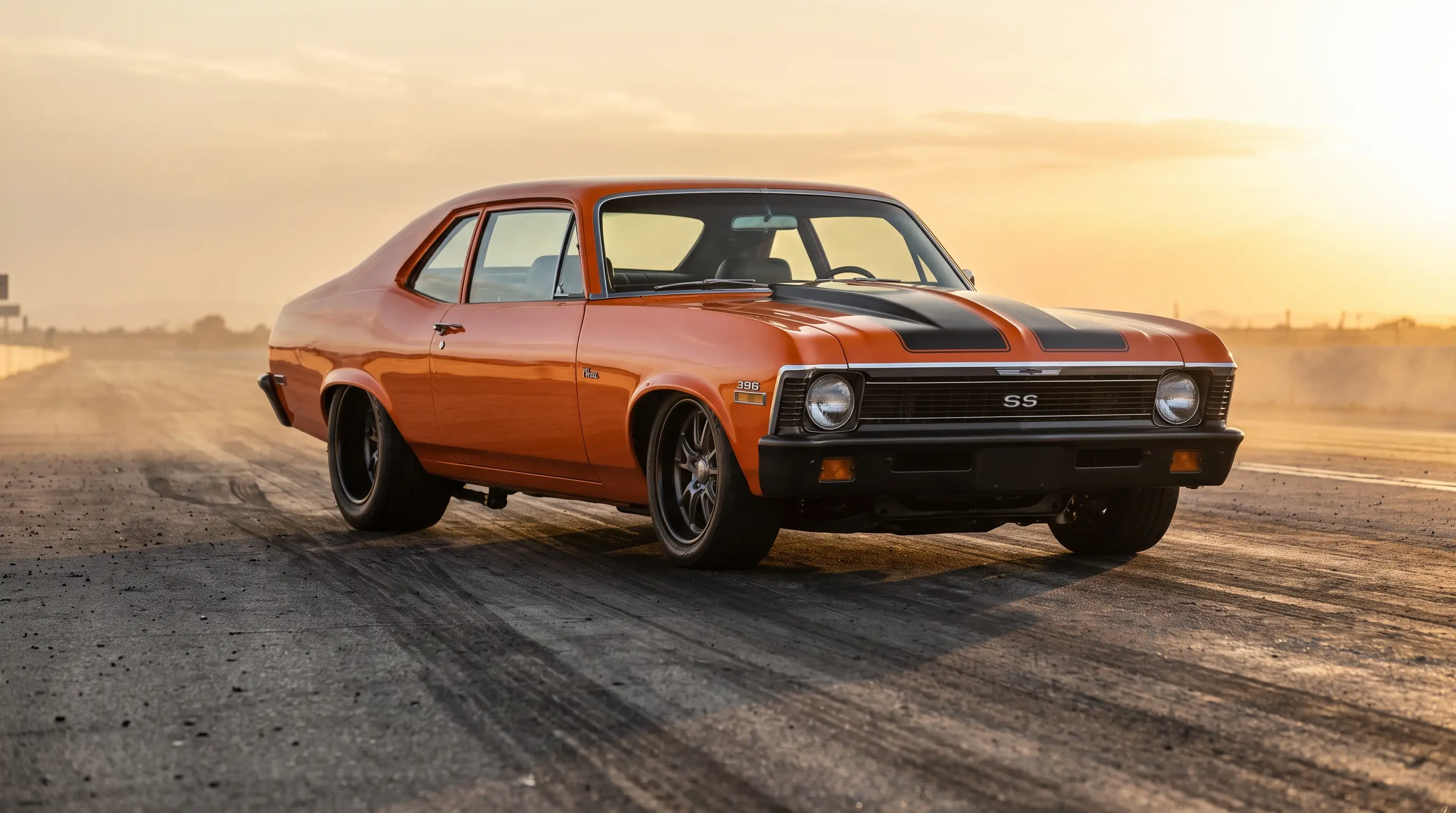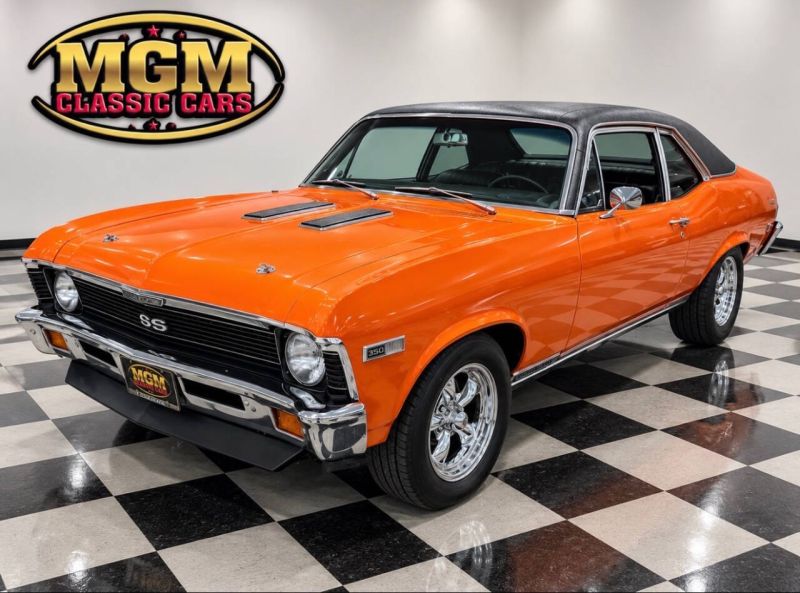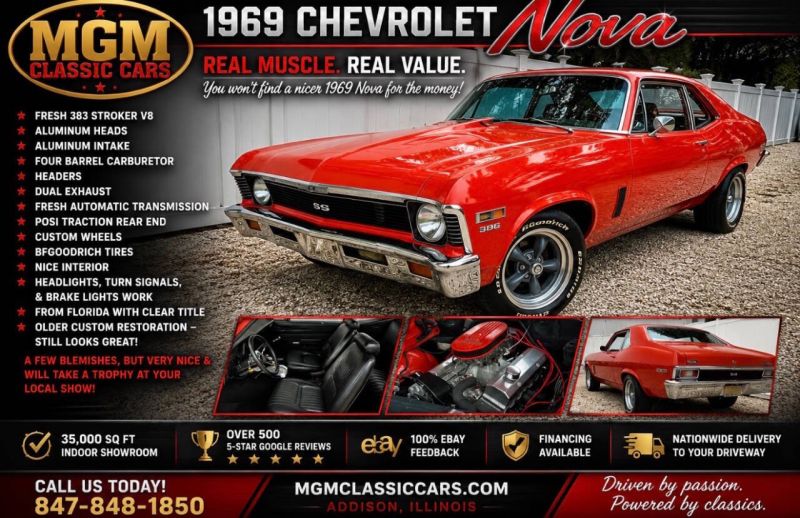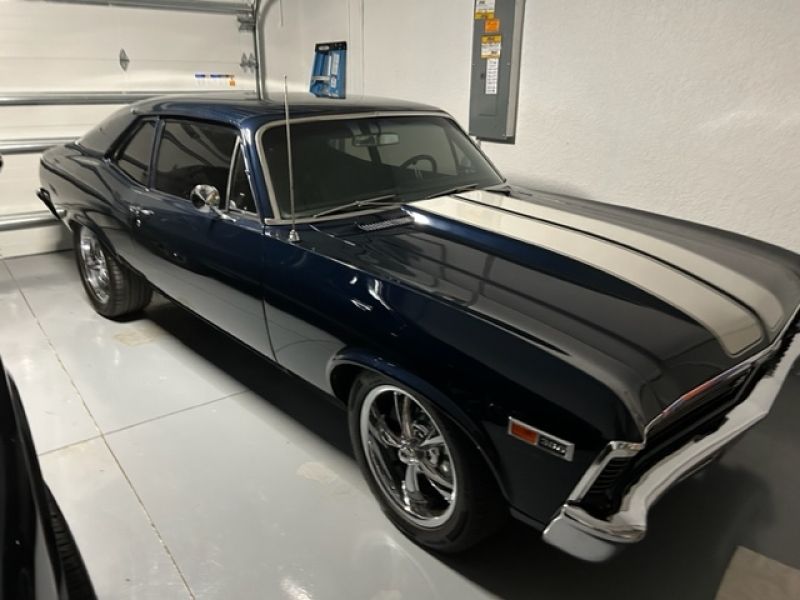
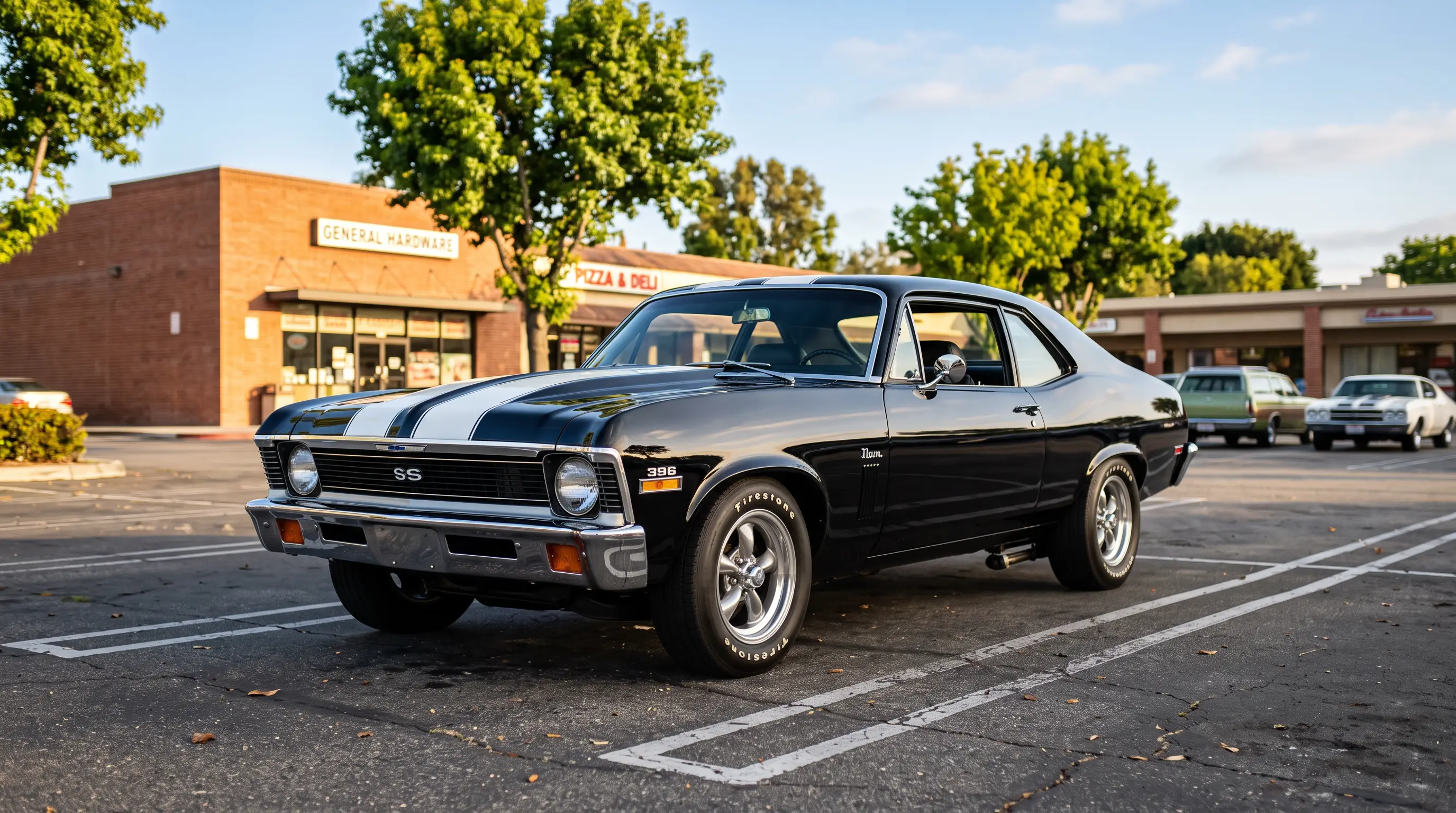
The 1969 Nova SS 396 is the version of this car that actually got a full model year to sell, and that one detail changes everything about how it sits in the market today compared to the 1968 car. The big-block option had been a mid-year surprise the year before. For 1969, it was on the order form from day one, and Chevrolet dealers knew exactly how to sell it.
I've worked on more 1969 SS 396 Novas than any other year of this generation, mostly because there are more of them out there to find. That doesn't make them common. It makes them the version most buyers actually encounter.
What changed from 1968 to 1969
The 1969 Nova rides on the same basic architecture that debuted the year before, the platform covered in full over in the third-gen Nova piece, so the mechanical bones did not move much. What did change was availability and refinement. The 396 big-block, offered as RPO L34 or L78 like the prior year, was a factory option for the entire production run rather than a late addition, and Chevrolet cleaned up some of the rough edges from the first year's rushed introduction.
Cosmetically the changes were modest: a revised grille texture, different SS badging placement, and interior trim updates that most buyers wouldn't notice unless they were parking the two years side by side. The real story is under the skin. A full model year of production meant Chevrolet had time to work out cooling and driveline issues that plagued some of the rushed 1968 big-block installations.
Dealers also had a full year to actually sell the concept to buyers, rather than scrambling to explain a mid-year option that showed up on the order sheet without warning. Sales literature for 1969 treated the SS 396 as a known quantity, with print ads specifically calling out the big-block option alongside the small-block SS 350. That marketing push matters to collectors now, because it means more original documentation, brochures, and dealer invoices survive from 1969 than from the rushed 1968 introduction.
L34 versus L78, and which one you actually want
Both engine options carried over unchanged in spec from 1968. The L34 remained the hydraulic-lifter version, rated at 350 hp, torquey and tractable enough to drive every day without babying it. The L78 stayed the solid-lifter performance engine, rated at 375 hp, and it demanded more from an owner: more frequent valve adjustments, less patience for stop-and-go traffic, and premium fuel.
For a driver who wants a car to actually use, the L34 is the better real-world choice and it is usually the more affordable one too. For a collector chasing the top of the market, the L78 is the car, full stop, and documented examples command a real premium over everything else in this lineup.
Fuel and maintenance realities separate these two engines more than the spec sheet suggests. The L78's higher compression ratio wants premium fuel and careful tuning to avoid detonation, while the L34 tolerates regular pump gas and a less fussy ignition setup without complaint. Owners who plan to drive their Nova regularly, rather than trailer it to shows, tend to gravitate toward the L34 once they've lived with both engines and understand the day-to-day tradeoffs.
| Spec | 1969 Nova SS 396 |
|---|---|
| Engine options | L34 396 (350 hp), L78 396 (375 hp) |
| Rear axle | 12-bolt, standard behind either 396 |
| Transmission | 3-speed and 4-speed manual, Turbo Hydra-Matic automatic |
| Body style | Two-door coupe / hardtop only for SS 396 |
What to look for on a 1969 car
Rust patterns are consistent with the 1968 car: check the front subframe mounts, the trunk floor, and the lower rear quarters. What's different on the 1969 buyer's checklist is documentation depth, because a fuller production run means there are more clones and tribute cars mixed in with genuine SS 396 examples. Cross-check the cowl tag, confirm the engine suffix code, and if possible get a copy of the original build sheet or window sticker.
Watch specifically for cars that started life as a six-cylinder or small-block SS 350 and got a 396 transplant decades later. Nothing wrong with a well-built clone if it's priced and sold as one. The problem is paying L78 money for a car that was never anything but a small-block from the factory.
Transmission originality is worth checking too. A four-speed manual behind an L78 was the enthusiast's choice, and the correct Muncie unit has specific casting numbers that a knowledgeable buyer can verify without pulling the transmission. Automatic cars with the Turbo Hydra-Matic are more common and generally sell for less, which makes them a reasonable entry point if driving enjoyment matters more to you than maximum collector value.
Interior condition tends to get overlooked in favor of engine bay inspection, but original SS 396 door panels, gauge clusters, and console pieces are getting harder to source correctly. A car with a mismatched interior isn't a dealbreaker, but factor reproduction parts costs into your offer if the cabin has clearly been redone with incorrect pieces.
Where these cars sit today
Prices for a documented 1969 Nova SS 396 with an L34 typically run in the $25,000 to $40,000 range for a solid driver, with confirmed L78 cars regularly bringing $55,000 to $85,000 or more depending on condition and originality. If you want to see what's currently on the market, a good place to start is browsing classic muscle Novas for sale and comparing asking prices against documented sales rather than sticker prices alone.
"The 1969 is the Nova that got it right the second time. Chevrolet had a year to fix what the rushed 1968 introduction glossed over, and you can feel it in how these cars drive compared to the earlier ones."
— Mike Sullivan
For the wider arc of how this year fits into the whole Nova muscle car run, the complete Nova saga lays out the full timeline, and the next story in this set picks up where 1969 left off, right before the insurance industry and GM corporate policy changed everything for 1971.
Sources and notes
- 1969 Chevrolet Nova SS 396: A Profile of a Muscle Car - HowStuffWorks
- 1969 Nova Parts and Restoration Information - SS396.com
- 1969 Chevrolet Nova SS 396 375-hp Specs - Automobile Catalog
- 1969 Chevrolet Nova SS Valuation - Hagerty
- 1969 Chevrolet Nova SS L78 - Classic.com
- Chevrolet Chevy II / Nova - Wikipedia