
The third generation Nova is the one people picture when they say the word "muscle." Chevrolet redrew the compact for 1968, and what came out was a heavier, wider, meaner car that could swallow a big-block and still fit in a one-car garage. From 1968 through 1974 this body ran the full arc of the era, from the raw 396 SS cars at the front to the choked-down, emissions-strangled coupes at the tail. If you want to know how the Nova went from grocery-getter to drag-strip regular, this is the run that did it. I have had my hands under enough of these to tell you where the good ones are and where the traps hide.
Car Features
8 min read
Third-Generation Nova (1968-1974): The Muscle Years
The 1968 redesign turned the compact Chevy into a big-block bruiser. Here is how the third generation Nova became the definitive muscle car of the line.
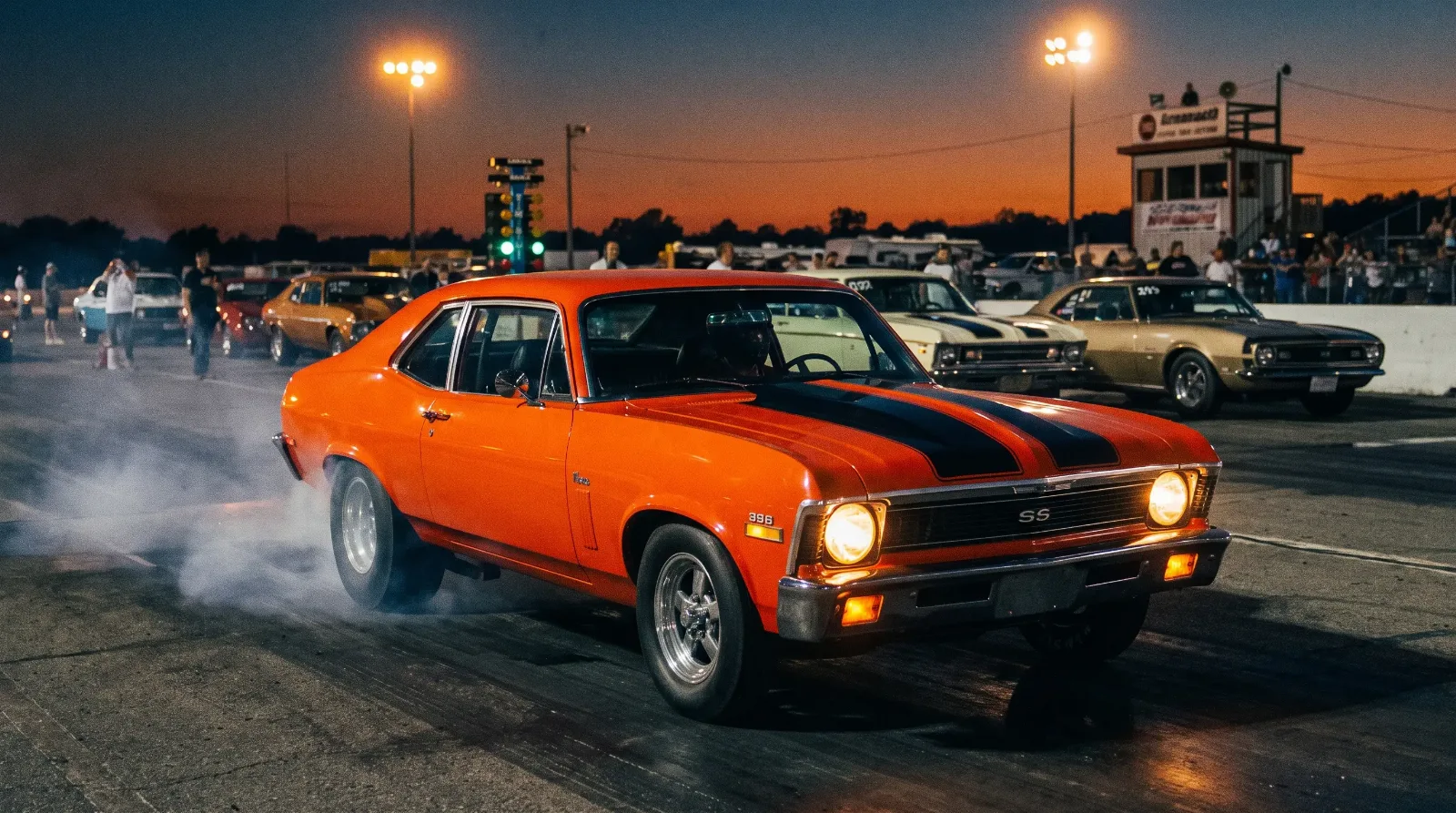
What the 1968 redesign actually changed
Chevrolet stretched the wheelbase to 111 inches for 1968 and gave the car a semi-fastback roofline that finally looked like it meant business. The car got wider and a little longer, and the two-door hardtop and coupe carried most of the muscle interest. The four-door and the wagon stuck around early but faded fast. What mattered to enthusiasts was under the hood: the engine bay could now take a big-block without a fight. That single change is the reason this generation gets its own chapter, and it is where the muscle Nova story really starts. If you want the earlier arc, read how the Nova legend began before this body arrived.
The platform shared plenty with the first-generation Camaro, which is why parts, brakes, and suspension pieces cross over so readily. That interchange is a gift for anyone building or restoring one today. It also means a clean-looking car can hide a mongrel drivetrain, so knowing what belongs where matters more than the shiny paint.
The big-block 396 and the SS package
The Super Sport package is the headline. For 1968 the SS could be ordered with the 396 big-block, and that is the combination collectors chase. The L34 version carried a rating of 350 hp and the hotter L78 came in at 375 hp. These were solid-lifter and hydraulic-lifter setups depending on the code, and they turned a light body into a genuinely quick street car. The SS also brought the heavier-duty pieces you needed to survive that power: better brakes, stiffer suspension bits, and the badging to tell everyone what was coming.
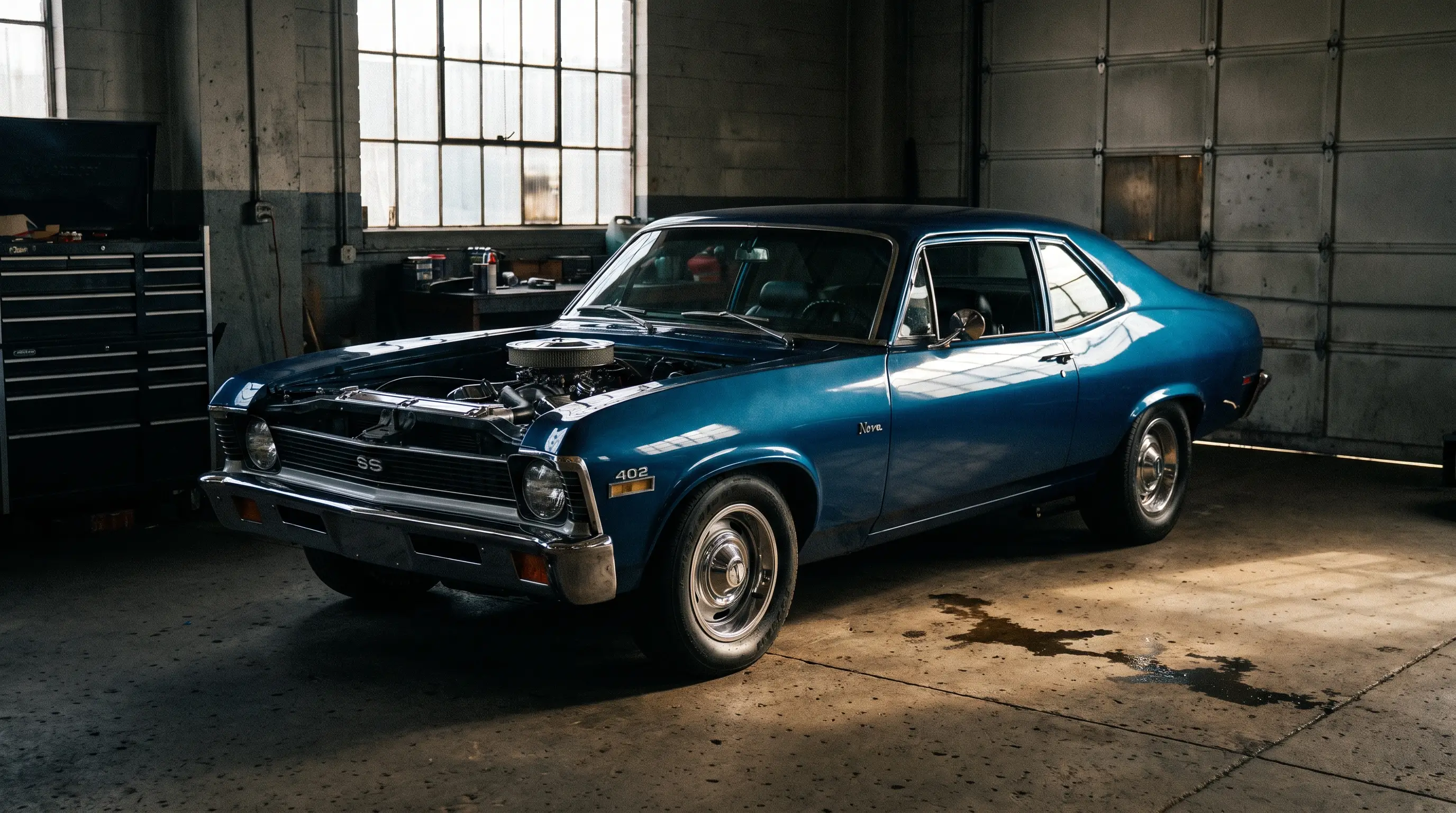
Here is the part that trips up buyers. In 1970 the "396" was actually 402 cubic inches after a bore increase, but Chevrolet kept selling it as the 396 because the name had value. So a 1970 SS badged 396 is really pushing 402 cubes. That is not a fraud, it is just how the factory played it. Do not let a seller tell you a 1970 car has the "rare 402" like it is a different animal. It is the same engine family wearing the old number, and the paperwork will read 396 either way.
| Spec | Detail |
|---|---|
| Generation | Third-generation Nova, 1968 to 1974 |
| Wheelbase | 111 inches |
| Body styles | Two-door coupe and hardtop, four-door sedan (early years) |
| Top SS engine (1968-69) | 396 big-block, up to 375 hp (L78) |
| 1970 big-block | 402 cubic inches, still badged 396 |
| Small-block SS | 350 V8, 295 to 300 hp gross (1968-70) |
| Rarest factory build | COPO 9738 Yenko Deuce, 1970, LT1 350 |
| Rating change | Gross to net horsepower for 1972 |
1970: the peak year
If there is a single high-water mark for this body, it is 1970. The engines were still strong, compression had not been slashed yet, and the SS could be had with the 402 or the 350. This is also the year of the COPO 9738 Yenko Deuce, a special-order Nova fitted with the LT1 350 small-block instead of a big-block. That combination put a high-revving 360 hp engine in the lightest body Chevrolet had, and it made the Yenko Deuce one of the quickest factory-related Novas ever built. Production was tiny, around 175 cars, which is why real ones command serious money today.
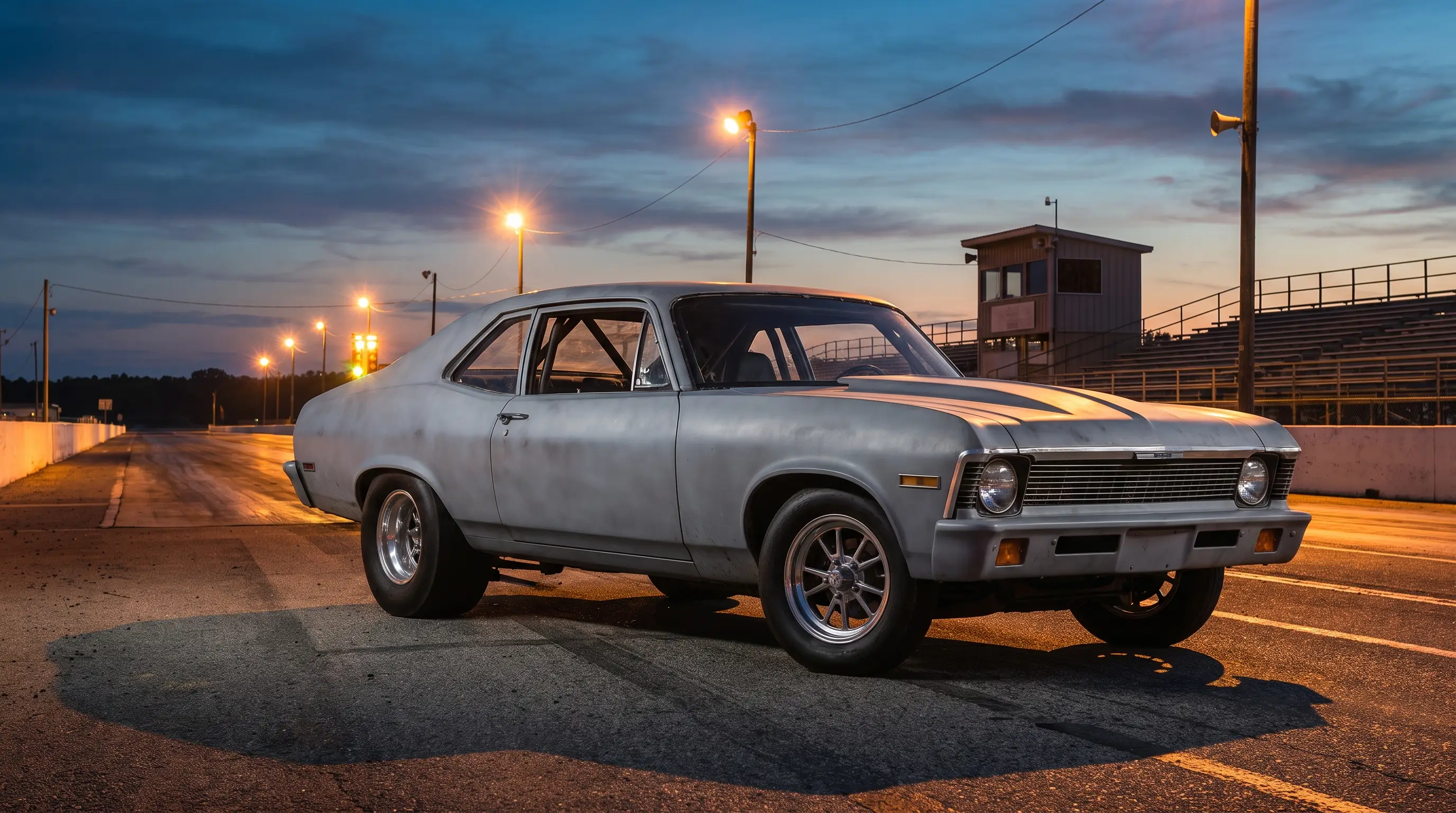
Why the drag strip loved it
The math is simple. Take a light body, drop in a big-block or a screaming small-block, and you have a car that hooks up and goes. Racers figured that out immediately. The Nova became a fixture at drag strips because it gave you the most power per pound for the least money, and the Camaro parts interchange meant you could build one cheap and fix it cheaper. Gasser builders and bracket racers leaned on these cars hard, and that reputation stuck. The aftermarket noticed too, and by the early 1970s you could buy nearly every performance part you wanted for a small-block or big-block Nova off the shelf. That support has only grown since, which is part of why the third-generation car remains a favorite starting point for a first performance build today.
That racing history is a double-edged thing for buyers. A lot of these cars got thrashed, crashed, and rebuilt more than once. A shell that spent thirty years at the track can look fine in photos and be a rippled mess underneath. When people ask me about buying one, I tell them the same thing every time: the body and the paperwork matter more than the engine, because you can always find another motor.
The emissions-era wind-down
The party did not last. Starting in 1971, compression ratios came down to run on lower-octane fuel, and power fell with them. For 1972 the industry switched from gross to net horsepower ratings, which made the numbers look even worse on paper because net figures measure the engine with accessories attached. A 1972 SS 350 rated at 200 net hp was not the same animal as a 1970 car, even if the badge read the same. The big-block quietly disappeared from the Nova order sheet, and the SS softened into more of an appearance-and-handling package than a straight-line brawler. The six-cylinder and base V8 cars kept selling in big numbers through all of this, because most buyers wanted cheap, reliable transportation more than they wanted quarter-mile times. That is worth remembering when someone tells you every third-generation Nova left the factory as a fire-breather. Most of them did not.
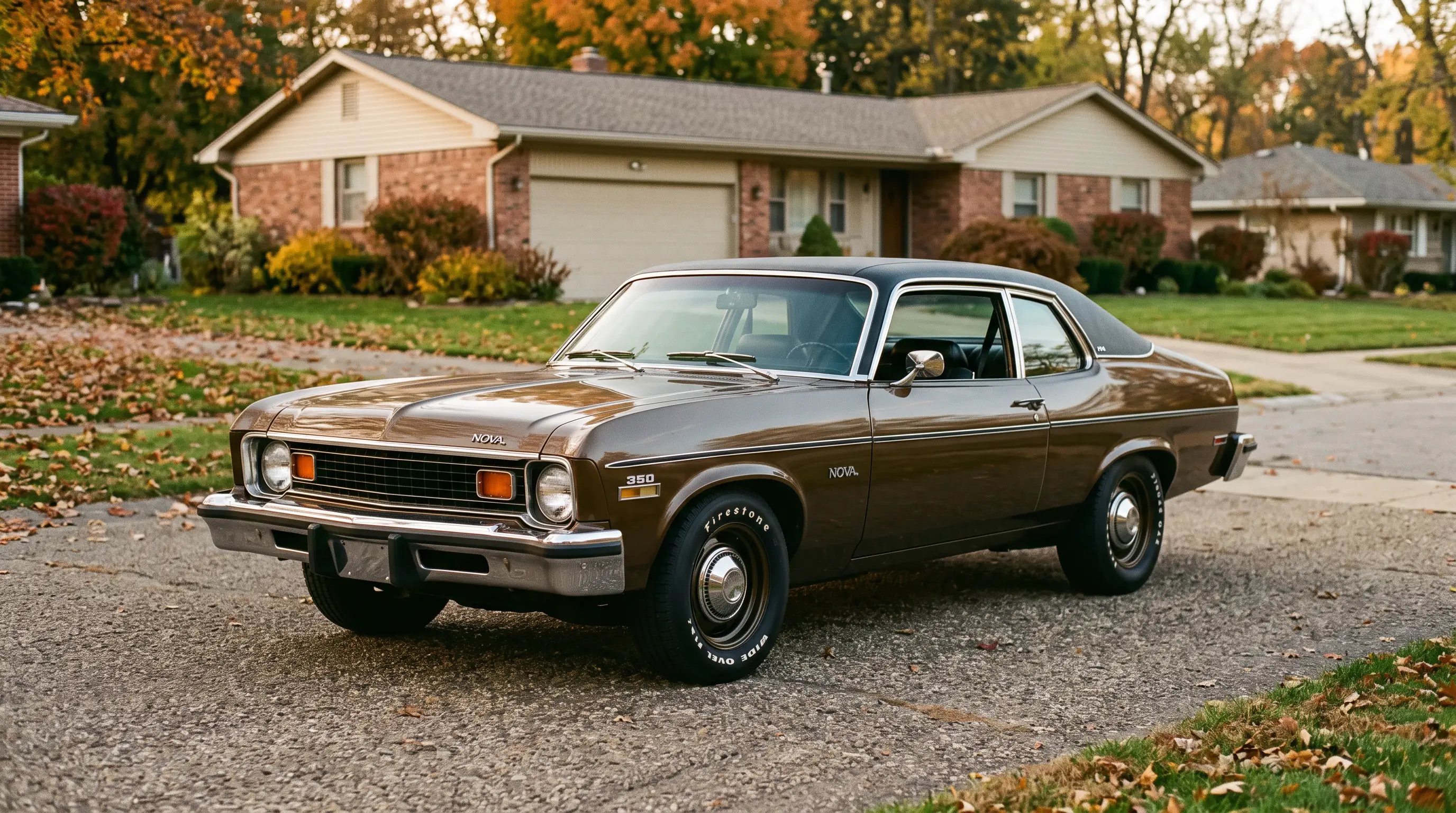
By 1973 and 1974 the cars carried heavier bumpers to meet new impact standards, and the muscle intent had mostly drained out of them. These late cars are honest, usable classics, and they are cheaper to buy for exactly that reason. If you want the badge and the look without paying big-block money, a 1973 or 1974 Nova is a reasonable entry point. Just go in knowing what it is and what it is not.
"People chase the 396 badge and forget the body it sits on. I have turned down clean-looking big-block cars with junk floors and bought plain small-block Novas with solid steel underneath. The engine is the easy part. The shell is the car."
Mike Sullivan
Buying one today
The third generation is the sweet spot of the Nova market. Prices run the full range, from affordable driver-grade six-cylinder coupes up to six-figure documented SS and Yenko cars. That spread means there is a version for almost any budget, but it also means the clone problem is real. A genuine 1969 SS 396 and a nicely built tribute can look identical in a parking lot, so documentation is everything. Get the build sheet if it exists, check the codes, and do not pay real-SS money on a handshake. The cowl tag tells you the paint and trim, but it does not decode the original engine, so a matching-numbers claim has to be verified by the block and head casting numbers and dates. If a seller cannot walk you through those numbers, treat the car as a tribute and price it as one. That is not being difficult, it is protecting yourself from paying twice for the same car.
If you are shopping, browse the classic muscle Novas for sale and compare the honest small-block cars against the big-block claims. The cars that hold value are the documented ones with solid bodies, not the loudest engine in the lightest paperwork. This generation set the template, and the story continued when the fourth-generation car arrived in 1975, which is the next part of the story for anyone following the full arc.
Sources and notes
- 1968 Nova Parts and Restoration Information - SS396
- Nova Engine Options: 1972 - Chevy Hardcore
- NovaResource - Nova Engine Statistics
- 1970 Chevrolet Nova Yenko Deuce - RM Sotheby's
- 1970 Chevrolet Nova Yenko Deuce - Hagerty Valuation Tools
- Rare Rides: The 1968 Chevrolet COPO Nova SS 396 - Street Muscle
Related Reading
Article
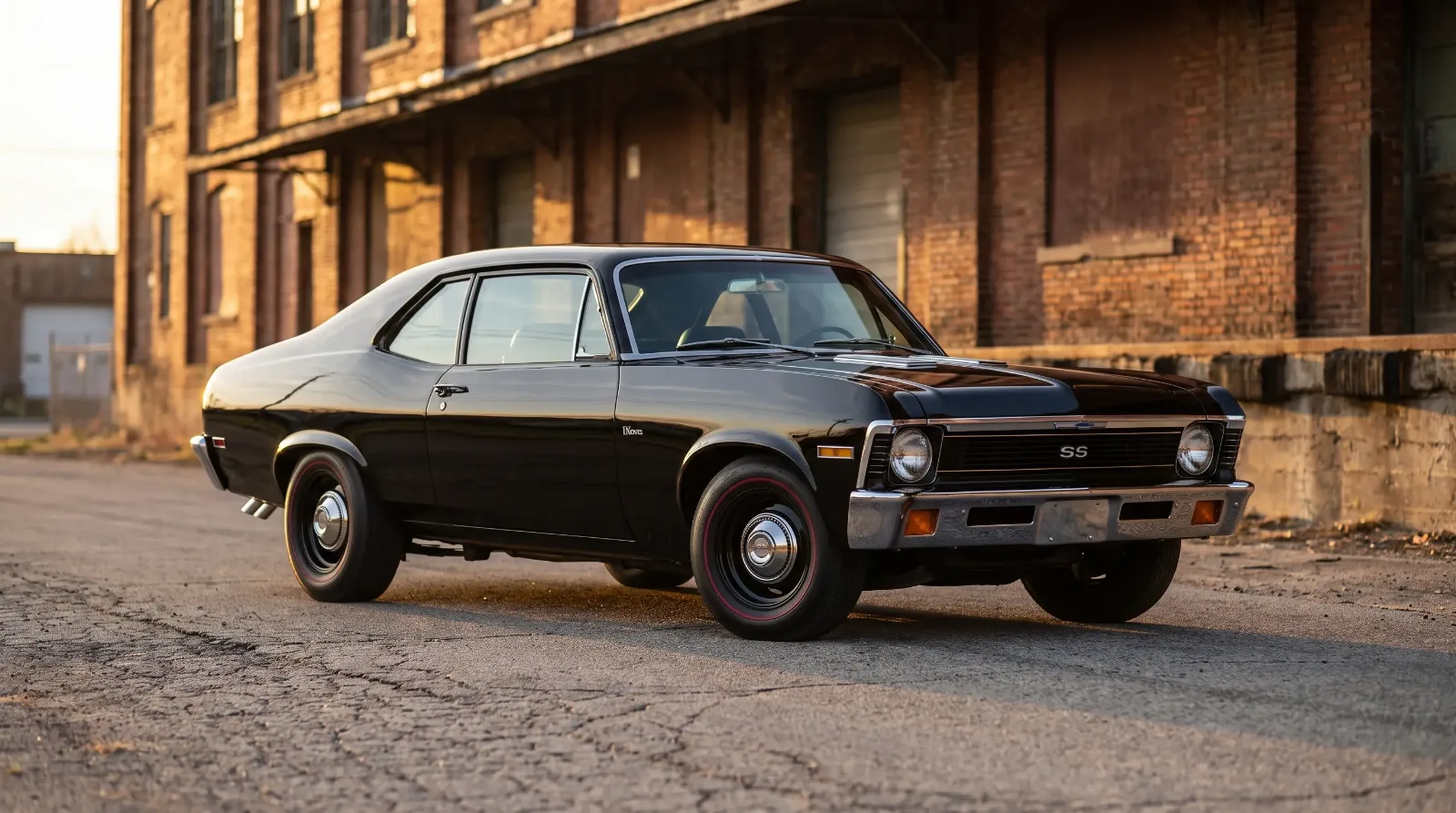
The Chevrolet Nova Story: From Compact to Muscle Legend
Article
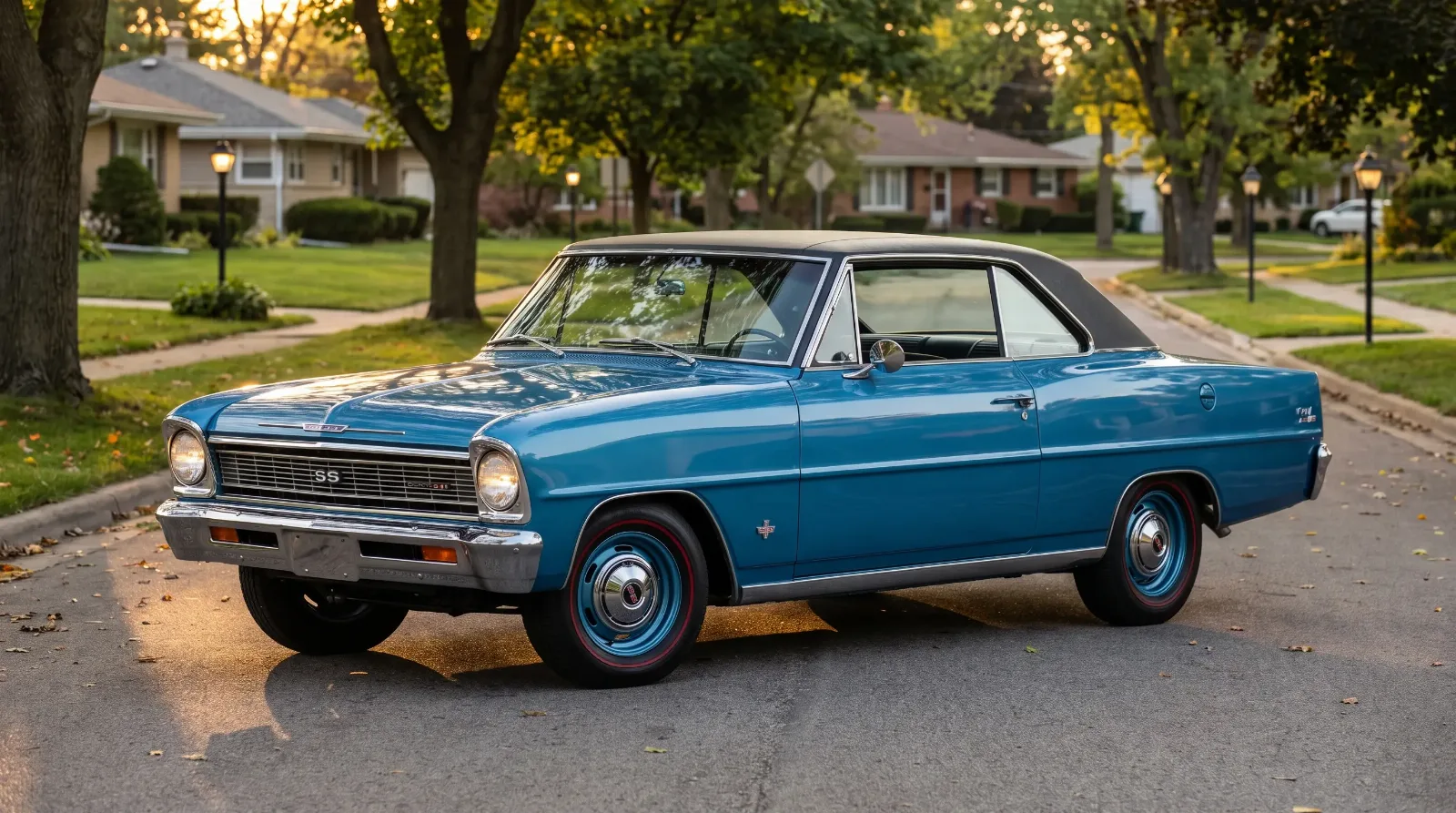
Second-Generation Nova (1966-1967): The Short, Sweet Run
Article
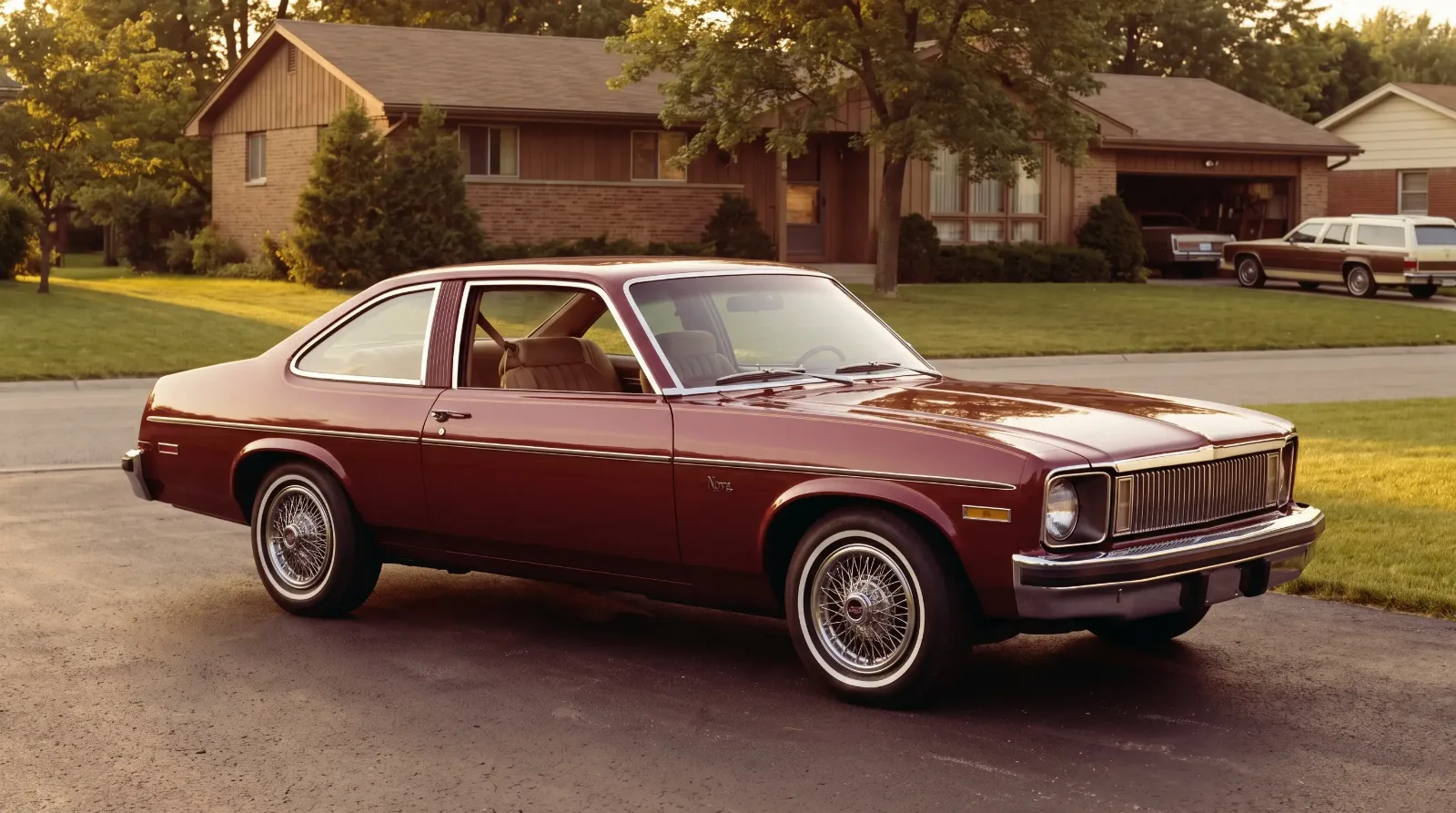
Fourth-Generation Nova (1975-1979): The Underrated Nova
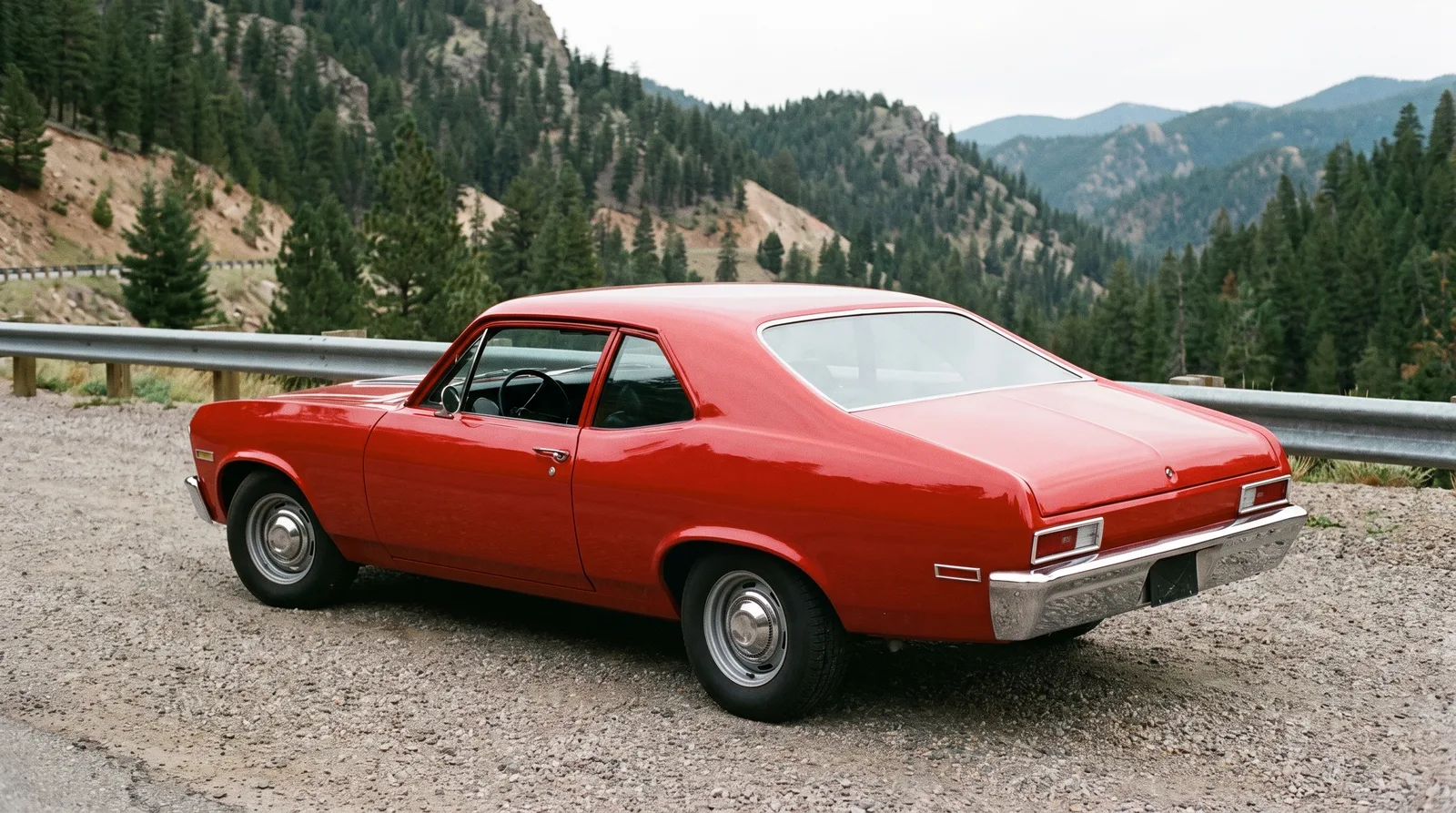
Article
The 1968 Nova: The Muscle Redesign
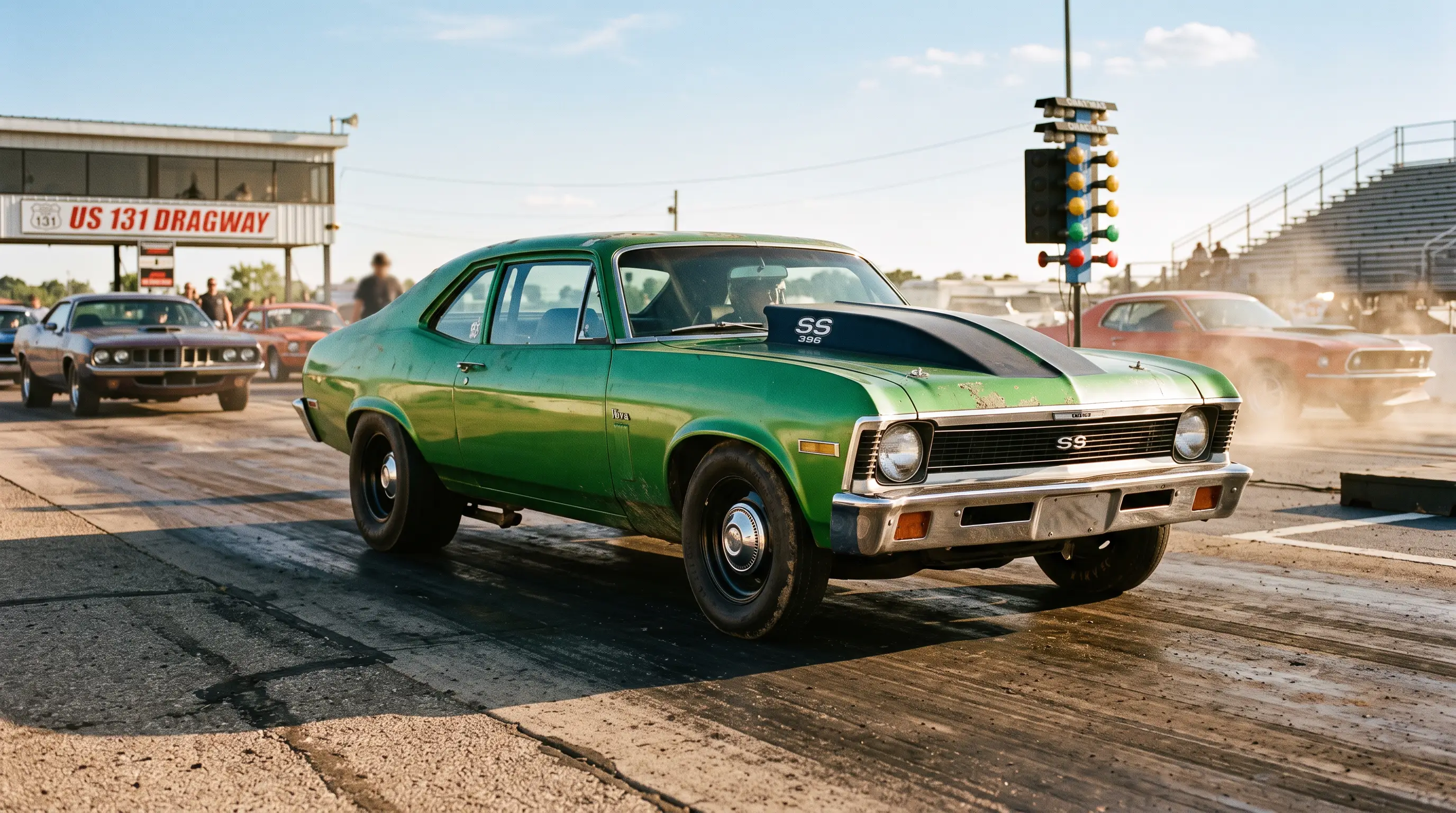
Article
The Big-Block 396 Comes to the Nova
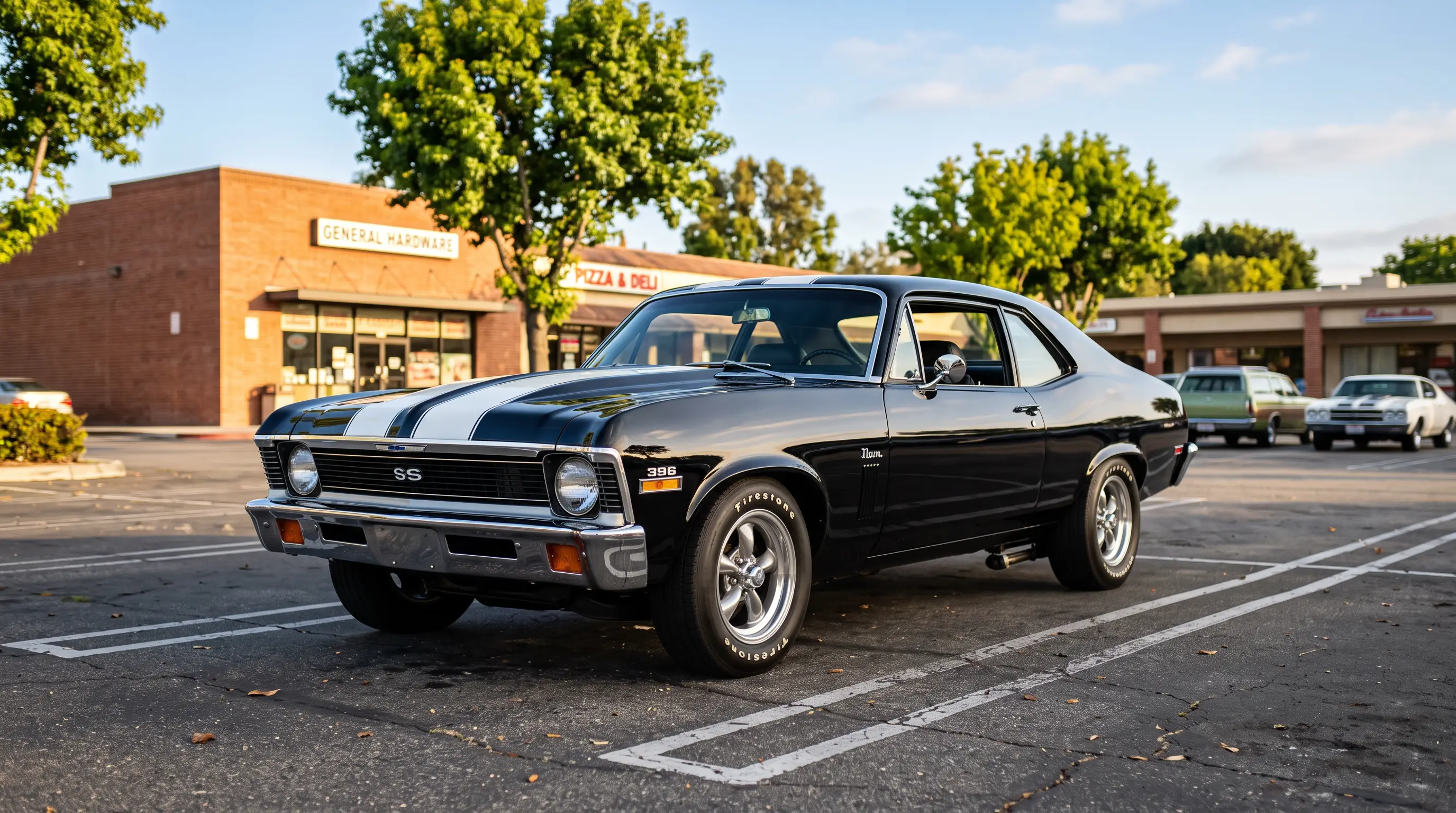
Article
The 1969 Nova SS 396
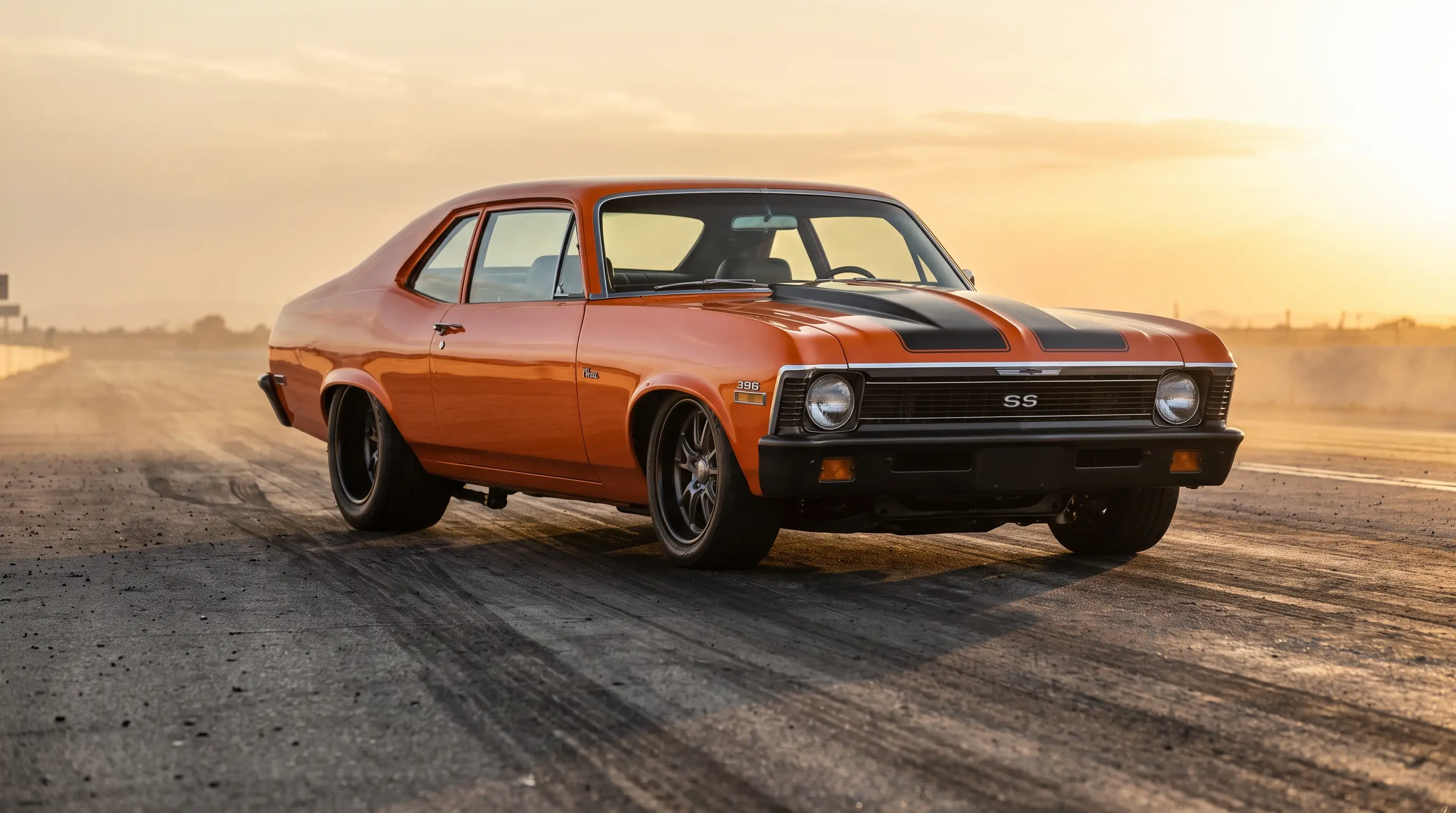
Article
The 1970 Nova: Peak Muscle
Article
The 402 "396" Explained
Article
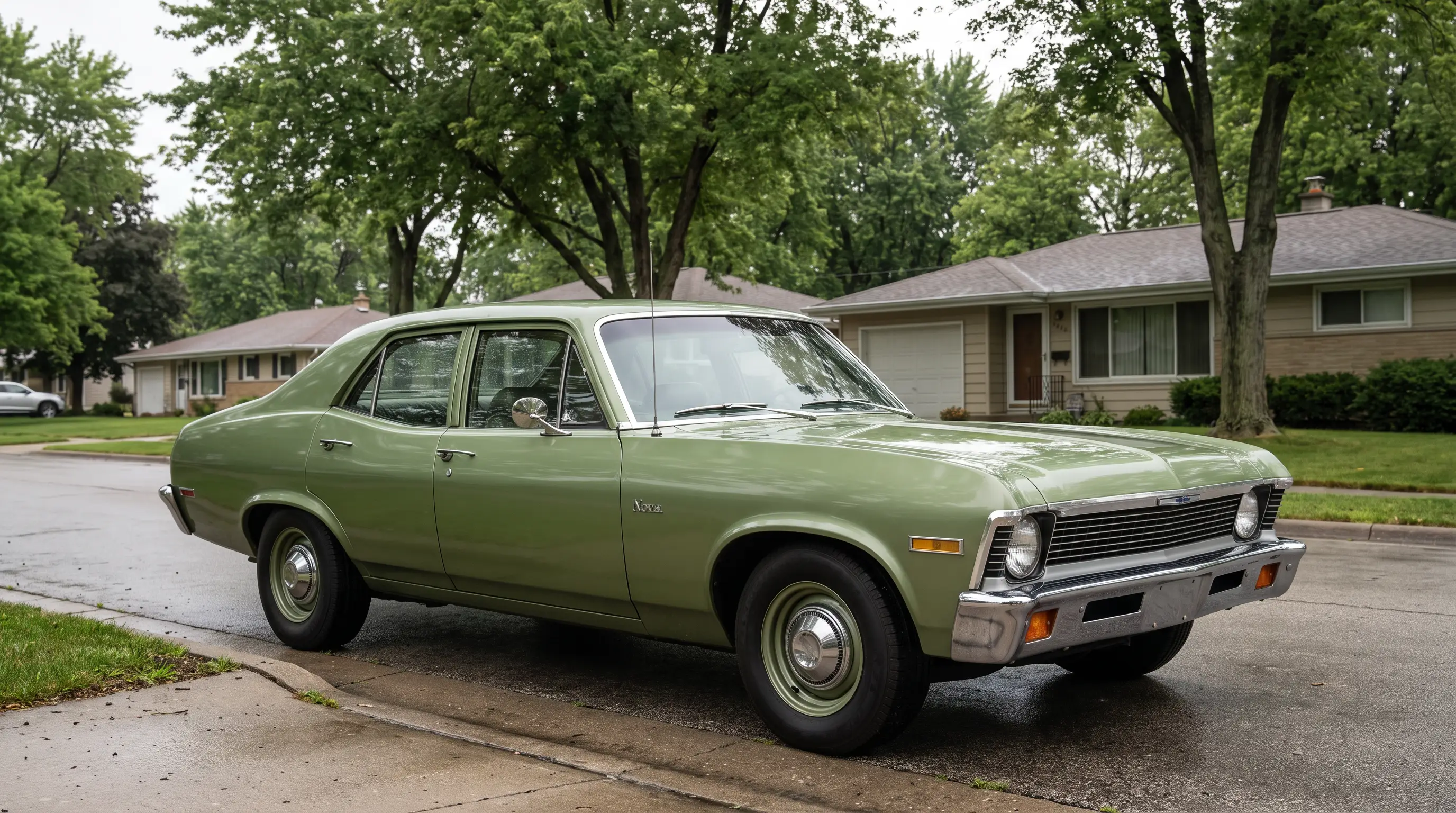
The 1972 Nova and the Power Drop
Article
The 1973-74 Nova and Federal Bumpers
Article
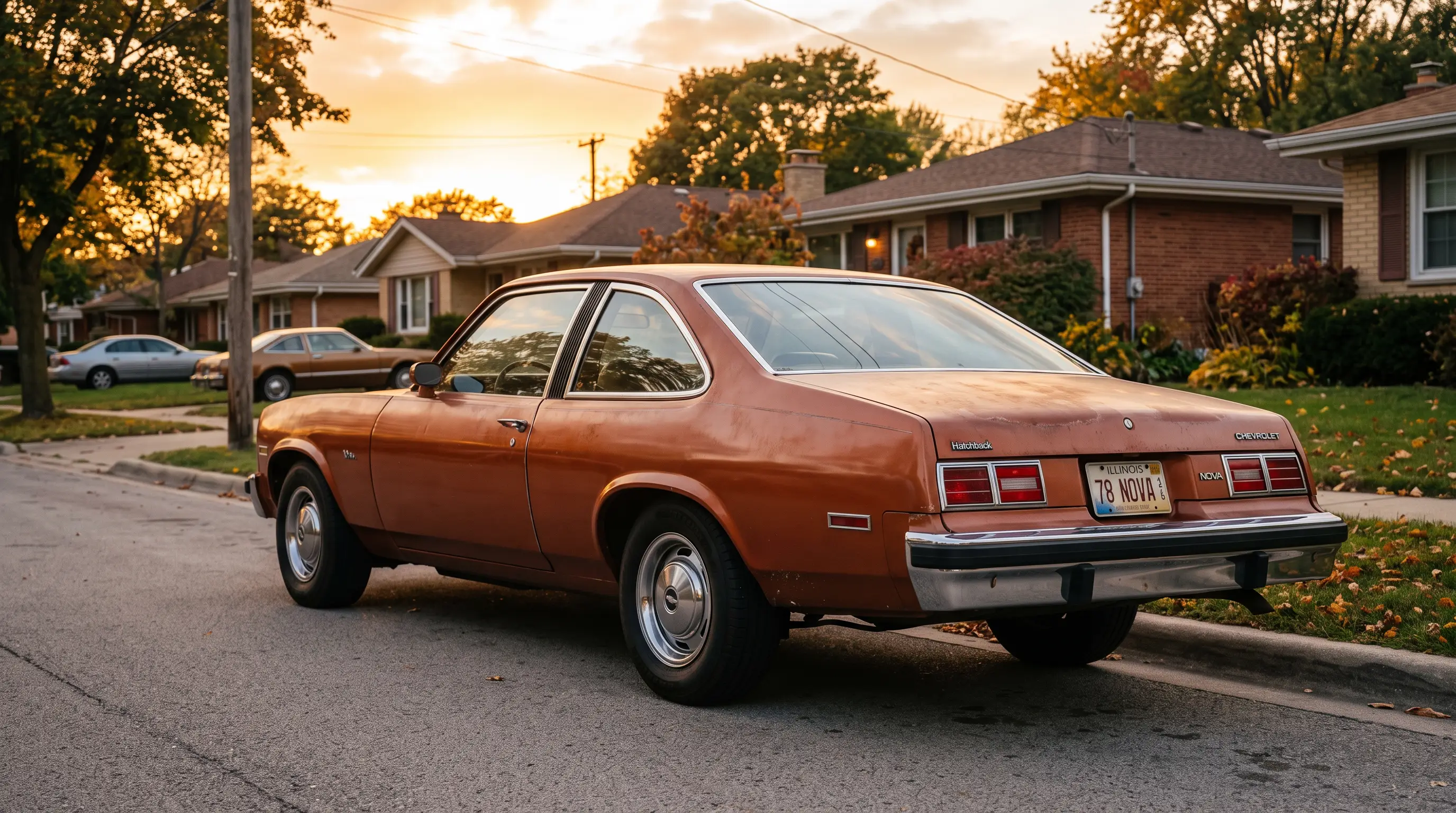
When the Hatchback Nova Arrived
Article
The Gen3 Nova as Drag Weapon
Article
The Nova Rally Package
Article
The 250 Inline-Six Gen3 Novas
Article
Gen3 Colors and Stripes
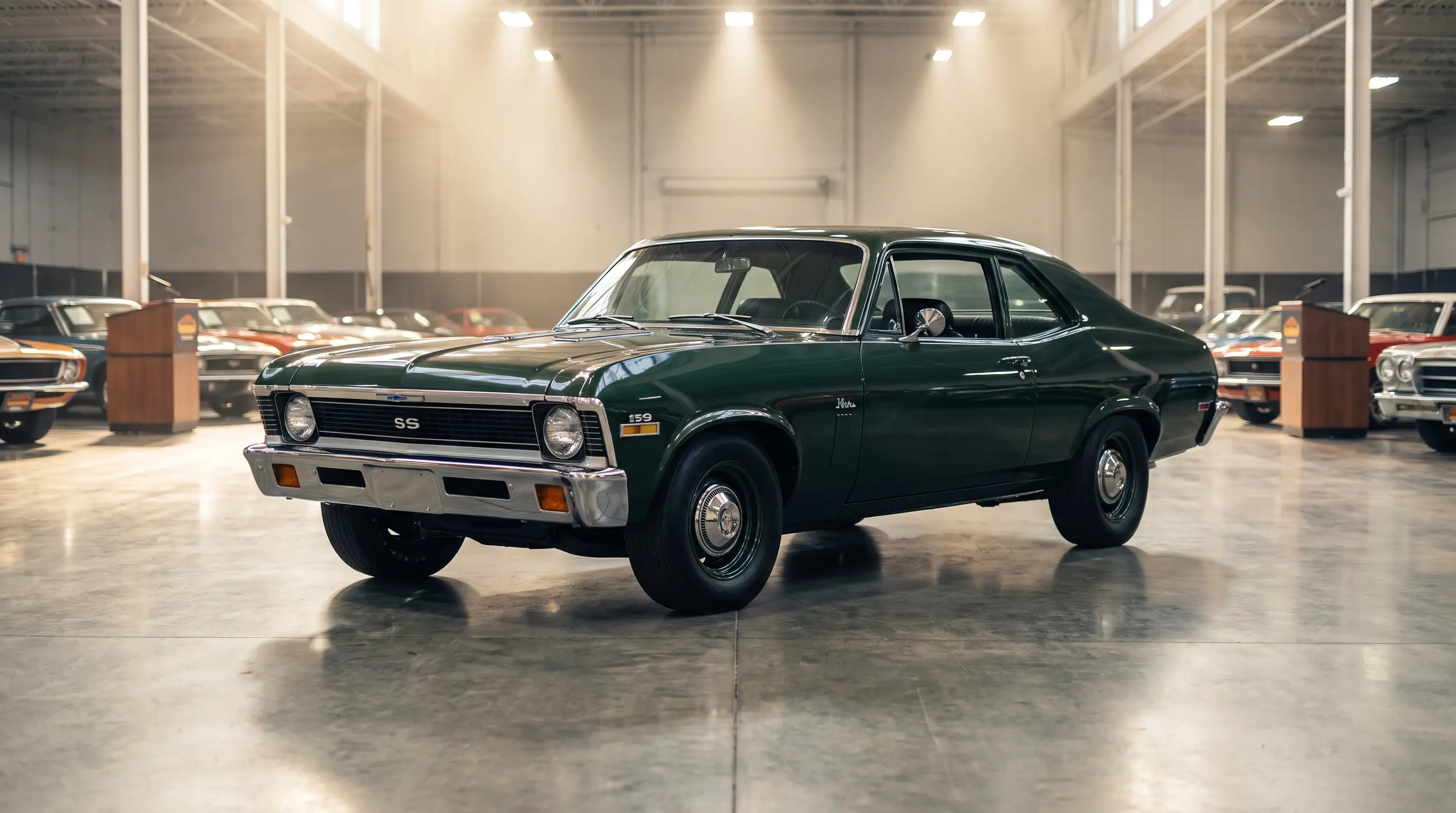
Article
Why Gen3 Dominates Nova Auctions
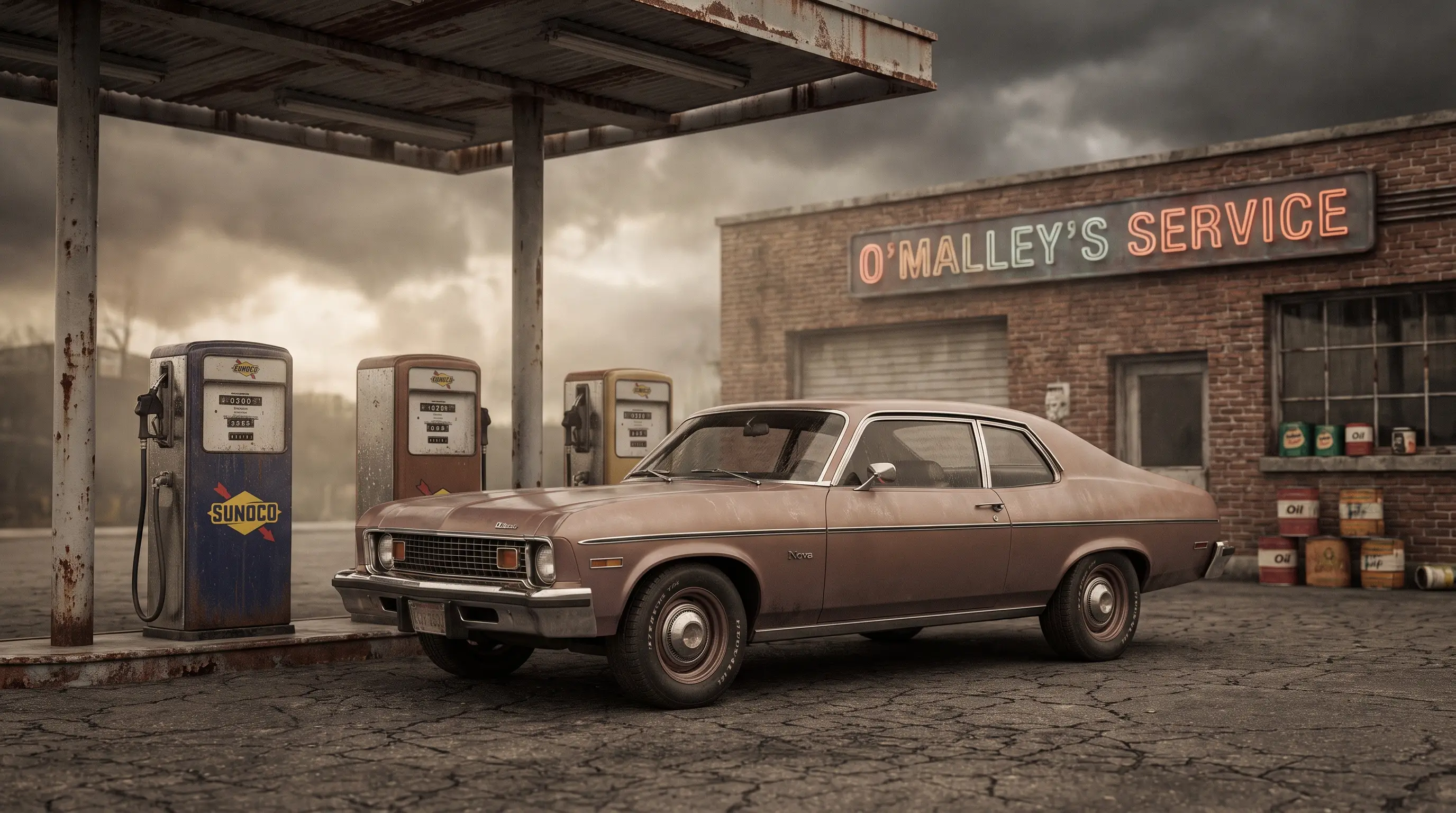
Article
The Emissions Era Hits the Nova
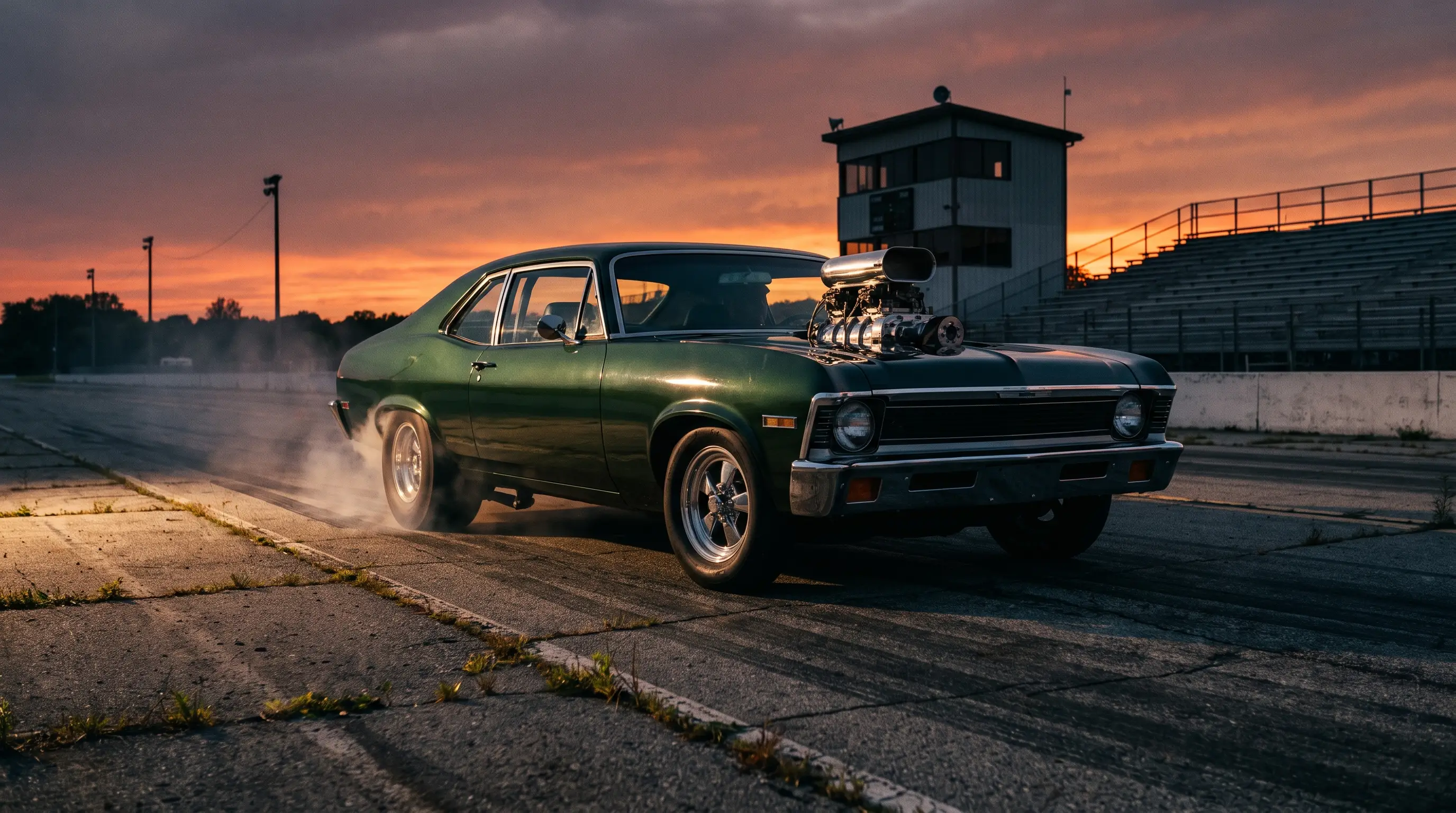
Article
The Definitive Muscle-Era Nova
Have a
Chevrolet Nova
for Sale?
Reach thousands of serious classic car collectors across the US.
Sell It Here →
Are You a Classic Car Dealer?
List your full inventory and connect with targeted classic car buyers.
Join as a Dealer →

About the author
Mike Sullivan
Detroit-area muscle car enthusiast and restoration specialist with three decades of hands-on experience working on American iron.
Related Listings - Chevrolet Nova




Comments (1)
L
Linda Kowalski
2 months ago
Helpful breakdown. The bit about what to actually prioritize at inspection is the part most buyers learn the hard way if they don't read something like this first.