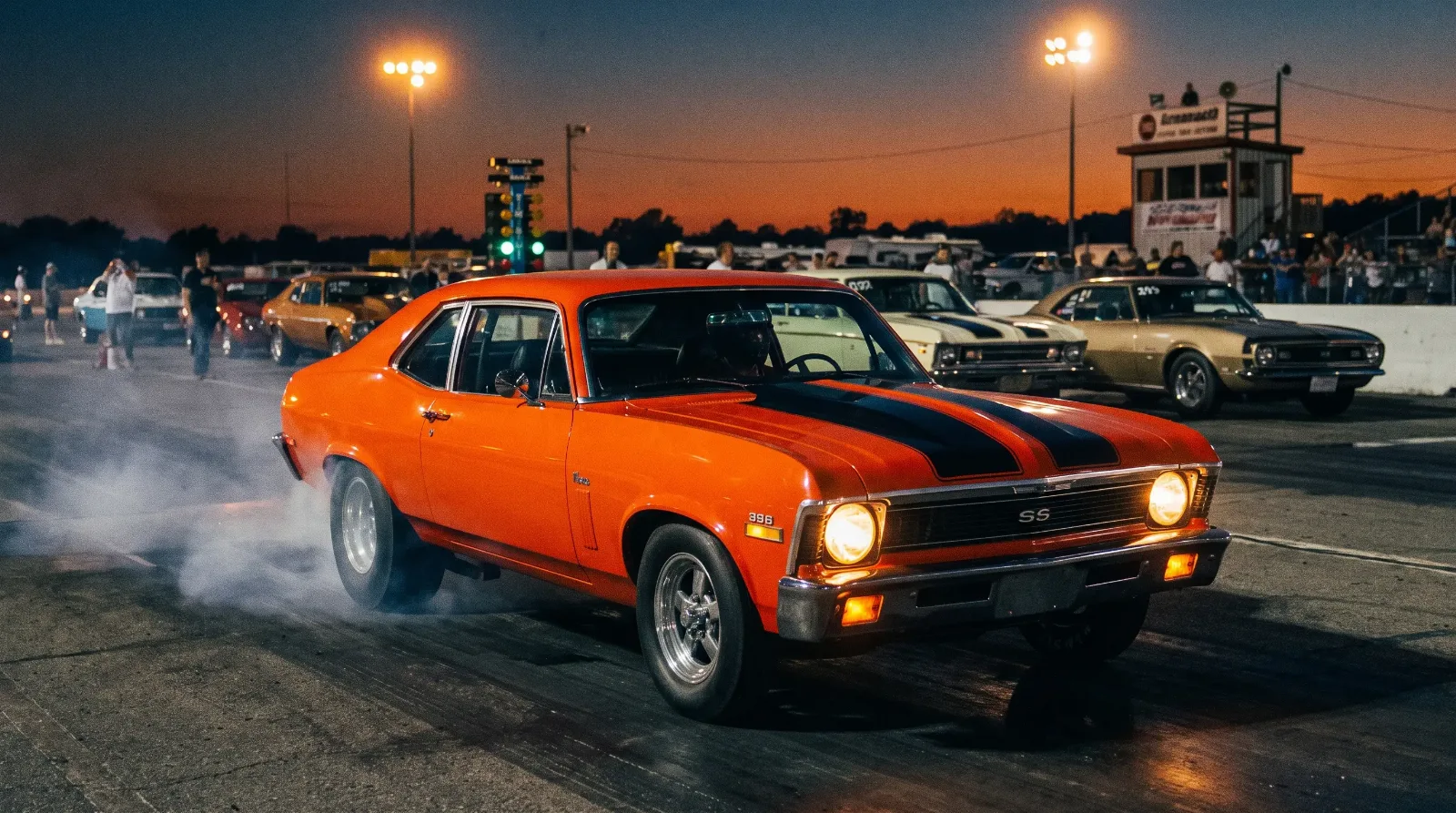
Every time a clean third gen Nova crosses the block, somebody in the crowd asks the same question: why does this car keep pulling money that a lot of other early 1970s Chevrolets can't touch? I've watched this happen at swap meets and at auction previews for years now, and the answer isn't mysterious once you know what buyers are actually chasing. The 1968 through 1974 Nova, the body style everybody in the hobby just calls the muscle era Nova, sits in a strange sweet spot. It's rare enough to feel special, cheap enough to actually restore, and documented well enough that a serious buyer can verify what they're looking at before they write a check.
What third gen actually means
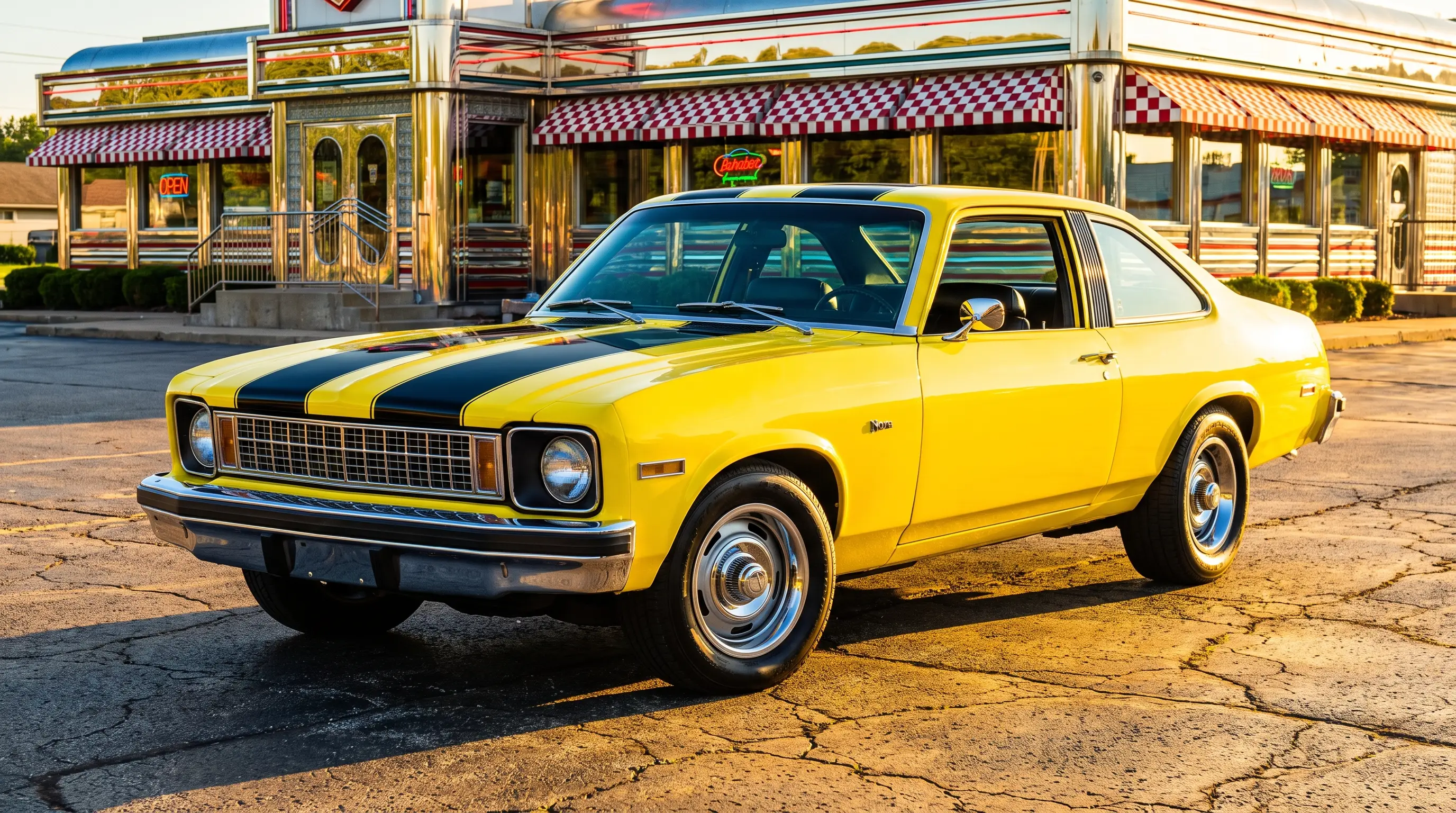
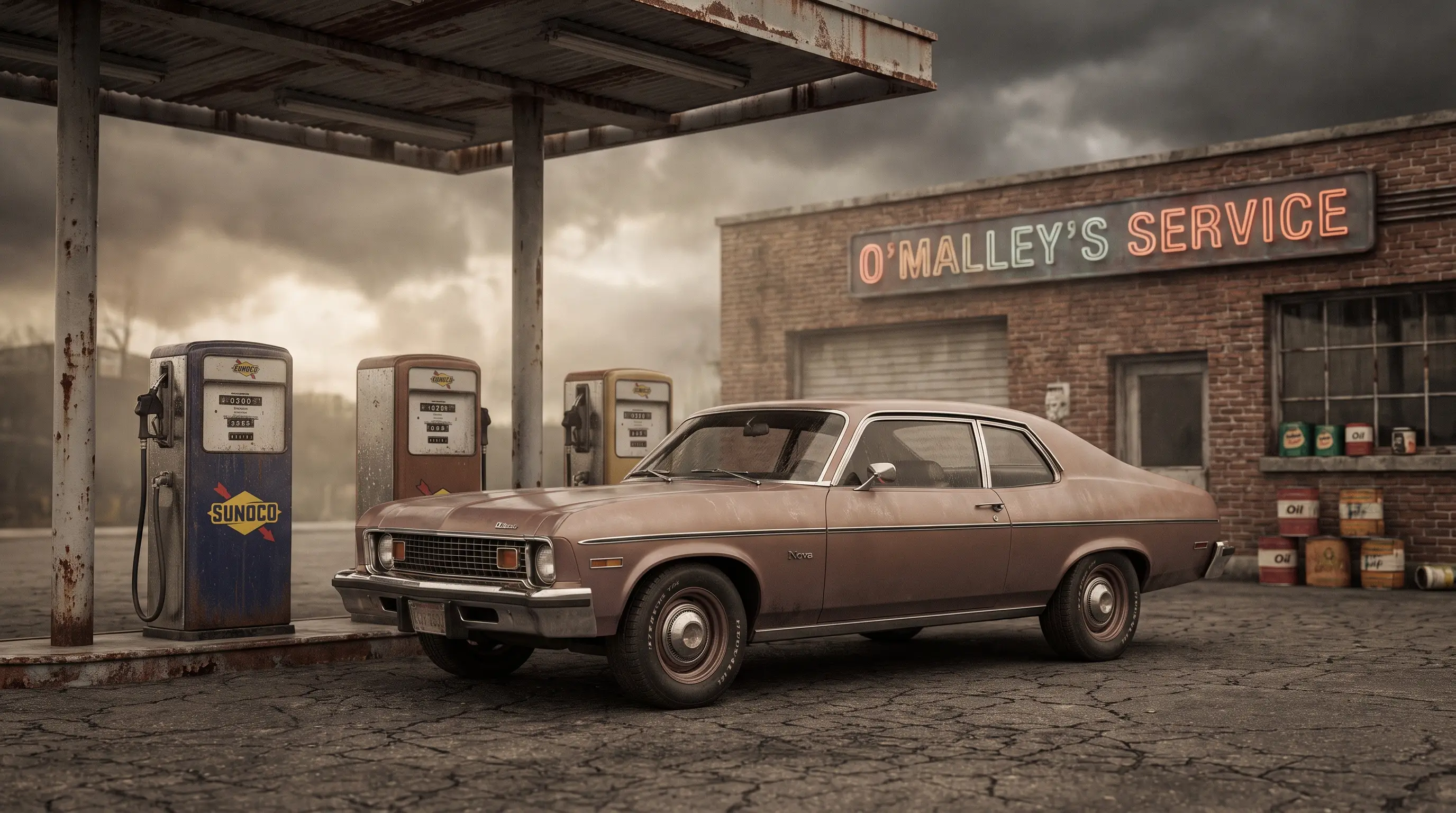
When people talk about "third gen" Nova, they mean the X-body redesign that ran from 1968 to 1974. Chevrolet had already built two generations of Chevy II before this one, but the 1968 car was the first to really commit to the Nova name and the first to offer a proper SS package built around big-block power. That's the car the market cares about. The fourth gen Nova that followed for 1975 through 1979 is a different animal entirely, softer, heavier on emissions hardware, and nowhere near as collectible. If a listing says "Nova" without specifying the year, the first thing I check is whether it falls inside that 1968 to 1974 window, because that's where the auction money lives.
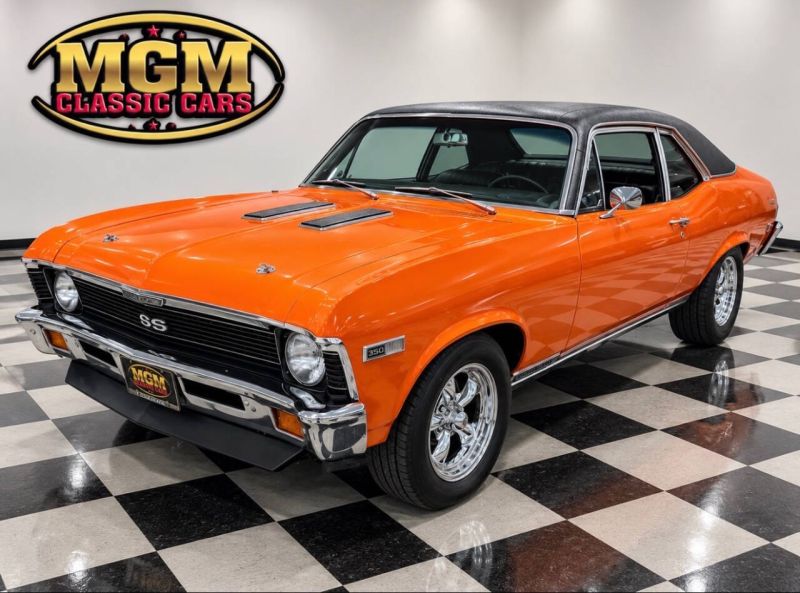
Inside that window, the cars people pay real money for are the SS-optioned Novas with a 396 (later marketed at 402 cubic inches but still called a 396) or the 350 small block SS cars. A plain six-cylinder Nova from 1971 is a perfectly good driver. It is not what's driving the auction numbers you see in the headlines.
Documentation is worth more than paint
I've pulled apart enough of these to tell you the paint is the last thing that should matter to a buyer, and it's usually the first thing a seller wants to talk about. A fresh respray tells you almost nothing about what's underneath it. What actually moves the price at auction is paperwork: a broadcast sheet, the original build tag information matching the block casting numbers, and a documented ownership chain. A numbers-matching L78-code 396 Nova with a verified build sheet will out-earn a beautifully painted clone by a wide margin, sometimes by tens of thousands of dollars depending on the sale.
That gap has only widened as the hobby has gotten more sophisticated about verification. Buyers who might have taken a seller's word for it fifteen years ago now expect casting numbers, date codes on the heads and block, and ideally a Protect-O-Plate or dealer invoice. If you're shopping this market and a seller gets vague when you ask for documentation, walk away before you fall in love with the car.
| Configuration | What it typically brings | What drives the number |
|---|---|---|
| Six-cylinder or small-block driver, no SS package | Modest, honest driver money | Condition and rust history |
| SS 350 (L48), verified | Solid mid-tier collector money | Originality, matching numbers |
| SS 396/402 big block, verified L34 (350 hp) or L78 (375 hp) | Strong money, headline territory for the rarer L78 cars | Documentation, casting numbers, build sheet |
| COPO or Yenko-modified big block Nova | Top of the market, six figures for the right car | Extreme rarity, factory paperwork |
Why this generation specifically outperforms the rest
Part of it is simple math. Chevrolet built a lot more Camaros and Chevelles with big-block options than it built comparable Novas, so a documented big-block SS Nova is genuinely harder to find than an equivalent Chevelle. Scarcity does real work here. The other part is that the Nova platform was smaller and lighter than the Chevelle, which means a 396 in a Nova feels more aggressive than the same engine in a heavier car. Buyers who grew up wanting one of these remember exactly why.
There's also a generational thing happening in the buyer pool right now. The people who wanted these cars as teenagers in the early 1970s are the ones with the retirement money to actually buy them today, and that demand hasn't shown real signs of softening the way it has for some other muscle car categories. I'd rather buy into a category with steady, documented demand than chase whatever's hot for eighteen months and cold after that.
What to actually check before you bid
If you're serious about buying into this market, do the boring work first. Pull the VIN and cross-reference it against the trim tag. Check the casting numbers on the block and heads against known date codes for your claimed build month. Ask for a copy of any prior appraisal. None of this is glamorous, and none of it is optional if you want to protect what you're paying.
I'd also tell you to be honest with yourself about condition versus originality. A driver-quality car with real, verified numbers will hold its value better over time than a trailer-queen restoration built around a replacement block, even if the trailer queen looks better in photos. The market has gotten smart enough to price that difference correctly, and it will keep doing so as more buyers learn to ask the right questions.
For a deeper look at what made this generation what it is, I'd point you toward the muscle-era Nova and everything that went into building it. And if you want to see how quickly things changed once the factory had to start chasing emissions rules instead of horsepower, that story is worth reading as a companion piece to this one.
"I've had guys show me a gorgeous SS396 clone and get genuinely upset when I tell them the numbers don't match. The car isn't fake, it's just not what they think it's worth. That gap between what a car looks like and what it can prove is where most of the real money in this hobby gets made or lost."
— Mike Sullivan
Sources and notes
- 1970 Chevrolet Nova SS 396 375-hp Specs (Automobile Catalog)
- 1970 Chevy Nova SS (GM Heritage Collection)
- 500+ Horsepower: 1970 Chevrolet Nova SS 396 L78 (Barn Finds)
- 1968-1976 Chevrolet Nova SS: 3rd-Gen Guide and Specs (Moto Gallery)
- Chevrolet Chevy II / Nova (Wikipedia)
- Nova Engine Options: 1970 (Chevy Hardcore)
Where the market goes from here
I don't see this cooling off soon. The supply of documented, numbers-matching big-block Novas is fixed. It's not getting bigger. Every year a few more of these get parted out, wrecked, or locked into permanent museum collections, and every year the buyer pool for what's left seems to include a few more people who know exactly what they're looking at. If you're thinking about getting into this market, the smartest move is buying the most documented car you can afford rather than the prettiest one, because paperwork doesn't fade the way paint does.