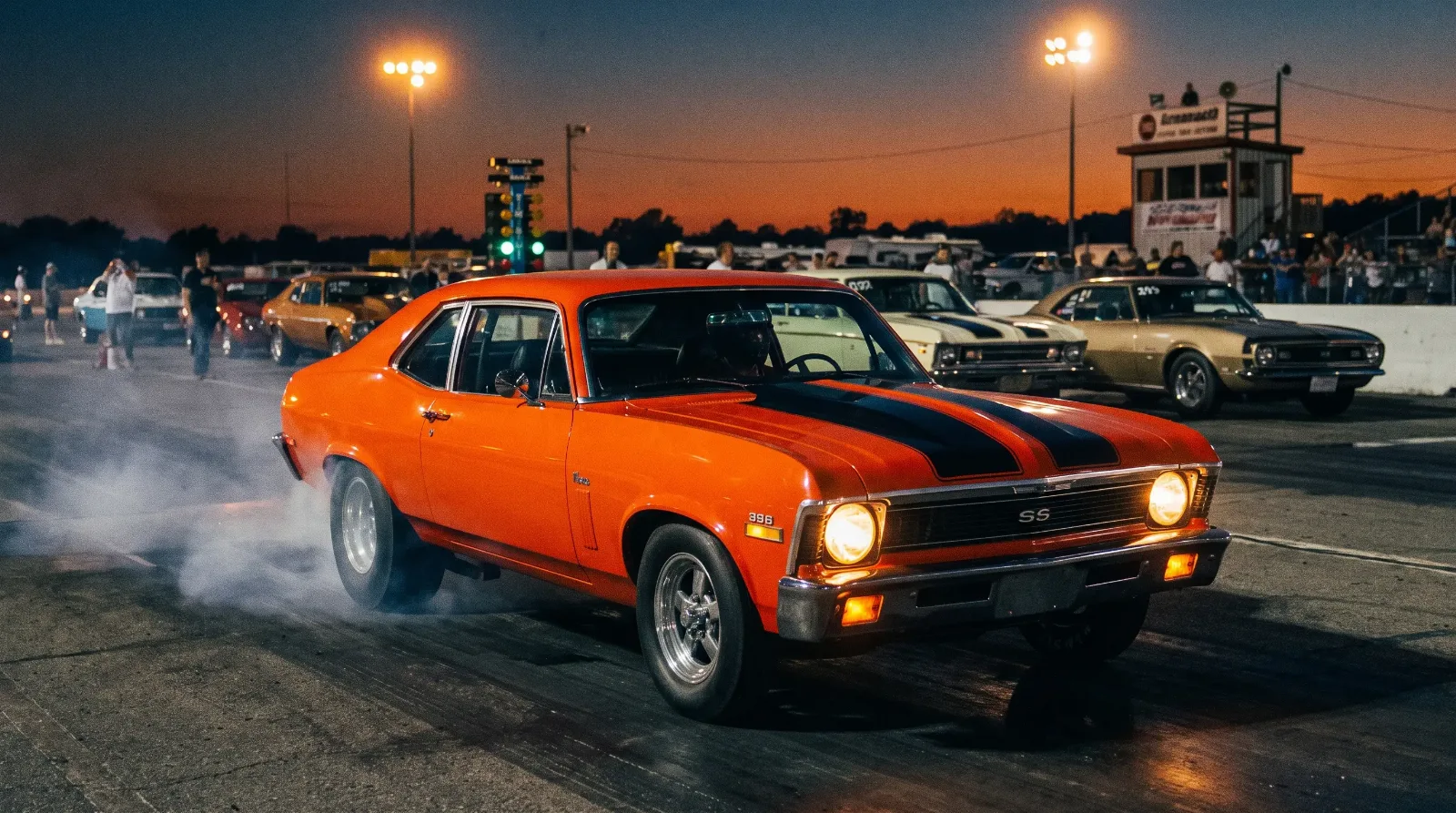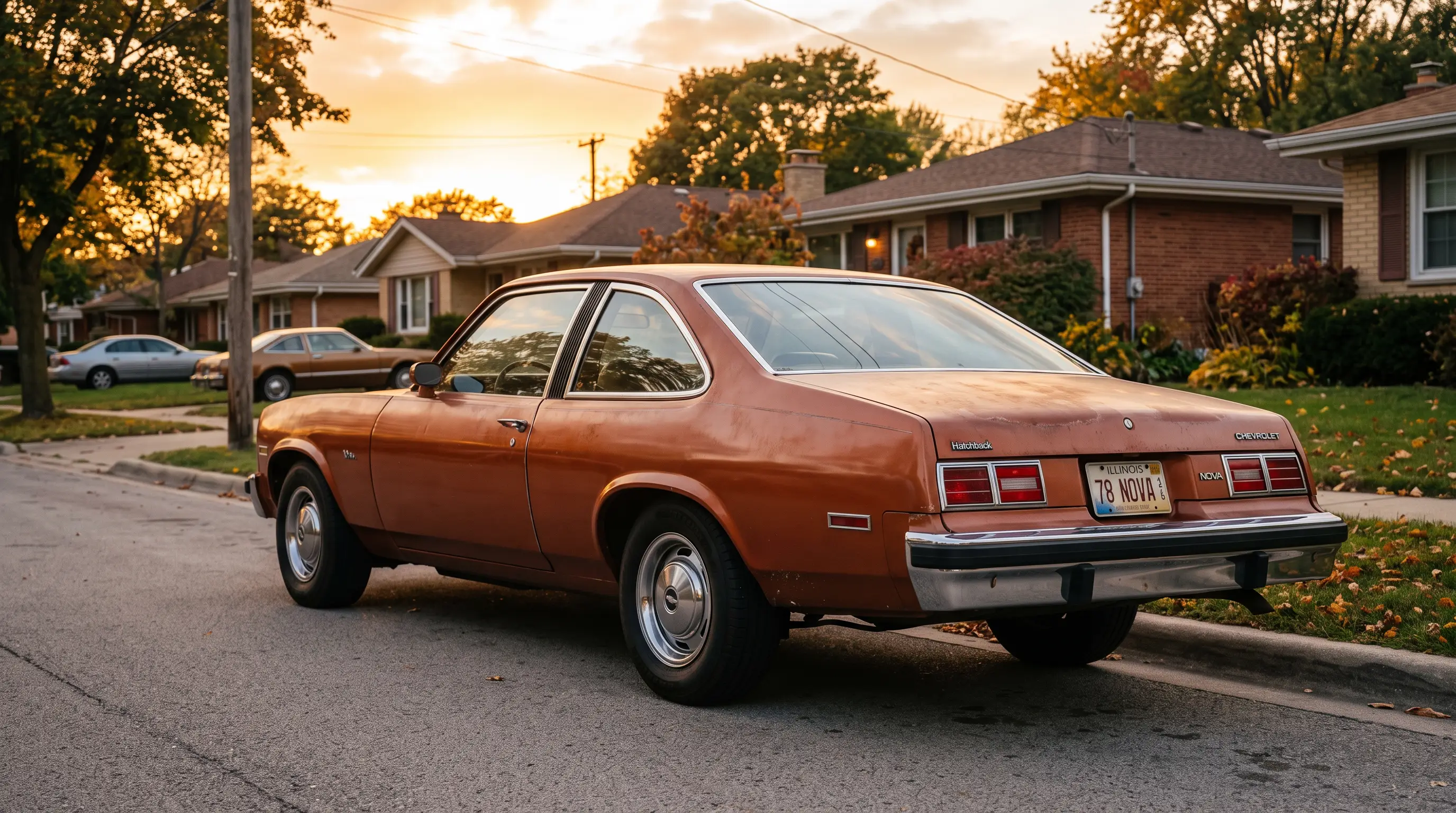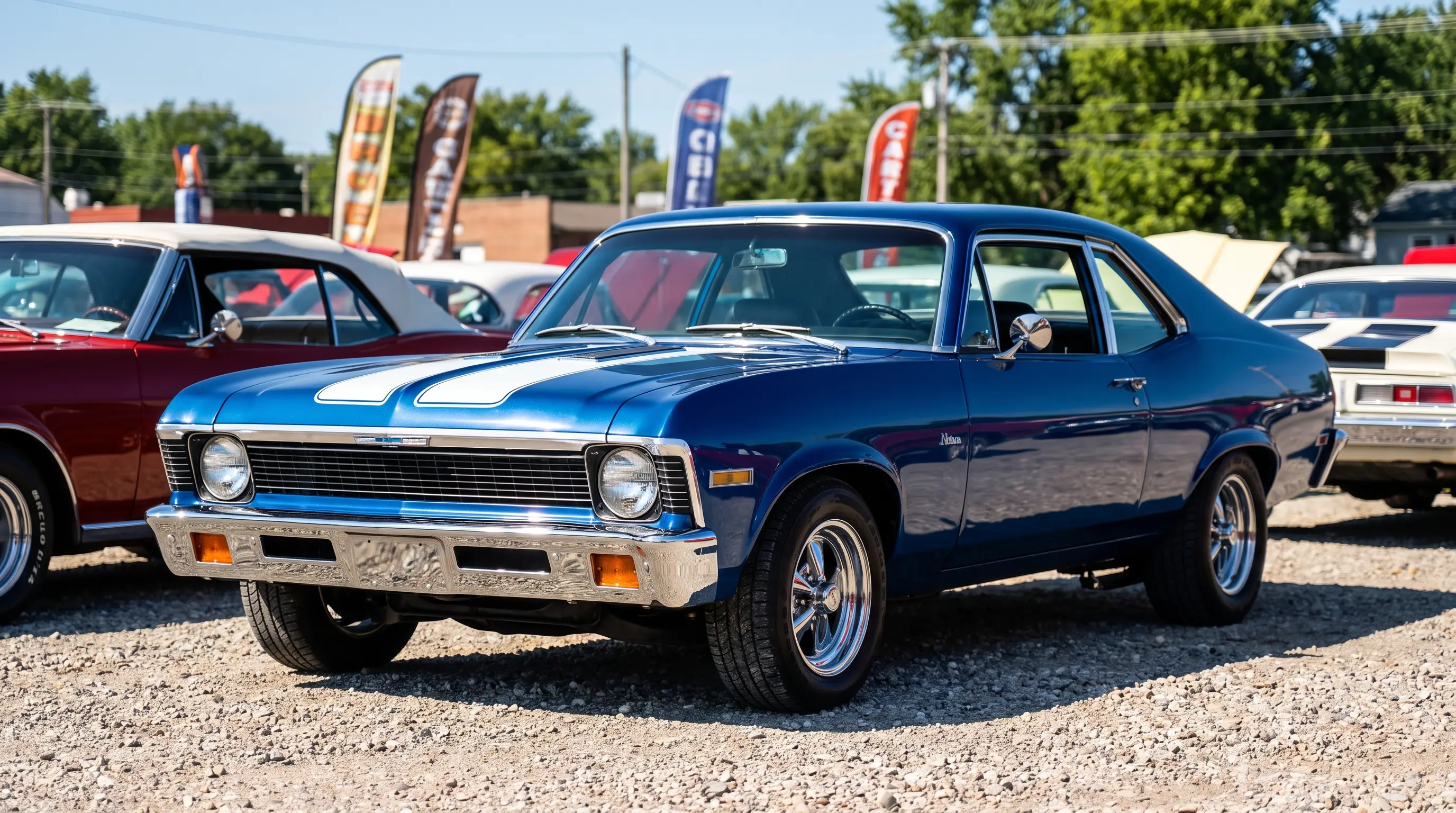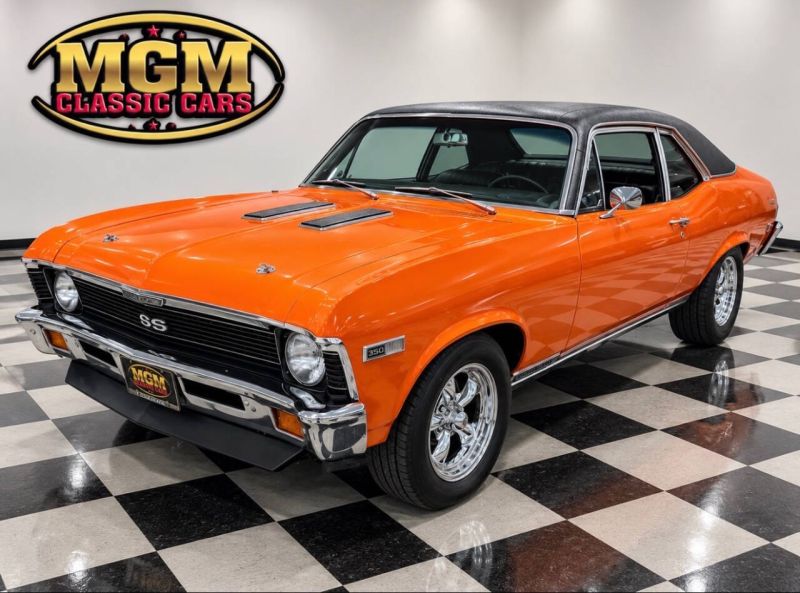
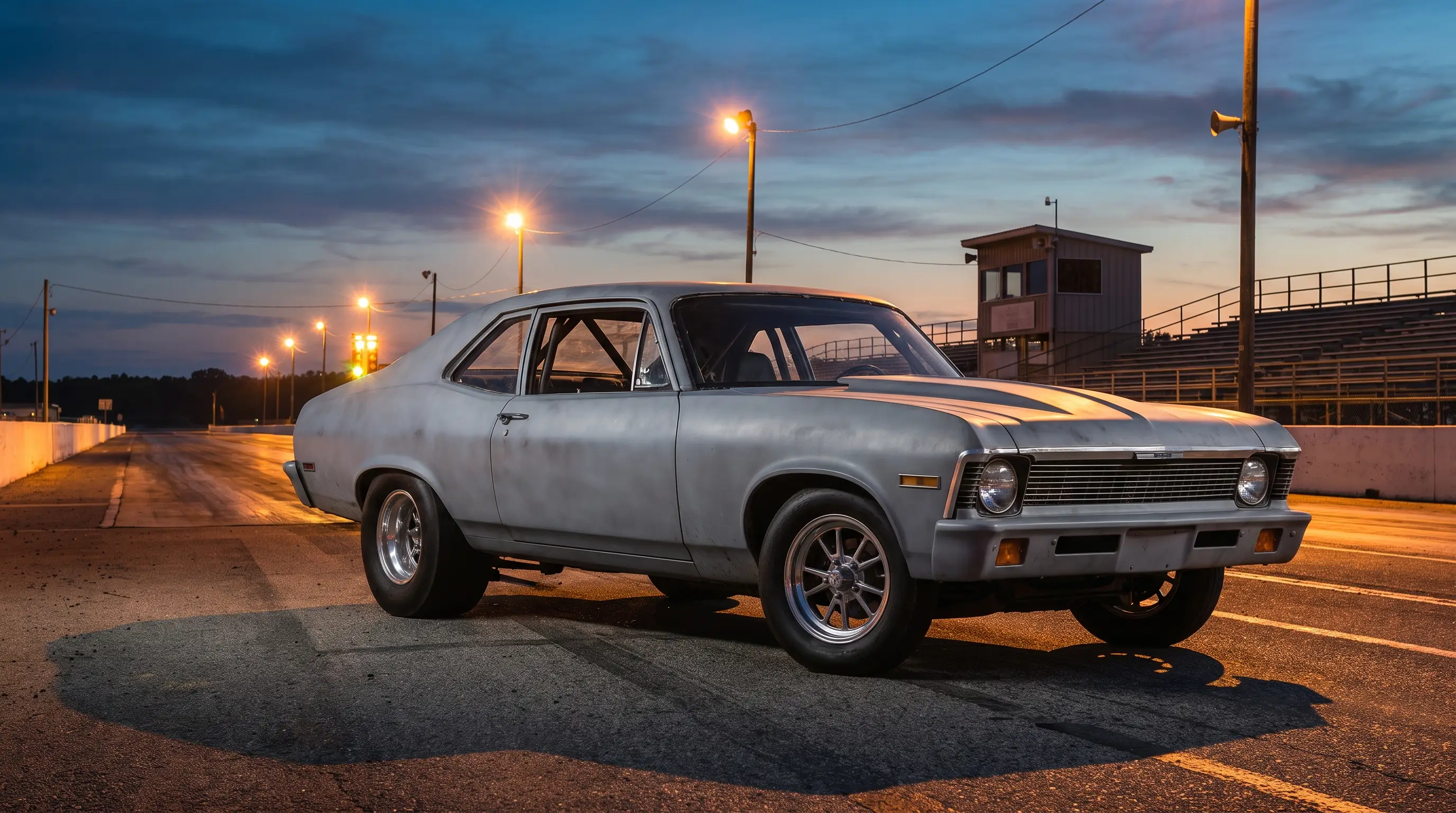
Walk any bracket night at a heartland strip and you will still find a third-gen Nova staged in the lanes, usually with skinny front tires, a scoop poking through the hood, and an owner who talks about the car like it owes him money. The 1968-74 Nova never got the marketing budget Chevrolet threw at the Camaro, and that is exactly why it became a drag car. Shorter wheelbase, less sheet metal to haul around, and a chassis that took an SS 396 without complaint. Guys who wanted to go fast on a budget bought a Nova and built from there.
I have wrenched on a dozen of these over the years, some restored to stock, most cut up for the strip a long time ago and never put back. The pattern repeats: buy the plainest six-cylinder shell you can find, drop in whatever big block is sitting on a stand in the garage, and spend the next ten years chasing sixty-foot times. That is the Nova drag story in one sentence, but the details are where it gets interesting.
Why the Nova chassis worked at the strip
The 1968-74 body rides on a 111-inch wheelbase, about seven inches shorter than a same-year Chevelle. Less overhang front and rear means less weight to manage under hard launch, and the unibody structure (Nova used a partial unibody with a front subframe bolted on) was stiff enough to handle abuse without the flex problems some body-on-frame cars developed after repeated launches. The front subframe was the same basic unit used under the Camaro, which meant an enormous parts bin of engine mounts, control arms, and traction bars bolted right up.
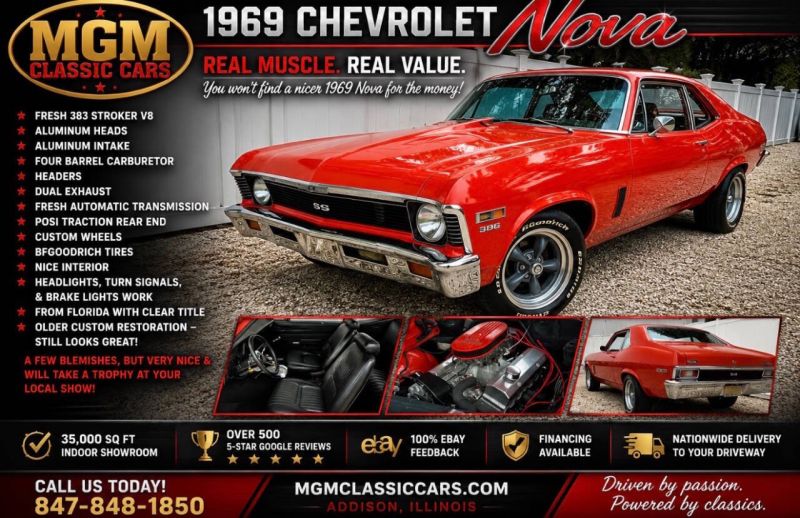
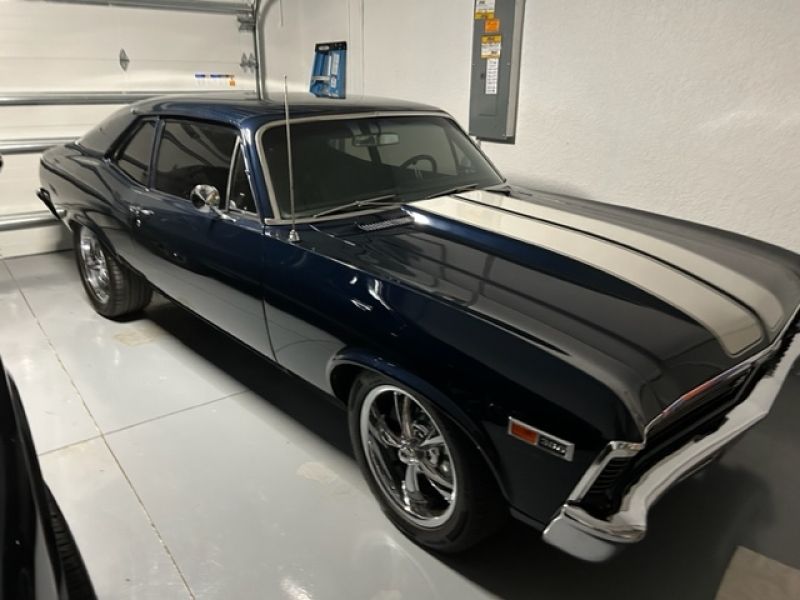
Weight is the other half of it. A well-optioned SS 396 Nova came in around 3,200 to 3,400 pounds depending on options and source, light for a car that could carry the 350-horse L34 or the top 375-horse L78, the only big blocks Chevrolet ever put in a Nova, offered from 1968 through 1970 only. Drop the options list, pull the sound deadening, and a stripped six-cylinder shell became the favorite starting point for a serious build because there was so little extra mass to fight.
The engine swaps that defined the era
Factory big blocks were a starting point, not an ending point. The 1970 396 (actually bored to 402 cubic inches but still badged 396 for showroom appeal) was common enough to find cheap, and it responded well to the usual recipe: bigger cam, ported heads, a single four-barrel or a tunnel ram with dual quads for the serious guys. After 1970 Chevrolet dropped the big block from the Nova lineup entirely, so any 402 or 454 seen in a later Nova is a swap, not a factory option. Small block builders went a different direction, stuffing 350s and later 400-cube small blocks into cars that started life with a 250 six or a mild 307, because a warmed-over small block in a light car could out-run a stock big block car all day and cost less to feed.
The really committed builders skipped Chevrolet parts bins entirely past a certain point and went aftermarket block, but that is a different story than the factory-adjacent drag Novas most of us actually see at swap meets and local tracks. The cars that mattered to weekend racers were the ones built from a junkyard Nova and a motor somebody's uncle had sitting around.
Suspension and chassis tricks racers actually used
Getting a Nova to hook was its own education. The stock leaf-spring rear axle wanted to wheel-hop under hard launch, so ladder bars or slapper bars became a near-universal addition the moment someone got serious. Front end weight came off with tubular control arms and aluminum radiator supports once a car moved from street-strip duty into something closer to a dedicated racer. Traction bars alone transformed a car's sixty-foot time more than almost any engine modification, which is a lesson a lot of first-time builders learn the expensive way, usually after breaking a U-joint or two.
Slicks obviously mattered, but so did tire pressure discipline and correct pinion angle, details that separate a Nova that leaves the line straight from one that fishtails into the guardrail. None of this is glamorous work. It is measuring, shimming, and testing, over and over, until the car stops trying to kill you off the line.
| Modification | Typical effect | Common era |
|---|---|---|
| Ladder/slapper bars | Reduced wheel hop, better weight transfer | Late 1960s onward |
| 402 big block swap into six-cylinder shell | Major power gain, lighter starting point | 1970s |
| Tubular front control arms | Front-end weight reduction | 1980s-present restoration/build era |
| Aftermarket 4-speed or automatic with shift kit | Consistent, faster shifts | Throughout |
"Everybody wanted a Camaro until they weighed one against a Nova. The Nova gave up nothing at the light except sex appeal, and sex appeal doesn't win a bracket race."
— Mike Sullivan
What survives and what does not
Original drag Novas from the era are rarer than people assume, because most got recycled, wrecked, or parted out once a builder moved on to the next project. What you find today is mostly a mix: genuine period-built cars with documented history at a local track, and modern tribute builds using the same recipe with better materials. Neither is wrong, but they are different animals for a buyer, and a documented period racer typically commands more than a comparable tribute build, though the gap varies a lot deal to deal.
If you are hunting one, look past the paint and ask about the drivetrain history first. A Nova with a logbook from an actual dragstrip, even a small local one, carries a story that a fresh build cannot replicate no matter how correct the parts are. That history is really what you are buying.
Read more about the third-gen Nova and what made the chassis such a favorite starting point for builders, and check out the next story in this set for a look at the other direction Chevrolet took the same car.