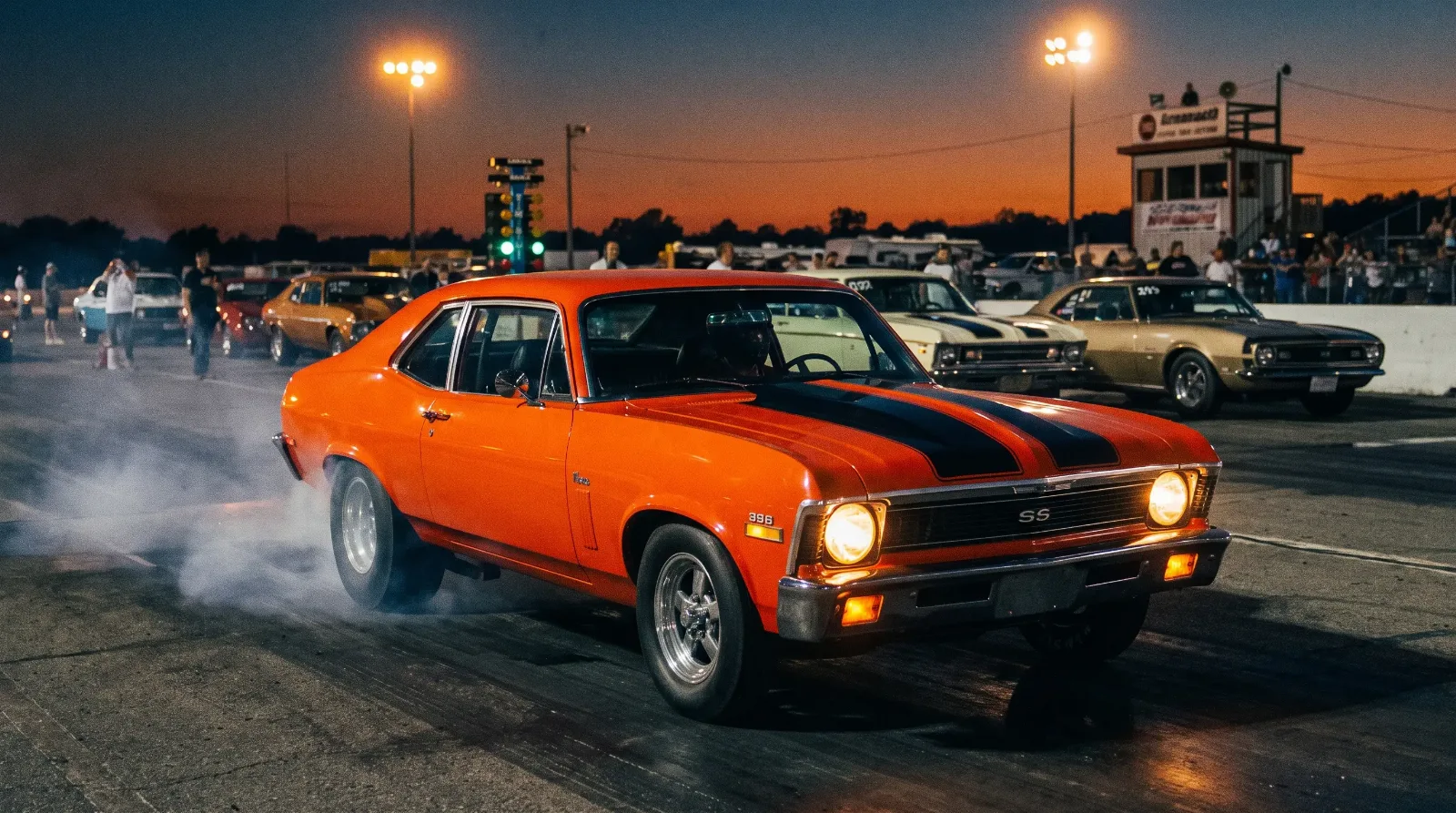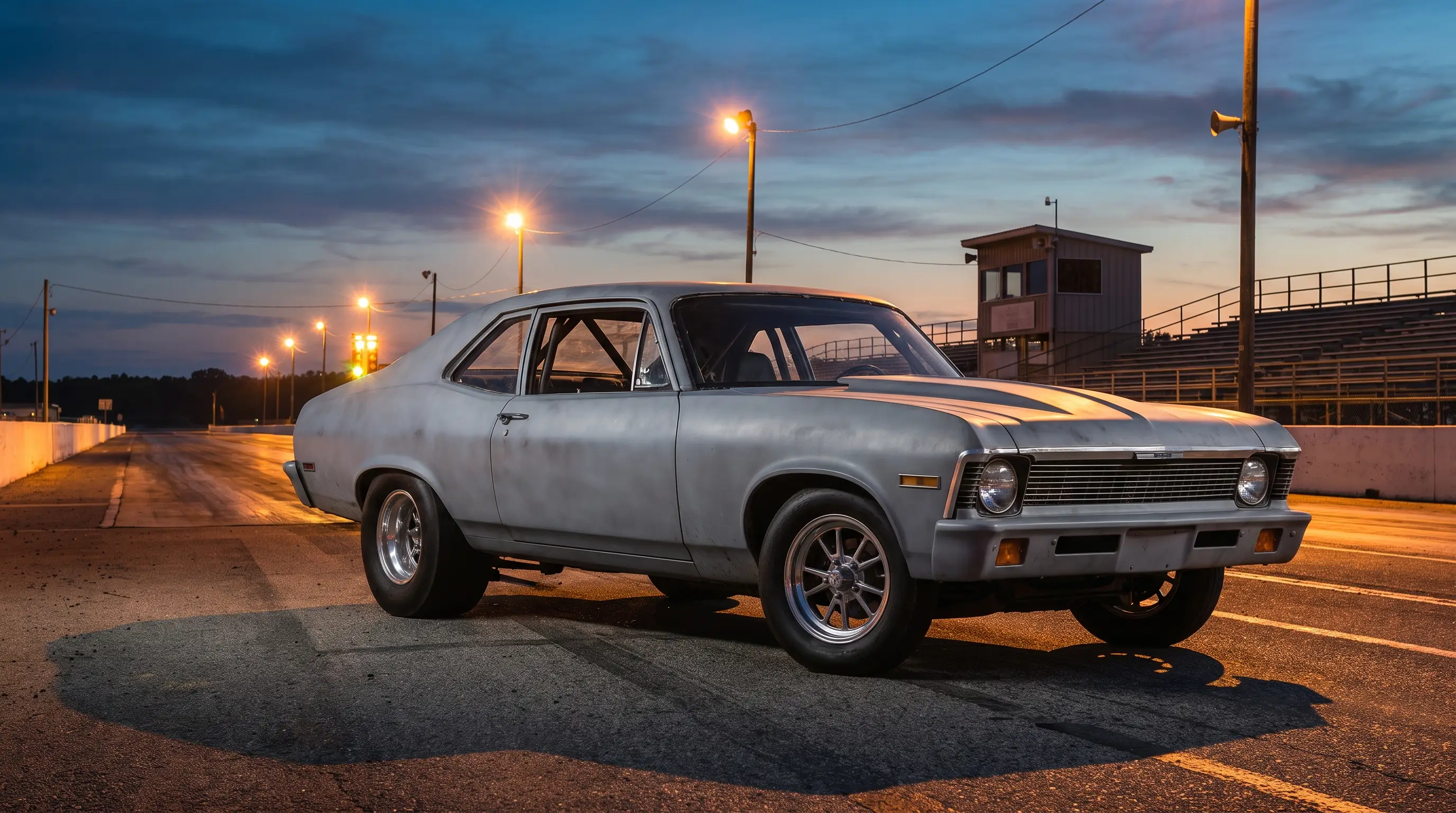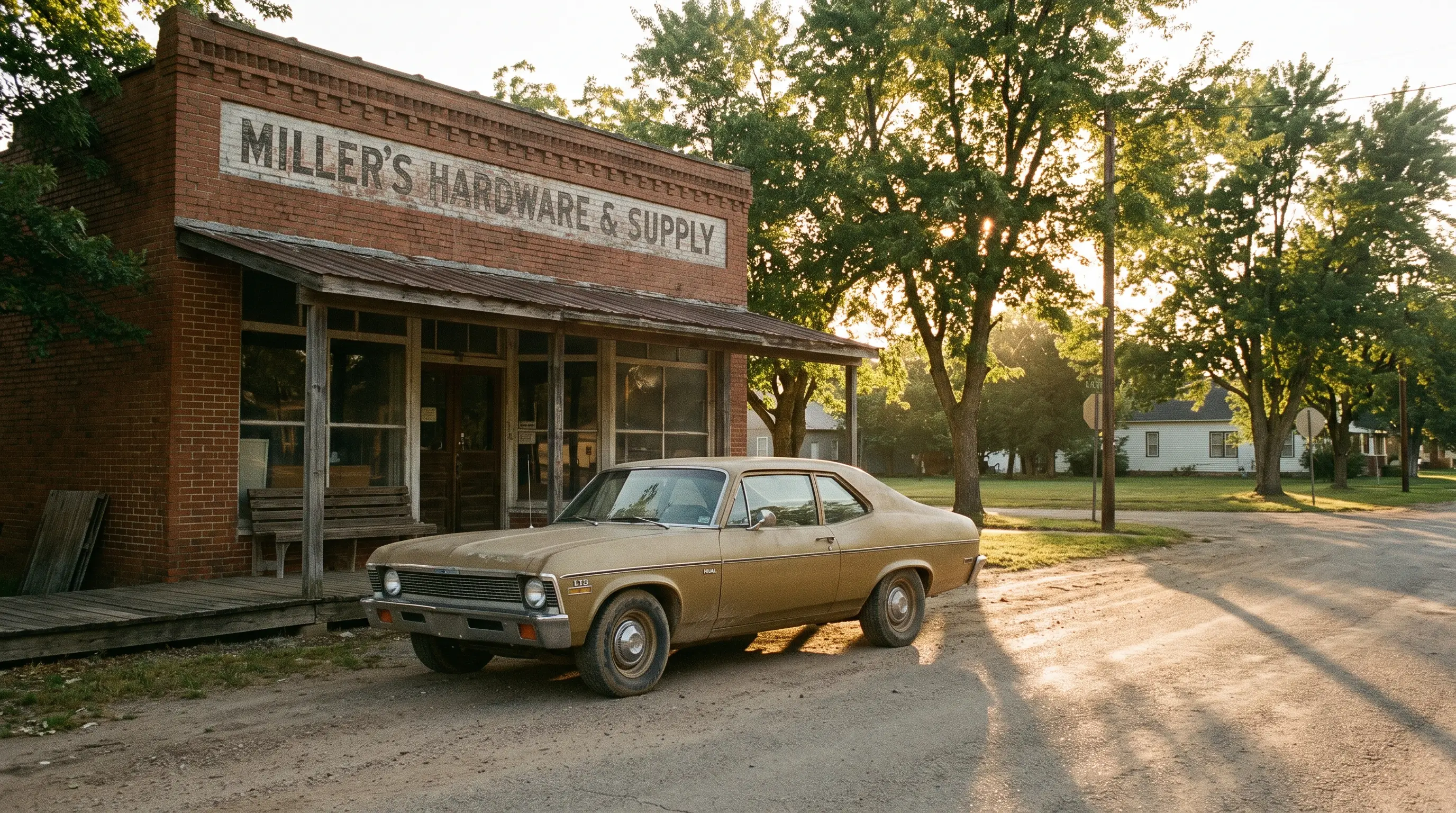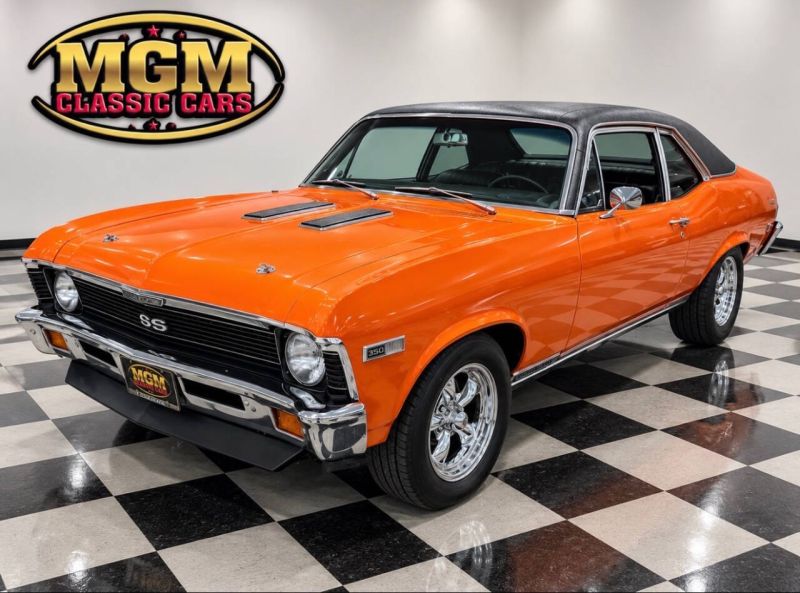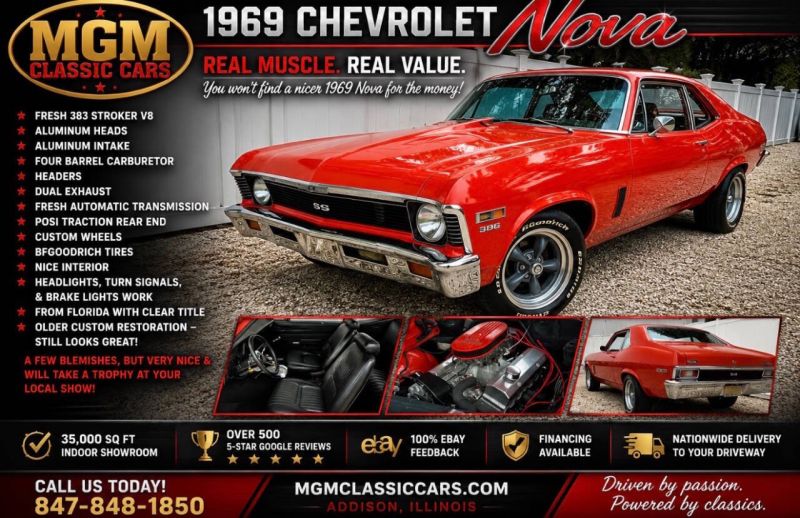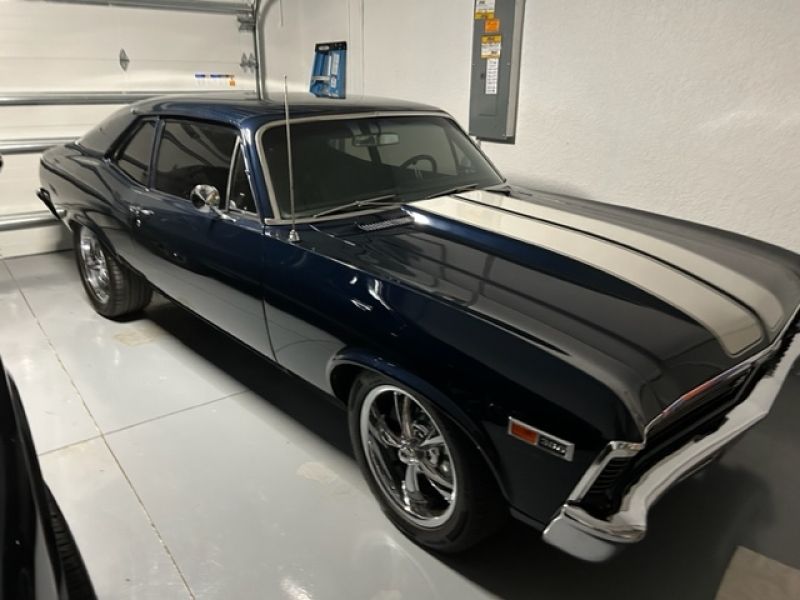
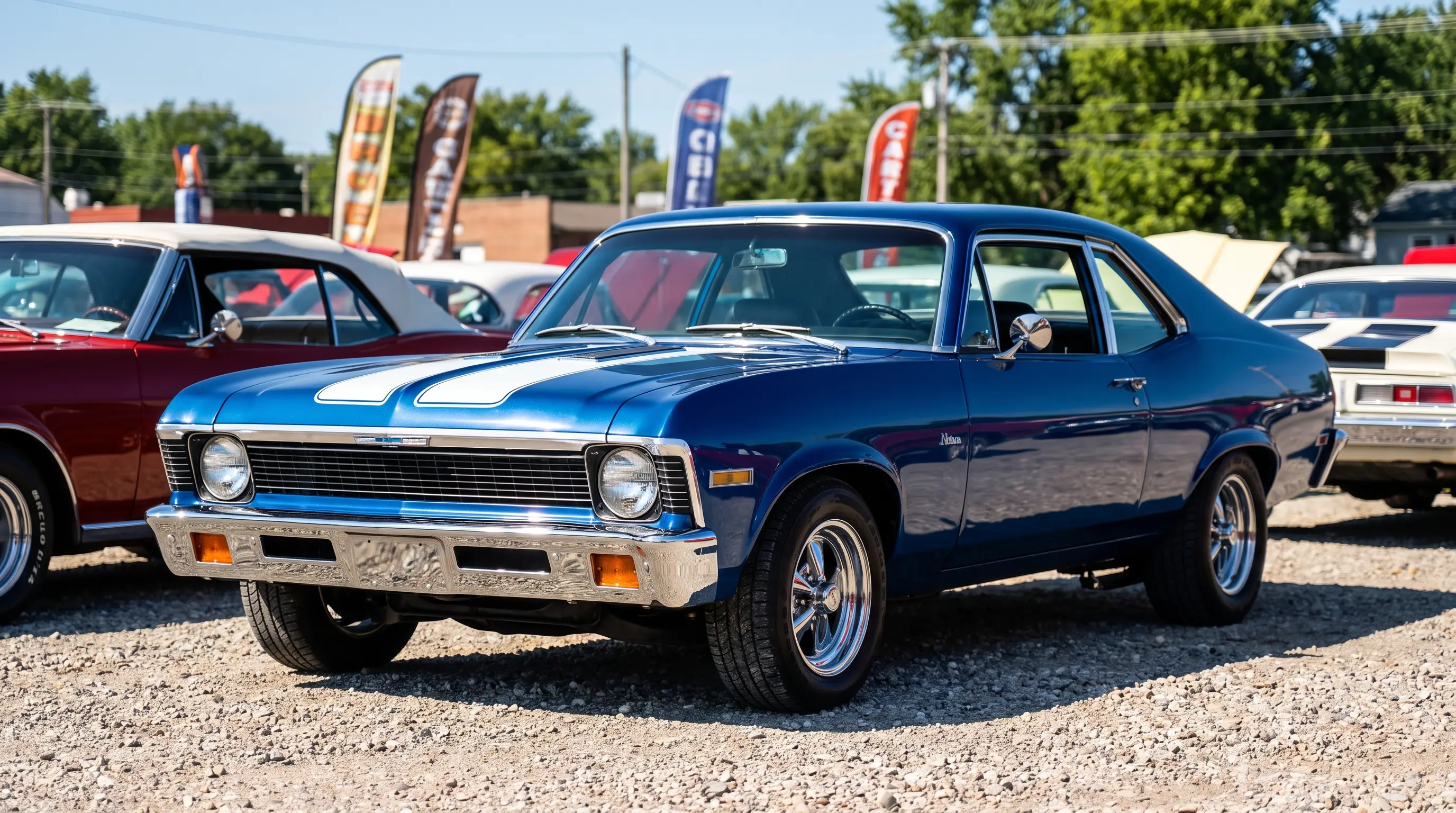
The Chevy Nova Rally package rarely gets mentioned in the same breath as the SS 396, and that gap in attention is exactly what makes it interesting from a buying standpoint. Where the SS chased horsepower numbers, the Rally option chased a look: styled wheels, blacked-out grille, and stripe treatments that dressed up a Nova without touching the drivetrain. It sold in real numbers through the early 1970s, and today it sits in an odd, underpriced spot in the market compared to its more famous SS sibling.
I look at these cars the way I look at any option package, as data first. What did it cost new, how many were ordered, and what does that scarcity or abundance mean for a buyer forty-plus years later. The Rally package tells a clear story once you pull the numbers apart.
What the Rally package actually included
The Rally package carried the RPO code YF1, and Chevrolet only offered it for two model years, 1971 and 1972, on the third-generation Nova. The content stayed consistent across both years: Rally wheels with trim rings (not to be confused with the SS's five-spoke wheel), a black-painted grille with bright trim rings, a body-colored sport mirror on the driver's side, tapered side stripes, a "Rally Nova" hood emblem, and the F40 heavy-duty suspension. Crucially, the Rally package was cosmetic rather than a performance option, and it could be ordered with the 250 six, the 307 two-barrel V8, or the 350 two-barrel L65. That is the detail collectors sometimes miss. A Rally-optioned Nova is not automatically a performance car, and Chevrolet specifically blocked it from pairing with the SS-exclusive L48 350 four-barrel or the big-block engines, so it never overlapped with true SS muscle.
That flexibility is why you find Rally Novas across a real spread of engine choices, from a plain 250 six to a two-barrel 350 V8, wearing the same wheels and stripes. For a period buyer on a budget, it was the way to get a Nova that looked quicker than it was.
Why the two model years matter more than the option list
Unlike a lot of Chevrolet appearance options that ran for a decade with small tweaks, the Rally package has a hard boundary: it did not exist before mid-1971 and it was gone after 1972. Production tells the real story. Chevrolet built roughly 7,700 to 8,000 Rally Novas in the partial 1971 model year, then that number jumped to more than 33,000 in 1972 as the option caught on. The content between the two years stayed close to identical, so a buyer is not chasing subtle year-to-year trim revisions the way you would with, say, SS stripe graphics across a longer run. The real question for a data-first buyer is simpler: is this actually a documented 1971 or 1972 car, or has a later owner grafted Rally-style wheels and stripes onto something else. Chevrolet did revive a Rally-badged trim on the Nova again for 1977 through 1979, after the SS was dropped from the lineup, but that fourth-generation package is a separate story from the 1971-1972 YF1 option covered here, and the two should not be conflated when you are pricing a car.
This matters more than it sounds like it should, because a mismatch between model year and Rally content is one of the cheapest tells that something has been altered. A later stripe kit on an earlier body, or wheels that do not match the year's factory offering, tells you the car has had parts moved onto it at some point in its life. That is not automatically disqualifying, but it changes what you should be paying.
Why the market has been slow to price it in
Auction and valuation data consistently show SS-optioned Novas commanding a real premium over Rally-only cars of the same year, and that gap makes sense given the SS's documented performance content and standard L48 350. The exact multiple moves with condition, originality, and which auction you are watching, so treat any single number as a snapshot rather than a rule, but the direction is not in question: Rally cars price well under comparable SS cars. Meanwhile the Rally package cars have been quietly appreciating as buyers who cannot afford or do not want a numbers-matching SS look for an alternative that still has real visual presence.
What I tell people evaluating one of these: price the drivetrain and the Rally option separately in your head. A six-cylinder Rally car is a cosmetic buy, priced accordingly. A V8 Rally car, especially one with the 350, sits in a sweet spot, real driving character without SS money attached to the sticker.
Reading the paperwork before the paint
Because the Rally package touched trim and appearance rather than mechanicals, verifying it comes down to the build sheet and cowl tag more than anything visible on the car itself. Stripes get repainted, wheels get swapped between owners, and a non-Rally Nova can wear the look convincingly with a weekend's worth of parts-store shopping. If the option matters to your purchase price, the documentation has to back it up.
This is where a lot of buyers get burned, paying an option premium for a car that never had the factory content, just a later owner's interpretation of the look. It happens more with Rally packages than SS trim because the stakes (and the scrutiny) have historically been lower.
| Trim comparison | Rally package | SS package |
|---|---|---|
| Years offered | 1971-1972 only (RPO YF1) | 1968-1974 (350 standard, 396 optional through 1970) |
| Available with six-cylinder | Yes | No |
| Wheel style | Rally steel wheel with trim ring | SS-specific Rally wheel |
| Performance content | F40 heavy-duty suspension only, no performance engine | Standard L48 350 four-barrel (or 396), suspension, badging |
| Typical market position today | Undervalued relative to content | Premium, well documented |
"Buyers pay for the badge they recognize. The Rally package never had a marketing campaign behind it, so the market hasn't caught up to what these cars actually are, which is a good-looking, honestly priced entry point into the Nova hobby."
— David Mercer
Where this leaves a buyer today
My actual opinion, not just the data: a documented V8 Rally Nova is one of the better values left in the muscle-era Nova lineup right now. You are not paying an SS tax, you get real presence from the wheels and stripe treatment, and the cars are mechanically identical to their SS counterparts under anything cosmetic. The risk is entirely in verification, so budget time and a knowledgeable set of eyes into any purchase before you commit.
If the appearance package is the draw and the badge on the fender is secondary, this is where I would be looking. If you need the story that comes with an SS glovebox tag, that premium is earned and I would not fight the market on it.
There is also an insurance and appraisal angle worth mentioning, since I spend as much time with agreed-value policies as I do with auction results. A properly documented Rally car, cowl tag matched to a build sheet or at minimum consistent with the model year's known content, appraises more predictably than one where the appearance package is asserted rather than proven. Underwriters and appraisers both default to caution when documentation is thin, and that caution shows up as a lower agreed value regardless of how good the car looks in photos. Spend the money on a documentation search before you insure or sell a Rally Nova, not after a claim or a buyer's inspection forces the question.
For readers following this cluster of stories on the third-gen Nova, keep reading the series for a look at the inline-six cars that made up the bulk of Rally package production.