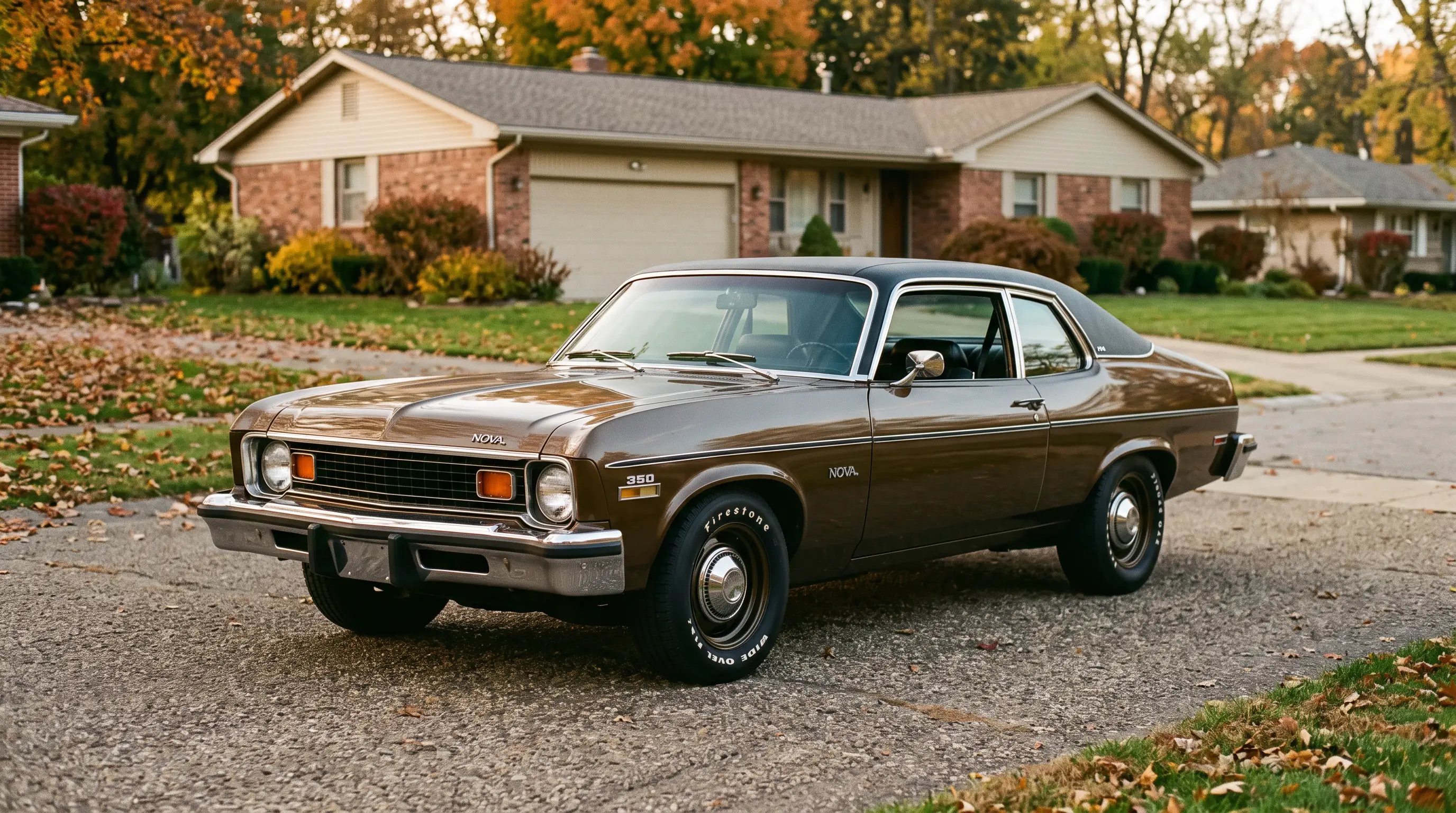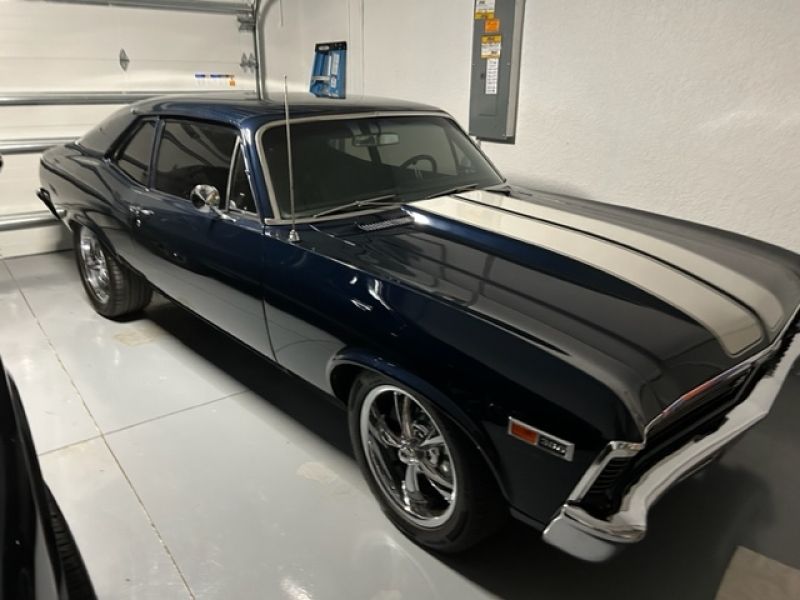
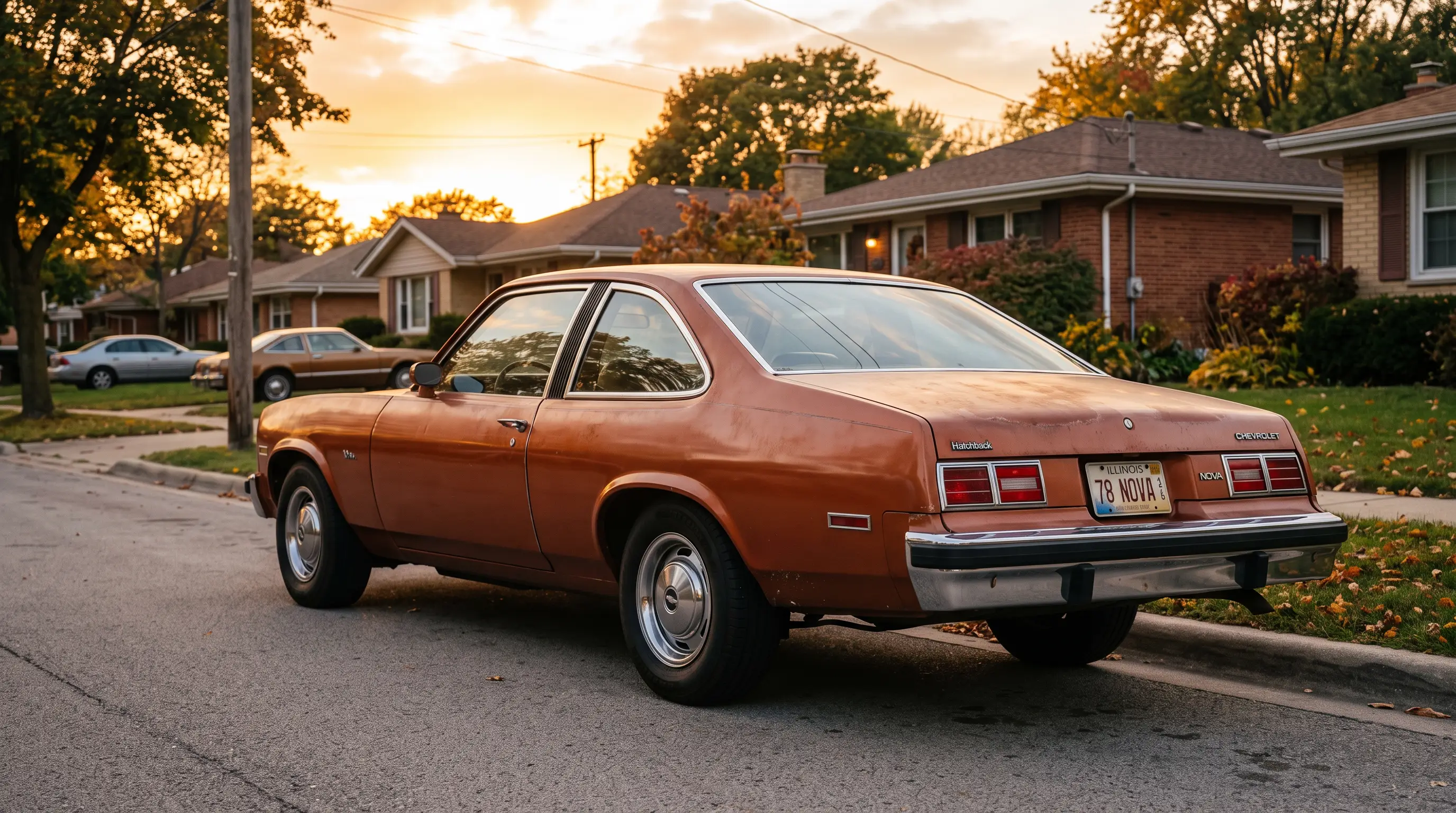
Most people looking for a nova hatchback don't realize how late that body style actually showed up. The coupe and the notchback sedan had been running since 1968. The hatchback didn't join the lineup until 1973, right in the middle of everything else changing about this car at the same time. Roughly 91,000 hatchbacks left the factory that first year, close to a quarter of Nova production for 1973. It's one of the more overlooked variants of the third-gen Nova, and it deserves a straighter explanation than it usually gets.
Why Chevrolet added a hatchback this late
By the early 1970s, the compact market was shifting toward cars that could double as practical haulers, not just economical transportation or budget performance platforms. Ford and American Motors were already selling fastback and hatchback configurations on their own compacts, and Chevrolet needed an answer that didn't require a whole new platform. The Nova hatchback solved that by adding a top-hinged rear liftgate and a folding rear seat to the existing third-gen body, giving buyers real cargo flexibility without walking away from a car that could still be ordered with SS trim and a small block V8.
This wasn't a halo car. It was a practical answer to a market question, and it arrived on the third-gen Nova platform at almost the exact same time the federal bumper rules and the fading big block option were reshaping the rest of the lineup.
What actually changed structurally
Adding a hatch to a unibody compact isn't a trim swap. Chevrolet had to reinforce the rear structure around the new opening to keep torsional rigidity in line with the coupe, since removing a fixed rear window and adding a hinged panel changes how the whole rear quarter of the car handles load. The result is a Nova that looks close to identical to the coupe from the front three-quarter view but carries a genuinely different rear structure, different glass, and a different trunk floor arrangement underneath the carpet.
That structural difference matters for buyers today for a practical reason: rust and accident repair on a hatchback Nova isn't a straight parts swap from a coupe. Sheet metal, hatch hinges, and the liftgate seal are hatchback-specific, and they are meaningfully harder to source than coupe trim simply because fewer hatchbacks were built and fewer of those survive in good condition.
| Body style | Rear access | Rear seat | Parts availability today |
|---|---|---|---|
| Coupe | Fixed trunk lid | Fixed or split-fold | Good |
| Sedan | Fixed trunk lid | Fixed | Good |
| Hatchback | Hinged liftgate | Folding, cargo-oriented | Limited, hatch-specific parts scarce |
Buying and inspecting a hatchback Nova
Start at the liftgate itself. Check the hinge mounts and the weatherstrip seal for wear, and run your hand along the inside edge of the opening for rust that's found a way in through a failed seal. Water intrusion around a hatch is a slower, sneakier problem than a leaking trunk lid because it tends to collect in the rear structure rather than draining out, and by the time you see surface rust on the carpet the metal underneath has usually had a head start.
Check that the folding rear seat mechanism actually latches and locks the way it's supposed to. These mechanisms see more use and more abuse than a fixed rear seat, and a worn or bent latch is a cheap fix if you catch it early and an annoying one if you don't. Beyond the hatch-specific items, the inspection is the same as any other third-gen Nova: subframe mounts, lower quarters, and floor pans, checked with a magnet, not a glance.
Engine and trim options carried over unchanged
The hatchback didn't come with its own engine lineup. It slotted into the existing Nova powertrain range, from the base six-cylinder up through the 350 small block, and could be ordered with the same SS trim and appearance packages available on the coupe by that point in the third generation. That means the drivetrain inspection points don't change just because the body does. What changes is everything behind the front seats, and that's where a buyer's attention needs to shift when this body style is on the table.
Because the hatchback shared its mechanical range with the coupe, it's tempting to treat the two as interchangeable when you're pricing a car. They aren't. A hatchback in equivalent condition to a coupe often sells for less, not because it's a worse car, but because fewer buyers are actively looking for the body style and fewer restoration shops have deep experience with its specific problem areas. That gap can work in a patient buyer's favor if they know what they're inspecting.
Where the hatchback fits in the third-gen story
The hatchback Nova is a genuinely useful, genuinely different car from the coupe most people picture when they hear the name, and it's worth cross-shopping if you want third-gen styling with more practical cargo room than the standard trunk offers. It's also a car where documentation and careful inspection matter more than usual, simply because the body style is rarer and repair parts aren't sitting on every parts store shelf the way coupe trim is. If you're building out a full picture of this era, a companion piece covers how this same generation performed when buyers pointed it straight down a drag strip instead of loading up the back for a trip to the hardware store.
"I don't see many hatchback Novas come through the shop, and when I do, the first thing I check isn't the engine. It's that liftgate seal. Water finds its way into places on these that it never had to on a coupe, and by the time you notice, you're already behind on the repair."
— Mike Sullivan