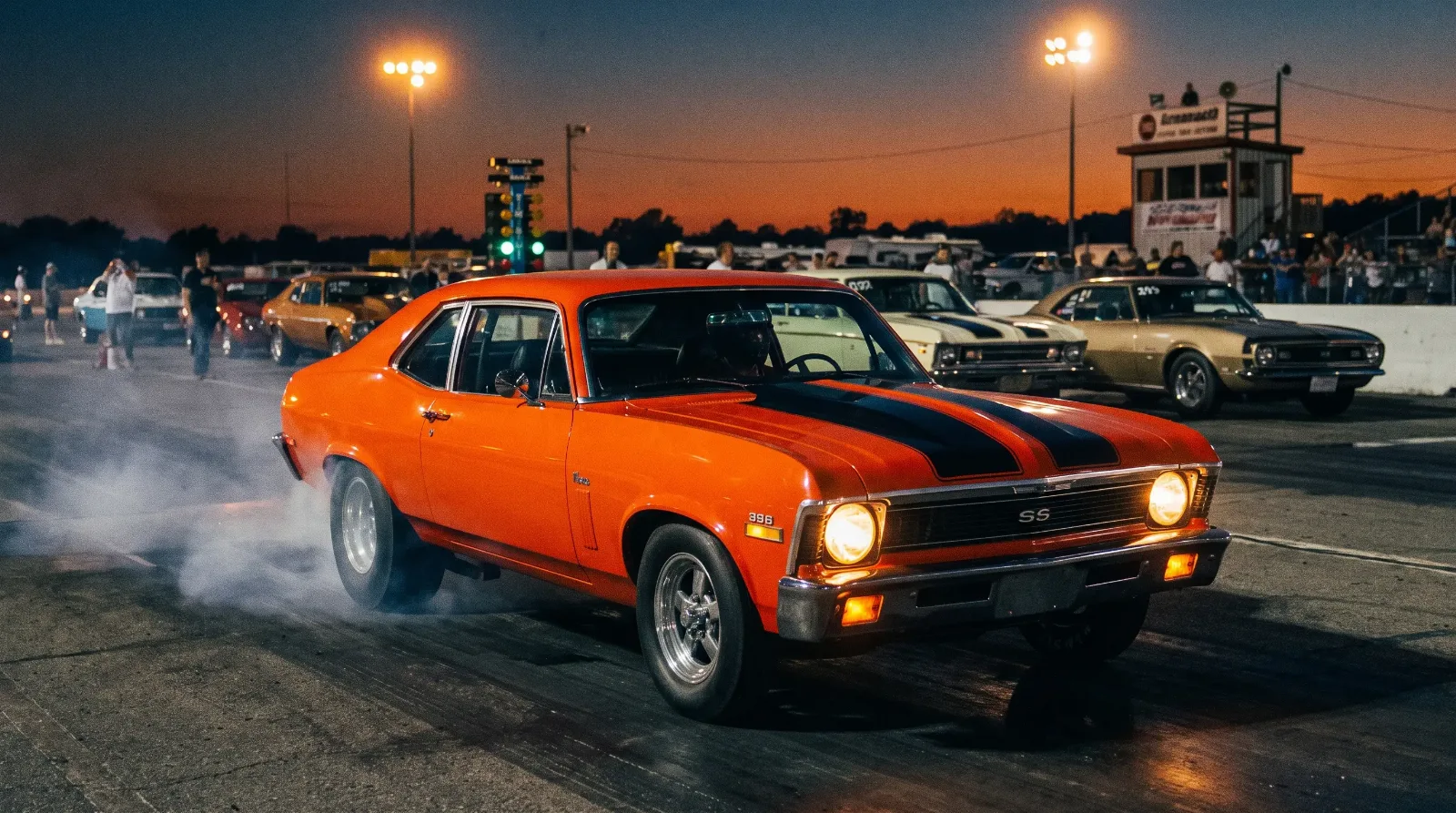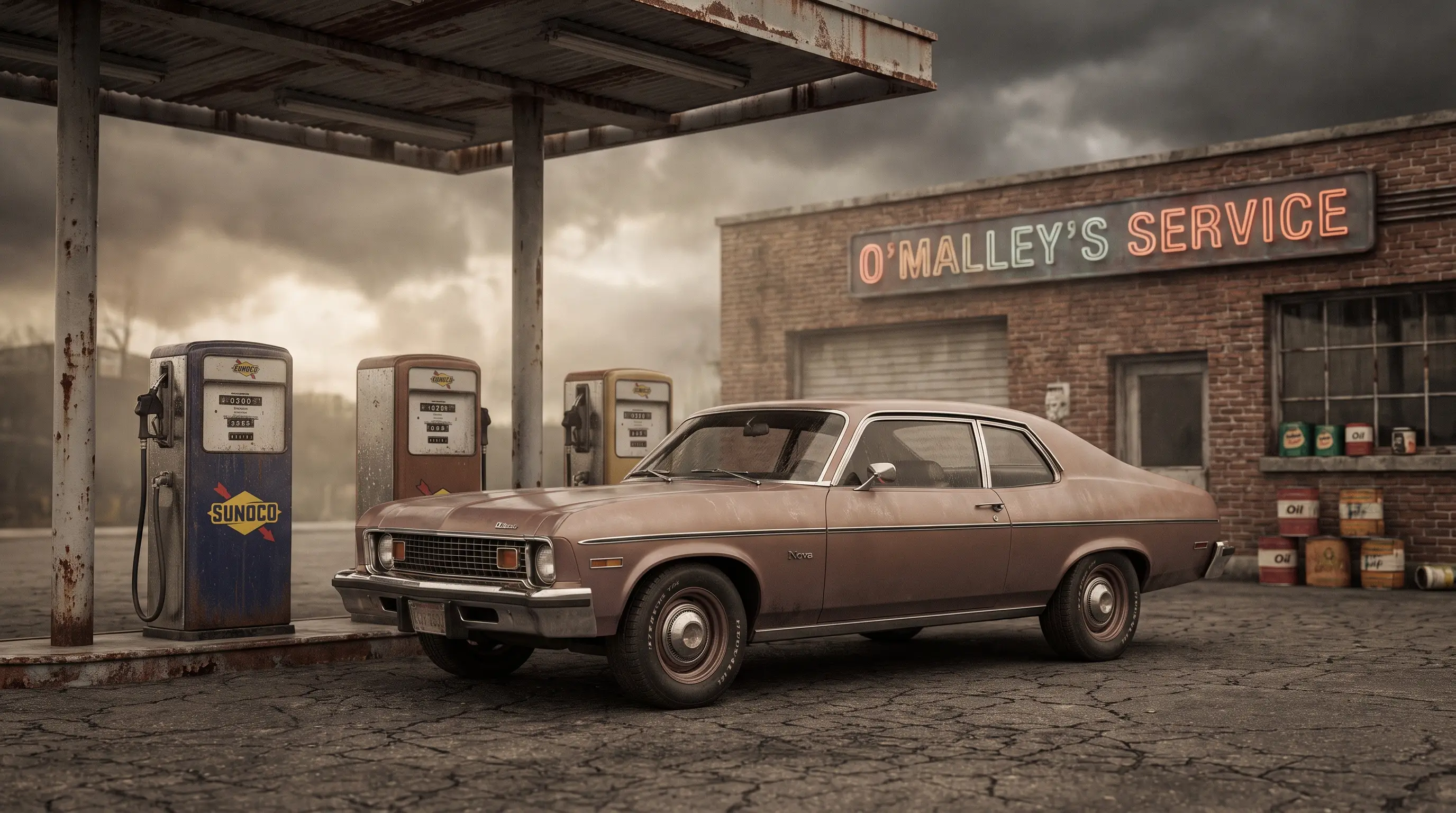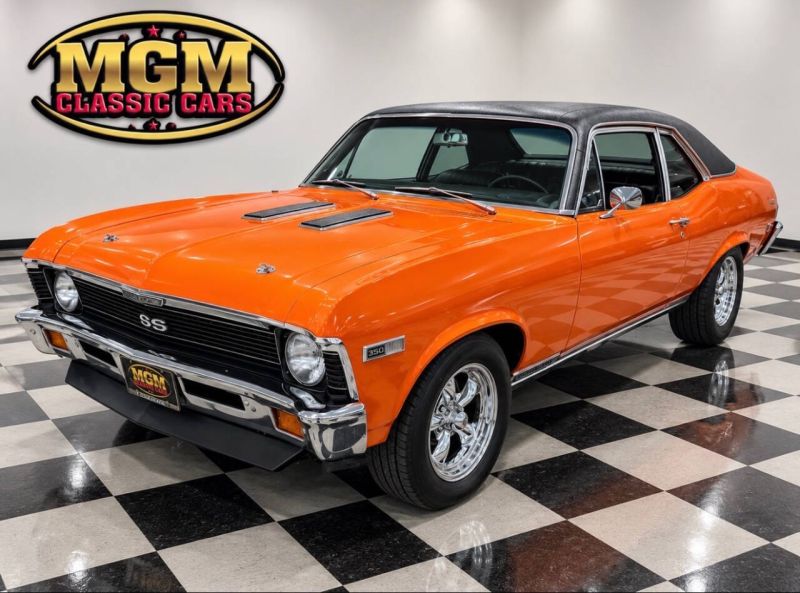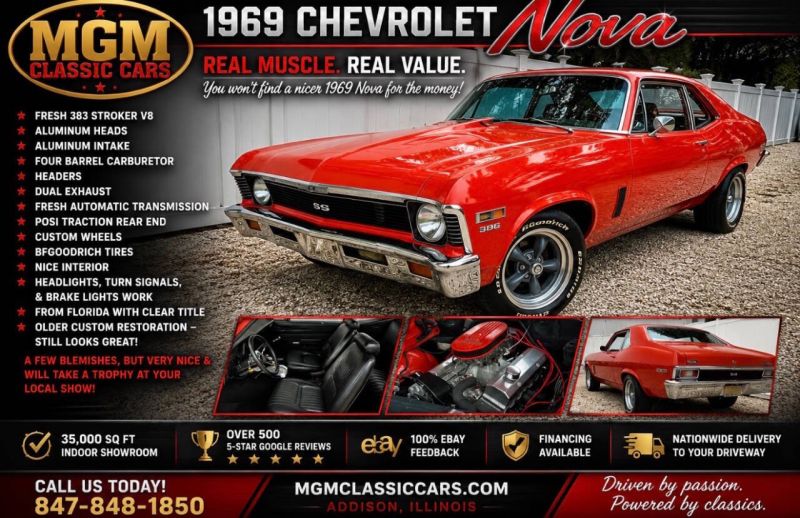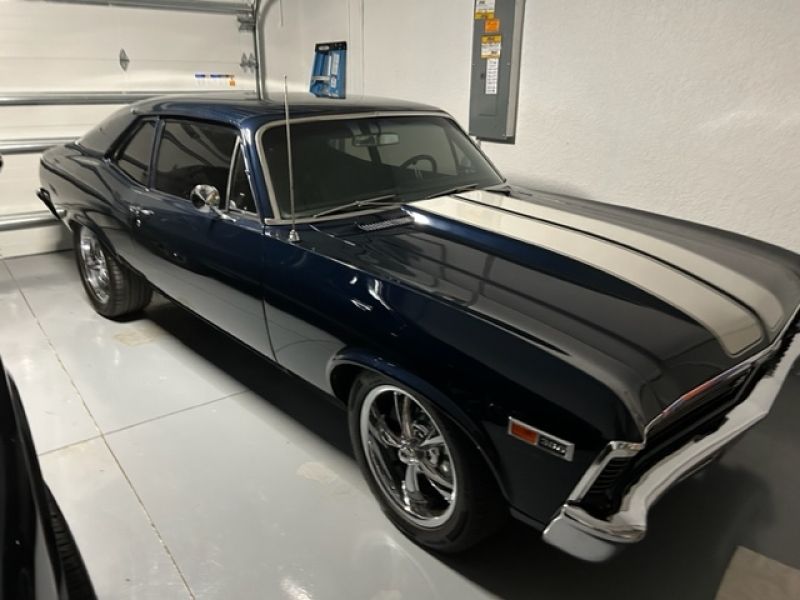
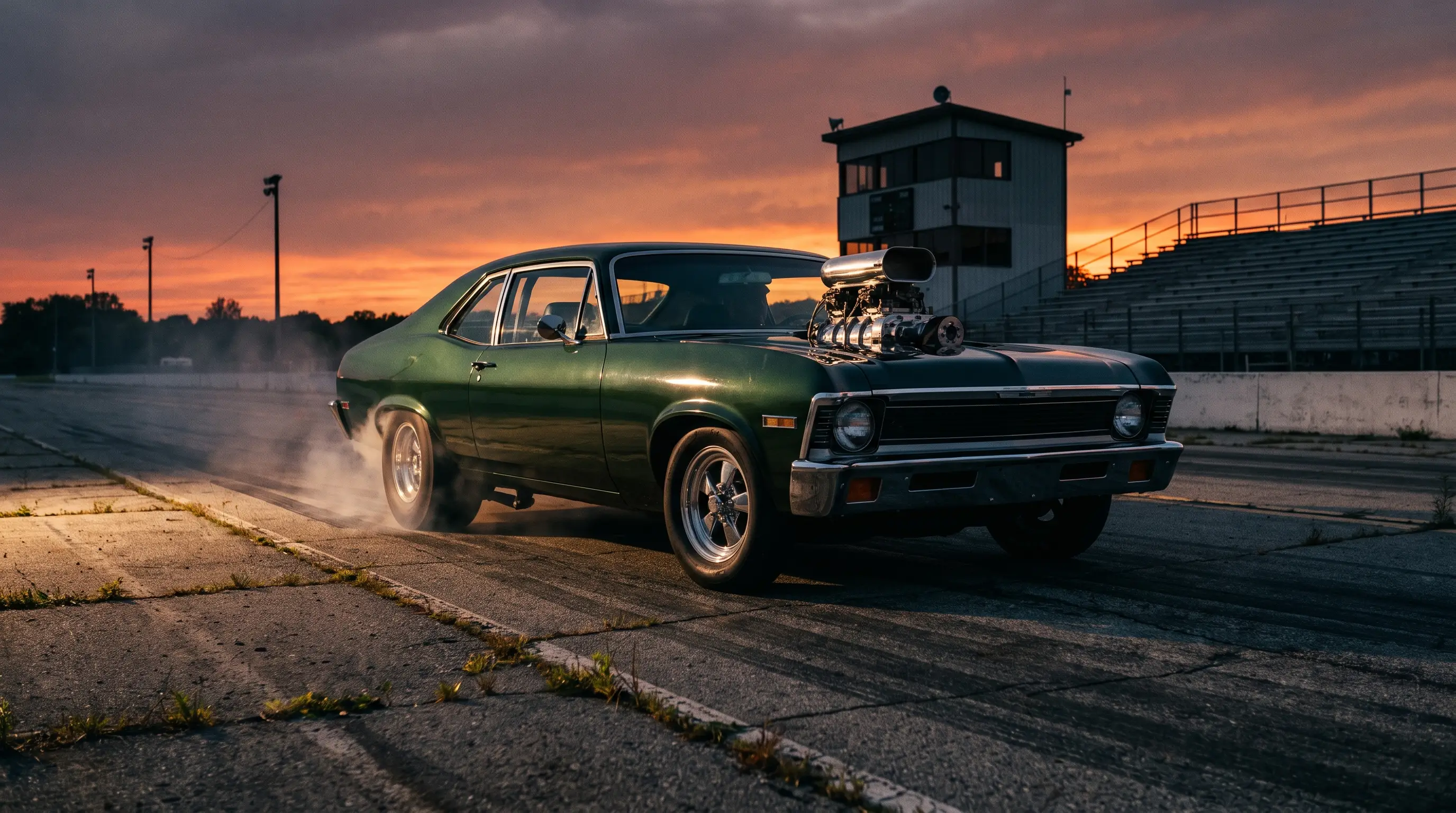
The Chevy Nova built between 1968 and 1974 is one of those cars the collector market has quietly re-priced over the past decade without most casual buyers noticing. It didn't happen with a headline sale the way it did for the Chevelle or the Camaro. It happened gradually, sale by sale, as documented big-block Novas kept clearing estimates at Scottsdale, Kissimmee, and the regional auction houses that move the bulk of this inventory. If you're trying to understand chevy nova muscle as a category rather than a single model year, the data tells a clearer story than any single sale does.
The platform that made the case
The 1968 redesign gave the Nova a shorter, lighter body than the Chevelle it shared mechanical DNA with, and Chevrolet used that platform to offer an SS package with real big-block muscle for the first time. The 396 cubic inch V8, later marketed at its true 402 cubic inch displacement while keeping the 396 badge, dropped into a car that weighed meaningfully less than a comparable Chevelle. That weight advantage is the core of the investment thesis for this generation. Buyers who understand performance-per-dollar have always gravitated toward the lighter car with the same engine, and the market has caught up to that logic over time rather than pricing it in immediately.
Between 1968 and 1970, the only years Chevrolet put a big block in the Nova SS, buyers could order the L34 (350 hp) or the top L78 (375 hp, 415 lb-ft), ratings that held steady across those three model years. Small-block SS Novas, built around the 350 cubic inch V8, filled out the lower end of the performance lineup and remain considerably more affordable today, which tells you something about where collector demand actually concentrates.
What the auction data actually shows
I track these sales the way I'd track any thin, specialized market. The pattern that's held up across recent seasons is a widening spread between documented, numbers-matching big-block cars and everything else wearing an SS badge. A verified L78 car with its original build sheet and matching casting numbers commands a real premium over an undocumented car with a correct-looking but unverified drivetrain, and that premium has grown rather than shrunk as buyers have gotten more sophisticated about due diligence. This isn't unique to the Nova, but the effect is more pronounced here than in categories with deeper production numbers, simply because there are fewer comparable sales to anchor a fair price against.
The rarest cars in this generation, the 1968 COPO 9738 396/375-hp Novas (a run of 50 cars ordered by Fred Gibb Chevrolet in LaHarpe, Illinois, some later fitted with 427s at Dick Harrell's shop) and the roughly three dozen Don Yenko dealer-converted 427 Novas from 1969, sit in a different tier entirely. These cars trade infrequently enough that each sale tends to reset expectations for the next one, which is typical behavior for a market segment with genuinely scarce supply and a well-informed, patient buyer pool.
| Segment | Relative position | What drives the price |
|---|---|---|
| Six-cylinder and small-block driver cars | Entry-level collector money | Condition, usability, rust history |
| Documented SS 350 | Solid mid-tier | Originality and matching numbers |
| Documented SS 396/402 big block | Upper tier, strongest recent gains | Verified drivetrain, build sheet, casting numbers |
| Factory COPO or dealer-modified big block | Blue chip, infrequent sales | Extreme scarcity and paperwork |
How this compares to its stablemates
Set a documented big-block Nova next to a comparable Chevelle or Camaro from the same model years and the price gap is smaller than it should be given the production numbers involved. Chevrolet simply built far more big-block Chevelles and Camaros than it built big-block Novas, which means a verified Nova SS is arguably the rarer car in absolute terms even though it rarely commands the rarer car's price. That mismatch is exactly the kind of inefficiency a patient buyer wants to find before the broader market corrects it.
Part of the reason the correction has taken this long is perception rather than data. The Nova spent decades being treated as the budget-friendly entry point into GM muscle, the car buyers cross-shopped when a Chevelle or Camaro was out of reach. That reputation kept prices soft for longer than the underlying scarcity justified. It's been shifting as more buyers actually run the comparison side by side, and I expect that shift to continue as the production numbers become better known outside the specialist crowd that already tracks them closely.
The investment case, honestly stated
I don't think every Nova is a good buy right now, and I'd tell any client the same thing. The undocumented clone market for this generation is real, and paying big-block money for a car that turns out to have a replacement engine will erase any investment upside immediately. What I do think is a good buy: a verified, matching-numbers SS with clean paperwork, bought at a fair multiple of recent comparable sales rather than at the top of an emotional bidding war. That's not a flashy recommendation, but it's the one that's actually worked for buyers over the past several years.
The supply side of this equation isn't changing. Chevrolet built these cars once, decades ago, and every year the surviving documented examples get scarcer as a few more get parted out or lost to accidents. Demand, meanwhile, has been remarkably steady from a buyer pool that grew up wanting exactly this car. When supply is fixed and demand is steady to rising, that's usually the setup collectors want to be on the right side of.
For the full context on what made this platform what it is, the 1968-74 Nova is the place to start. And for a look at how the story shifted in the previous body style before this redesign took over, a companion piece covers that transition in detail.
Sources and notes
- Rare Rides: The 1968 Chevrolet COPO Nova SS 396 - Street Muscle
- Fred Gibb Chevrolet - Chevrolet Nova Forum
- 1969 Yenko Nova: The Incredibly Rare 427-Powered Nova - Skillset Mag
- Chevrolet Chevy II / Nova - Wikipedia
- 1970 Chevrolet Nova SS 396 - Sports Car Market
- Top 5 Chevy Novas: 1968 Chevy Nova 396 - Chevy Hardcore
"The mistake I see buyers make in this category isn't overpaying for the right car. It's paying big-block money for a car they never actually verified. The premium for documentation in this segment has only widened, and I don't expect that trend to reverse."
— David Mercer
Where this segment goes from here
My read on chevy nova muscle as a collector category is that it's still underpriced relative to comparable Chevelle and Camaro big-block cars, and that gap has been closing steadily rather than all at once. That's the kind of slow, grinding appreciation that rewards patient buyers over speculators. If you're building a position in this market, prioritize documentation over cosmetics, buy the driveline you can prove rather than the paint job you can see, and expect the value of that discipline to compound as more buyers enter a market with a genuinely fixed supply of the real thing.