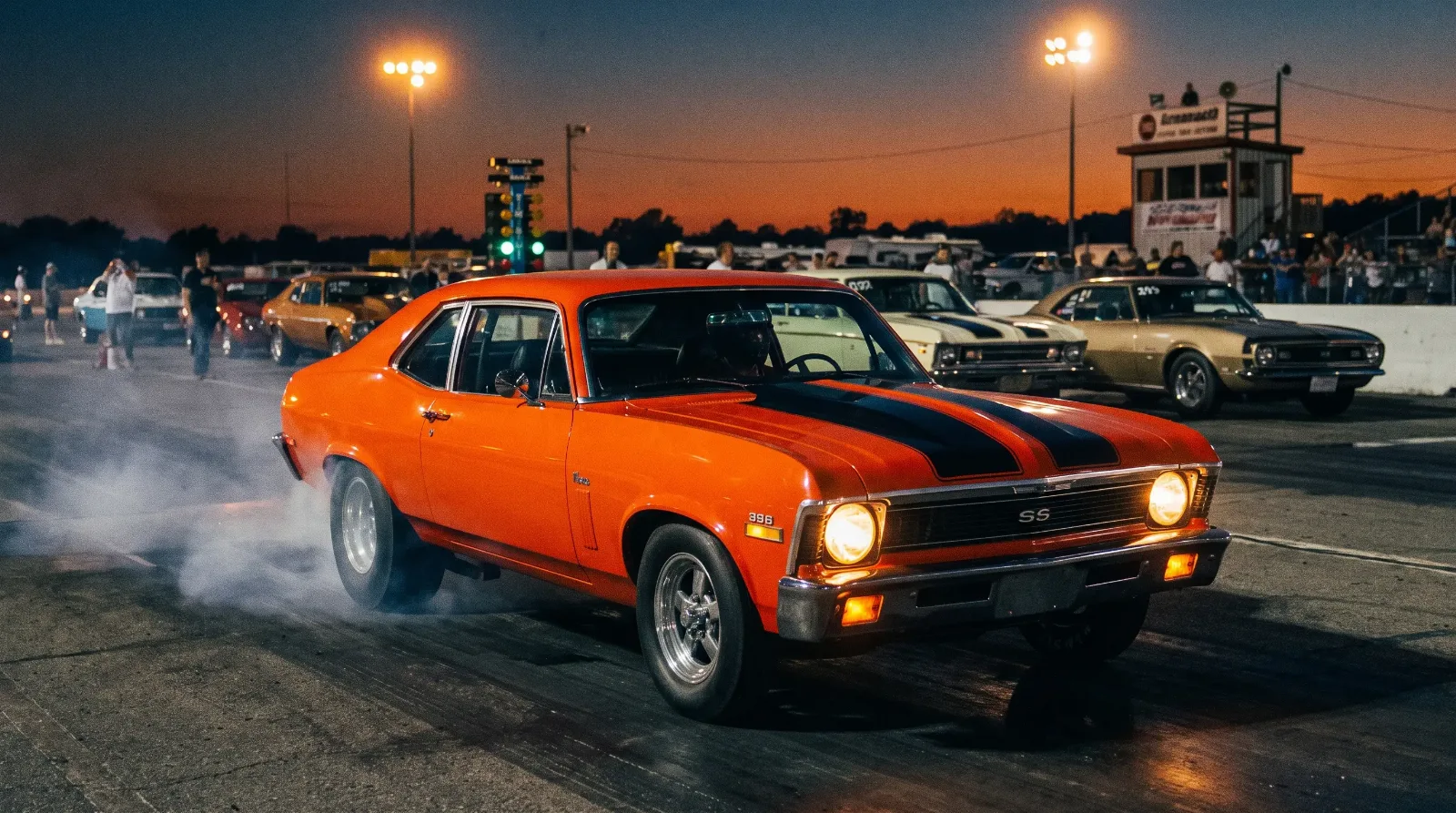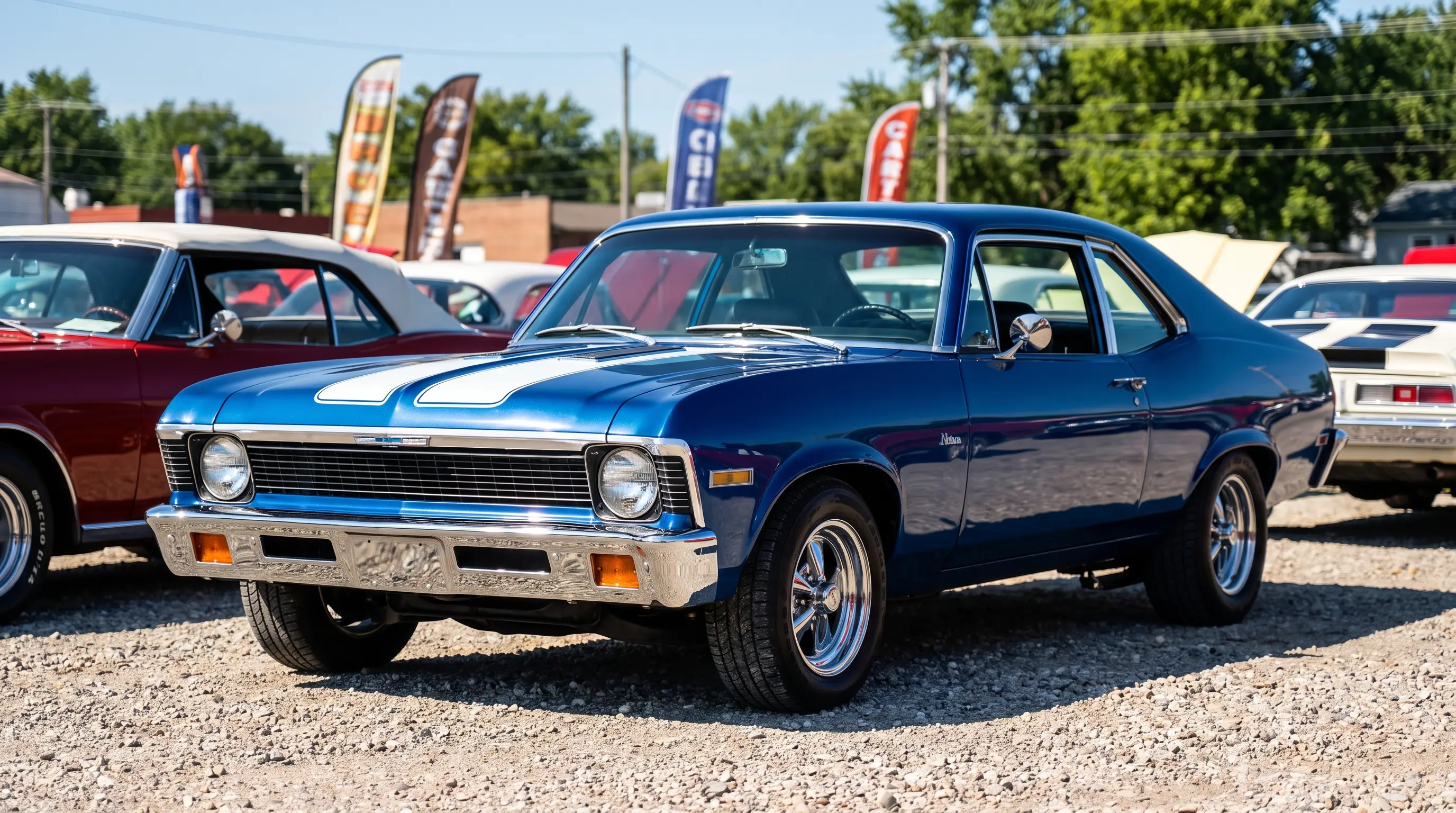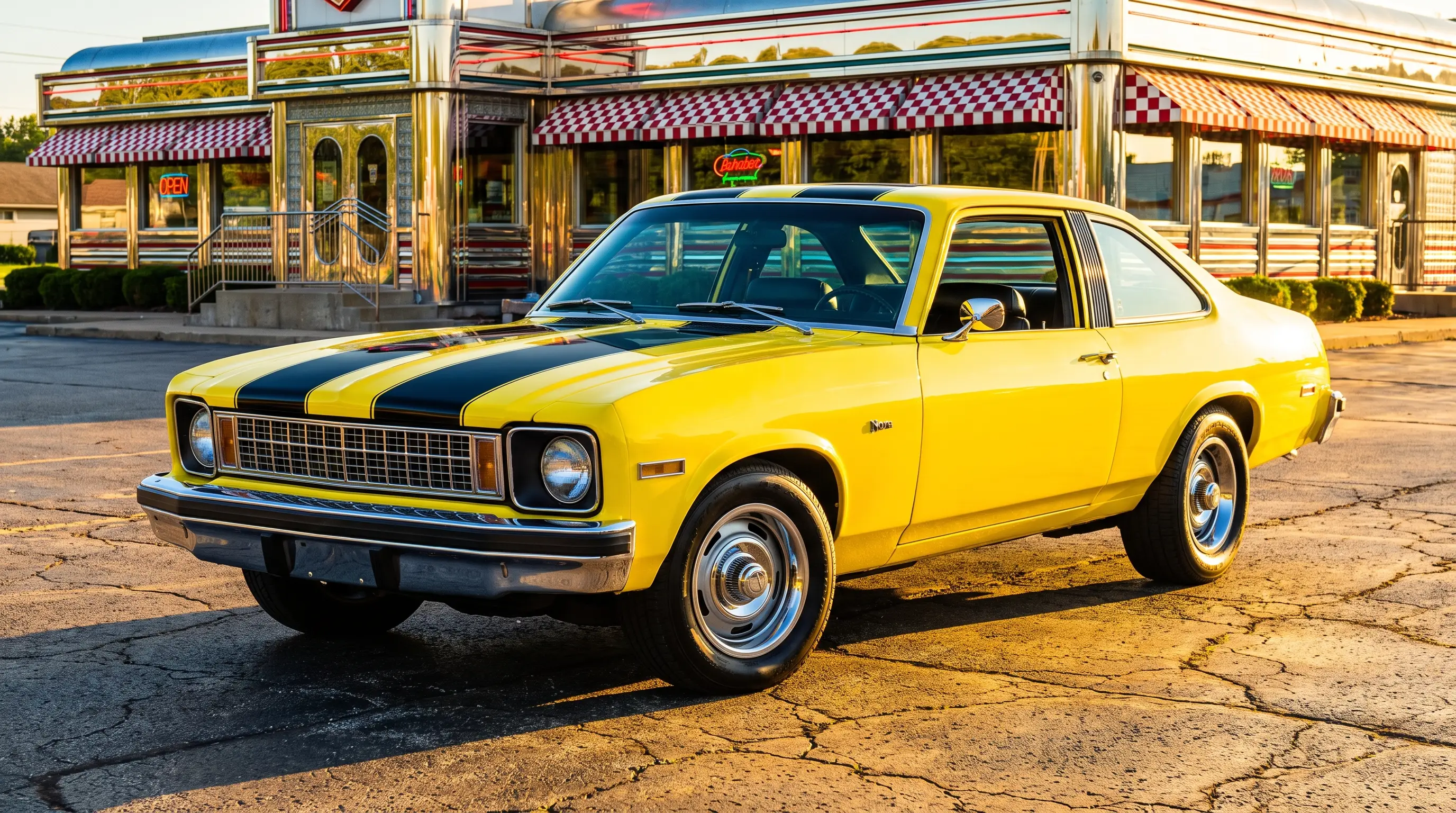
Most people looking at a 1968-74 Nova want to talk about the 396 or the 350, but the truth is the 250 cubic inch inline-six carried more of these cars off the lot than any V8 did. It is not a glamorous engine. It will not win a bracket race and nobody ever put one on a magazine cover. What it will do is start every morning for thirty years with basic maintenance, and that reliability is the whole reason it matters to anyone shopping a Nova today.
I have kept more sixes running than I care to count, mostly because owners underestimate them until they own one. Then they find out the thing just does not quit, and their opinion changes fast.
The 250 six, plainly explained
Chevrolet's 250 inline-six is a long-stroke, overhead valve design that traces back to the Chevrolet "Turbo-Thrift" six family, sharing architecture with the smaller 230 and larger 292 versions used elsewhere in the lineup. In the Nova it made around 155 gross horsepower through 1970, then dropped as Chevrolet tightened emissions and switched to real-world net ratings: 145 hp in 1971, 139 hp in 1972, and down near 100 hp by 1973-74. Nobody bought this motor for the number on the spec sheet. They bought it because it ran on regular gas, took a plug change and an oil change like clockwork, and did not care if you forgot about it for a season.
Torque, not horsepower, is the six's real selling point. Long stroke engines like this one make usable low-end pull that suits a daily driver far better than a peaky V8 ever would, particularly paired with the three-speed manual or two-speed Powerglide that most six-cylinder Novas left the factory with.
Why the six-cylinder cars get overlooked and undervalued
Walk any car show and the six-cylinder Novas sit in the back row if they show up at all. That neglect is a market fact, not a knock on the car. A clean six-cylinder Nova coupe today typically sells for well below a comparable V8 car, often for a body and interior in equal or better condition, because buyers chase cylinder count first and originality second.
For somebody who wants a genuinely usable classic rather than a garage trophy, that gap is an opportunity. Parts are cheap and plentiful because the six shared so much architecture across GM's lineup for decades. Repair work is simpler too, there is more room in the engine bay to actually work with your hands, something V8 owners with power steering pumps and AC compressors crammed in do not get to enjoy.
What actually breaks, and what does not
Here is the honest maintenance picture. The valve train can get noisy if adjustment gets neglected, and the single-barrel carburetor (Rochester on most years) needs periodic attention or it drifts out of tune, same as any old carburetor. Cooling systems on these cars are undersized by modern standards and original owners who never flushed the system paid for it with warped heads down the road. None of that is unique to the six, it is just old-car maintenance.
What does not break, in my experience, is the bottom end. These motors survive neglect that would kill a small block, mostly because they were never asked to make big power in the first place and the internals were built with a margin of safety that reflects it.
| Spec | 250 inline-six |
|---|---|
| Displacement | 250 cubic inches |
| Configuration | OHV inline-six, single-barrel carburetor |
| Typical transmission pairing | 3-speed manual or 2-speed Powerglide |
| Reputation | Low power, high reliability, cheap to maintain |
"Nobody brags about a six-cylinder Nova at a cruise-in, and that's fine by me. It'll be running long after the guy bragging about his 396 is back in the garage with a fuel pump problem."
— Mike Sullivan
The swap question everyone asks eventually
Sooner or later, every six-cylinder Nova owner gets asked why they haven't dropped a V8 in it, and it's worth answering honestly instead of just shrugging it off. A small block swap into these cars is well documented and mechanically straightforward, the engine bay and front subframe were engineered around the same basic architecture regardless of what left the factory between the fenders. That's exactly why so many six-cylinder cars didn't survive intact. Over the decades, plenty of straight, rust-free six-cylinder Novas got parted out or swapped simply because they were cheap, unloved donor cars sitting next to somebody's V8 project, though nobody kept a real count of how many. That history is part of why original, unmolested six-cylinder cars are getting harder to find, even as their asking prices lag behind V8 Novas. I'll say this plainly: I don't swap a numbers-matching six-cylinder car just because a small block would be more exciting. If the drivetrain is original and the car is straight, leave it alone and enjoy what it actually is. Save the swap itch for a car that's already had its original engine pulled or is too far gone to save as delivered. A well-sorted six is a different kind of satisfying than a V8, quieter, lighter over the front end, and honestly easier to live with in daily traffic than people expect from a description on paper.
Buying one today
If you want a Nova to actually drive, not just show, a good six-cylinder car deserves a real look. Check for the usual rust spots (lower quarters, trunk floor, front frame rails where they meet the body) same as you would on any V8 car, since the sheet metal issues do not care what engine sits up front. Confirm the carburetor and choke are functioning correctly and the cooling system has been serviced, and you are looking at a classic that will start every time you turn the key. Ask about the transmission too, since a tired Powerglide slips and shifts late long before it strands anyone, and a rebuild is cheap and well within reach of a home mechanic. Don't let a soft shift talk you out of an otherwise clean car, that's a maintenance item, not a reason to walk.
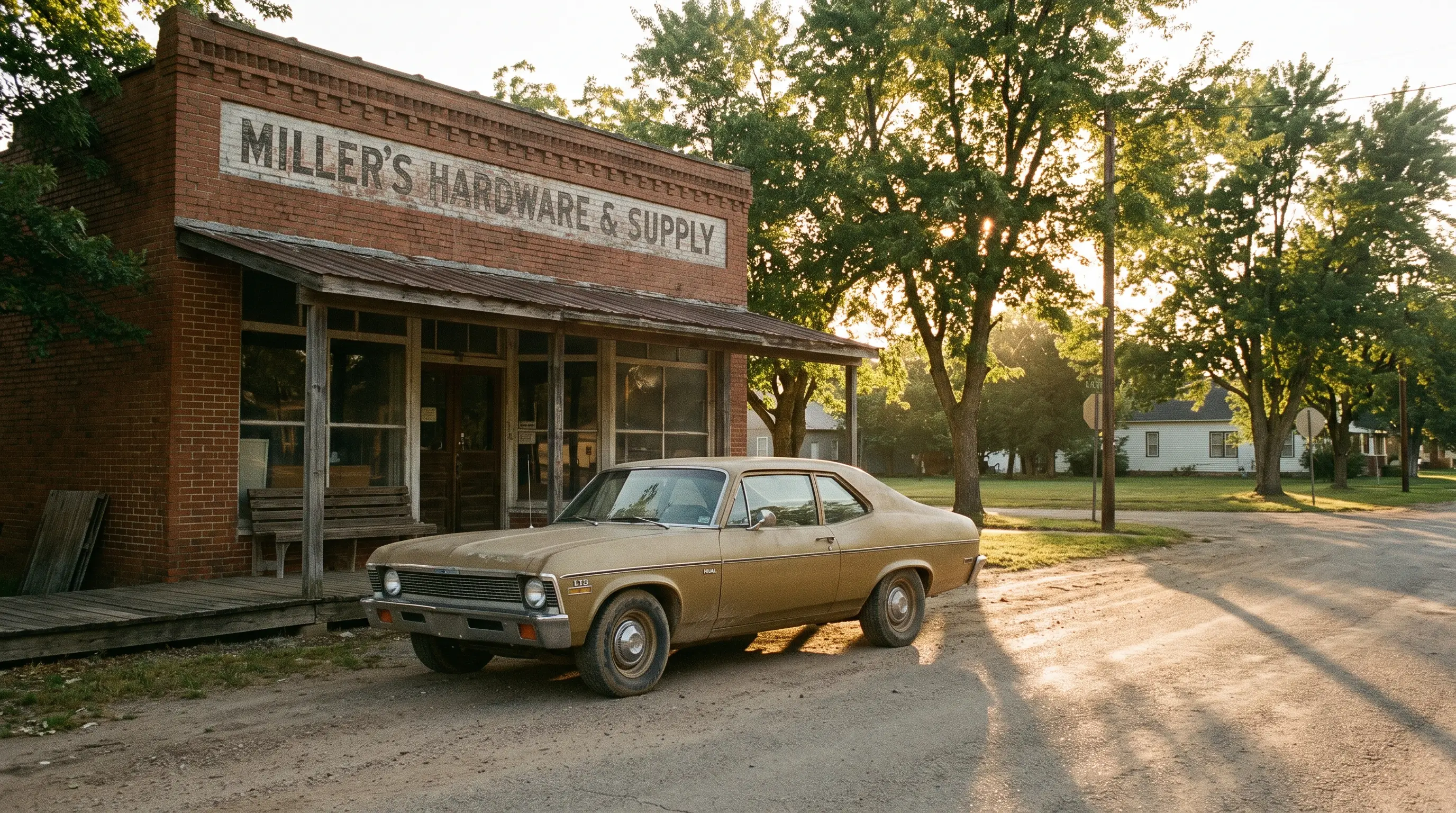
This car shares its bones with the muscle-era Nova everyone talks about, just without the drama or the fuel bills, and if you want to see the other side of that same body style, a companion piece covers the colors and stripe packages Chevrolet offered across the whole 1968-74 lineup.
Sources and notes
- 1968-1974 Chevrolet Nova Base (3rd Gen) Buyer's Guide - Motogallery
- Chevy 250 Inline Straight 6 Cylinder - Engine Facts
- Chevrolet 250 (4.1L) Inline-Six Guide - Junkyard Mob
- Chevrolet Chevy II / Nova - Wikipedia
- 1970 Chevrolet Nova - Conceptcarz
- 1970 Chevy 250 CI Engine Specifications - It Still Runs