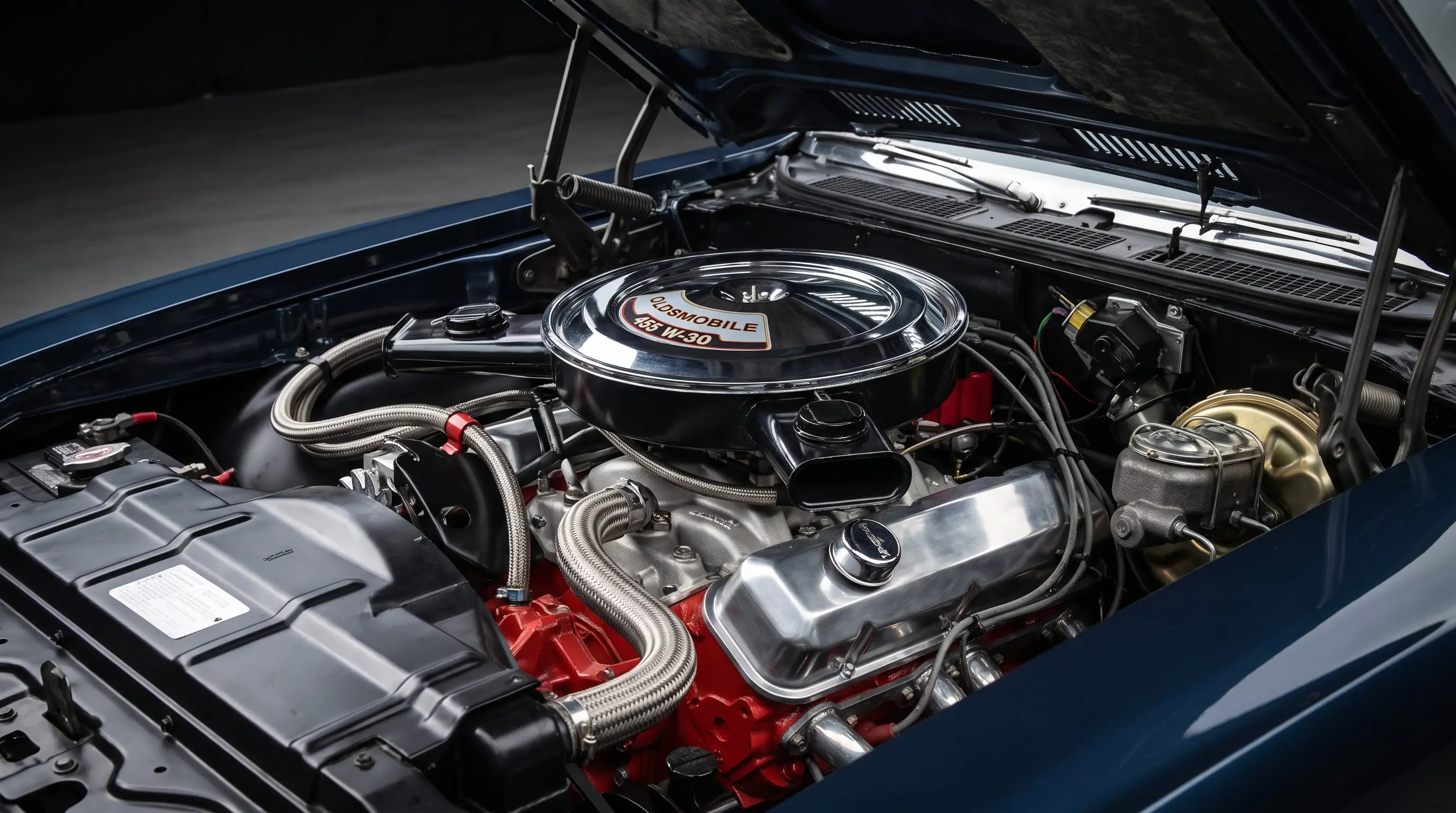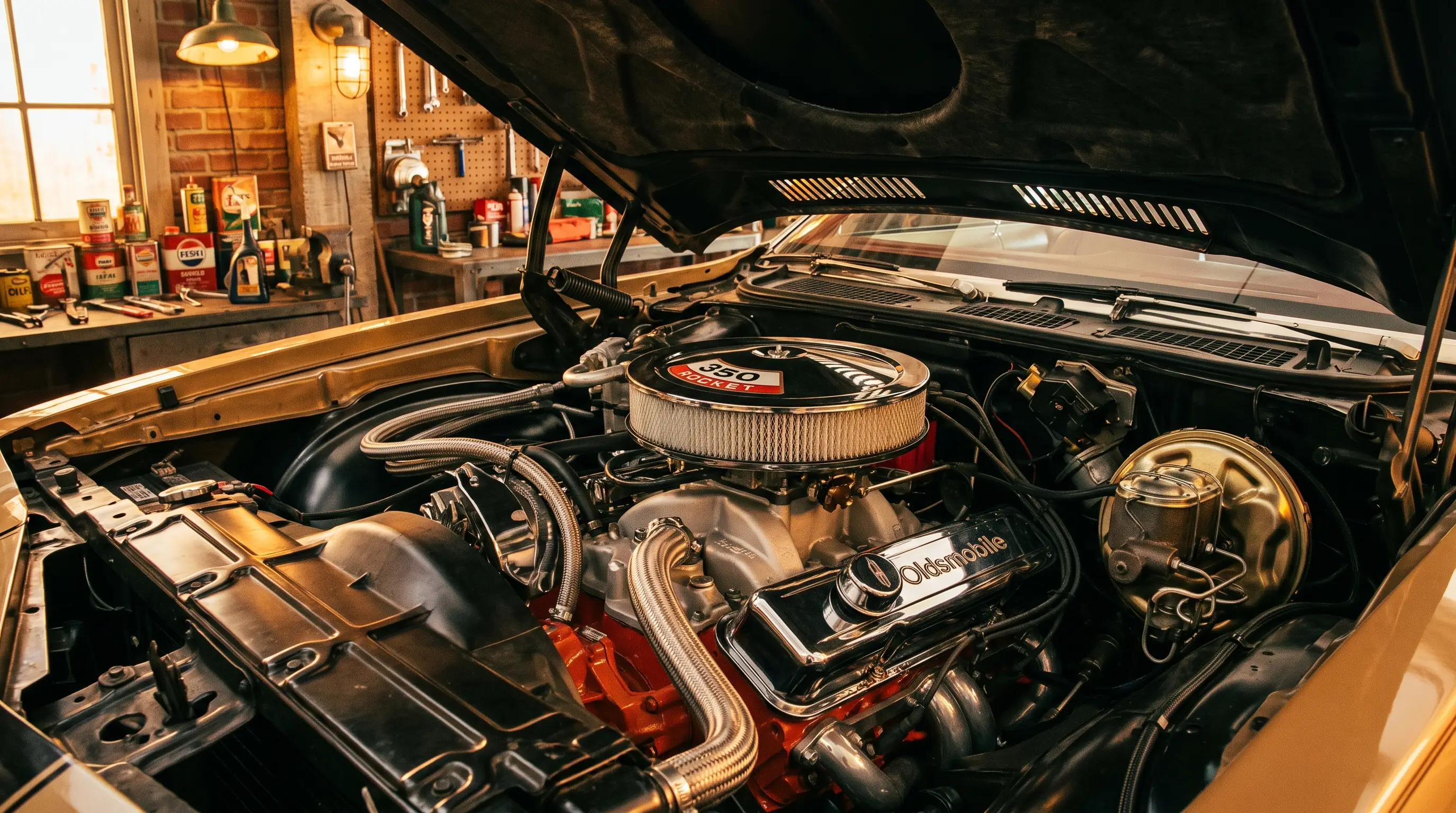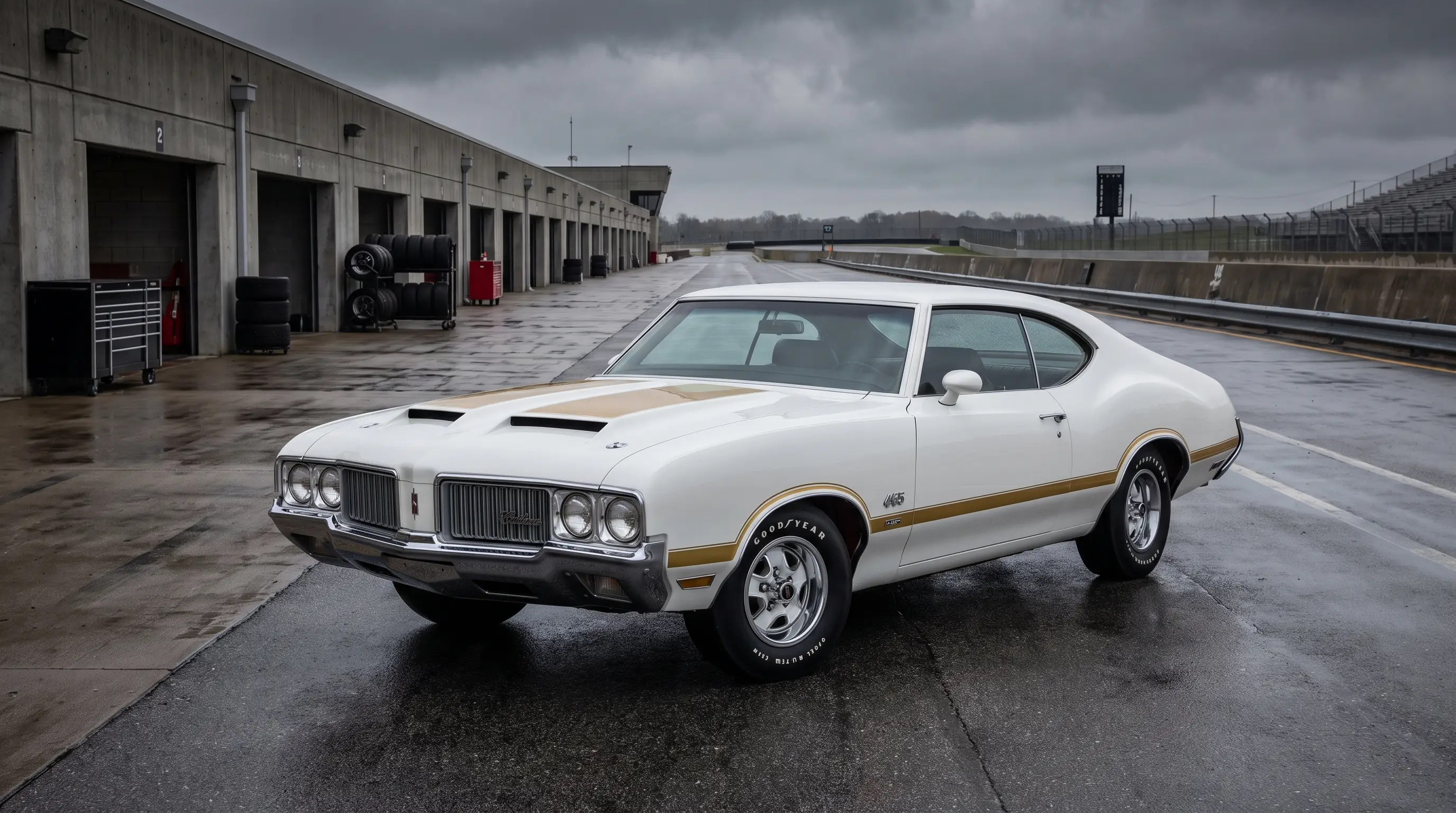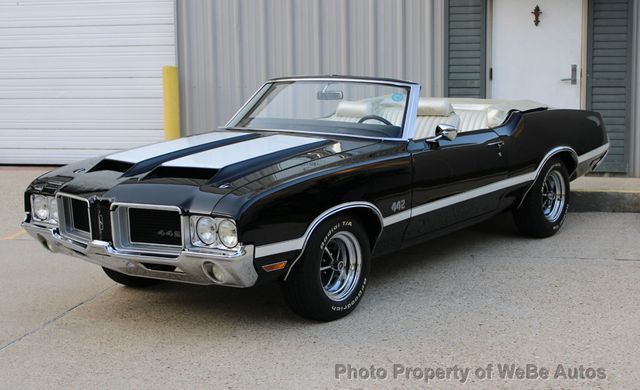
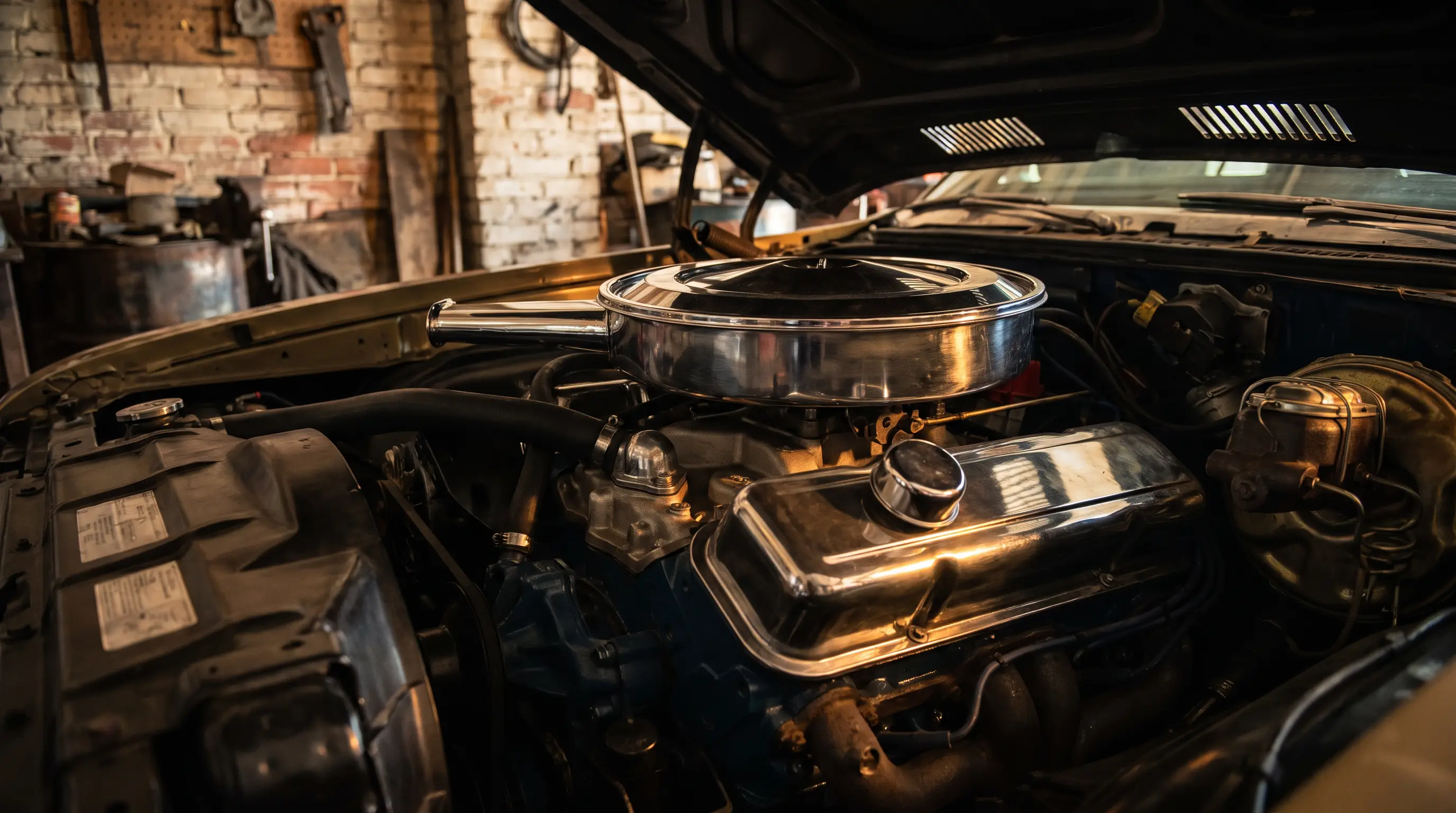
The Oldsmobile 455 is a big-block V8 that peaked in 1970 and spent the next six years losing ground to compression cuts and emissions gear until Oldsmobile pulled the plug in 1976. 455 cubic inches, 4.126-inch bore, 4.250-inch stroke. That long stroke is the whole story: this engine was built for torque, not revs, and the torque numbers back that up better than almost anything else Oldsmobile ever built.
500 lb-ft was the real headline, not the horsepower
In 1970, the base four-barrel 455 in a 442 was rated at 365 gross horsepower and 500 lb-ft of torque. That torque figure is the one worth remembering. 500 lb-ft at low rpm from a mid-size car's engine bay is what actually moves a 3,800-pound Cutlass off the line, not the horsepower peak that arrives near the redline nobody used in daily driving. Oldsmobile engineers built the 455 with a long stroke specifically to make torque at low rpm, and it shows in how these cars actually drive versus how they read on a spec sheet.
Compare that to a small-block making similar horsepower and the 455 still wins the street fight, because torque is what you feel pulling away from a stoplight. The engine family traces back to 1965's 425, sharing the same external dimensions and most of the architecture that Oldsmobile Rocket power built its reputation on before the 455 became the top of the range in 1968.
The 425 to 455 jump wasn't a redesign, it was a stroke increase on an existing architecture Oldsmobile already trusted, keeping the 425's 4.126-inch bore and lengthening the stroke to 4.250 inches. That's a cheaper, lower-risk way to add displacement than starting a new block from scratch, and it explains why the 455 arrived as quickly as it did once Oldsmobile decided the 425 wasn't going to be enough to compete with what Pontiac, Buick, and Chevrolet were putting in their own mid-size performance cars by the late 1960s.
1970 was the ceiling, and everything after was a retreat
Compression is the number that tells the real story of the 455's decline. The 1970 base 455 ran 10.25:1 compression, near the top of what the engine ever saw. By 1971, Oldsmobile had to drop compression across the board for unleaded fuel compatibility, and the 455's output fell with it, gross horsepower ratings sliding from the mid-360s toward the 300s and below within a few years. Add the 1972 switch from gross to net horsepower reporting and a 455 that looked like it lost 100 horsepower on paper in two years actually lost maybe half that in real terms. Still a real loss, just not the cliff the numbers alone suggest.
By 1976, the 455 was gone from Oldsmobile's lineup entirely, a casualty of tightening emissions standards, the fuel crisis reshaping what buyers wanted, and a corporate push toward smaller displacement across the board. Eight years from introduction to discontinuation isn't a short run for a big-block, but it's a fast fall from a 1970 peak that nothing after it matched.
Fuel prices did as much damage as the emissions rules. A 455 in a full-size Oldsmobile could return single-digit fuel economy in real driving, and that math stopped working for a lot of buyers once gas lines became a national story rather than a regional inconvenience. Oldsmobile wasn't alone in retreating from big-block displacement in the mid-1970s, but the 455's fall from a 500 lb-ft peak to discontinuation in six model years is one of the steeper drops of the era.
The W-30 split the 455 into two different engines
Base 455 and W-30 455 share a displacement and not much else in how they were built. The W-30 ran a hotter cam, better breathing heads, and Oldsmobile's fiberglass W-25 hood with functional cold-air induction feeding the carburetor outside air instead of hot engine-bay air. The result was a rated 370 gross horsepower in top years, a real jump over the base engine's 350-365 range, and a car that pulled noticeably harder through the midrange. If the base 455's job was effortless torque, the W-30's job was proving Oldsmobile could build a genuine performance engine when it wanted to. That story gets its own full treatment; keep reading the series for the specifics on what actually separated a W-30 from a standard 455 under the hood.
| Year | Compression | Rating | Notes |
|---|---|---|---|
| 1970 | 10.25:1 | 365 gross hp / 500 lb-ft | Peak base 455 output |
| 1971 | ~8.5:1 | ~340 gross hp | Compression cut for unleaded fuel |
| 1972 | ~8.5:1 | ~270 net hp | Net rating method begins |
| 1976 | Lower still | Discontinued | Final model year for the 455 |
"Everyone wants to argue about horsepower peaks. The number that actually explains a 455 is 500 lb-ft, made low, made early, and gone before anybody's foot found the floor."
— Dan Reeves
What to check before you believe the badge
A 455 badge on a fender tells you displacement, nothing about which year's compression ratio, cam, or rating it's carrying. Ask for the year and the trim before you assume anything about output. A 1970 base 455 and a 1975 455 share a bore and stroke and live in different worlds otherwise, one built at the top of the compression era and the other built to survive emissions rules that hadn't existed a few years earlier. Ask for casting numbers and the original build sheet rather than trusting the fender badge, especially on cars advertised loosely as "455-powered" without a model year attached to the claim. The 455's reputation was earned honestly in 1970. Whether a specific car still carries that reputation depends entirely on the year stamped on its build sheet, and that detail belongs alongside the full Cutlass story when you're weighing where a given car actually sits in the model's history.