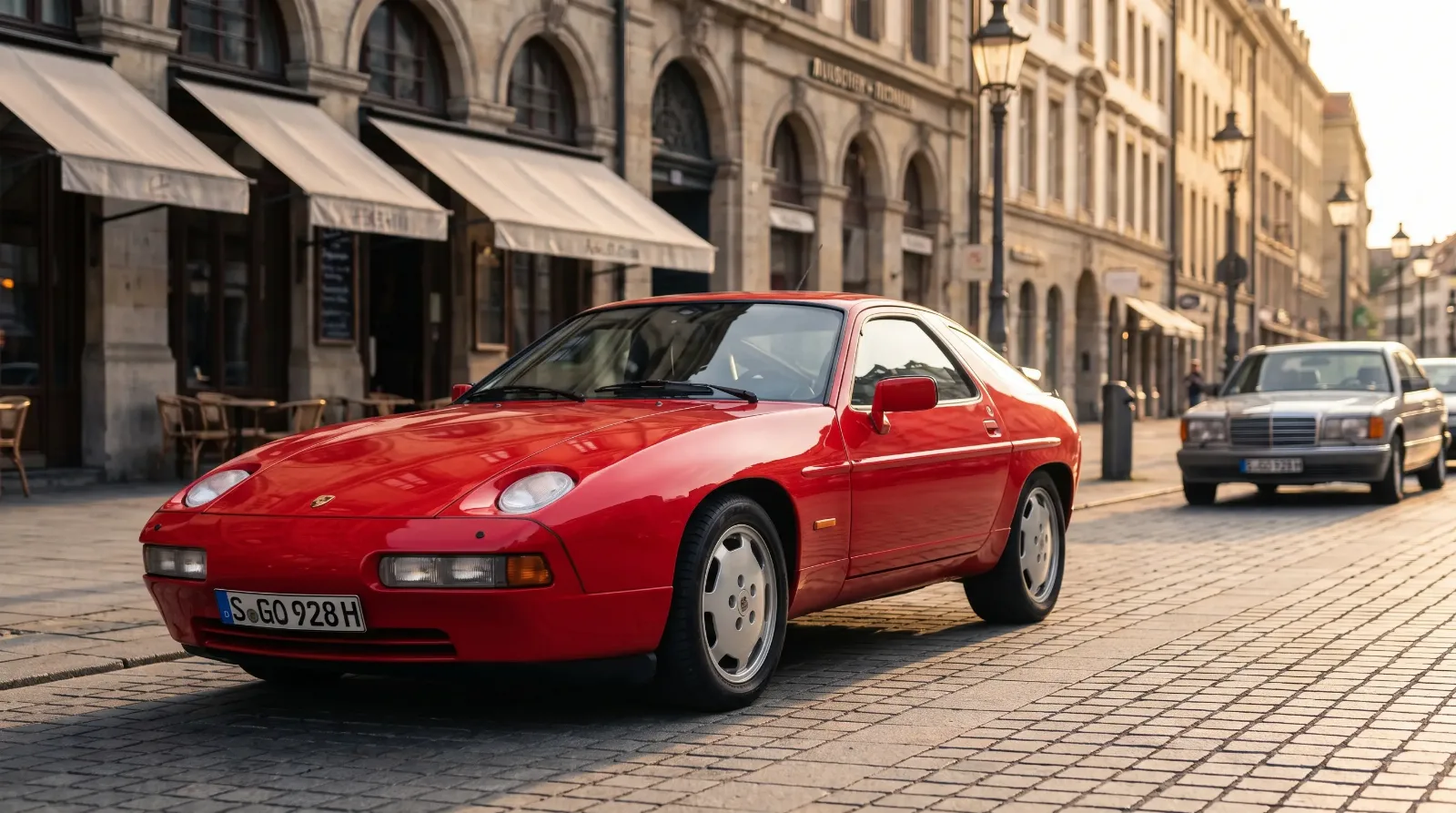
For the better part of three decades, the Porsche 928 undervalued reputation was not a marketing angle. It was just true. You could buy a running, driving 928 for less than a used Honda, and for a long stretch of the 1990s and 2000s, plenty of people did exactly that and then wondered why nobody at the local Cars and Coffee wanted to talk to them about it.
I have sat at enough club tables to hear the same story from a dozen different owners. Somebody wanted a Porsche, could not stomach 911 money, and found a 928 sitting on a dealer lot or in a classified ad for a fraction of the price. The car ran fine. It looked, if anything, more dramatic than the 911 parked next to it. And it cost about what a decent used family sedan cost at the time. That was the whole pitch, and for a long time it was also the whole problem.
A car nobody wanted at any price
The 928 launched in 1977 as Porsche's answer to a question nobody in the enthusiast crowd much liked being asked: what if the 911 eventually goes away? It had a water-cooled V8 up front, a transaxle out back, and none of the rear-engine layout that defined the brand for a generation of buyers. It won the European Car of the Year title for 1978, the only outright sports car ever to take that award, which should have set it up for a long run of respect. Instead it spent most of its life being cross-shopped against cars that depreciated even faster than it did.
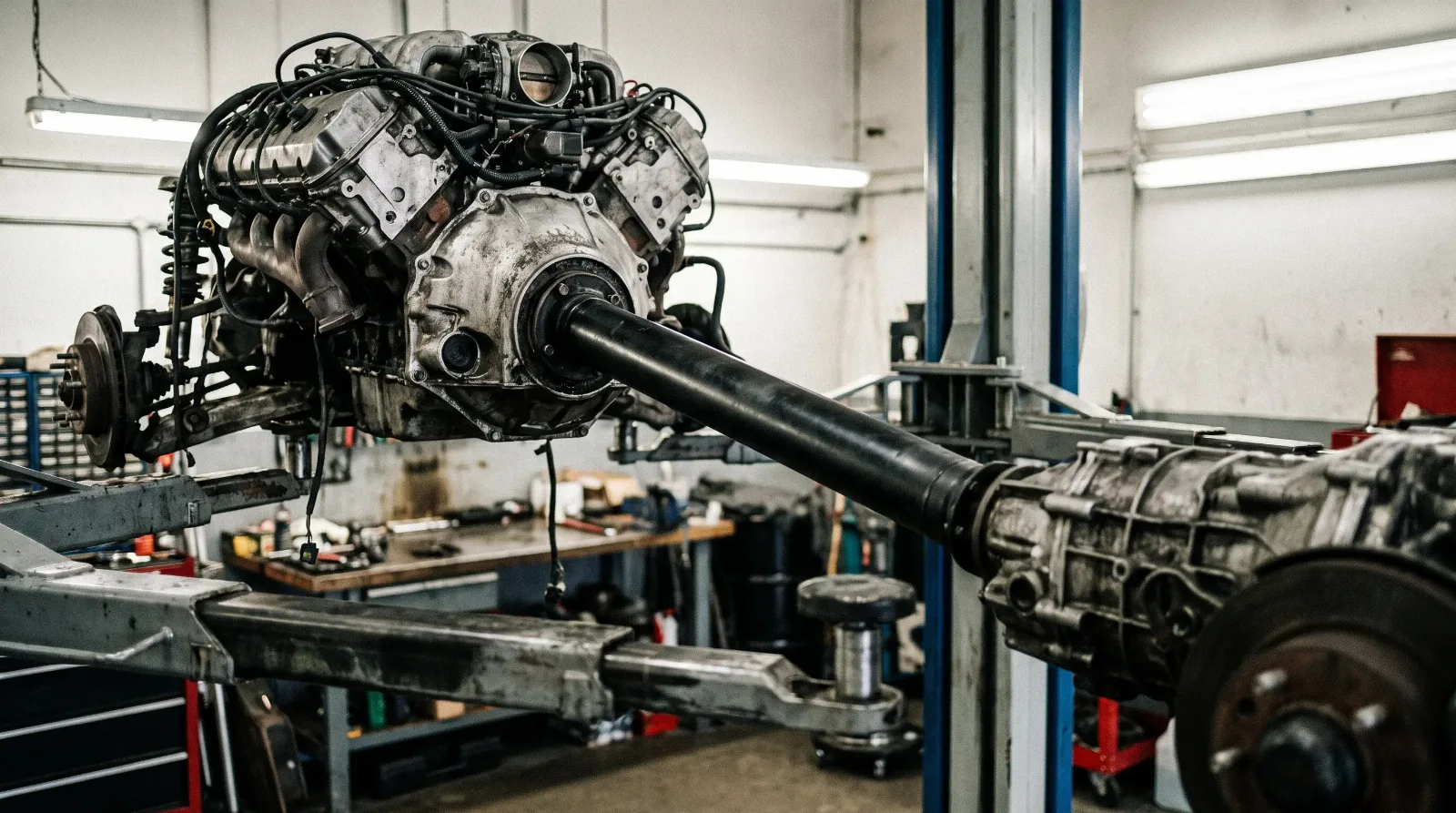
By the time the last 928 rolled off the line in 1995, the used market had already made up its mind. Values fell hard through the late 1990s and stayed down through most of the 2000s. Timing belt service on the V8, an interference engine that punishes neglect badly, scared off buyers who did not want to gamble four figures on a car that had already lost most of its sticker price. Add a complex, largely proprietary electrical system and a reputation, deserved or not, for expensive parts, and you get a car that traded for used-Camry money for the better part of two decades.
Why the market ignored the 928 for so long
The simplest explanation is also the most honest one: it was never a 911. Porsche people, for good reason, built their entire identity around the rear-engine cars, and the 928 was designed from day one to be something else entirely. That made it a hard sell to the exact buyers who were paying attention to Porsche resale values. It was too expensive to fix like a cheap car and too cheap to be treated like a valuable one, which is the worst place a used car can sit.
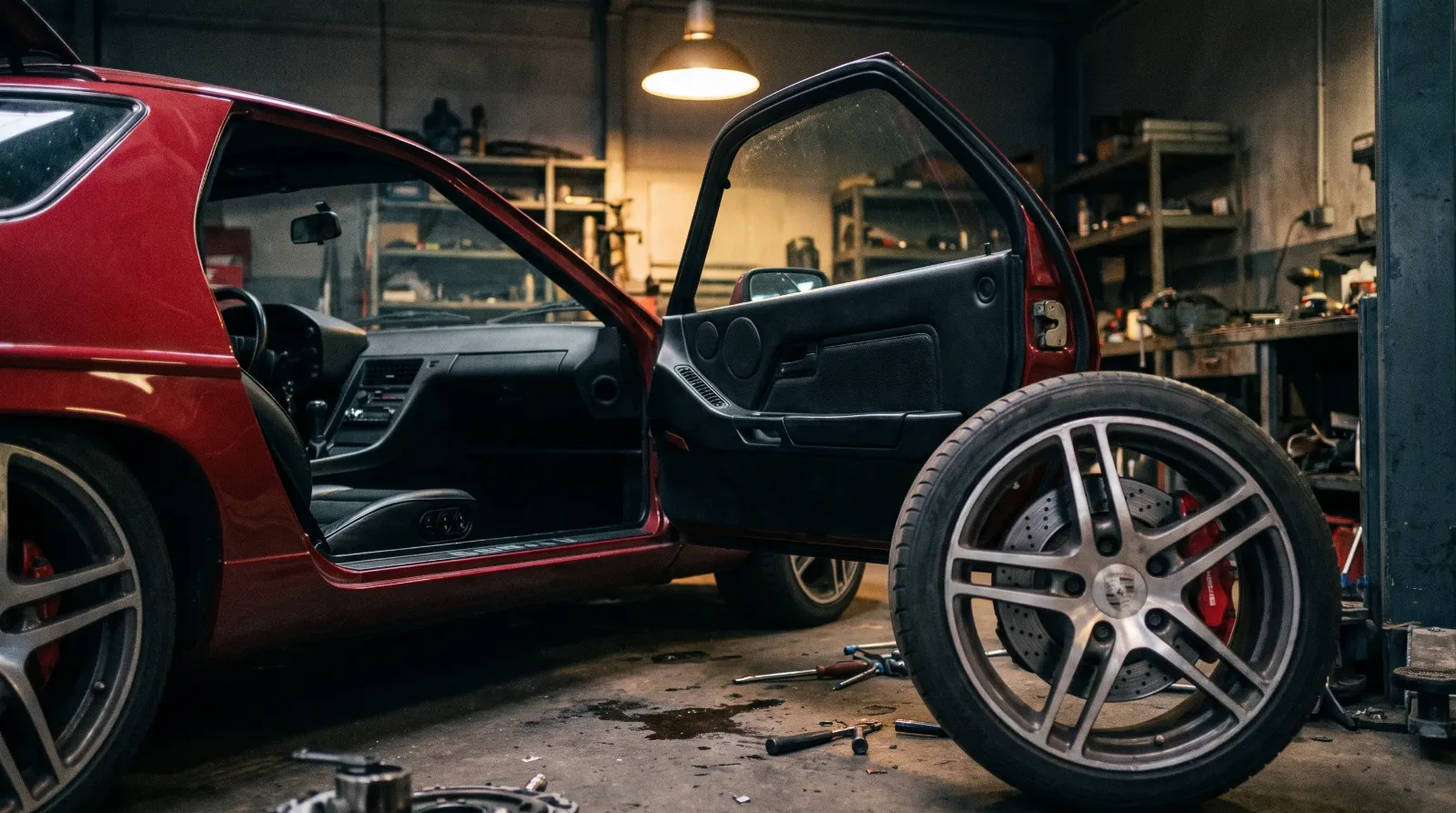
There is also a simpler, less flattering reason. Cheap 928s attracted buyers who could afford the purchase price but not the maintenance, and deferred maintenance on a V8 transaxle car compounds fast. Timing belts get skipped. Cooling systems get patched instead of replaced. A car that needs four figures of preventive work every few years starts looking like a money pit the moment an owner decides to wait one more season. That cycle fed the low prices, and the low prices fed the cycle.
What changed the conversation
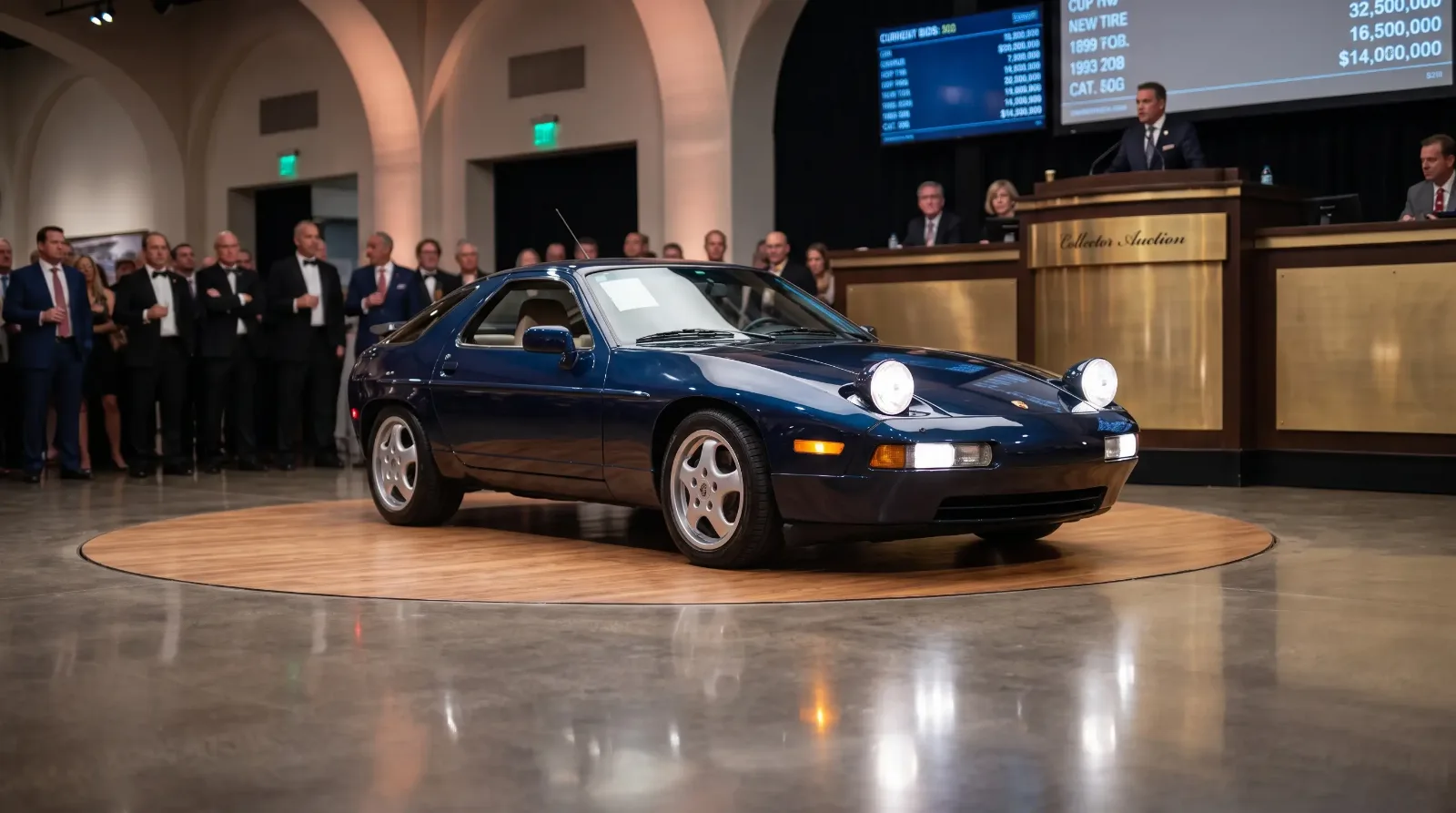
The turn started the way it usually does with these things: a handful of documented, well-sorted cars started selling for real money at auction, and buyers who had been circling the model for years finally had cover to pay up. Late S4 cars and the manual-only GT and GTS variants led the way, since production numbers on those were always small and the manual gearbox carries a premium with buyers who actually want to drive the thing rather than just own it. You can read more about that manual-only chapter in the next story in this set.
What really moved the needle, though, was documentation. Buyers stopped asking "how cheap can I get one" and started asking for service records, timing belt history, and matching numbers. A 928 with a thick folder of invoices is simply a different car than one with none, even if they look identical in photos. The record settles arguments that a clean paint job never can.
💡 Did You Know?
The 928 outlasted its original mission by nearly two decades. It was conceived as a potential 911 replacement in the mid-1970s, yet the 911 it was supposed to retire is still in production today, long after the 928 itself went out of production in 1995.
Reading the market by condition and year
Prices for the 928 today are not flat across the board, and treating the whole model as one line item is where a lot of buyers still get it wrong. Early normally-aspirated cars, later S4 cars, and the rare manual-only variants each trade in their own bracket, and condition swings the number as much as the model year does.
| Era / variant | Rough driver | Solid, documented example | Notes |
|---|---|---|---|
| Early 928 / 928S (pre-1985) | Budget entry point | Meaningfully higher with records | Timing belt and cooling history are the whole conversation |
| S4 (1987-91) | Mid-pack pricing | Strong premium for low miles, service history | Most common variant to see well cared for |
| GT / GTS (1989-95) | Rarely rough by comparison | Firmly collector territory | Just under 5,000 GT and GTS cars were built combined, out of roughly 61,000 total 928s, and the GTS alone accounts for fewer than 2,900 |
"Nobody at the club meets ever brags about buying the cheapest 928 anymore. They brag about the one with the folder, the belt receipts, the whole paper trail. That is what flipped this car from a bargain into a collectible, not some sudden change in how it drives."
— Wayne Coburn
Where things stand now
The 928 has not become expensive across the board, and it probably never fully will, but the days of treating it as the disposable Porsche are mostly over among people who actually know the model. It still sits well behind contemporary 911s in headline auction results, which is exactly why buyers looking for real V8 grand touring performance at a reasonable entry price keep circling back to it. For anyone weighing that decision today, there is a healthy selection of classic Porsche 928 for sale across every era and condition tier described above, and the documentation question matters more than the odometer reading ever will.
If you want the full arc of how this car came to exist in the first place, and why Porsche took the gamble on a front-engine V8 at all, that groundwork is laid out in the 928 story. And if the 928's rise from bargain bin to respected classic has you curious about how the rest of the marque got here, the broader Porsche saga covers that ground in full.