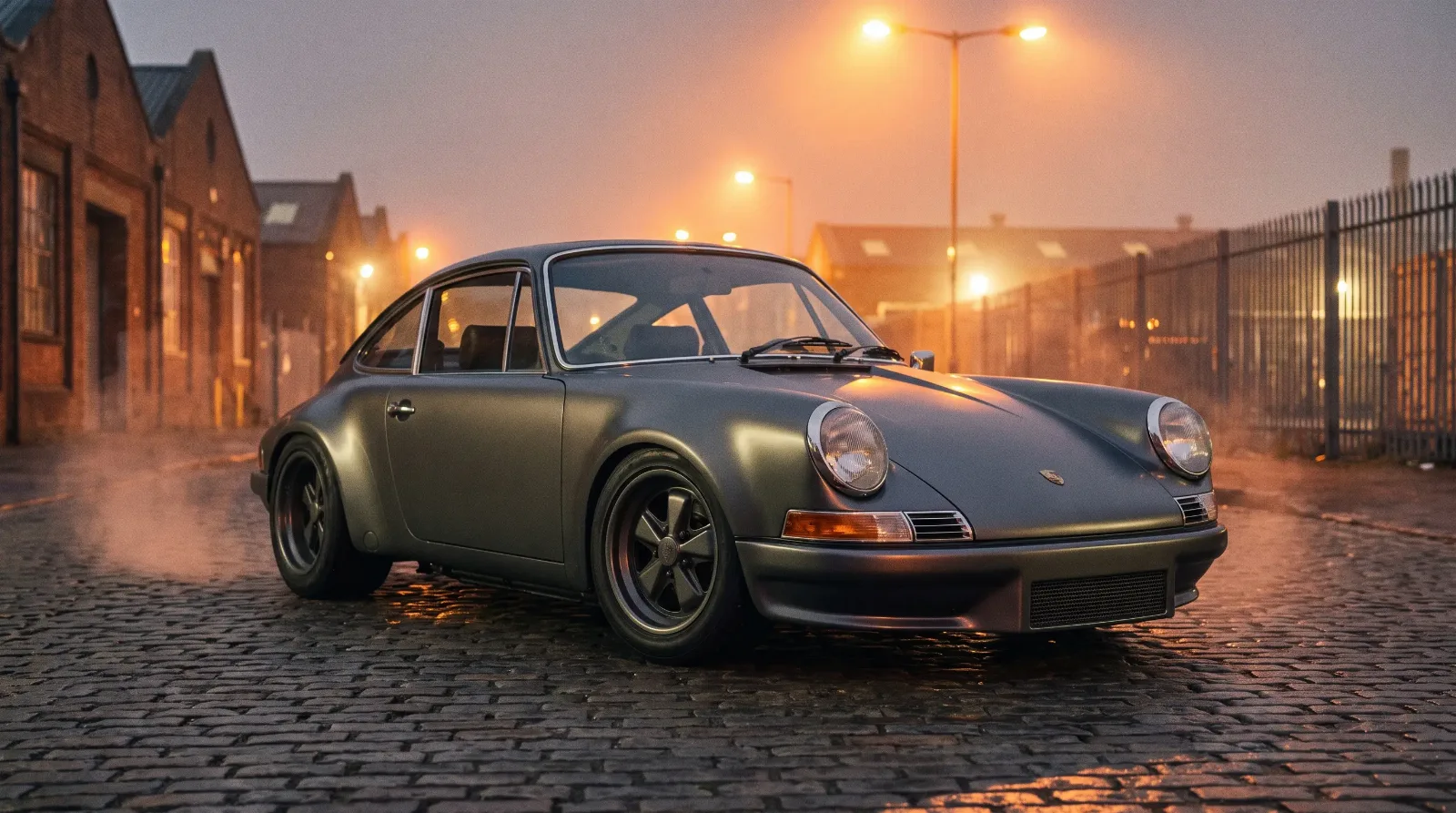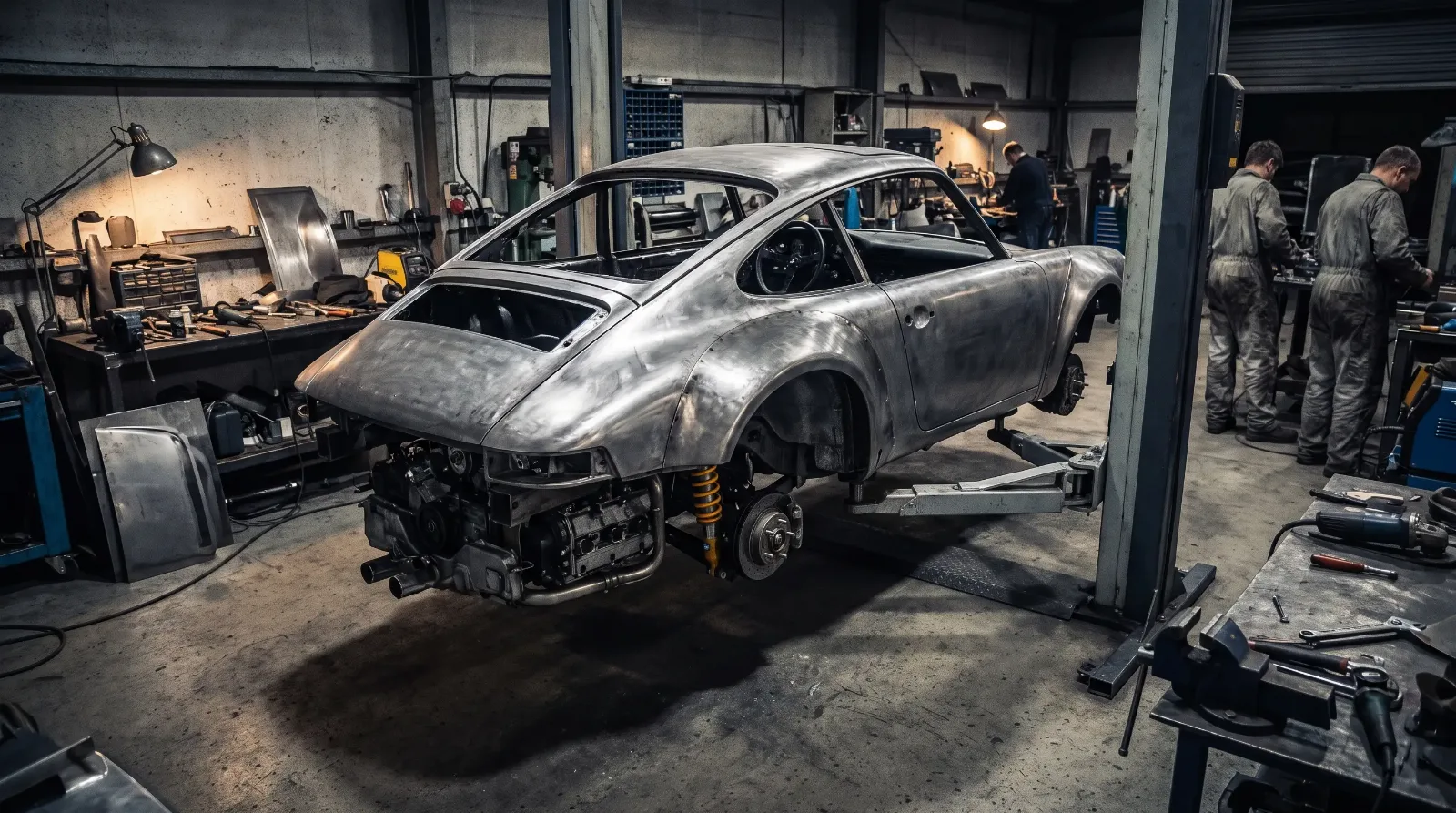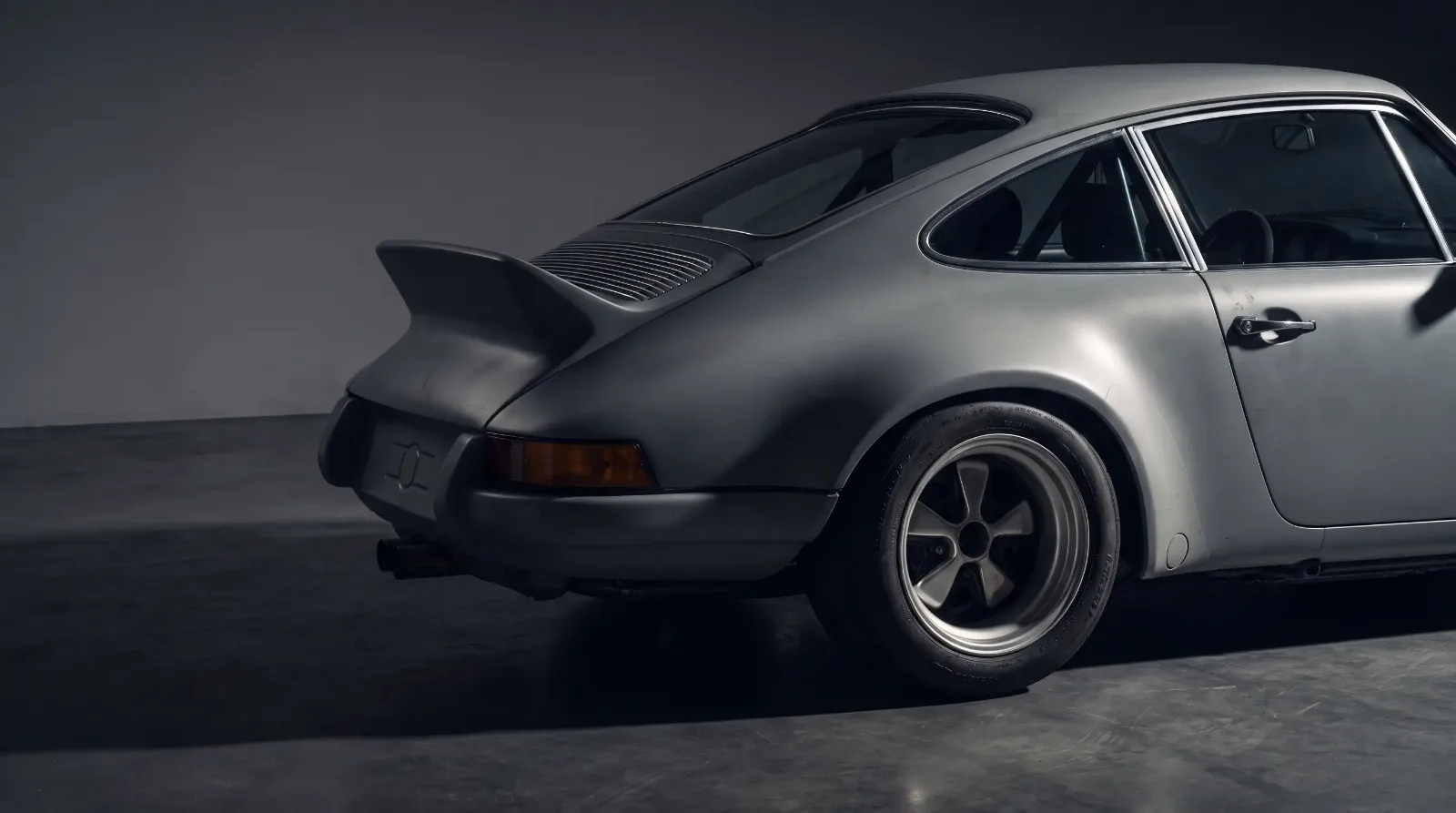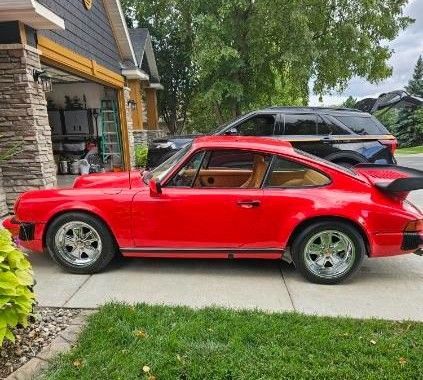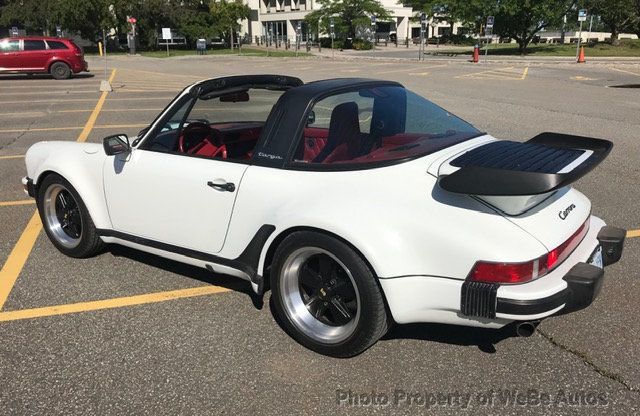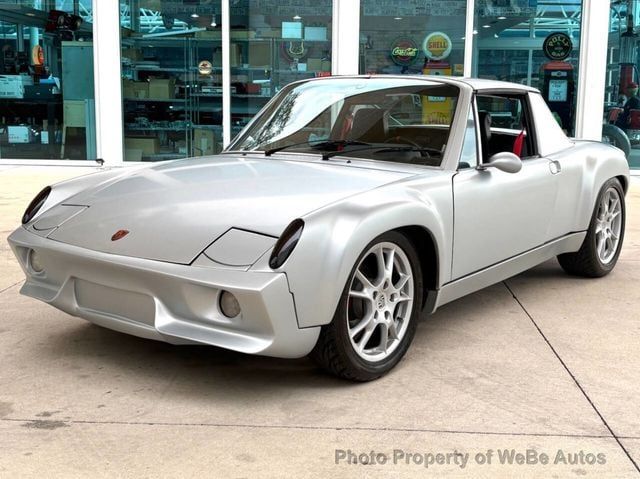
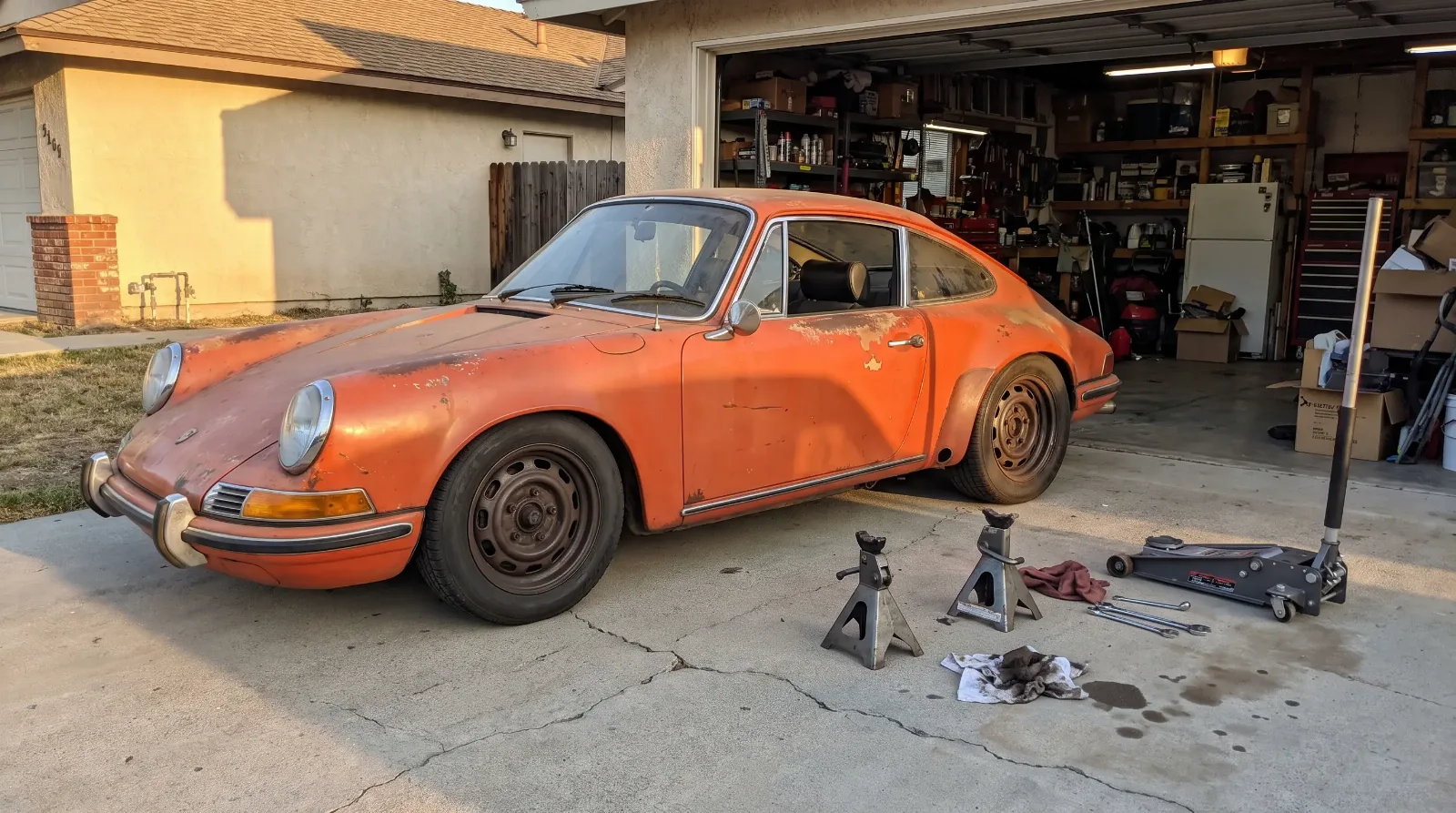
We didn't grow up with 911 money in our garages. What we had was a 912 somebody's uncle parked behind the shop in 1988 and forgot about, or a 914 that came home on a flatbed because the timing belt let go on the freeway. That's where a lot of us actually started with Porsche, not with the six-cylinder cars everyone talks about at the concours, but with the four-cylinder cousins that were cheap enough to buy and cheap enough to wreck while we figured out what we were doing. The outlaw 912 built in somebody's driveway taught more people how to weld, tune, and set up a chassis than any 911 ever did.
That's the part of this story that doesn't get told enough. The 912 and 914 were never the glamour cars. They were the ones our community could actually afford, and because of that, they're where the real hot-rodding education happened.
Why the 912 and 914 became the budget entry point
Porsche built the 912 as the four-cylinder version of the early 911, using the same body and running the reliable, simple 1.6-liter engine out of the outgoing 356. It was slower, cheaper, and for decades it sat in the shadow of its six-cylinder sibling in every price guide out there. The 914, built with Volkswagen through 1976, went even further down that road with a mid-engine layout and a four-cylinder that plenty of purists dismissed outright. For us, that dismissal was the whole opportunity. Cars nobody wanted were cars we could actually own.
We learned the hard way that cheap doesn't mean simple to build right. A 912 with tired suspension bushings and a stock sway bar setup will still wallow through a corner the same way it did in 1967. The difference between a project that embarrasses you and one that turns heads comes down to what you do with that first few thousand dollars, not what you spend on the engine.
What an outlaw budget build actually prioritizes
Ask ten people in this community where the money goes first and you'll get ten answers, but most of us agree on the order that matters. Suspension and brakes come before paint. A tired torsion bar setup on a 912 gets replaced or at least refreshed before anyone even thinks about bodywork, because a car that handles like a shopping cart isn't worth looking good doing it. After that, most builds move to weight reduction, since these were never powerful cars to begin with and shedding pounds does more for the driving experience than chasing horsepower ever will.
| Priority | Typical budget build move | Why it comes first |
|---|---|---|
| 1. Suspension | Refresh bushings, upgrade sway bars, adjustable coilovers | Cheapest handling gain for the money spent |
| 2. Weight | Strip sound deadening, lighter seats, thinner glass | These four-cylinder cars respond more to less weight than more power |
| 3. Brakes | Later-model calipers, upgraded pads and lines | Stock brakes weren't built for a car this much lighter and stiffer |
| 4. Engine | Rebuild, mild cam, better carburetion | Last, because it's the most expensive per horsepower gained |
Some of the best work in this space comes from garages, not shops with waiting lists. A guy in our club rebuilt his 914's 2.0-liter over two winters using a shared engine stand three other members had already used on their own cars. That's the culture. Nobody in this corner of the hobby is precious about sharing what they know, because the whole scene got built on people teaching each other in driveways.
Where the outlaw look meets a real budget
The outlaw aesthetic on these cars tends to be more restrained than what you'll see on a big-budget 911 build, and that's not a compromise, it's the point. A 912 with a slightly flared rear fender, a lowered stance, and period-correct wheels reads as authentic in a way that an over-styled car never will. We've all seen the builds that try too hard, wide-body kits bolted onto a car that never earned that look through actual track time or years of ownership. The outlaw movement as a whole has always rewarded restraint over spectacle, and the 912 and 914 crowd takes that lesson more seriously than most because we don't have the budget to hide bad decisions behind expensive paint.
"Nobody in our garage ever built a 912 to impress a stranger at a car show. We built them to drive them until something broke, then we fixed it and drove them some more. That's the whole tradition."
— Hector Morales
What this community still teaches newcomers
Every year we get somebody new showing up to a meet with a rust-bucket 914 they bought for less than a used motorcycle, asking where to start. We tell them the same thing every time. Get the suspension sorted, learn to weld before you pay someone else to, and don't chase a paint job before the car is safe to drive hard. That's not romantic advice, it's just what worked for three generations of us. The people who stuck it out and built something worth driving all started exactly where that newcomer is standing right now.
If you want to see how these lessons carry over into the visual side of the outlaw style rather than the mechanical one, more from this chapter covers the paint and bodywork choices that finish off a build like this.
These cars were never supposed to be the stars of the Porsche story, and that's exactly why they became the ones our community built its identity around. An outlaw 912 done right isn't chasing the six-cylinder cars, it's proving that the four-cylinder ones always had something worth building on.