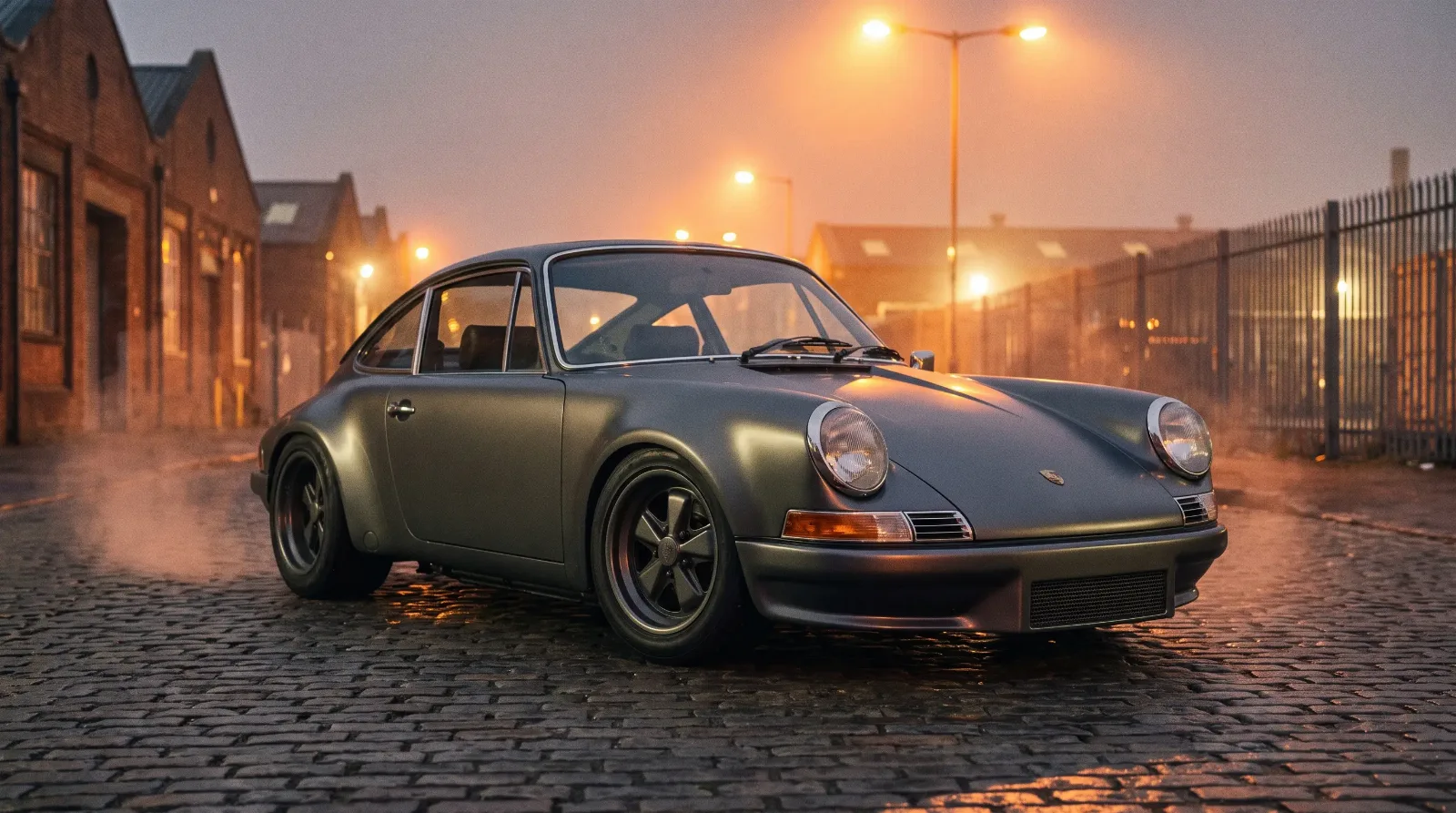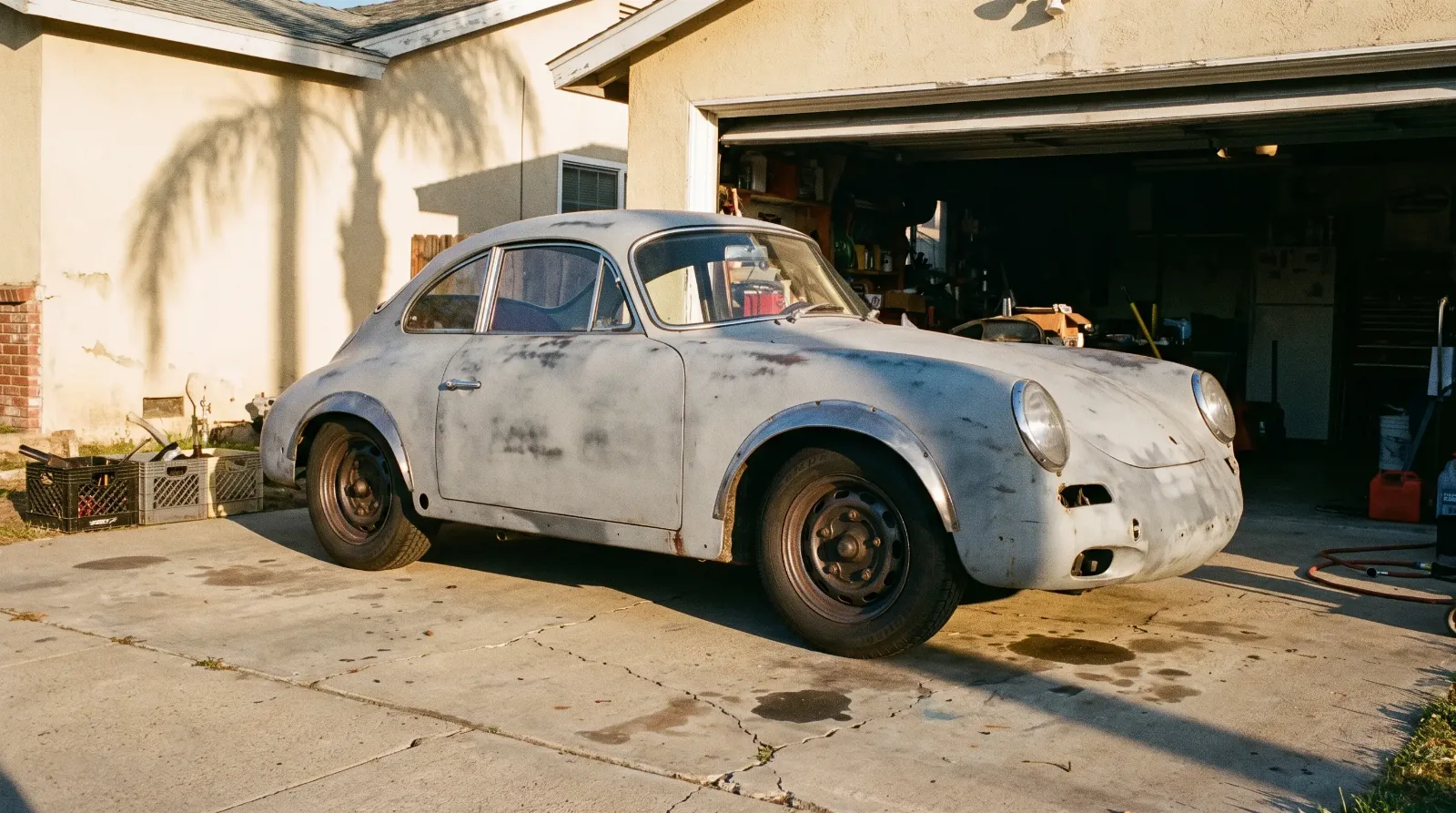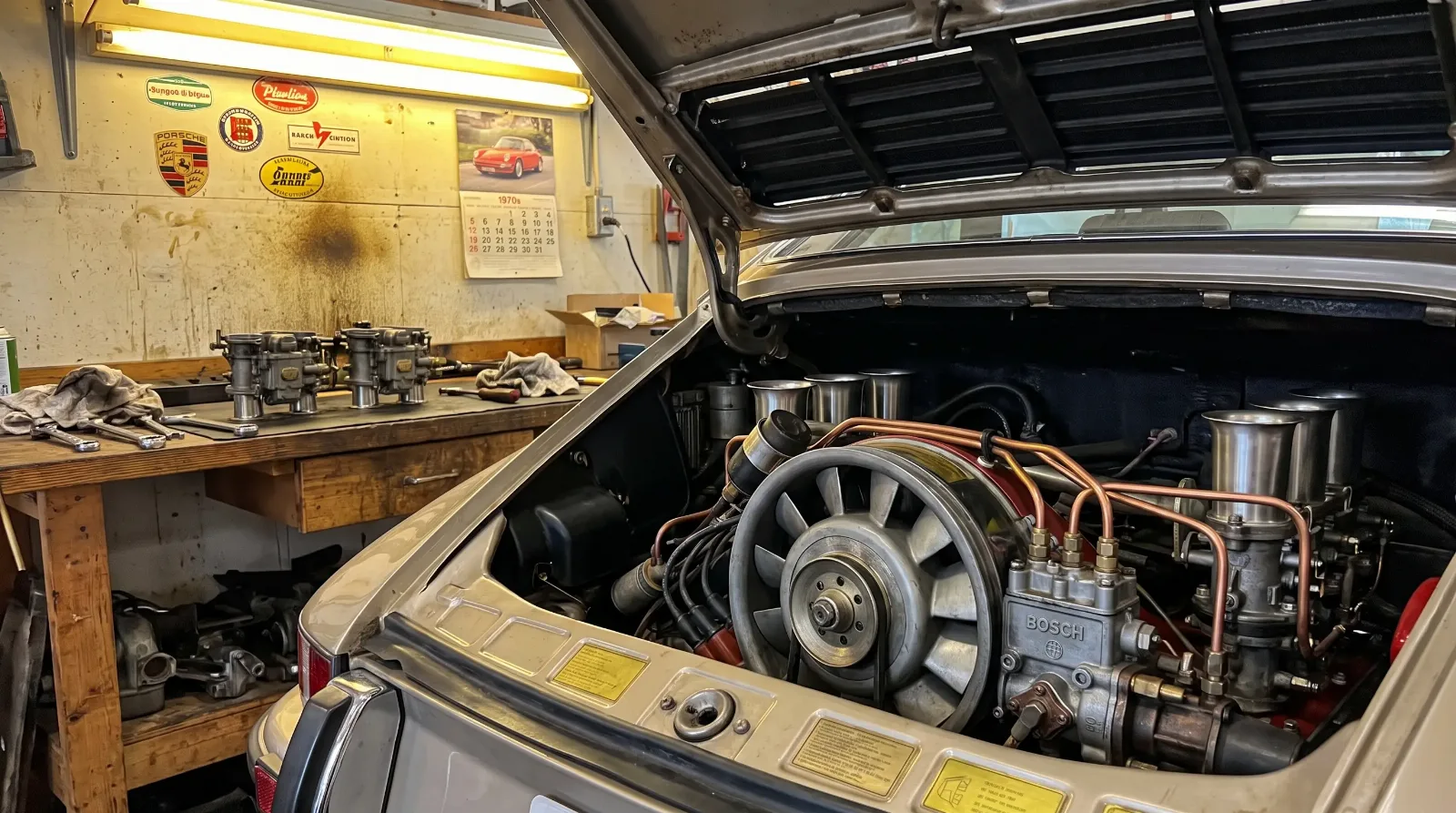
We talk about outlaw porsche builders the way old car clubs talk about the guys who set the standard everyone else is still chasing. Three names come up in almost every conversation about where this scene actually came from, and they didn't get there by accident. Rod Emory, the team behind Singer Vehicle Design, and the Tuthill family in England each built a reputation the hard way, one car at a time, long before anyone was calling any of this a movement with a name.
What ties them together isn't a shared shop or a shared style. It's that each one took a Porsche most people saw as a used car and treated it like it deserved better than a stock restoration. That's the whole spirit of this scene, and these three did it before it was fashionable to say so.
Rod Emory and the 356 that started the conversation
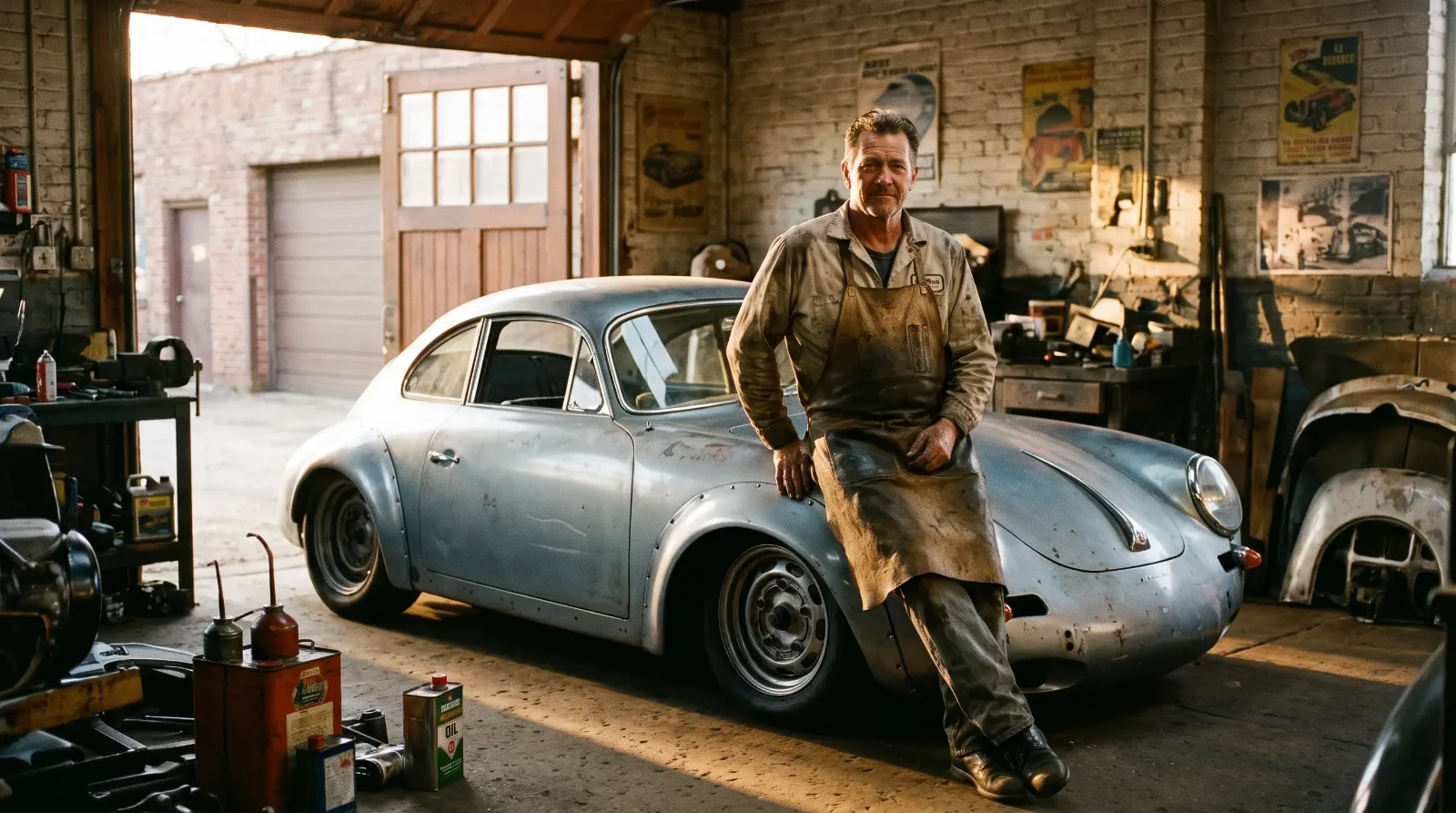
Emory Motorsports traces back to a family that's been in the Porsche business since the 1960s, when Rod's father Gary Emory began working at a Porsche dealership, and Rod Emory grew up around 356s the way some of us grew up around lowriders, which is to say it was just the family business before it was anything else. His breakthrough build, a chopped and modified 356 built in the early 1990s, is widely credited as the car that gave the outlaw look its name and its template: lowered stance, altered proportions, a bigger engine than the factory ever put in a 356, and a level of fabrication work that looked factory-clean even though nothing about it left the factory that way.
What we respect about that build isn't just that it looked good. It's that Emory did the metalwork himself, by hand, the same way a good lowrider builder does the leadwork on a chop. That's craft you can't fake with a parts catalog, and it's why Emory's name still opens every conversation about where this all started.
What "Emory Outlaw" actually means today
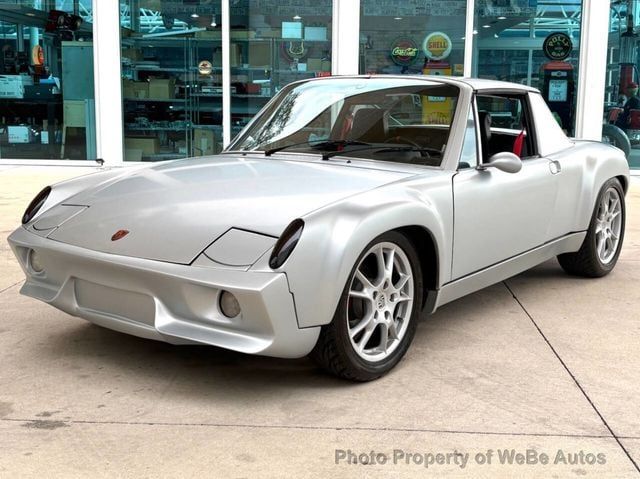
The Emory shop still builds cars under that name, and each one gets a fully custom specification, hand-formed bodywork, and a built engine matched to how the owner actually wants to drive it. It's not a kit and it's not a formula. Every car is its own build, which is exactly the point.
Singer Vehicle Design and the reimagined 911
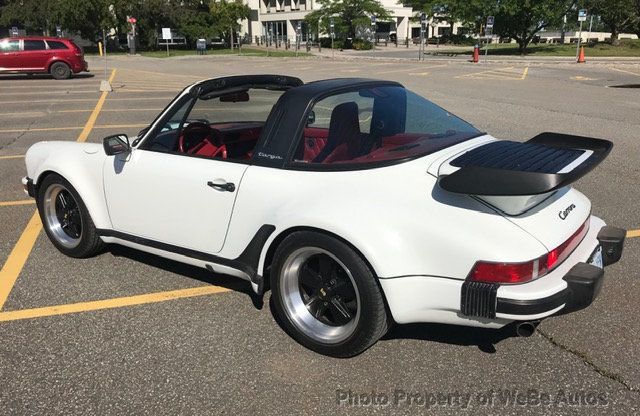
Singer came at this from a different angle. Founded in California and built around a partnership with Porsche specialist Ed Pink and later a deep engineering collaboration with Williams F1's engine division, Singer takes air-cooled 911s, mostly the 964 chassis, and rebuilds them into cars that look like a factory design study nobody ever greenlit. Every panel gets refined, the interiors are built like furniture, and the engines are developed with a level of precision most road car manufacturers don't bother with.
The price tags on a Singer commission run well past what most of us will ever spend on a car, which is a fair criticism of where that end of the scene has gone. But nobody who's seen one in person argues about the execution. Singer proved that a restomod could be treated with the same seriousness as a coachbuilt classic, and that changed how the whole industry, including plenty of smaller shops, thinks about what a modified Porsche can be.
Tuthill Porsche and the endurance racing pedigree
Where Emory and Singer built their names on road cars, Tuthill Porsche in Oxfordshire built theirs on competition. The Tuthill family has been preparing and racing 911s for decades, including rally and endurance builds that have run events like the East African Safari Classic and long-distance rally raids most road-going outlaw builds never have to survive. That competition background shapes everything they build for the road too. A Tuthill car is set up the way a rally car is set up: strong, serviceable, built to take a hit and keep running rather than built purely to be looked at.
| Builder | Origin | Signature focus |
|---|---|---|
| Emory Motorsports | California, family Porsche business since the 1950s | Hand-built 356 outlaw builds, custom fabrication |
| Singer Vehicle Design | California, founded 2009 | Reimagined air-cooled 911s, 964 chassis, factory-level finish |
| Tuthill Porsche | Oxfordshire, England, competition roots | Rally and endurance-proven 911 builds |
Three different countries, three different philosophies, and honestly three different reasons somebody would want one of these cars. That's what makes the outlaw movement worth understanding as more than one style. It was never one shop's formula. It was a handful of builders in different corners of the world who all decided the factory version wasn't the last word on what a Porsche could be.
"People from outside this world sometimes act like these builds are just about making an old car look tougher. That's not it at all. Every one of these shops earned their name the same way our own community earns respect on the boulevard, through years of showing up and doing the work right, car after car, until people stopped calling it a gamble and started calling it a standard."
— Hector Morales
Why the names still matter to buyers
If you're looking at a car that claims a connection to any of these builders, that provenance is worth real money and real scrutiny. A genuine Emory, Singer, or Tuthill build comes with documentation, build sheets, and often a direct relationship you can verify with the shop itself. Cars that borrow the aesthetic without the pedigree aren't worthless, plenty of independent builders do excellent work, but they're a different category of purchase and should be priced and evaluated as such. For the fuller history behind this whole scene, our Classic Cars Arena feature traces the lineage from the factory cars through today, and if you want to go deeper on how the movement itself took shape, there's a related deep-dive that's worth your time. When you're ready to look at what's actually available, there's a solid range of Porsche restomods for sale right now, some carrying exactly this kind of pedigree.
Sources and notes
- Gear Patrol: Meet the Man Turning Vintage Porsches into Modern Performance Marvels
- Craft + Tailored: Tending to a Legacy with Rod Emory
- Wikipedia: Singer Vehicle Design
- CarBuzz: The History of Singer's Stunning Modified Porsches in 10 Builds
- Tuthill: Safari Rally
- Hagerty Media: Porsche 911 Safari Conversions and Rally Tradition