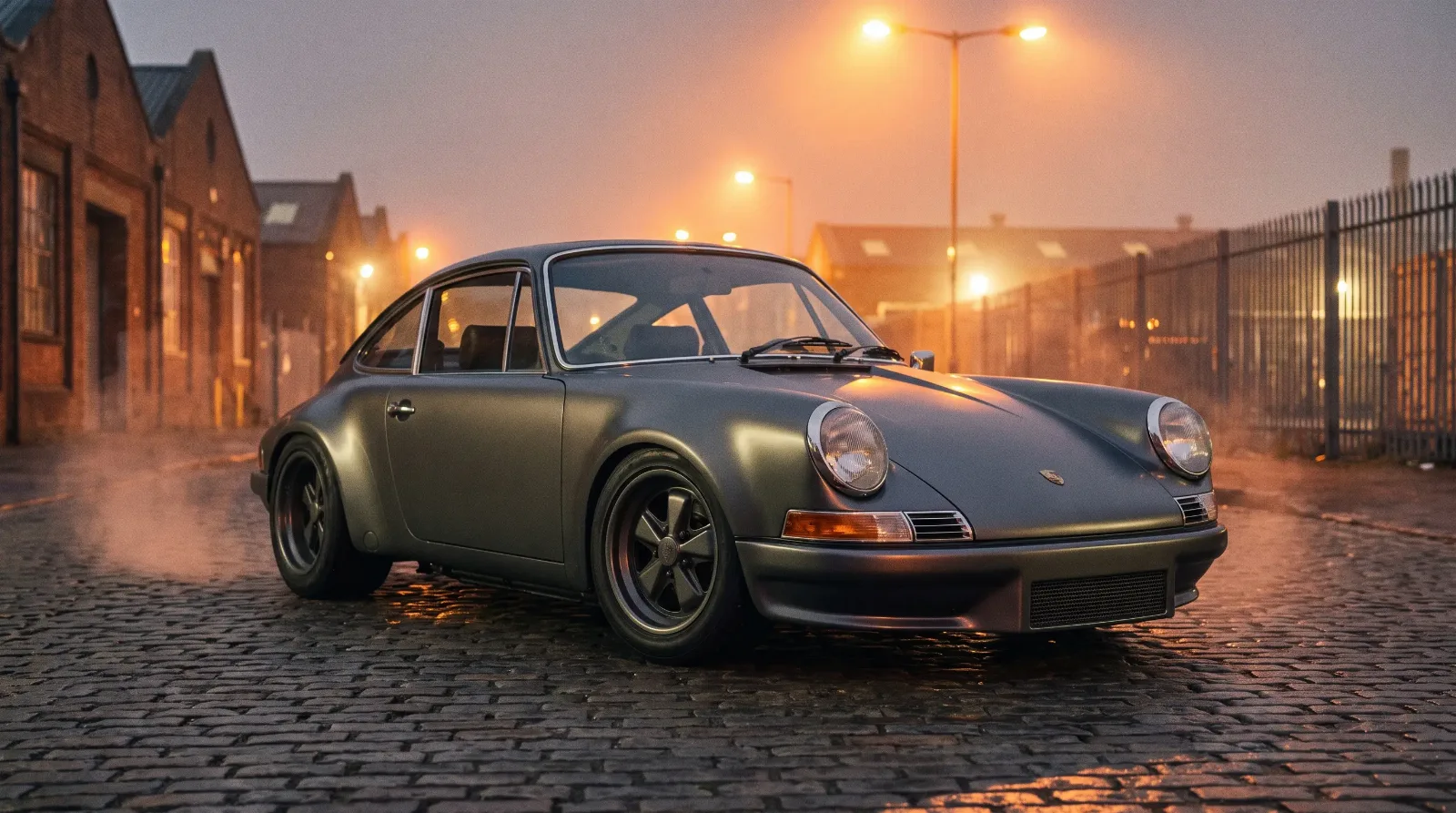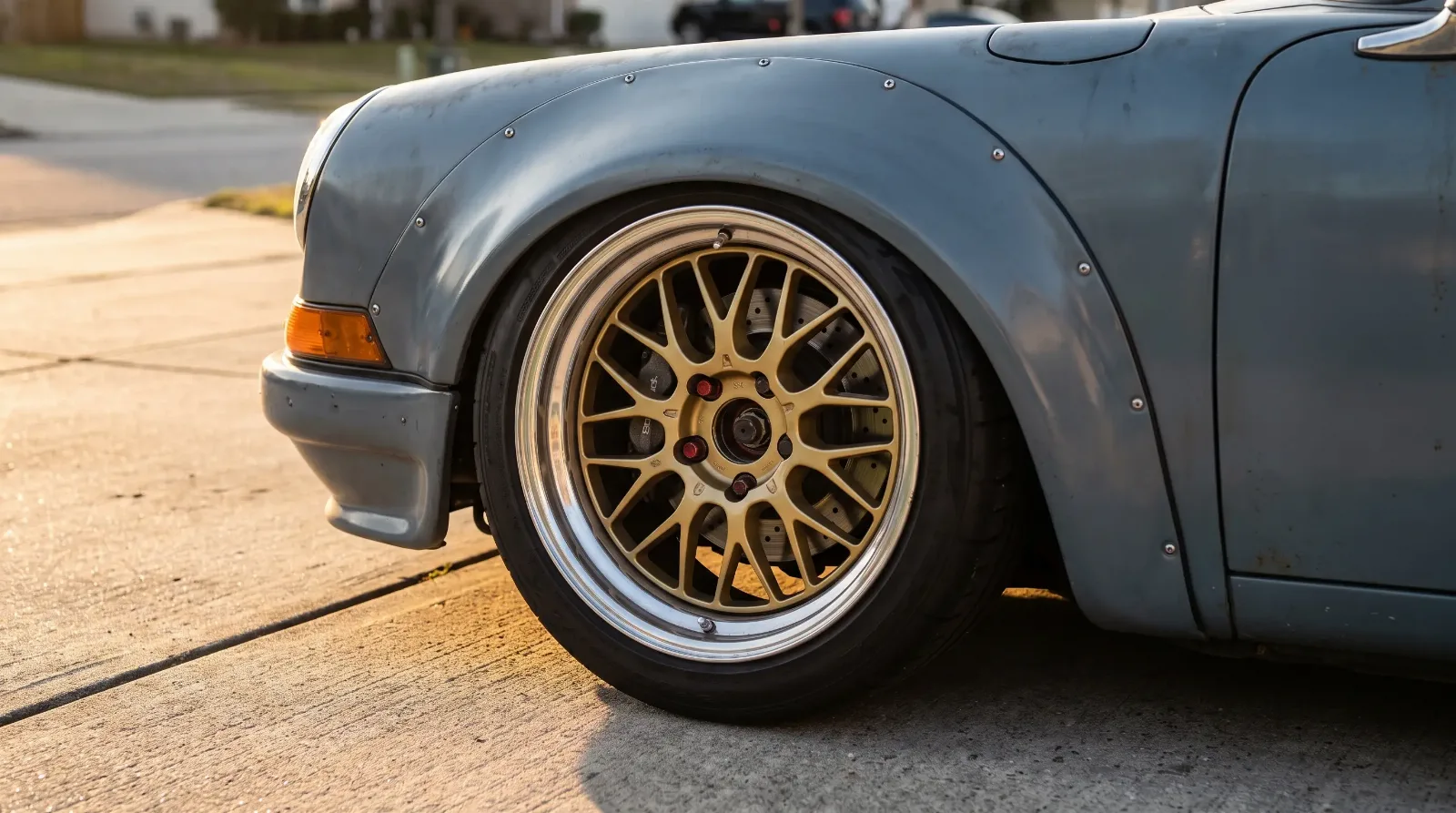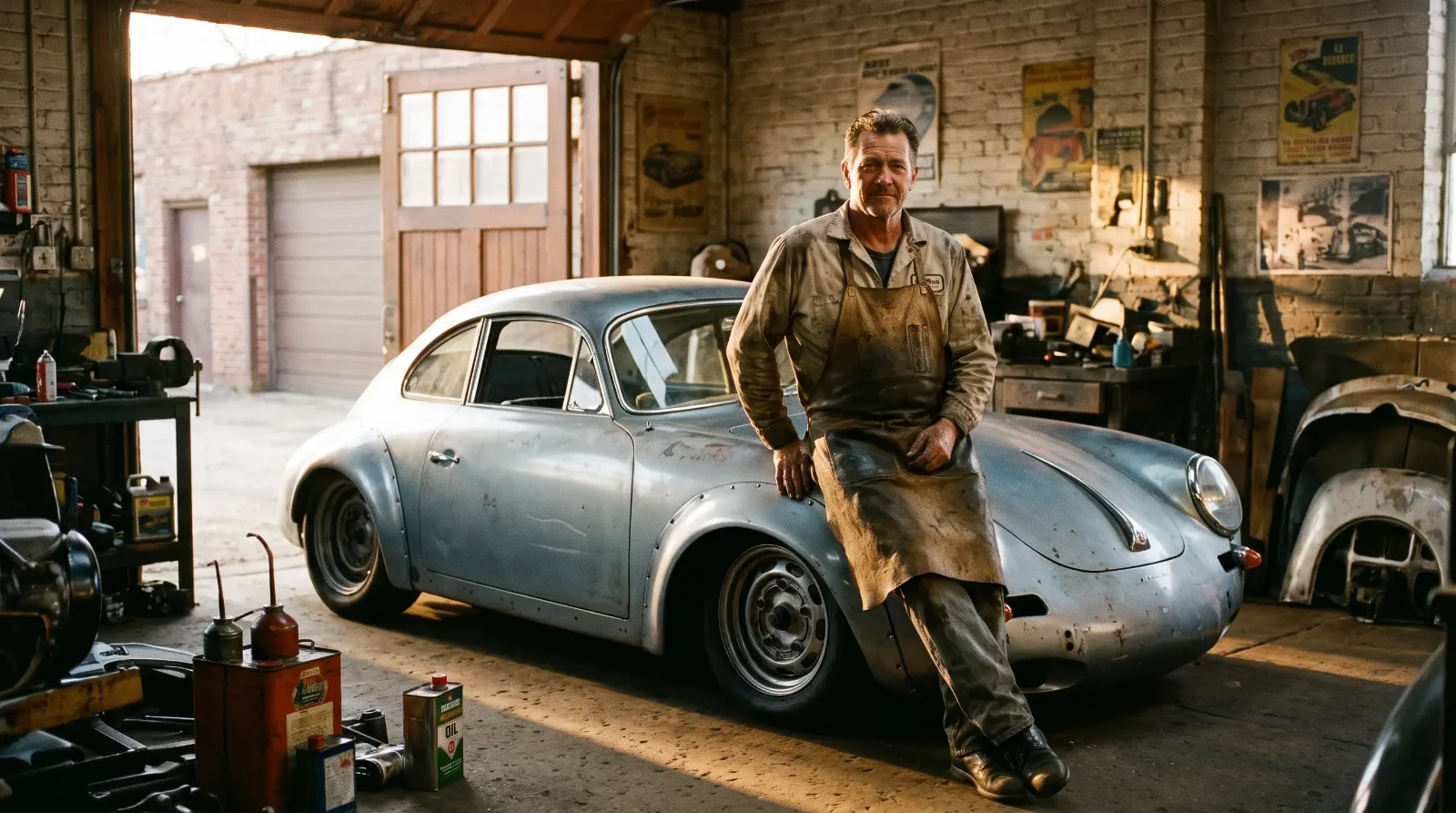
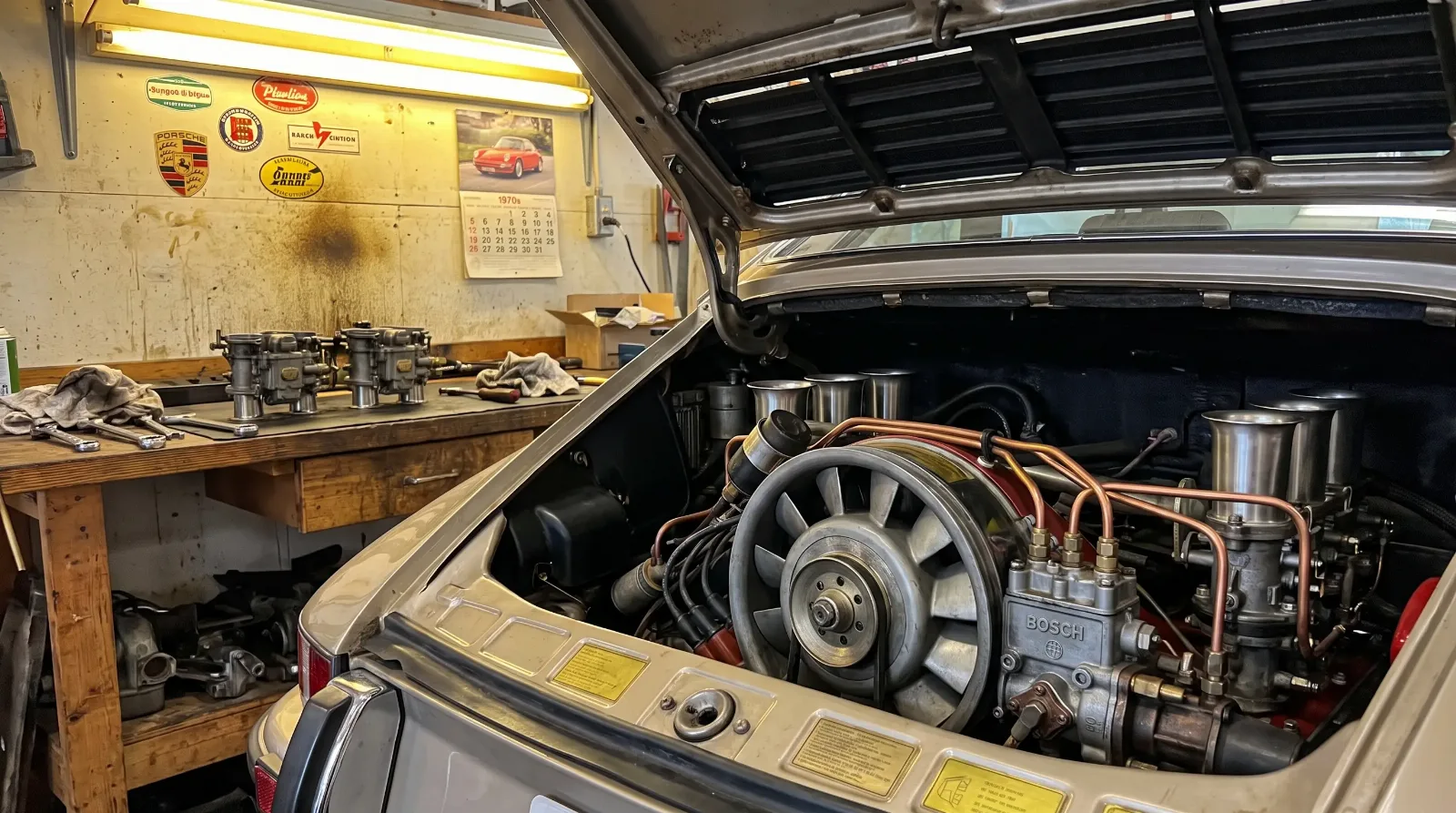
Every builder I know has had this argument at least once, usually leaning over an open engine bay with a beer going warm on the fender. Somebody wants to run modern fuel injection on a classic air-cooled flat six, and somebody else thinks that's the moment the car stops being a Porsche and starts being a kit car with a nice badge. An efi upgrade classic porsche builds around today is one of the most contested decisions in the whole scene, and there isn't a clean answer.
I've built cars both ways. I've kept a 356 running on its original carburetors because the owner wanted the exact sound and feel his father had, cold starts and all. I've also converted a 911 to a modern electronic fuel injection setup because the guy drove it every day and was tired of flooding the carbs in traffic. Both cars were right for what they needed to be. The debate only gets ugly when people forget that these are two different goals wearing the same argument.
What actually changes with an EFI conversion
Original Solex and Zenith carburetors on air-cooled Porsches are fussy by modern standards. They need constant attention, they don't love ethanol-blended pump gas, and they can make a car genuinely unpleasant to drive in stop-and-go traffic. A well-executed EFI conversion, whether it's a factory-style Bosch setup pulled from a later model or an aftermarket standalone system, fixes nearly all of that. Cold starts get instant. Idle stays steady. Fuel economy and drivability both improve, and the car becomes something you can actually use instead of babying.
What it costs you is originality, and for some cars that's a real cost, not just a concours technicality. A numbers-matching 356 Speedster with documented history is a different object than a driver-quality 912 somebody wants to use every weekend. Cutting into the fuel system and wiring harness of the first one is a decision you can't take back cleanly. Doing it to the second one is just good sense.
Ignition and the quieter half of the debate
The louder argument is about carbs versus EFI, but a modern electronic ignition swap is nearly as common and draws a lot less heat. Points and condenser setups drift out of tune and need regular attention, where an electronic trigger holds a set timing curve reliably for years. Most people, even the purists, will admit that one is close to a free upgrade with almost no downside for a car that gets driven.
Brakes, cooling, and the modifications nobody argues about
Strip away the fuel system debate and there's a whole category of modernization almost nobody fights over. Disc brake upgrades on early drum-braked cars, improved oil cooling for cars that see track time, and better door seals or window seals for daily drivers all fall into a different bucket. These changes improve safety and usability without touching the character of the drivetrain, and even the strictest originality crowd tends to make peace with them once safety is on the table.
| Modification | Purist objection | Practical case for it |
|---|---|---|
| EFI conversion | Changes sound, feel, and originality | Reliable cold starts, better drivability, handles modern fuel |
| Electronic ignition | Minor, mostly accepted | Stable timing, less maintenance, reversible |
| Disc brake upgrade | Departs from original spec | Real stopping power improvement, safety case is strong |
| Oil cooler upgrade | Adds non-original plumbing | Protects the engine under sustained hard driving |
Where I land on it
My own rule, after enough of these builds, is that the decision has to follow the car's history, not the owner's taste alone. A documented, unmolested example deserves to stay that way, or at least deserves an owner who thinks hard before cutting into it. A car that's already been modified, repainted, or re-engined by a previous owner has already left that conversation, and there's nothing wrong with finishing the job properly with a good EFI system and modern ignition. The purists who treat every classic Porsche as equally sacred usually haven't had to actually drive one through a hot afternoon in traffic on tired carburetors.
"A period-correct build isn't about refusing every modern part on principle. It's about knowing which car in front of you deserves to stay exactly as it left the factory, and which one is asking you to make it better. Guys who can't tell the difference end up either ruining something rare or babying something that just wants to be driven."
— Jim Vasquez
This whole argument sits right alongside the stance and suspension debate covered in the outlaw chapter, because both come down to the same question: does the modification serve the car, or does it just serve the builder's ego. If you want the fuller history of how these cars got here in the first place, the Classic Cars Arena Porsche guide lays out the whole lineage, and for a look at the builders who've made their names navigating exactly this tension, there's a related deep-dive worth reading.
What it means for buyers
If you're shopping rather than building, the EFI question should factor into what you're willing to pay and what you expect to maintain. A well-documented EFI conversion done by a reputable shop is a selling point on a driver-focused car, not a flaw, and it often commands a fair premium because the next owner inherits a car that actually starts every time. Original carburetor setups in good tune are their own kind of value, particularly on cars with real provenance, where the untouched fuel system is part of what makes the history intact. Either way, know which one you're buying before you fall in love with the paint. There's a healthy inventory of Porsche restomods for sale right now built around exactly this kind of decision, and the good ones are upfront about what's original and what isn't.
Sources and notes
- Porsche Club of America: Fuel Injection Spotter's Guide
- Pelican Parts: Porsche 911 Bosch Mechanical Fuel Injection Overview
- Pelican Parts: 911 MFI Troubleshooting and Adjustment
- Excellence Magazine: Fuel Injection Evolution
- Frazer Part: Porsche Fuelling Systems Explained
- Wikipedia: Porsche 911 (classic)