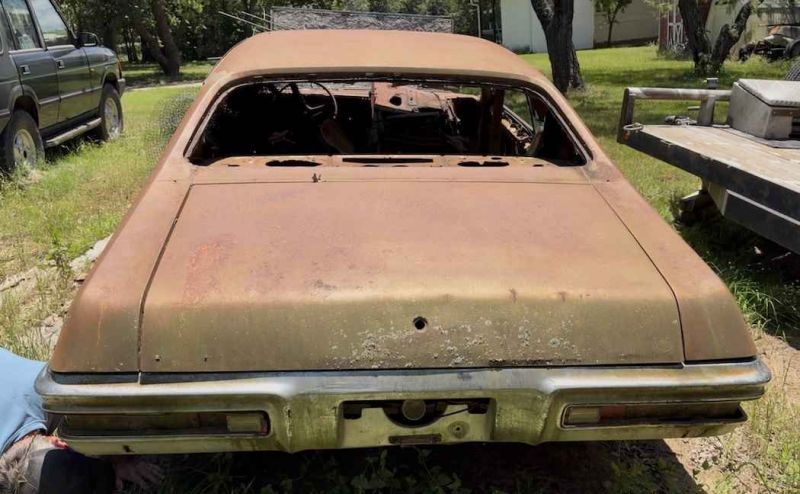
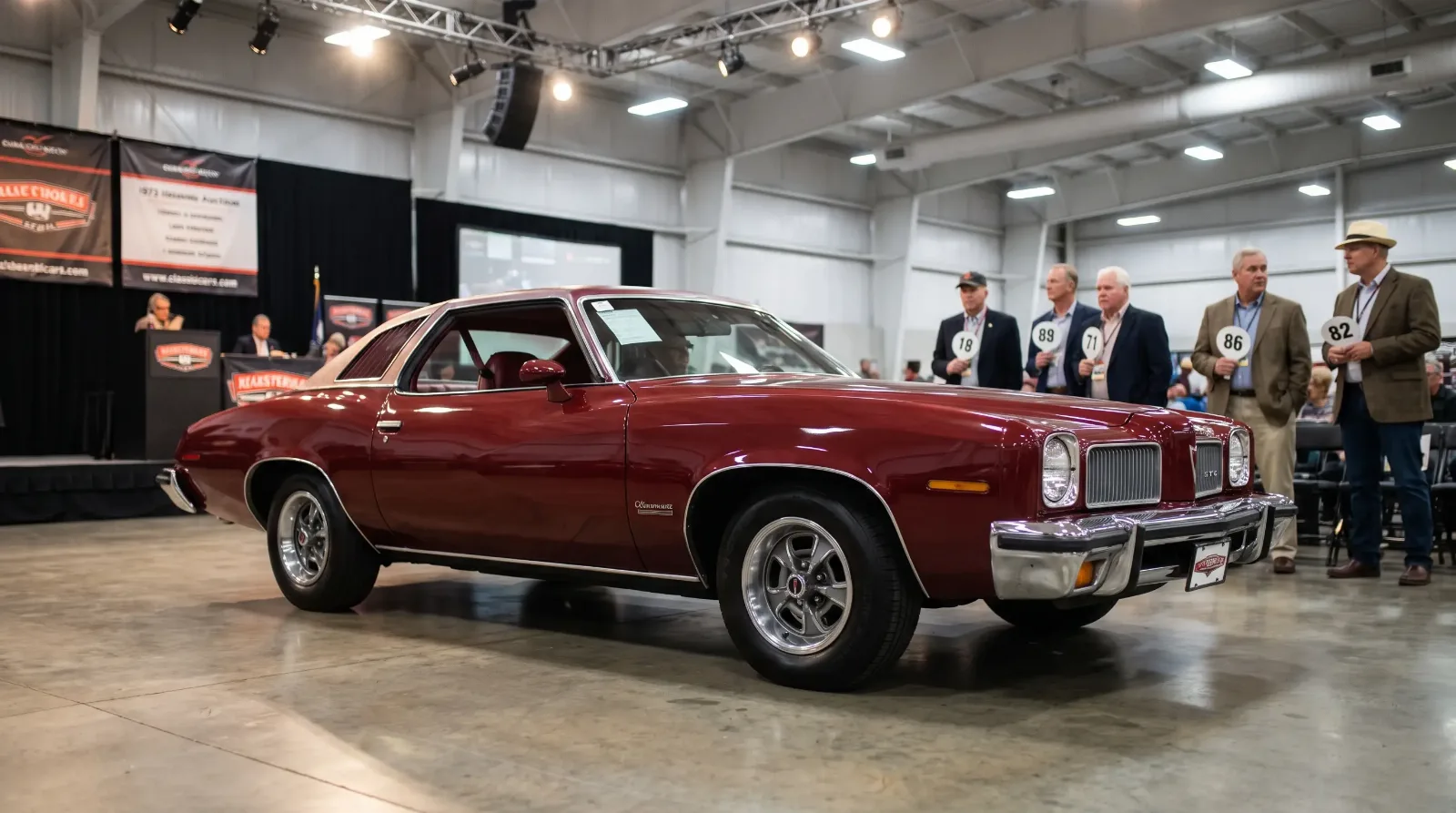
Rarity by itself has never been worth much at auction. A car has to be rare and wanted, and for a long stretch of collector history, the 1973 and 1974 GTOs were the first without much of the second. That has changed, slowly, and understanding why requires a plain look at the production numbers rather than the mythology that surrounds the 1973-74 GTO.
The numbers on the build sheet
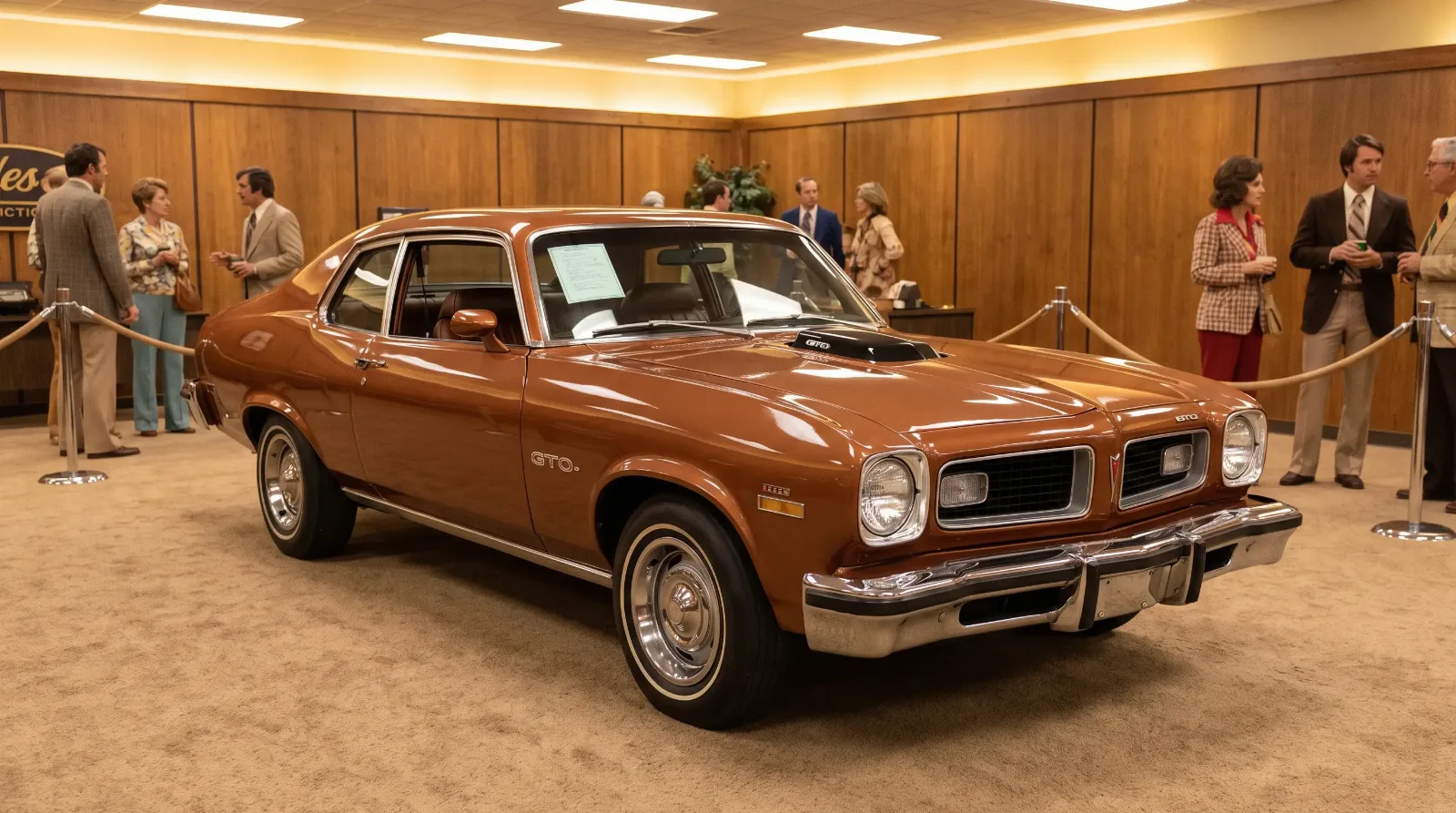
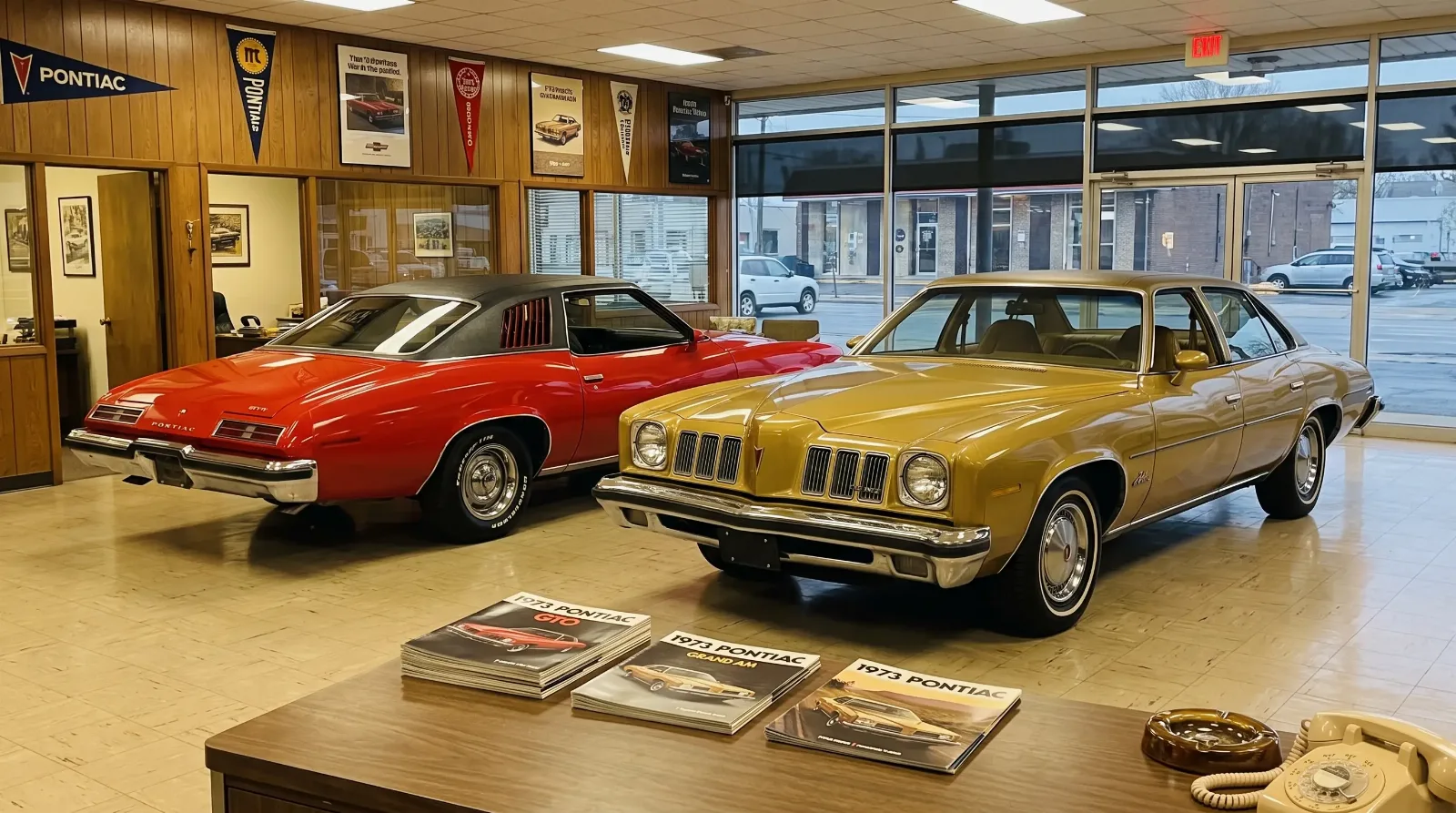
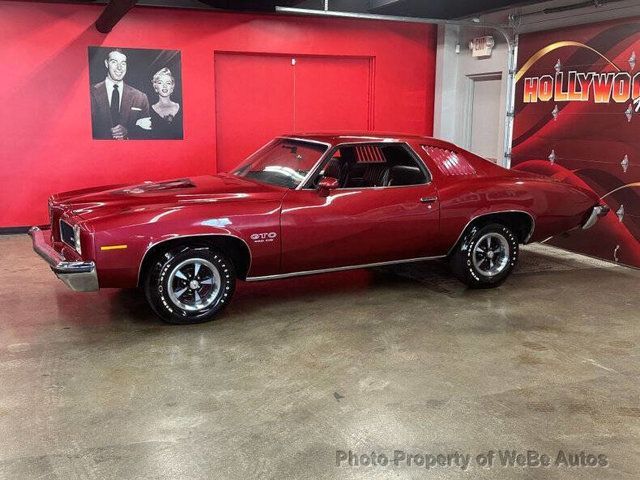
Pontiac built 4,806 GTO-optioned cars for 1973, the lowest total of the nameplate's entire 1964-1974 classic run and a step down from 1972's already thin 5,807. For 1974, when the GTO badge moved off the mid-size Colonnade LeMans body and onto the compact Ventura platform, Pontiac built 7,058 examples, an uptick over 1973 attributable more to the lower base price of the Ventura package than to any real resurgence in demand for the nameplate. Compare either number to the 96,946 GTOs Pontiac moved in 1966, the option's peak year as a standalone model, and the scale of the decline becomes obvious without needing any further argument.
| Model year | Approximate GTO production | Platform | Notable detail |
|---|---|---|---|
| 1966 | 96,946 | Tempest/LeMans intermediate | Peak standalone-model year |
| 1972 | 5,807 | LeMans intermediate | Reverted to option package status |
| 1973 | 4,806 | Colonnade LeMans | Lowest volume of the classic run |
| 1974 | 7,058 | Compact Ventura | Final model year of the classic nameplate |
Why low production has not always meant high value
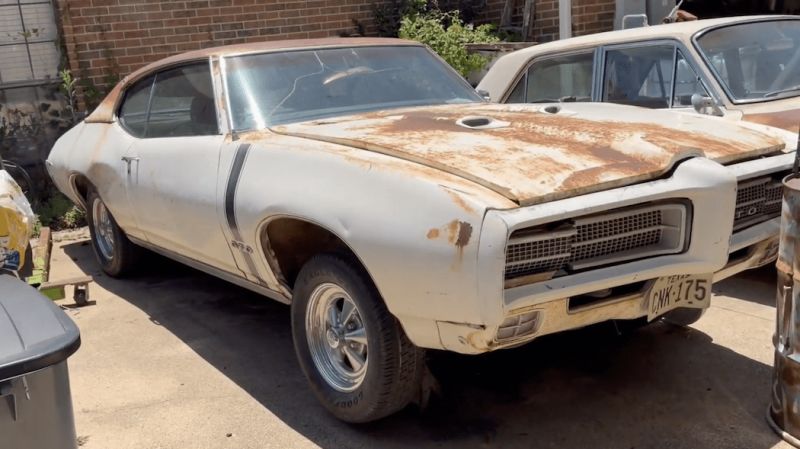
Here is where the market has historically diverged from simple scarcity logic. A 1973 GTO is genuinely harder to find today than a 1967 GTO, yet for decades the earlier car commanded several times the price of the later one at auction. Condition and documentation explain part of that gap, since fewer 1973 and 1974 cars were preserved with the same care their mid-1960s ancestors received, but the bigger factor was demand. Collectors chase the years associated with a nameplate's defining moment, and for the GTO that moment ran from 1964 through roughly 1969, the Judge era included. A rare car nobody is actively bidding on stays cheap regardless of how few survive.
That dynamic has softened somewhat as the collector base has aged and diversified. Buyers who came of age watching the Colonnade cars in period, or who simply cannot afford a numbers-matching 1966 or 1967 example anymore, have started treating the final-year GTOs as an accessible entry point into the nameplate rather than an afterthought. Prices have moved accordingly, though they remain well below what an early GTO in comparable condition commands, and that gap is unlikely to close entirely given how much of collector demand still runs on nostalgia for a car's original glory years rather than its production statistics.
What actually moves a 1973-74 GTO's value today
Documentation matters more on these final cars than it does almost anywhere else in the GTO's history, precisely because so little of it survives in complete form. A Protect-O-Plate, original build sheet, or verified Pontiac Historical Services record separates a genuine, numbers-matching example from the much larger population of cars that have had engines swapped, options added after the fact, or trim mixed and matched over five decades of ownership. Buyers should treat an undocumented 1973 or 1974 GTO with real caution, since the low original production numbers make it easy, and unfortunately common, for a plain LeMans or Ventura to be dressed up with reproduction GTO trim and sold at a premium it has not earned.
Condition carries its usual weight, but liquidity is the piece buyers underestimate. These are not cars you can flip quickly at a mainstream muscle car auction the way you can a documented 1969 Judge. The buyer pool is smaller and more patient, which means a seller needs to be prepared to hold a 1973 or 1974 example longer to realize full value, or to accept a discount for a faster sale. That is the honest downside case anyone considering one of these cars should weigh before committing capital, regardless of how attractive the low production figures look on paper.
Reading the option codes correctly
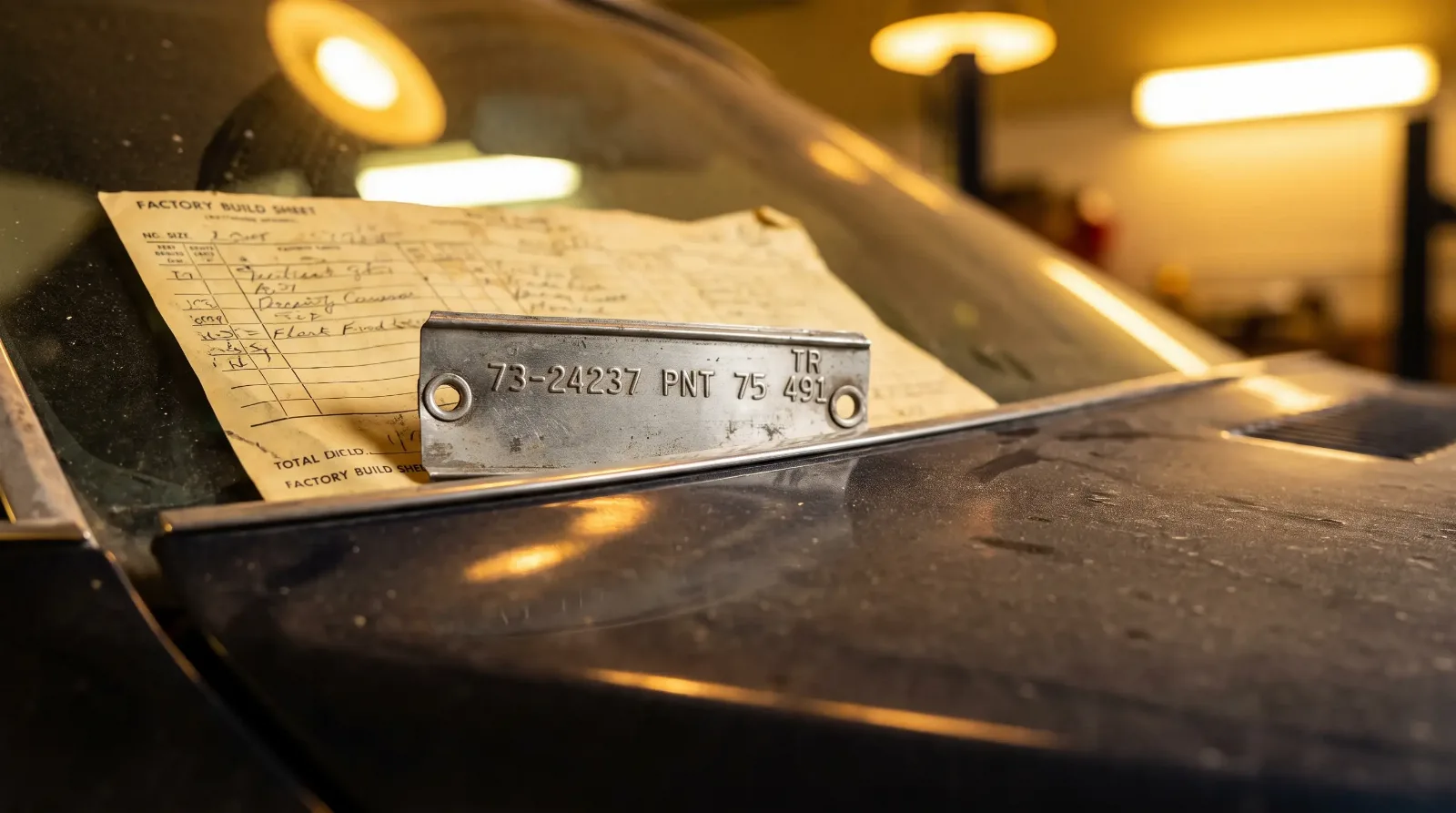
Because the GTO by this point existed purely as an option package layered onto an existing model, the production numbers above only tell part of the story. Buyers researching a specific car need to look past the badge on the fender and confirm the actual RPO documentation, since Pontiac's build sheets recorded the GTO content as a code applied to a LeMans or Ventura order rather than as a separate model line with its own dedicated VIN sequence. That distinction matters enormously for authentication. A knowledgeable appraiser will always ask for the trim tag decode and cross-reference it against factory records before accepting a car's GTO identity at face value, particularly on the 1974 Ventura-based cars, where the visual difference between a GTO-optioned car and a well-dressed base Ventura can come down to details a casual buyer might miss entirely.
Engine codes deserve the same scrutiny. The 1973 GTO's standard 400 and optional 455 shared block architecture with engines installed in plenty of non-GTO Pontiacs that model year, which means a numbers-matching claim needs to hold up against the actual stamped codes on the block, not just a general statement that the car has "the right engine." The 1974 Ventura GTO's 350 presents its own wrinkle, since Pontiac built 350s for several applications that year, and only careful cross-referencing against the original build sheet confirms whether a given engine left the factory in that specific car.
The case for buying one anyway
None of this means the final-year GTOs are a poor purchase, only that they are a different kind of purchase than an earlier example. A well-documented 1974 Ventura-based GTO offers genuine, verifiable rarity at a fraction of what a comparable 1966 or 1969 car costs, and as more of the collector base gravitates toward cars they actually remember from new rather than cars their fathers talked about, that gap has room to narrow further. Buyers who understand the nameplate's full arc, not just its famous first five years, tend to find the most satisfaction and the best long-term value in these overlooked final cars. For anyone still building that full picture of the badge's history, our complete Pontiac GTO history lays out how the car got from a 1964 option package to this quiet 1974 ending.
One more piece of the 1973-74 story worth understanding before buying is how these Colonnade-era cars actually drive, since their reputation for softness does not tell the whole engineering story. For that, read on.
"Scarce and desirable are two different words, and collectors who confuse them overpay for the wrong cars every single auction season. These final GTOs are finally starting to close that gap, but they have not closed it yet, and that is exactly why the smart money is looking at them now."
— Marcus Feld