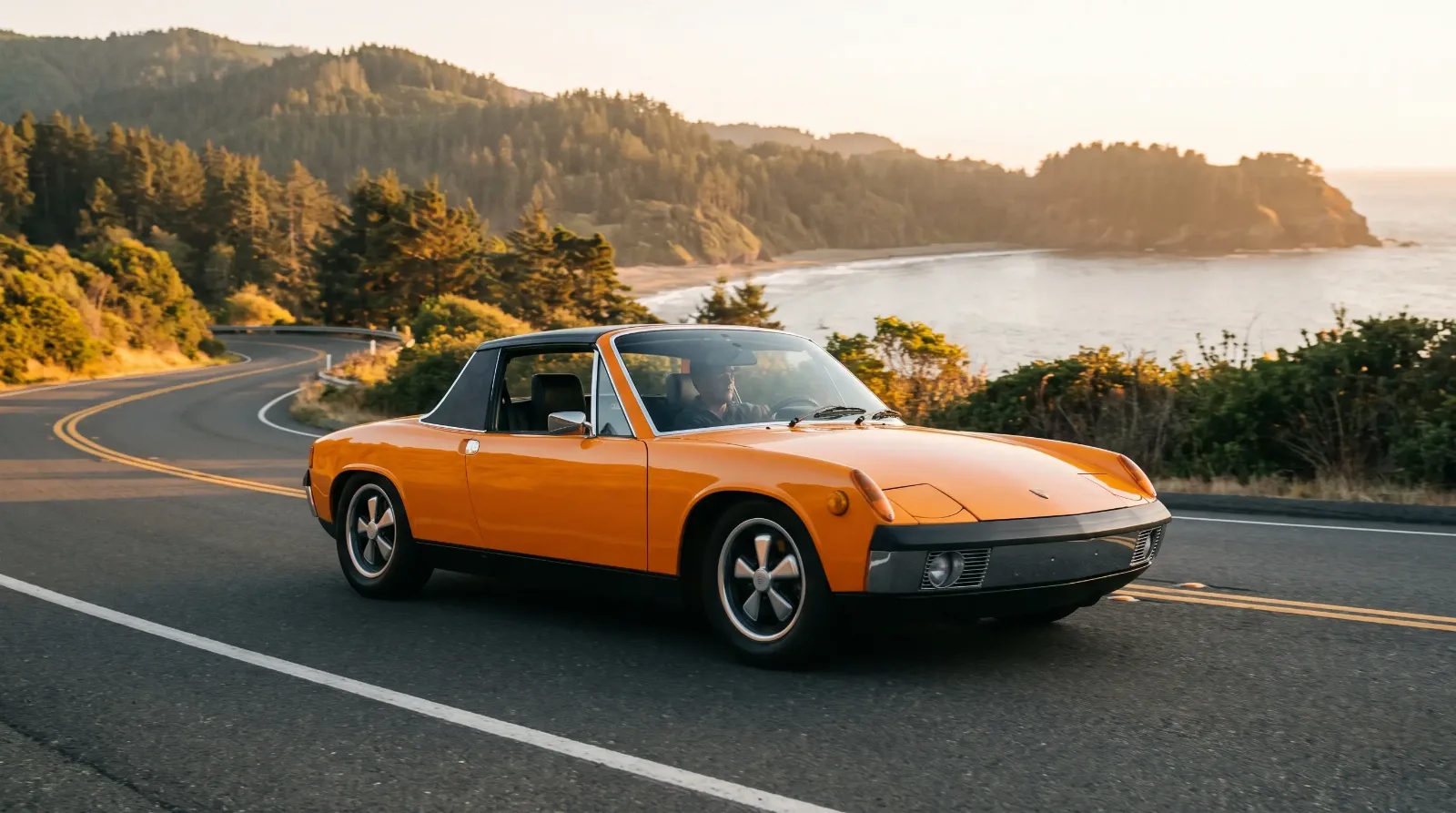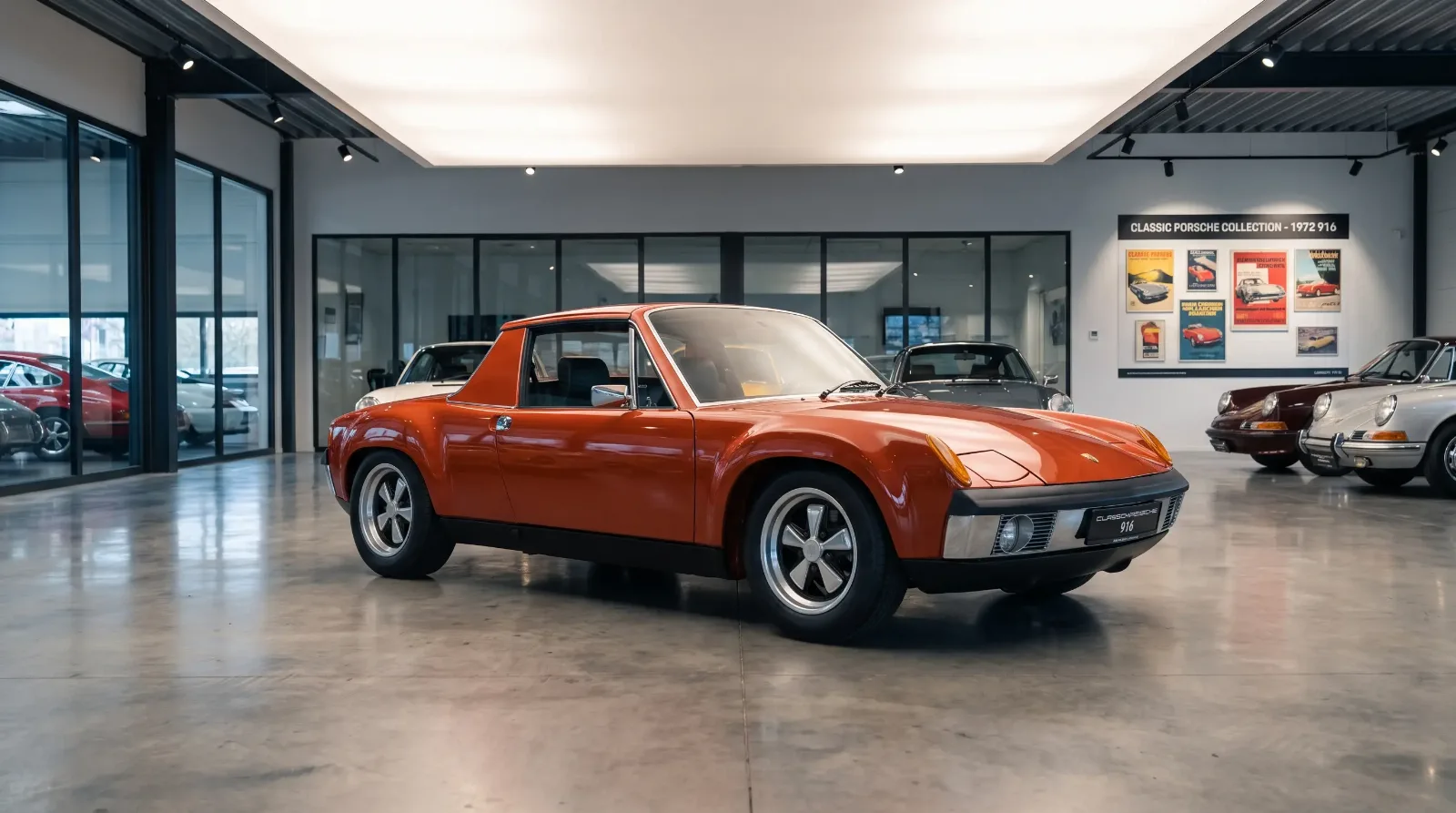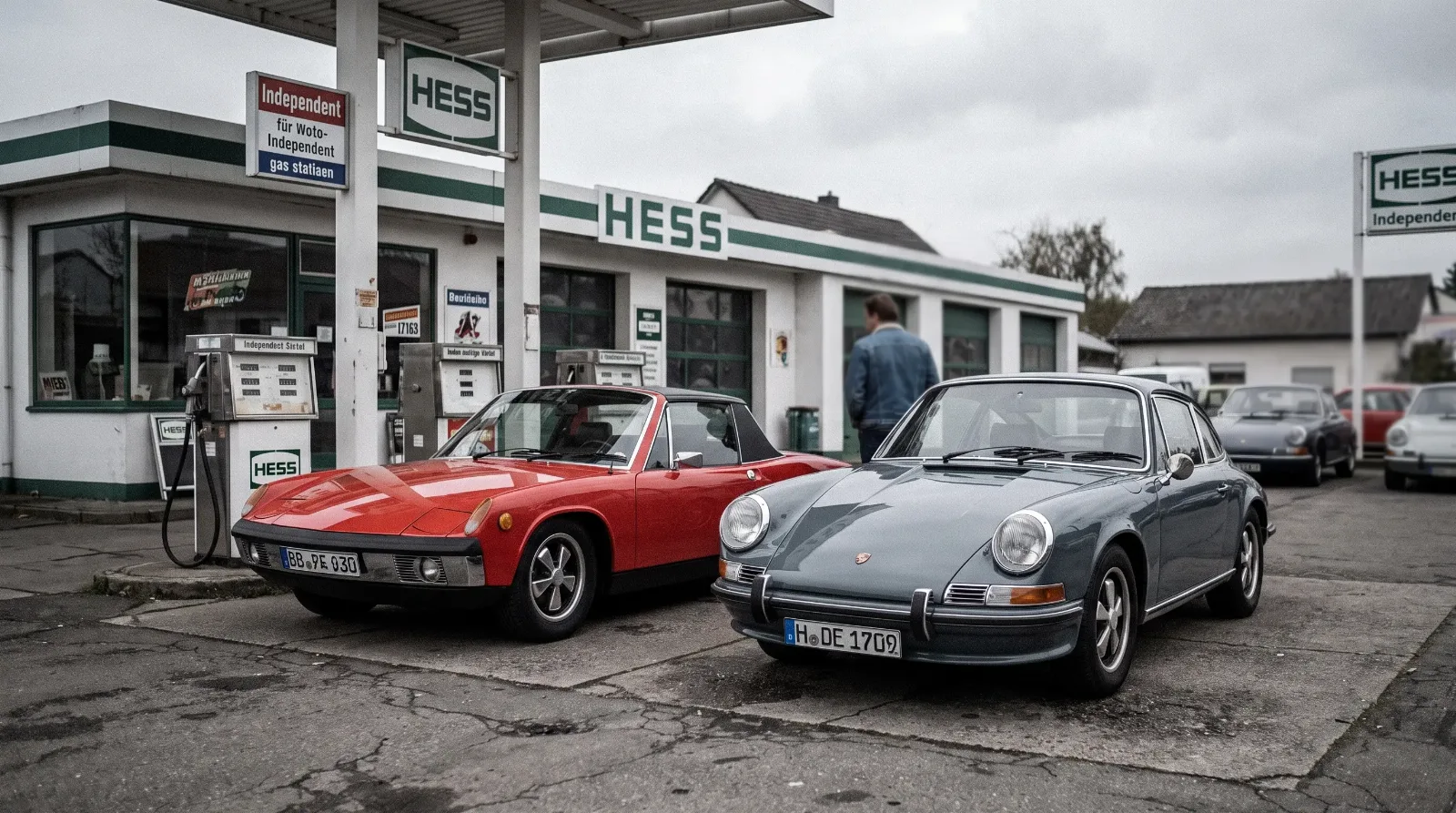
Ask why a porsche 914 engine swap culture exists at all, and the honest answer starts with math, not romance. Porsche built the six-cylinder 914/6 for only three model years, in numbers small enough that clean, original examples now sell for multiples of an equivalent four-cylinder car. Everyone who wanted the six-cylinder driving experience without paying six-cylinder prices eventually arrived at the same conclusion: the 914 chassis was engineered to accept a flat-six from day one, so why not put one in yourself.
That is not a workaround discovered by accident. Porsche built the 914/4 and 914/6 on the same body structure, with the same engine bay dimensions, the same mounting geometry, and largely the same subframe. The six-cylinder car needed different transmission mounts, a larger driveshaft tunnel clearance, and upgraded brakes to handle the added weight and power, but none of that required cutting the body. It is the single biggest reason the swap scene around this car is as mature and well documented as it is.
What actually has to change in a real swap
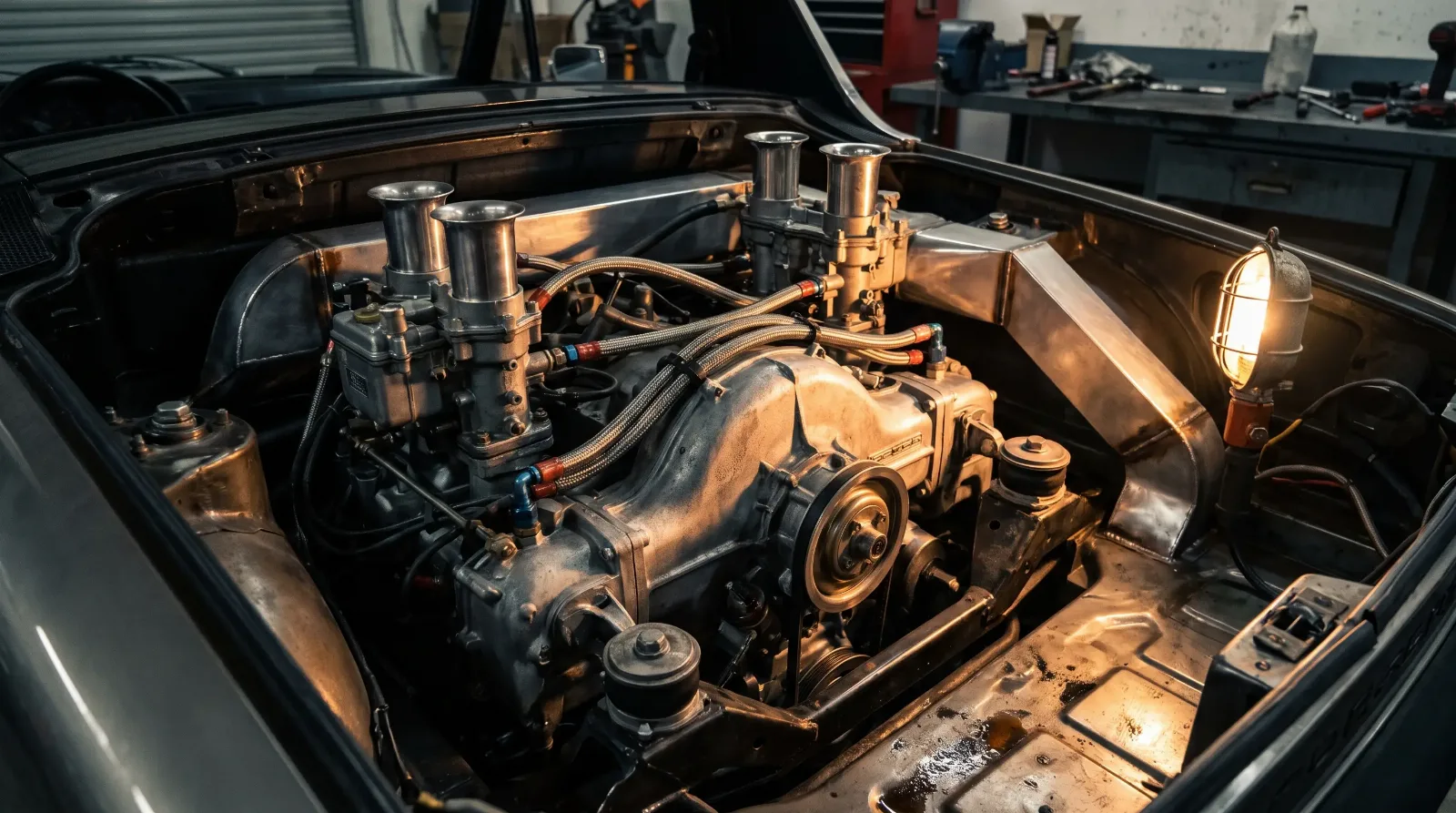
A period-correct six-cylinder conversion starts with a 911 flat-six, most commonly a 2.0 or 2.2-liter unit from an early 911T or 911E, paired with the 901 or 915 transmission the 911 used rather than the 914/4's four-speed. The engine mounts differ between the 914/4 and 914/6 chassis, which means a proper conversion either sources 914/6 subframe components or fabricates equivalent mounting points, and skipping that step is the single most common shortcut that turns a good swap into a car with a vibration problem nobody can diagnose later.
Cooling is the other place where corners get cut. The 914/6 uses a different fan shroud and ductwork than the four-cylinder car, because a flat-six moves more air and rejects more heat than the 1.7 to 2.0-liter fours Porsche fitted to ordinary 914s. A swap that reuses four-cylinder cooling ductwork on a six-cylinder engine will run hot in ways that do not show up on a short test drive but will show up on a summer highway pull, which is exactly the kind of failure mode that gives swapped cars a worse reputation than the work itself deserves.
| Component | Why it needs attention in a swap |
|---|---|
| Engine mounts and subframe | 914/4 mounts do not match the six-cylinder's mass and geometry |
| Transmission | 911 gearbox (901 or 915 series) replaces the four-cylinder unit |
| Cooling ductwork and fan shroud | Six-cylinder engines reject more heat than the factory four-cylinder setup handles |
| Brakes | Added weight and power call for the larger 914/6 brake package |
"The chassis was never the hard part. Porsche built the 914/4 and 914/6 close enough together that fitting a six is mostly a bolt-in exercise if you use the right subframe and mounts. The hard part is cooling, and it's the part almost nobody budgets time or money for, because it doesn't fail on the test drive. It fails two summers later on a long grade, and by then the owner has forgotten the swap even happened."
— Emily Chen
Beyond the 911 six: modern donor swaps
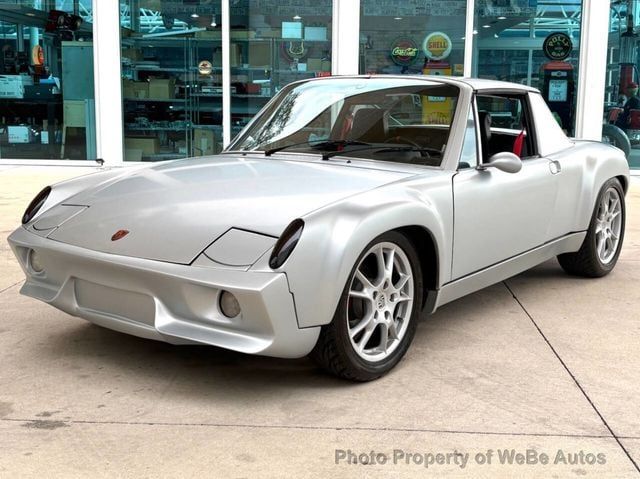
The swap culture around the 914 chapter of Porsche's history did not stop with period-correct 911 engines. Subaru flat-fours and flat-sixes became popular donor engines starting in the 2000s, largely because the boxer configuration fits the 914's engine bay with less structural modification than an inline or V-configuration engine would require, and because Subaru engines are cheaper and more available than aging 911 units. A well-executed Subaru conversion trades some of the mechanical romance of a period-correct build for reliability and parts availability that a forty-year-old 911 engine simply cannot match without ongoing, dedicated maintenance.
V8 conversions exist too, most commonly small-block Chevrolet engines, and they represent the opposite end of the spectrum from a numbers-conscious 911 swap. These builds prioritize power over authenticity almost entirely, and they tend to divide 914 owners more sharply than any other variant of the swap conversation, since a V8-powered 914 bears almost no relationship to what Porsche's engineers designed the chassis around.
What a documented swap actually looks like
The conversions that hold up best over time are the ones with paperwork, not just clean welds. Receipts for the donor engine's original chassis or a bill of sale tracing where the six-cylinder came from, photographs from the build process showing the subframe work before the body went back together, and a build sheet listing exactly which mounts, cooling components, and electrical changes were made all matter more than they sound like they should. A shop that can hand a buyer that kind of file has usually also done the mechanical work correctly, because the same discipline that keeps good records tends to be the discipline that torques a mount to spec instead of eyeballing it.
Wiring is a detail that gets less attention than mounts or cooling but causes just as many post-swap headaches. The 914/4's factory harness was never built to run a six-cylinder engine's ignition, charging, or sending unit setup, and a conversion that simply splices new wiring into the old harness rather than building a dedicated engine harness tends to develop intermittent electrical faults within the first few years, faults that are miserable to chase down after the fact. Buyers evaluating a used conversion should ask specifically whether the harness was built fresh or adapted, since that single answer says a great deal about how carefully the rest of the swap was executed.
What a swap means for value
A converted car, however well built, is not worth what a documented factory 914/6 is worth, and pretending otherwise is the fastest way to overpay or oversell in this market. Buyers researching a six-cylinder 914 need to ask directly whether the car started life as a four-cylinder chassis, because the answer changes the appropriate price by a significant margin, not a marginal one. That said, a properly executed swap, transparently represented, gives an owner a driving experience close to a 914/6 at a fraction of the acquisition cost, and for someone who wants to drive the car rather than collect it, that trade is often the right one.
The underlying appeal is straightforward once you separate collecting from driving. The chassis was engineered to handle a six-cylinder engine from the start, and thousands of owners over five decades have simply finished a job Porsche's own production numbers left unfinished for most buyers. Readers interested in how this same car earned, and eventually shed, a reputation as Porsche's least respected model should look at a companion piece covering exactly that shift in perception.