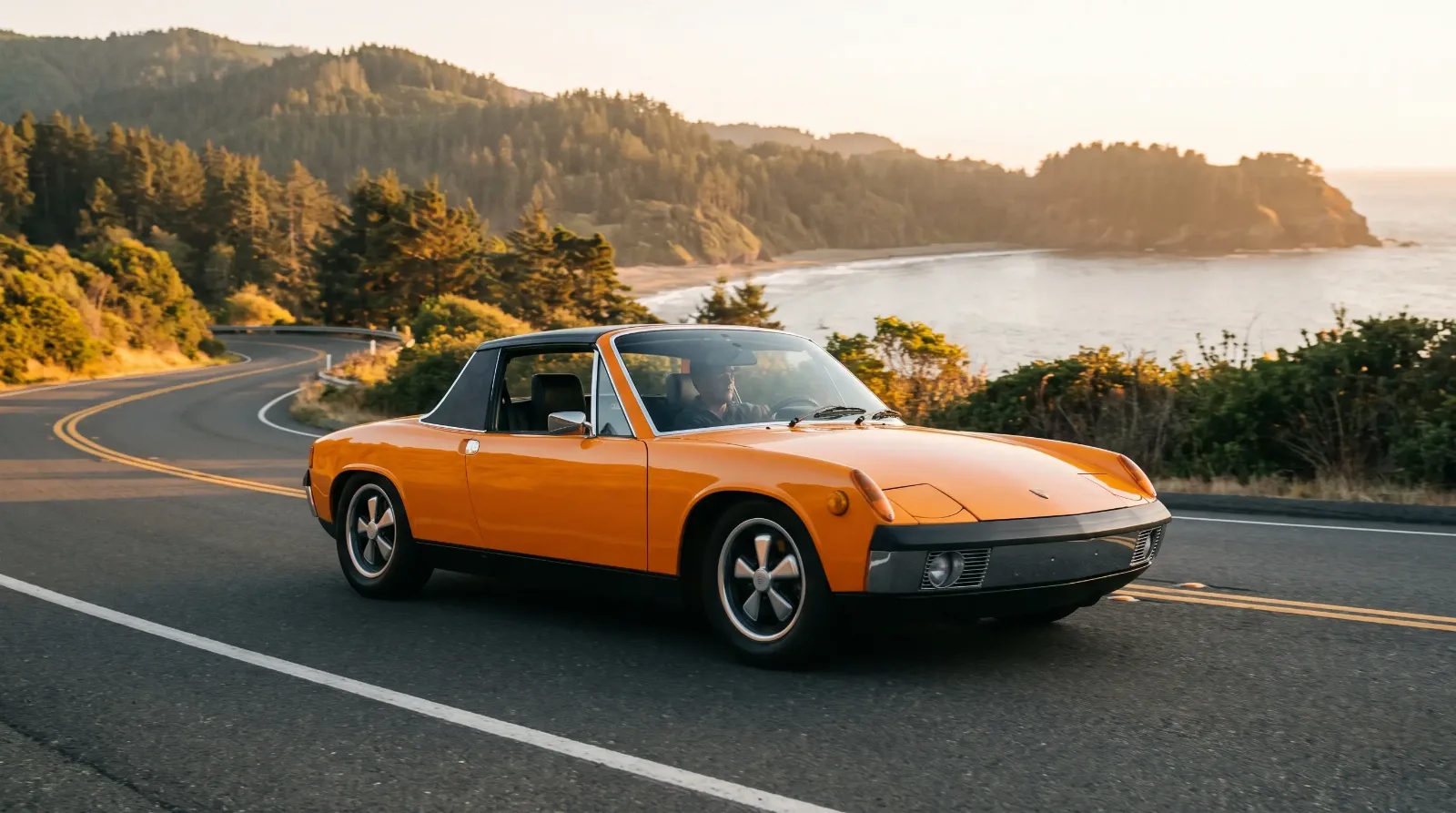
For roughly three decades, the porsche 914 underdog label was not a nostalgic nickname. It was the honest consensus. Enthusiasts who would happily debate the merits of a 356 versus an early 911 dismissed the 914 outright, often without having driven one, on the grounds that it was not really a Porsche at all but a Volkswagen wearing a Porsche badge. That reputation was not entirely fair, but it was not invented from nothing either, and understanding why it stuck for so long explains as much about Porsche's business decisions in 1969 as it does about the car itself.
The 914 was developed jointly with Volkswagen, sharing its origins with a VW project looking for a successor to the Karmann Ghia, and that shared parentage is the root of the entire credibility problem. Buyers who wanted an unambiguous Porsche wanted an engine and a badge with no committee behind them. The 914 could never fully deliver that, no matter how well the mid-engine chassis actually handled.
Where the dismissal came from
The core objection was straightforward: Porsche did not design the 914 alone, and the base four-cylinder engine, particularly the early 1.7-liter unit, came from Volkswagen's own parts bin rather than from Porsche's engine development program. To a buyer comparing sticker prices and badges in 1970, a Porsche with a Volkswagen-sourced four-cylinder engine looked like a compromise, and the car's relatively modest performance next to a contemporary 911 did nothing to argue otherwise. Road testers of the era were not unkind to the chassis itself, but the broader enthusiast conversation fixated on parentage over dynamics.
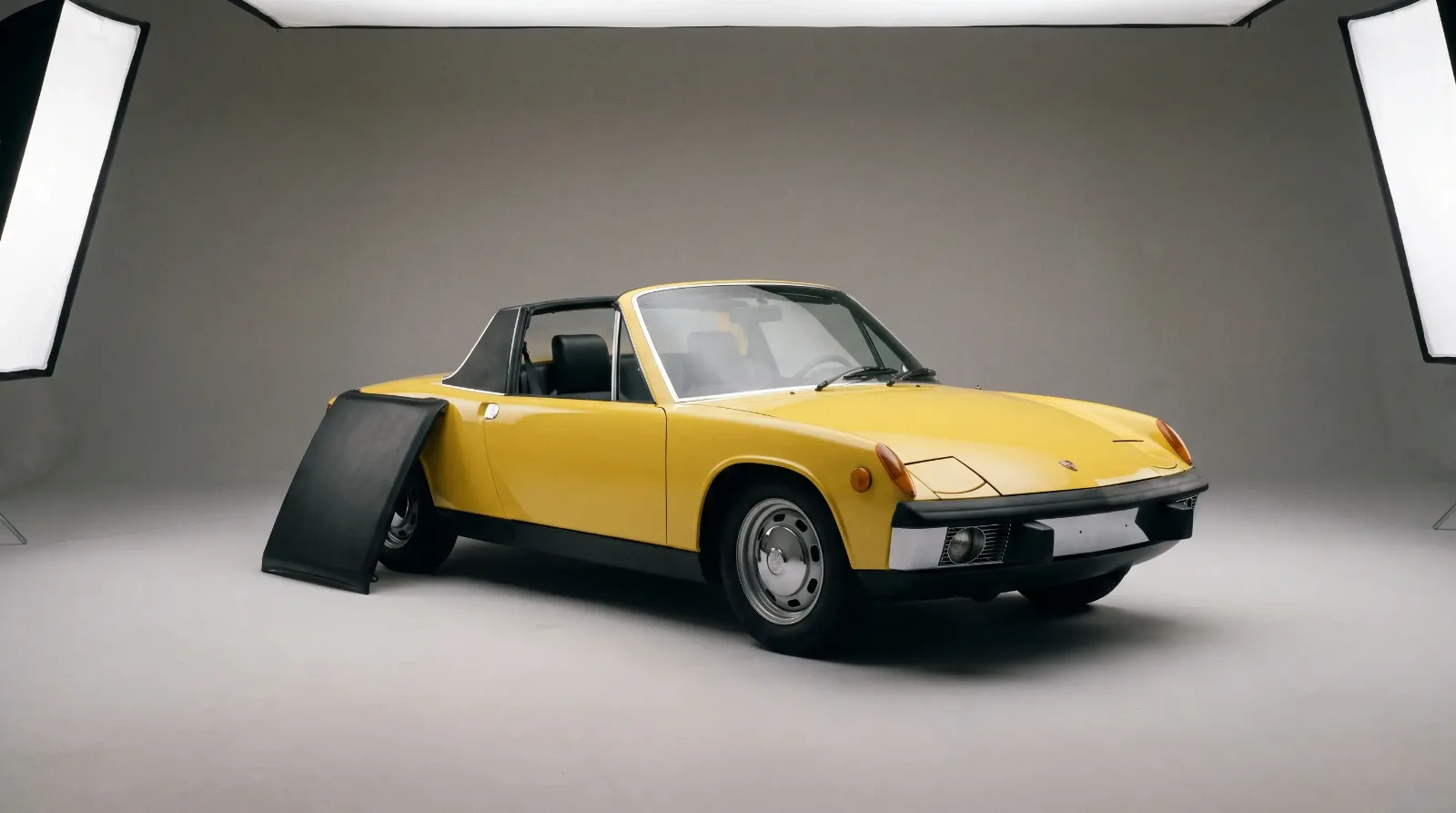
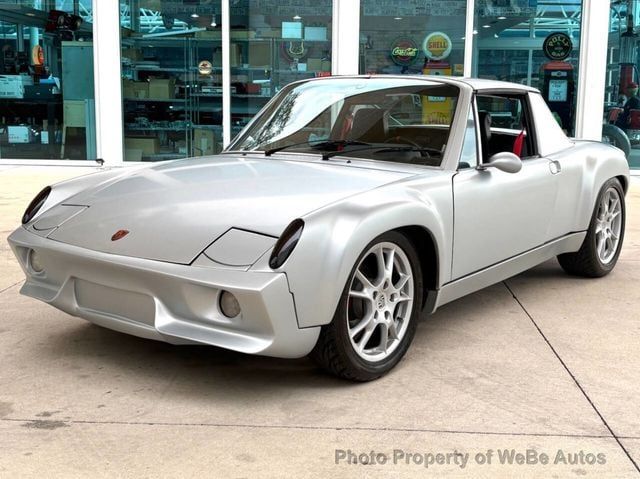
Styling played a role too. The 914's wedge-shaped, pop-up-headlight design read as utilitarian next to the flowing lines of the 356 and 911, and utilitarian was not what a Porsche buyer in that era was paying for. The car looked like exactly what it partly was, a cost-conscious joint project, and it looked that way at a moment when Porsche's other products were becoming more expensive and more explicitly aspirational, not less.
What the dismissal missed
The chassis underneath the badge debate was, on its own mechanical terms, a genuinely capable piece of engineering. Mid-engine placement gave the 914 a near-ideal weight distribution that neither the 356 nor the early 911 could match, and period road tests, even the ones that were skeptical of the car overall, frequently singled out its balance and cornering behavior as a genuine strength, in some cases judging it better-mannered through a corner than the tail-happy early 911. The 914/6, built alongside the ordinary four-cylinder cars for a few short years, proved the chassis could handle real power without losing that composure, which is not a small thing for a car dismissed as a glorified Beetle.
The four-cylinder cars were also, unglamorously, honest about what they were: light, simple, reasonably affordable sports cars that gave an owner an authentic mid-engine driving experience at a price point the 911 could not touch. That value proposition did not excite enthusiasts chasing badge prestige, but it built a loyal, practical ownership base that kept the car in production for seven years, a longer run than several Porsche models that enjoyed a far better contemporary reputation.
"Everybody wanted to talk about the badge and nobody wanted to talk about the weight distribution. That's the whole story of the 914's reputation, honestly. The engineering was doing something genuinely interesting and the enthusiast conversation was stuck on parentage, and it took about twenty years for those two conversations to finally meet in the middle."
— Emily Chen
The comparison that never went away
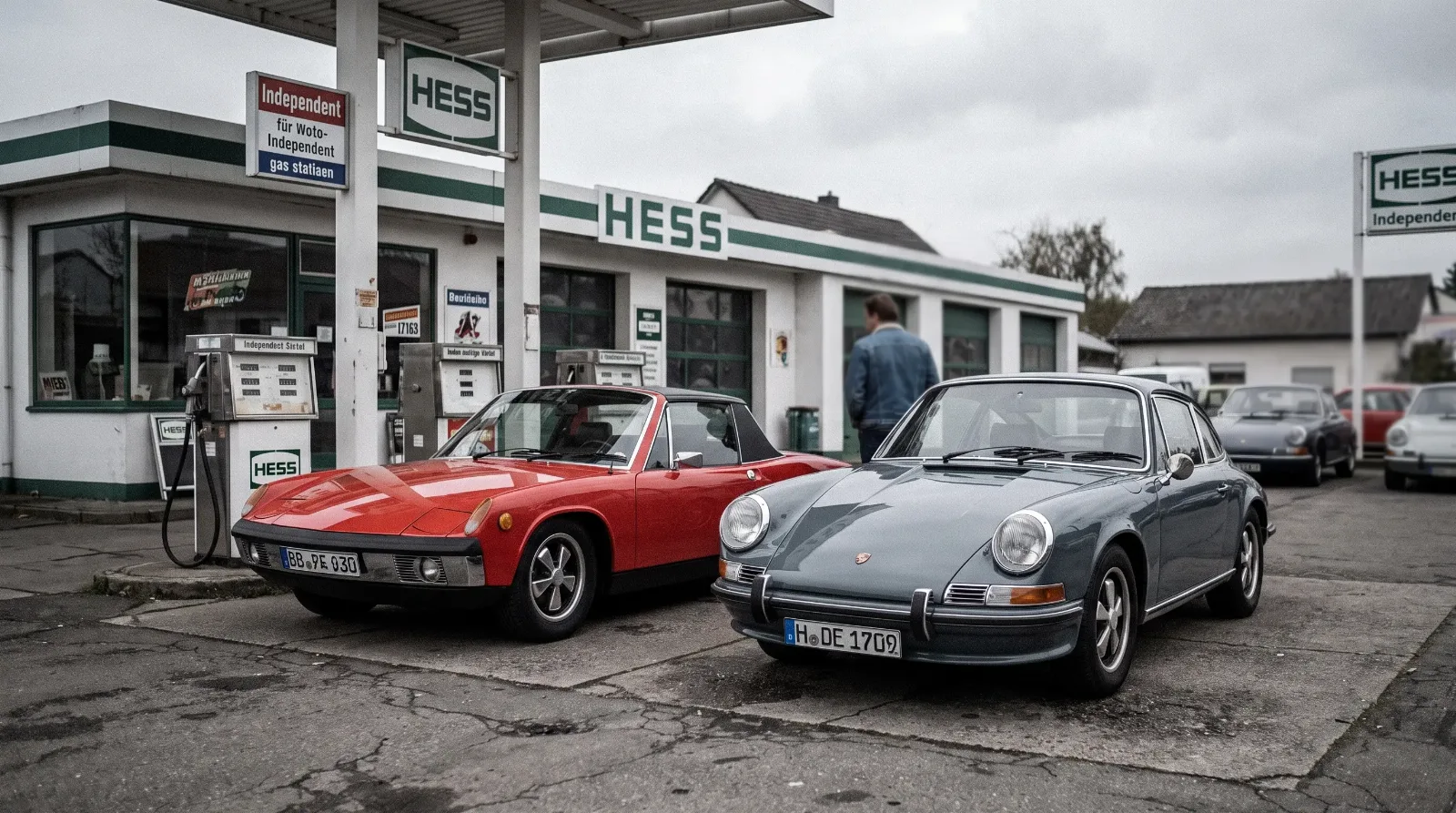
Part of what kept the underdog label alive so long was proximity. The 914 sat on Porsche price lists next to the 911 for its entire production run, and any buyer cross-shopping the two was, whether fairly or not, going to weigh a mid-engine four-cylinder car with shared VW parentage against a rear-engine six-cylinder built entirely under Porsche's own name. That comparison almost never favored the 914 in period, because it was not really a comparison of equals to begin with. The two cars occupied different price points and different engineering goals, but showroom placement invited the comparison anyway, and the 914 lost that argument for years simply by being asked to have it.
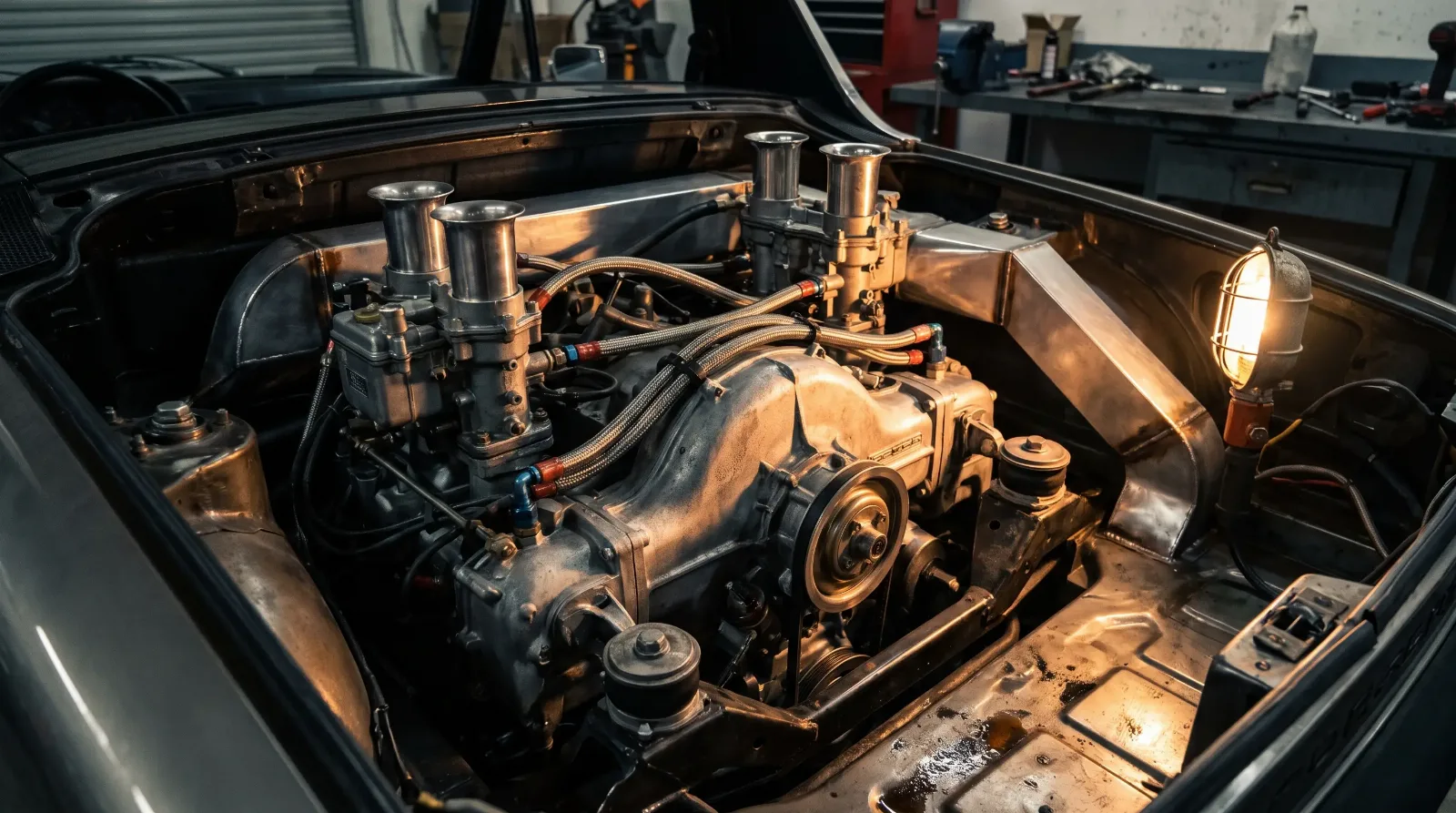
The four-cylinder engine question deserves a fuller answer than "it came from Volkswagen," since that shorthand undersells what actually happened. The 1.7-liter unit in early cars traced back to VW's Type 4 engine family, and later 1.8 and 2.0-liter versions retained that basic architecture while Porsche's engineers made their own revisions to fuel delivery and internals over the car's run. It was never simply a Beetle engine dropped into a sports car, but it also was not an engine Porsche had designed from a blank sheet, and that middle-ground reality was harder for period buyers to weigh fairly than a simple yes-or-no badge question.
How the reputation finally shifted
Values and attitudes toward the 914 began changing seriously once the broader classic Porsche market matured and buyers who had already secured a 356 or an early 911 started looking for the next undervalued chassis worth understanding on its own terms. The 914/6's rarity, once treated as a footnote, became a selling point. The mid-engine layout, once treated as a novelty, started reading as prescient once mid-engine sports cars became more broadly desirable across the industry. None of the engineering changed. The context around it did.
That shift is documented in detail across the 914 chapter of this series, which traces the model's full production history alongside the market reassessment that eventually followed it. Readers who want the design side of that same reevaluation, including how the styling read differently once buyers stopped comparing it directly to the 911, should keep reading the series, and anyone looking for how the 914 fits into the full arc from the 356 forward will find that context in the complete Porsche history this magazine has built out.
What the underdog label is worth today
The porsche 914 underdog reputation still shapes how the car is priced relative to its actual engineering merit, and that gap is closing but has not closed entirely. Clean four-cylinder cars remain more affordable than comparable-era 911s despite offering a driving experience that, on a twisting road, plenty of owners now openly prefer. That gap is exactly why the car has become a target for buyers who did their homework instead of following the old consensus, and anyone curious what that looks like in practice can find current listings under classic Porsche 914 for sale to see where the market has actually landed.
Sources and notes
- Hagerty: Why the Porsche 914 Still Puts a Grin on Your Face
- Autoblog: Before the Boxster, the Porsche 914 Was Misunderstood
- P914: VW-Porsche 914 European Specification Badge and Emblem Information
- Curbside Classic: 1970 VW-Porsche 914/6
- Stuttcars: Porsche 914 Ultimate Model Guide
- Wikipedia: Porsche 914