Record porsche sales get reported as single headline numbers, but the number alone tells you almost nothing about why the market moved. Every major result, from the McQueen-connected 917K to the string of air-cooled 911 sales that reset expectations in the mid-2010s, was driven by a specific combination of provenance, rarity, and timing. Understanding that combination matters more to a buyer today than memorizing the headline figures themselves.
Porsche results at auction have behaved differently from most of the collector car market over the last two decades. Rather than a steady climb, the air-cooled segment moved in sharp steps: long flat stretches followed by sudden repricing events triggered by one or two standout sales. Anyone buying into this market needs to understand which kind of period they are buying into, because the entry price looks very different depending on the answer.
The sales that actually reset the market
A small number of results did real work in repricing the broader Porsche market, rather than just making news. Standout 550 Spyder sales and the ex-Steve McQueen 1970 911S, which sold for $1.375 million at RM Auctions in Monterey in 2011 and set a record for a Porsche 911 at the time, are commonly cited, but the sale that most collectors point to as the inflection point is a 917K campaigned in the film "Le Mans," which sold for $14.08 million at Gooding & Company's 2017 Pebble Beach auction. That result did not just set a record for the model, it forced a repricing of the entire top tier of factory racing Porsches, because it proved a buyer pool existed at that level.
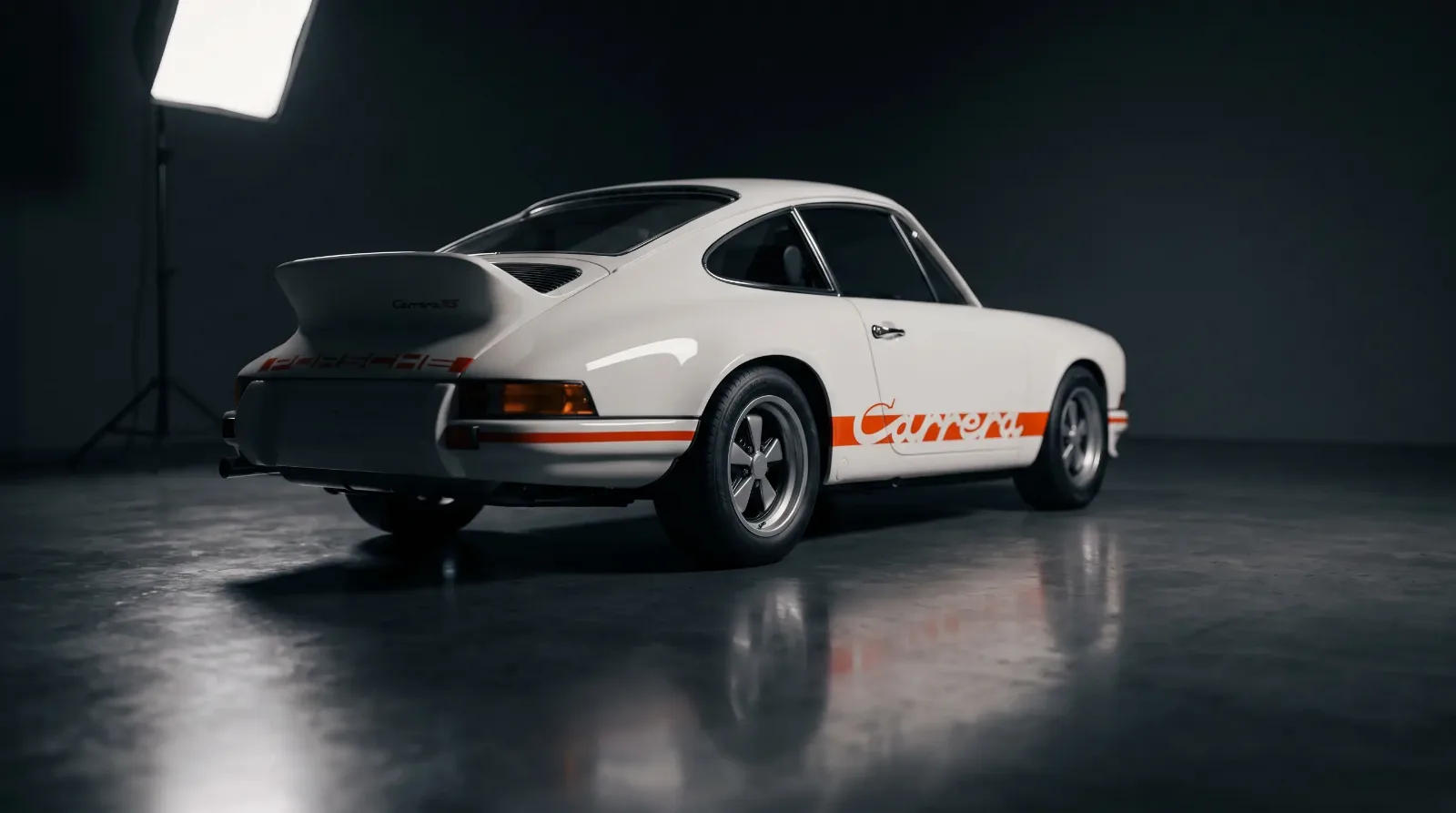
Below the headline cars, the more consequential shift for everyday collectors was the run-up in Carrera RS 2.7 values between roughly 2013 and 2016, when clean, numbers-matching examples moved from the low six figures into the high six and occasionally seven figure range. That move mattered more to the broader market than any single record sale, because it changed what an entire production run, not just one chassis, was worth.
What actually drives a record, beyond rarity
Rarity alone rarely produces a record price. The sales that break records combine rarity with a story the buyer pool already understands: a factory racing history, a celebrity connection, or an unbroken and fully documented ownership chain. A car can be objectively rarer than the one that just sold for a record and still bring far less, because the buyer pool for that specific configuration has not been primed to value it the same way.
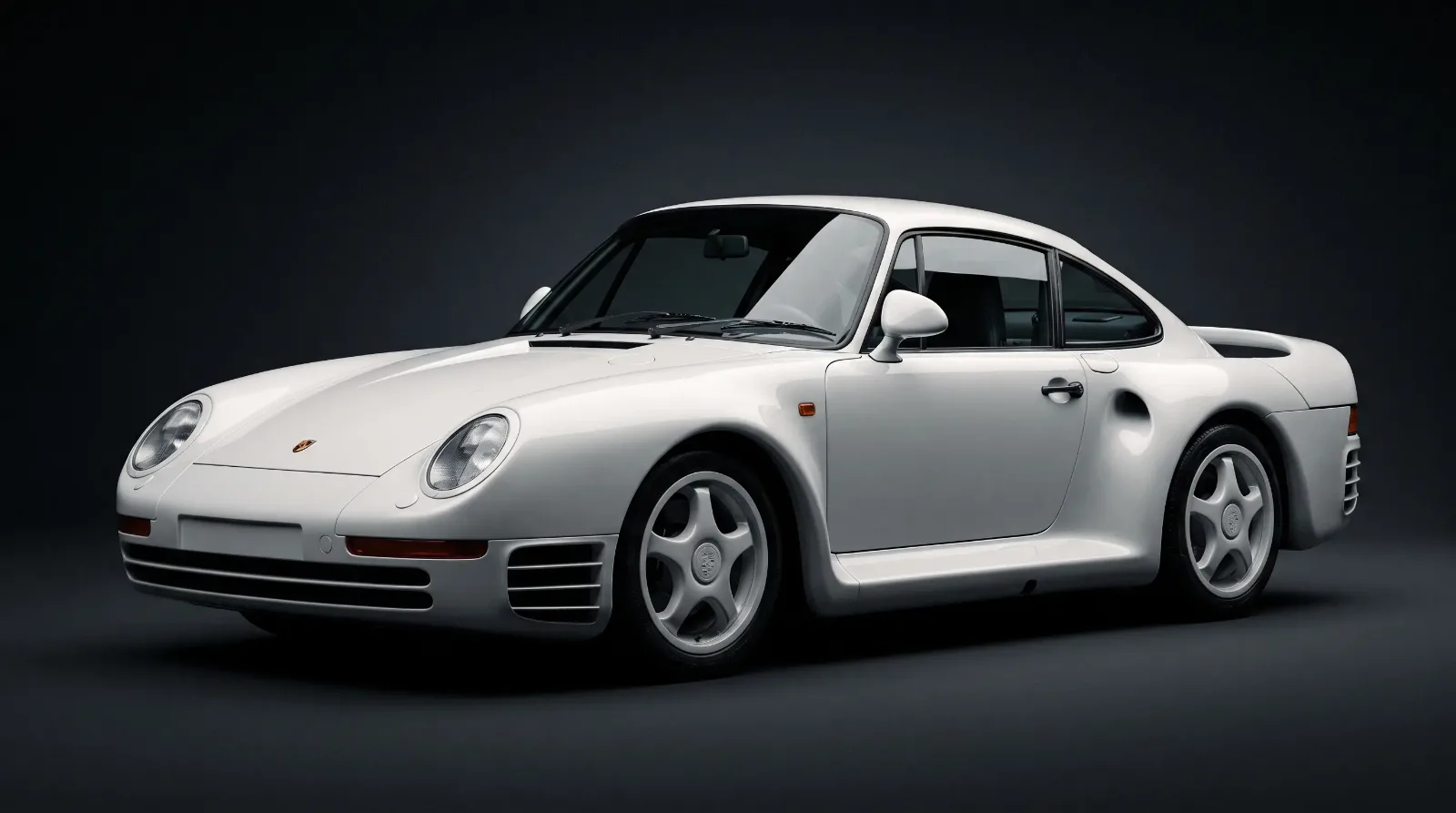
This is the part casual observers miss. The 959 and the 911 GT1 both command enormous prices, but they got there through different paths, one through factory homologation history tied to Porsche's homologation specials program, the other through a much shorter production run tied directly to Le Mans competition. Both are expensive. Neither price makes sense without the specific history behind it.
Reading a record sale as a buyer, not a spectator
When a record sale hits the news, the immediate effect on the broader market is usually smaller than headlines suggest. A single exceptional chassis selling for an exceptional price does not automatically lift every similar car. What it does, reliably, is draw new capital and new attention into the category, which over six to eighteen months tends to firm up prices for genuinely comparable cars, meaning cars with similar documentation and condition, not just the same model name.
The mistake I see buyers make is treating a record price as a floor for anything with the same badge. It is not. A record 911 sale tells you what the single best documented, best provenanced example of that car is worth. A car missing the racing history, the celebrity chain of ownership, or the matching numbers is a different asset entirely, and pricing it off the record headline is how buyers overpay.
"Every record sale gets treated like a new price floor for the model. It is not. It is the ceiling for one specific car with a specific story. The rest of the market moves at its own pace, usually slower and usually a lot less dramatically than the headline suggests."
— David Mercer
Buy or wait: where the data points now
My view, based on the pattern across the last three major repricing waves, is that buyers should treat any fresh record sale as a signal to research, not a signal to buy immediately. The cars most likely to benefit from a record sale's halo effect are documented, numbers-matching examples in the same model family with comparable rarity, and those tend to firm up in price over the following year rather than jump immediately. That gives a patient buyer a window, not a closing door.
For collectors building a position rather than chasing a single trophy car, the better opportunity is usually one tier below the record-setting example: same era, same engineering significance, thinner documentation or a less dramatic ownership story, priced at a real discount to the headline car. That is where value actually gets made in this market, not at the top of the charts.
Readers following how the rarest surviving examples of the breed are faring should look at the next story in this set, which breaks down specific chassis and why some command records while similarly rare cars do not. For the fuller arc of how Porsche's history shaped this market, the Classic Cars Arena Porsche guide covers the background in more detail.
The risk in chasing the next record
Every category has a point where buyers stop pricing the car and start pricing the narrative. Porsche's record-setting segment shows early signs of that in a few specific niches, particularly clean, unmodified late-1980s 911 Turbos with thin but plausible celebrity ownership claims. Prices in that narrow band have moved faster than documentation quality would justify, which is the same pattern that preceded a correction in a couple of other marques over the past decade. It does not mean avoid the category. It means underwrite the paperwork as carefully as the paint.
Sources and notes
- Steve McQueen's Porsche 917 from Le Mans sells for $14 million, Motor Authority
- Steve McQueen's 1970 Porsche 911S Sells For $1.375 Million, Motor Authority
- 1970 Porsche 911S Steve McQueen Le Mans Movie Car, RM Sotheby's
- World Record Achieved as Porsche 550 Sells for £4.6 Million, Bonhams
- 1955 Porsche 550 Spyder Valuation, Hagerty
- Porsche 550 Spyder Market, Classic.com