A one off Porsche does not trade like a normal collector car, and that is the first thing a buyer needs to accept before wiring a deposit. Most of the cars built through Porsche's Sonderwunsch (Special Wishes) program, and the wider run of factory one-offs that predate it, were never meant to be compared against a price guide. Each one is its own market. That is either the appeal or the risk, depending on how much documentation survives.
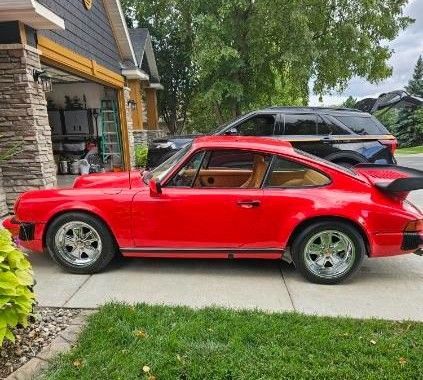
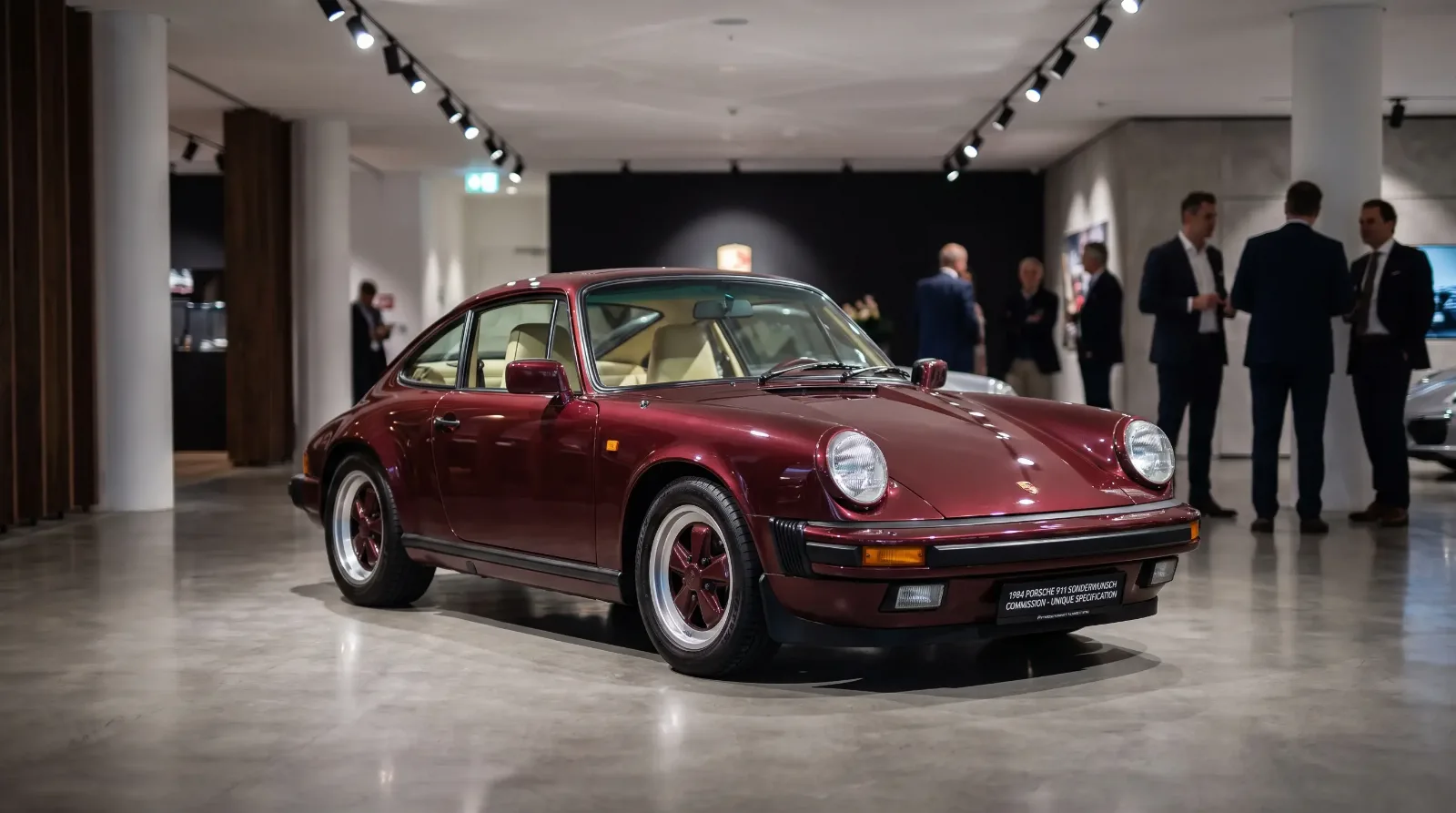
The Sonderwunsch department grew out of Porsche's ordering desk in Zuffenhausen, where a client with enough patience and money could request paint, trim, and equipment the catalog did not offer. Some requests were modest, a color pulled from the Porsche parts bin for a different model. Others were structural, changed roof lines, one-off interiors stitched from leather nobody else ordered, or a 911 built with a factory flat nose years before that became a regular option. None of this was advertised. It shows up now mostly through factory build sheets, period invoices, and the occasional magazine mention.
What "one off" actually means at Porsche
Buyers throw the term around loosely. At Porsche it has a narrower, more useful meaning: a car built to a single client's specification, with a factory record showing that specification differed from the standard build sheet for that chassis type. That is different from a car that is simply rare because few were made, and different again from a car customized after delivery by a dealer or a previous owner. All three get marketed as "one of a kind." Only the first has a paper trail that actually supports the claim.
This distinction matters more than most buyers realize until they try to sell. A genuine factory one-off carries a Kardex or equivalent production record cross-referenced against the special order. A car modified after the fact carries none of that, no matter how well the work was done. The value gap between the two, for cars that otherwise look identical, is not small.
Documentation is the entire asset
Strip away the story and a one-off Porsche is a used car with unusual options. What turns it into an appreciating asset is the paper behind it: the original order form, factory correspondence confirming the deviation, and ideally a contemporary photograph or magazine reference tying the specific chassis number to the special request. Without that chain, a claimed one-off is just an assertion, and the market prices assertions at a steep discount to proof.
I have watched sellers list cars as "factory special order, one of one" with nothing more than a family story to back it up. Those cars sell, but they sell in the range of a well-optioned standard car, not in the range their paint color would suggest. The premium is earned by the file folder, not the paint.
Liquidity is the trade-off nobody advertises
A standard air-cooled 911 in good condition has dozens of recent comparable sales to anchor a price against. A genuine one-off has none. That is not a footnote, it is the central risk of owning one. When it comes time to sell, there is no comp set to point to, only negotiation between two parties who each have to decide what the story is worth that day. Some one-offs sell fast to a buyer who wanted exactly that history. Others sit for years because the pool of people who care about a specific special order is small, and the pool willing to pay a premium for it is smaller still.
This is why serious collectors treat one-offs as a different asset class from numbers-matching production cars, closer to fine art than to a used sports car. The downside is real: a one-off with thin documentation, cosmetic damage to its original special-order features, or a break in the ownership chain can sit unsold at almost any price, because the very thing that made it valuable is now in question.
| Factor | Raises value | Erodes value |
|---|---|---|
| Documentation | Factory order confirmed against build sheet | Family story only, no paper trail |
| Originality | Special-order features intact and unrestored | Repainted or retrimmed away from original spec |
| Public record | Period magazine feature or factory press mention | No prior public reference to the car |
| Ownership chain | Continuous, traceable from first owner | Gaps, especially around a restoration |
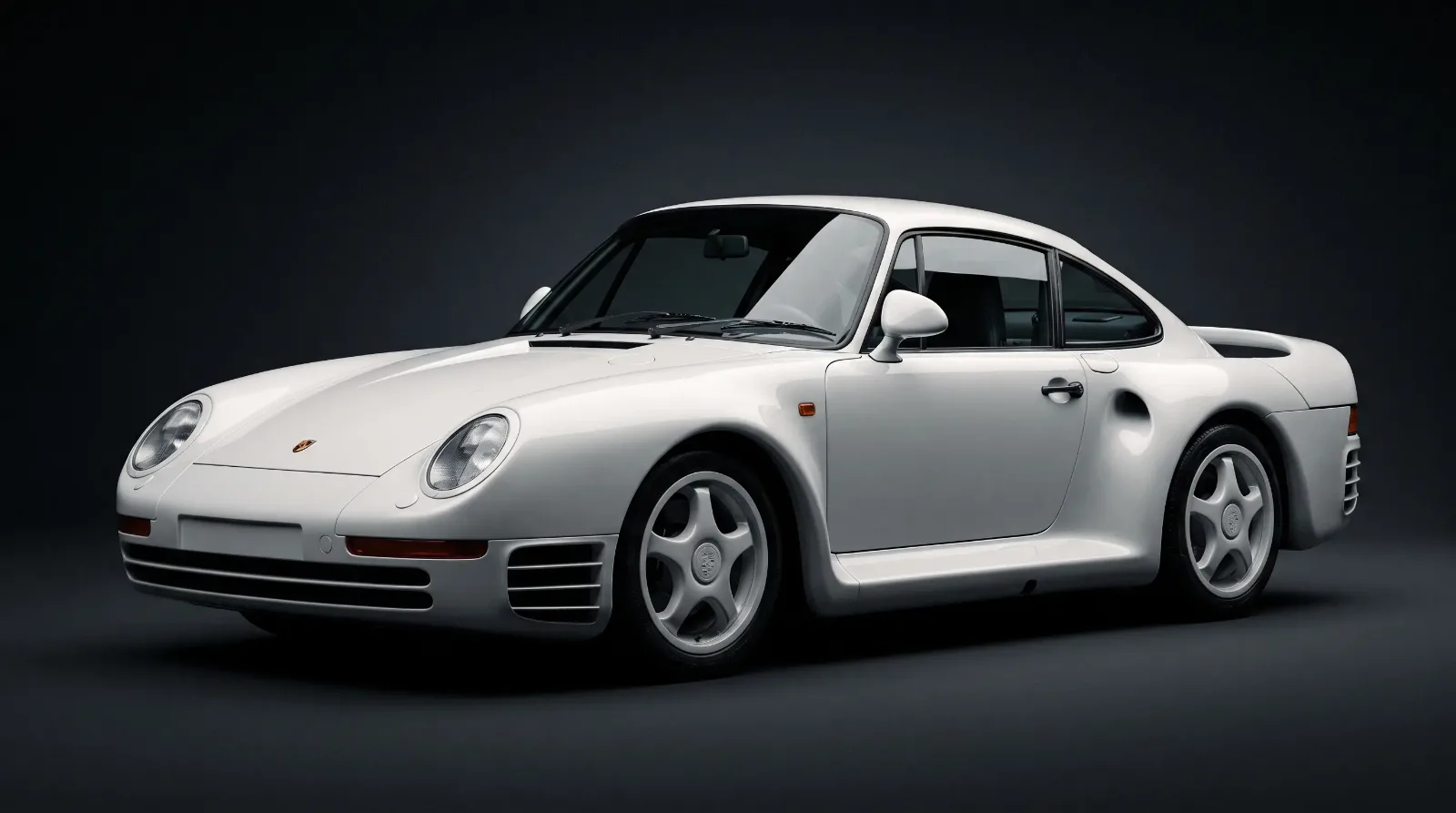
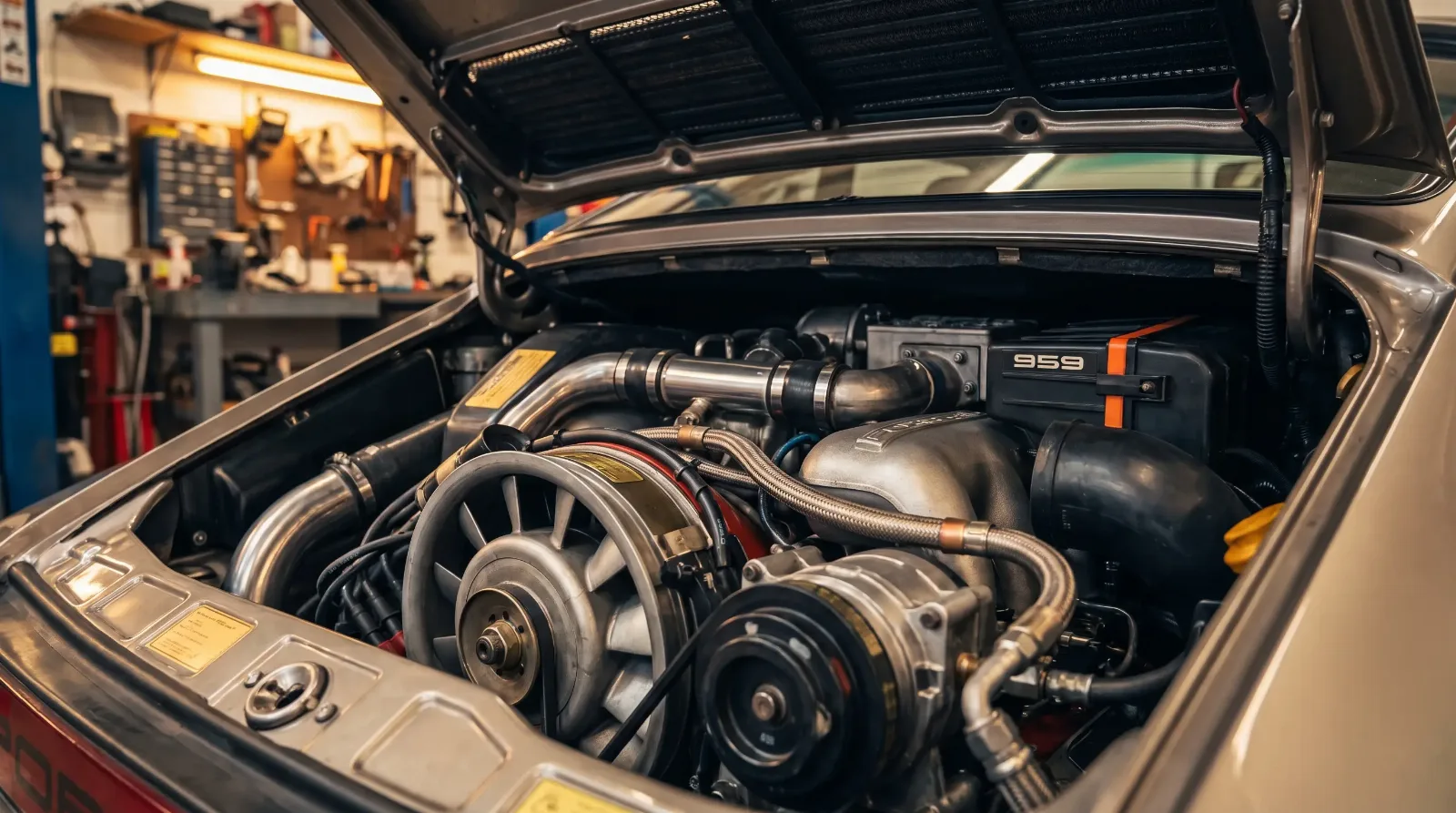
Some of the more well-known Sonderwunsch commissions crossed paths with Porsche's homologation specials program in the 1980s, since the same engineers and the same small-batch mindset touched both efforts. The halo cars were built to a rule book for racing eligibility. The Sonderwunsch cars were built to satisfy one buyer. The overlap in craftsmanship is real even though the intent was different.
What actually moves at auction, and what does not
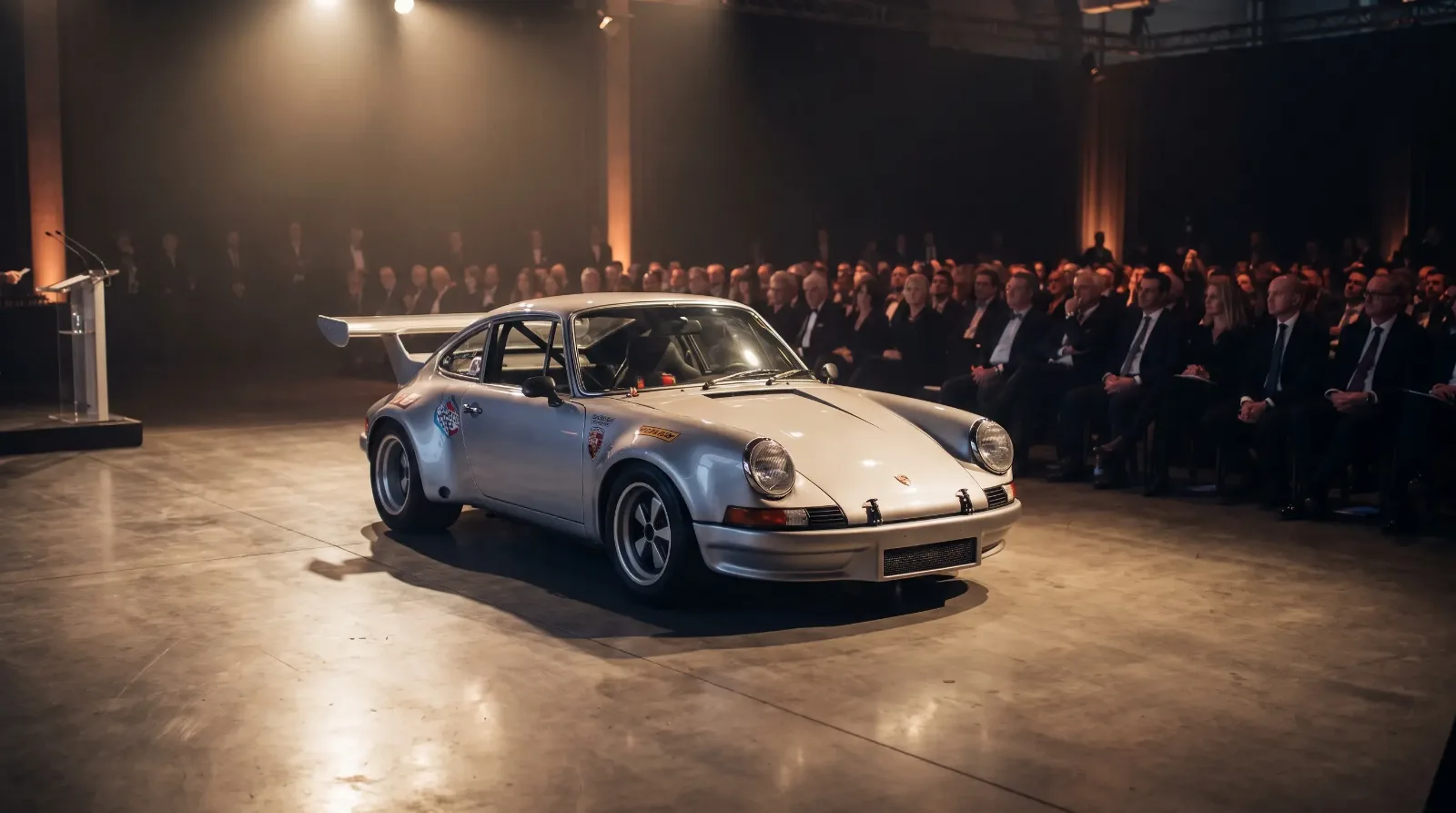
Auction houses love a one-off headline, and the ones with airtight documentation do bring strong results, sometimes multiples of a standard car in the same specification. But for every one that sells at a premium, there is a lesser-known example that gets a single bid or fails to meet reserve, usually because the cataloging could not back up the claim with primary sources. Buyers should read a "one of one" listing the way an appraiser does: assume the claim is unverified until the paperwork proves otherwise, and price accordingly until it does.
For a wider view of how these commissions fit into the marque's history, our Porsche retrospective traces the period context in more depth. And for readers tracking how the rarest examples perform once they hit the block, the next story in this set covers the sales that actually set records, not just the ones that made headlines.
"A one-off is worth exactly what its documentation can prove, and not a dollar more. I have seen beautiful cars with a great story and no file, and they sell like nice used cars. The file is the asset. The car just carries it."
— Marcus Feld
How to evaluate one before you bid
Treat any claimed one-off as a research project before it is a purchase. Request the Kardex or factory build record and confirm the chassis number matches. Ask for any correspondence between the original buyer and the factory, dealer invoices from the period, and magazine or club newsletter mentions if they exist. Have an independent marque specialist, not the seller's own expert, verify that the special-order features are original rather than added later to support a higher asking price. None of this guarantees liquidity when you want to sell, but it is the difference between owning a documented piece of Porsche history and owning a used car with a good story attached to it.
Sources and notes
- Porsche.com: What is Sonderwunsch from Porsche?
- Porsche Newsroom: Masterpieces, from early customer requests to factory one-offs
- Porsche.com: Creating custom Porsche cars with the Sonderwunsch programme
- duPont Registry: Porsche Masterpieces, the Sonderwunsch and Exclusive Manufaktur Legacy
- Champion Porsche: Masterpieces, From Early Customer Requests to Factory One-Offs
- Supercar Blondie: History of Custom Porsche, Sonderwunsch to Exclusive Manufaktur